This September Mistake Can Leave Arizona Salvia With Fewer Fall Flowers
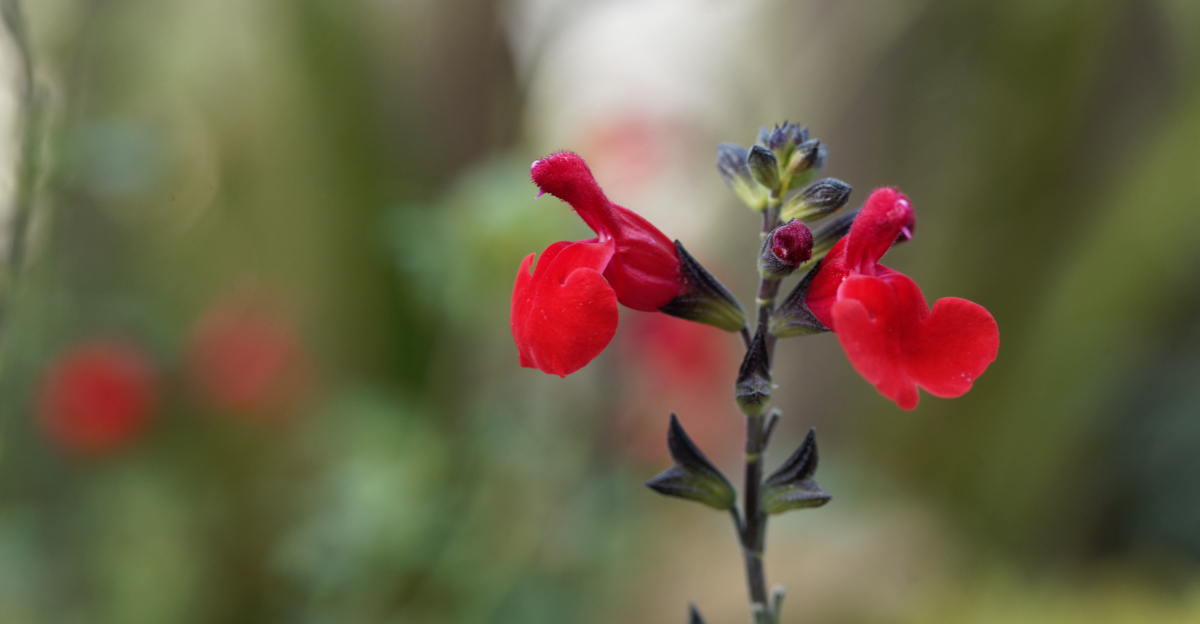
Fall flowers can disappear before they even open when salvia gets the wrong treatment in September. One tempting garden task can remove the growth that would soon carry fresh color.
Arizona salvia often responds to seasonal changes with another round of blooms.
That makes early fall a poor time for careless cutting. Before grabbing your pruners, check whether those healthy stems are preparing to flower again.
Fresh growth may not look impressive at first, but give it time to develop.
Your plant has already handled months of intense sun and heat. September care should support its next display instead of setting it back.
Knowing which task to avoid can protect those coming blooms and help your salvia finish the growing season with the colorful show you were hoping to enjoy.
1. September Blooms Still Depend On Enough Water
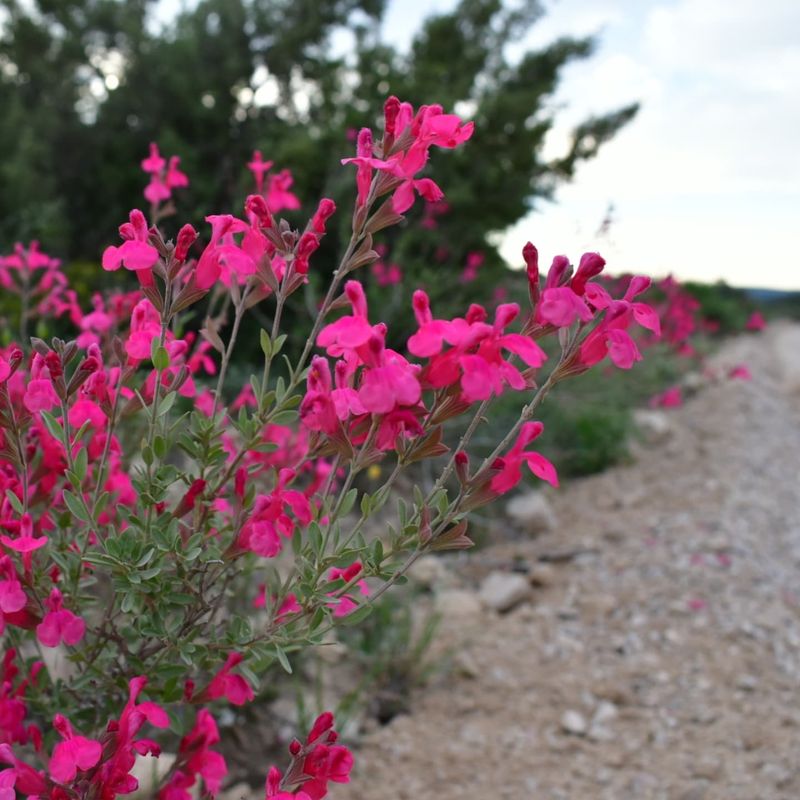
Dry soil in September can quietly work against a plant that looks tough on the outside.
Autumn Sage handles heat well, but that does not mean it thrives without any moisture at all.
When soil stays bone-dry for too long during late summer, the plant shifts its energy away from flowering. Bud development slows down, and fewer flowers open as a result.
Arizona gardens can get brutally dry in September, especially after the monsoon season winds down. Once that seasonal moisture disappears, supplemental watering becomes more important.
Letting the soil dry out completely for extended stretches puts stress on the plant.
That stress shows up later as a reduced flower count heading into fall.
Checking soil moisture a few inches below the surface gives a much better picture than just looking at the top layer. If it feels very dry, the plant could likely use a slow, deep drink.
Autumn Sage does not need soggy conditions, but consistent moisture supports continued blooming. A little attention to watering in September can help keep those fall flowers coming.
2. Autumn Sage Is Built For A Long Blooming Season
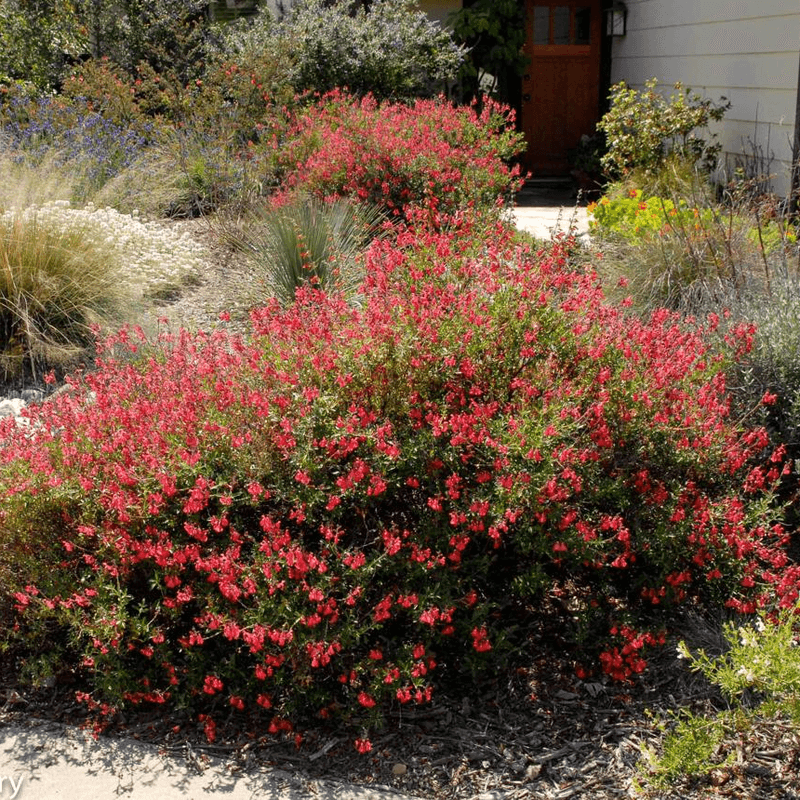
Few flowering shrubs put on a show as long as Autumn Sage does. Salvia greggii can start blooming in spring and keep going well into fall under the right conditions.
That extended season is one of the main reasons gardeners across the Southwest reach for this plant. It fills the landscape with color during months when other plants have already faded.
Spring kicks off the first big flush of flowers. Summer heat slows things down a bit, but the plant rebounds once temperatures begin to ease in late summer and early fall.
That fall rebound is where Autumn Sage really earns its name.
Cooler nights and slightly milder days create ideal conditions for a fresh wave of blooms to open up.
The plant’s natural growth habit supports this long season. Salvia greggii puts out new growth regularly, and that new growth is where flower buds tend to form.
Protecting that new growth in September matters. Anything that disrupts the plant’s momentum during this period can shorten the fall blooming window that makes Autumn Sage so valuable in the landscape.
Your Arizona Garden Changes Every Week. Your Plan Should Too.
Gardening in Arizona changes quickly throughout the season. Every Friday you’ll receive a simple weekly plan showing exactly what to plant, prune, fertilize, harvest, and protect so you never miss the right timing.
3. Low-Water Does Not Mean No-Water
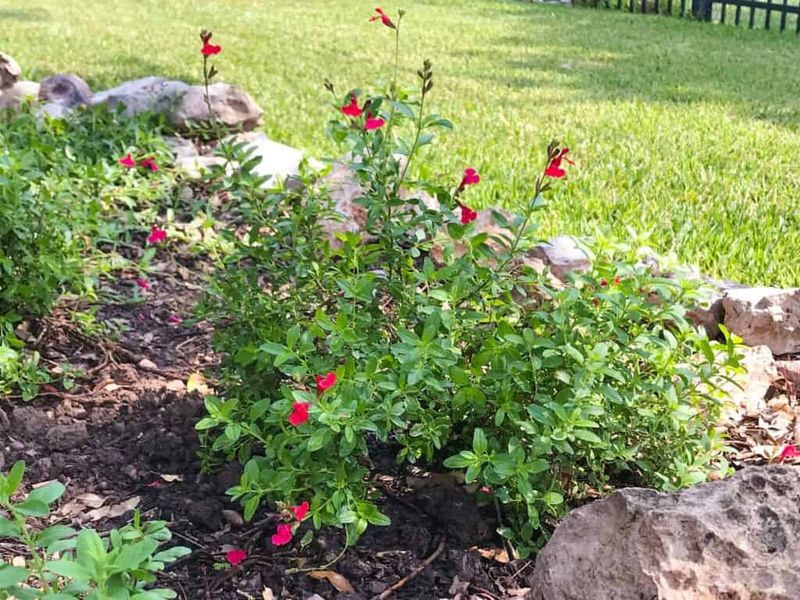
Calling Autumn Sage a low-water plant is accurate, but that label gets misread more often than people realize.
Low-water does not translate to zero water, especially during active growth and blooming periods.
Even drought-tolerant plants have a threshold. Push past it, and the plant starts to struggle in ways that are not always obvious right away.
Flower production is one of the first things to slow when a plant is under moisture stress. Buds may form but fail to open fully, or new buds may not develop at all.
In Arizona, late summer heat combined with dry soil can push Autumn Sage past that threshold without much warning. Gardeners who stop watering after the monsoon season ends may notice fewer flowers in fall.
Appropriate irrigation means reading the plant and the soil rather than following a fixed schedule. Factors like soil type, sun exposure, and recent rainfall all play a role.
A slow, deep watering that reaches the root zone tends to serve the plant better than frequent shallow applications. Giving the soil time to partially dry between waterings also helps avoid overwatering, which creates its own set of problems.
4. Spent Flowers Can Come Off Without A Heavy Cut
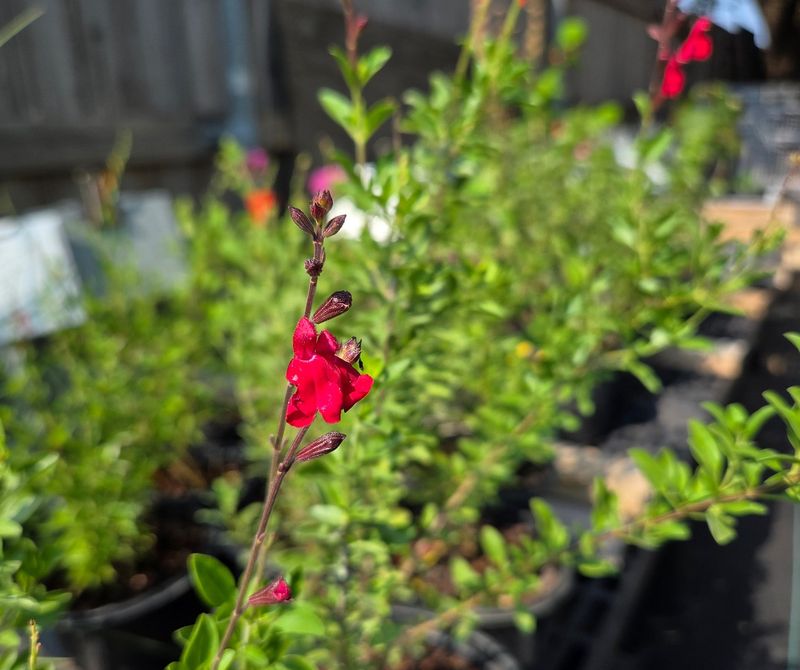
Deadheading sounds like a big job, but with Autumn Sage it is actually pretty simple.
Removing spent flower stems encourages the plant to redirect energy toward producing new blooms.
When finished flowers are left on the plant, they signal that the reproductive cycle is complete. The plant may slow down its flower production as a result.
Snipping off those spent stems just above a set of healthy leaves is usually enough.
A small pair of hand pruners or even sharp scissors works well for this task.
The goal here is light and targeted removal, not a major reshaping of the plant. Focus only on the stems that have finished flowering and leave the rest of the plant alone.
September is a good time to stay on top of deadheading because new buds are forming for the fall flush. Keeping spent blooms cleared gives those new buds room to develop without competition.
Consistency matters more than perfection with this task. Even removing spent flowers every week or two during September can make a noticeable difference in how many fresh blooms open up as fall arrives.
A little regular attention goes a long way.
5. Heavy Pruning Can Wait For A Better Time
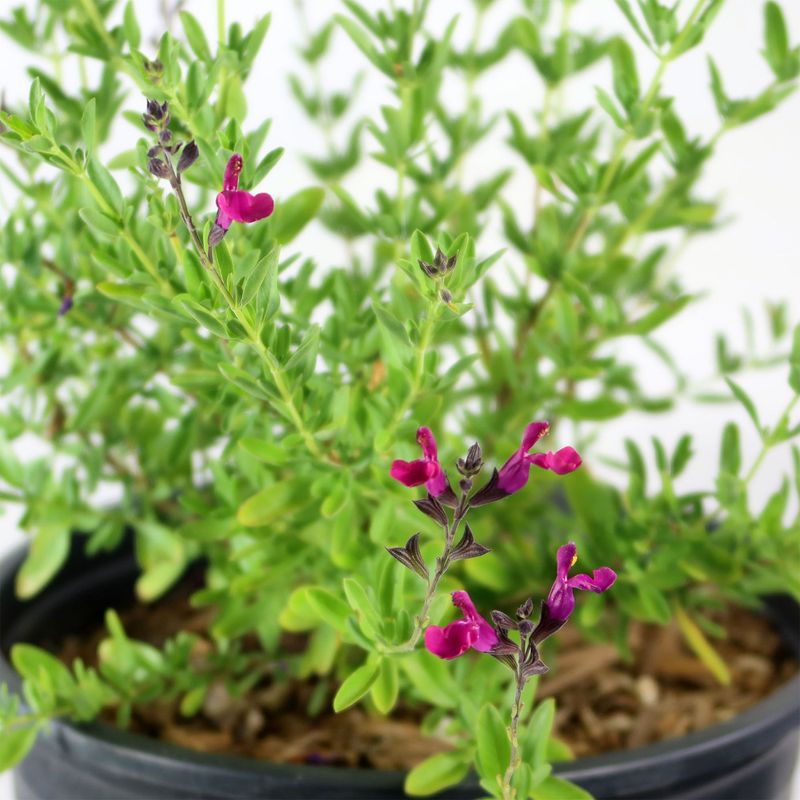
Reaching for the pruning shears in September feels productive, but cutting back hard at this time can interfere with the fall bloom cycle. Autumn Sage typically responds better to heavier pruning in winter or early spring.
Old woody stems are best addressed when the plant is not actively pushing out new flower buds. Cutting them back in September removes growth that the plant was relying on to support fall flowers.
That does not mean every September cut causes a problem. Light shaping or removing a few wayward stems is different from a hard cutback that takes the plant down significantly.
Winter dormancy, or the period just before new spring growth begins, is when most experienced gardeners tackle the heavier work. At that point, the plant is less focused on flowering and can recover more easily.
Early spring is another window that works well for a more thorough trim.
New growth has not yet fully pushed out, so cutting back then tends to stimulate a strong flush of fresh stems and flowers.
Patience with the pruning schedule pays off. Letting Autumn Sage finish its fall bloom cycle before doing heavy work respects the plant’s natural rhythm and keeps the flower show going longer into the season.
6. Sun Helps Support The Flowering Display
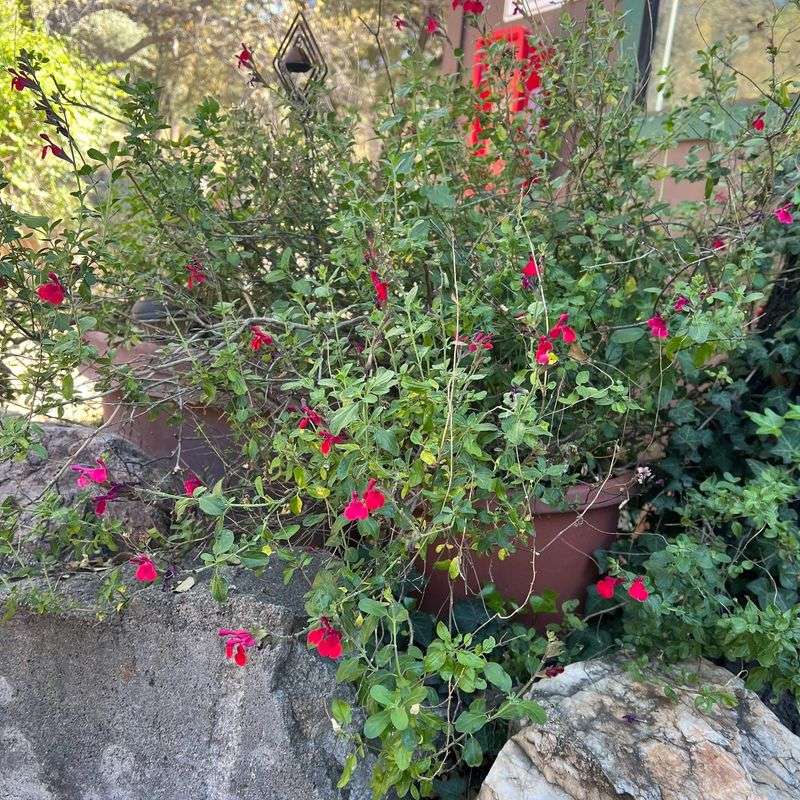
Sunlight is one of the most straightforward things Autumn Sage needs to flower well. Put it in a bright spot, and it tends to perform.
Move it into too much shade, and the flower count drops noticeably.
Salvia greggii does best in full sun or partial sun. A location that gets at least six hours of direct light daily is generally a solid choice for this plant.
Shaded spots may still support some growth, but the flowering display is usually much less impressive. Stems can also become stretched and leggy when the plant is reaching for light it cannot quite find.
Landscape placement matters from the start. Tucking Autumn Sage behind a wall or under a dense canopy limits the light it receives and works against the flowering potential it is naturally capable of.
Bright afternoon sun in the Southwest can be intense, but Autumn Sage handles it well once established. It is built for sunny, open conditions and tends to look its best in those settings.
Reviewing sun exposure in September is worthwhile if flowering has been disappointing.
Nearby trees or structures may have shifted shade patterns since the plant was first installed, and that change can affect bloom production more than gardeners expect.
7. Fall Flowers Can Keep Hummingbirds Coming Back
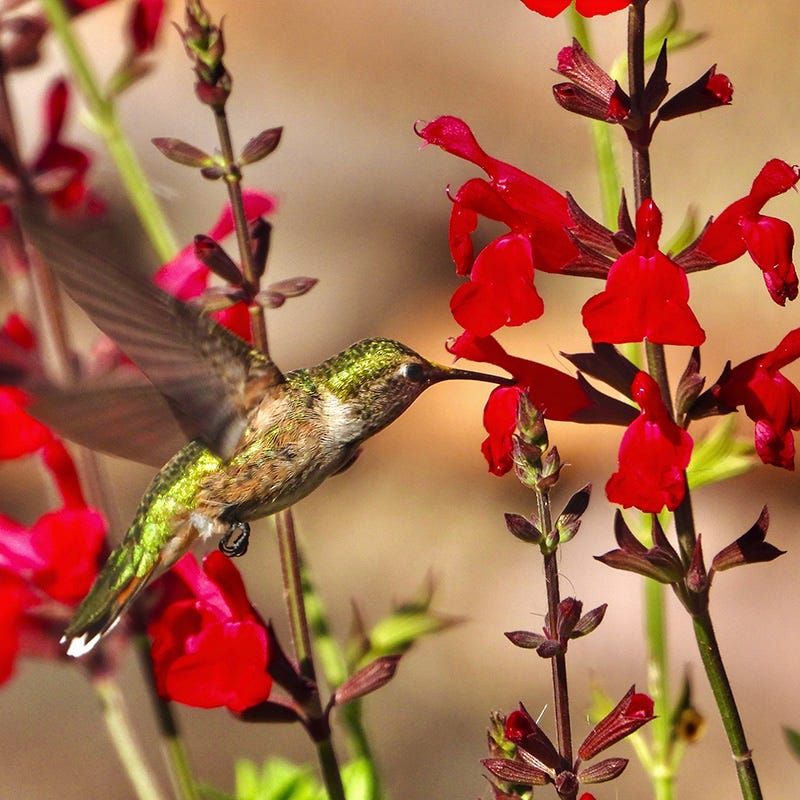
Hummingbirds and Autumn Sage have a well-established relationship. The tubular shape of the flowers fits a hummingbird’s bill perfectly, making this plant a reliable stop on their feeding routes.
As fall migration gets underway, hummingbirds are actively looking for nectar sources. A garden with Autumn Sage still in bloom gives them exactly what they need during that push south.
Keeping the plant healthy through September directly supports that wildlife connection. Fewer flowers mean fewer reasons for hummingbirds to visit and linger in the garden.
Autumn Sage blooms tend to run from spring through fall, which means the plant can serve as a food source across multiple seasons. That extended availability is part of what makes it so useful for pollinator-friendly gardens.
Red and coral flower varieties tend to attract hummingbirds especially well, though pink and white selections also get visits. Planting a mix of colors can support a slightly broader range of pollinators alongside hummingbirds.
Maintaining good flowering into fall is not just about aesthetics.
For gardeners who enjoy watching wildlife, a well-tended Autumn Sage in September and October can turn a backyard into a reliable hummingbird stop during one of the most active migration periods of the year.