Why California Millennials Prefer Compact Gardening Over Traditional Yards
Across California, a new generation of homeowners and renters is redefining what it means to have a green thumb.
Instead of sprawling lawns and ornate landscapes, millennials are turning patios, balconies, and tiny backyards into lush, efficient gardens bursting with life.
Space may be limited, but creativity certainly isn’t.
Compact gardening—using raised beds, container gardens, and vertical planters—fits perfectly into the fast-paced, eco-conscious lifestyle that defines this generation.
It’s sustainable, affordable, and surprisingly productive, even in the middle of Los Angeles or San Francisco.
For many, it’s less about keeping up appearances and more about cultivating something personal and meaningful—fresh herbs for dinner, a few homegrown tomatoes, or a cozy plant corner that feels like an escape.
As urban areas grow denser and climate concerns rise, California millennials are proving that you don’t need acres of land to grow beauty, nourishment, and a sense of home.
Limited Outdoor Space In Urban Areas
Apartments and townhomes have become the primary housing option for many California millennials.
These living spaces rarely come with traditional yards, making compact gardening the only realistic option.
Urban areas like Los Angeles, San Francisco, and San Diego are packed with high-rise buildings and multi-unit complexes where outdoor space is a luxury.
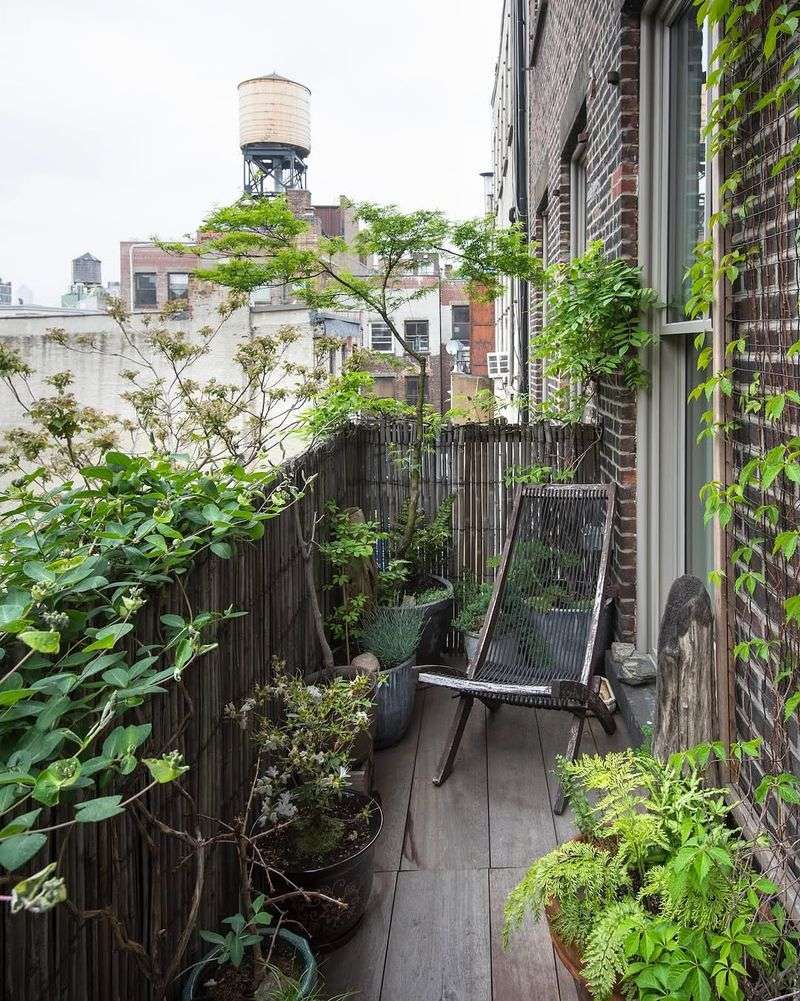
Balconies, patios, and even windowsills become valuable real estate for growing plants.
Millennials have adapted by using vertical gardens, hanging planters, and stackable containers.
These creative solutions allow them to enjoy greenery without needing a full backyard.
Compact gardening fits perfectly into these smaller living arrangements.
Container gardens can thrive on a narrow balcony or a shared courtyard.
Young gardeners appreciate the flexibility to work within tight spaces.
They can grow tomatoes, herbs, succulents, and flowers in surprisingly small areas.
This approach transforms limited outdoor zones into productive green spaces.
Living in an apartment no longer means giving up on gardening dreams.
Compact methods prove that size doesn’t limit what you can grow.
Urban millennials are redefining what a garden looks like in modern California cities.
Lower Water Use And Easier Care
Water conservation matters deeply to Californians who have experienced years of ongoing restrictions.
Compact gardens naturally require less water than traditional lawns and large garden beds.
Millennials appreciate the ability to control exactly how much water each plant receives.
Container gardens make it easy to use drip irrigation systems or self-watering pots.
These tools reduce waste and keep plants healthy without constant attention.
Busy schedules also play a role in the appeal of smaller gardens.
Young professionals and parents don’t always have hours to spend on yard maintenance.
Compact setups take less time to water, prune, and manage.
A few pots on a balcony can be cared for in minutes rather than hours.
This efficiency matches the fast-paced lifestyle many millennials lead.
Choosing drought-tolerant plants like lavender, rosemary, and succulents makes care even simpler.
These plants thrive in California’s climate and need minimal watering.
Compact gardening aligns with environmental responsibility and practical time management.
Your California Garden Changes Every Week. Your Plan Should Too.
Gardening in California changes quickly throughout the season. Every Friday you’ll receive a simple weekly plan showing exactly what to plant, prune, fertilize, harvest, and protect so you never miss the right timing.
It’s a win for both the planet and personal schedules.
Better Use Of Patios And Balconies
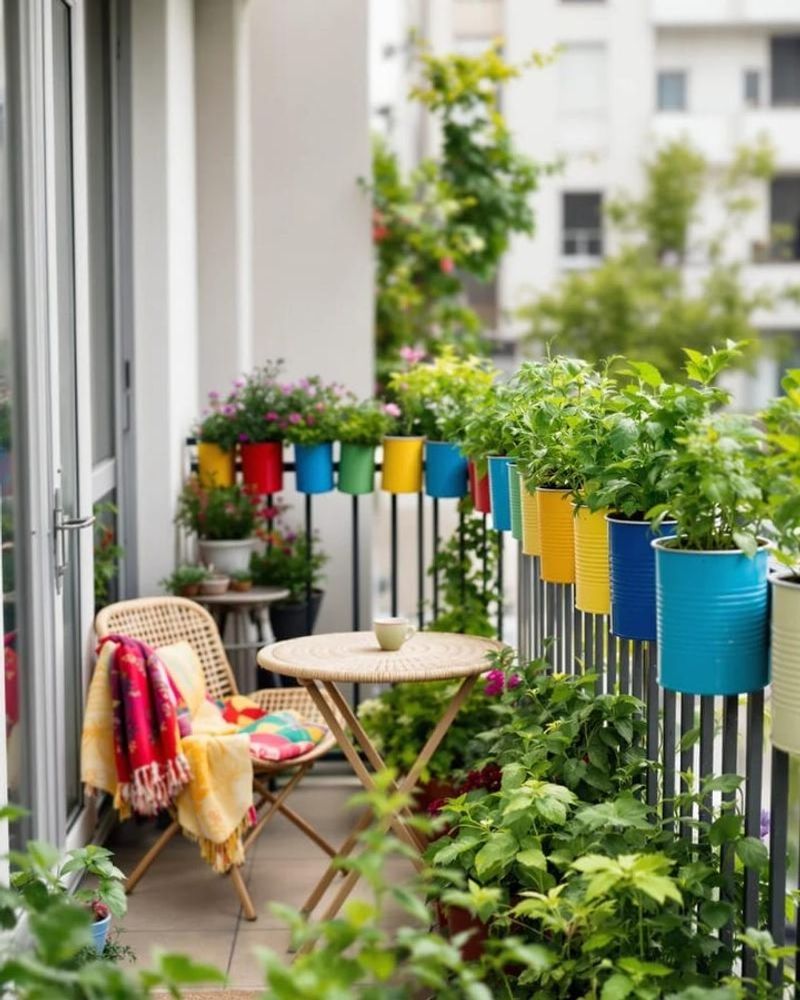
Many rental units and condos come with patios or balconies that sit empty or underused.
Compact gardening turns these overlooked spaces into vibrant, functional outdoor areas.
A plain concrete balcony can become a peaceful retreat filled with greenery and color.
Millennials enjoy creating personal oases where they can relax and unwind.
Adding plants to a patio makes it feel more inviting and lived-in.
Herbs like basil, mint, and cilantro grow well in small pots and provide fresh ingredients for cooking.
Flowers such as petunias, marigolds, and geraniums add cheerful pops of color.
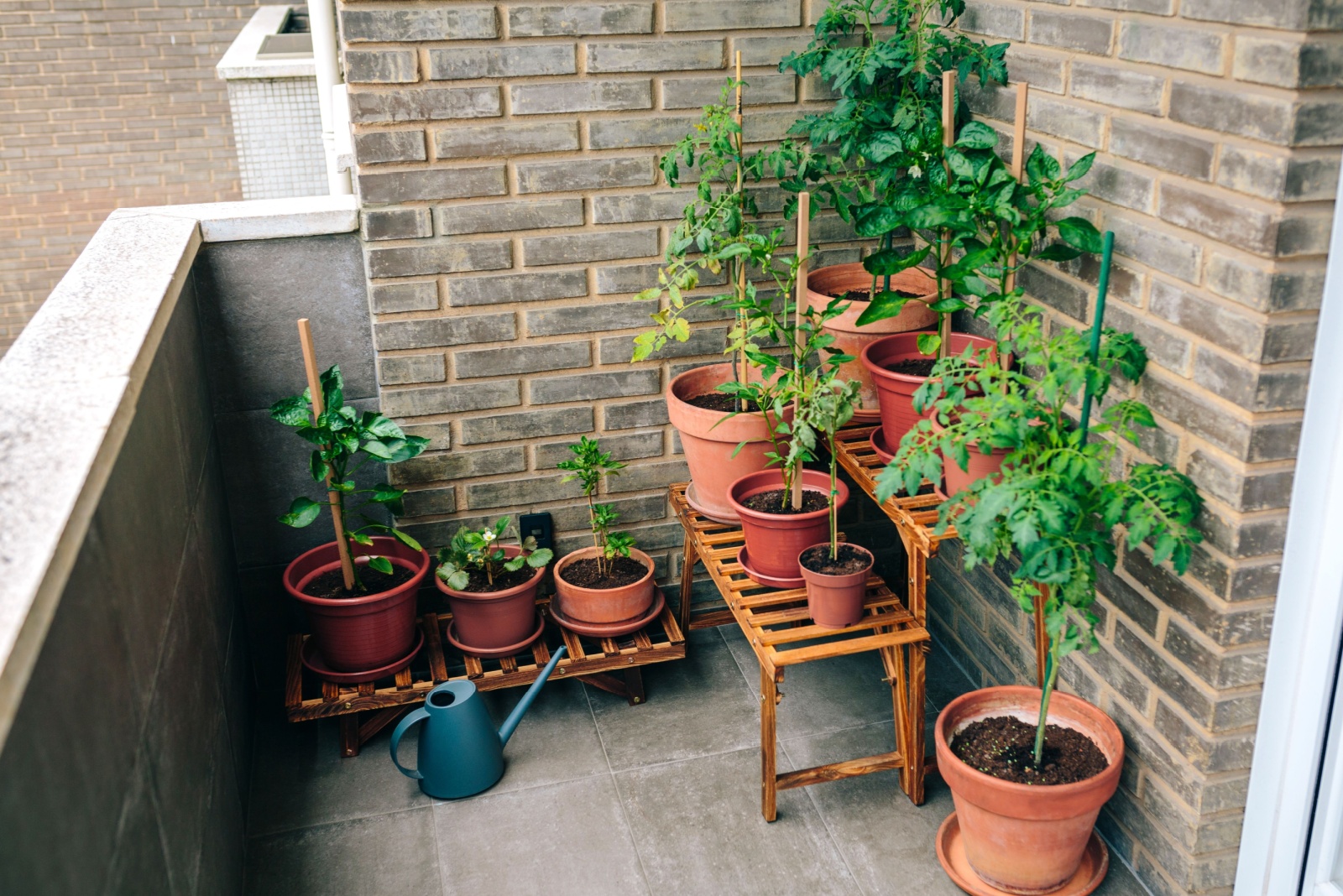
Even small vegetable plants like cherry tomatoes and peppers thrive in containers.
These transformations don’t require major renovations or expensive furniture.
A few well-chosen plants and simple containers can completely change the vibe of a space.
Patios and balconies become extensions of living areas rather than forgotten corners.
Millennials value making the most of every square foot they have.
Compact gardening helps them achieve that goal beautifully.
Underused outdoor areas gain new purpose and personality.
Affordable Gardening On A Budget
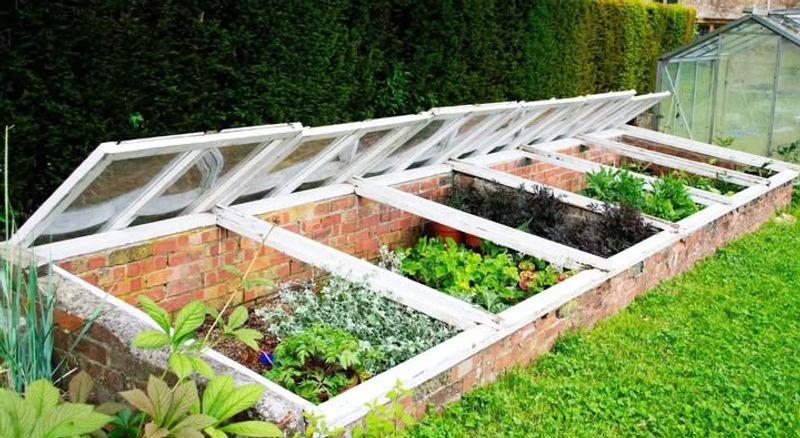
Starting a traditional garden can be expensive with costs for soil, plants, tools, and ongoing maintenance.
Compact gardening offers a much more budget-friendly alternative.
Millennials often face student loans, high rent, and other financial pressures.
Spending hundreds or thousands on a yard isn’t realistic for many.
Container gardens require only a few pots, some potting mix, and seeds or starter plants.
These initial costs are manageable and can fit into tight budgets.
Maintenance expenses also stay low because smaller gardens need less fertilizer, water, and pest control.
Many millennials get creative by repurposing items like old buckets, crates, or jars as planters.
This DIY approach adds character while keeping costs down.
Growing your own herbs and vegetables can even save money on groceries over time.
Fresh basil from a windowsill costs pennies compared to store-bought bunches.
Compact gardening proves that you don’t need a big budget to enjoy growing plants.
Affordability makes gardening accessible to more people regardless of income.
Young gardeners appreciate being able to start small and expand gradually as finances allow.
Flexible Designs That Can Move
Millennials move more frequently than previous generations due to job changes, rent increases, or lifestyle shifts.
Traditional gardens stay rooted in one place, making them impractical for renters.
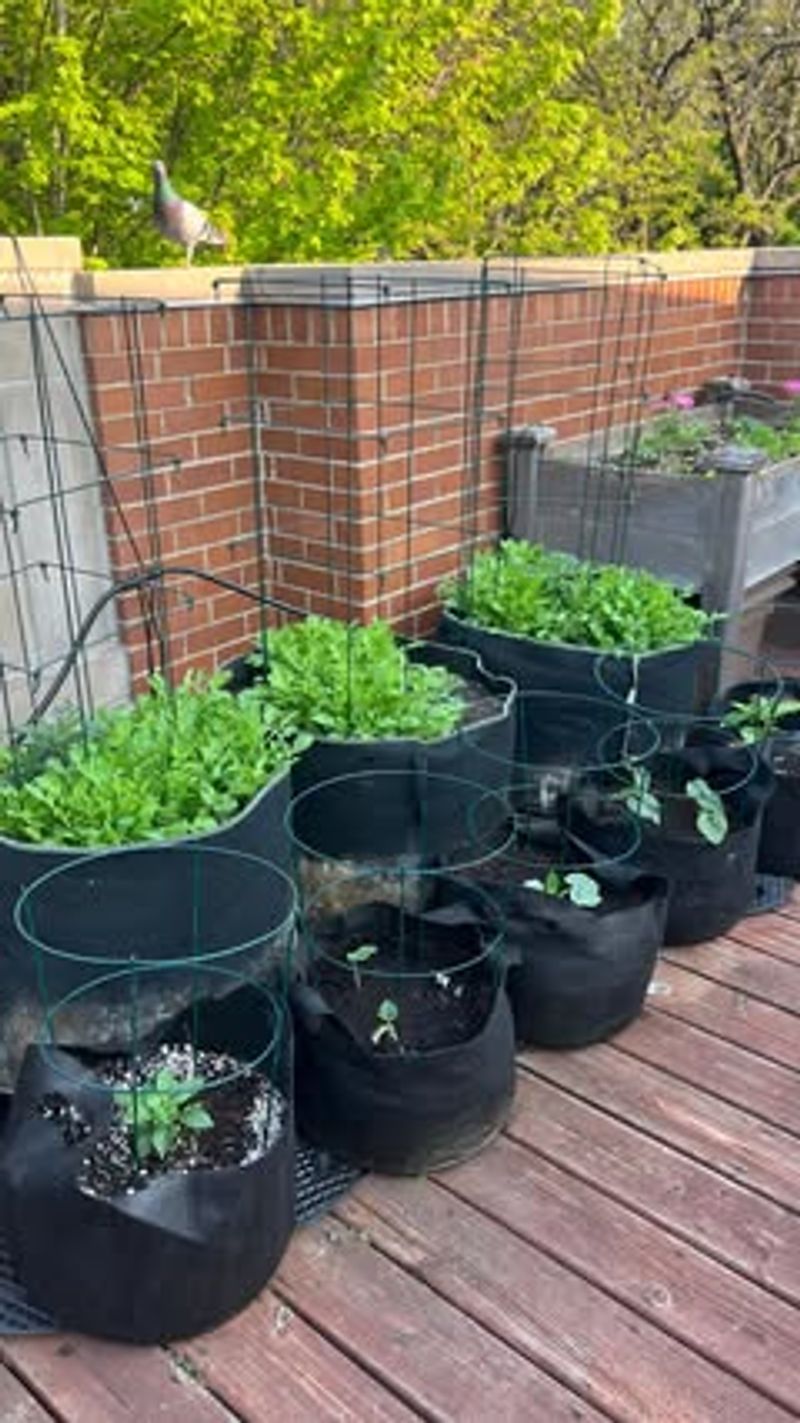
Container gardens offer complete portability and flexibility.
When it’s time to relocate, plants in pots can simply be packed up and transported to the new home.
This mobility means gardeners don’t lose their hard work when they move.
Favorite plants, herbs, and flowers can travel along to the next apartment or house.
Rearranging container gardens is also incredibly easy.
If a plant needs more sunlight, it can be shifted to a brighter spot.
Seasonal changes or design preferences can be accommodated with simple moves.
This adaptability suits the ever-changing lives of young adults.
Landlords also appreciate container gardens because they don’t alter the property permanently.
Renters can enjoy gardening without worrying about losing their security deposit.
Portable gardens provide freedom and peace of mind.
Millennials value the ability to take their green spaces wherever life leads them.
Quick Results Without Long Commitments
Traditional gardens often require years of patience before trees mature or perennials establish themselves.
Millennials prefer faster results that match their modern lifestyles.
Compact gardens excel at providing quick gratification.
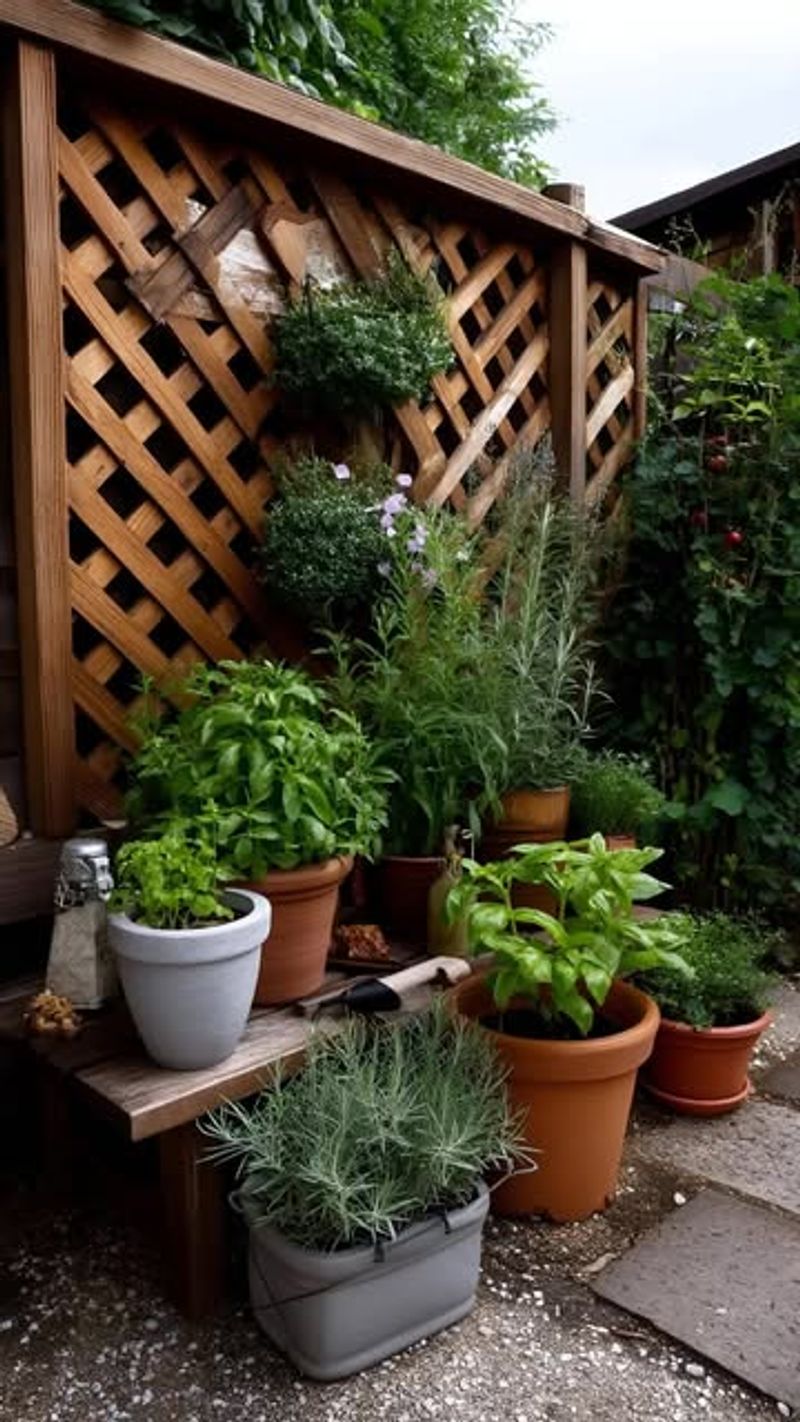
Fast-growing plants like lettuce, radishes, and herbs can be harvested within weeks.
Seeing rapid progress keeps gardeners motivated and engaged.
Annual flowers bloom within a single season, offering immediate color and beauty.
This quick turnaround feels rewarding and less daunting than long-term projects.
Young gardeners can experiment with different plants each season without feeling locked into permanent choices.
If something doesn’t work out, they can try something new the next time.
This trial-and-error approach builds skills and confidence.
Compact gardening doesn’t demand multi-year commitments or extensive planning.
It fits perfectly into lives that may change direction with new jobs, relationships, or opportunities.
Quick results also make gardening more accessible to beginners.
Success comes faster, encouraging continued interest and learning.
Indoor And Outdoor Growing Options
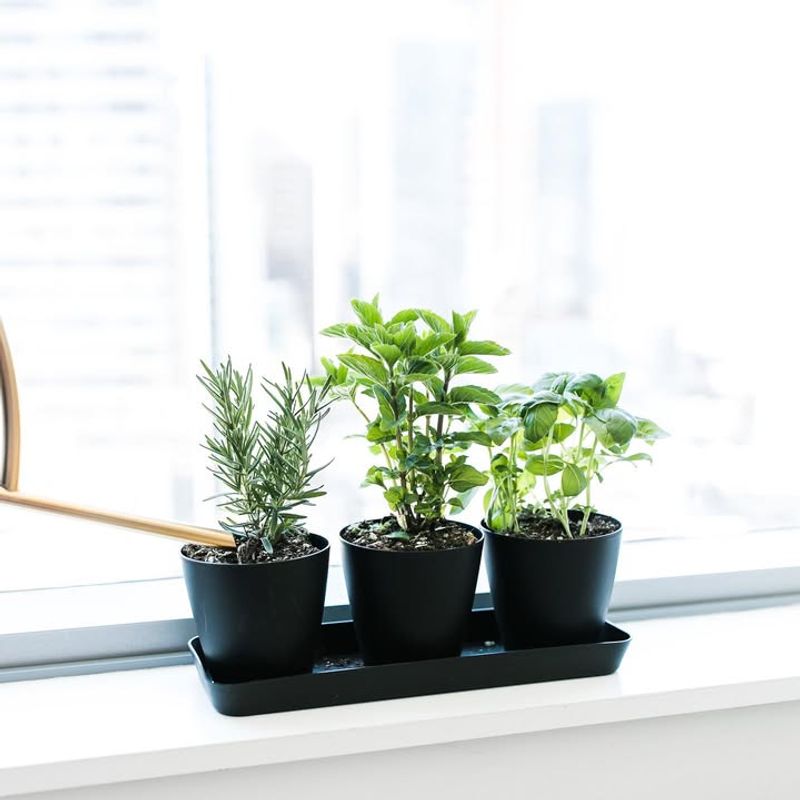
Compact gardening blurs the boundaries between indoor and outdoor spaces.
Millennials take advantage of both environments to maximize their growing potential.
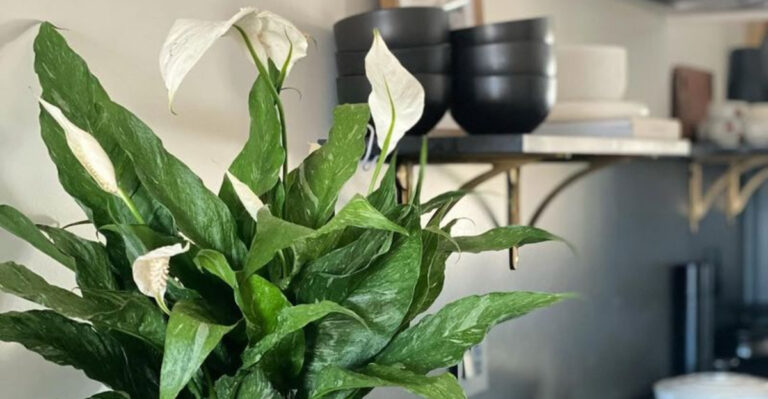
Windowsills, countertops, and shelves become indoor gardens for herbs, microgreens, and small houseplants.
Grow lights make it possible to cultivate plants year-round regardless of natural sunlight.
Balconies and patios serve as outdoor extensions where larger containers and sun-loving plants thrive.
This dual approach means gardening never has to stop.
When outdoor temperatures drop or weather turns harsh, plants can be moved inside.
When conditions improve, they can return outdoors.
This flexibility protects plants and extends growing seasons.
Indoor gardens also improve air quality and add natural beauty to living spaces.
Having greenery both inside and outside creates a seamless connection with nature.
Millennials appreciate the ability to garden regardless of weather or season.
Compact setups make transitioning between indoor and outdoor growing simple and stress-free.
This versatility matches the adaptable, multi-functional lifestyles many young people embrace today.
More Control Over Soil And Plants
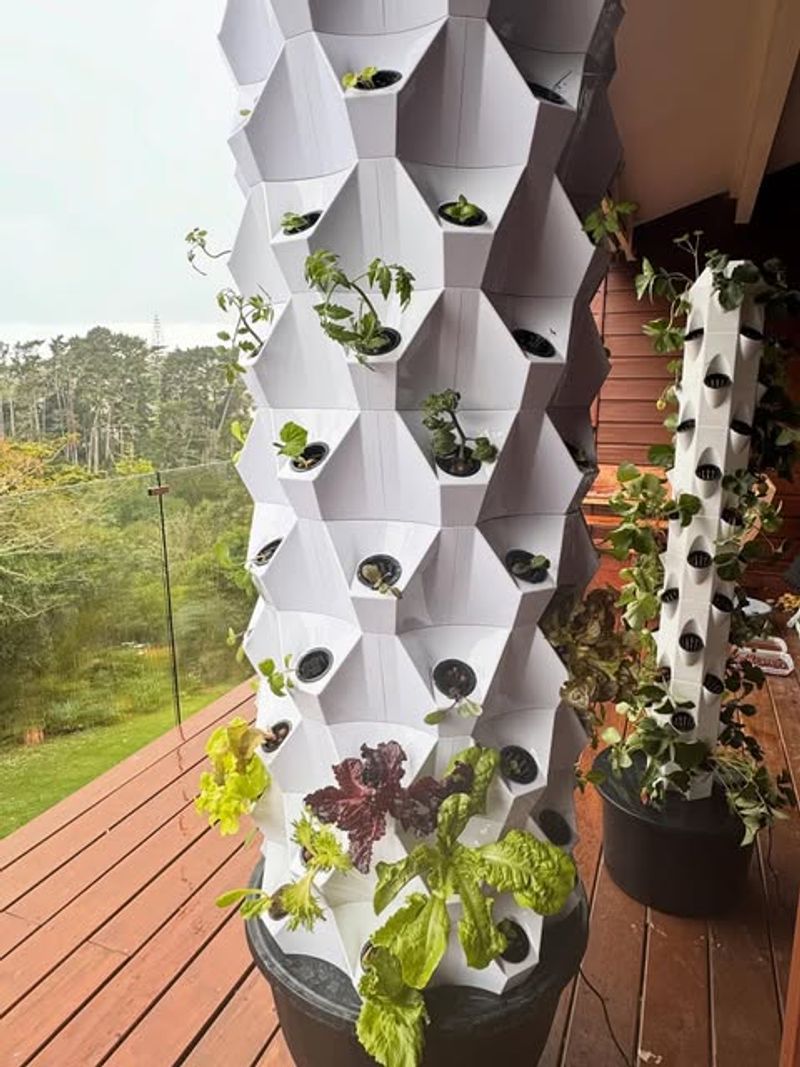
Traditional yard gardens often come with unpredictable soil quality and existing pest problems.
Compact container gardens give millennials complete control from the start.
Choosing the right potting mix ensures plants get ideal nutrients and drainage.
Each container can be customized for specific plant needs.
Acid-loving plants like blueberries get specialized soil while succulents get sandy, well-draining mixes.
This precision leads to healthier plants and better results.
Pest and disease management also becomes easier in smaller gardens.
Problems are spotted quickly before they spread to many plants.
Treating a few pots is simpler and less expensive than managing an entire yard.
Millennials appreciate knowing exactly what goes into their soil and onto their plants.
Organic gardening practices are easier to maintain in compact spaces.
There are fewer surprises and more predictable outcomes.
This level of control reduces frustration and increases success rates.
New gardeners especially benefit from the manageable scale and clear cause-and-effect relationships in container gardening.
A Cleaner More Minimal Look
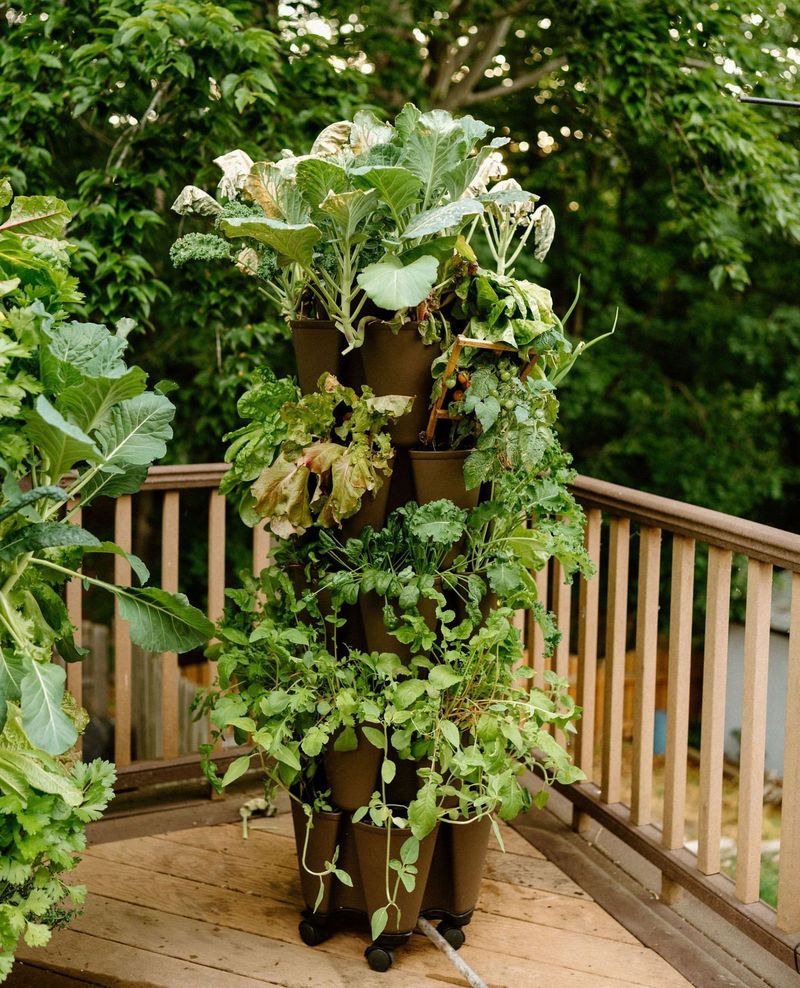
Modern design trends favor clean lines, simplicity, and intentional use of space.
Compact gardens align perfectly with these aesthetic preferences.
Millennials often prefer minimalist décor that feels uncluttered and calming.
Container gardens can be arranged to complement this style beautifully.
Matching pots in neutral colors create visual harmony.
Carefully selected plants add greenery without overwhelming a space.
Unlike sprawling traditional yards that require constant mowing and edging, compact gardens maintain their tidy appearance easily.
There are no weedy lawns or overgrown borders to manage.
Everything has a designated place and purpose.
This orderly look appeals to young adults who value both form and function.
Social media has also influenced gardening aesthetics.
Instagram-worthy compact gardens with stylish containers and lush plants are highly shareable.
Millennials enjoy creating beautiful outdoor spaces that reflect their personal style.
Compact gardening offers the perfect canvas for expressing creativity while maintaining a polished, contemporary appearance.
Gardening That Fits Into Daily Life
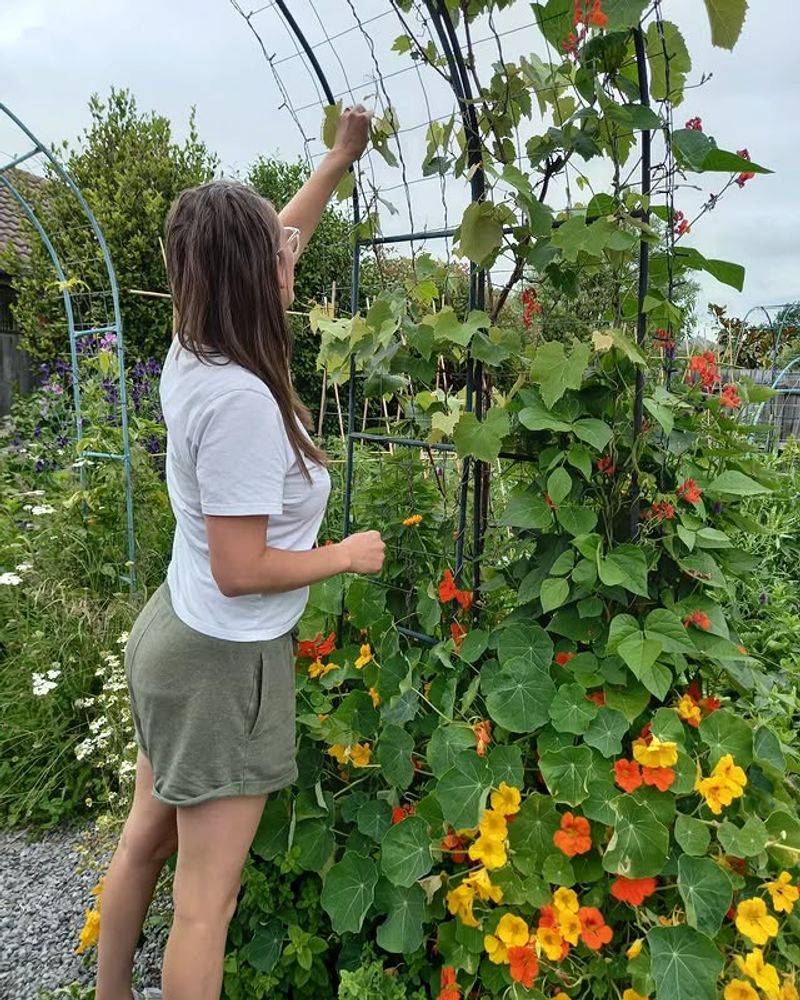
Traditional yards can feel overwhelming with endless tasks like mowing, weeding, and pruning.
Compact gardens integrate seamlessly into daily routines without becoming burdensome.
Watering a few pots takes just minutes and can be done while enjoying morning coffee.
Checking plants for growth or issues becomes a pleasant daily ritual rather than a chore.
Millennials lead busy lives juggling work, social commitments, and personal goals.
They need hobbies that enhance their lives without adding stress.
Compact gardening offers relaxation and satisfaction without demanding excessive time or energy.
Harvesting fresh herbs for dinner or snipping flowers for a vase feels rewarding and practical.
These small interactions with plants provide mental health benefits like reduced anxiety and increased mindfulness.
Gardening becomes a source of joy rather than obligation.
The manageable scale means tasks never pile up into overwhelming projects.
Everything stays under control and enjoyable.
This balance makes compact gardening sustainable for the long term.
Millennials can maintain their gardens consistently without sacrificing other priorities or burning out.