Do This For California Gardenias In October Or Next Spring’s Blooms Suffer
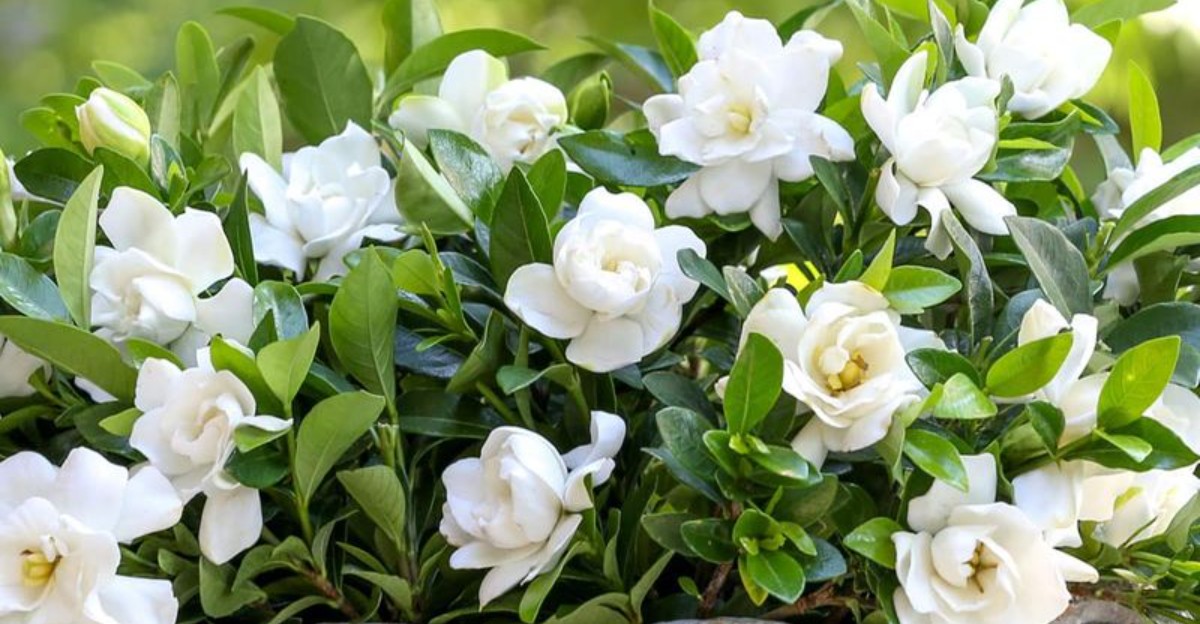
October brings a quiet turning point for California gardenias. Many plants are already holding tight green buds that won’t open for months.
Those buds carry the promise of next spring’s fragrant blooms, yet they’re surprisingly easy to lose.
Gardenias are famously fussy about steady conditions. A few common fall habits can lead to dropped buds and a far less impressive flower show.
The good news is that a handful of simple adjustments makes a real difference, and none of them require much time or money.
UC guidance points to several practical steps that help these shrubs carry their buds safely through the cooler months and into a sweet-smelling spring.
1. Keep Soil Evenly Moist Through October
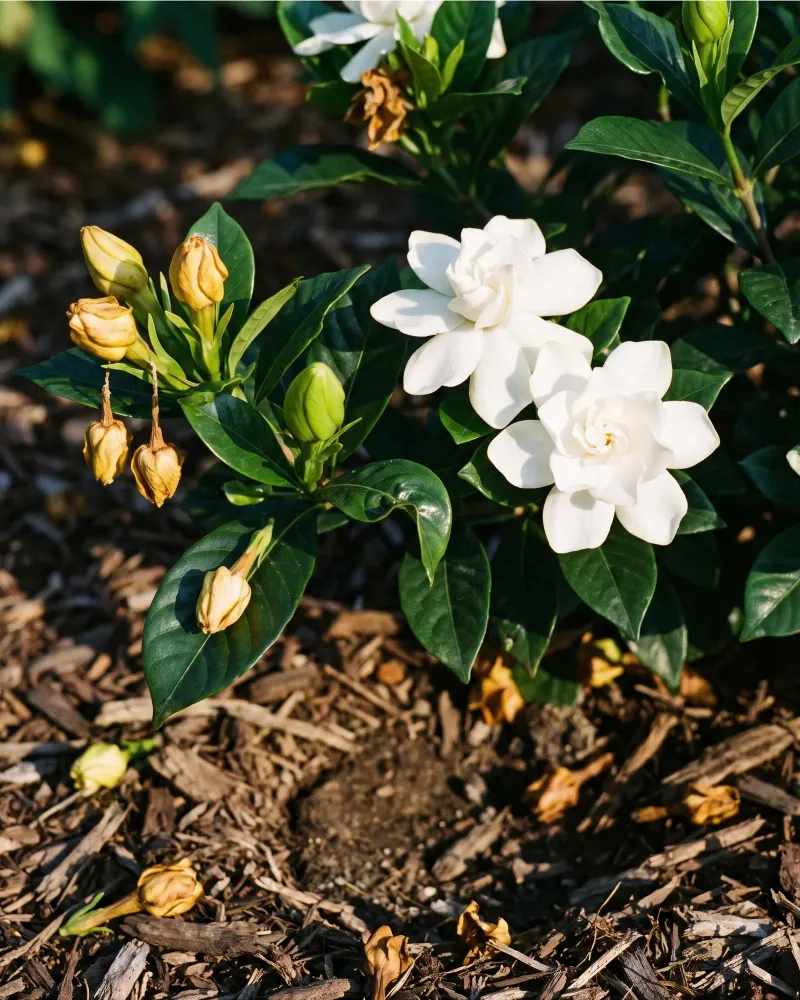
A sunny October week in Riverside, with dry Santa Ana air and temperatures still in the 80s, can test any gardenia. In that heat, the root zone may dry out in just a few days.
Once soil swings from soaked to bone dry and back, buds often turn yellow and fall off. UC ANR lists uneven watering as a common cause of bud drop in gardenias.
Roots sit fairly shallow near the surface, so they feel dry spells quickly. Steady moisture keeps buds firmly attached and leaves looking glossy and healthy.
Soil that feels like a wrung-out sponge, damp but never soggy, makes the ideal target. A finger pushed about two inches into the soil every few days offers a quick check.
A deep watering once that top layer feels dry lets moisture soak down past the roots. Soggy soil, however, causes just as much trouble as dry soil.
Gardenias planted in heavy clay or in pots without drainage holes can develop root rot. It shows up as wilting even when the ground is wet, so free drainage after each soaking matters.
Fall weather in California changes fast, so watering needs shift, too. Cool, foggy coastal weeks need less water, while hot inland winds call for more.
Drip lines on a timer help, though occasional checks catch clogged emitters that can quietly leave a shrub thirsty. A steady hand on the hose works far better than a flood followed by a drought.
2. Skip Pruning While Buds Develop
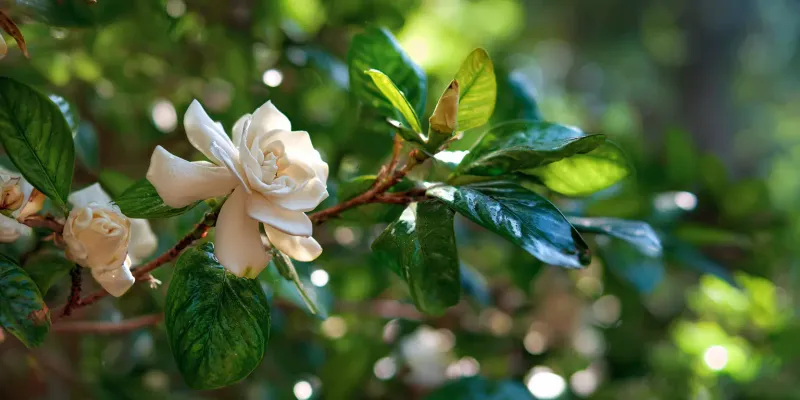
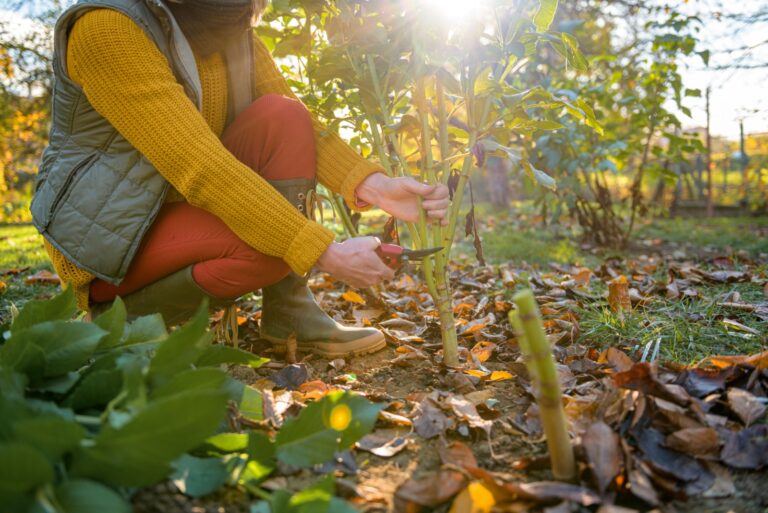
A quick fall trim can make a gardenia look tidy, but it can also send next season’s flowers straight into the green waste bin. Many gardenias form flower buds on branch tips during late summer and fall.
Cutting those tips now removes the very wood carrying next year’s buds. The tiny green nubs often go unnoticed while shaping the shrub.
Come spring, the plant leafs out nicely but offers only a few scattered blooms. Better timing solves the problem quite easily.
Pruning works best right after the main flush of flowers fades, usually in late spring or early summer. That window gives the plant months to grow new stems and set fresh buds before fall arrives.
Some light cleanup is still perfectly fine in October. Brittle, broken, or diseased branches can come off whenever they appear.
Your California Garden Changes Every Week. Your Plan Should Too.
Gardening in California changes quickly throughout the season. Every Friday you’ll receive a simple weekly plan showing exactly what to plant, prune, fertilize, harvest, and protect so you never miss the right timing.
Faded flowers can be clipped, too, since they no longer help the plant and can look messy. Those small tasks won’t affect next year’s bloom.
Stems deserve a close look before any cut is made. Small, pointed green buds tucked at branch ends signal that a stem should stay untouched until after bloom season.
Overgrown shrubs that truly need shaping can wait. A slightly shaggy fall look is a small price for a plant covered in creamy white flowers later.
Most noses happily approve of that trade.
3. Hold Back Nitrogen As Growth Slows
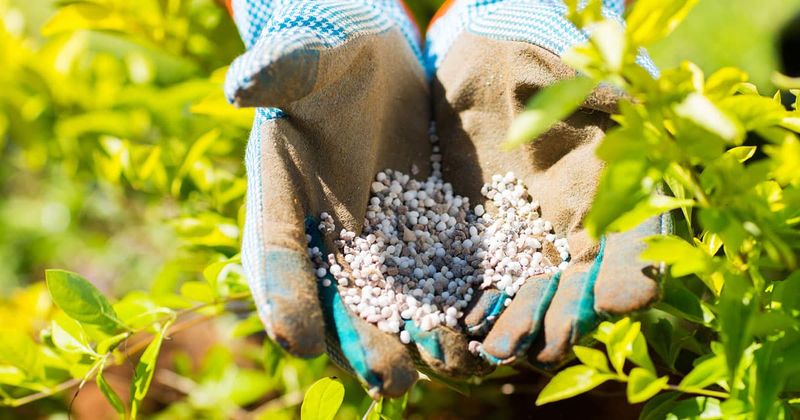
A big scoop of high-nitrogen fertilizer in October resembles serving a giant holiday dinner right before bed. The plant gets energy it can’t really use, since gardenias naturally slow their growth as days shorten and nights cool.
Nitrogen pushes soft, leafy shoots. New growth that appears in late fall is tender, soft, and easily hurt by cold nights.
A sudden chill can damage those shoots. The plant then spends energy repairing them instead of holding onto buds.
UC ANR generally suggests feeding gardenias during the active growing season, from spring into summer. A fertilizer made for acid-loving plants, like azaleas and camellias, makes a smart, simple pick.
Following the label and avoiding heavy doses matters, since too much fertilizer can burn roots. October calls for a well-earned break from feeding instead.
Letting the plant settle down helps it toughen existing stems for winter. Healthy soil with some organic matter keeps supplying small amounts of nutrients on its own.
Salt buildup poses another quiet risk. Extra fertilizer leaves salts behind, especially in containers and areas with hard water. Brown, crispy leaf edges can serve as a warning sign.
A deep, slow soaking can help rinse salts below the root zone. Spring makes the right time to resume feeding, once new growth starts again.
Patience now keeps the gardenia from burning the candle at both ends.
4. Fix Yellow Leaves Before Winter
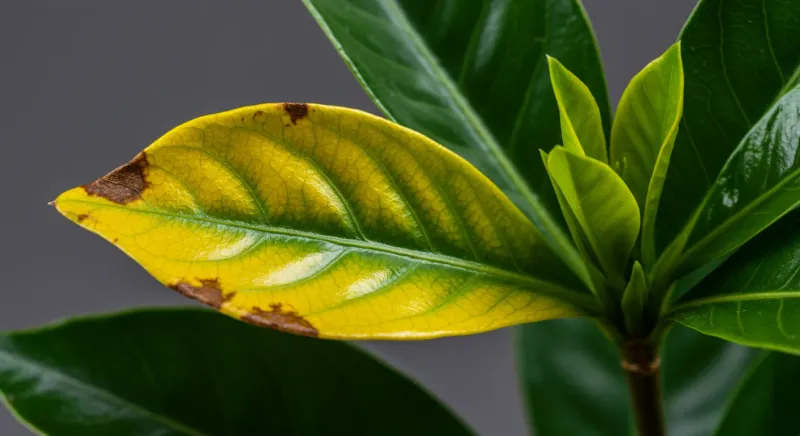
Yellow leaves with dark green veins look almost like a leaf skeleton drawn in marker. That pattern is a classic sign of iron chlorosis, and gardenias are famous for it.
UC ANR notes it shows up often in California, where many soils lean alkaline. The cause can be surprising.
Soil may hold plenty of iron, but a high pH locks it up so roots can’t absorb it. Gardenias prefer acidic soil, roughly a pH of 5.0 to 6.0.
Above that range, the plant struggles to grab iron, and new leaves turn pale first. Testing the soil before applying a fix makes sense.
A simple home kit or a lab test reveals the actual pH. Yellowing can also come from overwatering, poor drainage, or older leaves naturally shedding, so a test helps avoid guessing.
Once alkaline soil is confirmed, several options exist. Chelated iron products can green up leaves fairly quickly.
Soil sulfur lowers pH slowly over months, making it best as a long-term plan.
Water quality matters, too. Many California cities have hard, alkaline tap water that nudges soil pH upward over time, and potted gardenias often show this sooner.
Repotting with an acidic mix every few years helps container plants. Addressing the problem in fall gives the plant healthier leaves going into the cooler months.
Greener leaves make more food, which supports stronger buds later.
5. Protect Plants From Cold Snaps And Dry Wind
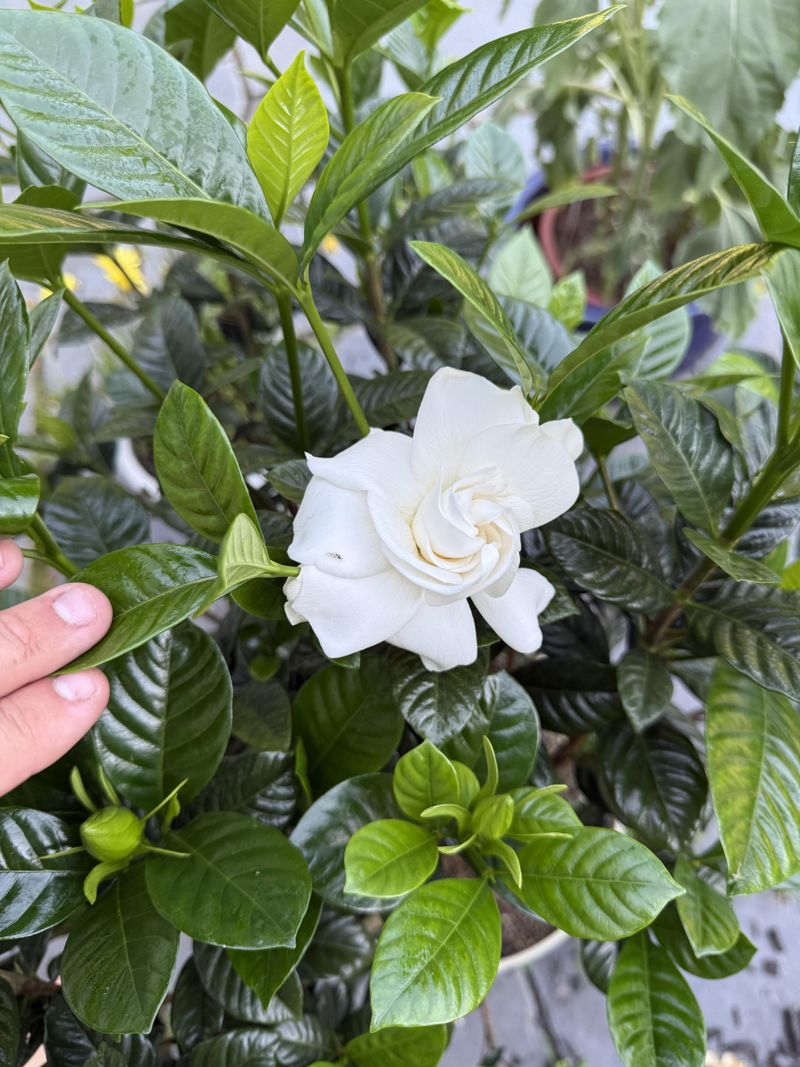
Buds hitting the patio like tiny green marbles after a windy night make a sad sight.
That scene often follows a sudden temperature swing, and UC ANR lists sharp shifts in temperature and dry air among the top reasons gardenias drop buds.
California’s fall weather loves surprises. Warm afternoons can tumble into chilly nights, while Santa Ana or Diablo winds can pull moisture from leaves within hours.
Each swing stresses the plant. Buds are often the first thing it lets go.
Location makes a big difference. In hot inland areas, gardenias do best with morning sun and some afternoon shade.
A spot near a wall or fence can block drying wind and soak up a little warmth for chilly nights. That shelter adds valuable protection.
Potted plants are easy to move. Rolling them closer to the house when forecasts call for wind or frost helps.
Heater vents and blasting indoor air are best avoided, since that heat is extremely dry.
Frost cloth works well for in-ground shrubs during a cold snap. Draped over the plant in the evening and removed in the morning, it traps warmth nicely.
Plastic touching leaves, however, can trap cold and cause damage.
Watering before a wind event helps, too. Moist soil holds more heat than dry soil, and well-watered leaves handle drying air better.
A little planning keeps the gardenia from getting blown away by fall’s mood swings.
6. Mulch With Acidic Organic Material
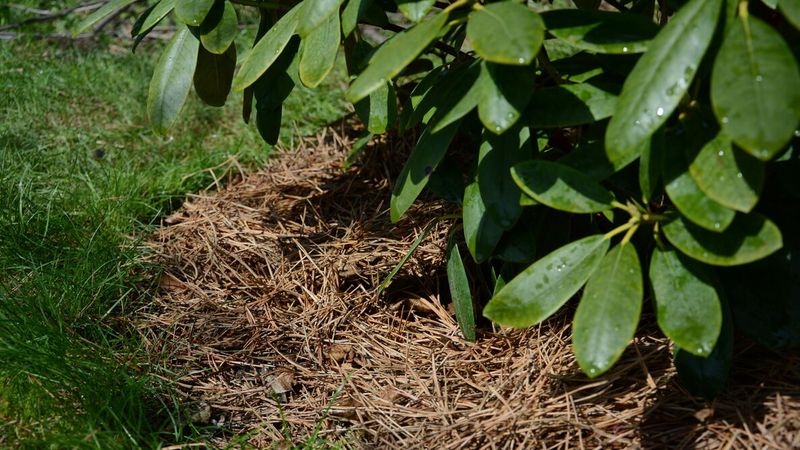
A two-inch blanket can do more for a gardenia than an extra watering. Organic mulch slows evaporation, cools the soil during hot spells, and softens chilly nights.
For a shallow-rooted plant, that steady environment is a real gift. The right materials make it even more effective.
Materials that break down slowly and lean acidic work best. Pine needles, shredded bark, and composted leaves are all solid choices.
Over time, they add organic matter that helps soil hold moisture and supports the slightly acidic conditions gardenias prefer. Realistic expectations help, though.
Mulch alone won’t dramatically change an alkaline soil’s pH. It works best as a helpful partner to soil testing and sulfur rather than a magic cure.
A layer about two to three inches deep across the root zone works well, extending out to the drip line at the edge of the leafy canopy.
A gap of a few inches around the trunk helps prevent rot and keeps pests from setting up camp.
Heavy layers of rock or fresh grass clippings are best skipped. Rocks heat up in the sun and add no organic matter, while thick, wet clippings can mat down, block air, and even smell sour.
Fall makes a smart time to top up old mulch, which shrinks as it breaks down. A quick refresh in October helps carry moisture through windy weeks.
Fewer weeds to pull make it a pretty mulch-needed win.
7. Check For Whiteflies And Sooty Mold
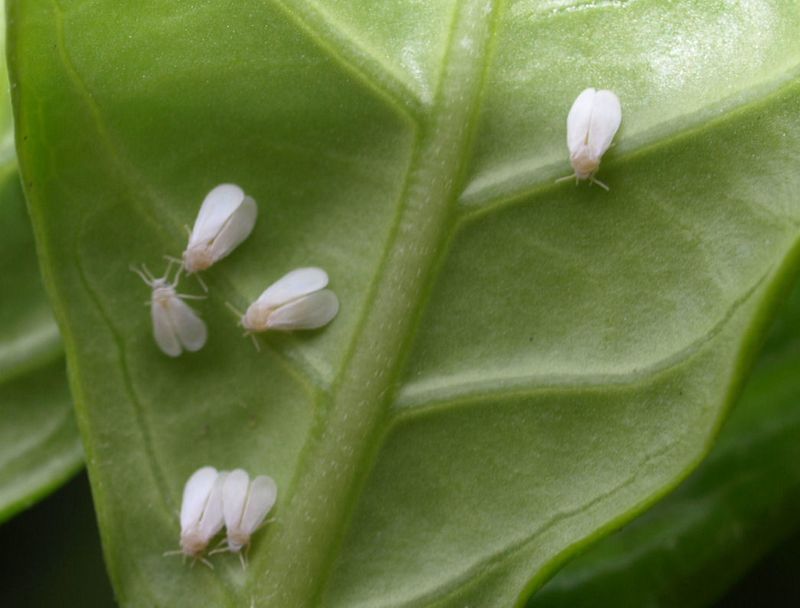
A puff of tiny white specks rising from a gardenia when brushed usually means whiteflies have moved in. UC IPM identifies them as common gardenia pests in California.
Whiteflies feed by sucking sap from leaf undersides. As they feed, they release a sticky, sugary liquid called honeydew.
A black, sooty mold then grows on that honeydew, coating leaves like a smudge of chimney soot. The look is hard to miss on glossy leaves.
Sooty mold doesn’t attack the plant directly. It still blocks sunlight, cutting down the food leaves can make.
Combined with sap loss from heavy whitefly numbers, a plant can grow weak and tired.
Flipping a few leaves every week or two helps catch problems early. Tiny white adults, flat oval nymphs, and a sticky shine on lower leaves all signal trouble.
Yellow sticky cards hung near the plant help reveal rising numbers. Early detection keeps the fix simple and gentle.
Gentle steps usually work best. UC IPM suggests hosing off leaves with a strong spray of water and protecting natural enemies like lady beetles and tiny parasitic wasps.
Insecticidal soap or horticultural oil can help, though they must contact the insects, so thorough coverage of leaf undersides matters.
Ants deserve a look, too, since they protect whiteflies from predators. Controlling them with baits lets beneficial insects return, and the mold then slowly weathers away.
8. One Month Of Care Will Not Make Or Break Spring
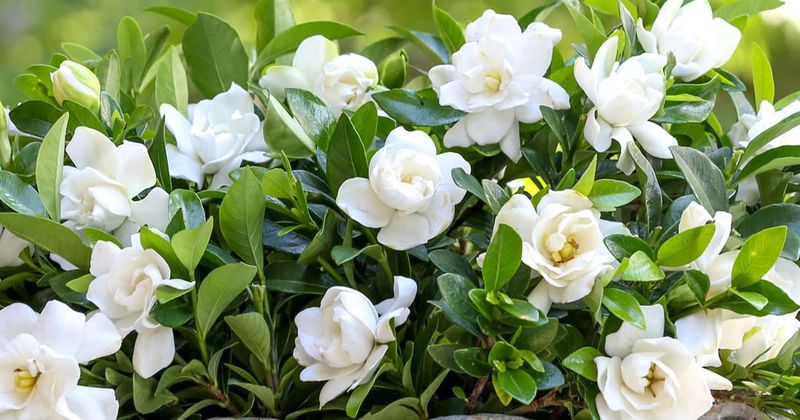
A missed watering in October or a few yellow leaves won’t ruin spring flowers. Gardenias respond to patterns rather than single moments.
Bloom quality depends on the whole year. Spring feeding, proper pruning timing, healthy roots, decent light, and steady moisture all add up.
October care fits into that bigger picture as one helpful chapter rather than the final exam. That perspective takes some pressure off busy gardeners.
Some bud drop is normal, too. Gardenias often set more buds than they can open and shed a few extras along the way.
Losing a handful is no reason to panic. Losing most of them, however, signals a need to review water, light, and temperature.
Fall care comes down to a few easy habits. Checking soil moisture, setting the pruners aside, easing up on feeding, and peeking under leaves for pests all help.
Keeping frost cloth handy and refreshing mulch when it thins round out the list.
Every garden is a little different. A coastal San Diego yard and a foothill garden near Sacramento face very different weather.
Watching how each plant reacts and adjusting over time builds the best experience.
Consistency pays off in the end. A gardenia cared for steadily through the seasons usually rewards its owner with glossy leaves and creamy, perfumed flowers.
That scent drifting across the yard in late spring makes every small effort worthwhile.