How Georgia Apartment Owners Build Their Own Mini Indoor Ecosystems
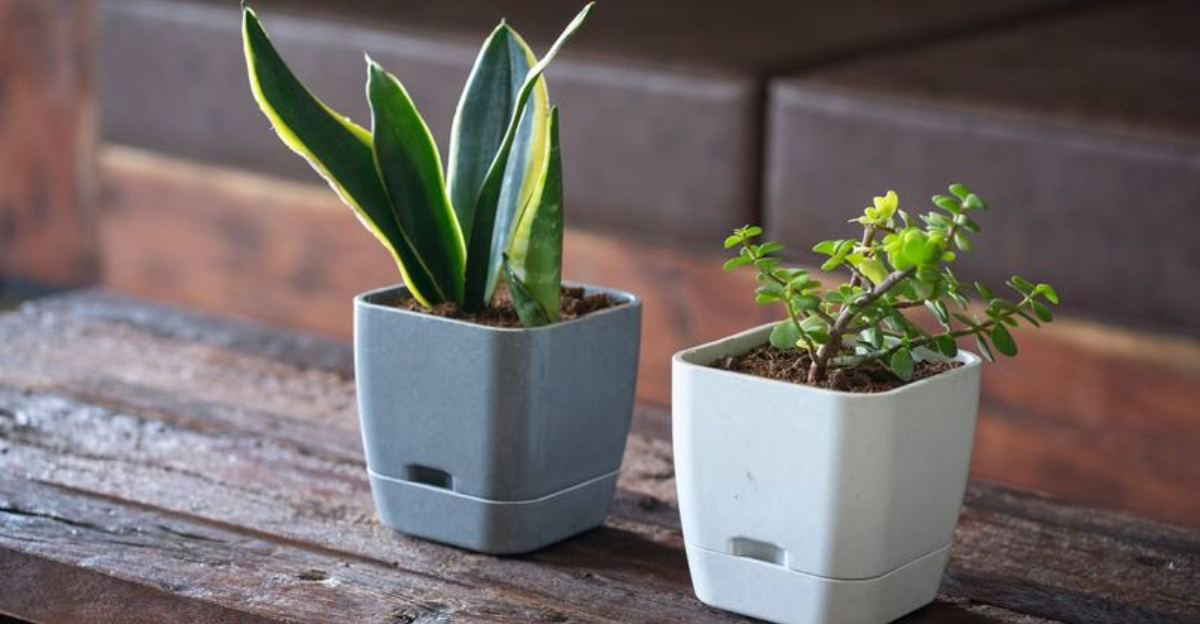
Georgia apartment owners build mini indoor ecosystems by arranging plants, small lights, simple shelves and cozy containers that turn compact homes into lively green corners filled with gentle energy.
I enjoy how these tiny setups combine leafy textures, warm tones, steady moisture and creative layouts that make apartments feel calmer and more connected to nature.
Many renters love this approach because mini ecosystems offer easy care, steady growth, playful styling and comforting greenery that brighten everyday life inside Georgia apartments.
1. Terrarium Gardens in Glass Containers
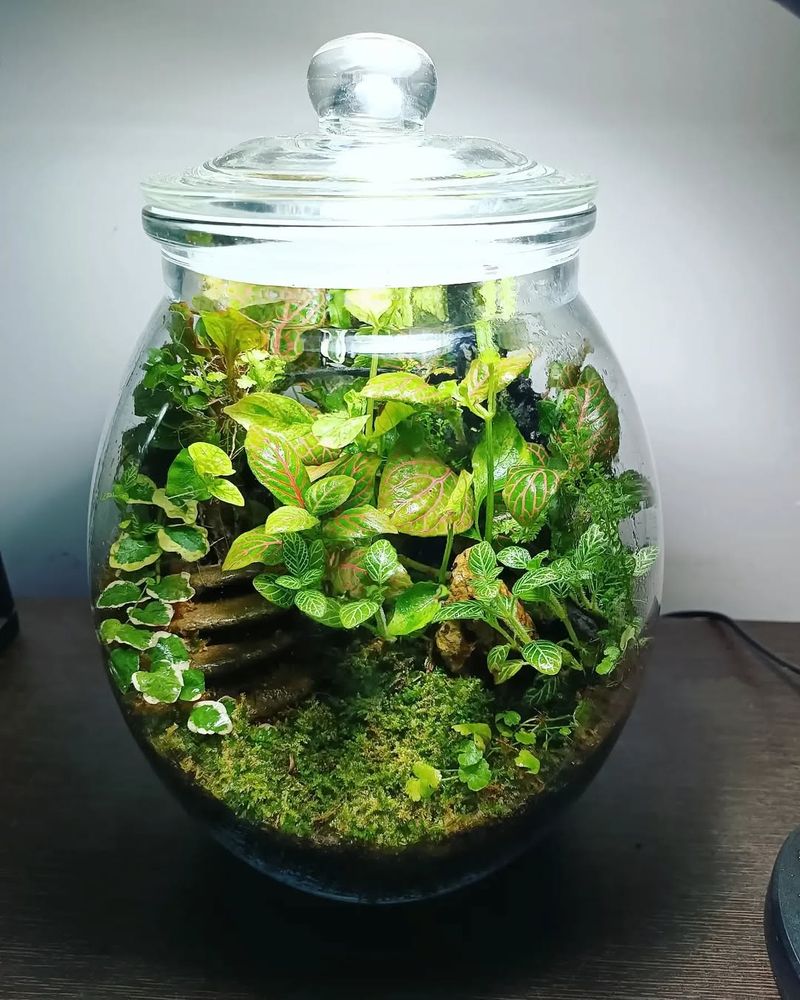
Glass terrariums offer apartment dwellers in Georgia a perfect way to grow plants without taking up too much precious counter or floor space.
Closed terrariums create their own water cycle where moisture evaporates from soil and plants then condenses on glass walls before dripping back down.
This self-sustaining system requires very little maintenance once you get the balance right with proper soil moisture and the correct amount of light.
Succulents work well in open terrariums while ferns and moss thrive in closed ones because they love humidity and consistent moisture levels throughout.
You can find affordable glass containers at craft stores across Georgia or repurpose old jars and fishbowls for a budget-friendly creative project.
Adding small decorative elements like tiny figurines or colorful pebbles makes your terrarium feel like a miniature world you can admire daily.
Placing your terrarium near a window with indirect sunlight helps plants photosynthesize without overheating the delicate enclosed environment you have carefully created inside.
Many Georgia residents find that tending to these tiny ecosystems reduces stress and brings a calming natural element into their busy lives.
2. Aquaponics Systems for Fish and Plants
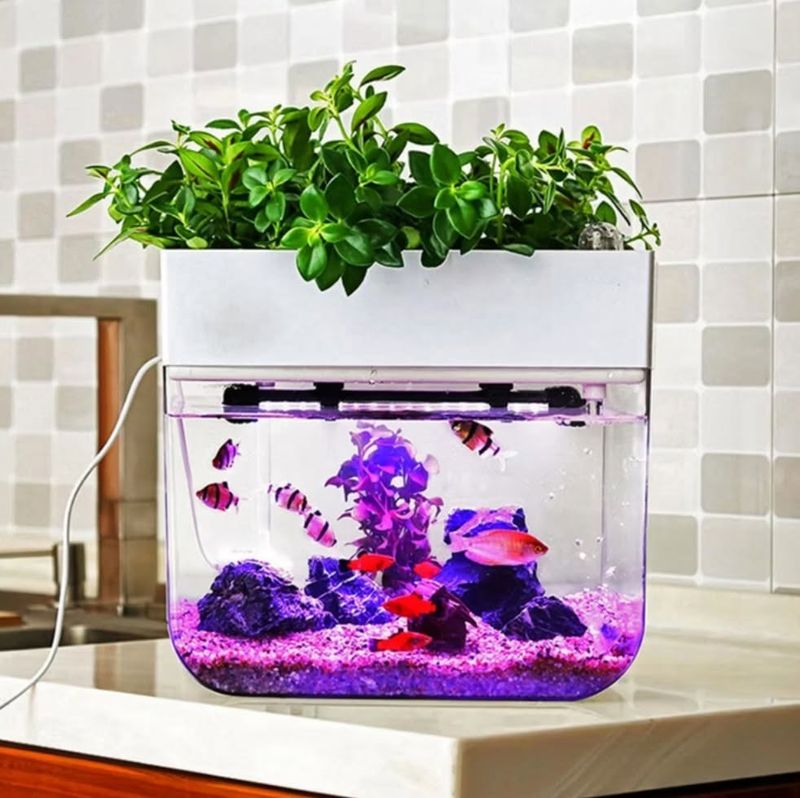
Aquaponics combines fish farming with plant growing in one clever system that recycles nutrients and water in a continuous loop for sustainability.
Fish produce waste that gets converted by beneficial bacteria into nutrients that feed plants growing above the tank in this amazing setup.
Plants filter and clean the water before it flows back to the fish creating a balanced ecosystem that mimics nature beautifully indoors.
Georgia apartment owners love aquaponics because it provides fresh herbs and vegetables while also giving them the joy of keeping colorful fish.
Small countertop systems are available for beginners while larger setups can fit on balconies or in spare corners of living rooms easily.
Goldfish and tilapia are popular choices for aquaponics because they tolerate varying water conditions and produce plenty of waste for plant nutrition needs.
Leafy greens like lettuce and herbs such as basil grow exceptionally well in aquaponics systems because they love the constant nutrient supply available.
Setting up aquaponics teaches Georgia residents about nitrogen cycles and symbiotic relationships while providing food and beauty for their small apartment spaces.
3. Living Walls with Vertical Planters

Vertical gardens maximize growing space by going upward instead of outward which is perfect for Georgia apartments with limited square footage available inside.
Wall-mounted planters or pocket systems let you grow dozens of plants without sacrificing valuable floor space for furniture or walking room comfort.
Your Georgia Garden Changes Every Week. Your Plan Should Too.
Gardening in Georgia changes quickly throughout the season. Every Friday you’ll receive a simple weekly plan showing exactly what to plant, prune, fertilize, harvest, and protect so you never miss the right timing.
These living walls improve indoor air quality dramatically by filtering toxins and releasing oxygen throughout the day as plants perform photosynthesis naturally.
Pothos ivy and spider plants work wonderfully in vertical setups because their trailing vines create a lush cascading effect down your walls.
Installing a living wall near a bright window or under grow lights ensures your plants receive adequate light for healthy growth patterns.
Many Georgia apartment dwellers use vertical gardens to grow fresh cooking herbs like cilantro parsley and mint right in their small kitchens.
The visual impact of a green wall transforms a plain apartment into a vibrant living space that feels more connected to nature daily.
Maintenance involves regular watering and occasional pruning but the beauty and air-purifying benefits make the effort worthwhile for Georgia urban gardeners everywhere.
4. Composting Worm Bins for Recycling
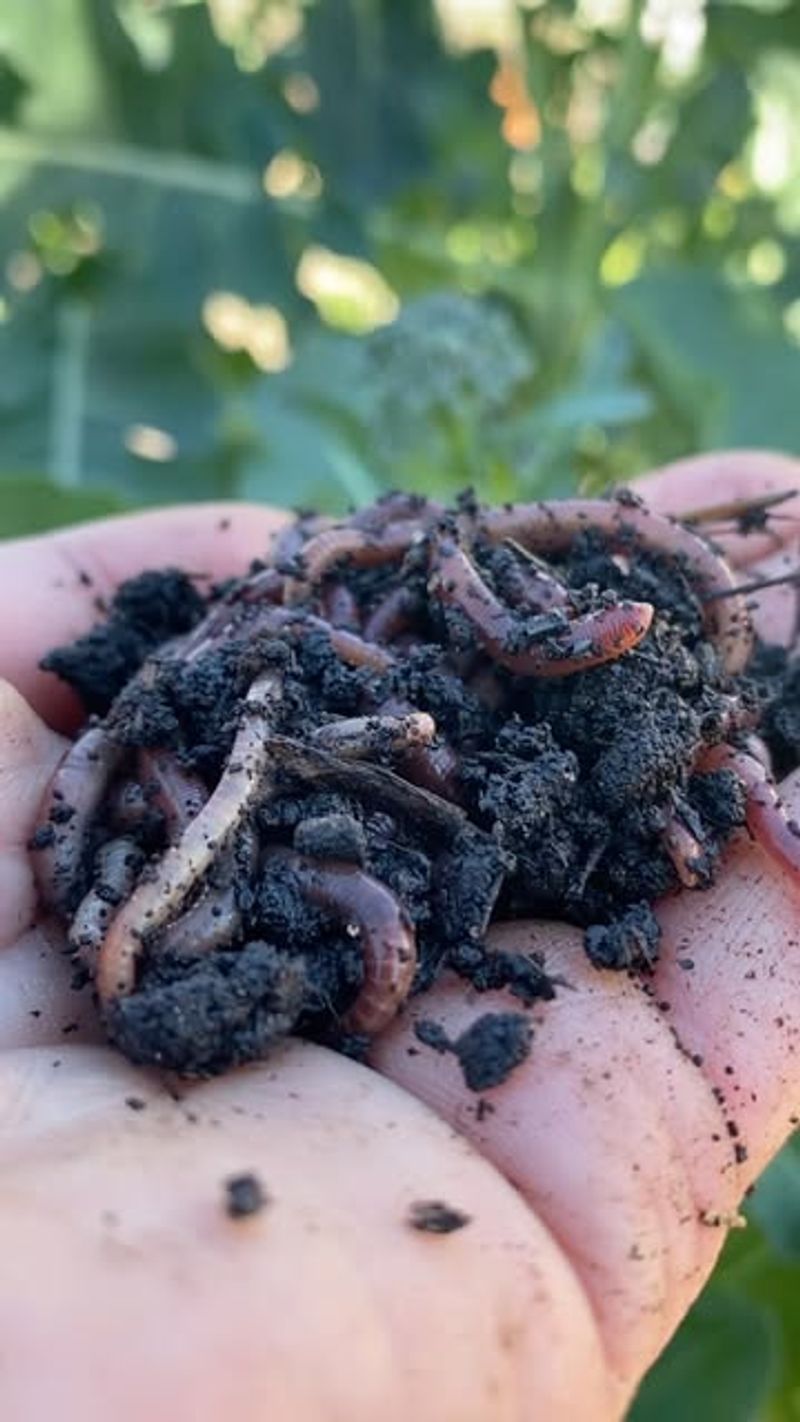
Worm composting or vermicomposting turns kitchen scraps into nutrient-rich soil while keeping organic waste out of landfills in an eco-friendly apartment solution.
Red wiggler worms consume vegetable peels coffee grounds and other organic matter then produce castings that are excellent fertilizer for indoor plants everywhere.
A small worm bin can fit under a kitchen sink or on a balcony making it ideal for Georgia apartment living situations.
Properly maintained worm bins do not smell bad and the worms work quietly breaking down waste into valuable compost for your growing needs.
Georgia residents appreciate how vermicomposting closes the loop in their mini ecosystems by recycling nutrients back into their container gardens continuously.
Starting a worm bin requires only a container bedding material like shredded newspaper and a pound of composting worms from garden suppliers.
Feed your worms fruit and vegetable scraps while avoiding meat dairy and oily foods that can create odors or attract unwanted pests indoors.
Harvesting worm castings every few months provides free organic fertilizer that makes your apartment plants thrive with lush green growth all year.
5. Self-Watering Container Gardens
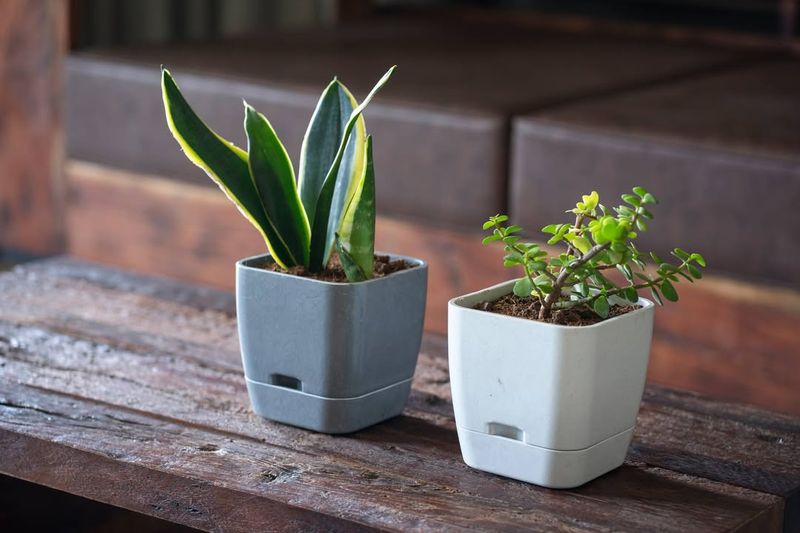
Self-watering planters feature built-in reservoirs that supply moisture to plant roots through capillary action eliminating the need for daily watering routines completely.
These containers are perfect for busy Georgia apartment residents who travel frequently or simply forget to water their plants on regular schedules.
The reservoir system prevents both overwatering and underwatering by allowing plants to take up only the moisture they actually need for growth.
Tomatoes peppers and herbs flourish in self-watering containers because they receive consistent moisture levels that promote strong root development and fruit production.
Many models include water level indicators so you know exactly when to refill the reservoir without guessing or checking soil moisture constantly.
Georgia apartment balconies become productive gardens when outfitted with several self-watering containers that maximize growing potential in small outdoor spaces available.
Pairing self-watering systems with quality potting soil creates a mini ecosystem where beneficial microorganisms thrive and support healthy plant growth naturally.
This hands-off approach to gardening lets Georgia residents enjoy fresh produce and beautiful flowers without the stress of complicated watering schedules.
6. Moss Walls for Natural Humidity
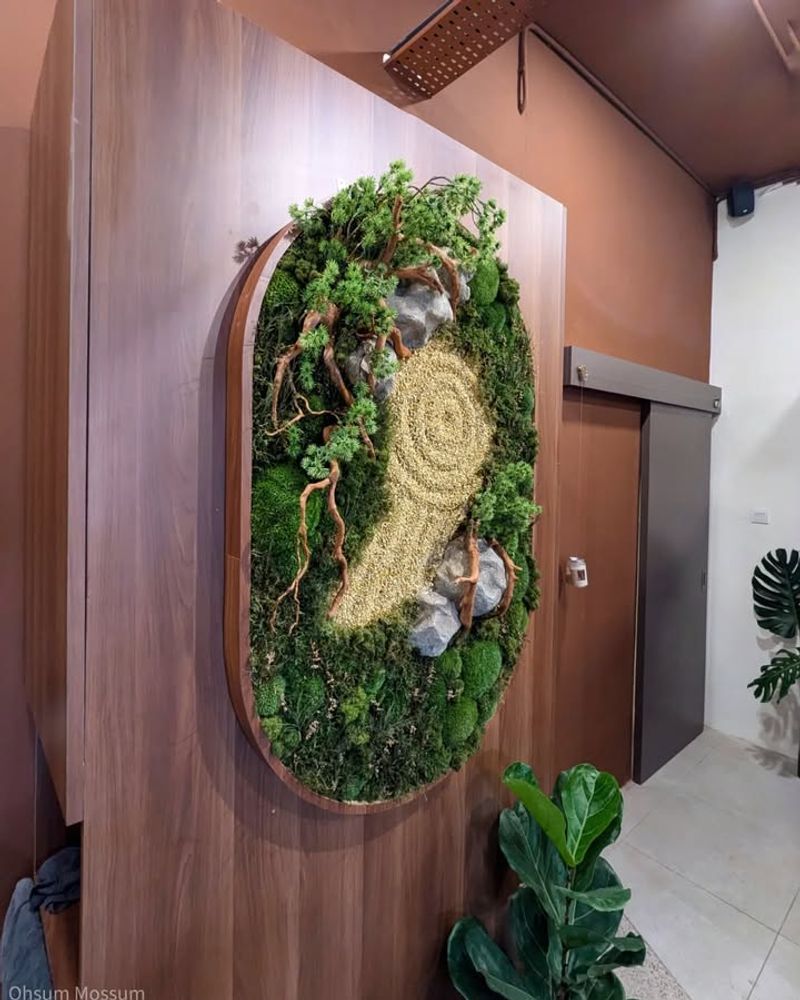
Preserved moss walls bring the forest indoors with living or stabilized moss that adds texture color and humidity to dry apartment environments naturally.
Georgia apartments often suffer from dry indoor air especially during winter months when heating systems run constantly throughout the day and night.
Living moss walls require misting and indirect light while preserved moss needs no maintenance at all making both options attractive for different lifestyles.
Moss naturally regulates humidity levels by absorbing and releasing moisture creating a more comfortable breathing environment for residents and their houseplants alike.
Installing a moss panel or frame on your wall adds a unique artistic element that serves as both decoration and functional ecosystem component.
Sheet moss cushion moss and reindeer moss come in various colors and textures allowing creative Georgia residents to design custom living art pieces.
The soft spongy texture of moss walls also absorbs sound reducing echo in apartments with hard surfaces like tile or hardwood flooring.
Combining moss walls with other plants creates layered ecosystems that mimic natural forest environments right inside your Georgia apartment home beautifully and sustainably.
7. Mushroom Growing Kits Indoors
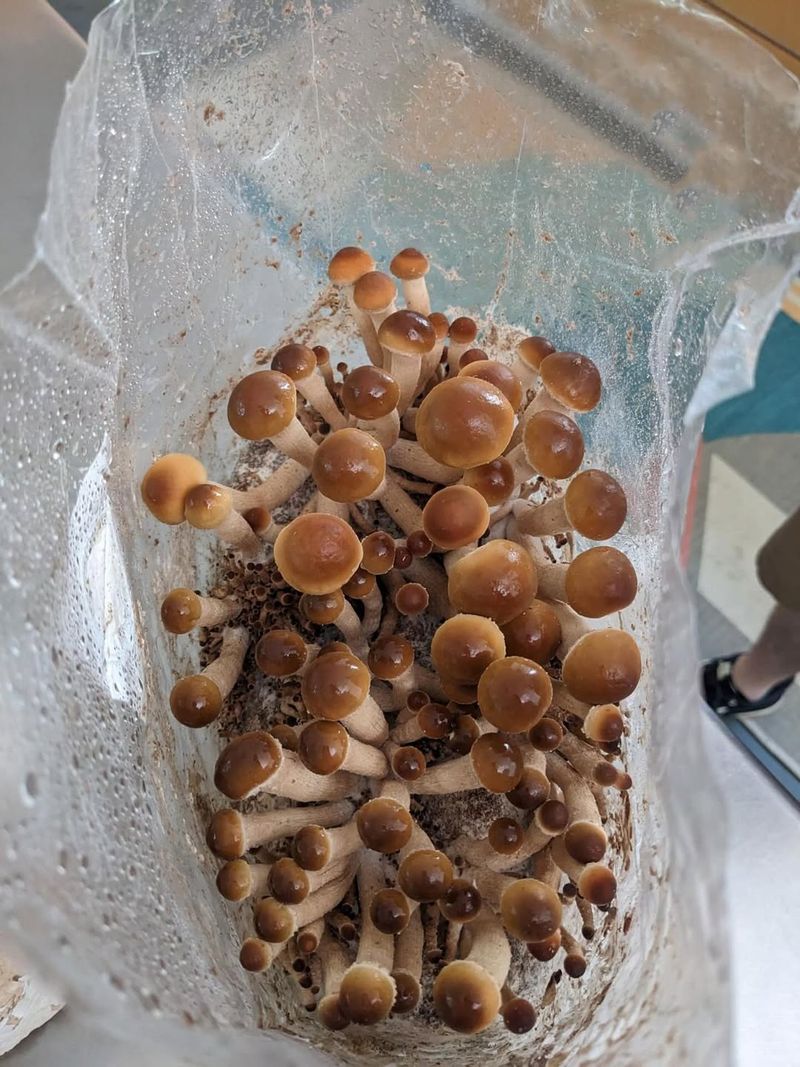
Growing mushrooms indoors adds an unusual and productive element to apartment ecosystems while providing fresh gourmet fungi for cooking delicious meals regularly.
Mushroom kits come pre-inoculated with spores and require only misting and a dark humid spot making them surprisingly easy for Georgia apartment growers.
Oyster mushrooms shiitake and lion’s mane varieties grow quickly often producing harvestable crops within just two to three weeks after starting the process.
Mushrooms play a decomposer role in ecosystems breaking down organic matter and recycling nutrients which complements composting efforts in apartment settings perfectly.
Many Georgia residents place their mushroom kits in bathrooms or closets where humidity stays naturally higher than in other rooms throughout the home.
Harvesting fresh mushrooms from your own apartment feels rewarding and connects you to food production in ways that grocery shopping never can provide.
After mushrooms finish fruiting the spent substrate can be added to compost bins or used as mulch for other plants continuing the nutrient cycle.
Growing mushrooms teaches Georgia apartment dwellers about fungi biology and their essential role in breaking down materials and supporting healthy ecosystems everywhere naturally.
8. Carnivorous Plant Collections
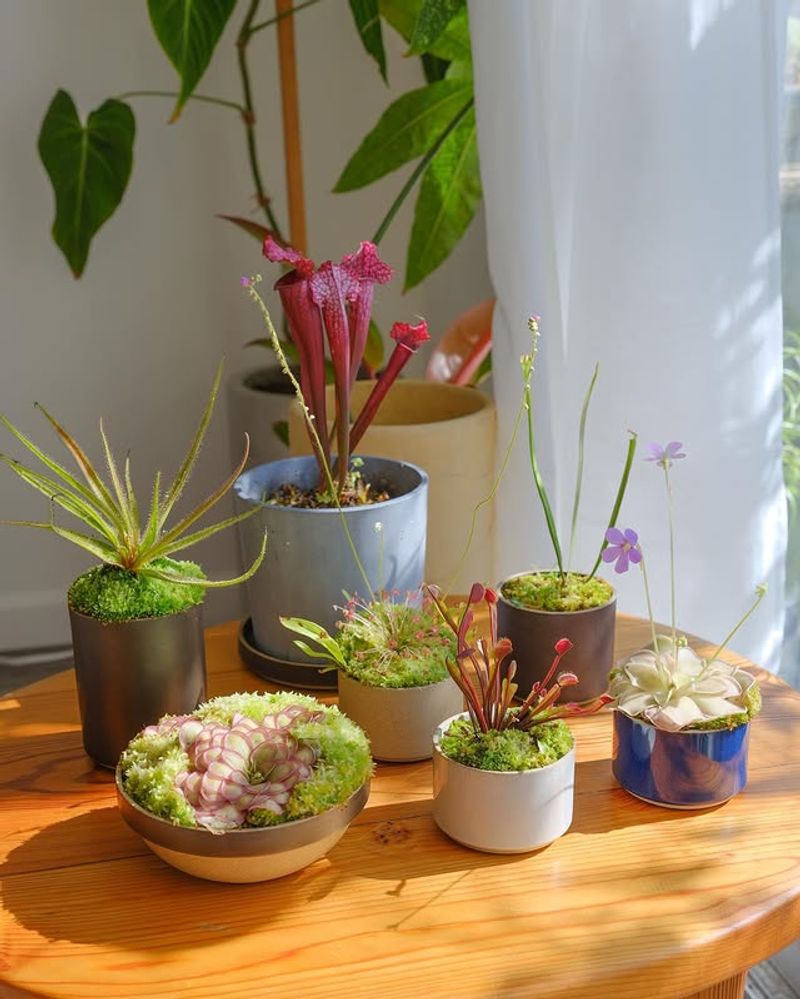
Carnivorous plants like Venus flytraps and pitcher plants offer natural pest control while adding fascinating biological interest to your Georgia apartment ecosystem setup.
These plants evolved to capture insects in nutrient-poor environments and they thrive in terrariums or on sunny windowsills with proper care techniques.
Watching a Venus flytrap snap shut or observing insects trapped in pitcher plant fluid provides endless entertainment and teaches about adaptation mechanisms.
Georgia apartment owners appreciate carnivorous plants because they reduce the need for chemical pest control by catching gnats flies and other tiny invaders.
Most carnivorous plants require distilled or rainwater because they are sensitive to minerals found in tap water that can harm their roots.
Bright indirect sunlight or grow lights help these plants maintain their vibrant colors and energy levels needed for producing sticky traps effectively.
Sundews butterworts and bladderworts offer variety beyond the common Venus flytrap each with unique trapping mechanisms that fascinate plant enthusiasts everywhere daily.
Creating a carnivorous plant collection demonstrates how specialized organisms fill ecological niches and adds a conversation-starting element to your Georgia apartment living space.
9. Beneficial Insect Habitats
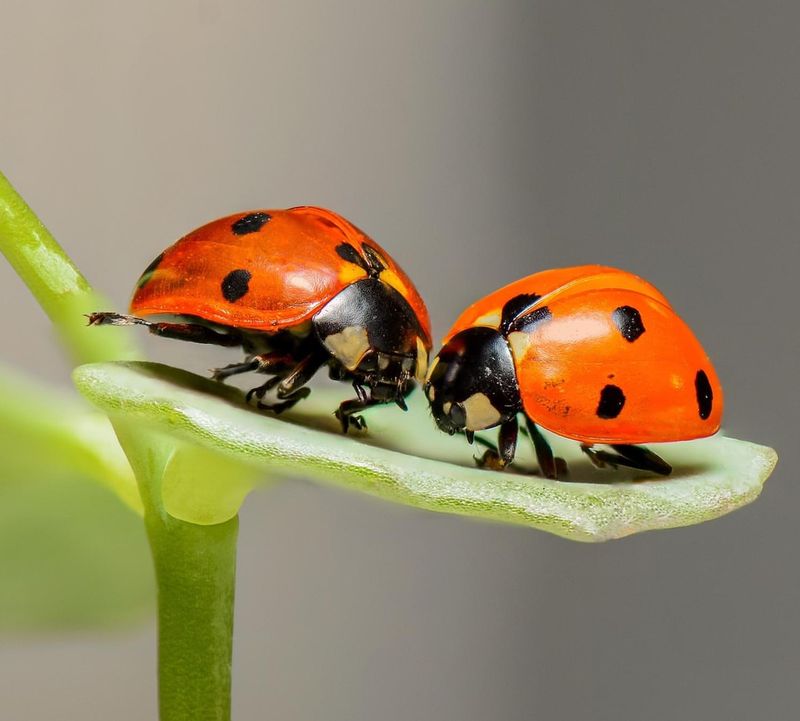
Introducing beneficial insects like ladybugs or praying mantises into apartment plant collections creates balanced ecosystems that naturally control aphids and other plant pests.
Georgia apartment gardeners sometimes struggle with indoor pests but beneficial insects offer an organic solution that avoids harsh chemical sprays or pesticides.
Ladybugs consume dozens of aphids daily while praying mantises hunt various small insects keeping your indoor garden healthy without synthetic intervention methods.
Creating habitat for beneficial insects involves providing water sources hiding spots and nectar-producing plants that support their entire life cycle naturally.
Small flowering herbs like dill and fennel attract and feed beneficial insects while also providing fresh seasonings for your Georgia apartment kitchen cooking.
Releasing beneficial insects indoors requires some planning to ensure they have enough food and will not simply fly away through open windows immediately.
Many Georgia residents find that maintaining beneficial insect populations teaches them about predator-prey relationships and natural balance in confined ecosystem spaces effectively.
Watching ladybugs patrol your plants or mantises stalk prey adds dynamic living interest to your apartment garden that static decorations simply cannot provide ever.