Why Fertilizing Your Georgia Zoysia Lawn In September Can Do More Harm Than Good
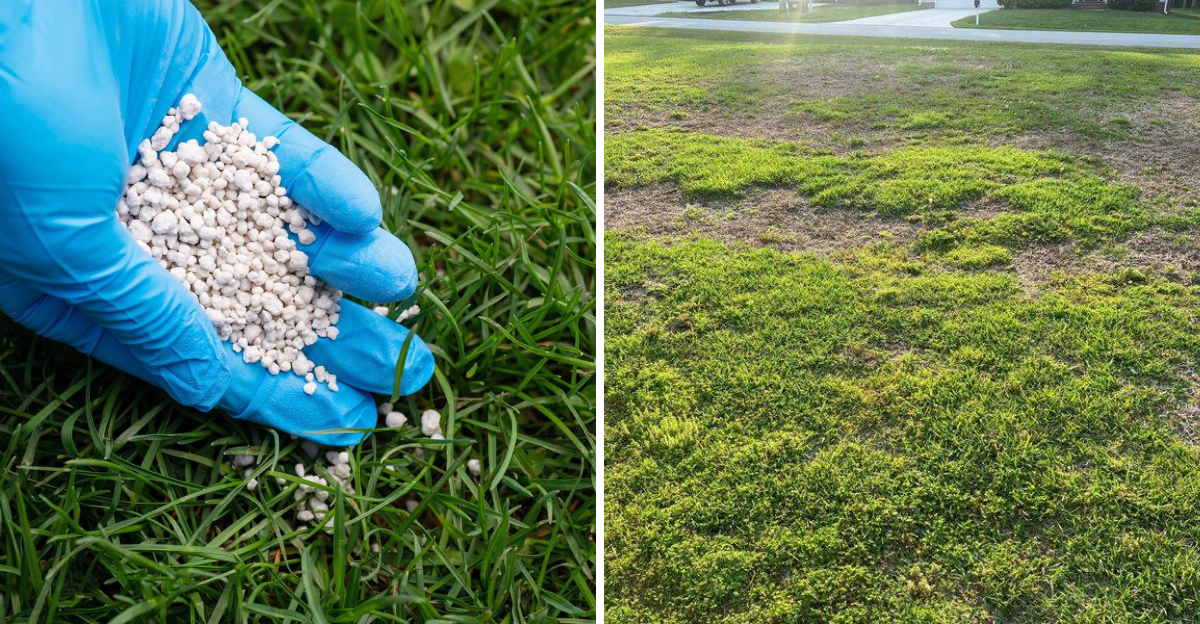
Reaching for lawn fertilizer in September might feel like responsible maintenance, especially when your zoysia still looks green. That extra feeding, however, may work against what the grass needs next.
Zoysia follows a seasonal growth cycle, and Georgia lawns gradually begin preparing for dormancy as cooler weather approaches. Pushing fresh growth too late can interfere with that natural transition.
Think carefully before applying another round of nitrogen simply because summer growth is slowing. The calendar matters, but current conditions and your lawn’s needs matter too.
Healthy grass does not always need another boost before winter. Sometimes the better choice is allowing its growth to slow naturally.
Knowing when to stop feeding is part of good lawn care.
Your September routine can influence how zoysia enters winter and what you see when spring growth returns.
1. September Is When Zoysia Starts Slowing Down
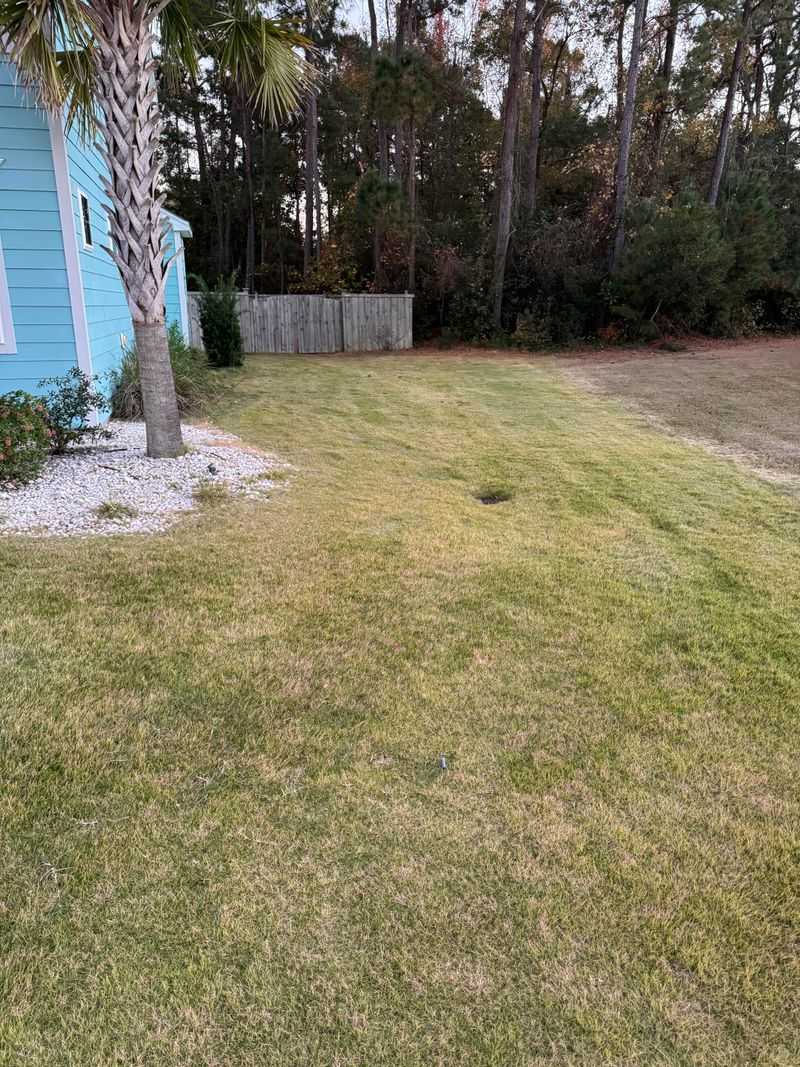
Zoysia does not stay active year-round. As September arrives, it shifts into a slower gear.
Daylight hours shrink, soil temperatures begin to cool, and the grass starts pulling energy inward.
Most zoysia lawns in the Southeast begin sensing these changes well before the first frost. Root activity slows.
Blade growth nearly stops. The grass is not struggling; it is preparing.
Fertilizing at this point works against that natural process. Adding nutrients when the plant is slowing down does not help it store energy.
Instead, it can confuse the grass into trying to grow when conditions are not right for it.
Zoysia is a warm-season grass, which means it thrives in heat and goes quiet in the cold. September sits right at the edge of that transition.
Pushing fertilizer into the soil during this window can disrupt the timing the grass depends on to handle cooler months safely.
Watching your lawn closely in September gives you real information. If blades are growing slowly and color is starting to fade slightly, the grass is on track.
That is not a sign it needs feeding. That is a sign it is doing exactly what it should be doing at this time of year.
2. Late Nitrogen Can Push Unwanted New Growth
Nitrogen is the nutrient that makes grass grow fast and green. In spring and summer, that is exactly what you want.
In September, it is a different story.
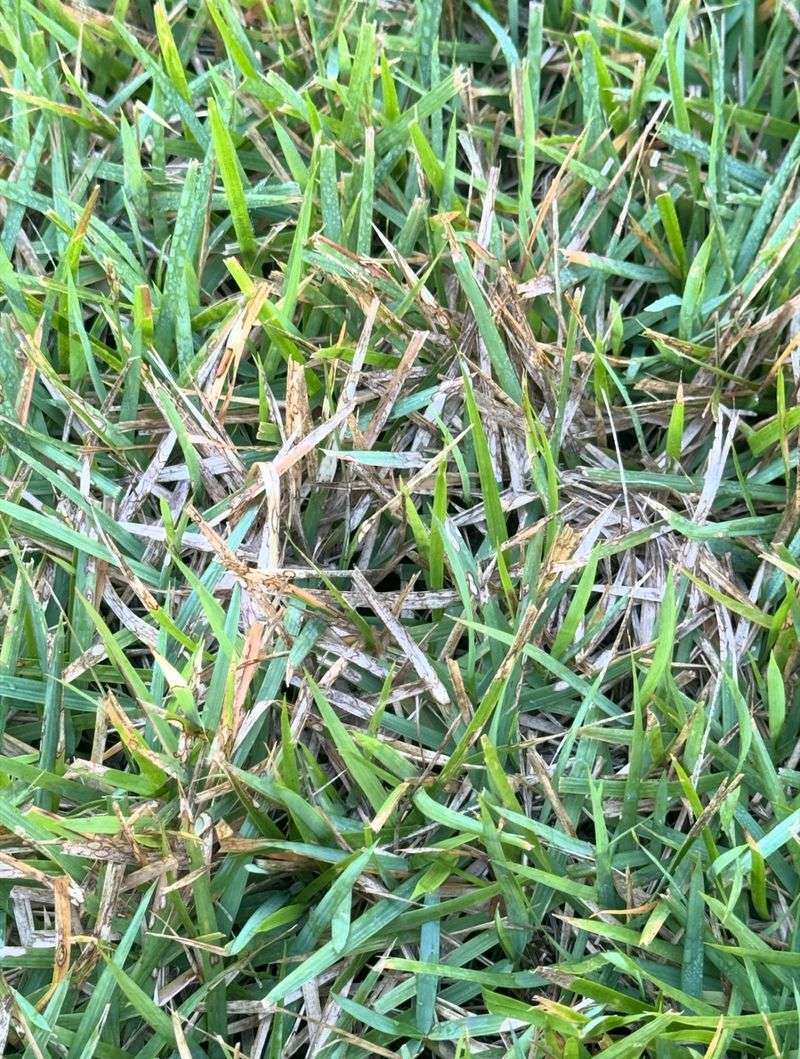
Applying nitrogen late in the season can trigger a flush of soft, new growth. That new growth looks healthy at first.
But it is tender and weak compared to mature grass blades.
Soft growth heading into cooler weather is vulnerable. A cold snap can catch it off guard, and that fresh tissue is much less equipped to handle the stress.
Zoysia that is allowed to slow down naturally tends to hold up better through fall and early winter.
Grass that gets pushed into a growth spurt late in the season may enter dormancy unevenly, which can leave your lawn looking patchy and inconsistent in the spring.
Nitrogen timing matters more than most homeowners realize. A late application does not give the grass extra protection for winter.
Your Georgia Garden Changes Every Week. Your Plan Should Too.
Gardening in Georgia changes quickly throughout the season. Every Friday you’ll receive a simple weekly plan showing exactly what to plant, prune, fertilize, harvest, and protect so you never miss the right timing.
It gives it extra work to do at the wrong time. Sticking to a spring and early summer fertilization schedule is a much more reliable approach for zoysia lawns in Georgia and surrounding regions.
3. Fresh Growth May Struggle As Cold Weather Arrives
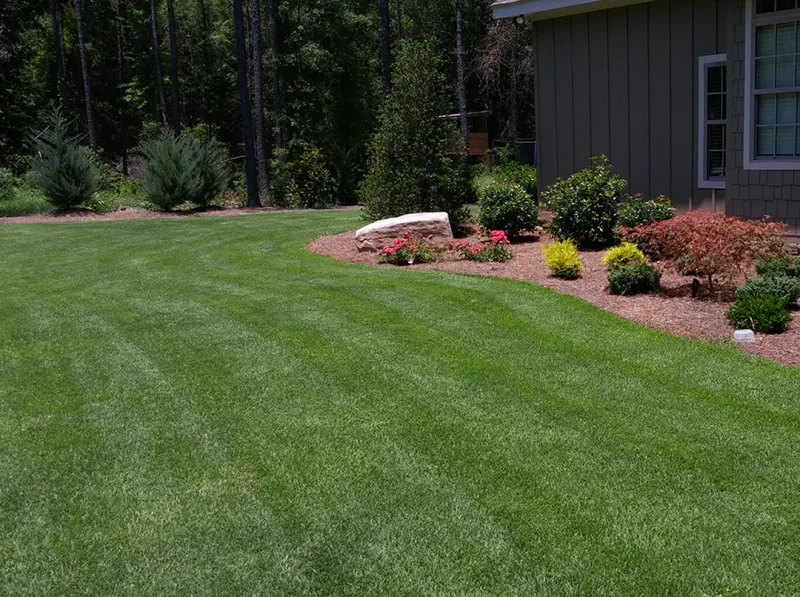
Cold weather in Georgia does not usually arrive in a dramatic rush. Temperatures drop gradually, but that gradual shift still catches tender grass off guard when it was pushed to grow too late.
Fresh growth produced after a September fertilizer application has not had time to harden off. Hardening is the natural process where plant tissue toughens up in response to cooling temperatures.
New growth skips that process because it came in too late.
When a cold front moves through, that soft tissue is the first to show stress. You might notice tips turning brown or whole patches fading faster than the rest of the lawn.
That uneven stress can be frustrating, especially after putting effort and money into fertilizing.
Established, mature zoysia blades handle temperature swings much better. They have had the full growing season to build up the structure they need.
Stimulating new growth in September shortens the time that new tissue has to prepare for anything cooler.
Waiting until spring to fertilize gives your grass the best shot at strong, even growth. The goal heading into fall is not more green.
The goal is a lawn that comes out of dormancy in good condition, ready to take off when warm weather returns in a few months.
4. Extra Nitrogen Can Raise Spring Disease Risk
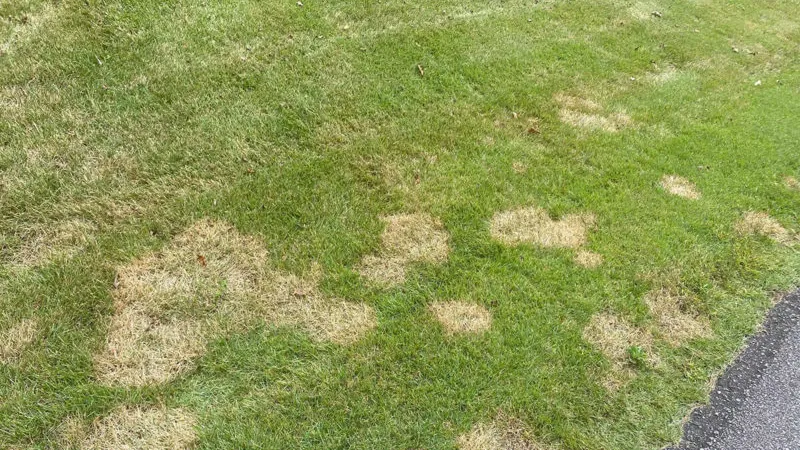
Large patch disease is one of the most common problems zoysia lawns face in the Southeast. It shows up in spring and fall, and excess nitrogen is one of the factors that can make it worse.
Fertilizing in September can leave unused nitrogen sitting in the soil through the dormant season. When spring arrives and the grass wakes back up, that leftover nitrogen can fuel conditions that favor fungal activity.
Large patch thrives in certain temperature ranges and tends to spread more aggressively when grass tissue is soft and lush. A lawn that was overfed heading into winter may produce exactly that kind of growth when it comes out of dormancy.
Preventing disease in zoysia is largely about timing and moderation. Keeping nitrogen applications within the recommended window, typically spring through midsummer, reduces the risk of creating conditions that work against the grass later.
Fungicide treatments are available, but they are not a substitute for good timing. Managing what goes into your lawn and when is a more practical and cost-effective approach.
Skipping September fertilization is one of the simplest ways to reduce potential disease pressure without adding any extra products or expense to your lawn care routine.
5. September Is Not The Time For Heavy Feeding
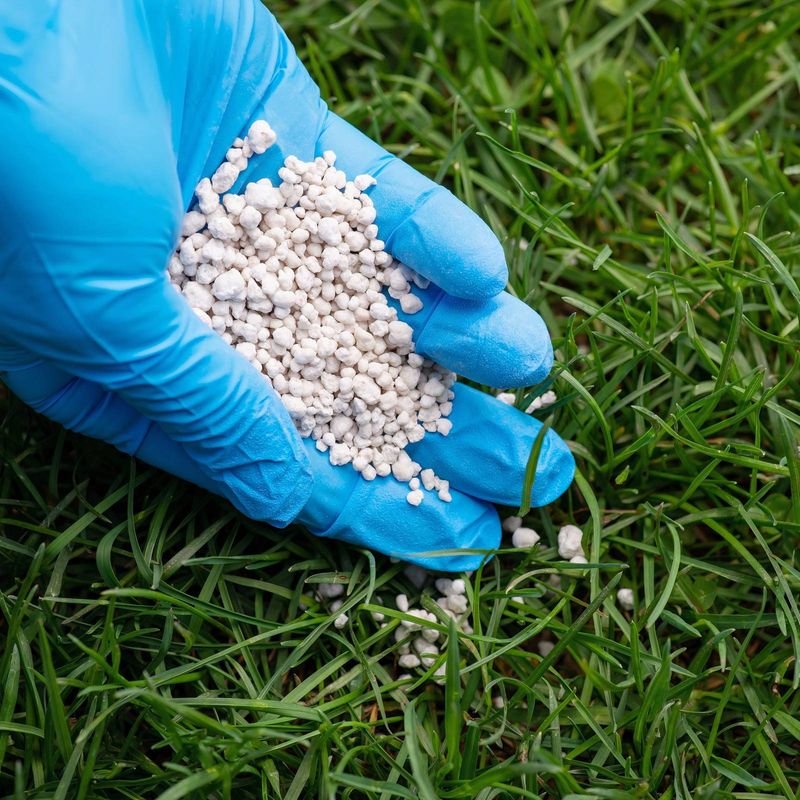
Feeding your lawn feels productive. It is hard to stand in the yard in September and do nothing.
But restraint at this time of year is actually the smarter move.
Zoysia has a defined growing season. Most lawn care professionals recommend the last nitrogen application happen no later than mid-August in warmer Southern climates.
September falls outside that window for a reason.
Heavy feeding late in the season does not give the grass more resources to store. Zoysia pulls what it needs from the soil during active growth.
By September, that active phase is winding down, and the grass is less capable of using what you apply efficiently.
Unused nutrients can also move through the soil. In areas with sandy soil or regular rain, nitrogen can leach before the grass ever gets a chance to use it.
That means you spend money on fertilizer that does not benefit your lawn and may affect surrounding soil or water.
Holding off on fall fertilization is not neglect. It is working with the grass rather than against it.
Your lawn does not need a heavy meal heading into its rest period. Giving it time to slow down on its own terms tends to produce better results when spring comes around.
6. Soil Testing Shows What Your Lawn Actually Needs
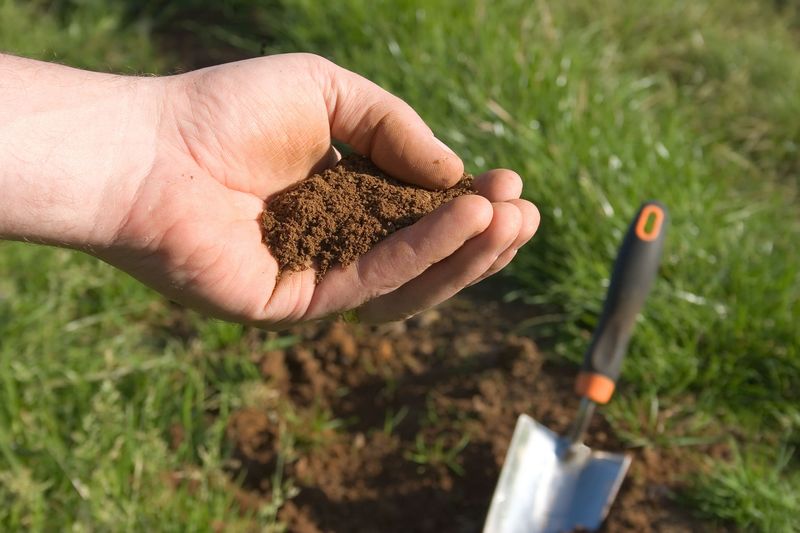
Grabbing a bag of fertilizer without knowing your soil is a bit like taking medicine without knowing what is wrong. Soil testing takes the guesswork out of lawn care.
A basic soil test measures pH, nitrogen, phosphorus, and potassium levels. In Georgia, the University of Georgia Extension office offers affordable testing options that give you results you can actually use.
Many lawns in the region have soil that is already well-stocked with certain nutrients. Adding more without testing can push levels out of balance.
High phosphorus, for example, can interfere with how zoysia absorbs other nutrients it actually needs.
Testing in the fall is a smart move even if you do not plan to fertilize right away. Results take a few weeks to come back, and you will have the information you need to plan for a proper spring application.
That gives you a head start without the risk of feeding at the wrong time.
Soil pH also plays a major role in how well zoysia takes up nutrients. Zoysia tends to prefer a pH between 6.0 and 6.5.
If your soil is too acidic or too alkaline, fertilizer may sit in the ground without doing much good regardless of when you apply it. Knowing your numbers matters.
7. Let The Grass Prepare Naturally For Dormancy
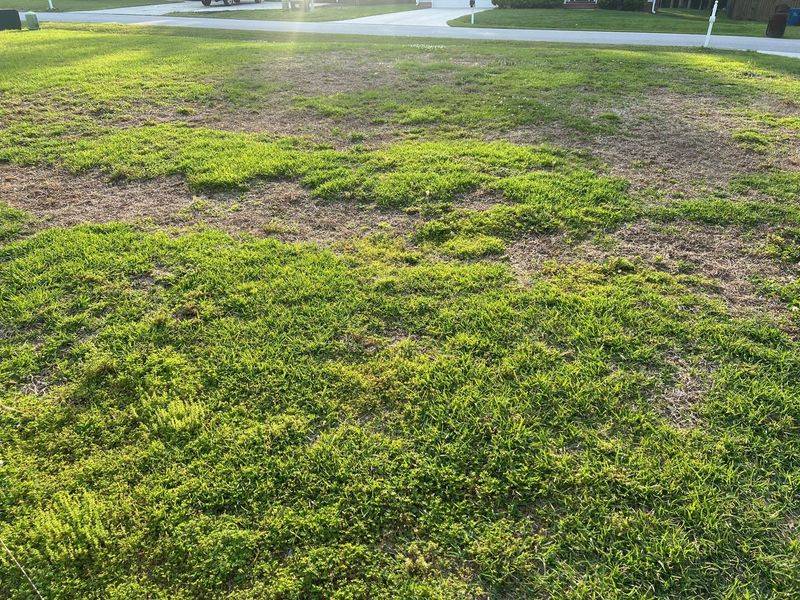
Dormancy is not something that happens to zoysia. It is something zoysia does on purpose.
The grass senses seasonal cues and responds by conserving energy and hardening its root system.
Allowing that process to happen without interference is one of the best things you can do for a zoysia lawn heading into fall. No fertilizer, no extra watering, no push to stay green longer than the grass is ready for.
Lawns that go dormant naturally tend to green up more evenly and reliably in spring. The root system stays intact and ready to support new growth when warm temperatures return.
Disrupting dormancy with late fertilization can throw off that timing.
A light application of potassium in late summer, not September, is sometimes recommended to support root strength heading into cooler months. But that is different from a full nitrogen feeding.
Potassium supports stress tolerance without pushing blade growth.
Watching the lawn go tan in fall can feel uncomfortable if you are used to keeping it green. But that color change is healthy and expected for zoysia.
Letting it happen on its own schedule, without reaching for products that were not designed for this time of year, sets your lawn up for a stronger start when spring rolls back around in Georgia.