Why Vermont Gardeners Are Turning To Moss Gardens
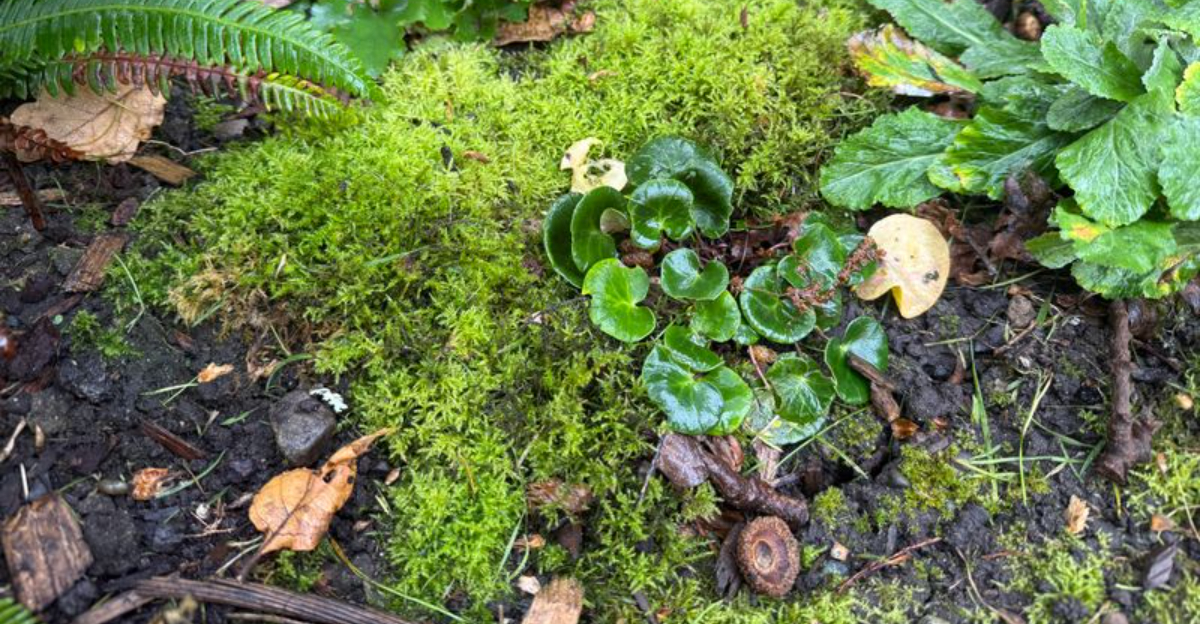
Vermont gardeners are turning to moss gardens because the soft green carpet brings a calm feeling that fits beautifully with the state’s quiet, wooded charm.
Many people appreciate how moss thrives in shady spots where other plants struggle, making tricky areas suddenly feel intentional and inviting.
Plenty of gardeners fall in love fast once they see how a simple patch of moss can transform a dull corner into something peaceful, grounding, and surprisingly magical.
1. Low Maintenance Means More Free Time
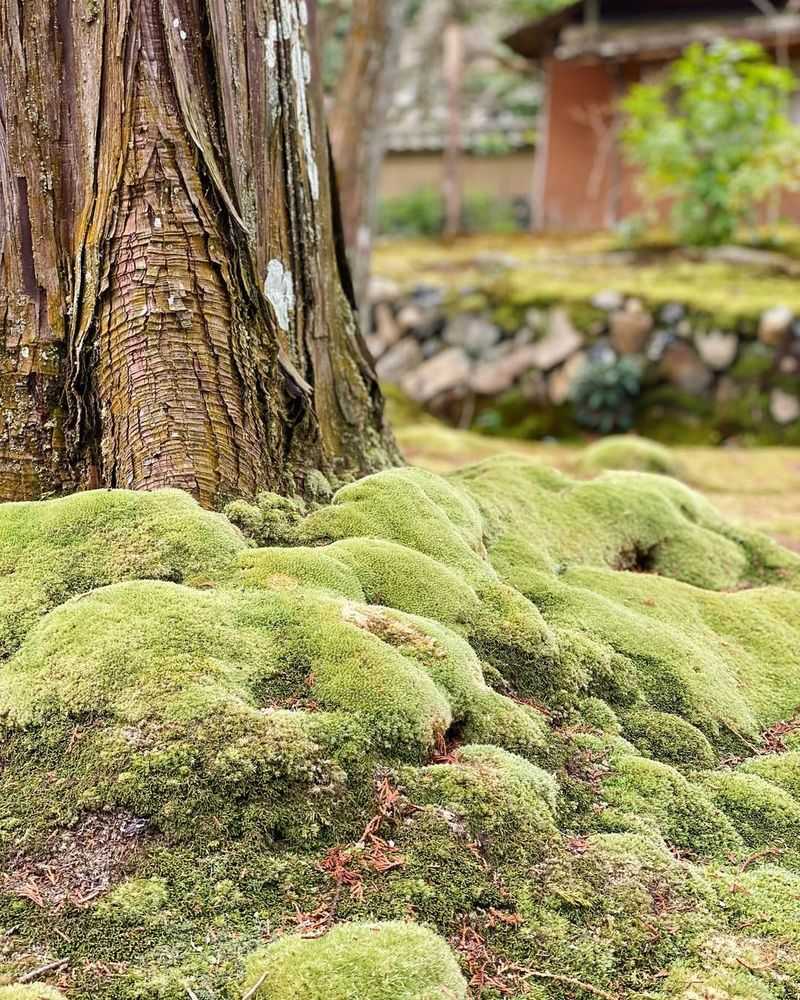
Moss gardens eliminate the need for constant mowing, trimming, and fertilizing that traditional lawns demand every single week during growing seasons.
Vermont gardeners appreciate having weekends free to hike, explore farmers’ markets, or simply relax without worrying about yard work piling up endlessly.
Unlike grass, moss doesn’t grow tall or unruly, so there’s no need to drag out heavy equipment or spend money on fuel.
It stays naturally low and compact, creating a tidy appearance that requires minimal attention throughout the entire year in Vermont’s varied climate.
Homeowners who switch to moss often report feeling relieved and liberated from the endless cycle of lawn care that once consumed their time.
Moss requires no edging, no aeration, and no dethatching, which means fewer tools cluttering up the garage or shed space available.
This low-maintenance approach allows families to spend more quality time together outdoors, enjoying nature rather than constantly managing it with exhausting effort.
For busy Vermonters juggling work, family, and hobbies, moss gardens offer a refreshing and practical solution that truly simplifies life beautifully.
2. Thrives in Shade Where Grass Struggles
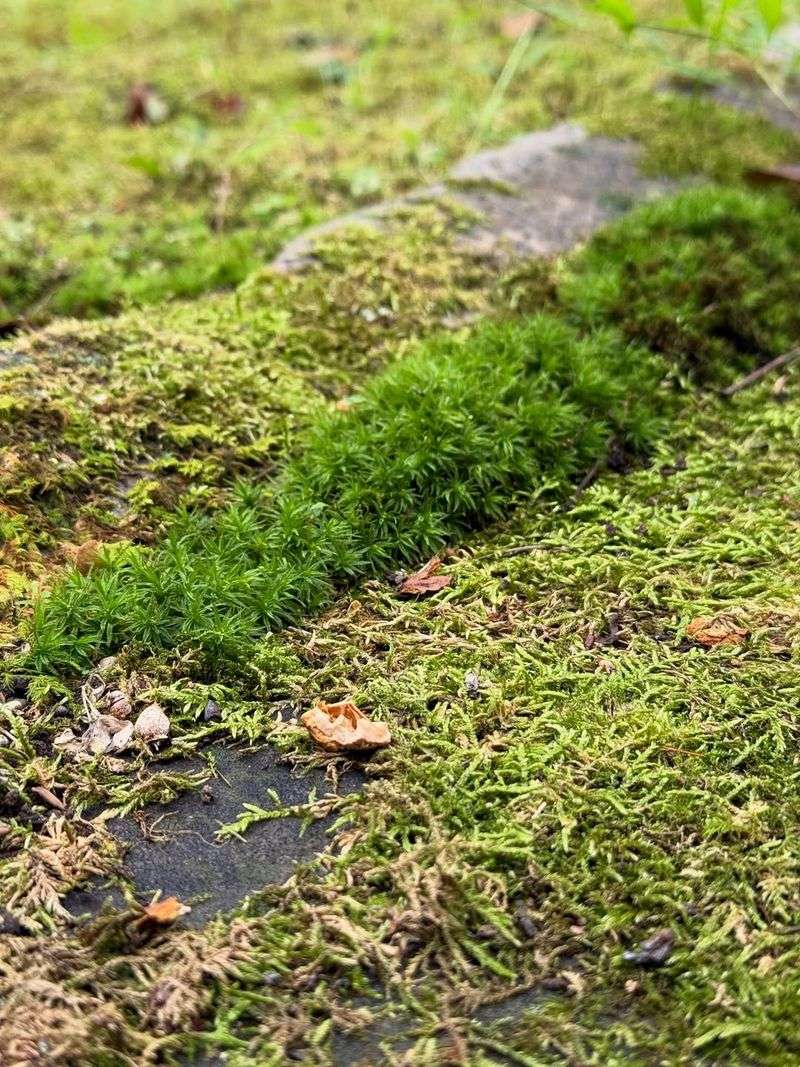
Many Vermont properties feature dense tree canopies and shaded areas where grass simply refuses to grow thick, green, or healthy looking consistently.
Moss loves these dim, cool spots and flourishes naturally without needing direct sunlight or special lighting to achieve lush and vibrant growth.
Gardeners no longer need to worry about patchy, brown lawns under maple, birch, or oak trees that dominate many Vermont residential landscapes beautifully.
Moss transforms these challenging shaded zones into soft, green carpets that feel inviting and look stunning throughout every season of the year.
It solves the frustration of repeatedly reseeding grass in areas where sunlight barely reaches the ground, saving both money and endless effort.
Vermont’s natural landscape includes plenty of forested areas, making moss an ideal choice for properties surrounded by tall, mature trees providing constant shade.
Homeowners discover that moss adapts effortlessly to low-light conditions, creating beauty where other plants fail to establish strong roots or sustainable growth.
This adaptability makes moss gardens a smart, practical choice for anyone dealing with shady yards that have always been difficult to maintain.
3. Conserves Water and Reduces Waste
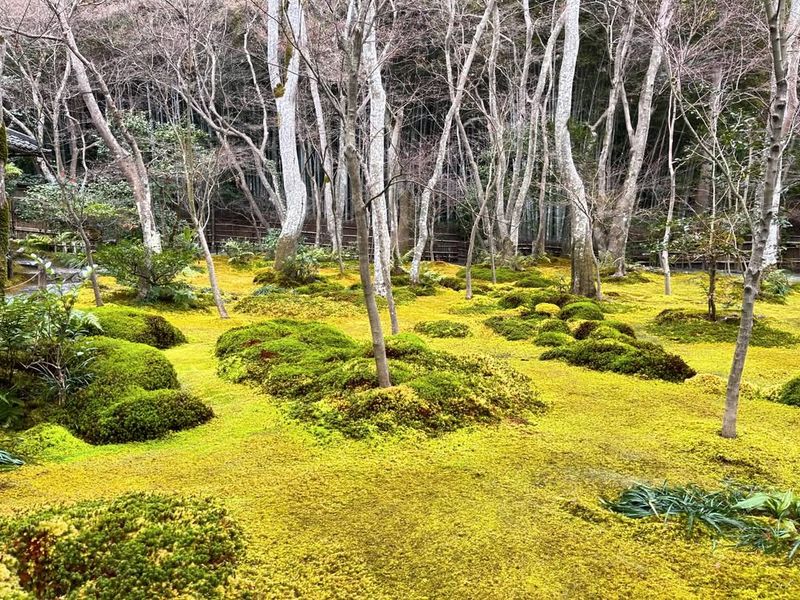
Traditional lawns require frequent watering to stay green, especially during Vermont’s occasional dry spells that leave grass looking brown and lifeless quickly.
Moss, however, absorbs moisture directly from the air and rain, meaning it rarely needs supplemental watering even during warmer summer months ahead.
This natural efficiency helps Vermont gardeners conserve precious water resources while still maintaining a lush, attractive landscape that looks fresh and inviting always.
Reducing water usage not only benefits the environment but also lowers utility bills significantly, making moss gardens a financially smart long-term investment.
Moss can survive periods of dryness by entering dormancy, then quickly reviving once moisture returns, showing remarkable resilience and adaptability throughout seasons.
Vermont’s climate provides ample rainfall and humidity, creating perfect conditions for moss to thrive naturally without requiring extra irrigation systems or equipment.
Homeowners feel good knowing their landscaping choices support water conservation efforts and promote sustainable practices within their local communities and neighborhoods statewide.
By choosing moss, gardeners reduce their environmental footprint while still enjoying a beautiful, healthy yard that requires minimal resources to maintain successfully.
4. Supports Local Wildlife and Pollinators
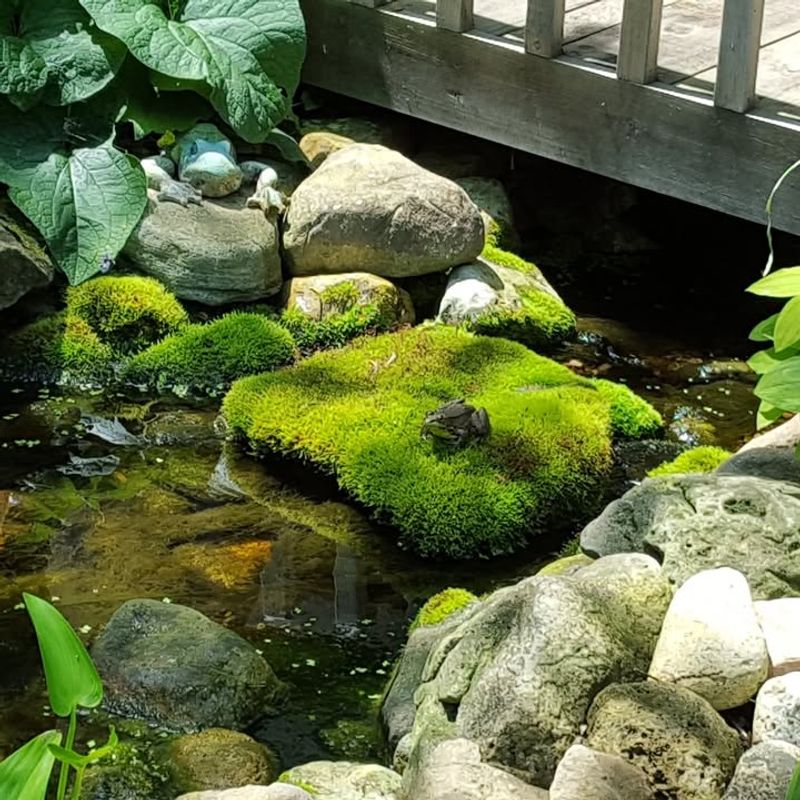
Moss gardens create welcoming habitats for beneficial insects, tiny amphibians, and other small creatures that play vital roles in Vermont’s delicate ecosystems.
Birds often visit moss patches to gather nesting materials, while salamanders and frogs appreciate the cool, moist environment moss provides year-round reliably.
Unlike chemically treated lawns, moss gardens offer safe spaces for wildlife to forage, rest, and reproduce without exposure to harmful pesticides or fertilizers.
Vermont gardeners who prioritize biodiversity find that moss enhances their property’s ecological value, supporting native species and promoting balanced, healthy natural systems.
Moss also helps retain soil moisture, which benefits surrounding plants and trees that provide food and shelter for local birds and mammals alike.
Creating a moss garden means contributing to a network of green spaces that support Vermont’s wildlife, even in suburban or urban settings.
Homeowners enjoy watching nature thrive in their yards, knowing their landscaping choices actively support conservation and environmental stewardship in meaningful, lasting ways.
This connection to nature brings a sense of purpose and fulfillment that goes beyond aesthetics, enriching lives and communities across Vermont.
5. No Need for Harmful Chemicals
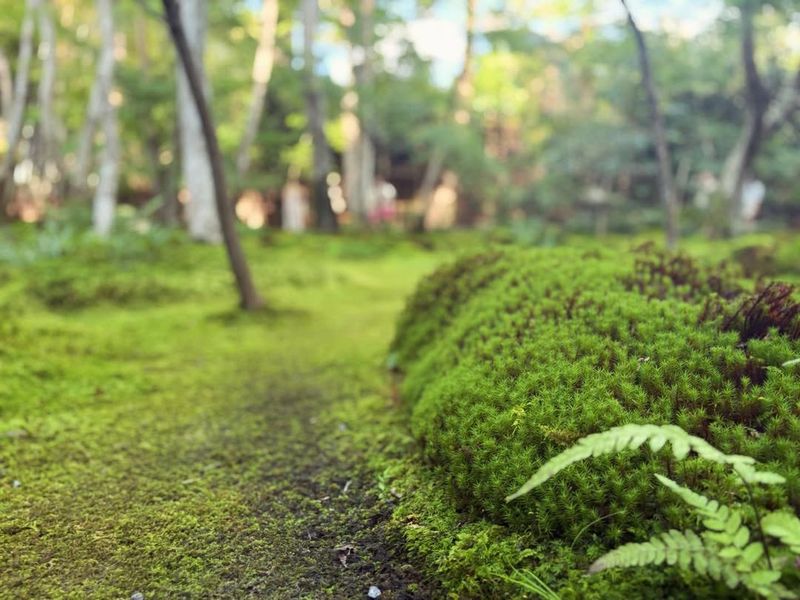
Moss gardens eliminate the need for synthetic fertilizers, herbicides, and pesticides that often contaminate soil, water, and air in Vermont communities statewide.
Traditional lawns frequently require chemical treatments to stay green and weed-free, but these products can harm beneficial insects, pets, and children playing outdoors.
Moss grows naturally without any chemical assistance, making it a safe, non-toxic option for families who prioritize health and environmental responsibility in landscaping.
Vermont gardeners appreciate knowing their yards are free from harsh substances that could leach into groundwater or run off into nearby streams and lakes.
Children and pets can play freely on moss without exposure to potentially dangerous chemicals, giving parents peace of mind and reducing health concerns.
By avoiding chemical inputs, moss gardens support cleaner air, healthier soil, and purer water sources that benefit entire neighborhoods and surrounding natural areas.
This chemical-free approach aligns with Vermont’s strong environmental values and commitment to protecting natural resources for future generations to enjoy and cherish.
Choosing moss means embracing a healthier, more sustainable way of gardening that respects both people and the planet we all share together.
6. Adapts Well to Vermont’s Climate
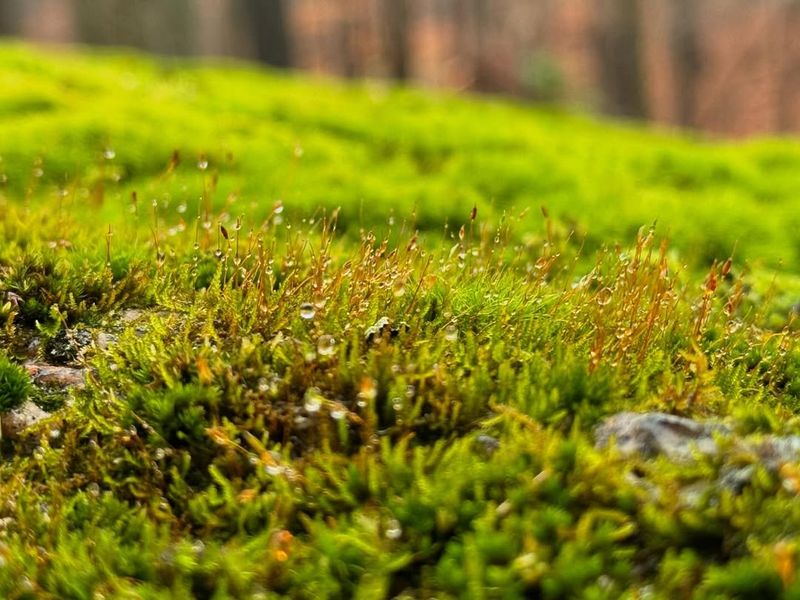
Vermont’s cool temperatures, frequent rainfall, and moderate humidity create ideal conditions for moss to establish, spread, and flourish naturally throughout the year.
Moss thrives in the state’s distinct four-season climate, remaining green even during early spring and late fall when grass often looks dormant.
Cold winters don’t damage moss the way they can harm traditional lawns, making it a resilient choice for Vermont’s unpredictable weather patterns.
Gardeners find that moss requires no special winterization or protective measures, simply resting under snow and emerging beautifully once temperatures warm again.
Vermont’s abundant precipitation provides the moisture moss needs to stay lush and vibrant without requiring supplemental watering or complicated irrigation systems installed.
Moss also tolerates temperature fluctuations well, bouncing back quickly after frost or unexpected cold snaps that would stress or damage other plants.
This natural adaptability makes moss an excellent fit for Vermont’s environment, reducing the guesswork and effort involved in maintaining a healthy, attractive landscape.
Homeowners appreciate that moss works with the local climate rather than fighting against it, creating a harmonious and sustainable gardening approach year-round.
7. Prevents Soil Erosion Naturally
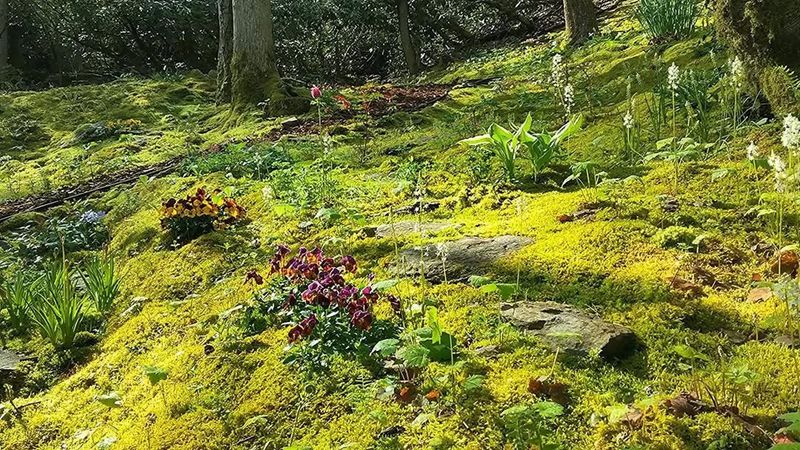
Moss forms a dense, protective mat over soil that helps prevent erosion caused by heavy rain, wind, or snowmelt common in Vermont landscapes.
Its shallow root-like structures, called rhizoids, anchor moss firmly to the ground, stabilizing soil and reducing runoff that can carry sediment into waterways.
Vermont gardeners with sloped yards or hillside properties find moss particularly valuable for holding soil in place where grass often washes away quickly.
Moss also absorbs rainwater like a sponge, slowing water flow and allowing it to soak into the ground gradually rather than rushing downhill.
This natural erosion control protects gardens, foundations, and nearby streams from damage while improving overall soil health and structure over time significantly.
By preventing soil loss, moss gardens help maintain nutrient-rich topsoil that supports other plants and contributes to a healthier, more productive landscape overall.
Vermont’s terrain includes many areas prone to erosion, making moss an effective, eco-friendly solution that works quietly behind the scenes every day.
Homeowners gain both aesthetic and functional benefits, enjoying beautiful greenery while protecting their property from the damaging effects of soil erosion naturally.
8. Adds Year-Round Color and Texture
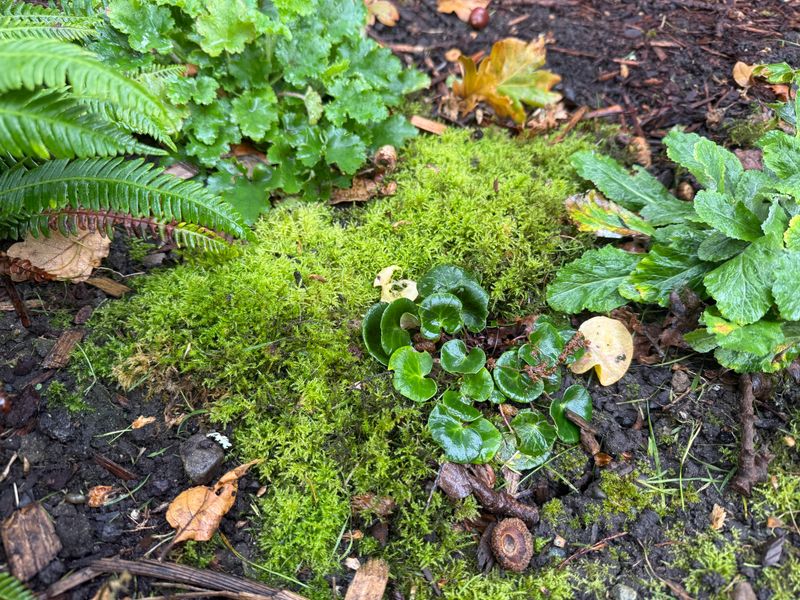
Moss remains green and vibrant throughout all four seasons, providing consistent color even when snow melts or grass turns brown in Vermont.
Its soft, velvety texture adds visual interest and tactile appeal that contrasts beautifully with rocks, pathways, and garden features throughout the landscape.
Vermont gardeners love how moss creates a lush, enchanting atmosphere that feels timeless, peaceful, and deeply connected to the natural world around them.
Unlike flowering plants that bloom briefly, moss offers reliable beauty that doesn’t fade or require deadheading, staking, or other tedious maintenance tasks.
Moss gardens evoke a sense of tranquility and calm, transforming ordinary yards into serene retreats that invite relaxation and quiet contemplation year-round.
The rich green hues of moss complement Vermont’s natural scenery, blending seamlessly with forests, stone walls, and rustic architectural elements found throughout.
Homeowners appreciate that moss provides visual appeal without demanding constant replanting, pruning, or seasonal adjustments to keep the landscape looking fresh and attractive.
This enduring beauty makes moss gardens a worthwhile investment that pays aesthetic dividends for years, enhancing property value and personal enjoyment alike.
9. Reduces Noise and Air Pollution
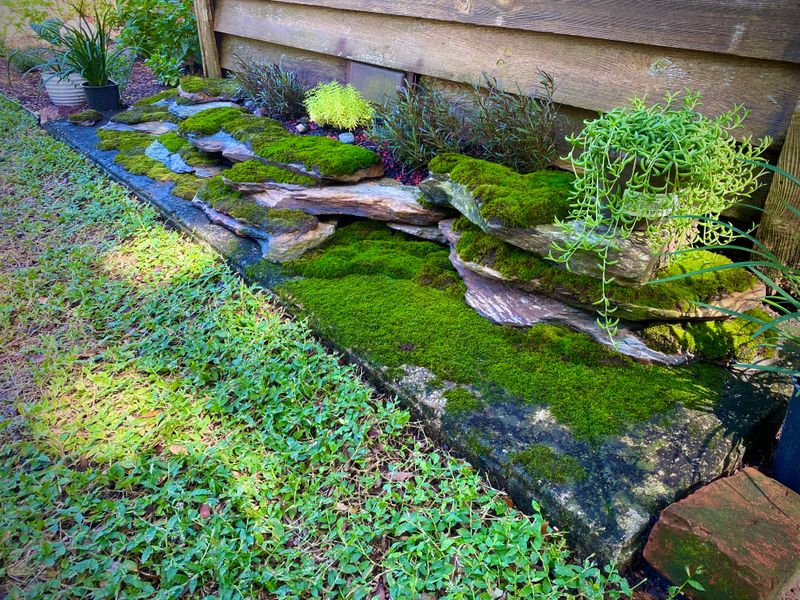
Moss absorbs sound waves effectively, helping to dampen noise from traffic, neighbors, or other sources that can disrupt peace in Vermont residential areas.
Its dense, cushion-like structure acts as a natural sound barrier, creating quieter outdoor spaces where families can relax and enjoy tranquility.
Vermont gardeners living near busy roads or in more populated areas find moss gardens particularly helpful for reducing unwanted noise pollution significantly.
Moss also captures airborne particles and pollutants, improving air quality around homes and contributing to cleaner, healthier outdoor environments for everyone nearby.
This natural air filtration benefits people with allergies or respiratory sensitivities, making outdoor spaces more comfortable and enjoyable throughout the growing season.
By absorbing dust, pollen, and other particulates, moss helps create fresher, purer air that enhances overall well-being and quality of life daily.
Vermont’s commitment to environmental health aligns perfectly with the pollution-reducing benefits that moss gardens provide to communities and individual homeowners statewide consistently.
Choosing moss means investing in a landscape that not only looks beautiful but also actively improves the surrounding environment in subtle yet important ways.
10. Increases Property Value and Curb Appeal
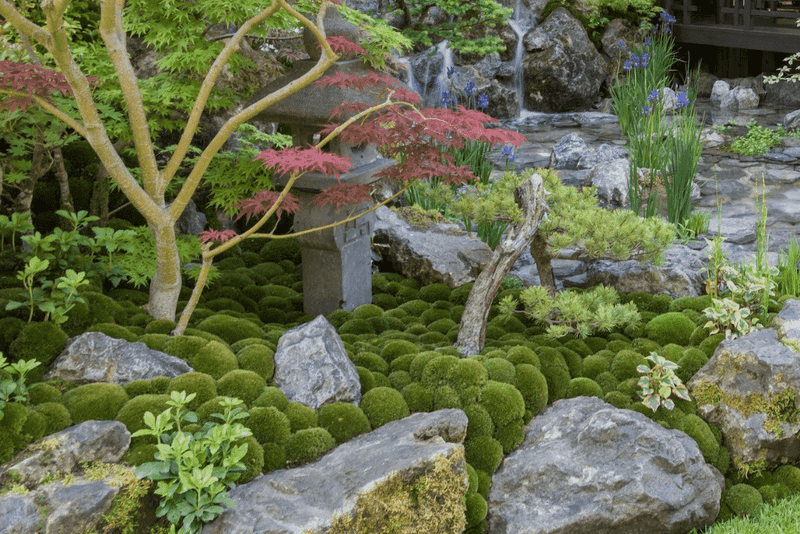
Moss gardens create a distinctive, elegant look that sets properties apart from typical grass lawns, attracting attention and admiration from neighbors and visitors.
Vermont homeowners find that unique, well-maintained landscaping increases curb appeal and can boost property values when it comes time to sell their homes.
Moss gardens signal a commitment to sustainable, thoughtful design that appeals to environmentally conscious buyers seeking eco-friendly homes in Vermont’s competitive market.
The timeless beauty of moss adds a touch of sophistication and natural charm that enhances the overall aesthetic of any property significantly.
Realtors often highlight low-maintenance, sustainable landscaping as a selling point, making moss gardens an attractive feature that can shorten time on the market.
Moss gardens also reduce ongoing maintenance costs for future owners, which is an appealing benefit that can justify higher asking prices during negotiations.
Vermont’s real estate market values properties that blend seamlessly with the natural landscape, and moss gardens achieve this beautifully without appearing overly manicured.
Investing in a moss garden not only enhances daily living but also pays off financially by increasing property desirability and market value over time.