This Native Perennial Puts On A Blaze Of Fall Color In Vermont Gardens
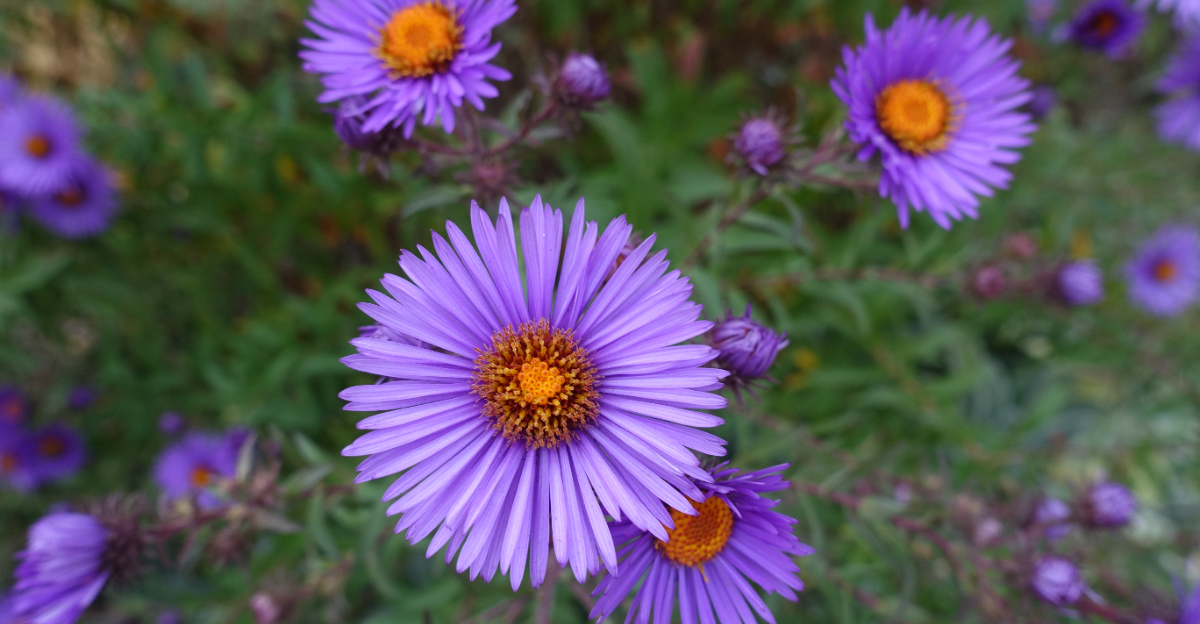
You won’t quite recognize your usual Vermont garden by mid-September. Nothing else blooms this boldly once summer starts fading. Purple, pink, and violet appear almost overnight.
Vermont’s humidity fades, yet this flower keeps climbing. Your tired perennials settle down while this one begins. Gardeners call it the plant that keeps blooming when others stop.
Butterflies arrive first, drawn by something you can’t see yet. Bees follow closely, sensing nectar your other flowers stopped offering. Roots have been storing energy since early spring.
Height rises quickly, and texture sharpens fast. Timing decides everything, more than soil or sunlight ever could. Every stem seems to know exactly when to perform.
This is not subtle; this is late-season energy. Color spreads faster than you can track it. Other blooms fade everywhere else, yet this one holds steady.
Late bloomers rarely earn this much attention. Once you truly see what happens next, you won’t look away.
Why Gardens Start Looking Dull By Late Summer
August hits hard on most gardens. The bold blooms of June are long gone, and the yard starts looking like it gave up.
Hostas fade out. Coneflowers drop their petals. Even the most devoted gardener starts to feel a little defeated by the dullness creeping in.
The problem is a gap in the bloom calendar. Most popular perennials peak in early summer and then coast toward dormancy with nothing exciting left to show.
Foliage turns yellow. Stems go brittle. The whole garden takes on a worn-out look that no amount of trimming can fix.
That gap between mid-August and the first hard frost is a real design challenge. Many gardeners simply accept it as the cost of a short growing season.
But accepting dullness is never the answer. Smart planting can keep color alive well into October, and it all starts with choosing the right plants for the job.
Late-season bloomers are rare, but they exist. The trick is knowing which ones thrive in cool nights and shorter days without missing a beat.
New England Aster is built exactly for that moment. It wakes up just when everything else is winding down, ready to put on the boldest show of the entire year.
Your garden does not have to fade out quietly. One well-placed native perennial can flip the whole script on a tired fall landscape.
Meet New England Aster, Vermont’s Fall Color Champion
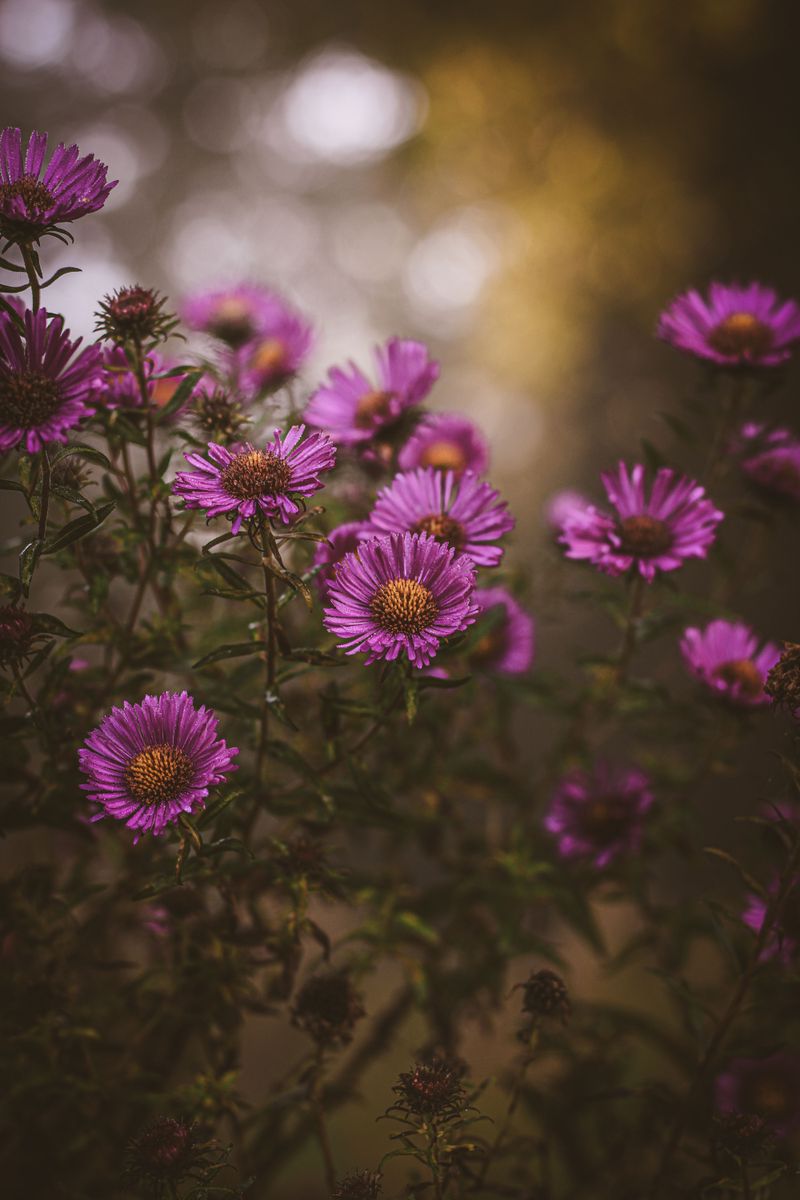
Picture a plant covered in hundreds of tiny purple stars, each one glowing against a backdrop of orange and gold leaves. That is New England Aster doing exactly what it was born to do.
Symphyotrichum novae-angliae is its scientific name, but most Vermont gardeners just call it a showstopper. Native across the eastern United States, it thrives especially well in the cool, moist climate of New England.
This perennial can grow three to six feet tall in a single season. It fills space fast, crowds out weeds, and asks for almost nothing in return.
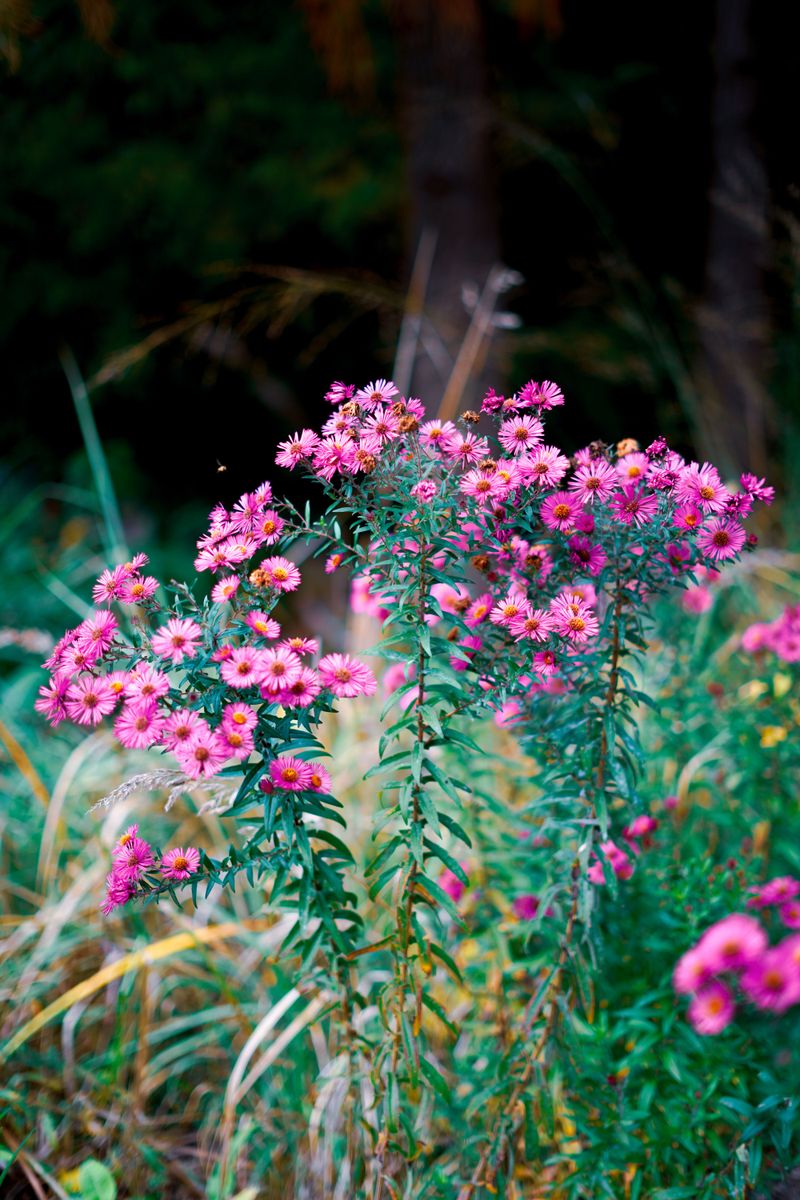
The flowers range from deep violet to soft lavender, rose pink, and magenta. Each bloom has a bright yellow center that practically glows in the low autumn light.
New England Aster begins blooming in late August and keeps going strong through October. Some years, it even pushes past the first light frost without blinking.
Unlike many native plants, this one is not shy about making a statement. It’s easy to spot from across the yard, drawing both eyes and pollinators.
Gardeners across the region have relied on it for generations. Old farmsteads and roadsides across the Northeast are lined with its wild cousins every fall.
Choosing this plant means choosing a piece of regional history. It belongs here, it thrives here, and it looks absolutely stunning when October rolls around.
Where To Plant It For Maximum Impact
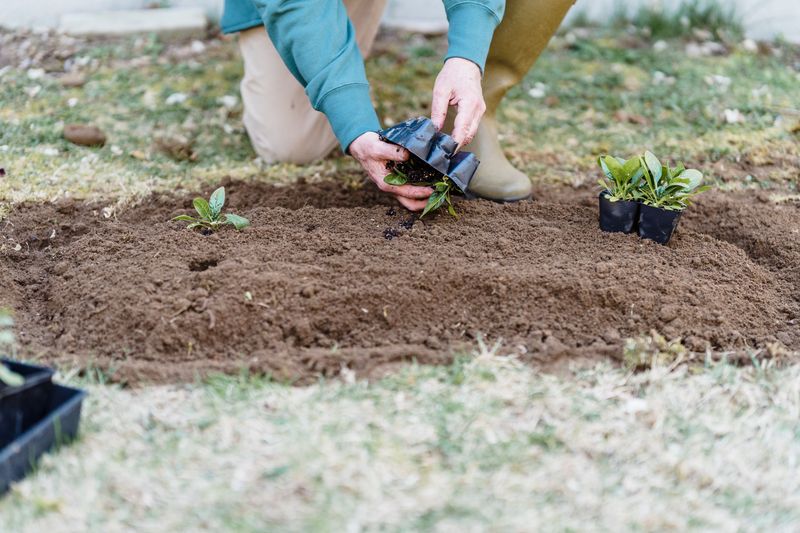
Location changes everything with this plant. Give it the right spot, and it rewards you with a wall of color that catches people’s attention.
Full sun is the top priority. New England Aster wants at least six hours of direct sunlight each day to bloom at its best.
Shady spots lead to weak stems and sparse flowers. The plant stretches awkwardly toward the light and loses that tight, bushy form that makes it so striking.
Well-drained soil is the second key factor. This native prefers consistently moist soil but tolerates average garden conditions well, as long as it isn’t left to dry out completely.
Plant it along a fence line or at the back of a border where its height becomes an asset. Shorter plants in front create a layered look that feels intentional and lush.
Pairing it with ornamental grasses adds movement and texture. The feathery plumes of switchgrass or Karl Foerster grass complement the aster’s bold color beautifully.
Rudbeckia and goldenrod make excellent neighbors too. That golden-and-purple combination is a classic fall palette that never looks accidental or overdone.
Mass planting creates the biggest visual punch. A grouping of five or more plants along a walkway or driveway turns heads from the street.
Think about sightlines from inside your home as well. Placing asters where you can see them through a kitchen or living room window extends the joy all season long.
Simple Care Tips To Keep It Thriving
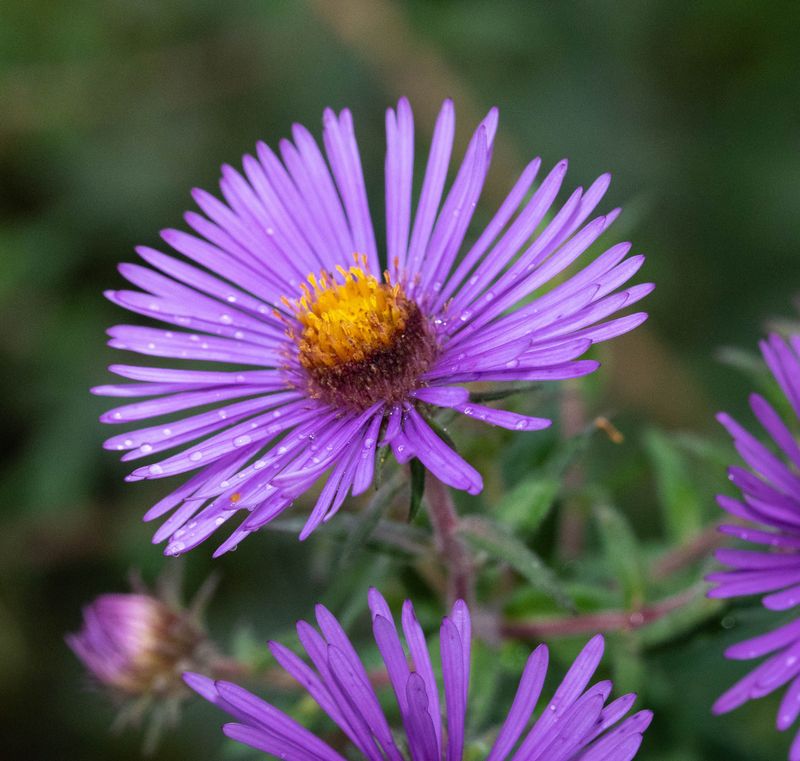
Good news: this plant is not high-maintenance. New England Aster is one of those rare finds that gives a lot and asks for very little.
Water it regularly during the first growing season to help roots establish. After that, it handles dry spells with surprising toughness for such a showy plant.
Fertilizing is rarely necessary. Rich soil can actually cause the plant to grow floppy and tall without producing more blooms, so skip the heavy feeding.
The one technique that makes the biggest difference is called pinching. Trim the top few inches of each stem in late May or early June to encourage bushier growth.
Pinching keeps the plant compact and upright. Without it, asters can get leggy and may need staking to stay standing through wind and rain.
A second pinch in early July is optional but helpful. It delays blooming slightly and keeps the plant at a manageable height for smaller garden spaces.
Dividing the clumps every two to three years keeps the plant vigorous. Dig up the root mass in spring, split it into sections, and replant the outer pieces.
The center of older clumps tends to fade back and look woody. Replanting the fresh outer growth gives you a rejuvenated plant that blooms just as enthusiastically as ever.
Mulching around the base in late fall protects the roots through cold winters. Come spring, new growth will push up right on schedule, ready to do it all again.
How It Supports Pollinators Through Frost
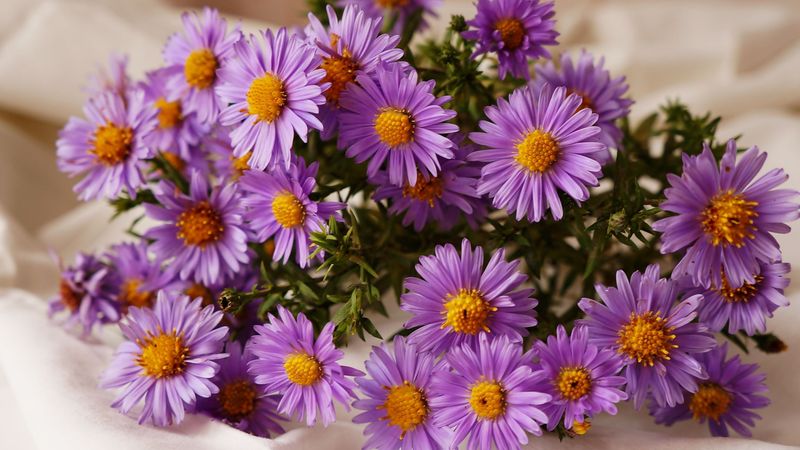
Few plants earn their place in a garden the way New England Aster does in October. When almost every other flower has closed up shop, this one stays open for business.
Monarch butterflies depend on late-blooming flowers during their southern migration. Asters are one of the most critical fuel stops along that long journey.
Bumblebees also rely on these blooms heavily in fall. Queens need to build fat reserves before overwintering, and aster nectar is one of their most valuable late-season resources.
Honeybees visit constantly on warm autumn afternoons. Watching them work through a patch of asters in October sunshine is one of the most satisfying sights a gardener can witness.
The plant also supports specialist native bees that feed almost exclusively on aster pollen. These small, often overlooked bees play a huge role in local ecosystems.
Goldfinches and sparrows move in once the blooms fade. They pick through the seed heads for weeks, turning your Vermont garden into a lively feeding station well into November.
Leaving the stems standing through winter adds even more value. Pith-filled stems provide nesting habitat for solitary bees that overwinter as adults inside protected cavities.
Choosing native plants like this one is not just a gardening decision. It is a small but meaningful act of support for the wildlife that shares your landscape.
Your Vermont garden becomes a waypoint for creatures great and small, all because of one vibrant native perennial that keeps blooming until frost.
What Your Garden Will Look Like Come October
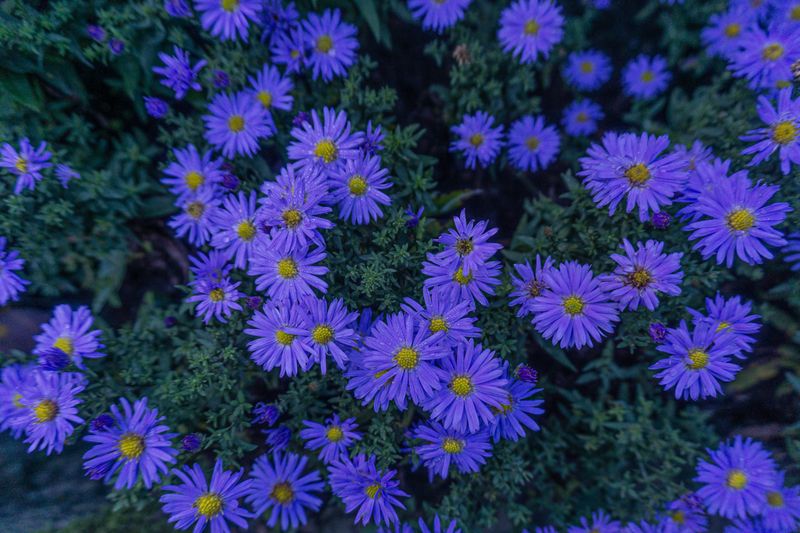
Close your eyes and picture your yard in mid-October. Now add towering columns of purple and violet catching the low golden light of a fall afternoon.
That is what New England Aster delivers when everything else has gone to seed. It transforms an ordinary yard into something that feels curated and alive.
The contrast with fall foliage is stunning. Deep purple blooms against red maples and orange oaks create a color combination that no painter could improve upon.
Neighbors slow down when they pass. Visitors ask what that incredible purple plant is, and you get to smile and say it is a native perennial you planted yourself.
Morning frost makes the scene even more dramatic. Crystals coat the petals and stems, and the asters hold their form with a kind of quiet dignity that other plants cannot match.
Even after peak bloom, the plant remains interesting. Fluffy seed heads catch the light and sway in the breeze, adding movement to an otherwise still autumn garden.
Many gardeners find the color striking enough to photograph, especially against October’s changing foliage.
Many gardeners who add this native perennial end up planting more than one patch the following spring.
Your October garden can be the best-looking one on the block. All it takes is one bold native perennial bringing fall color from now until frost.