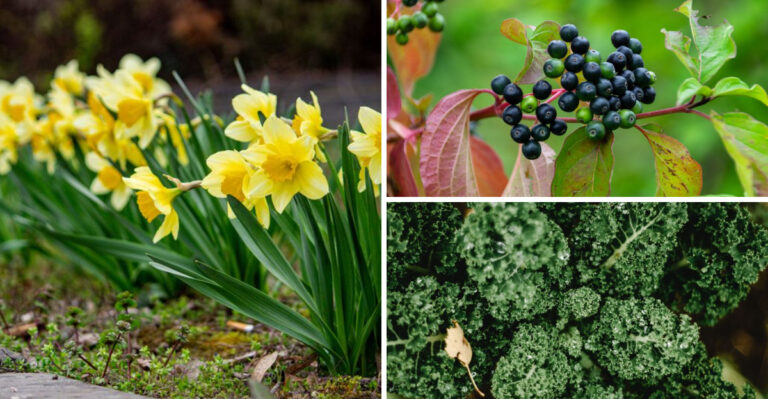
8 Flowers You’ll Regret Planting Because They Self-Seed Everywhere And Never Truly Leave In Vermont
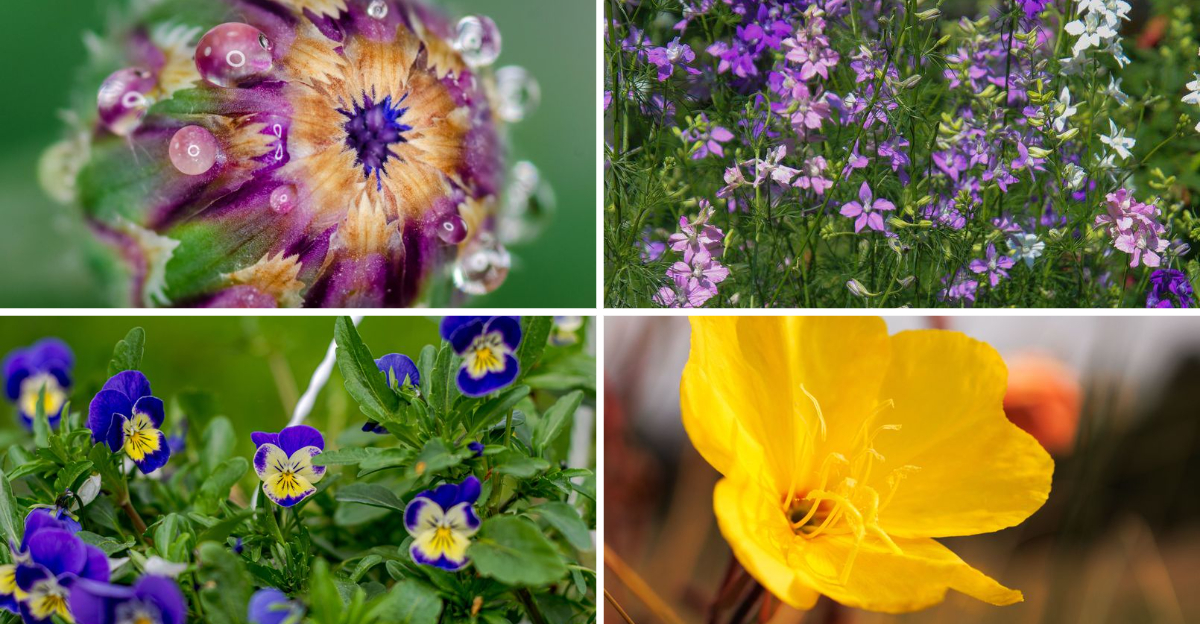
Some flowers arrive with excellent manners and leave every rule behind by the second season. Vermont’s freeze-thaw cycles and short growing window somehow work in their favor.
A single cheerful clump along a fence line can turn into hundreds of volunteers within a year. The spread rarely announces itself early, which is why so many yards end up overrun.
Not every self-seeder earns this reputation, but a handful of popular choices push past charming and into relentless. Their seeds travel farther and germinate faster than any catalog description admits.
For gardeners who like structure and predictability in their beds, these eight are worth knowing before they land anywhere near open soil.
1. Forget-Me-Nots Spread Faster Than Expected
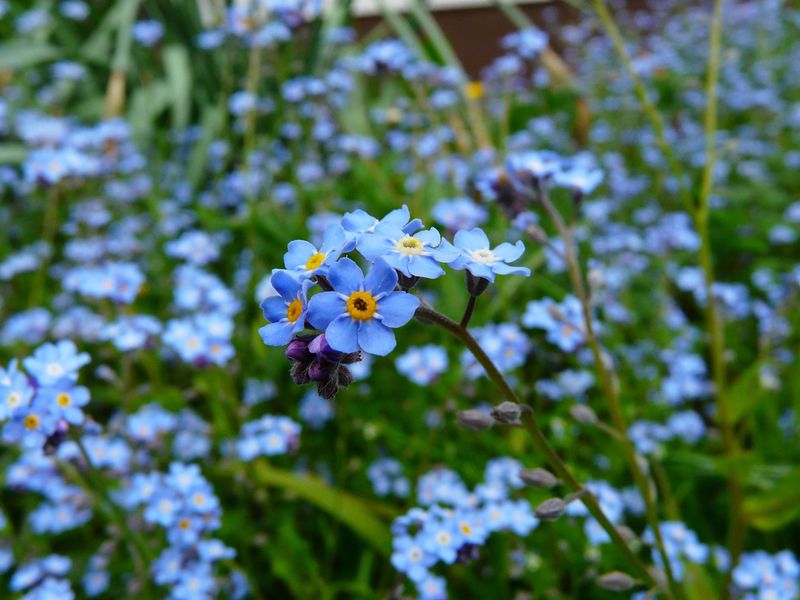
Picture a sea of tiny blue blooms covering every inch of your garden by May. Forget-me-nots are charming, no question, but they are also relentless self-seeders that treat your yard like their personal kingdom.
Each plant produces hundreds of small seeds that scatter at the lightest touch. Those seeds cling to clothing, soil, and tools, hitching rides to spots you never intended to plant.
In Vermont, the cool, moist spring soil is ideal conditions for forget-me-not germination. Seedlings pop up in gravel paths, between stepping stones, and inside other perennial clumps.
Once established, they form thick mats that crowd out smaller plants nearby. Pulling them sounds easy until you realize the seeds already scattered nearby sprout right back within weeks.
Removing spent blooms before seed pods form is the only reliable way to slow them down. Most gardeners miss that window because the flowers are so pretty, and suddenly the whole bed is gone to seed.
They are biennials, meaning they flower in year two, but their offspring cycle continues endlessly. You will never truly be free of forget-me-nots once they find a home in your Vermont garden.
Forget-me-nots also thrive in partial shade, a spot where many other self-seeders struggle to take hold. That flexibility only widens the range of places they can quietly settle into next.
Embrace them as a ground cover with firm boundaries, or prepare for a lifelong negotiation. Either way, this plant has a way of making every decision for you.
2. Money Plant Seeds Travel Everywhere
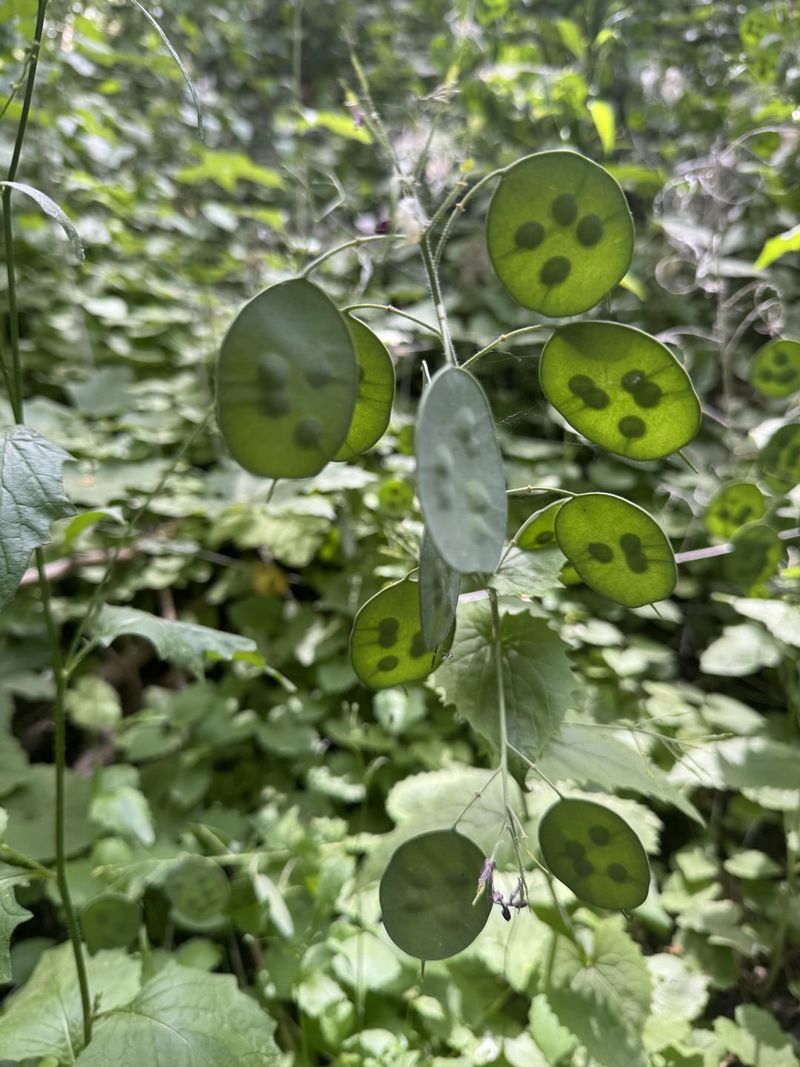
Honesty, also called money plant, earns its nickname from those gorgeous silvery seed pods. But those papery discs are basically nature’s own seed-dispersal machines, and they are incredibly efficient.
When the pods dry out, they split open and release seeds in every direction. Wind carries them across fences, into lawns, and into neighboring beds where you absolutely did not plan to have plants.
Vermont gardeners often discover money plant seedlings popping up two or three years after removing the original plants. The seeds stay viable in cold soil for a surprisingly long time, just waiting for the right spring thaw.
Aggressive self-seeders often have a beautiful hook, and money plant is no exception. Those shimmering pods look stunning in dried arrangements, which is exactly how people justify planting it in the first place.
The plant itself grows up to three feet tall and shades out shorter neighbors with ease. Once it takes hold along a fence line or woodland edge, reclaiming that space is a multi-season project.
Removing seedlings early in spring is the smartest move, before taproots dig in deep. A taproot left behind almost guarantees a return visit next year.
Cutting seed stalks before pods mature is the best prevention strategy. Compost those stalks carefully, because seeds can survive even partial decomposition and sprout right out of your compost pile.
3. Bachelor’s Buttons Return Every Single Year
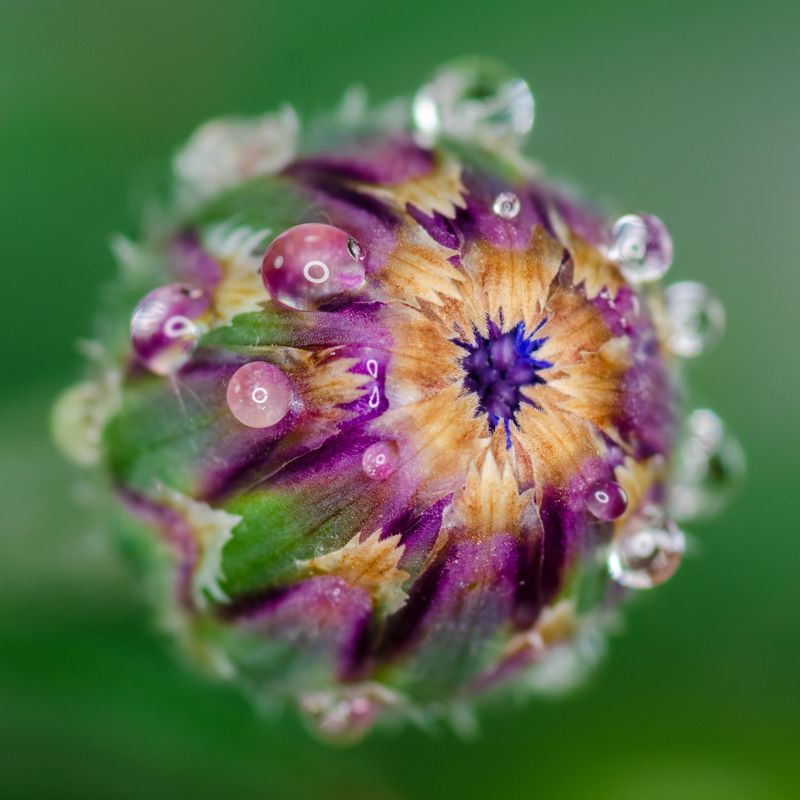
Technically an annual, bachelor’s button acts more like a determined perennial in Vermont gardens. Plant it once, and it will cheerfully reseed itself for decades without any help from you.
The seeds are light and feathery, designed by nature to drift on summer breezes. They land in vegetable beds, between pavers, along fence lines, and in spots you definitely did not approve.
Cold stratification actually improves germination for bachelor’s buttons, meaning Vermont winters are doing them a favor. Seeds that drop in autumn chill out underground, then explode into growth the moment soil warms up.
Gardeners who love the cobalt-blue flowers often let a few go to seed on purpose. That single act of generosity results in dozens of new plants scattered across an entirely different zone of the yard.
Removing spent blooms consistently is the only real way to limit the spread. However, even one forgotten bloom left on the stem can produce enough seeds to colonize a new bed entirely.
Pulling seedlings is straightforward when they are young, since roots are shallow in spring. Wait even two weeks longer, and those roots get stubborn fast.
Full sun speeds up their growth cycle, but bachelor’s buttons tolerate part shade just as easily. That adaptability means almost no corner of the yard stays off limits for long.
Bachelor’s buttons also cross-pollinate freely, producing new color variations over time. What started as a tidy blue border slowly becomes a wildly mixed patch that has completely rewritten your original garden plan.
4. Foxglove Colonizes Beds Within Seasons
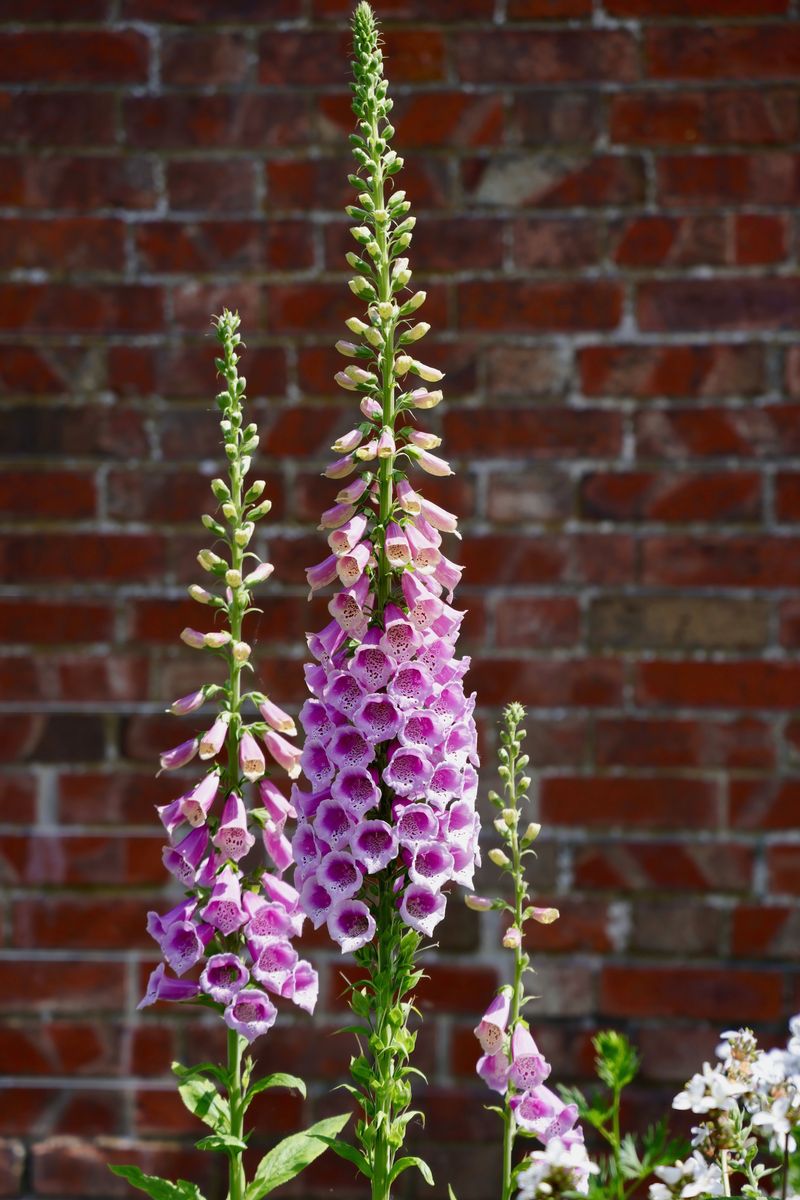
Foxglove is dramatic, tall, and absolutely magnetic to hummingbirds and bumblebees. It also spreads with a quiet aggression that catches most gardeners off guard.
As a biennial, foxglove grows leaves its first year and flowers its second. By the time those gorgeous flower spikes appear, the plant has already dropped thousands of dust-like seeds into surrounding soil.
Those seeds are tiny enough to slip into the smallest soil gaps and crevices. Vermont’s rain does the rest, washing seeds into new beds and even into container pots sitting nearby.
Within two or three seasons, a single purchased plant becomes a colony of fifteen or twenty. They show up in the vegetable garden, between shrubs, and along the shady foundation where nothing else grows.
Removing spent flower spikes before seeds fully mature is the key control strategy. The problem is that foxglove flowers from the bottom of the spike upward, so seeds at the base drop while the top still blooms.
Wearing gloves when handling foxglove is also smart, since all parts of the plant carry toxins. That detail adds an extra layer of caution when you are doing removal work in tight spaces.
Aggressive self-seeders often reward you with beauty before the chaos begins. Foxglove follows that pattern, looking spectacular right up until the moment it has taken over the bed.
5. Larkspur Seedlings Appear In Unexpected Places
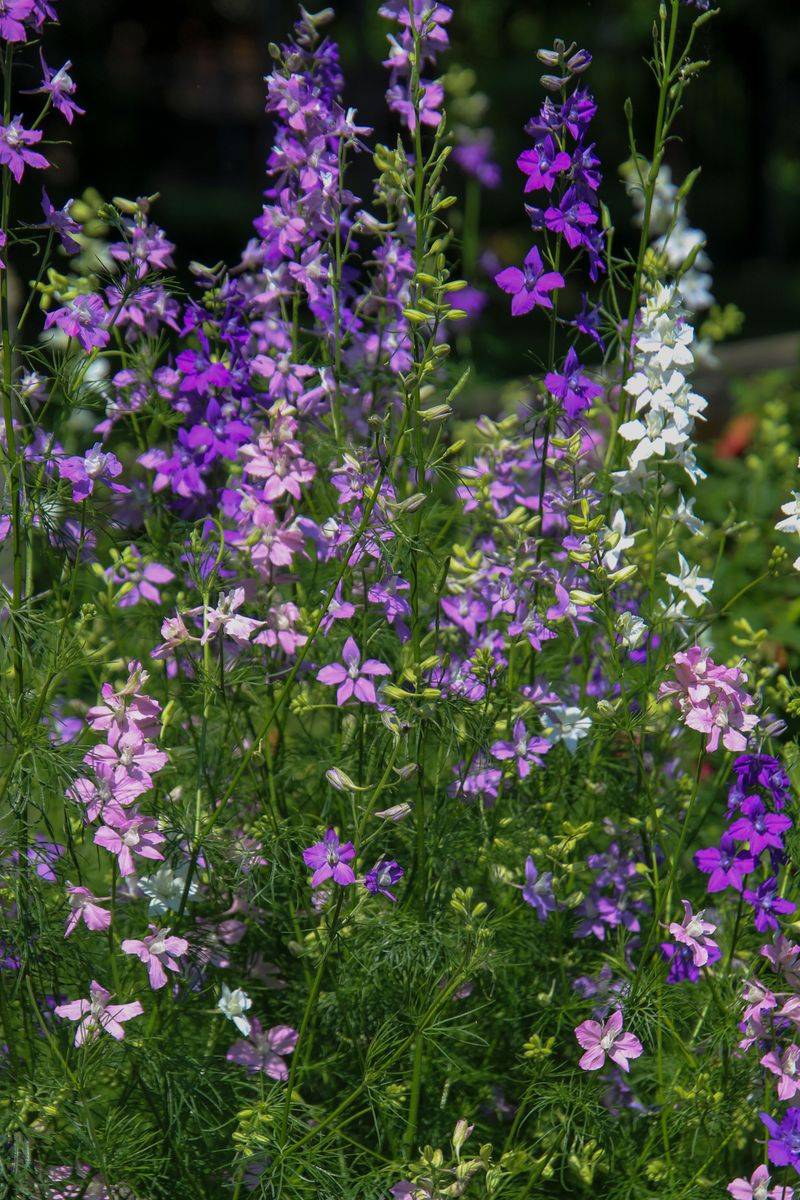
Larkspur is one of those old-fashioned flowers that feels like it belongs in a painting. The tall spikes of blue, purple, and pink blooms are genuinely stunning from late spring into early summer.
However, larkspur seeds itself so aggressively that it qualifies as a cautionary tale. Each plant produces long seed pods packed with dozens of small black seeds ready to scatter on contact.
Vermont gardeners often find larkspur popping up in the middle of the lawn, in vegetable rows, and along the driveway edge. The seeds require cold stratification to germinate well, so Vermont winters are practically a growth accelerator.
Seeds dropped in autumn spend the winter chilling in frozen ground, then surge upward in early spring. By the time you notice the seedlings, they already have a head start on everything else in the bed.
Transplanting larkspur is notoriously difficult because it hates having its taproot disturbed. Your best option is to pull unwanted seedlings when they are still tiny, before the taproot anchors firmly.
Letting even a handful of plants go to seed often means next year’s crop will be bigger. Many gardeners end up with a self-sustaining larkspur patch that migrates a few feet every single season.
If you love the look, embrace it in a dedicated cutting garden with defined edges. Otherwise, this self-seeder will rewrite your garden layout on its own schedule.
6. Johnny Jump-Ups Take Over Quickly
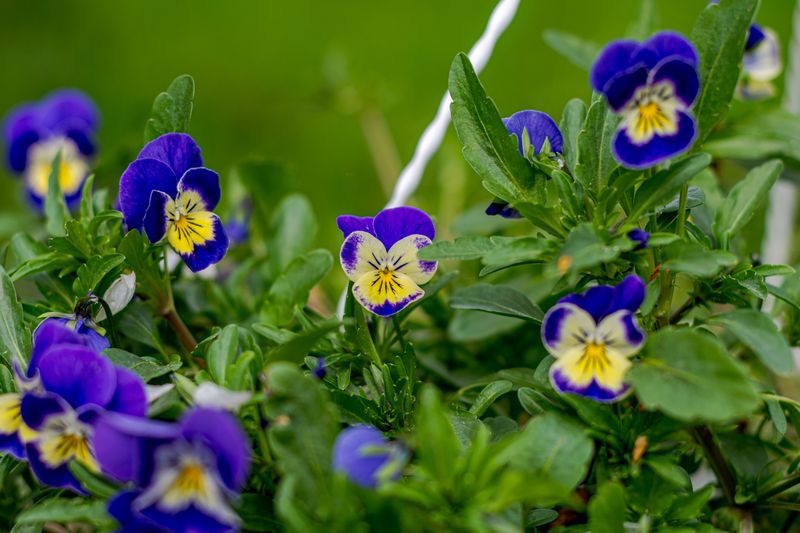
Johnny jump-ups are wildly lovable, with their cheerful little purple and yellow faces peeking out from every crack and crevice. They are also one of the most enthusiastic self-seeders in any New England garden.
These compact violas bloom early, set seed fast, and scatter before most gardeners even think about removing spent blooms. One plant can produce hundreds of seeds in a single season without breaking a sweat.
Vermont’s cool springs extend the bloom time significantly, which means more flowers and more seeds than warmer climates see. By the time summer heat slows them down, the seeds are already in the ground for next year.
Johnny jump-ups pop up between flagstones, in gravel, in container pots, and along the edges of raised beds. They squeeze into spaces so small you wonder how a root system even fits.
The plants are shallow-rooted and easy to pull when young, which works in your favor. The challenge is that by the time you notice them, they have already seeded a second generation nearby.
Some gardeners lean into the chaos and let them naturalize as a living ground cover. That approach works beautifully until they start shading out the low-growing alpines or creeping thyme you actually wanted there.
Control means pulling aggressively in late spring before seed pods ripen and pop. Miss that window once, and this plant will remind you every single April for years to come.
7. Evening Primrose Escapes Garden Boundaries
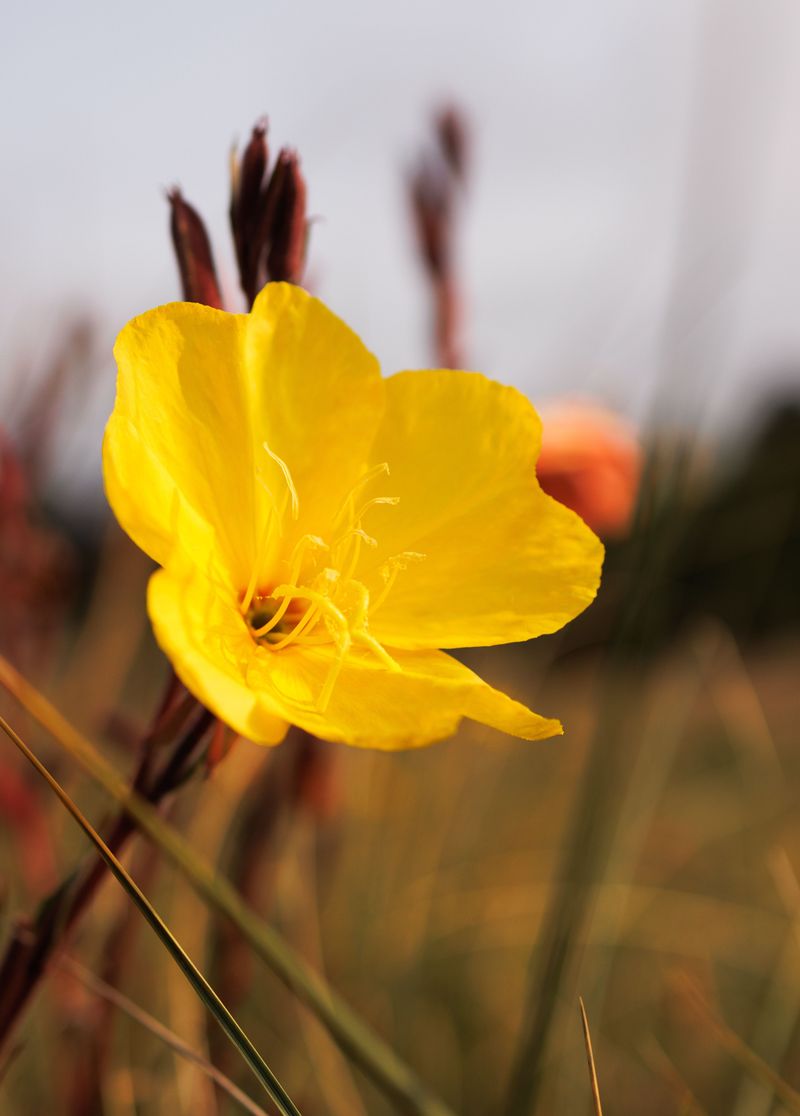
Evening primrose opens its buttery yellow blooms at dusk, and the effect is genuinely magical in a summer garden. However, this plant treats garden borders as polite suggestions rather than actual rules.
Each tall stem produces dozens of seed capsules packed with tiny seeds. When those capsules dry and crack open, seeds spray outward in a wide radius around the parent plant.
In Vermont, evening primrose seeds overwinter successfully and germinate in huge numbers come spring. A single plant left to go to seed can produce a colony of fifty or more the following year.
The plants grow aggressively tall, sometimes reaching six feet, and they shade out shorter neighbors quickly. Once a colony establishes along a fence or meadow edge, it expands outward season by season with impressive determination.
Pulling young rosettes in spring is effective, but the taproot on even a small plant is surprisingly deep. Leave even an inch of root behind, and regrowth is almost guaranteed within weeks.
Mowing around garden edges regularly helps prevent seeds from reaching open soil. However, evening primrose seeds are so light that wind carries them well beyond any mowing boundary you establish.
The flowers are genuinely useful for pollinators and have a long history in herbal medicine. However, its good qualities do not stop it from colonizing your entire backyard.
8. Feverfew Multiplies Beyond Original Planting
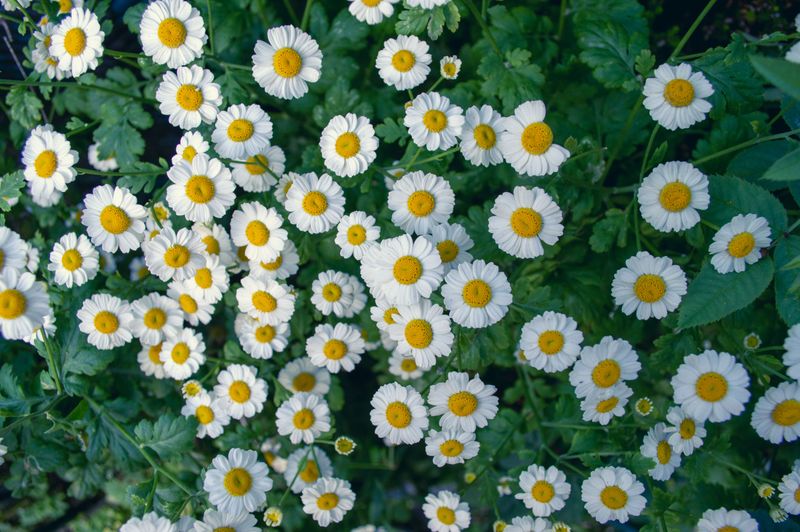
Feverfew looks like a sweet little daisy, and that innocent appearance is basically its greatest trick. Beneath those cheerful white flowers is a plant with a tendency to spread well past its original planting spot.
Each plant produces thousands of tiny seeds that need almost no soil depth to germinate. They sprout in gravel mulch, in cracks between bricks, and in the thin layer of soil along a garden wall.
Vermont’s humidity keeps the soil moist enough to support germination even in spots that look completely inhospitable. Seedlings appear in places where you would swear nothing could possibly grow.
The plants also have a strong, distinctive scent that some people find pleasant and others find overwhelming. Brushing against a large feverfew colony while weeding is an experience that stays with you for the rest of the afternoon.
Removing spent blooms is the most effective control method available. However, feverfew blooms in waves, meaning you need to do it multiple times per season to stay ahead of seed production.
Cutting plants back hard after the first flush of flowers reduces the number of seeds dramatically. Some gardeners treat it as a cut flower crop, harvesting stems frequently to prevent seeding while enjoying the blooms indoors.
Plants that thrive in cold winters and short growing seasons often turn into the biggest self-seeders. Feverfew fits that pattern, multiplying quietly until one spring it redefines your garden.