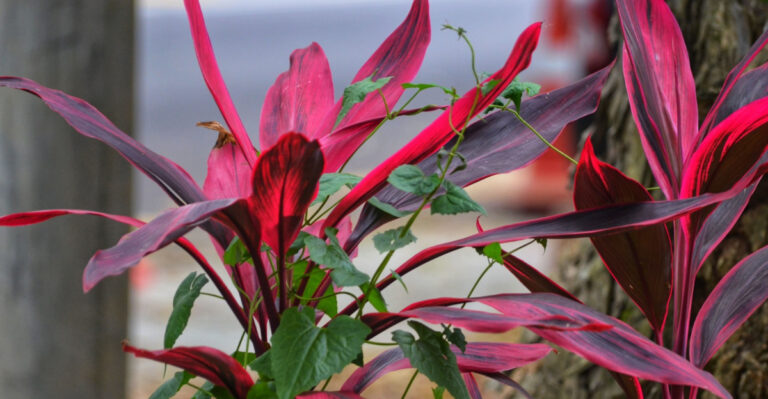
11 Fast-Growing Microgreens You Can Grow In Florida Kitchens This Winter
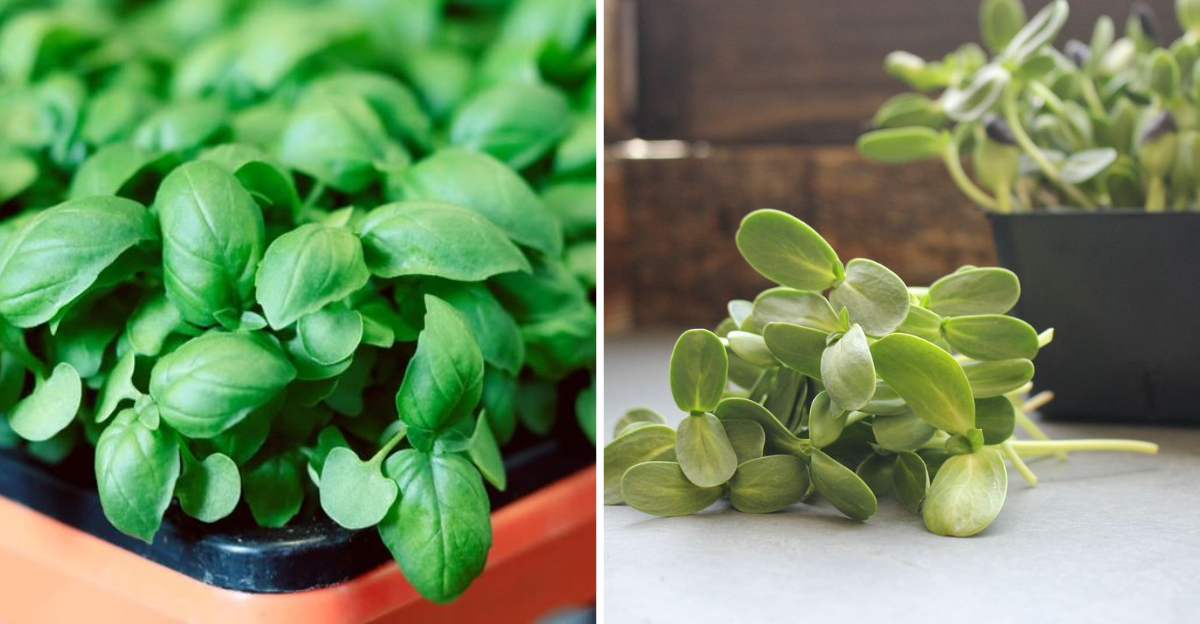
Growing fresh greens indoors during winter might sound like wishful thinking, but in Florida kitchens, it’s easier than you think — and far more rewarding than another grocery store run.
While outdoor gardens slow down or struggle with unpredictable weather, your countertop can quietly turn into a mini farm that delivers fresh harvests in days, not months.
Microgreens are the ultimate shortcut to homegrown success.
They sprout fast, thrive in small spaces, and pack bold flavor and concentrated nutrition into every tender leaf.
No backyard, raised bed, or complicated setup required — just a shallow tray, a sunny window, and a little patience.
Florida’s mild winter temperatures are the secret weapon here.
Cooler days make indoor growing comfortable, while steady warmth keeps seeds germinating without special lights or heating mats.
It’s the sweet spot that makes winter the perfect season to grow indoors, even in a busy kitchen.
From spicy and peppery to mild and sweet, these eleven fast-growing microgreens are ideal for Florida homes.
In just a couple of weeks, they can turn everyday meals into something fresher, healthier, and far more satisfying — all without stepping outside.
1. Radish Microgreens
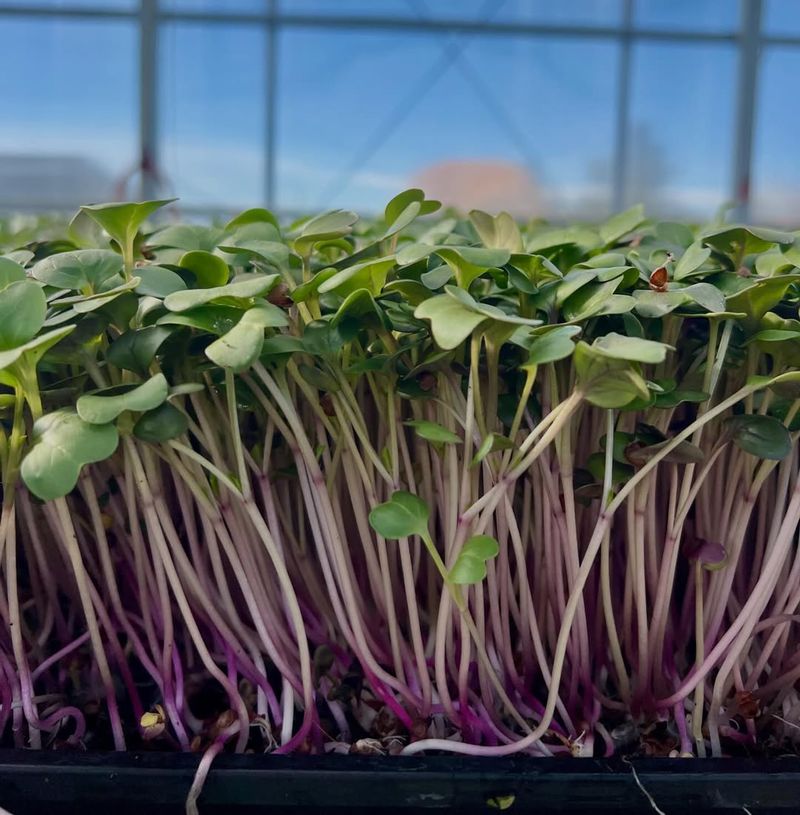
Spicy flavor bursts from these tiny greens just three to five days after you plant the seeds.
Florida kitchens stay warm enough in winter to keep radish microgreens sprouting without any special heating equipment.
Their pink stems and green leaves add beautiful color to salads, tacos, and sandwiches throughout the season.
You only need a shallow tray, some potting mix, and a bright windowsill to get started growing them.
Radish microgreens taste peppery and crisp, similar to mature radishes but with a milder kick that kids enjoy.
Harvest them when the first true leaves appear, usually around day five, by snipping just above the soil.
These greens grow so quickly that you can plant a new batch every three days for continuous harvests.
Florida humidity helps them sprout fast, making radish microgreens one of the easiest varieties for beginner indoor gardeners.
2. Broccoli Microgreens
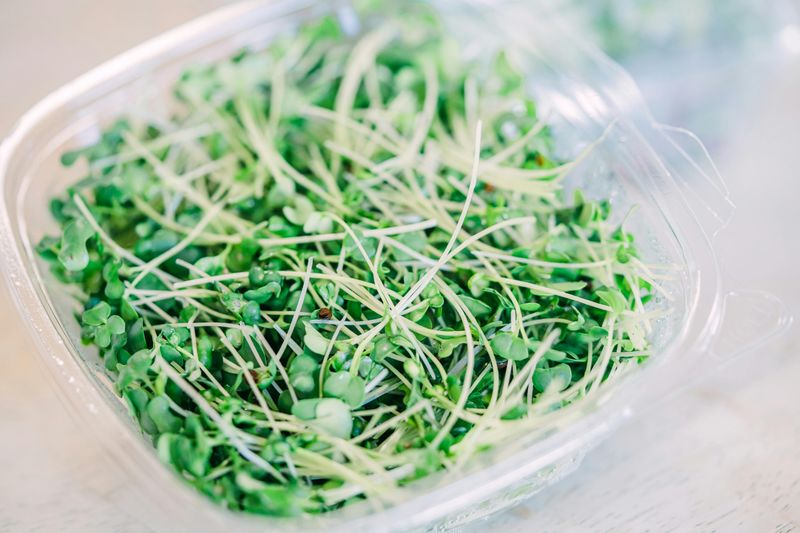
Nutrient-packed and mild-tasting, broccoli microgreens become ready to eat in just seven to ten days after planting.
Florida winter temperatures inside your kitchen provide the perfect cool environment that broccoli microgreens love for healthy growth.
Their subtle flavor works beautifully in smoothies, wraps, and as a topping for soups without overpowering other ingredients.
Broccoli microgreens contain high levels of vitamins and antioxidants, making them a superfood you can grow year-round indoors.
Place your tray near a window with bright indirect light, and mist the soil daily to keep it moist.
The greens develop tiny, delicate leaves that look like miniature broccoli plants before they reach full maturity outdoors.
Harvest them with clean scissors when they reach about two inches tall for the best texture and flavor.
Growing broccoli microgreens in Florida kitchens during winter saves money while adding fresh nutrition to every single meal.
3. Pea Shoots
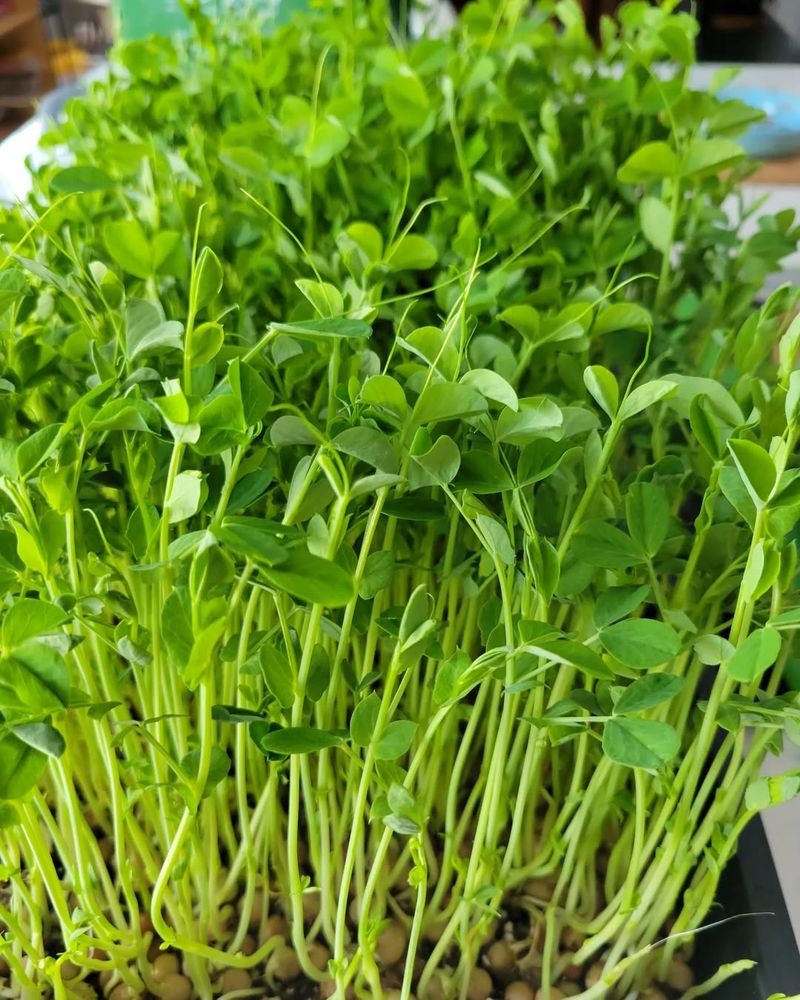
Sweet and crunchy, pea shoots grow taller than most microgreens and reach harvest size in ten to fourteen days.
Your Florida Garden Changes Every Week. Your Plan Should Too.
Gardening in Florida changes quickly throughout the season. Every Friday you’ll receive a simple weekly plan showing exactly what to plant, prune, fertilize, harvest, and protect so you never miss the right timing.
Florida kitchens offer just enough natural light in winter for pea shoots to climb upward toward sunny windows.
Their delicate tendrils and leaves taste like fresh garden peas, bringing spring flavors to your winter cooking routine.
Pea shoots need slightly deeper soil than other microgreens because their roots grow longer and need more room.
You can eat them raw in salads, stir-fry them lightly, or add them to pasta dishes for color.
These greens prefer cooler temperatures, so Florida winter weather creates ideal conditions inside your home without air conditioning running constantly.
Plant them in a container at least three inches deep, and water them gently every day or two.
Pea shoots produce multiple harvests if you cut them above the lowest leaves, allowing regrowth for a second cutting.
4. Sunflower Microgreens
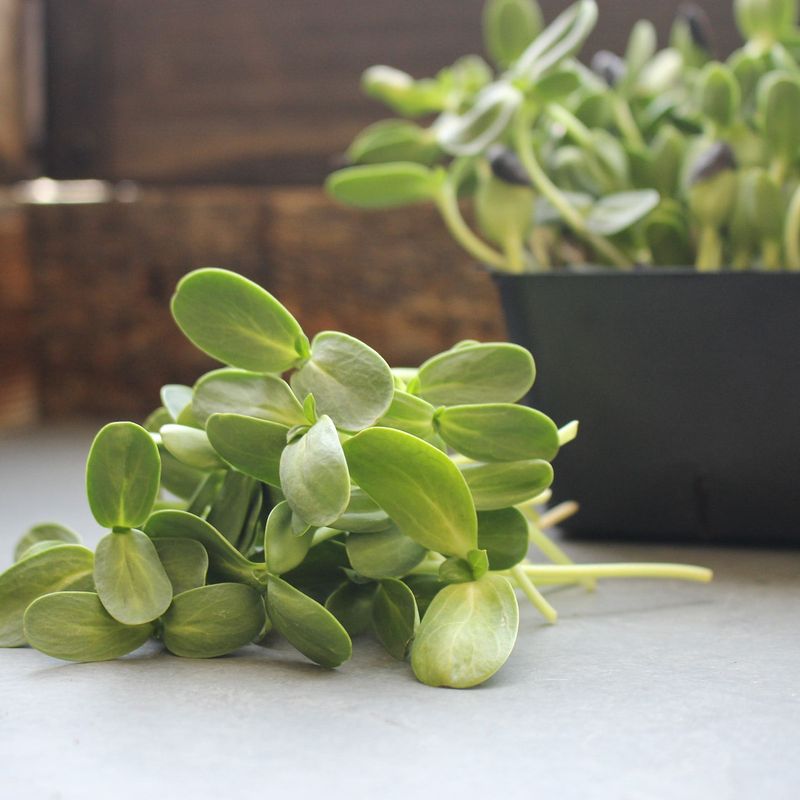
Crunchy texture and nutty taste make sunflower microgreens a favorite addition to sandwiches and salads all winter long.
Florida indoor spaces stay bright enough during winter months for sunflower microgreens to develop strong, healthy stems quickly.
These greens grow larger than most microgreens, reaching about four to six inches tall in just eight to twelve days.
Sunflower seeds need soaking overnight before planting to help them sprout faster and grow more uniformly in your tray.
Their thick, meaty leaves provide a satisfying crunch that works perfectly as a lettuce replacement in wraps and burgers.
Place your sunflower microgreens near a south-facing window where they receive several hours of direct Florida winter sunlight.
You might need to weight down the seeds initially with another tray to help the hulls separate from leaves.
Harvest sunflower microgreens when their first true leaves fully open, giving you maximum flavor and nutritional value from each plant.
5. Arugula Microgreens
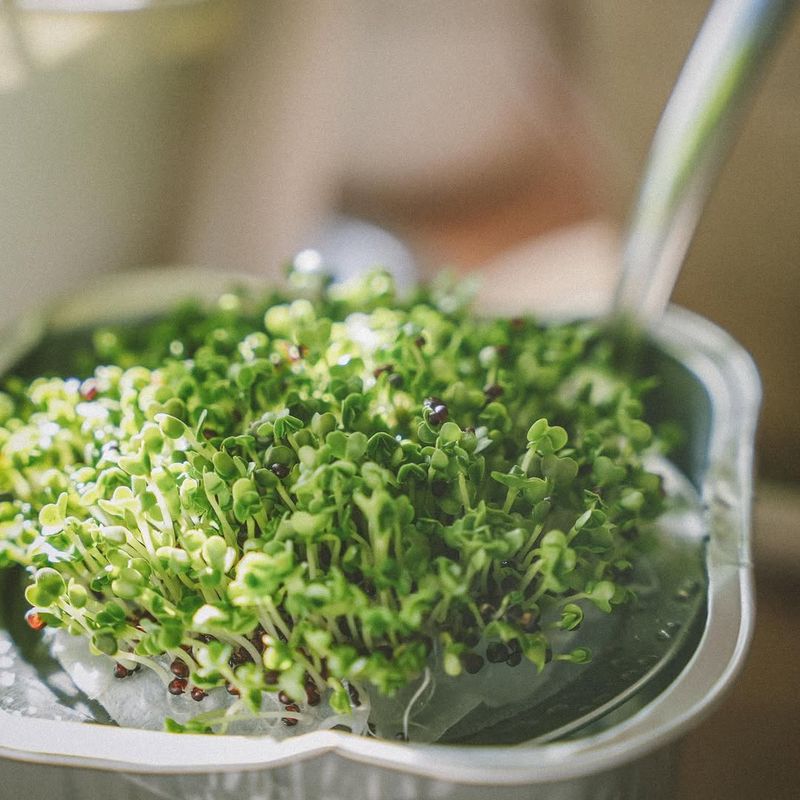
Peppery punch defines arugula microgreens, which sprout incredibly fast and become ready to harvest in just five to seven days.
Florida winter kitchens provide stable temperatures that help arugula microgreens develop their signature spicy flavor without bolting early.
Their small, lobed leaves look elegant scattered over pizza, pasta, or grain bowls right before serving for freshness.
Arugula microgreens grow so quickly that you can start a new tray every few days for constant supply.
These greens prefer moderate light, so placing them a few feet back from your brightest window works perfectly fine.
Water them gently from below by adding water to the tray rather than spraying from above to prevent mold.
Arugula microgreens taste stronger than baby arugula from the store, so use them sparingly until you know your preference.
Growing arugula indoors in Florida during winter means you always have fresh, spicy greens without visiting the grocery store.
6. Mustard Greens Microgreens
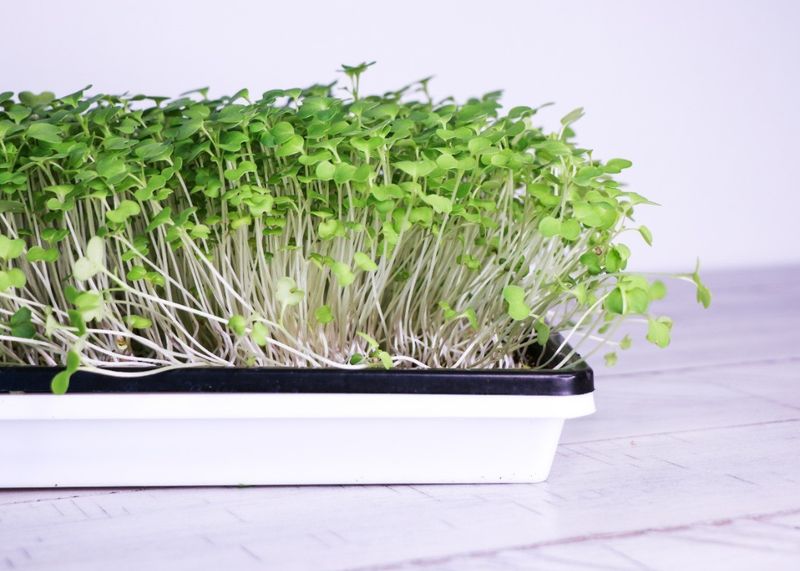
Bold flavor explodes from mustard microgreens, which grow fast and bring vibrant colors to your Florida kitchen in winter.
These spicy greens reach harvest size in just six to eight days, making them perfect for impatient gardeners.
Mustard microgreens come in several varieties, including purple, red, and green options that add visual interest to any dish.
Florida humidity helps mustard seeds germinate quickly without requiring special equipment like humidity domes or heating mats indoors.
Their intense, wasabi-like flavor works wonderfully in small amounts as a garnish for Asian-inspired dishes and sandwiches.
You can grow mustard microgreens in any shallow container with drainage holes and just an inch of soil.
These greens tolerate lower light conditions better than some microgreens, making them suitable for kitchens without bright windows.
Harvest mustard microgreens when the first true leaves appear, cutting them just above the soil line with sharp scissors.
7. Kale Microgreens
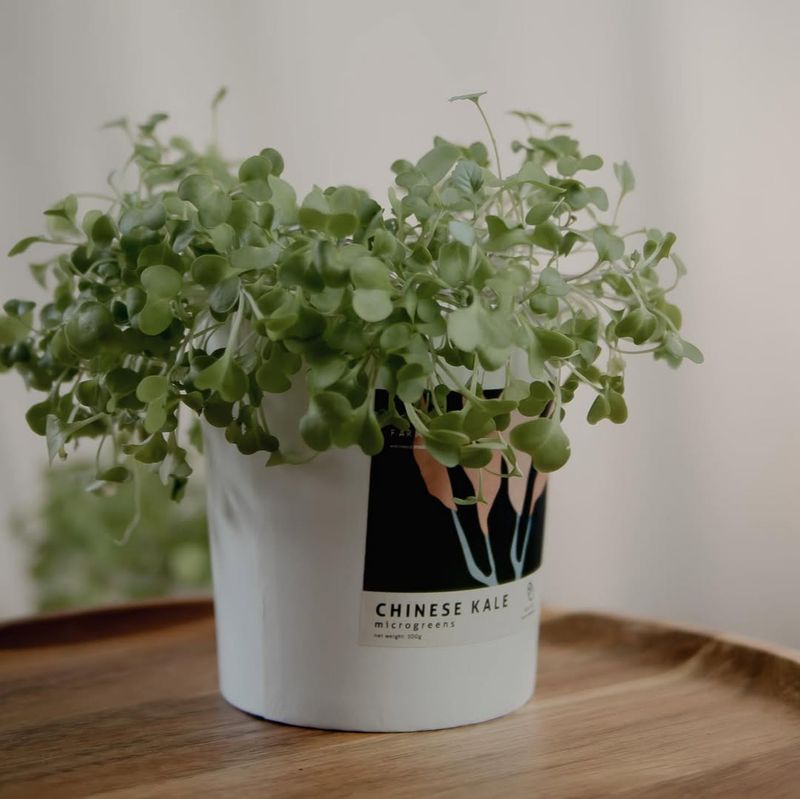
Milder than mature kale, these microgreens develop in eight to twelve days and offer all the nutrition without bitterness.
Florida winter weather creates comfortable indoor temperatures that kale microgreens need to grow tender leaves instead of tough ones.
Their slightly sweet, cabbage-like flavor makes them more appealing to children who typically refuse full-sized kale leaves.
Kale microgreens contain vitamins A, C, and K in concentrated amounts, giving you powerful nutrition from just small servings.
Plant them in moist soil, press the seeds down gently, and cover with a thin layer of additional soil.
These greens benefit from bright light, so position your tray where it receives at least four hours of sunlight daily.
Kale microgreens grow slower than radish or arugula, but their mild flavor and nutritional benefits make the wait worthwhile.
Add them to smoothies, omelets, or salads for a nutrient boost that blends seamlessly with other Florida kitchen ingredients.
8. Beet Greens Microgreens
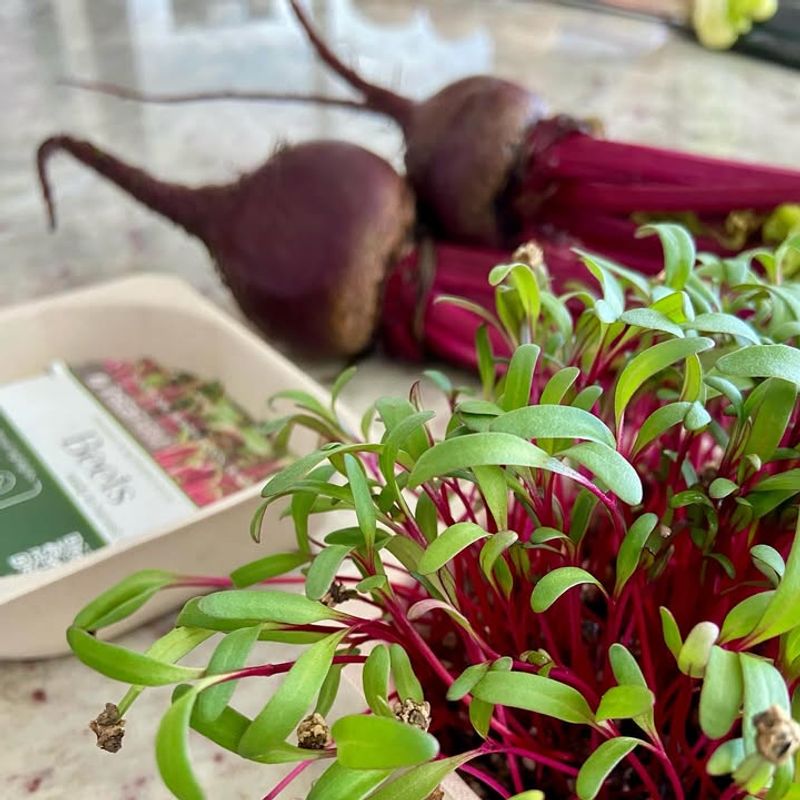
Stunning red stems contrast with green leaves on beet microgreens, which mature in eight to twelve days in Florida.
These colorful greens add visual drama to salads and plates while providing a mild, earthy flavor similar to spinach.
Beet microgreens tolerate Florida winter conditions beautifully, growing steadily without requiring extra heat or complicated care routines.
Their roots contain natural sugars that make beet microgreens slightly sweeter than other varieties you might grow indoors.
Soak beet seeds overnight before planting because their hard coating takes longer to soften and begin sprouting naturally.
Place your tray in moderate light rather than intense direct sun, which can cause the colorful stems to fade.
Beet microgreens work wonderfully in sandwiches, wraps, and as edible garnishes that impress guests with their striking appearance.
Growing these greens in Florida kitchens during winter provides fresh produce when outdoor gardens rest between growing seasons.
9. Cilantro Microgreens
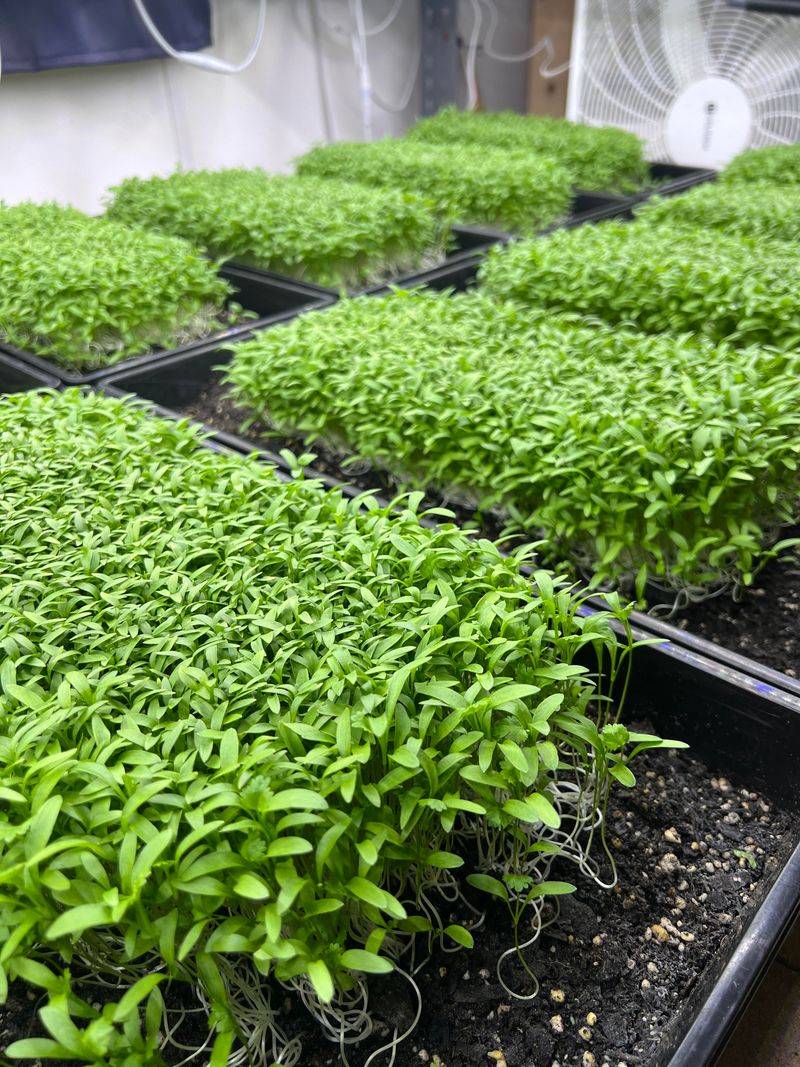
Fresh cilantro flavor develops in just ten to fourteen days when you grow these aromatic microgreens indoors this winter.
Florida kitchens provide warm, stable temperatures that cilantro microgreens need to sprout successfully without temperature fluctuations causing problems.
Their delicate, lacy leaves taste like full-grown cilantro but with a milder flavor that even cilantro-skeptics often enjoy.
Cilantro seeds germinate slowly compared to radish or mustard, so patience pays off when growing this flavorful variety.
These microgreens work beautifully in tacos, salsas, curries, and Vietnamese dishes where fresh herbs make all the difference.
Crushing the round coriander seeds slightly before planting helps them sprout faster and more evenly in your growing tray.
Cilantro microgreens prefer moderate light and consistent moisture, so check your soil daily and water when it feels dry.
Growing cilantro microgreens in Florida during winter means you always have fresh herbs without buying expensive bunches that wilt quickly.
10. Basil Microgreens
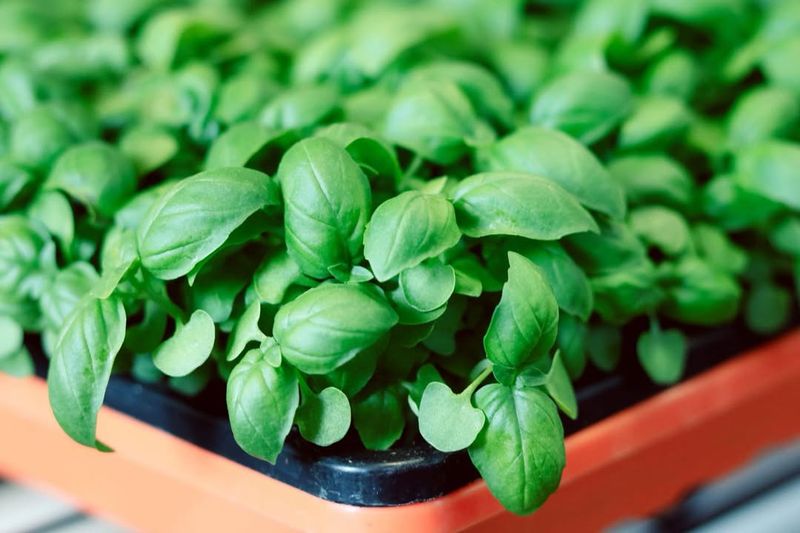
Aromatic and sweet, basil microgreens fill your Florida kitchen with wonderful fragrance while growing in just ten to fourteen days.
Winter temperatures inside Florida homes stay warm enough for basil microgreens to thrive without the cold stress that stunts growth.
Their miniature leaves pack the same classic basil flavor you love in pesto, caprese salads, and Italian cooking.
Basil microgreens need more warmth than some varieties, making Florida winter kitchens ideal locations for successful indoor cultivation.
These greens prefer bright, indirect light rather than harsh direct sun, which can scorch their tender, delicate leaves.
Water basil microgreens carefully from the bottom to avoid wetting the leaves, which can cause fungal problems in humidity.
Purple basil varieties create stunning microgreens with dark leaves that add color and flavor to salads and garnishes.
Harvest basil microgreens just as the first true leaves emerge, giving you maximum flavor before the plants mature further.
11. Cabbage Microgreens
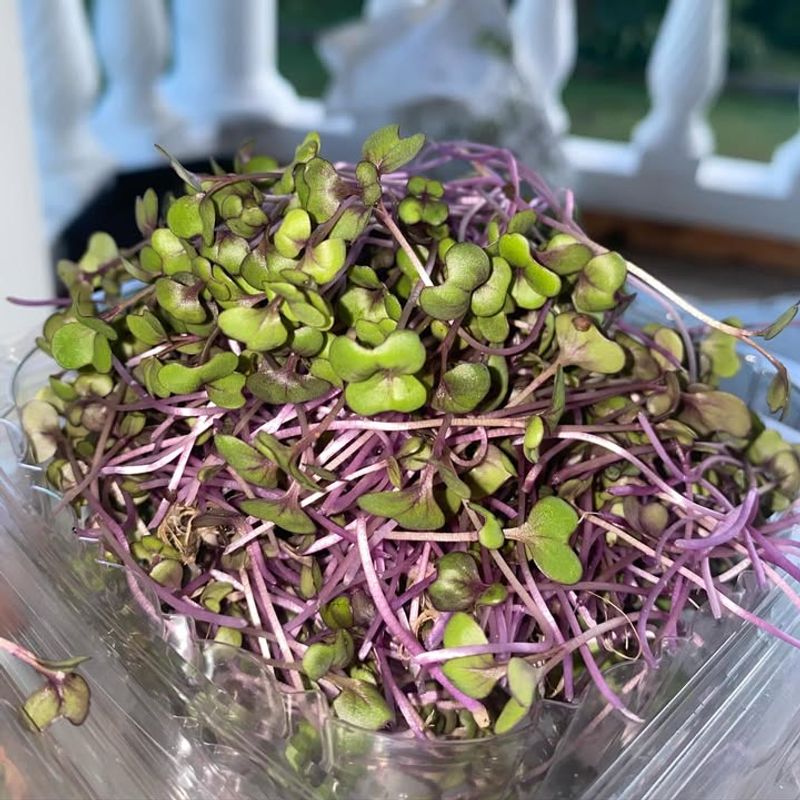
Mild and slightly sweet, cabbage microgreens become ready to harvest in just eight to ten days on your Florida countertop.
These greens grow reliably in winter kitchens throughout Florida, producing tender leaves without the bitterness of mature cabbage heads.
Cabbage microgreens taste crisp and fresh, making them perfect for adding crunch to sandwiches, wraps, and coleslaw-style salads.
Their neutral flavor profile works as a base that complements stronger-tasting microgreens like mustard, arugula, or radish varieties.
You can grow several cabbage varieties as microgreens, including red cabbage, which produces beautiful purple leaves and stems.
Florida humidity helps cabbage seeds germinate quickly, so you will see sprouts emerging within just two or three days.
These microgreens tolerate moderate light conditions, making them suitable for kitchens without extremely bright, south-facing windows available.
Harvest cabbage microgreens when they reach about two inches tall, cutting them cleanly just above the soil surface for best results.