Why A January Garden Clean-Up In Florida Is More Important Than You Think
While much of the country is buried under snow and frozen ground, Florida gardens are quietly alive, active, and preparing for what comes next.
This brief seasonal pause is deceptive and it feels calm, but your landscape is actually at a critical turning point.
Your garden needs attention right now to stay healthy, resilient, and ready for the explosive growing season just around the corner.
January is not a time to ignore your yard, it is a rare opportunity to get ahead.
Skipping a simple clean-up this month can allow pests, disease, and clutter to quietly build up beneath the surface.
By the time spring arrives, these hidden problems can turn into frustrating setbacks that require far more effort, money, and time to fix.
A little effort now saves you time, protects your plants, improves soil health, and sets you up for a lush, beautiful yard that thrives all year long.
Think of January garden clean-up as preventative care, small steps now that deliver big rewards later.
Here’s why this mid-winter reset matters more than you think.
1. Remove Spent Plants
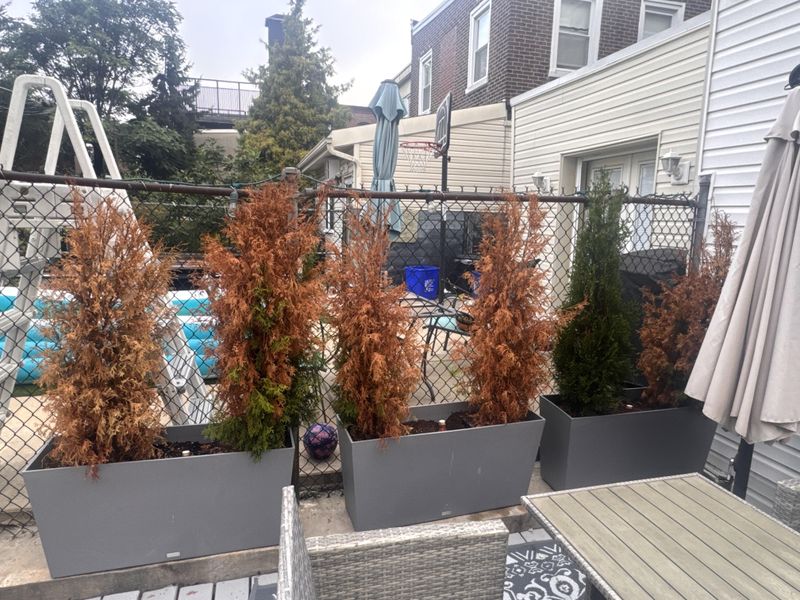
Old plants from last season may look harmless sitting quietly in your garden beds, but they often create serious problems you cannot see at first glance.
Withered stems, withered leaves, and leftover vegetable plants trap moisture close to the soil surface.
In Florida’s humid environment, that trapped moisture creates the perfect breeding ground for fungal diseases, mold, and harmful bacteria that can easily spread to healthy plants nearby.
Pests love this kind of cover.
Insects, larvae, and even plant-damaging beetles use deceased plant material as shelter during cooler winter nights.
When temperatures rise, they emerge right where you do not want them—already established in your garden.
Spent plants also interfere with airflow.
Poor air circulation keeps foliage damp longer after rain or irrigation, increasing the risk of leaf spot, mildew, and rot.
Removing old growth opens up space, allowing air and sunlight to reach the soil and remaining plants.
Florida’s mild January weather makes this the ideal time to clear beds without dealing with the intense heat, humidity, and mosquitoes of summer.
You can work comfortably while giving your garden a clean slate.
Many gardeners forget that decomposing plant matter can attract slugs, snails, and other unwanted visitors that feed on tender new growth once planting begins again.
Clearing away old plants gives your soil a chance to breathe, warms it naturally under the sun, and prepares it for new roots and nutrients.
It also helps you better assess the condition of your beds, making it easier to plan what comes next.
Spending just an hour or two removing spent plants now prevents weeks of frustration and extra work later when spring growth accelerates.
2. Clear Fallen Leaves
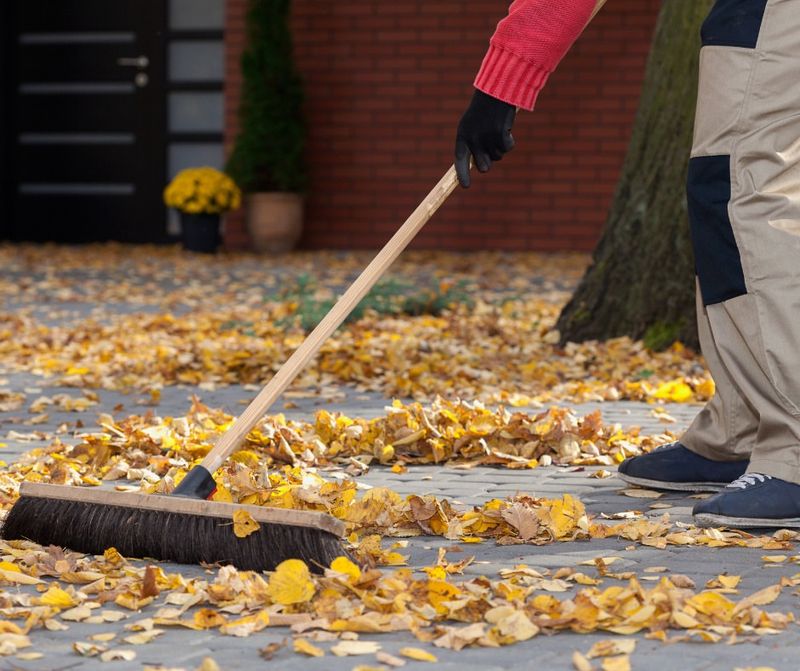
Fallen leaves might seem like a harmless, even natural part of your landscape, but when left unattended in Florida gardens, they can quickly become a problem.
Piles of leaves trap moisture underneath them, creating damp conditions that promote fungal growth and lawn diseases.
Your Florida Garden Changes Every Week. Your Plan Should Too.
Gardening in Florida changes quickly throughout the season. Every Friday you’ll receive a simple weekly plan showing exactly what to plant, prune, fertilize, harvest, and protect so you never miss the right timing.
This often leads to yellow or brown patches of grass that struggle to recover once warmer weather arrives.
Leaves also provide excellent hiding spots for insects, lizards, and small rodents seeking shelter during cooler winter nights.
While some wildlife is beneficial, leaf piles can encourage pests you would rather keep away from your home and garden beds.
Florida lawns remain active even in winter, and thick leaf cover blocks the sunlight grass needs to photosynthesize and stay healthy.
Prolonged coverage weakens turf and allows weeds to move in once temperatures rise.
Raking or blowing leaves away from garden beds, walkways, and patios also improves safety.
Wet leaves become slippery, especially after winter rainstorms, increasing the risk of falls.
Leaves that accumulate near drains, gutters, and low areas can clog water flow.
When Florida’s sudden winter downpours arrive, blocked drainage leads to standing water and soil erosion.
Composting fallen leaves is a smart and eco-friendly option, but only if the leaves are dry and free of disease.
Shredding them before composting helps them break down faster and prevents clumping.
Taking the time to clear fallen leaves in January keeps your garden healthier, your lawn greener, and your outdoor spaces safer and more attractive.
3. Prune Selectively
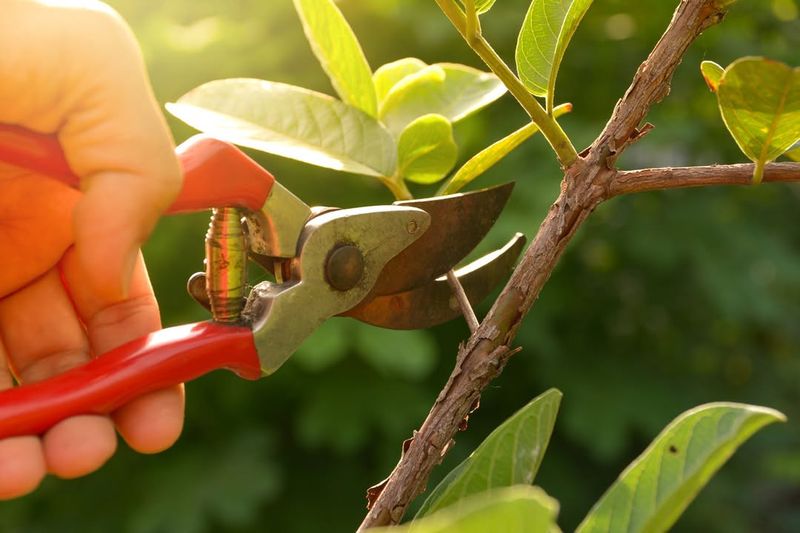
Pruning in January requires a careful, informed approach—especially in Florida, where many plants do not follow traditional dormancy rules.
Unlike northern climates, Florida’s plants often continue growing through winter or are already preparing to bloom.
Cutting back too aggressively now can remove flower buds and delay or completely prevent spring blooms.
The key is selective pruning.
Focus on removing withered, damaged, or diseased branches first.
These weak points invite pests and disease and can spread problems throughout the plant if left untouched.
Crossing or rubbing branches should also be addressed.
When branches rub together, they create open wounds that become entry points for insects and infections.
Light pruning improves airflow and sunlight penetration, both of which are essential for keeping plants strong and resistant to pests.
Better airflow also helps foliage dry faster after rain, reducing disease risk.
Avoid heavy pruning on spring-blooming shrubs such as azaleas, camellias, and gardenias.
These plants set their buds months in advance, and pruning now means sacrificing blooms later.
Always use clean, sharp tools.
Dull blades crush stems instead of making clean cuts, slowing healing and stressing plants.
Taking a few minutes to sharpen and disinfect tools makes a noticeable difference.
Pruning selectively in January keeps your garden neat and healthy while preserving the beauty and growth potential you want to enjoy in the coming months.
4. Refresh Mulch Beds
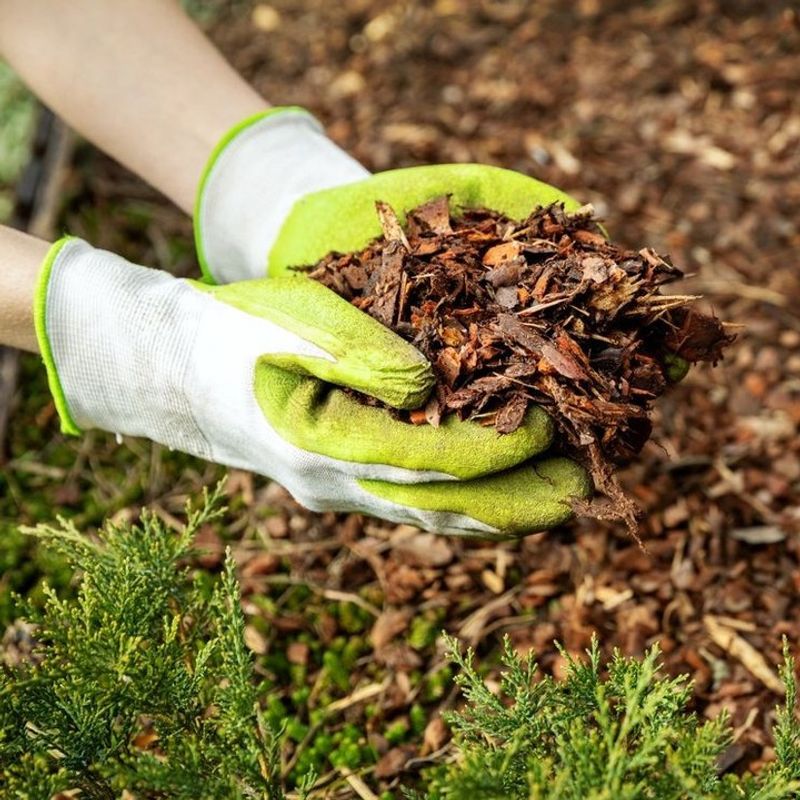
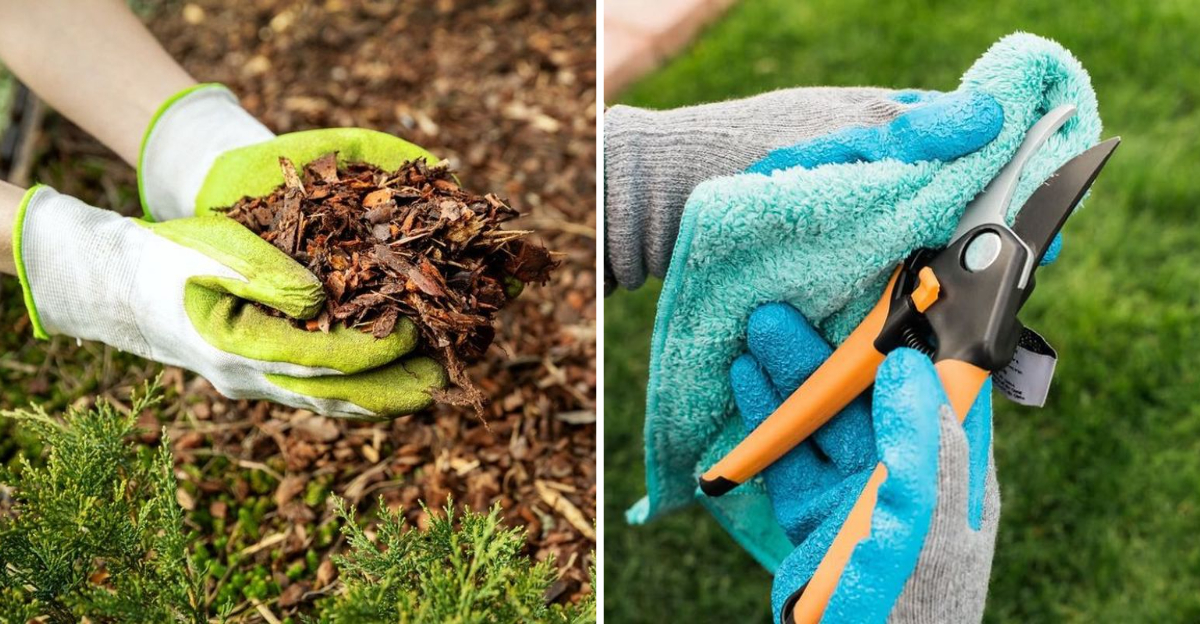
Mulch acts as a protective blanket for your soil, and January is one of the best times to check its condition and refresh it if needed.
Over time, mulch naturally breaks down, thins out, and loses its effectiveness.
When mulch becomes too shallow, it no longer insulates roots, suppresses weeds, or holds moisture efficiently.
A fresh layer of mulch helps prevent weeds from sprouting during Florida’s mild winter, saving you hours of pulling and maintenance later in spring.
Mulch also regulates soil temperature.
It keeps roots cooler on warm January afternoons and protects them during sudden cold snaps or chilly nights.
Florida’s sandy soil drains quickly and loses moisture fast.
Mulch slows evaporation, allowing water to penetrate deeper and reducing the need for frequent irrigation.
Apply mulch two to three inches deep, being careful to keep it a few inches away from plant stems and tree trunks.
Piling mulch against stems can trap moisture and lead to rot or pest problems.
Organic mulches such as pine bark, pine straw, eucalyptus, or cypress blend well with Florida landscapes and gradually enrich the soil as they decompose.
Refreshing mulch beds in January instantly improves the appearance of your garden while building a strong foundation for healthy growth throughout the year.
5. Clean Garden Tools
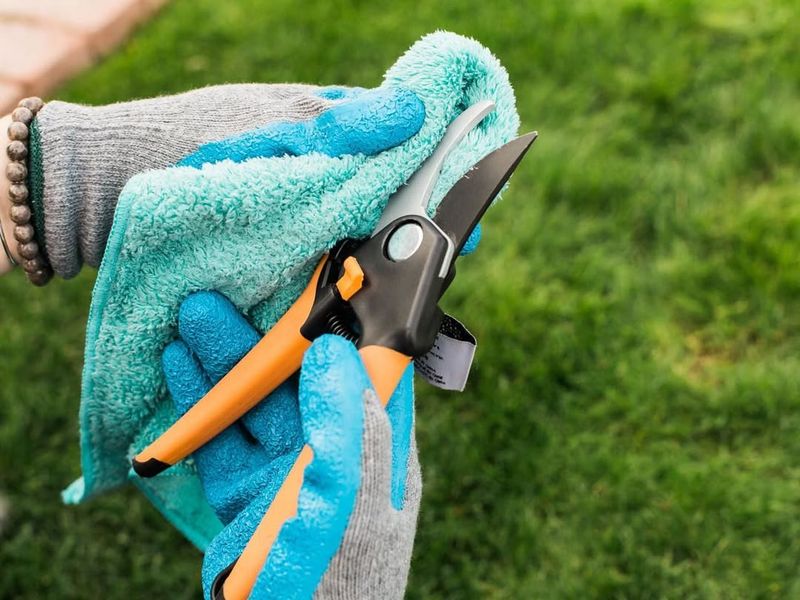
Garden tools are often overlooked in winter landscapes, yet they play a critical role in the overall health and longevity of your plants.
January’s slower gardening pace makes it an ideal time to thoroughly clean, inspect, and maintain every tool you rely on throughout the year.
Soil, sap, and leftover plant residue that remain on tools can quietly harbor harmful pathogens that spread disease from plant to plant without you ever noticing.
Using unclean tools allows bacteria and fungi to move easily through your garden, turning small problems into widespread issues as growth resumes.
Florida’s constant humidity accelerates rust and corrosion, particularly on metal blades, hinges, and cutting surfaces exposed to moisture.
Cleaning tools completely and applying a light protective coat of oil helps prevent damage while significantly extending their usable lifespan.
Sharpening pruners, loppers, and shears now makes future cutting easier, safer, and far more effective for both you and your plants.
Clean, sharp cuts heal faster, reduce plant stress, and minimize the risk of infection compared to jagged or crushed stems.
Wooden handles also require attention, as Florida’s moisture can cause cracking, splintering, and long-term weakening if left untreated.
Sanding rough areas and conditioning handles with linseed oil preserves their strength and improves comfort during extended use.
Hoses, nozzles, and sprayers should be checked carefully for leaks, clogs, or worn washers that reduce water efficiency.
Addressing these small issues now prevents wasted water and frustration during the peak growing season.
Well-maintained, organized tools make every gardening task smoother, faster, and more enjoyable from start to finish.
6. Check Irrigation Systems
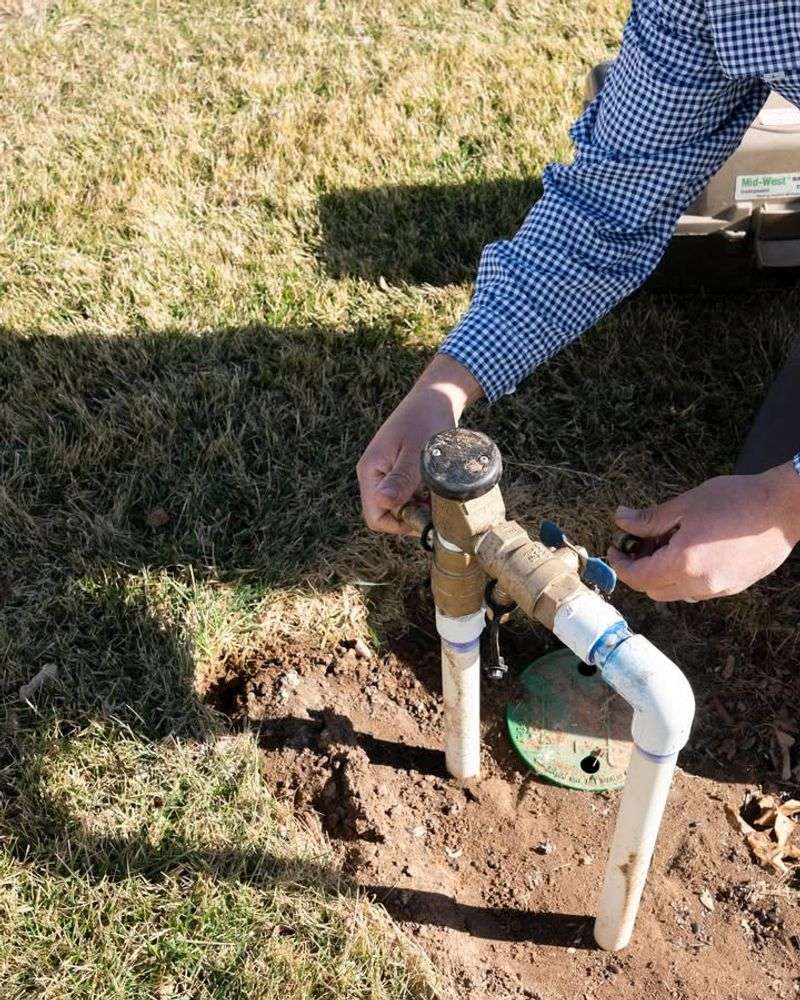
Winter in Florida brings drier conditions and cooler temperatures, which means plants naturally require far less water than during the intense heat of summer.
Overwatering during January is one of the most common mistakes gardeners make and can quietly damage plants beneath the surface.
Excess moisture in the soil leads to root rot, fungal diseases, and unnecessary water waste that stresses both plants and your budget.
Checking your irrigation system now ensures timers are properly adjusted for winter needs and sprinkler heads are not wasting water on sidewalks or driveways.
Emitters, drip lines, and sprinkler heads should be inspected closely for clogs, cracks, leaks, or misalignment.
Even small issues within the system can result in uneven watering that weakens plants and disrupts healthy root development.
Florida’s winter dry spells can arrive unexpectedly, catching many landscapes off guard.
An irrigation system that is not working efficiently may leave some areas too dry while overwatering others at the same time.
Look carefully for signs such as pooling water, overspray, or weak water pressure during system operation.
Simple adjustments and minor repairs often solve these issues and significantly improve overall performance.
7. Organize Garden Spaces
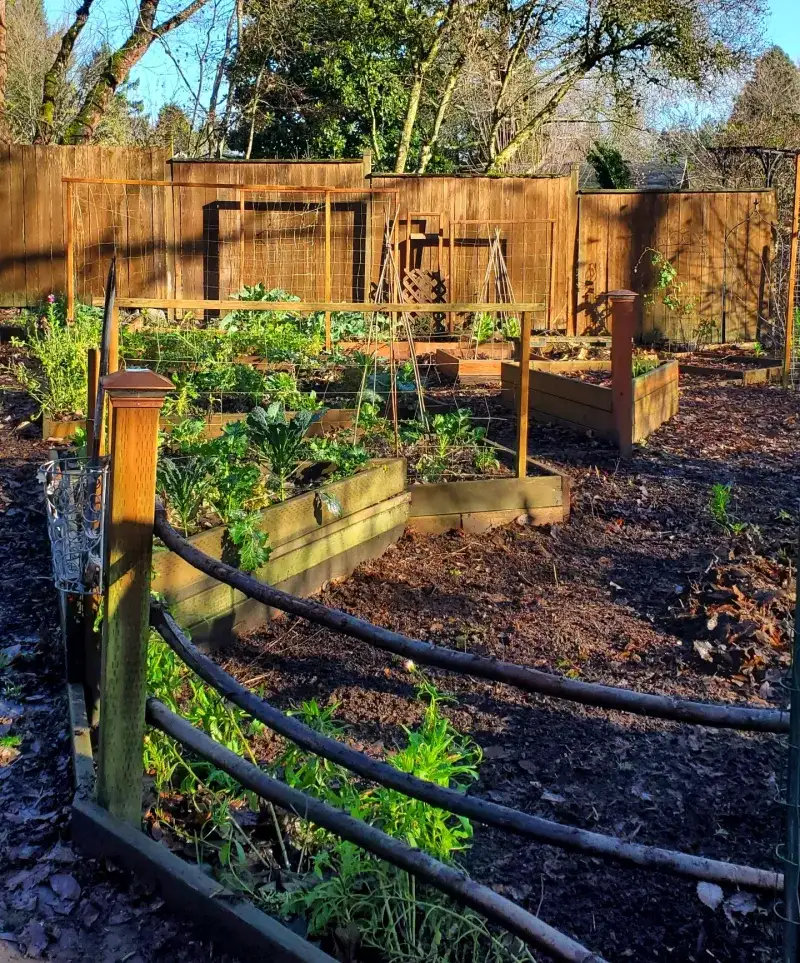
A cluttered garden space can make even simple tasks feel far more difficult and time-consuming than they need to be.
January is the ideal time to reset, declutter, and organize your garden before the busy growing season begins.
Sorting through pots, seed packets, fertilizers, and other supplies helps you understand what you already have and prevents unnecessary or duplicate purchases.
Florida’s spring gardening season arrives much earlier than in most regions, often catching unprepared gardeners off guard.
Getting organized now gives you a valuable head start before planting and maintenance tasks ramp up.
Clearing pathways and work areas improves both safety and efficiency, especially when carrying heavy bags of soil, mulch, or tools.
Labeling storage bins and grouping similar items together saves time and reduces frustration during busy gardening days.
Cleaning sheds, storage areas, or potting benches also helps you identify expired products, broken tools, or supplies that need replacement.
An organized garden space feels calmer, more functional, and more inviting, making gardening a pleasure rather than a chore.
Investing just a few hours in organization this January pays dividends all year long with smoother workflows and more enjoyable time spent outdoors.
A January garden clean-up in Florida is not just a nice idea—it is one of the smartest steps you can take for a healthier, more successful landscape.
By tackling these tasks now, you give your garden the strong, clean start it deserves and set yourself up for a season filled with growth, color, and lasting satisfaction.