Top 10 Shrubs That Boost Curb Appeal In California Homes
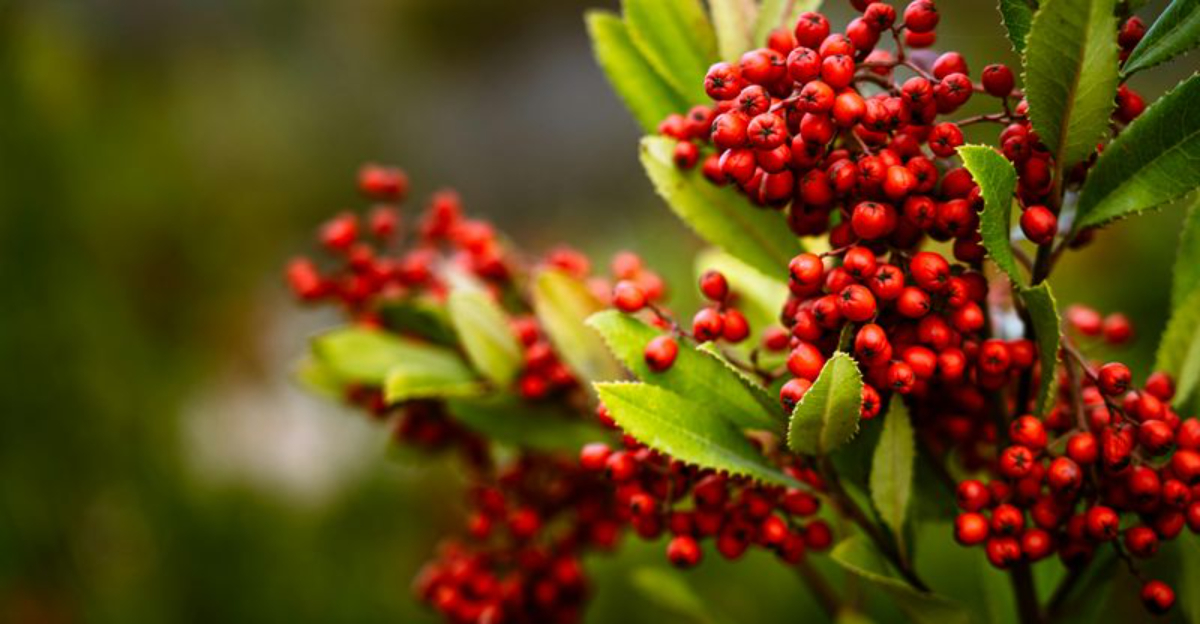
First impressions matter, and in California, your front yard often sets the tone before anyone steps inside your home. With mild winters, long growing seasons, and diverse climates, California homeowners have a unique chance to create landscapes that look attractive year-round.
Shrubs play a key role in curb appeal because they add structure, color, and balance without demanding constant attention. The right shrubs can frame entryways, soften hard edges, and make a home feel welcoming from the street.
The right shrubs can completely change how your home looks from the curb, even with just a few thoughtful additions. Curb appeal doesn’t have to mean high maintenance or heavy watering to make an impact.
Simple landscaping choices can add both style and long-term value to your property. A few well-placed shrubs can make your yard stand out in every season.
Unlike flowers that come and go, shrubs provide a steady foundation for your landscape. They bring consistency, greenery, and shape that tie everything together, whether your style is modern, classic, or relaxed.
By choosing shrubs that thrive in California’s conditions, homeowners can enjoy a polished, attractive yard that looks inviting all year long.
1. California Lilac (Ceanothus)
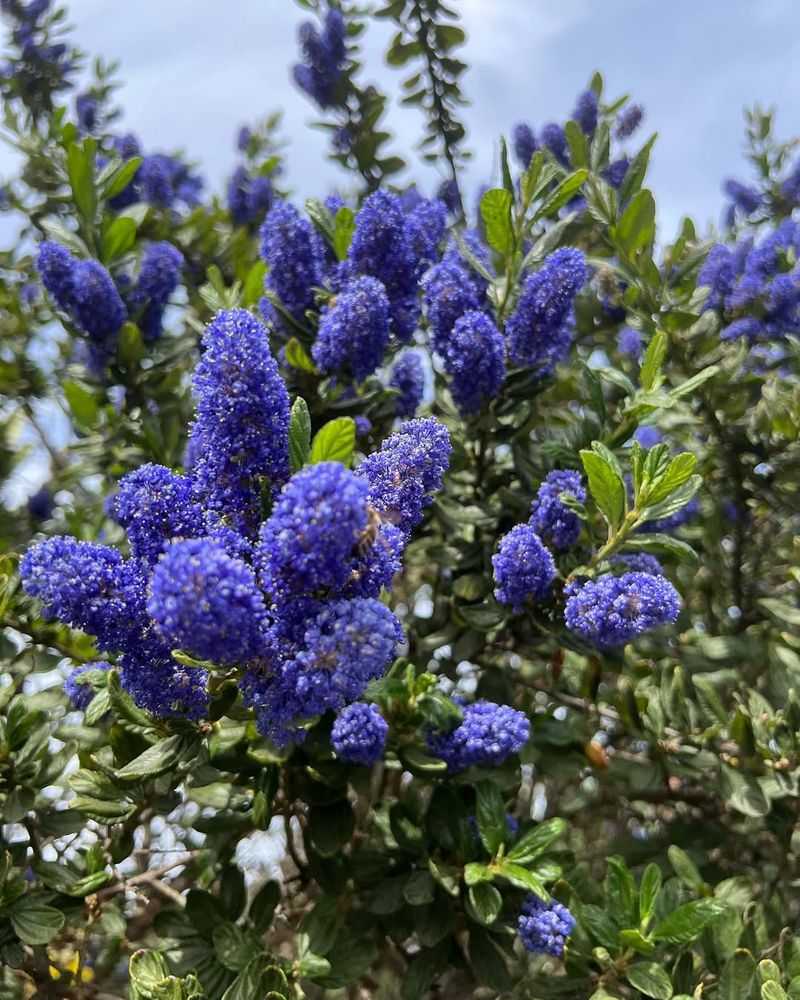
Native to the West Coast, California lilac brings clouds of stunning blue flowers that seem to float above deep green foliage each spring. This shrub has earned its place as a California garden favorite because it asks for almost nothing while giving so much in return.
Hummingbirds and butterflies flock to the nectar-rich blooms, turning your front yard into a wildlife haven that neighbors will admire.
Once established, this tough beauty thrives on rainfall alone in most California regions, making it an excellent choice for water-conscious homeowners. The plant grows naturally into a rounded or spreading shape that requires minimal pruning, saving you time and effort.
Different varieties range from low groundcovers to tall specimens reaching eight feet, so you can find the perfect size for any landscape design.
California lilac performs exceptionally well in full sun and well-draining soil, conditions common throughout the state. The evergreen leaves provide year-round structure and color, ensuring your home looks polished even when flowers fade.
Many homeowners plant several varieties together to extend the blooming season from early spring through summer. This native shrub also resists deer browsing, a bonus for properties near wild areas.
For authentic California charm combined with practical benefits, few shrubs can match the appeal of Ceanothus in your front yard landscape.
2. Rosemary (Rosmarinus Officinalis)
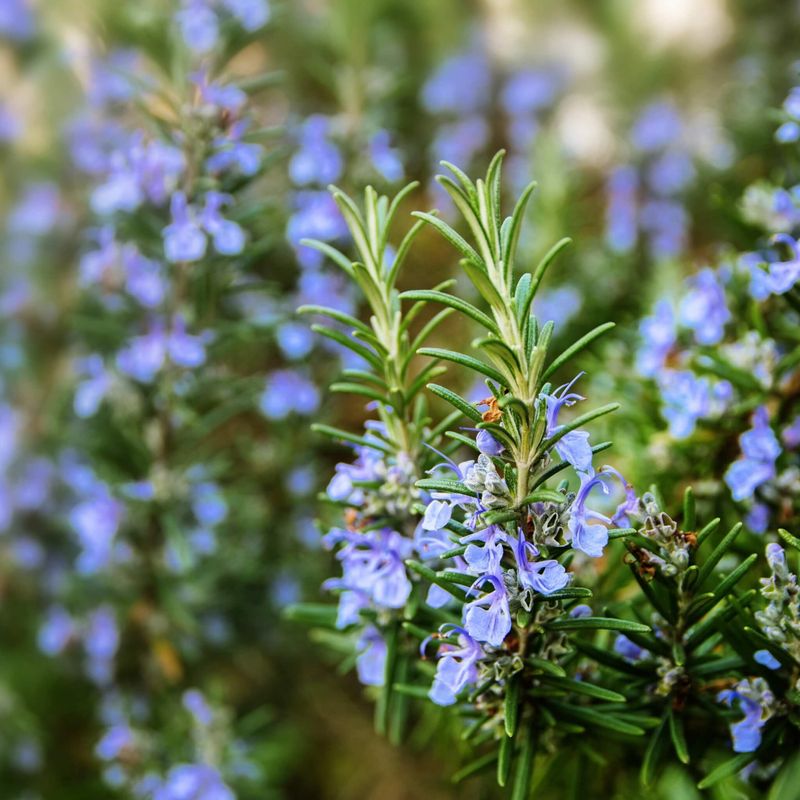
Fragrant, functional, and fabulous to look at, rosemary does triple duty as a landscaping shrub, culinary herb, and sensory experience all rolled into one.
When you brush past this Mediterranean native on your walkway, it releases an intoxicating aroma that welcomes guests before they even reach your front door.
The needle-like evergreen foliage stays attractive through all four seasons, while delicate blue, pink, or white flowers appear throughout the year in California’s mild climate.
This hardworking shrub adapts beautifully to California conditions, tolerating drought, poor soil, and coastal salt spray with equal ease. Upright varieties create excellent hedges or foundation plantings, while trailing types cascade elegantly over walls and slopes.
Your California Garden Changes Every Week. Your Plan Should Too.
Gardening in California changes quickly throughout the season. Every Friday you’ll receive a simple weekly plan showing exactly what to plant, prune, fertilize, harvest, and protect so you never miss the right timing.
Homeowners appreciate that rosemary requires virtually no fertilizer and minimal water once roots establish, making it perfect for sustainable landscaping.
The plant’s natural resistance to pests means you won’t spend weekends spraying chemicals or battling infestations. Many California gardeners use rosemary as an edible landscape element, snipping fresh herbs for cooking while maintaining perfectly manicured shrubs.
This versatile plant thrives in full sun and well-draining soil, conditions found throughout California neighborhoods.
Whether planted solo as a specimen or massed for dramatic effect, rosemary brings Mediterranean elegance and practical benefits that boost your home’s curb appeal while reducing landscape maintenance demands.
3. Mexican Bush Sage (Salvia Leucantha)
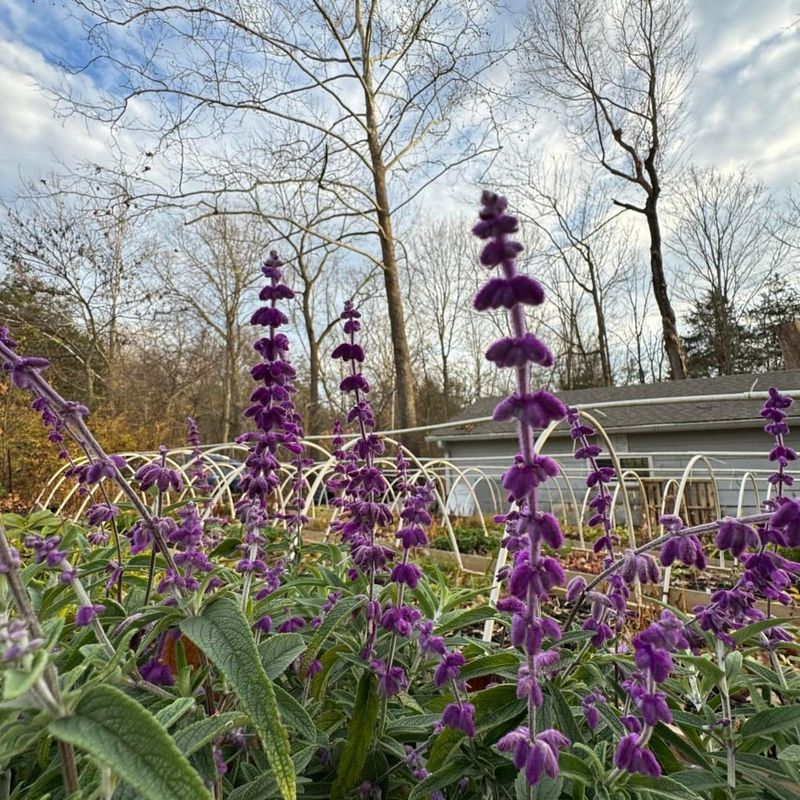
Bold spikes of velvety purple and white flowers make Mexican bush sage an absolute showstopper from late summer through fall when many other plants look tired.
This shrub brings drama and texture to California landscapes with fuzzy flower stalks that seem almost unreal in their softness and color intensity.
Hummingbirds and butterflies treat the blooms like an all-you-can-eat buffet, adding movement and life to your front yard display.
California’s climate suits this Mexican native perfectly, as it handles heat, drought, and various soil types without complaint. The plant grows into a substantial mound reaching three to four feet tall and wide, creating impressive presence near entryways or as corner anchors.
Gray-green foliage provides subtle color and texture even when flowers aren’t present, though blooms typically last for months.
Homeowners love that Mexican bush sage requires only occasional watering once established, aligning perfectly with California’s water conservation goals. A simple annual pruning in late winter keeps plants compact and encourages vigorous new growth.
This shrub performs best in full sun but tolerates partial shade in hotter inland areas. The long-lasting flowers also make excellent cut arrangements, bringing your garden’s beauty indoors.
For California properties seeking late-season color and pollinator-friendly landscaping, Mexican bush sage delivers outstanding curb appeal with minimal resource investment and maximum visual impact throughout the changing seasons.
4. Lavender (Lavandula)

Few shrubs combine beauty, fragrance, and practicality quite like lavender, which has become a signature plant in California landscapes.
The silvery-gray foliage creates a cooling visual effect that contrasts beautifully with green lawns and darker plants, while purple flower spikes add vertical interest and color from spring through summer.
Walking past lavender on a warm day releases clouds of calming scent that transforms your front yard into a sensory retreat.
This Mediterranean native thrives in California’s climate, particularly in areas with hot, dry summers and mild winters. Lavender demands excellent drainage and full sun but rewards these simple requirements with years of reliable performance and minimal maintenance.
Different species and cultivars offer varying heights, flower colors, and bloom times, allowing creative homeowners to design sophisticated color schemes.
Bees and beneficial insects adore lavender flowers, supporting local pollinator populations while adding gentle buzzing sounds to your outdoor space. The plant naturally resists deer and rabbits, protecting your landscape investment from hungry wildlife.
Many California residents harvest and dry the fragrant blooms for sachets, crafts, or culinary uses, adding functional value beyond curb appeal.
Lavender requires little water once established and needs no fertilizer, making it ideal for sustainable California gardens.
Whether planted as low hedges, border edgings, or specimen groupings, lavender brings timeless elegance and practical benefits that enhance property values while reducing maintenance efforts and water consumption.
5. Dwarf Myrtle (Myrtus Communis Compacta)
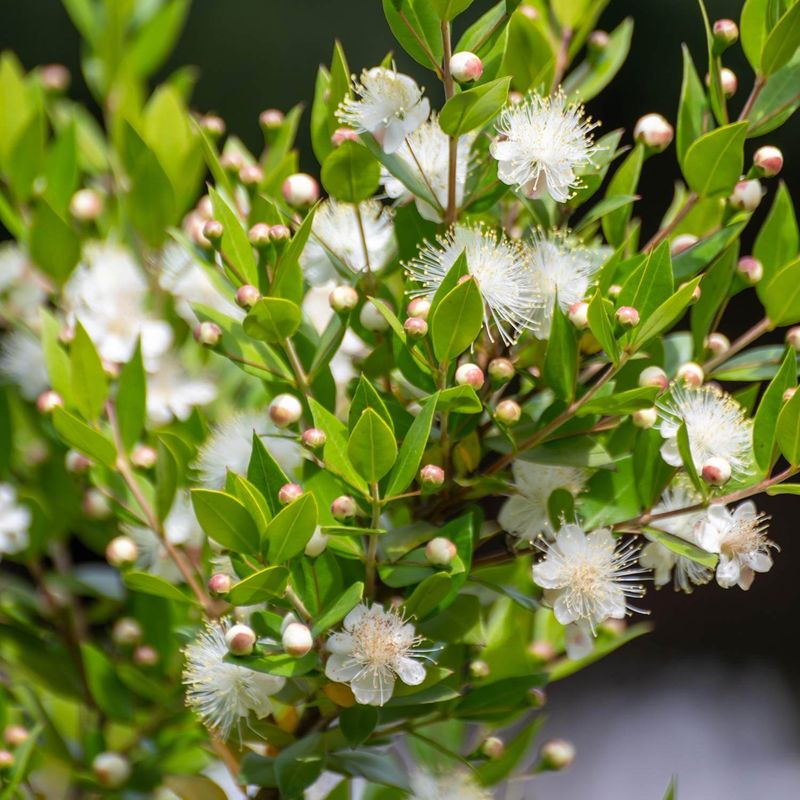
Compact, refined, and endlessly versatile, dwarf myrtle brings Old World elegance to California front yards with its dense evergreen foliage and delicate white flowers.
This shrub has graced Mediterranean gardens for centuries, and it adapts beautifully to California’s similar climate while requiring remarkably little attention.
Small, glossy leaves release a pleasant fragrance when touched, and the plant naturally grows into a neat, rounded form that looks professionally maintained even without constant pruning.
White flowers with prominent stamens appear in late spring and summer, followed by dark blue berries that birds enjoy. Dwarf myrtle typically reaches three to four feet in height, making it perfect for foundation plantings, low hedges, or formal garden borders.
The plant tolerates various soil types and handles both coastal and inland California conditions with equal success.
Homeowners appreciate that dwarf myrtle accepts regular shaping and can be trained into topiaries or geometric forms for formal landscapes.
It performs well in full sun to partial shade and needs only moderate water once established, fitting perfectly into California’s drought-conscious landscaping approach.
The evergreen nature ensures your home maintains polished curb appeal throughout the year, while the manageable size prevents overgrowth problems common with larger shrubs.
For California properties seeking classic beauty, reliable performance, and flexible design options, dwarf myrtle delivers sophisticated charm that complements both traditional and contemporary architectural styles without demanding excessive time or resources.
6. Toyon (Heteromeles Arbutifolia)
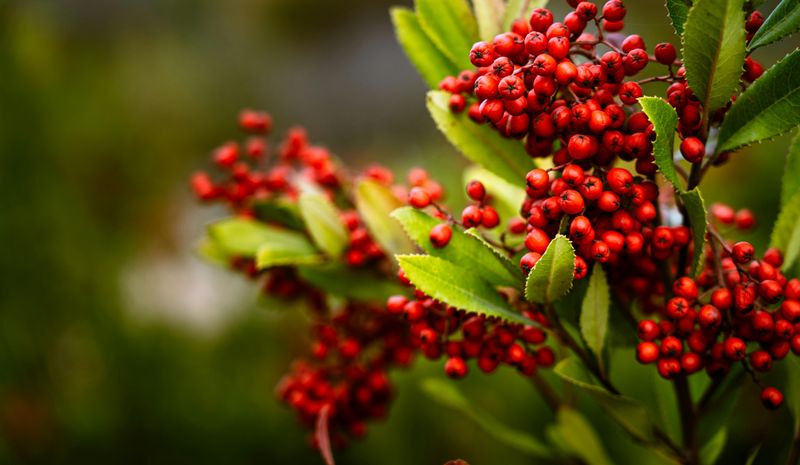
California’s official state shrub deserves serious consideration for front yard landscapes, bringing native authenticity and year-round interest to residential properties.
Toyon features glossy evergreen leaves that catch sunlight beautifully, while clusters of white flowers in summer transition to brilliant red berries by winter holidays.
These bright berries give the plant its common name, California holly, and they create stunning color when most gardens look dormant.
Birds flock to the nutritious berries, making your landscape a wildlife destination that adds movement and natural beauty to your property.
This California native has adapted to local conditions over thousands of years, meaning it thrives with minimal intervention once established.
Toyon handles full sun to partial shade and tolerates clay soil, drought, and coastal conditions equally well.
The shrub grows six to ten feet tall and wide, providing substantial presence for larger landscapes or serving as an excellent privacy screen. Homeowners can prune toyon to maintain smaller sizes or allow natural growth for an informal California native garden aesthetic.
This plant requires essentially no fertilizer and minimal water after the first year, embodying sustainable landscaping principles.
The combination of attractive foliage, seasonal flowers, colorful winter berries, and wildlife value makes toyon an exceptional choice for California homeowners seeking authentic regional character.
For properties throughout the state, this native shrub offers proven performance, ecological benefits, and distinctive beauty that celebrates California’s natural heritage while boosting curb appeal.
7. Breath Of Heaven (Coleonema Pulchellum)
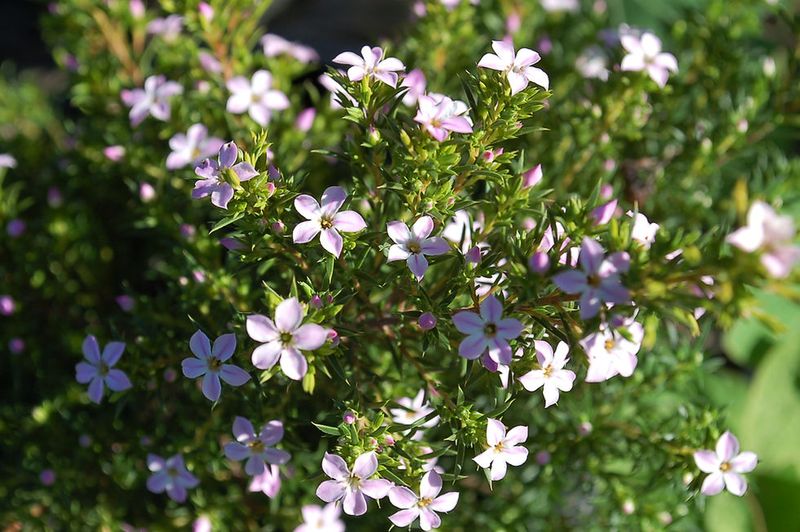
Delicate pink flowers cover this fine-textured shrub for months on end, creating a soft, romantic look that instantly elevates California front yards.
Breath of heaven earns its poetic name from the light, airy appearance of its needle-like foliage and the subtle fragrance released when leaves are brushed or crushed.
This South African native has found a perfect second home in California, where it thrives in conditions similar to its homeland.
The shrub blooms most heavily in late winter and spring, providing much-needed color when many gardens still look sleepy. Sporadic flowers often appear throughout the year in California’s mild climate, ensuring your landscape never looks bare.
Breath of heaven naturally forms a rounded, compact shape reaching four to five feet tall, though regular light pruning keeps it smaller for tighter spaces.
California gardeners value this shrub for its drought tolerance once established, though it appreciates occasional deep watering during extended dry periods. The plant performs best in full sun with well-draining soil and requires no fertilizer for healthy growth.
Its fine texture contrasts beautifully with bold-leafed plants, creating visual interest through varied foliage patterns. Breath of heaven resists most pests and diseases, reducing the need for chemical treatments in your landscape.
For California homes seeking soft, feminine charm combined with practical low-maintenance qualities, this shrub delivers months of delicate beauty that enhances curb appeal while fitting perfectly into water-wise landscaping plans throughout the state.
8. Texas Ranger (Leucophyllum Frutescens)
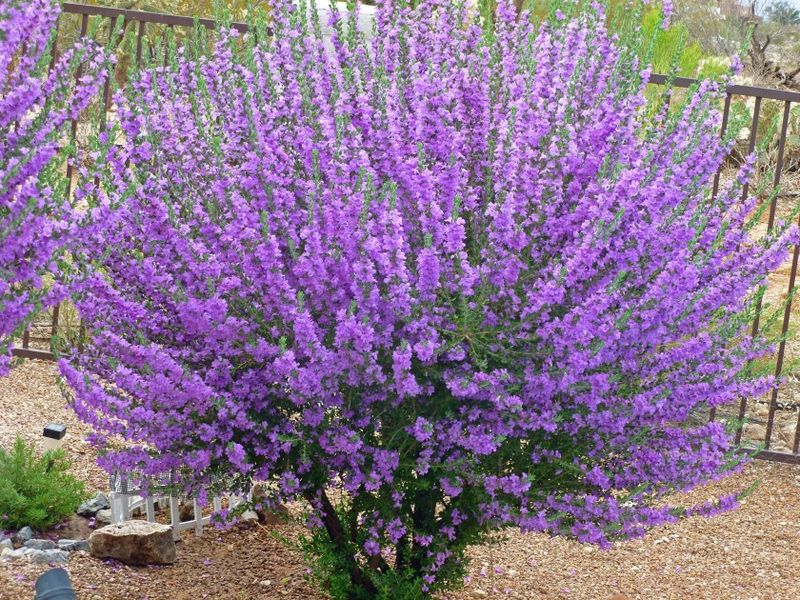
Silver foliage and vibrant tubular flowers make Texas ranger a standout choice for California landscapes, particularly in hotter inland regions where heat tolerance matters.
This tough shrub laughs at drought, poor soil, and blazing sun, conditions that would stress many other ornamental plants.
After summer rains or irrigation, the plant suddenly erupts with masses of purple, pink, or white flowers that transform it from subtle background player to landscape star.
The silvery-gray leaves provide cooling visual relief and create beautiful contrasts with green plants throughout the year. Texas ranger grows naturally into a rounded form reaching five to eight feet tall and wide, making it suitable for hedges, specimens, or mass plantings.
California homeowners in desert and inland valley regions find this shrub especially valuable for its ability to thrive where other plants struggle.
Once established, Texas ranger needs almost no supplemental water, embodying the ultimate in drought-tolerant landscaping. The plant requires no fertilizer and minimal pruning, saving time and money while maintaining attractive appearance.
Its dense growth habit provides privacy screening and helps block noise from busy streets. Hummingbirds visit the tubular flowers, adding wildlife interest to your front yard.
For California properties with challenging hot, dry conditions, Texas ranger delivers reliable beauty and exceptional curb appeal without demanding resources or constant attention, making it a smart investment for sustainable, low-maintenance landscapes throughout the state’s warmest regions.
9. Pittosporum (Pittosporum Tenuifolium)
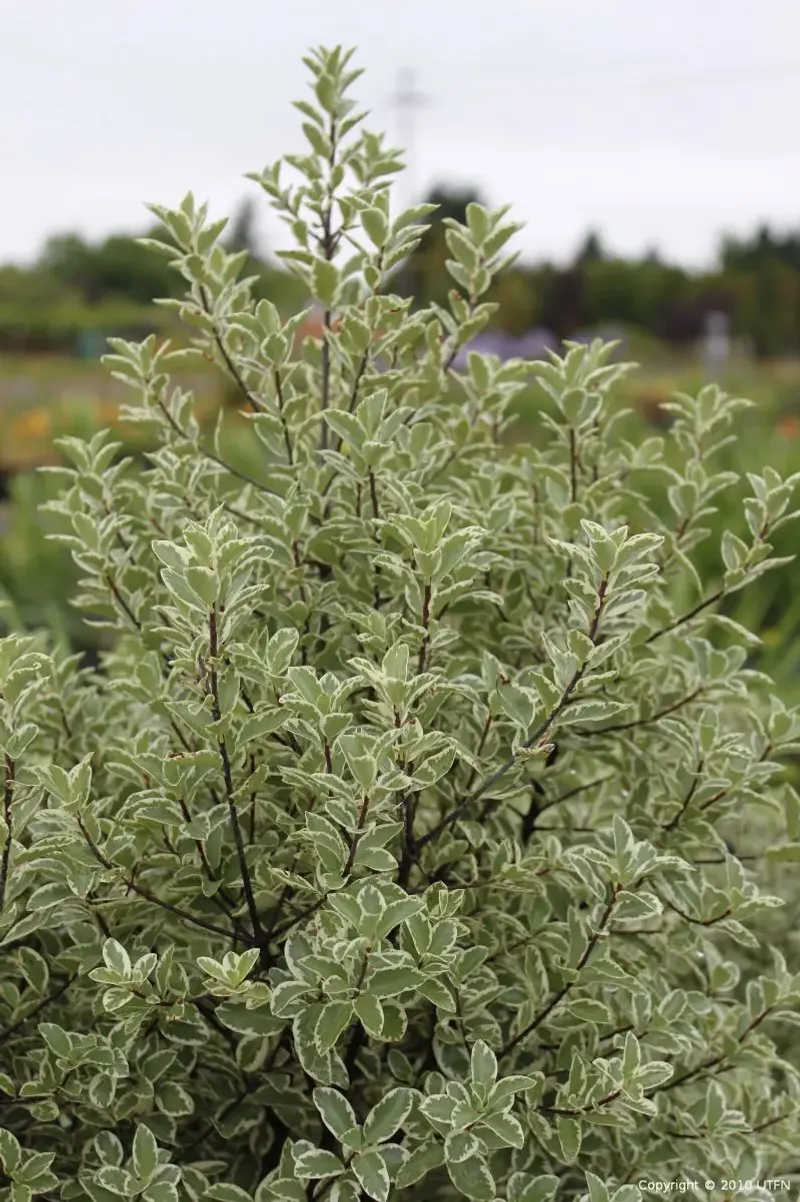
Glossy leaves with wavy edges give pittosporum a distinctive look that adds texture and movement to California landscapes even on calm days.
This New Zealand native has become a landscaping staple throughout California because it combines attractive foliage, manageable size, and remarkable adaptability to various growing conditions.
The plant’s naturally dense growth habit creates excellent screening and background for showier flowering plants while maintaining year-round visual interest.
Numerous cultivars offer foliage colors ranging from deep green to variegated patterns with cream or silver markings, allowing creative design possibilities.
Pittosporum typically grows six to ten feet tall but responds beautifully to pruning and shaping, making it suitable for formal hedges or informal naturalistic plantings.
Small, dark purple flowers appear in spring, releasing a honey-like fragrance that surprises many homeowners who expect only foliage value.
California’s coastal regions provide ideal conditions for pittosporum, though the plant also performs well in inland areas with some afternoon shade. It tolerates various soil types and handles moderate drought once established, though it looks best with regular watering during dry periods.
The shrub’s evergreen nature ensures consistent curb appeal through all seasons, while its tolerance for shearing makes it perfect for homeowners who enjoy structured landscape designs. Pittosporum resists most pests and diseases, reducing maintenance concerns and chemical use.
For California properties seeking reliable evergreen structure, interesting foliage texture, and flexible design options, this adaptable shrub provides lasting beauty and practical benefits throughout the state.
10. Lantana (Lantana Camara)
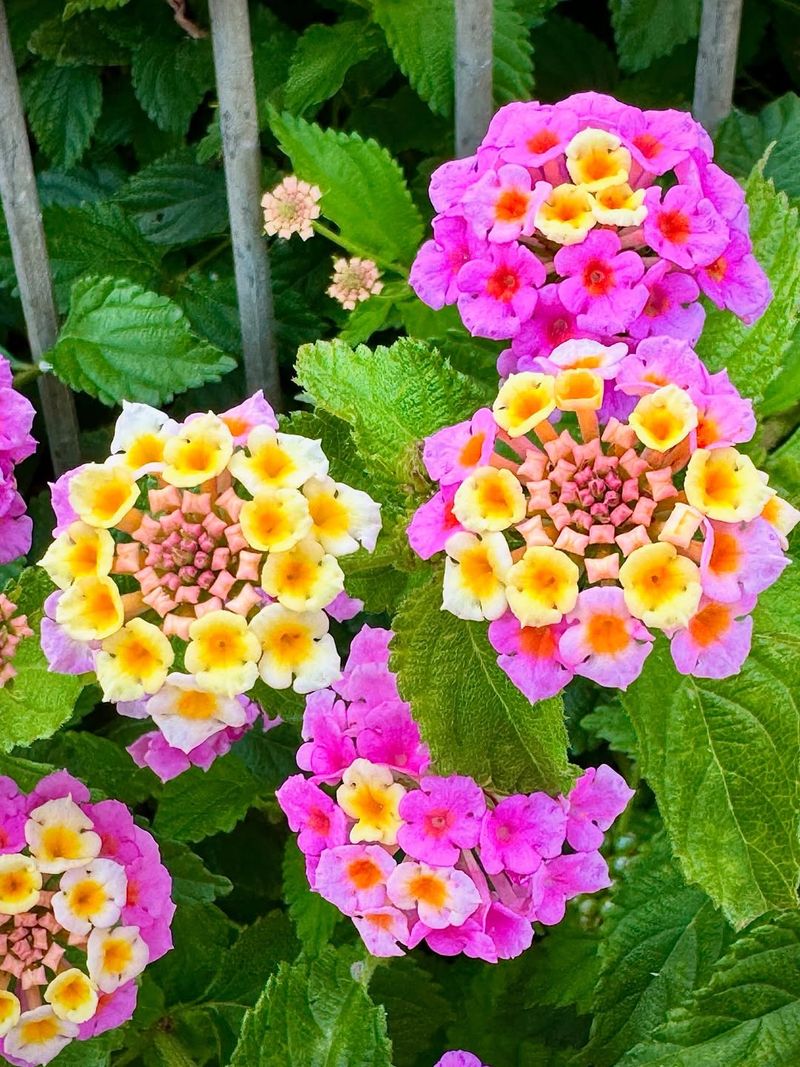
Bursting with color from spring through fall, lantana brings non-stop flower power to California landscapes with its cheerful clusters of multicolored blooms.
This heat-loving shrub thrives in conditions that would wilt less resilient plants, making it perfect for sunny California yards where summer temperatures soar.
Flowers open in shades of yellow, orange, red, pink, or purple, often with multiple colors within the same cluster as blooms mature and change hues.
Butterflies cannot resist lantana’s nectar-rich flowers, turning your front yard into a fluttering display that captivates visitors and passersby.
The plant grows quickly into a mounding form reaching two to six feet tall depending on variety, filling space rapidly for instant landscape impact.
Lantana’s drought tolerance once established makes it ideal for water-conscious California homeowners who want maximum color with minimal resource input.
This shrub performs best in full sun and well-draining soil, conditions common throughout California neighborhoods. It requires essentially no fertilizer and bounces back quickly from occasional pruning to control size or shape.
Lantana handles heat, poor soil, and neglect better than most flowering shrubs, making it perfect for busy homeowners or challenging landscape spots. Deer typically avoid browsing lantana, protecting your curb appeal investment in areas with wildlife pressure.
For California properties seeking reliable, long-lasting color and pollinator-friendly landscaping with minimal maintenance demands, lantana delivers outstanding performance and visual impact that keeps homes looking vibrant throughout the longest, hottest months of the year.