The One California Herb That Repels Rats And Looks Beautiful In Any Garden
Rats are not exactly the garden guests anyone hopes to impress. They slip along walls, nose around planters, and somehow act as if the whole yard belongs to them. Bold little trespassers.
One California herb can make that space feel far less inviting while still drawing plenty of compliments. Its leaves carry a strong scent that rodents tend to avoid, yet the plant adds real texture and character to a sunny bed.
It also suits the dry conditions that make fussier herbs sulk. Once established, it can hold its own without constant attention or an elaborate care routine.
That combination gives it an edge over plain traps and awkward deterrents. The garden stays attractive, while rats get another reason to choose a different route.
Best of all, this herb does not look like pest control. It looks like a plant you would happily grow even if rats never showed up.
1. The Herb You Should Try First
When rats start showing up in a yard, most people reach for traps or store-bought sprays. But there is a smarter first move, and it starts with a simple herb.
Sage has been used for centuries in cooking, medicine, and even spiritual practices. Its ability to push away pests is one of its most underrated qualities.
Rats have an extremely strong sense of smell. They use it to find food, sense danger, and navigate their surroundings.
When that nose meets the sharp, earthy scent of sage, they tend to turn around and leave. Many gardeners have fewer rat sightings after planting sage near entry points and garden beds.
What makes sage stand out from other pest-deterrent plants is how easy it is to grow. It does not need much water.
It does not need rich soil. It actually prefers lean, dry conditions, which makes it perfect for our warm, sunny region.
You do not have to be an experienced gardener to keep it alive and healthy.
Starting with sage also gives you a foundation to build on. Once you see how well it performs, you might add more around your fence line or patio.
It is a low-effort, high-reward plant that earns its place in any garden from day one.
2. Its Strong Scent Works In Your Favor
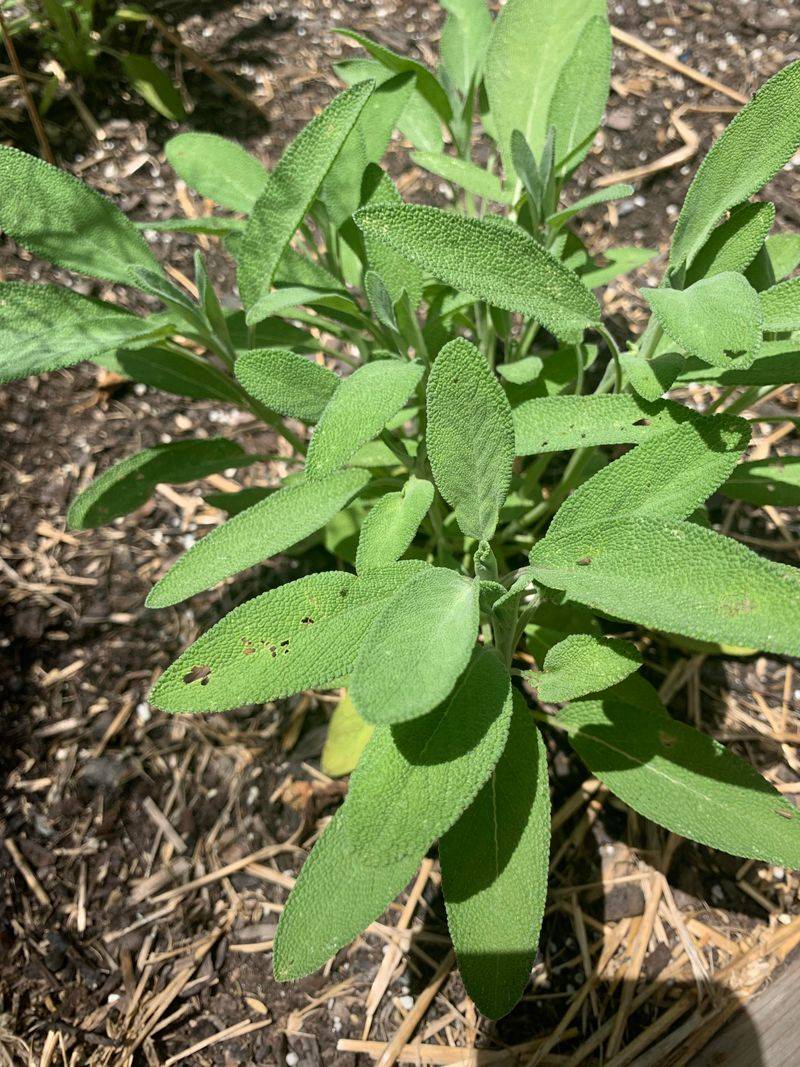
The scent of sage is hard to ignore. Even humans notice it right away when they brush against the leaves or walk nearby.
For rats, that smell is far more intense and deeply uncomfortable. Their noses are built to pick up on chemical signals much faster than ours, and sage sends a clear warning signal.
Sage contains compounds like camphor, thujone, and cineole. These are natural chemicals that give the plant its bold, herbal aroma.
While people often find the smell pleasant or even calming, rats experience it as overwhelming and threatening. It disrupts their ability to detect food smells nearby, which makes them anxious and more likely to avoid the area entirely.
Planting sage near garbage cans, compost bins, or vegetable beds can create a scent barrier that rats would rather not cross. The smell stays strong even in dry weather.
Your California Garden Changes Every Week. Your Plan Should Too.
Gardening in California changes quickly throughout the season. Every Friday you’ll receive a simple weekly plan showing exactly what to plant, prune, fertilize, harvest, and protect so you never miss the right timing.
In fact, warm temperatures can actually intensify the oils in the leaves, making the scent even more powerful during the hottest months of the year.
You can also crush a few leaves and place them in areas where rats tend to roam, like under a deck or near a shed. Fresh or dried, sage holds onto its scent well.
This makes it one of the most reliable natural deterrents you can keep in your yard without spending much money at all.
3. It Looks Better Than A Pest Planting
A lot of pest-deterrent plants are not exactly pretty. Some are scraggly, some smell too strong for comfort, and some just do not fit into a well-designed garden.
Sage breaks all of those rules. It is genuinely attractive, and many landscapers use it purely for its visual appeal, without even thinking about its pest-fighting benefits.
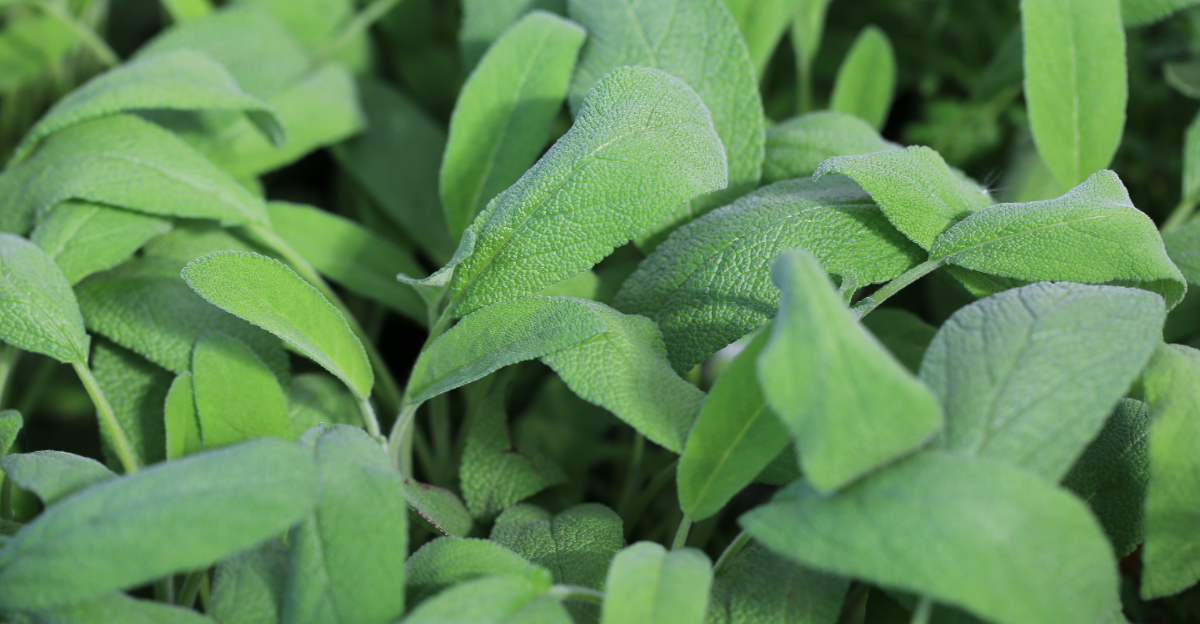
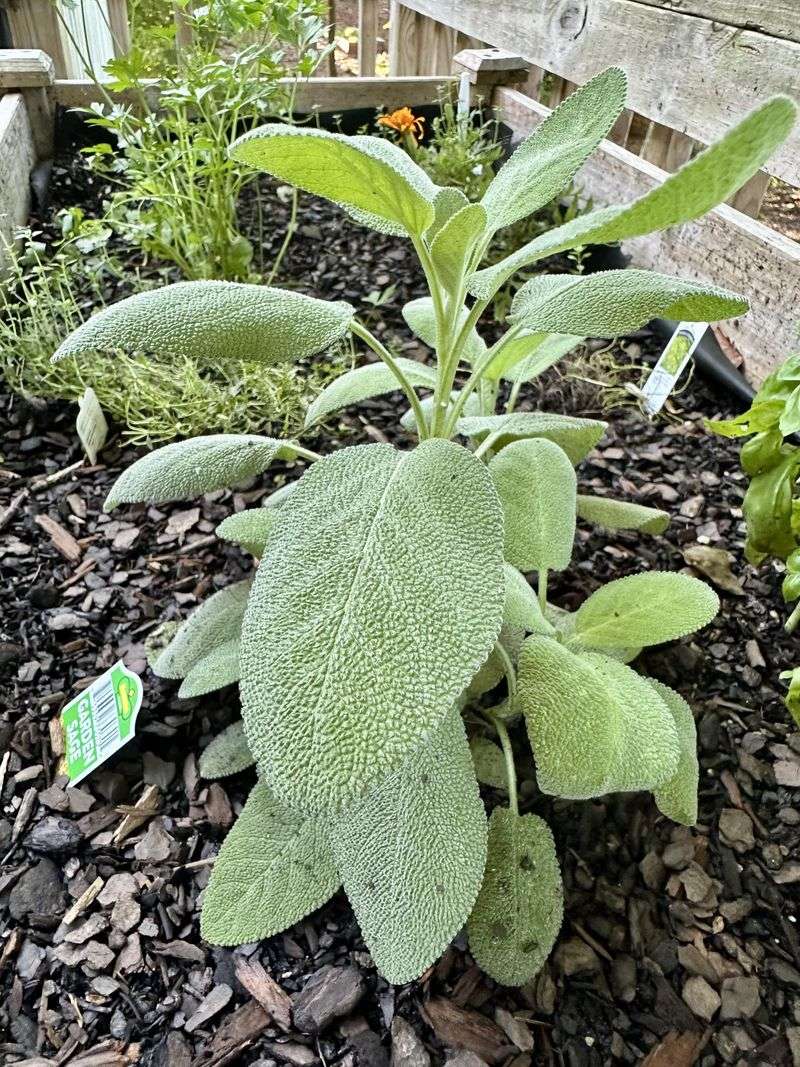
The leaves of sage come in a range of soft, silvery greens. Some varieties have a slight purple or golden tint.
The texture is slightly fuzzy, which catches light in a beautiful way and adds depth to any planting bed.
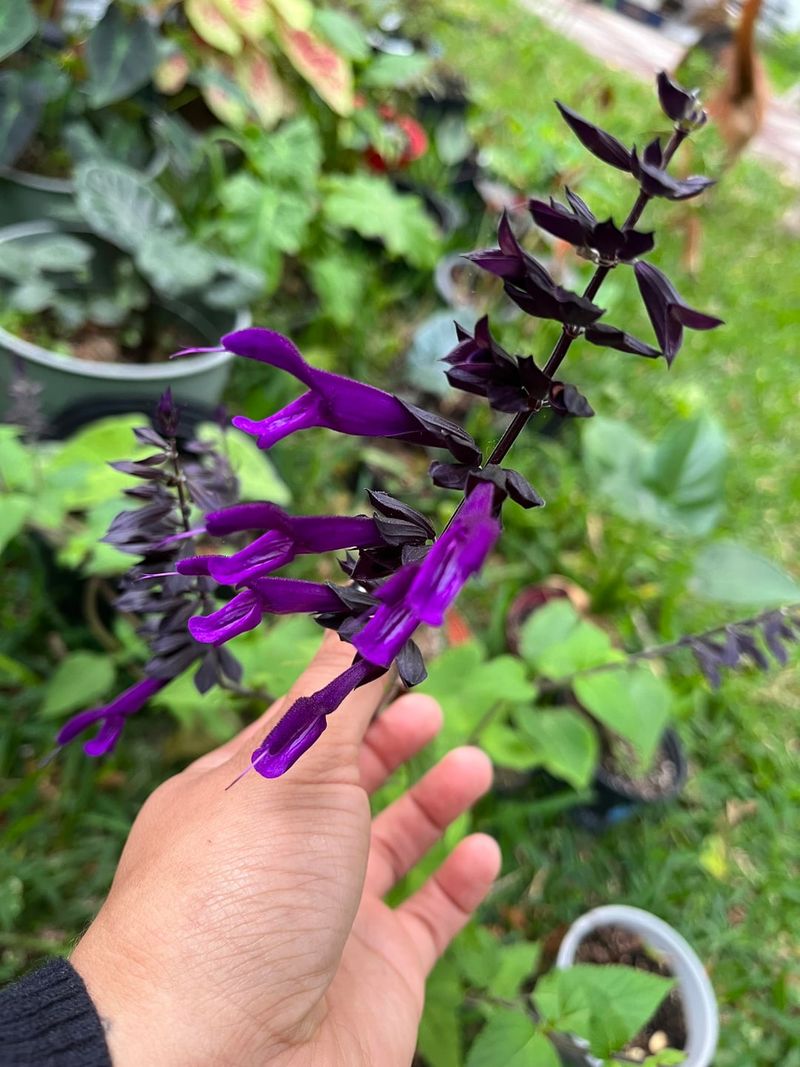
When the purple flower spikes appear in late spring and early summer, the whole plant becomes a showstopper.
Sage pairs well with other drought-tolerant plants like lavender, rosemary, and ornamental grasses. Together, these plants create a Mediterranean-style garden that is both low-maintenance and visually stunning.
You get a yard that looks professionally designed while also keeping pests at a distance.
Garden designers in California often recommend sage as a border plant along walkways or near seating areas. It adds softness and color without taking up too much space.
And because it stays relatively compact, it does not overwhelm smaller gardens. Whether you prefer a formal or a relaxed garden style, sage fits in without any fuss and earns compliments from every guest who visits.
4. It Stays Drier Than Thirsty Shrubs
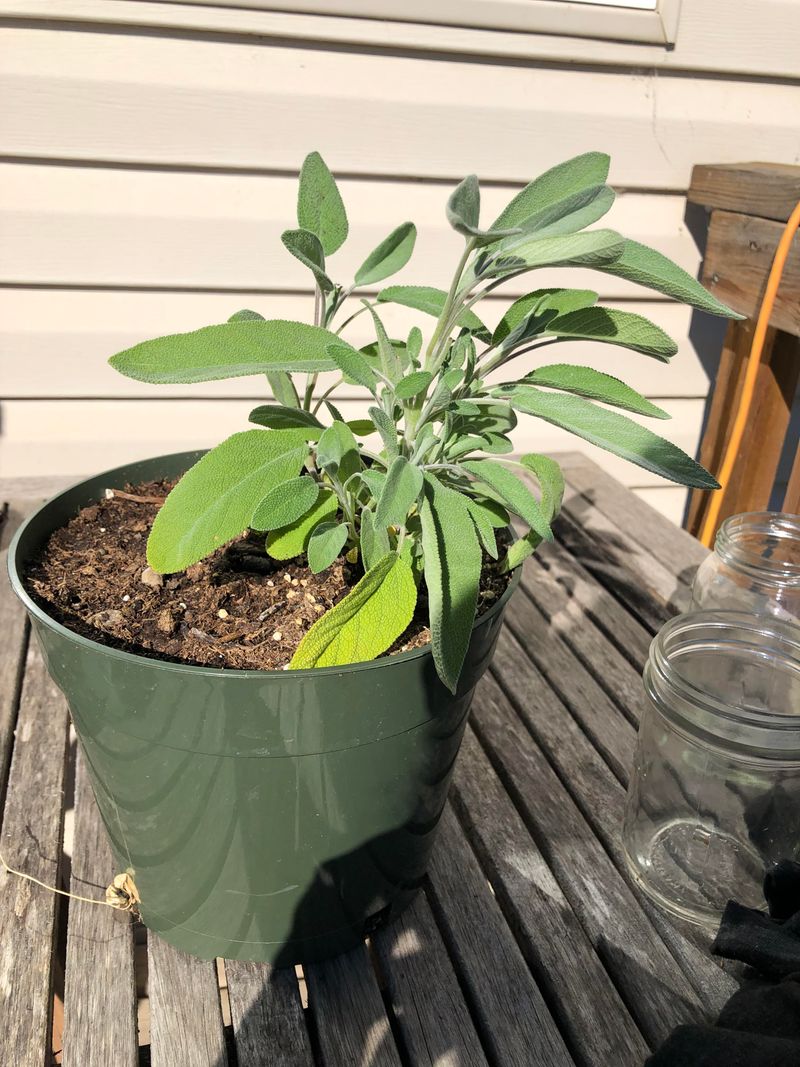
Water is precious in California. Droughts happen regularly, and many homeowners are being asked to cut back on irrigation.
Choosing plants that can handle dry conditions is no longer just a preference. For many people, it is a necessity.
Sage fits perfectly into a water-wise garden plan.
Native and Mediterranean herbs like sage have deep roots that help them find moisture even in dry soil. Once established, they rarely need extra watering.
In most parts of our region, winter rains are enough to keep sage going through the spring. During summer, a deep watering every week or two is usually all it takes.
Overwatering sage is actually one of the most common mistakes new gardeners make. Too much moisture causes root rot and can weaken the plant quickly.
Sage genuinely prefers to dry out between waterings. This makes it one of the easiest herbs to grow in our climate, where summers are long and dry.
Choosing drought-tolerant plants like sage also means lower water bills and less time spent with a hose. That is a real benefit for busy homeowners.
You plant it, let the roots settle in for a few weeks, and then mostly leave it alone.
Sage rewards that hands-off approach with strong growth, reliable scent, and beautiful blooms season after season. It is a plant that truly thrives on a little neglect.
5. It Does Not Create Rat-Friendly Cover
One thing many California gardeners do not think about is how their plant choices can accidentally invite pests in. Dense, low-growing ground covers and thick shrubs can create perfect hiding spots for rats.
They love dark, sheltered spaces where they can nest and move around without being seen. Sage does not give them that option.
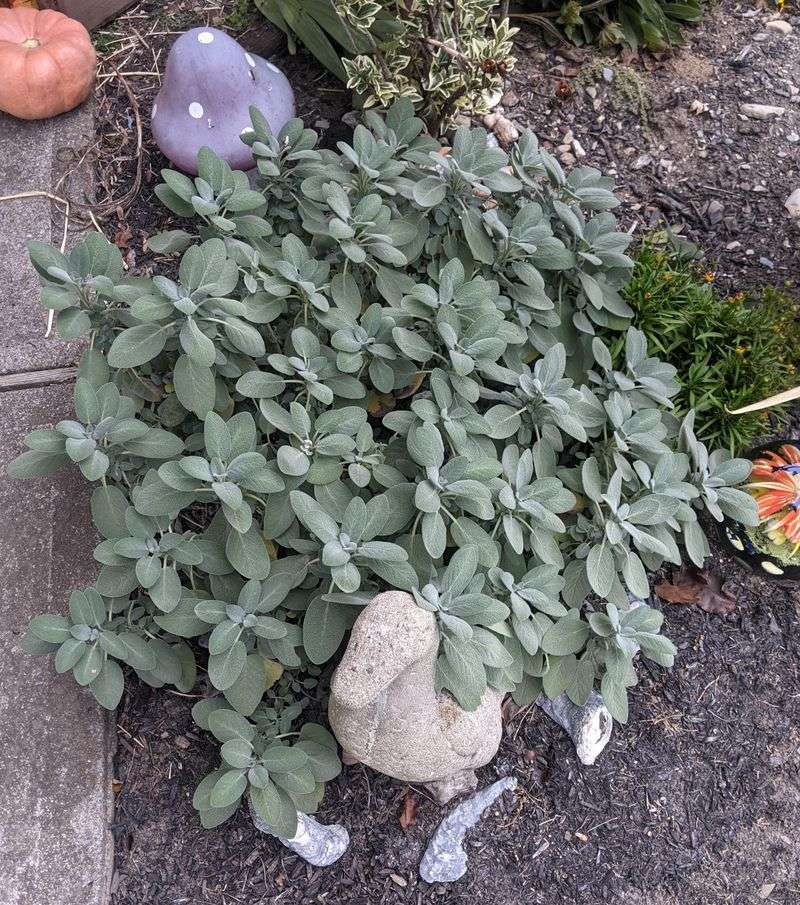
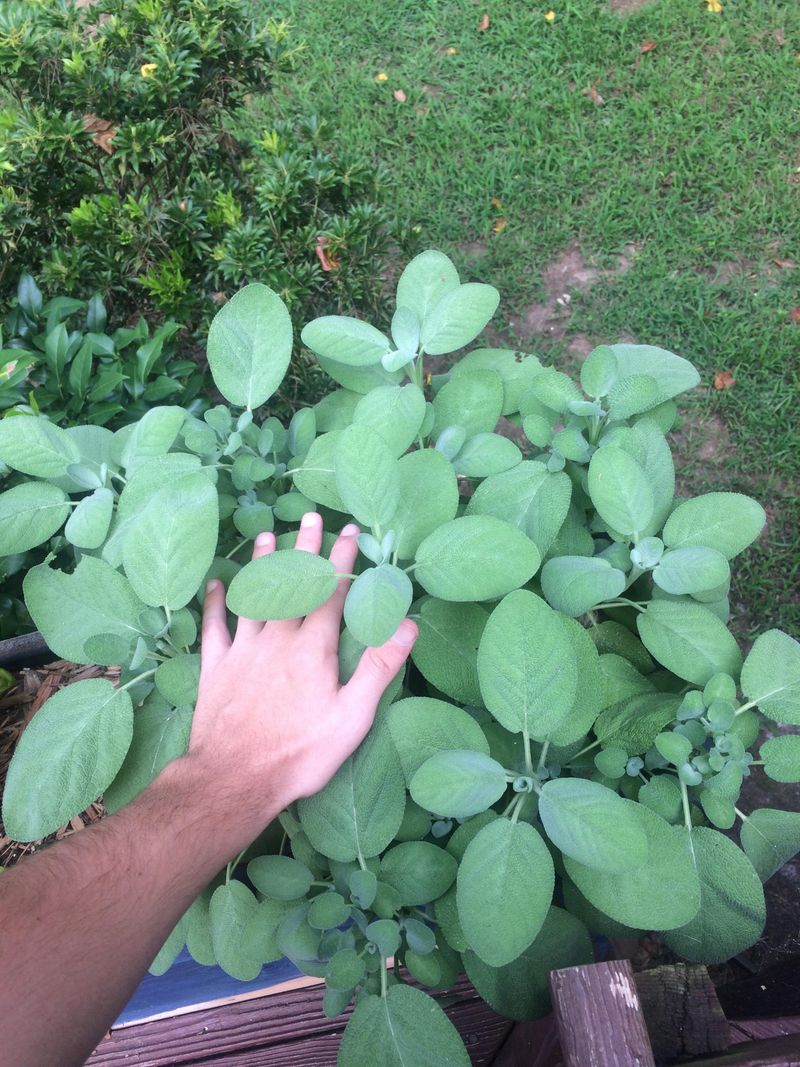
Sage grows in an upright, airy shape. Its stems are visible, and the plant does not create a thick mat of foliage close to the ground.
This open growth habit means there is nowhere for a rat to hide comfortably underneath or inside the plant. They prefer to stay in areas where they feel protected, and sage simply does not offer that kind of shelter.
When you space sage plants about two to three feet apart, you also leave clear ground between them. That visibility makes rats feel exposed, which is something they strongly avoid.
Keeping the ground around sage clear of debris and leaf litter adds even more to the deterrent effect.
Pruning sage once or twice a year also helps maintain that open, airy structure. Cutting it back after flowering keeps it from getting too woody and dense at the base.
A well-pruned sage plant looks tidy, stays healthy, and continues to deny rats the kind of cozy cover they are always searching for in a yard.
6. Purple Blooms Make It Garden-Worthy
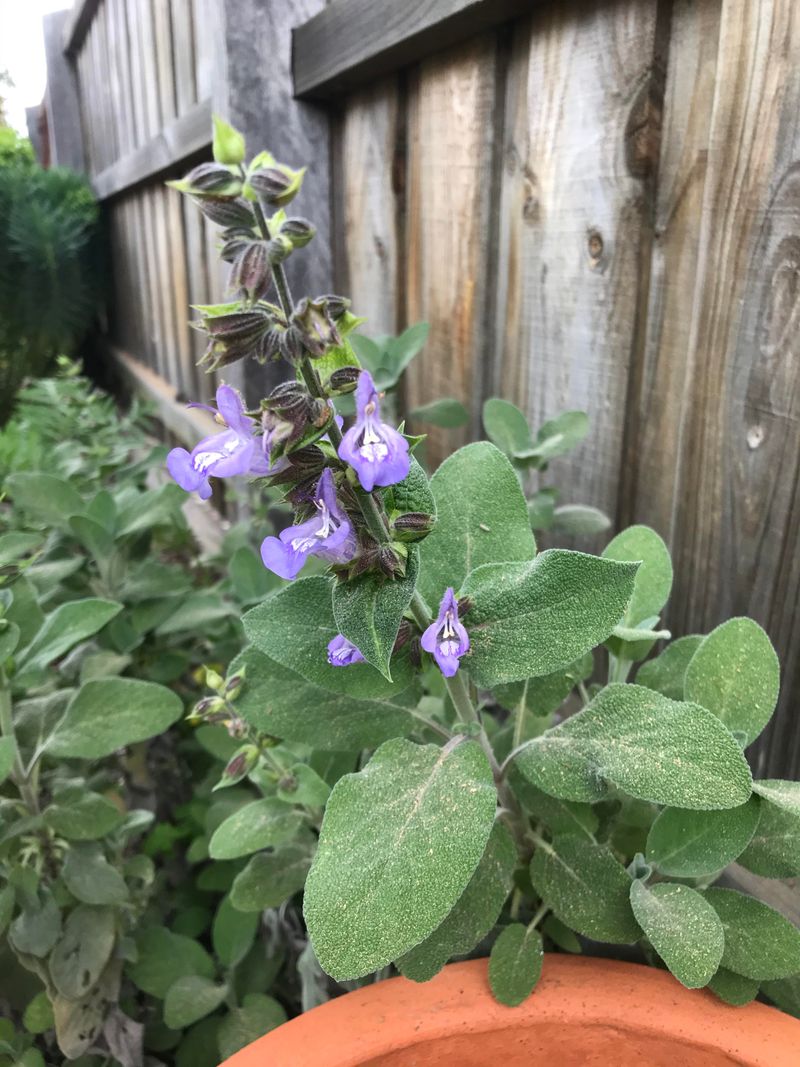
Not every practical plant earns a spot in a beautiful garden. But sage does, and the reason is those stunning purple blooms.
When sage flowers in late spring and early summer, it puts on a real show. The tall flower spikes rise above the silvery leaves and create a soft, romantic look that fits almost any garden style.
Pollinators go absolutely wild for sage flowers. Bees, butterflies, and hummingbirds visit regularly when the plant is in bloom.
This makes sage a double win for gardeners who care about supporting local wildlife. You get natural pest control from the rats, and you get a pollinator garden at the same time. That is a rare combination.
The blooms also last for several weeks, giving you a long window of color in the garden. After flowering, you can trim the spent spikes to encourage a second flush of blooms later in the season.
Some varieties, like salvia officinalis and Cleveland sage, are especially known for their long and vivid flowering periods.
Many gardeners who first planted sage for pest control end up loving it most for its flowers. The purple tones pair beautifully with white, yellow, and soft pink plants nearby.
Even after the blooms fade, the silver-green foliage keeps the garden looking full and textured. Sage proves that a plant can be hardworking and gorgeous at exactly the same time.
7. Plant It Away From Dense Ivy
Sage does a great job of helping to deter rats, but its effectiveness depends a lot on where you plant it. Location matters more than most people realize.
Planting sage right next to dense ivy or thick ground covers can cancel out its benefits almost completely. Ivy is one of the most rat-friendly plants you can have in a yard.
Rats love ivy. The thick, tangled mat of vines creates a warm, hidden world at ground level where they can nest, travel, and raise young ones safely.
If your sage is sitting right next to a large ivy patch, rats can simply ignore the sage and continue using the ivy as their base of operations. The scent deterrent only works when rats do not have a safe alternative nearby.
The best strategy is to plant sage in open areas, along fence lines, near entry points, or around garden beds you want to protect.
If you have ivy in your yard, consider reducing it or replacing sections with drought-tolerant ground covers that do not create dense hiding spots.
Plants like creeping thyme or low-growing rosemary are good alternatives.
Think of sage as part of a broader pest management plan rather than a single solution. When your whole yard is designed to limit rat shelter and food access, the sage scent barrier becomes far more powerful.
Thoughtful plant placement turns your garden into a space that looks great and works hard for you every single day.
8. Do Not Let Fallen Fruit Ruin The Plan
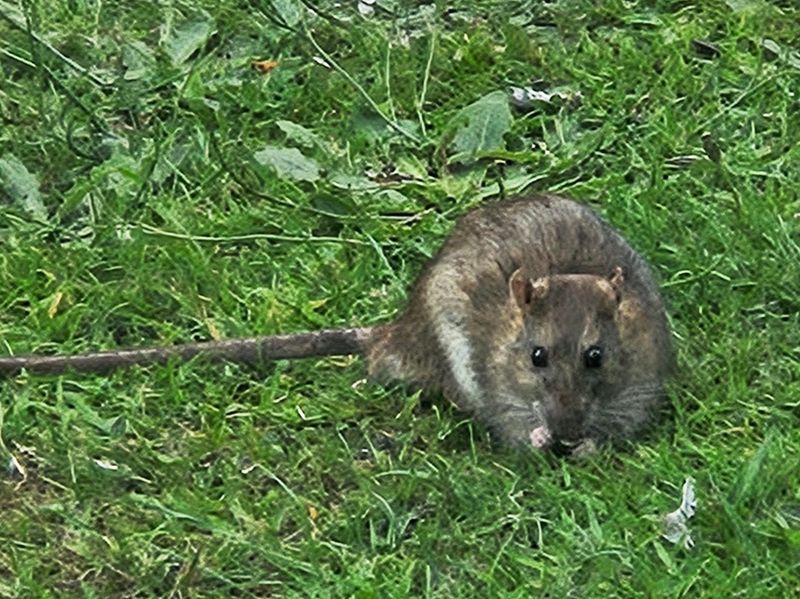
Sage can do a lot to help keep rats away from your yard, but it cannot work against a buffet of free food sitting right on the ground. Fallen fruit is one of the biggest reasons rats keep coming back to a yard, even when deterrent plants are present.
If you have fruit trees nearby, this is something you cannot afford to overlook.
Rats are opportunistic eaters. They will brave an unpleasant scent if the reward on the other side is worth it.
A pile of fallen oranges, lemons, or figs near your sage plants gives them exactly that kind of motivation. The smell of ripe, rotting fruit is powerful enough to override the deterrent effect of even a well-placed sage garden.
The fix is simple but requires consistency. Pick up fallen fruit every day or every other day during harvest season.
Do not leave it sitting on the ground overnight, since rats are most active after dark. If you have a compost bin, make sure it has a secure lid so fruit scraps do not become an open invitation.
Keeping your yard clean works hand in hand with your sage planting strategy. Remove clutter, secure trash cans, and clear out any debris piles where rats might shelter.
When you combine a clean yard with a thoughtfully planted sage border, you create an environment that rats find genuinely unappealing. That combination gives you the best possible results without using a single chemical.