If You See Sticky Leaves On California Plants, Check For These Pests
Sticky leaves can make a California garden feel suspicious fast. One day the plant looks fine, and the next it feels like someone spilled soda on the foliage. Gross little mystery, right?
That sticky coating is often a clue that pests are feeding nearby, even if they are hiding well. Some sit under leaves. Others tuck along stems where they are easy to miss during a quick glance.
The plant may still look mostly healthy at first, which is what makes the problem sneaky. Then ants show up, dust sticks to the leaves, or a dark film starts to appear. That is when the garden drama becomes harder to ignore.
California’s warm weather can help these pests build up quickly, especially on stressed plants.
Before you wipe the leaves and move on, take a closer look. The stickiness may be your plant’s way of pointing straight at the trouble.
1. Aphids Cluster On Tender New Growth
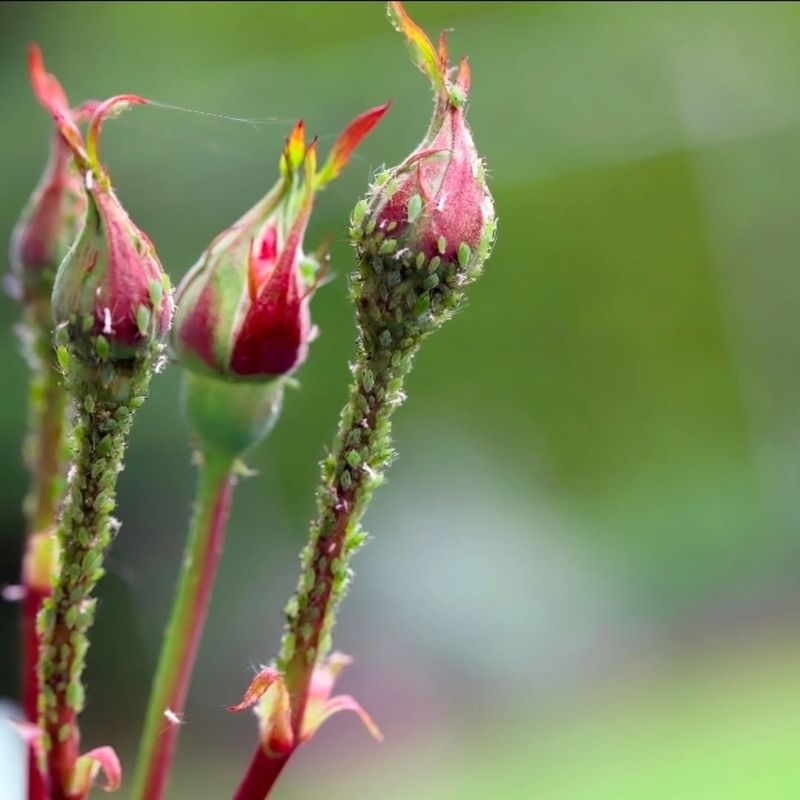
Few garden pests are as bold as aphids. They show up in large groups, almost overnight, and go straight for the softest, most tender parts of your plants. New shoots, young buds, and fresh leaves are their favorite targets.
Aphids are tiny, pear-shaped insects that come in many colors. You might see green, yellow, black, or even pinkish ones depending on the plant they are feeding on. They use a needle-like mouthpart to pierce the plant and suck out the sap.
As they feed, they release a sticky, sugary substance called honeydew, which coats the leaves below.
That honeydew is what makes your plant feel tacky to the touch. Over time, a black mold called sooty mold can grow on top of it, turning leaves dark and blocking sunlight. This weakens the plant even more.
You can often spot aphids without a magnifying glass. Look for tight clusters along new stems or on the undersides of young leaves. Curling or puckered leaves are another sign they have been feeding for a while.
A strong spray of water from a garden hose can knock them off. Neem oil and insecticidal soap also work well.
Encouraging natural predators like ladybugs and lacewings is one of the best long-term solutions for keeping aphid numbers down.
2. Scale Insects Hide Along Stems And Leaves
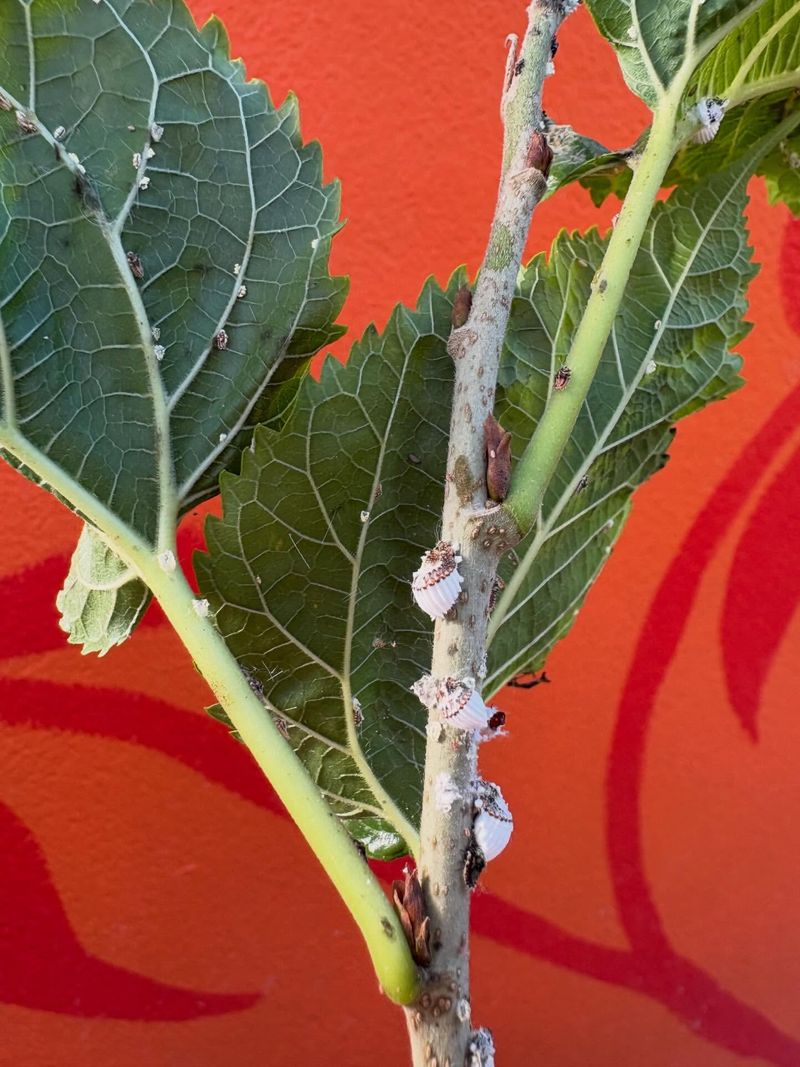
Scale insects are masters of disguise. They look more like tiny bumps on a stem than actual bugs, which is exactly why so many gardeners miss them. By the time the damage becomes obvious, the infestation is often well established.
There are two main types: soft scales and armored scales. Soft scales produce honeydew, which is the sticky substance that alerts most gardeners to their presence.
Armored scales have a hard protective shell and do not produce honeydew, but they still drain the plant of nutrients. Both types are common across our state.
You will usually find them lined up along stems, leaf veins, or tucked near the base of leaves. They barely move once they attach to a plant, so they can be easy to overlook. Tapping a branch and watching for movement will not help here since they stay put.
Your California Garden Changes Every Week. Your Plan Should Too.
Gardening in California changes quickly throughout the season. Every Friday you’ll receive a simple weekly plan showing exactly what to plant, prune, fertilize, harvest, and protect so you never miss the right timing.
Look instead for a shiny, sticky coating on leaves below infested stems. Yellowing leaves or stunted growth can also point to a scale problem. Heavily infested branches may look crusty or rough to the touch.
For small infestations, rubbing alcohol on a cotton swab can remove them by hand. Horticultural oil sprays smother them effectively.
Consistent monitoring during the growing season helps catch new outbreaks before they spread to healthy parts of the plant.
3. Whiteflies Scatter When Leaves Are Disturbed
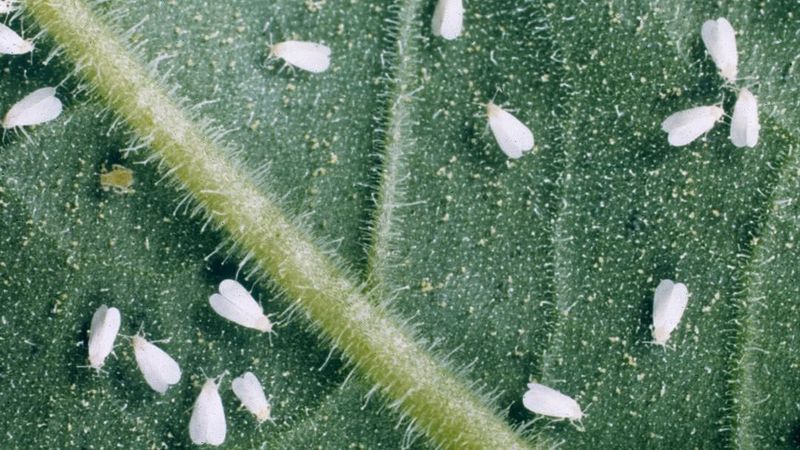
Walk past a plant and suddenly a cloud of tiny white insects takes flight. That is the classic whitefly moment every gardener eventually experiences.
These small, moth-like insects are fast movers and prolific breeders, making them one of the trickiest pests to manage.
Whiteflies live and feed on the undersides of leaves. They use piercing mouthparts to suck plant sap, and like aphids, they excrete honeydew as they feed.
That sticky coating can quickly lead to sooty mold growth, which further stresses the plant. In warm regions like ours, populations can explode rapidly during hot weather.
The eggs are tiny and pale, laid in circular patterns on leaf undersides. Nymphs look like small, flat, oval scales before developing wings.
Most people only notice them when they brush against a plant and the adults scatter in all directions.
Tomatoes, hibiscus, and squash are especially attractive to whiteflies. Once a plant is heavily infested, leaves may yellow, wilt, and drop prematurely. Repeated infestations can seriously weaken even established plants.
Yellow sticky traps placed near affected plants can help monitor and reduce adult populations.
Reflective mulch around the base of plants confuses them and reduces landings. Insecticidal soap sprayed directly on leaf undersides targets nymphs effectively and is safe for most garden plants when used as directed.
4. Mealybugs Leave Cottony Clumps Behind
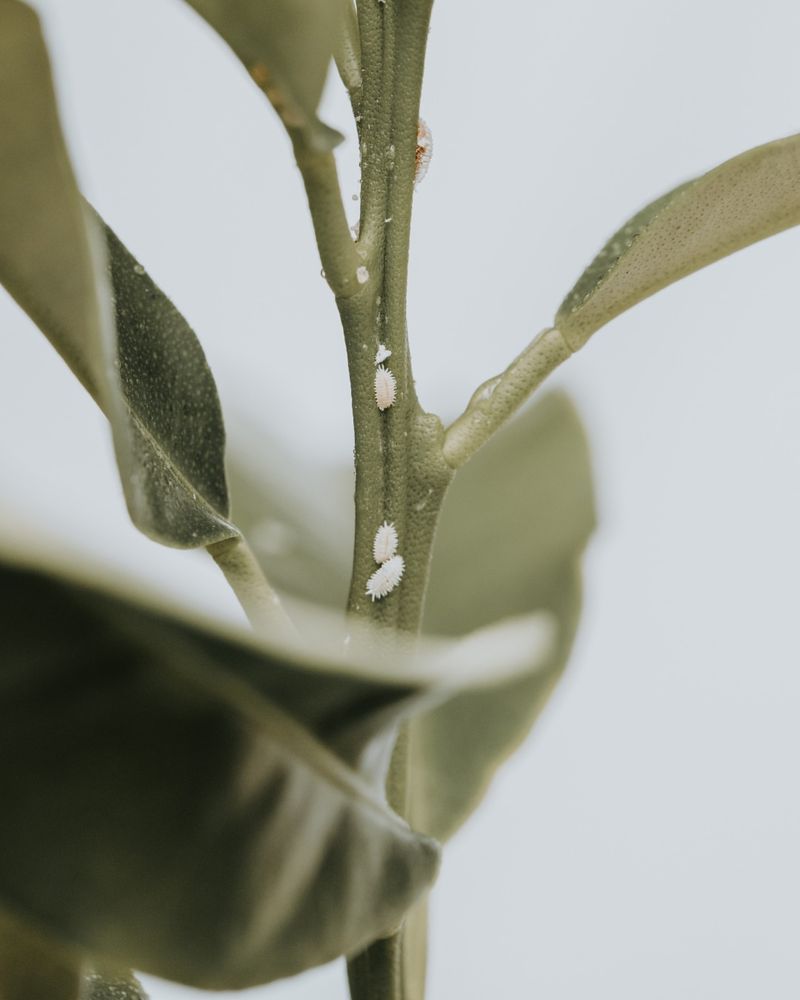
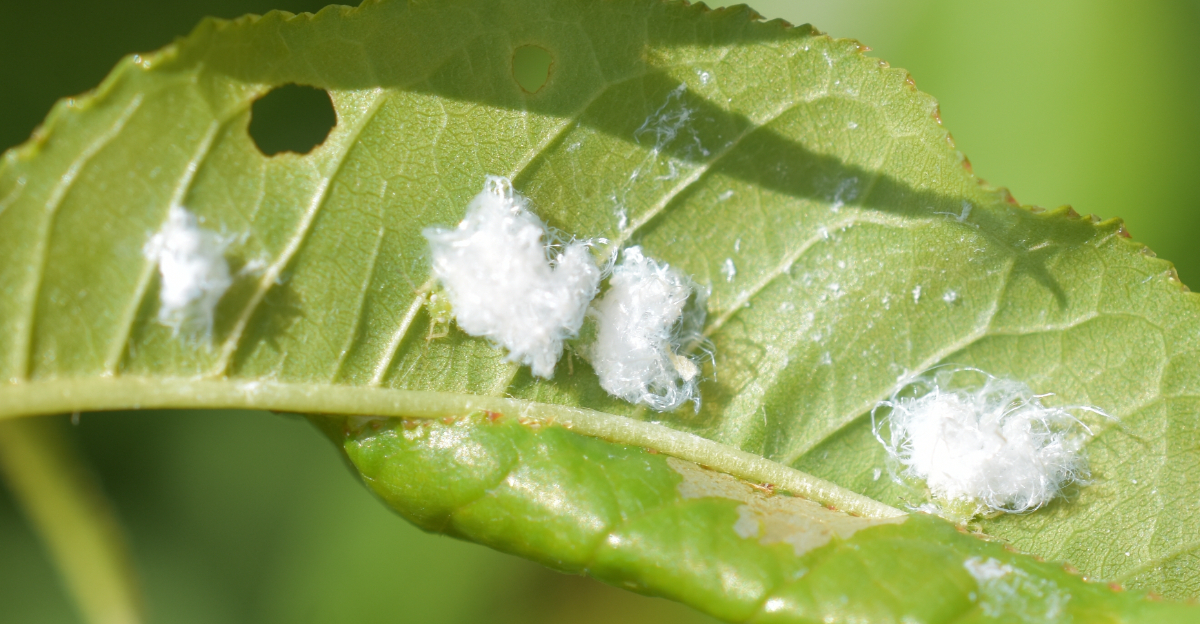
Spotting what looks like tiny tufts of cotton on your plant is never a good sign. That fluffy white substance is actually a waxy coating produced by mealybugs, and it is their way of protecting themselves from the environment and predators.
Underneath that fuzzy covering is a soft-bodied insect actively feeding on your plant.
Mealybugs tend to gather in sheltered spots. Leaf joints, stem crevices, and the base of buds are their favorite hiding places. They feed by sucking sap from the plant, releasing honeydew in the process.
That sticky residue collects on leaves below and can attract ants, which actually protect mealybugs from natural predators.
Houseplants, succulents, and fruit trees are especially vulnerable. In outdoor gardens across this state, citrus trees, grapes, and ornamental shrubs are frequent targets. Mealybug populations grow quickly in warm, sheltered conditions.
Leaves near an infestation may turn yellow, curl, or look wilted even when watering is consistent.
The plant may also seem to stop growing despite good care. These are signs the bugs have been feeding for some time.
Rubbing alcohol applied with a cotton swab removes small clusters effectively. Neem oil spray works well for larger infestations.
Introducing natural predators like the mealybug destroyer beetle can also provide long-term control without harsh chemicals in your garden.
5. Psyllids Can Make Leaves Sticky And Distorted
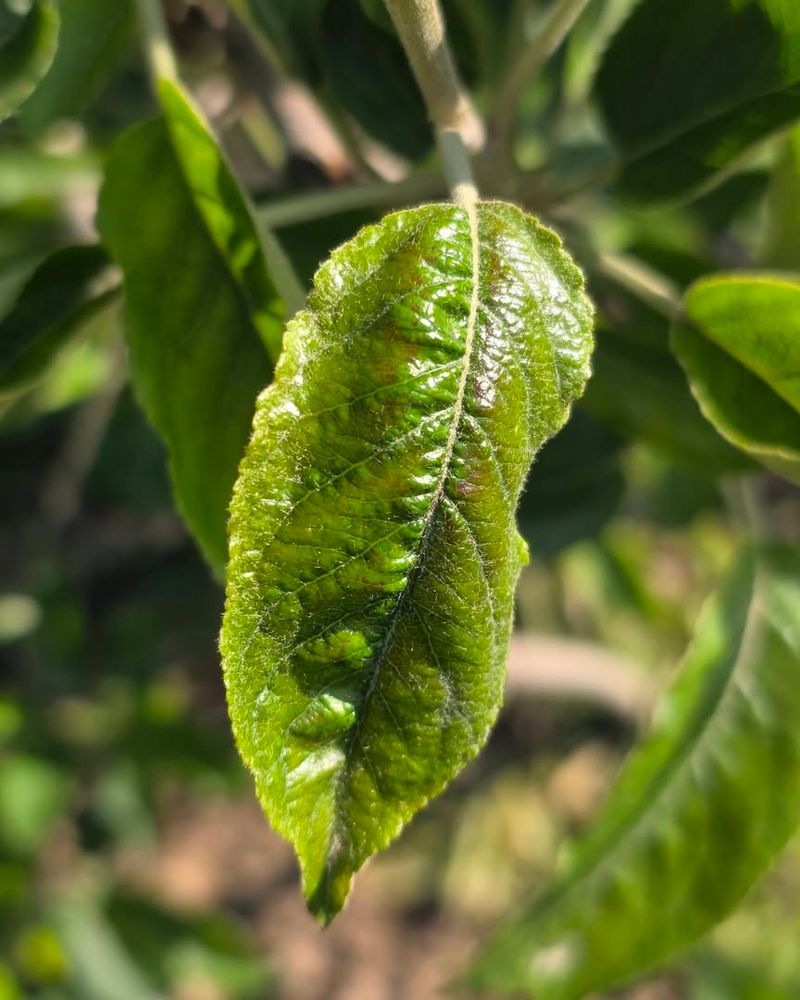
Psyllids are small jumping insects that most gardeners have never heard of until their plants start looking strange.
Leaves pucker, curl, and develop an unusual stickiness that is hard to explain at first glance. Once you know what psyllids are, the signs become much easier to recognize.
These insects are related to aphids and whiteflies. Like their relatives, they feed on plant sap and produce honeydew.
But psyllids also inject a toxic substance into the plant as they feed, which causes the distinctive leaf distortion that sets them apart.
The nymphs often surround themselves with white, waxy threads that look a bit like tiny snowflakes.
In our state, psyllids are particularly problematic on tomatoes, peppers, potatoes, and native shrubs.
The tomato-potato psyllid has become a growing concern for vegetable gardeners in recent years. Citrus psyllids are also a serious issue and can spread disease from plant to plant.
Look for curled or cupped leaves, sticky surfaces, and that distinctive waxy fluff near feeding sites.
Yellowing between leaf veins is another clue. Young plants are especially vulnerable to stunting when psyllid populations are high.
Removing heavily infested leaves early can slow the spread. Kaolin clay sprays create a barrier that deters feeding.
Regular inspection of new growth, especially on vegetable plants, is the most reliable way to catch psyllids before populations get out of hand.
6. Leafhoppers Leave Specks, Stippling, And Honeydew
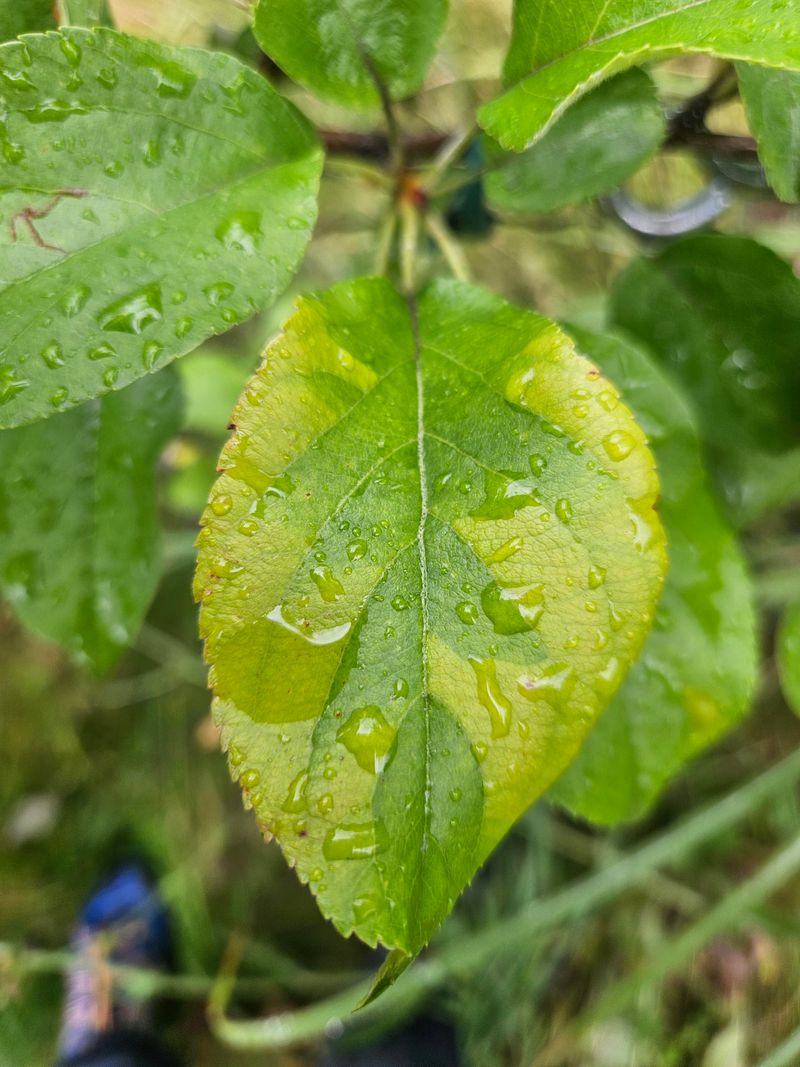
Tiny pale specks scattered across a leaf surface are often the first clue that leafhoppers have moved in.
These small, wedge-shaped insects are fast, jumpy, and easy to miss unless you look closely. They feed on a wide variety of plants and are active throughout the warmer months in our state.
Leafhoppers pierce the leaf surface and suck out the cell contents, leaving behind tiny empty spots.
This pattern is called stippling, and it gives leaves a pale, speckled, or silvery appearance. As they feed, some species also excrete honeydew, adding a sticky layer to the leaf surface.
That combination of stippling and stickiness is a strong indicator of leafhopper activity.
Roses, grapes, apples, and many vegetable crops are frequent targets. In warm, dry summers, populations can build quickly.
Leafhoppers also move fast and jump or fly when disturbed, making them harder to catch in action than slower pests like scale or mealybugs.
Turn leaves over and look for small, slender insects running sideways or jumping away. Cast skins left behind by molting nymphs may also be visible on leaf undersides. Heavy infestations cause leaf edges to brown and curl over time.
Reflective mulch and row covers can reduce leafhopper pressure on vegetable gardens. Insecticidal soap sprays work best on nymphs before they develop wings.
Keeping weeds down around garden beds also removes the alternate hosts that help leafhopper populations grow between seasons.
7. Cottony Cushion Scale Is Easy To Miss At First
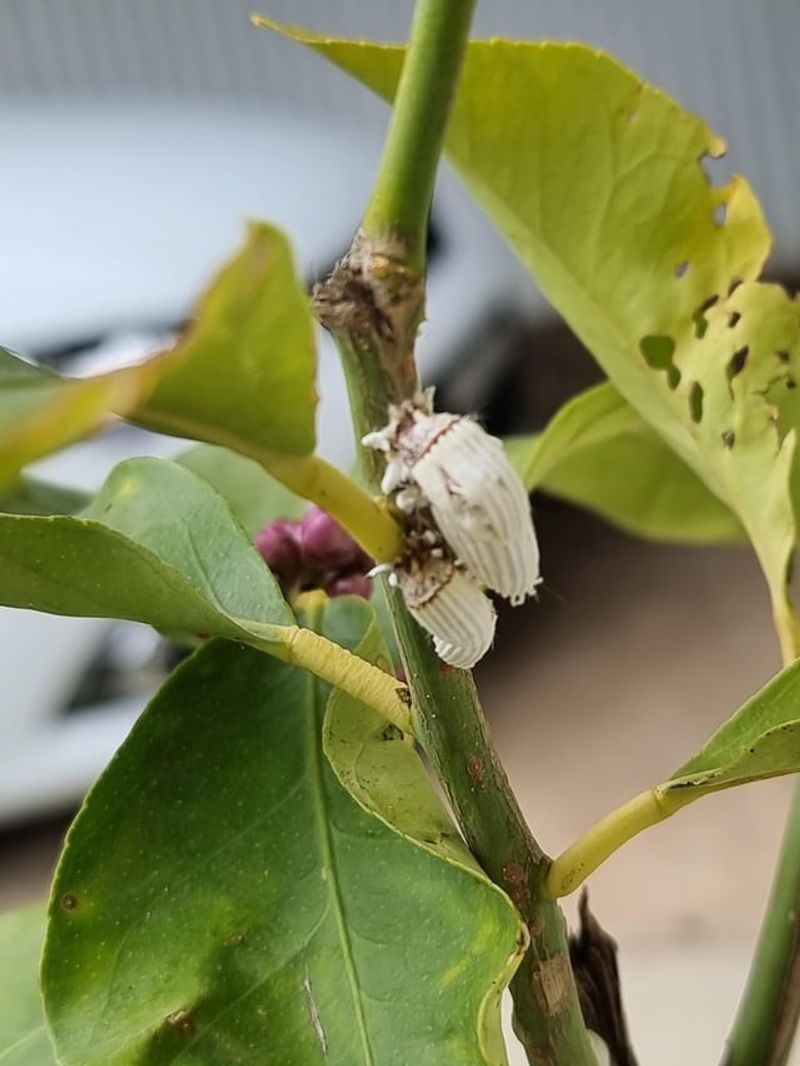
At first, you might think someone left a piece of lint on your plant. That small, white, ridged lump clinging to a branch is actually a cottony cushion scale, one of the most recognizable pests in warm-climate gardens.
It looks almost decorative until you realize what it is doing to your plant.
This pest is most commonly found on citrus trees, acacia, and pittosporum, though it feeds on a surprisingly wide range of ornamental plants.
The female produces a large, fluted white egg sac that is hard to overlook once populations grow. Before that stage, the crawlers are reddish and tiny, making early detection tricky.
As the insects feed, they excrete honeydew that drips down onto lower leaves. Sooty mold then grows on that sticky coating, turning branches and leaves a dark, grimy color.
This combination of white bumps above and black mold below is a telltale sign of cottony cushion scale activity.
The good news is that this pest has a natural enemy, the vedalia beetle, which was famously introduced to our state in the late 1800s to control it. That biological control still works well today when pesticide use is kept to a minimum.
Avoid broad-spectrum insecticides that harm vedalia beetles. Horticultural oil can manage outbreaks on plants where the beetle is absent.
Monitoring plants through spring and summer gives you the best chance of catching new infestations while they are still small.
8. Ants Often Reveal Where The Real Pest Problem Is
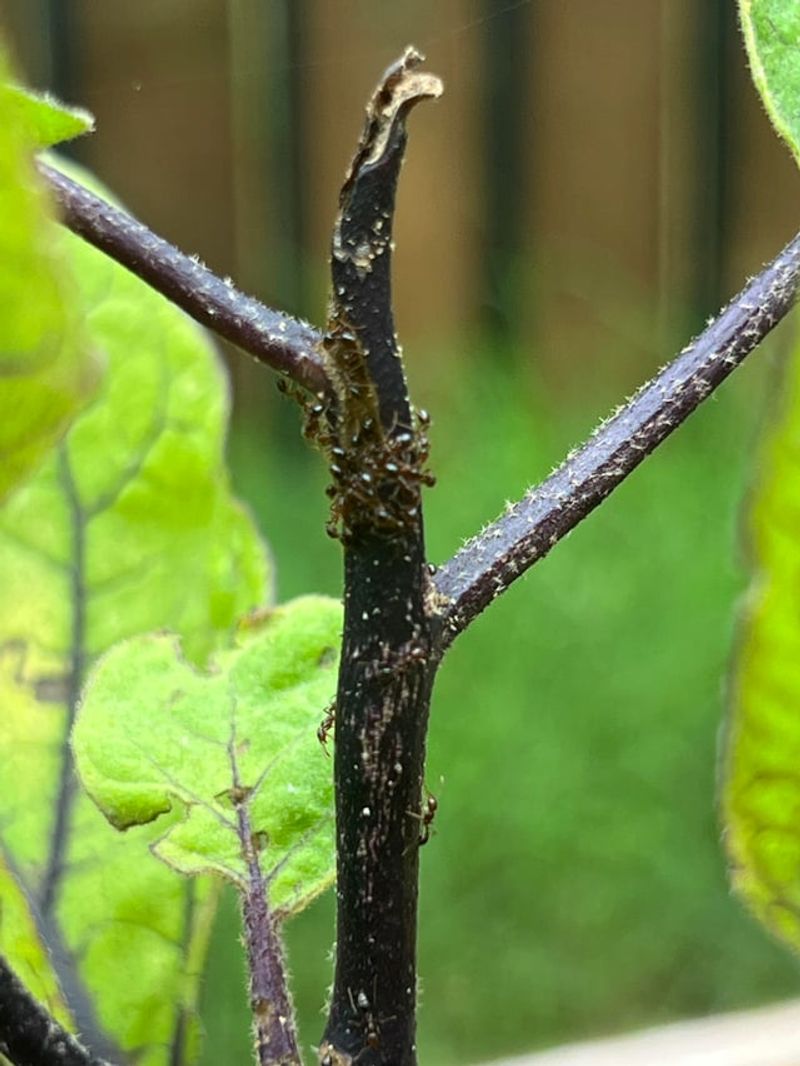
Seeing a steady line of ants marching up a plant stem is not just a curiosity. It is actually one of the most useful warning signs a gardener can notice.
Ants are not the ones causing the sticky leaves, but they are almost always connected to the pest that is.
Ants are attracted to honeydew, the sugary waste produced by sap-sucking insects like aphids, scale, and mealybugs.
They actively farm these pests, protecting them from natural predators and even moving them to new plant growth. In exchange, they get a steady supply of honeydew to feed their colonies.
It is a relationship that makes pest problems worse over time. When you see ants on a plant, look closely at the stems and leaf undersides nearby. Aphid clusters, scale bumps, or cottony mealybug patches are usually not far away.
The ants are essentially pointing you toward the real problem, even if they did not cause it. Controlling ants is an important part of managing sap-sucking pests.
Sticky barriers wrapped around tree trunks prevent ants from climbing up and protecting their honeydew producers. Keeping the area around plants free of debris and standing water also reduces ant nesting opportunities.
Once ants are managed, natural predators can do their job more effectively. Ladybugs, parasitic wasps, and lacewings are far more successful at reducing pest numbers when ants are not interfering with their work in your garden.