5 Desert-Tough Shrubs For Arizona Landscapes And 4 To Skip
Arizona landscapes can be harsh, and the right shrubs make all the difference between a yard that thrives and one that struggles under sun, heat, and dry soil.
Some plants establish quickly, providing color and texture with minimal care, while others falter fast, demanding constant attention and water.
Choosing wisely ensures a strong, low-maintenance garden that lasts through every season.
Shrubs that are tough in desert conditions handle intense heat, wind, and drought, giving structure and year-round interest without extra effort. On the other hand, certain common choices often fail, leaving gaps and frustration in the landscape.
These five resilient shrubs flourish in Arizona while four others consistently struggle, helping your yard stay vibrant, sturdy, and low-maintenance all year long.
1. Hop Bush Handles Wind, Sun, And Dry Soil With Ease
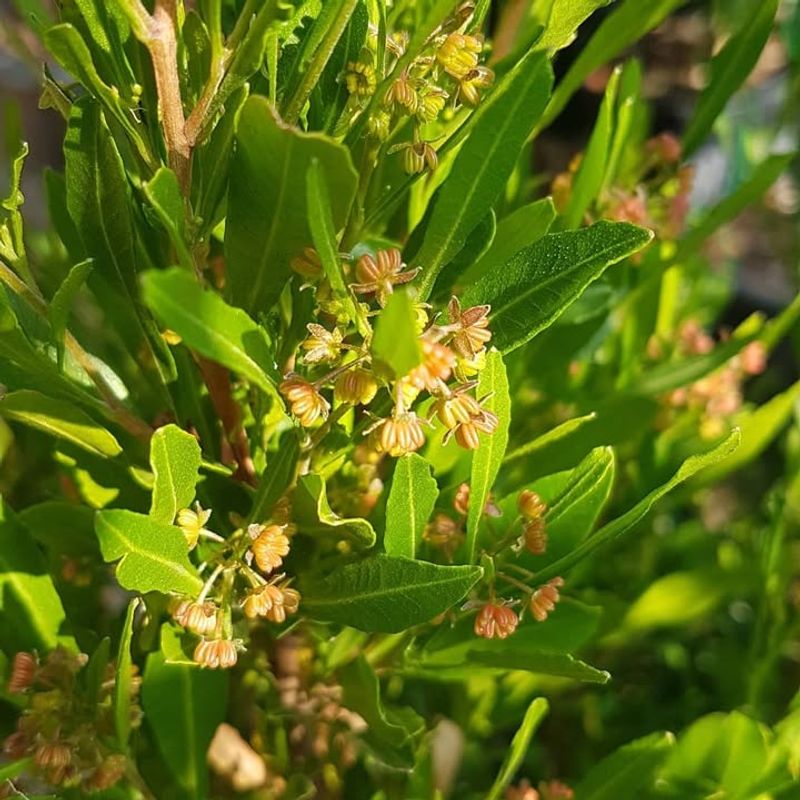
Wind whips through Arizona valleys and mountain passes, but Hop Bush stands firm without breaking or looking ragged. This native performer adapts to virtually any spot in your yard, from scorching west-facing walls to partially shaded courtyards.
Landscapers across the state choose it for screens, hedges, and background plantings that need zero fuss.
Narrow green leaves create a fine texture that contrasts beautifully with bolder desert plants. Purple varieties add rich burgundy tones that intensify during cooler months, offering year-round visual interest.
Fast growth means you get privacy and coverage quickly without waiting years for results.
Papery seed pods dangle from branches in shades of pink, red, or cream, catching light and adding unexpected charm. These seeds give the plant its common name since early settlers used them as a substitute for brewing hops.
Birds appreciate the seeds while gardeners enjoy the ornamental value they bring to Arizona landscapes.
Established Hop Bush survives on rainfall alone in many areas, though occasional deep watering during extreme drought helps maintain appearance. Heights range from six to twelve feet depending on variety and pruning habits.
This shrub tolerates reflected heat from walls and pavement better than almost any other choice, making it perfect for tight urban spaces throughout Arizona.
2. Yellow Bells Keep Blooming Through Brutal Summer
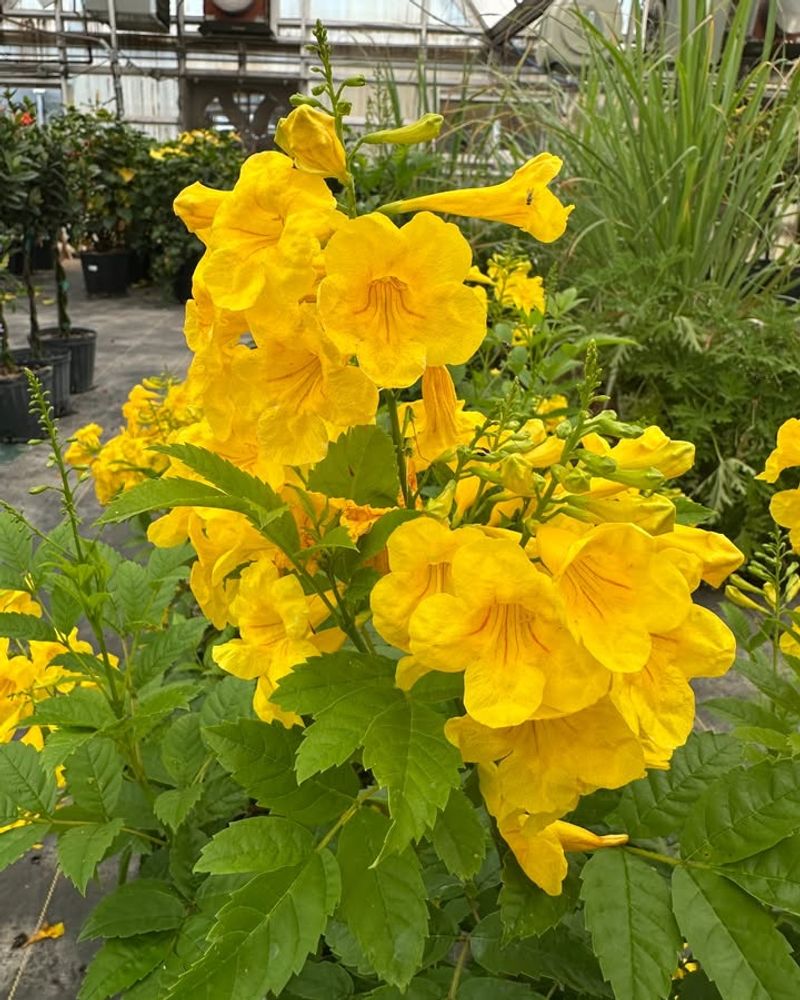
Bright golden trumpets explode across arching branches when most gardens look tired and stressed. Yellow Bells brings continuous color from late spring straight through fall, refusing to quit even when Arizona temperatures stay above 100 for weeks.
Each flower dangles like a cheerful bell, attracting hummingbirds that visit dozens of times daily.
Glossy green leaves stay attractive between bloom cycles, maintaining good looks year-round in warmer Arizona zones. Frost might knock back stems in higher elevations, but roots survive and regrow vigorously each spring.
This shrub actually increases flowering as heat builds, making it perfectly suited to Phoenix, Mesa, and other low desert communities.
Growth stays manageable at four to six feet tall with similar spread, fitting comfortably into most residential landscapes. Light pruning after frost danger passes encourages bushier growth and more flowering stems.
Yellow Bells tolerates various soil types but performs best with occasional deep watering during peak summer.
Pollinators go crazy for the nectar-rich blooms, creating a lively garden atmosphere throughout Arizona’s long growing season. Deer typically leave this shrub alone, which matters in foothill neighborhoods where browsing causes constant frustration.
Your Arizona Garden Changes Every Week. Your Plan Should Too.
Gardening in Arizona changes quickly throughout the season. Every Friday you’ll receive a simple weekly plan showing exactly what to plant, prune, fertilize, harvest, and protect so you never miss the right timing.
Combining Yellow Bells with purple-flowering plants creates stunning color contrasts that photograph beautifully against desert backdrops.
3. Texas Sage Thrives When Arizona Heat Hits Hard
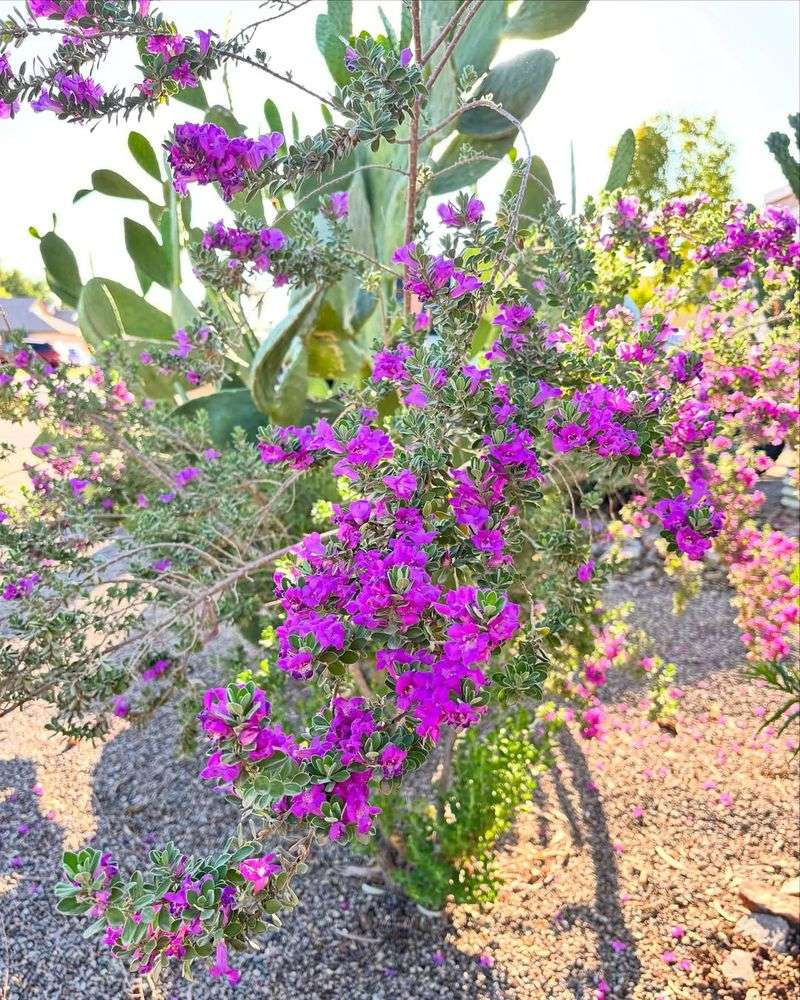
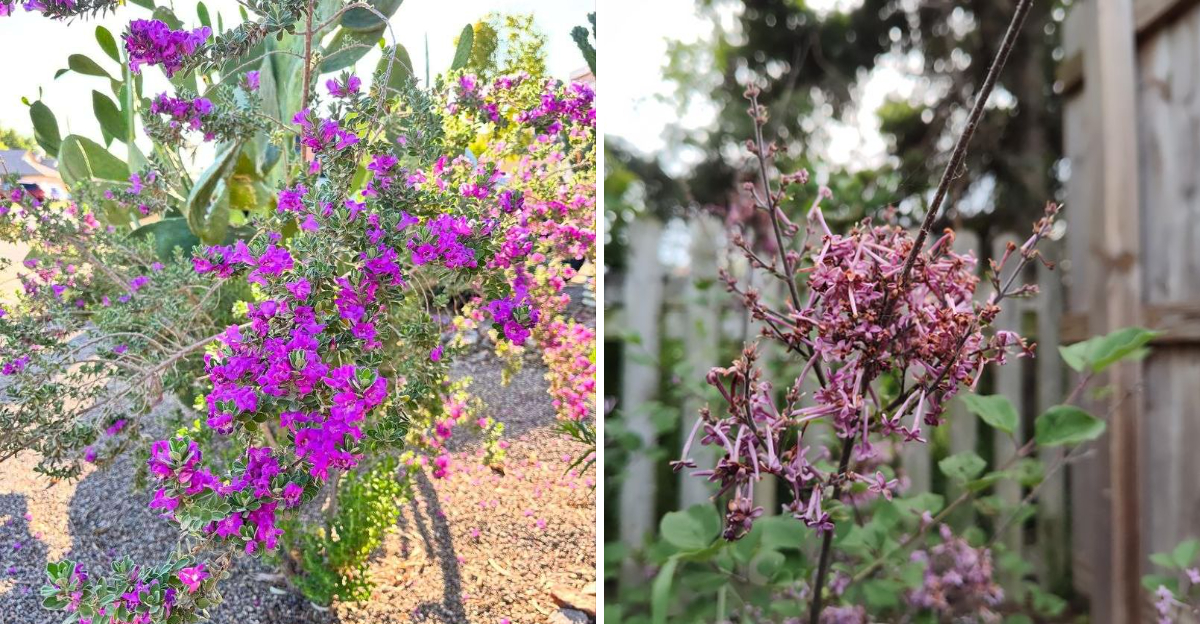
Silver-green leaves shimmer under brutal sun while most other plants fade away. Texas Sage, also called Texas Ranger, proves itself as one of the toughest performers across Arizona landscapes.
Gardeners from Phoenix to Tucson rely on this shrub because it actually looks better when temperatures soar past 110 degrees.
Rainfall triggers spectacular displays of purple, pink, or white flowers that cover the entire plant. These blooms appear after monsoon storms, earning this shrub the nickname “barometer bush.” Hummingbirds and butterflies flock to the tubular flowers, adding movement and life to desert gardens throughout Arizona.
Mature plants reach four to six feet in height and width without requiring frequent trimming. Drought tolerance becomes extraordinary once roots establish, meaning you can skip watering entirely during cooler months.
Full sun exposure brings out the best color in both foliage and flowers.
Rocky or sandy soil works perfectly since this shrub despises heavy clay that holds moisture. Overwatering causes more problems than neglect ever will.
Pruning needs stay minimal, though light shaping after flowering keeps plants looking tidy. Arizona gardeners appreciate how Texas Sage delivers reliable beauty without demanding constant care or precious water resources.
4. Valentine Bush Delivers Color When Little Else Does
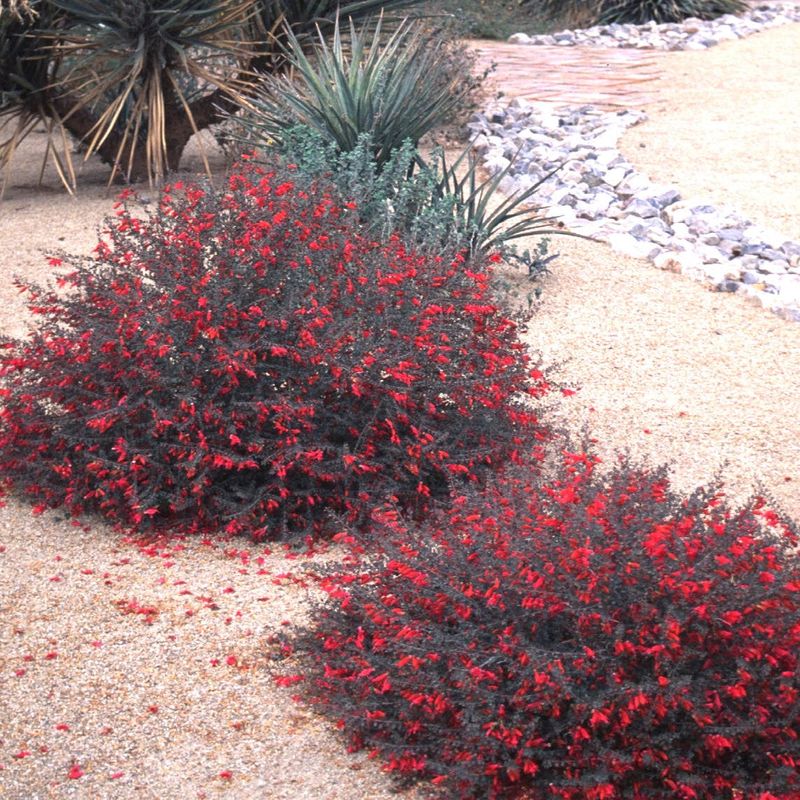
Deep pink tubular flowers burst open in late winter, announcing spring before most Arizona plants wake up.
Valentine Bush earns its romantic name by timing blooms perfectly around mid-February, offering hope and beauty when landscapes still look dormant.
Hummingbirds return from migration just as these flowers open, providing crucial early nectar.
Dark green foliage creates a lush backdrop that contrasts sharply with typical gray-green desert plants. This shrub maintains its leaves year-round in low desert areas, giving gardens consistent structure and color.
Growth habit stays compact and rounded, typically reaching three to five feet in all directions without aggressive spreading.
Heat tolerance proves exceptional once roots establish in Arizona soil, though Valentine Bush appreciates more water than truly xeric choices.
Monthly deep soaking during summer keeps foliage looking fresh and encourages additional bloom cycles.
Part shade works well in hottest areas, while full sun suits higher elevations perfectly.
Freezing temperatures might damage tender growth, but established plants recover quickly as weather warms.
Tucson and Phoenix gardeners use Valentine Bush as foundation plantings, accent specimens, or massed for dramatic seasonal impact.
Pruning right after flowering maintains shape without sacrificing next year’s blooms. This shrub fills the late winter gap beautifully, bringing life and color when Arizona landscapes need it most.
5. Dwarf Oleander Stays Strong In Intense Desert Conditions
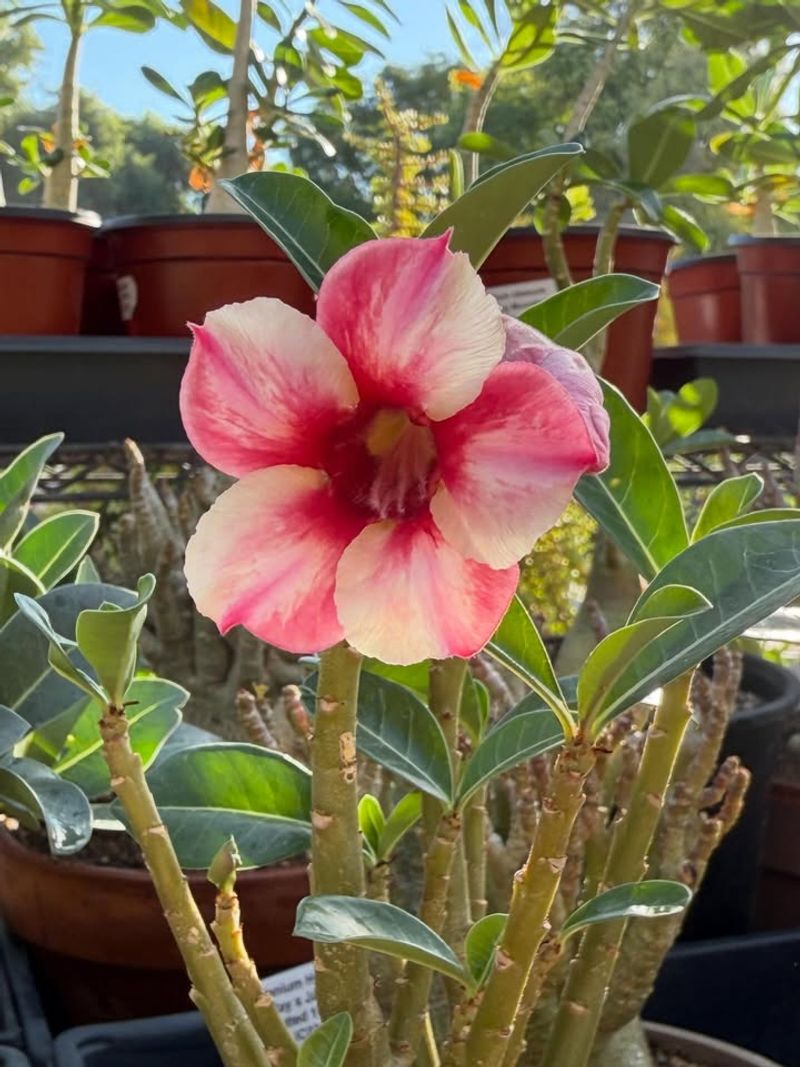
Compact growth packs serious flower power into a manageable size perfect for Arizona yards. Dwarf Oleander delivers the same toughness as full-sized varieties while staying under four feet tall, making it ideal for foundation plantings and borders.
Blooms appear in waves from spring through fall in shades of pink, red, white, or salmon.
Evergreen foliage stays attractive through winter, maintaining garden structure when many other plants look shabby. Narrow leaves have a glossy texture that reflects harsh Arizona sun without scorching or fading.
This shrub handles reflected heat from walls, driveways, and windows better than almost any other flowering choice.
Established plants need minimal water once roots reach deep into Arizona soil, though occasional irrigation extends blooming periods. Poor soil never bothers Dwarf Oleander since it evolved in similarly harsh Mediterranean climates.
Highway departments across Arizona plant oleanders along freeways because they survive neglect and extreme conditions.
Pruning flexibility lets you shape plants as informal hedges or rounded specimens depending on garden style.
Remove spent flower clusters to encourage fresh blooms and maintain tidy appearance throughout the growing season.
All parts of oleander contain toxic compounds, so plant away from areas where children or pets play frequently. Arizona gardeners value how Dwarf Oleander combines beauty, toughness, and low maintenance into one reliable package.
6. Hydrangea Wilts Fast In Desert Sun
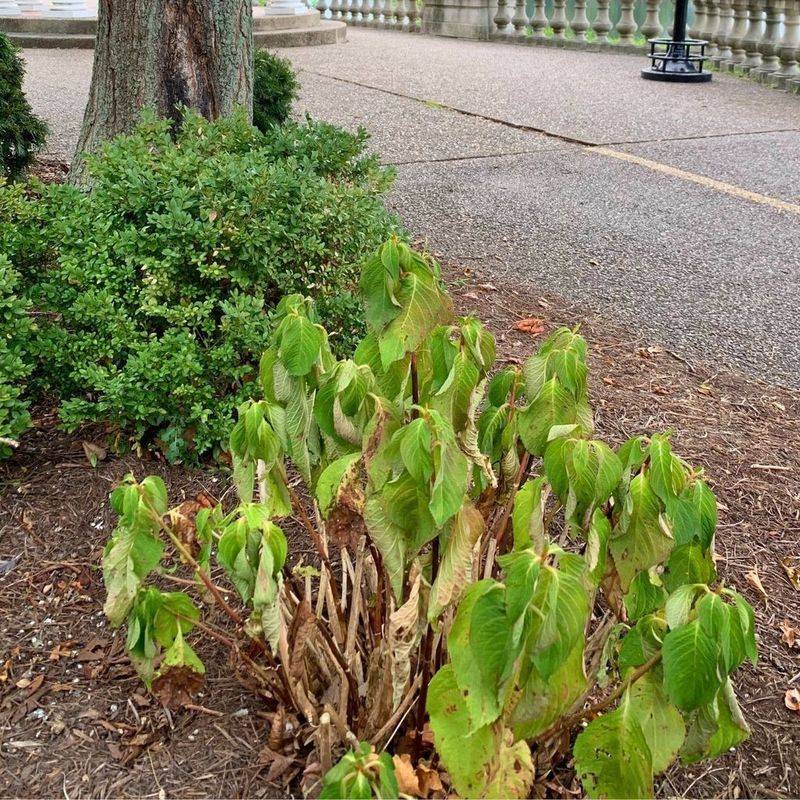
Lush mophead blooms look tempting in nurseries, but hydrangeas face impossible conditions across most Arizona landscapes. These moisture-loving shrubs evolved in humid forests where summer rain arrives regularly and temperatures stay moderate.
Arizona’s combination of intense sun, low humidity, and alkaline soil creates a perfect storm of problems.
Leaf scorch appears within days of planting in full sun, turning edges brown and crispy. Even with shade cloth and frequent watering, hydrangeas struggle to maintain the lush appearance they show in cooler climates.
Water bills skyrocket as these plants demand constant moisture that evaporates almost instantly in Arizona heat.
Alkaline soil prevents hydrangeas from accessing iron and other nutrients, causing yellow leaves with green veins. Acidifying soil requires ongoing amendments that prove expensive and labor-intensive.
Blue flowers that look stunning in acidic regions turn muddy pink or refuse to bloom entirely in Arizona gardens.
High elevation areas around Flagstaff might support hydrangeas with intensive care, but lower desert regions simply run too hot and dry. Reflected heat from walls and pavement compounds stress, causing plants to look terrible by midsummer.
Gardeners waste money replacing hydrangeas repeatedly instead of choosing shrubs naturally suited to Arizona conditions.
7. Azalea Fights Arizona’s Alkaline Soil
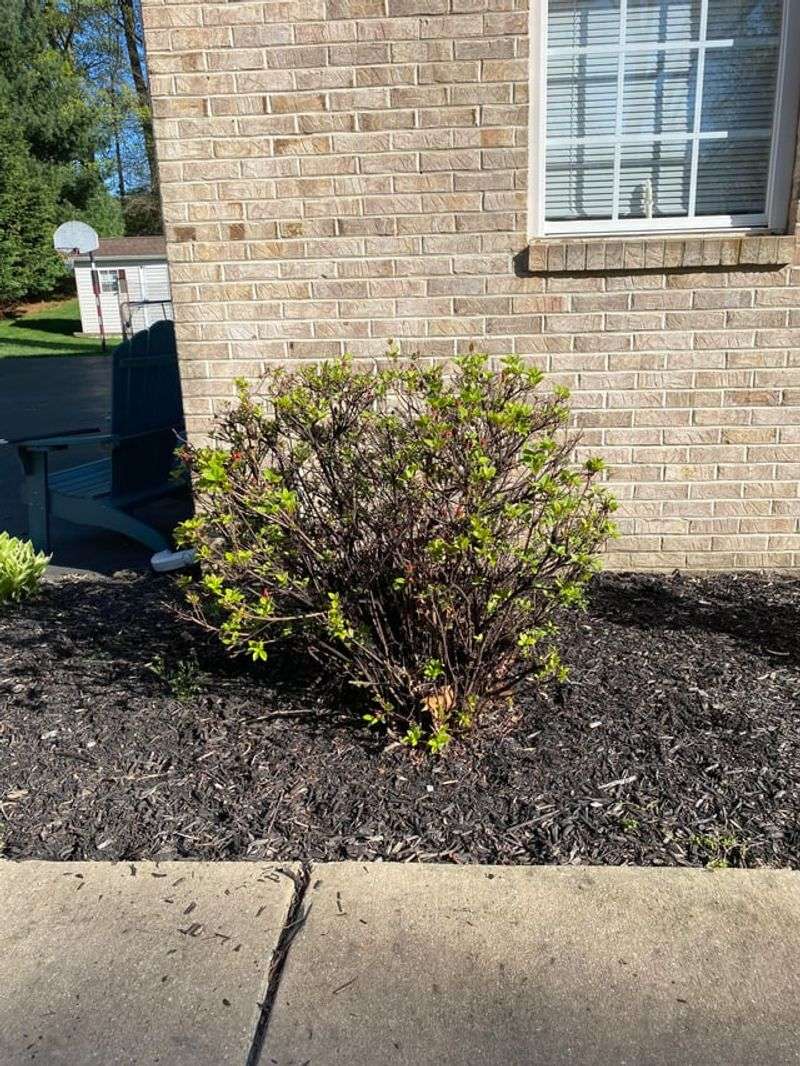
Spectacular spring blooms in other regions never materialize for Arizona gardeners battling alkaline soil. Azaleas require acidic conditions between pH 4.5 and 6.0, while Arizona soil typically tests between 7.5 and 8.5.
This fundamental mismatch creates chronic nutrient deficiency that no amount of fertilizer can fully correct.
Chlorosis appears as bright yellow leaves with dark green veins, signaling iron deficiency caused by high pH. Chelated iron provides temporary relief, but plants quickly return to sickly yellow as alkaline soil locks up nutrients.
Container growing with imported acidic soil mix works briefly until roots reach native ground or salts accumulate from Arizona’s hard water.
Fungal diseases attack stressed azaleas more readily than healthy specimens, adding another layer of difficulty. Root rot develops easily when gardeners overwater trying to compensate for heat stress.
Dry air and intense sun damage flower buds before they open, eliminating the main reason people plant azaleas.
Even when planted in partial shade, reflected heat from walls and gravel pushes temperatures beyond what azaleas can tolerate. Their shallow root systems struggle in compacted desert soil that drains poorly yet dries out quickly on the surface.
Frequent soil amendments become a constant maintenance task rather than a one-time fix.
8. Boxwood Burns Under Reflected Heat
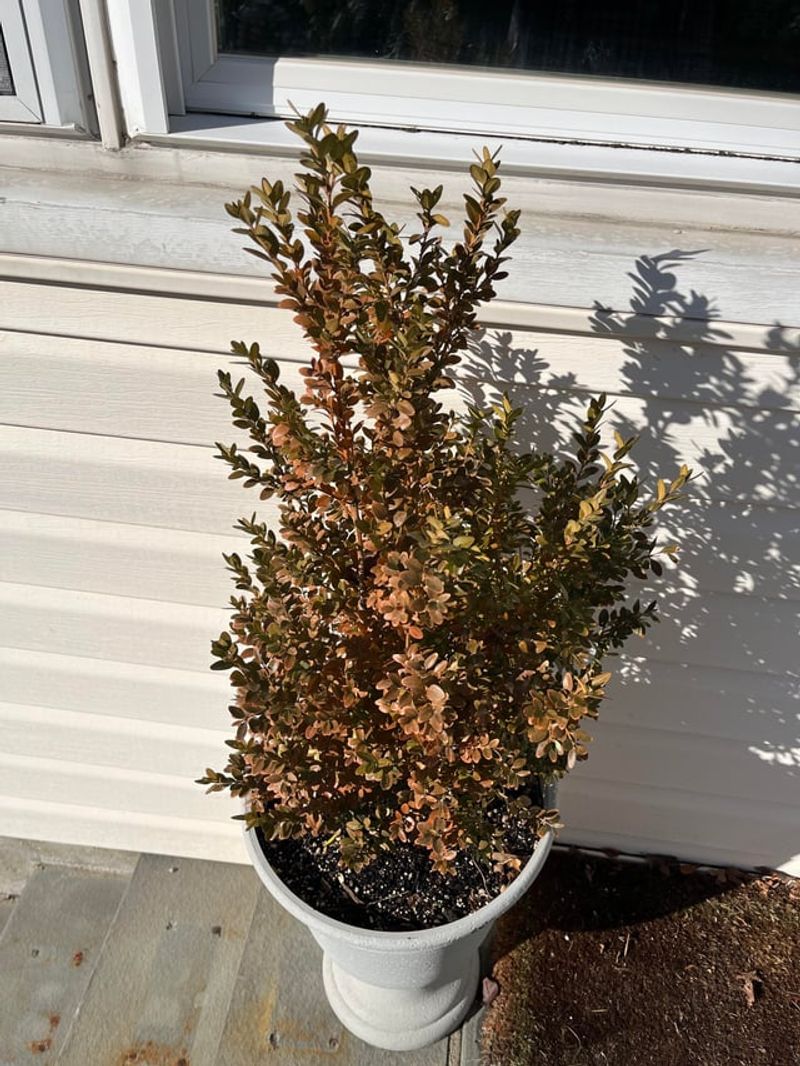
Formal hedges and topiaries turn crispy brown when Arizona sun reflects off walls and windows. Boxwood evolved in temperate forests with filtered light and consistent moisture, making it completely unsuited to desert conditions.
Reflected heat from stucco walls and concrete surfaces creates microclimates that exceed 130 degrees, literally cooking foliage.
Spider mites thrive in hot, dry conditions, attacking stressed boxwood with devastating speed. Infested plants develop stippled yellow leaves that eventually turn brown and drop.
Chemical controls provide temporary relief but mites return quickly in Arizona’s favorable climate for these pests.
Root systems stay shallow and struggle in Arizona’s caliche layers and compacted soil. Competition from established desert trees makes growing boxwood even harder since these shrubs cannot tolerate root zone drought.
Frequent watering keeps soil moist but promotes root diseases in warm soil temperatures.
Pruning to maintain formal shapes requires constant attention as boxwood tries to compensate for heat damage. Brown patches develop where sun exposure hits hardest, ruining the uniform appearance people desire.
Winter cold in higher elevations adds another stress factor that weakens plants further.
By midsummer, leaf scorch spreads from the outer tips inward, leaving entire sections brittle and lifeless. Even strategic shade placement cannot fully counter the blast of afternoon heat that radiates from surrounding surfaces.
Salt accumulation from repeated irrigation slowly damages fine feeder roots, reducing the plant’s ability to absorb water efficiently. Extra feeding may seem helpful, yet it often stimulates weak growth that collapses under extreme temperatures.
9. Lilac Rarely Gets The Chill It Needs
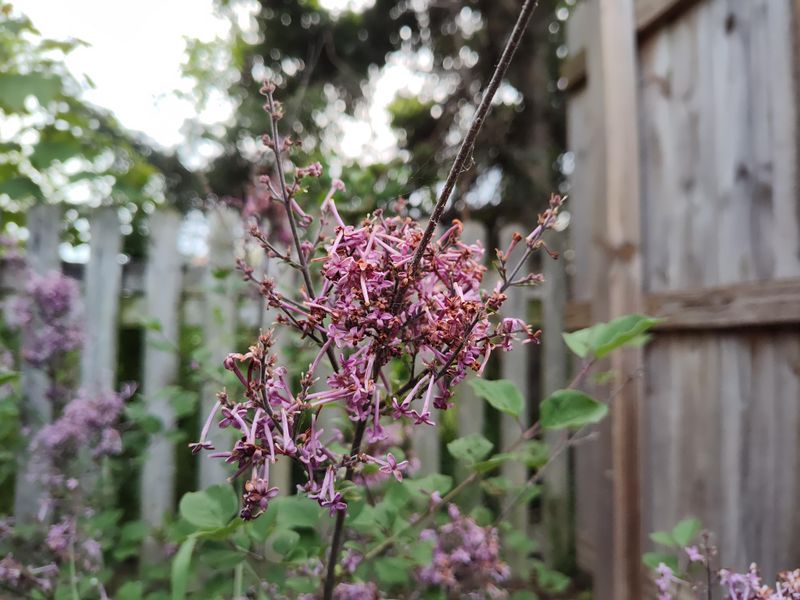
Fragrant purple blooms require hundreds of winter chill hours that most Arizona locations never provide. Lilacs evolved in cold climates where freezing temperatures last for months, triggering proper flower bud development.
Phoenix, Tucson, and other low desert areas simply stay too warm during winter for lilacs to complete their natural cycle.
Plants survive but rarely bloom, leaving gardeners frustrated by green shrubs that never deliver expected fragrance and flowers. Even when occasional blooms appear, they arrive sparse and unimpressive compared to lilacs in suitable climates.
Spending money on plants that cannot perform their signature feature makes no sense for Arizona landscapes.
Heat stress during summer causes leaf drop and branch decline even with regular watering. Lilacs need cool nights and moderate summer temperatures that Arizona cannot provide.
Forcing plants to survive in wrong climates wastes water and creates constant maintenance demands.
Higher elevations around Flagstaff and Prescott accumulate enough chill hours for some lilac varieties, but even there, performance stays inconsistent. Alkaline soil adds another challenge since lilacs prefer neutral to slightly acidic conditions.
Powdery mildew attacks stressed plants, coating leaves with white fungal growth.
Sudden temperature swings between warm winter days and cool nights further confuse bud development and reduce flowering potential.
Repeated stress from heat, poor chill accumulation, and soil imbalance gradually weakens plants until they decline year after year.