The Watering Mistake That Stresses Arizona Desert Trees In June
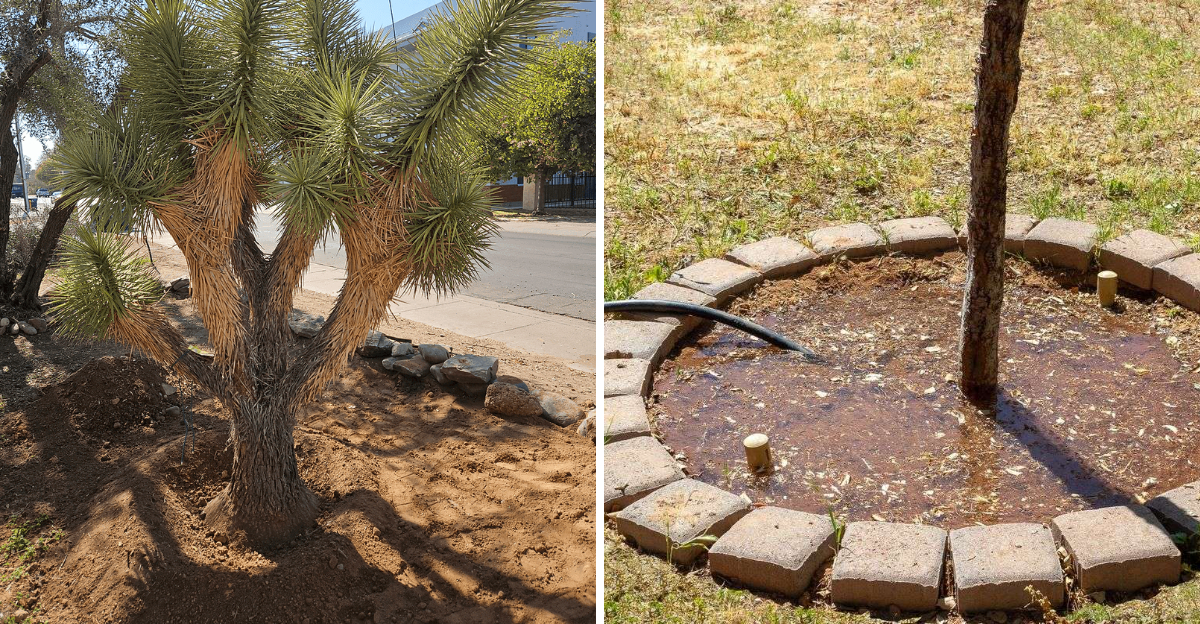
Everything can seem fine until June arrives. Then a desert tree that looked healthy in spring begins showing signs of strain.
Leaves lose their fresh appearance, growth slows, and parts of the canopy may start looking thinner than expected.
Most people respond by adding more water. That sounds like the obvious solution during a stretch of intense heat.
In reality, the problem is not always a lack of water. The way a tree is watered can have just as much impact as the amount it receives.
Arizona summers are demanding from the very beginning. Rising temperatures place extra pressure on roots, making proper watering more important than ever.
One common mistake can create problems that become much easier to spot once June heat takes hold.
1. Frequent Light Watering Encourages Shallow Roots
Watering a little every day feels responsible. It feels like care.
But for desert trees, that habit quietly works against them in ways most people never see.
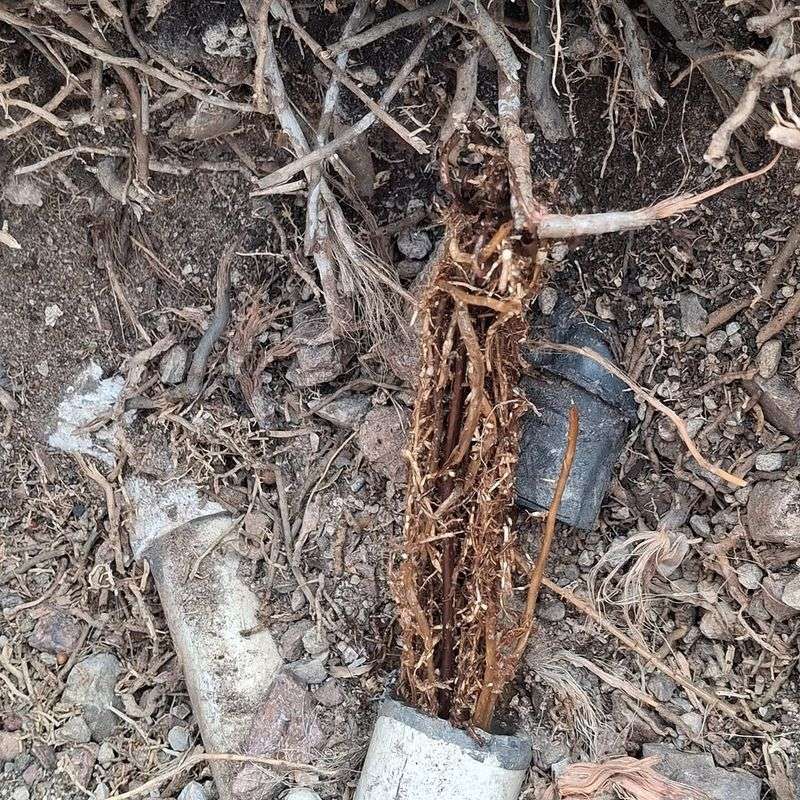
When water only soaks an inch or two into the ground, roots follow it. Roots grow toward moisture.
Short, frequent watering trains roots to stay near the surface because that is where the water consistently shows up.
Over time, the root system becomes wide but very shallow. Shallow roots cannot anchor the tree well.
They also cannot reach the cooler, more stable moisture deeper in the soil profile.
In Phoenix and Tucson, the top few inches of soil can heat up to extreme temperatures by midday in June. Roots sitting in that zone are under constant stress.
They cannot function properly in soil that hot.
Trees with shallow roots also struggle to absorb enough water during peak heat hours. By the time afternoon rolls around, that surface moisture is already gone, either evaporated or used up quickly.
Cutting back watering frequency and soaking deeper each time is a much better approach. Water less often, but let it penetrate further down.
2. Shallow Roots Struggle When June Heat Arrives
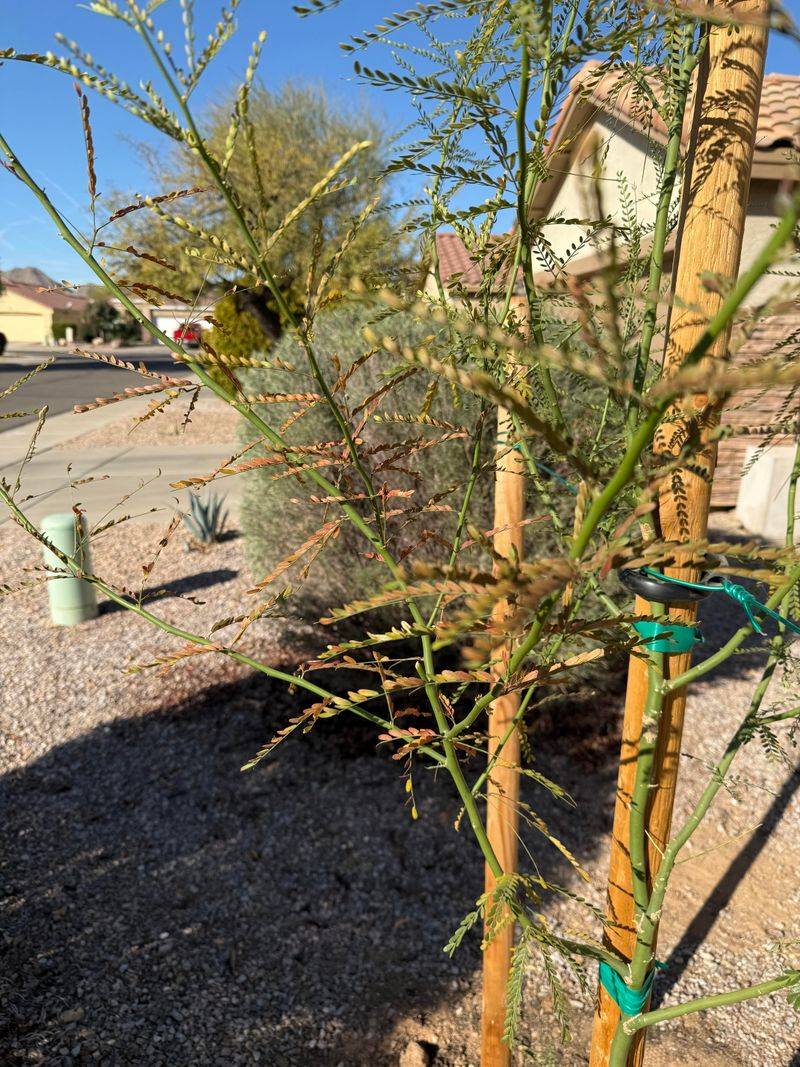
June does not ease into heat gradually. Temperatures spike fast, and the soil surface turns into something close to a skillet by early afternoon.
Shallow roots sit right in that heat zone. Soil temperatures just below the surface can reach levels that damage root tissue and slow water uptake significantly.
A tree trying to pull moisture through damaged roots during a 112-degree day is fighting an uphill battle.
You might notice leaves curling, browning at the edges, or dropping earlier than expected. Those are signs the tree is under real stress, not just a little thirsty.
Shallow roots cannot compensate fast enough when demand is high and conditions are extreme.
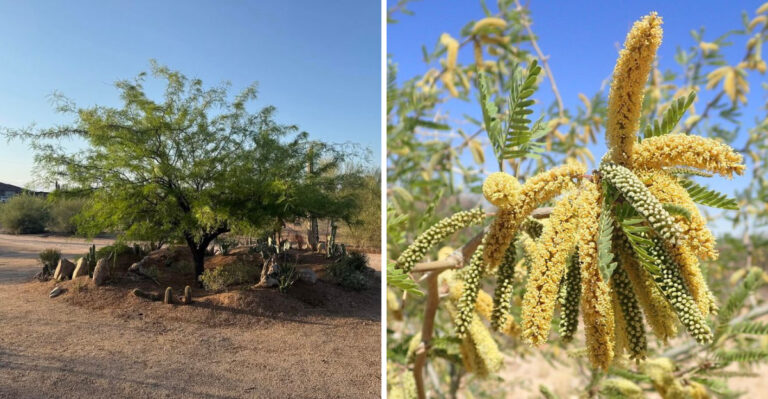
Established desert trees like palo verde, mesquite, and desert willow are tough, but they still rely on functional root systems. When those roots are trapped near the surface, they lose their ability to buffer the tree against heat spikes.
Younger trees are even more vulnerable. A tree planted within the last two or three years has not had enough time to develop deep roots, especially if watering has kept moisture near the top.
Your Arizona Garden Changes Every Week. Your Plan Should Too.
Gardening in Arizona changes quickly throughout the season. Every Friday you’ll receive a simple weekly plan showing exactly what to plant, prune, fertilize, harvest, and protect so you never miss the right timing.
Adjusting your watering depth before peak heat hits gives roots a chance to follow moisture downward.
3. Deep Moisture Helps Trees Reach Water Lower In The Soil
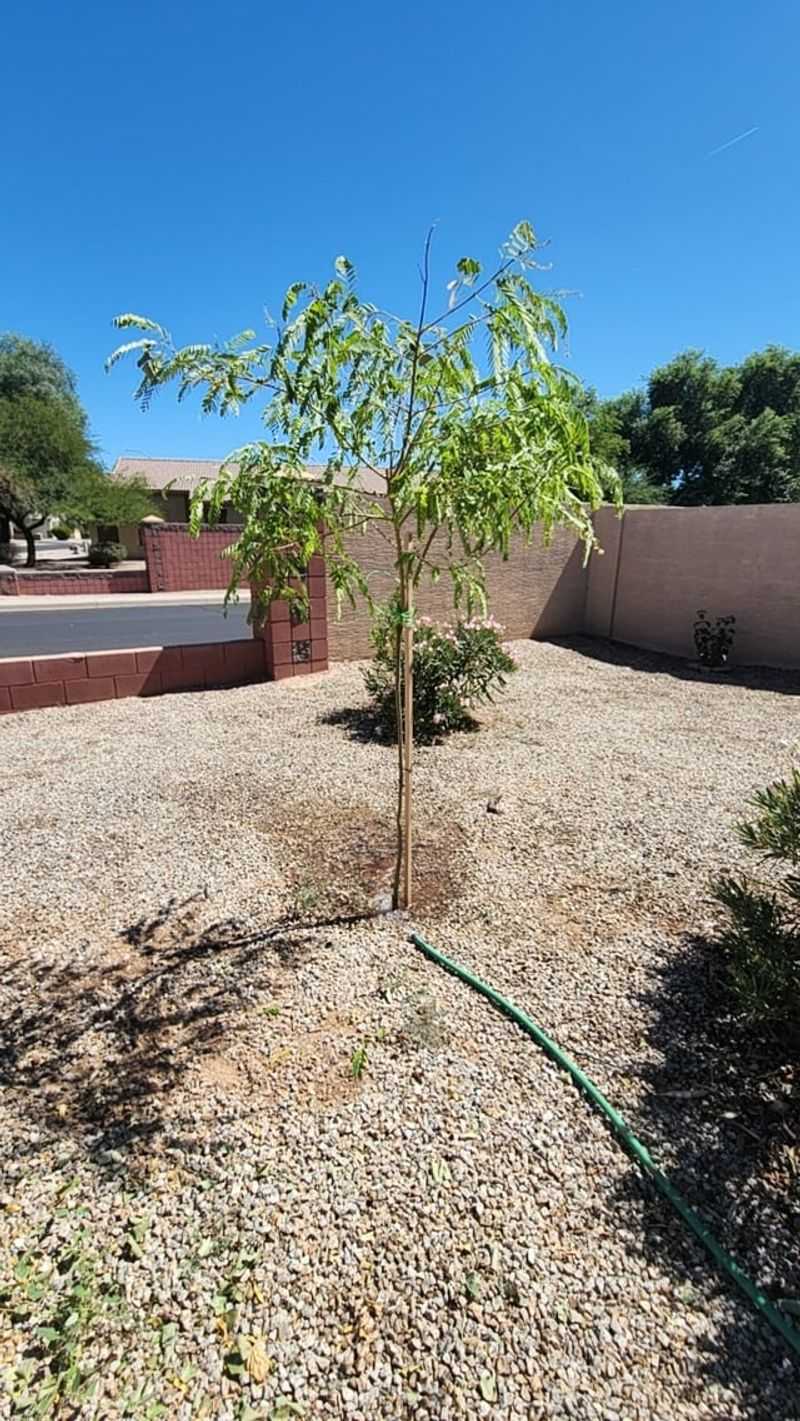
Below the scorched surface of desert soil, moisture often exists at deeper levels. Reaching it requires roots that have had the chance to grow downward, and that only happens with the right watering habits.
Deep watering means applying water slowly enough that it penetrates well below the surface, ideally reaching 18 to 24 inches down for established trees. At that depth, soil temperatures are far more stable.
Roots functioning in cooler soil are more efficient and far less stressed.
A drip system left running for a longer stretch, or a slow hose at the base of the tree, works better than a quick sprinkle. The goal is saturation at depth, not just surface dampening.
Caliche layers, which are common in many parts of the desert Southwest, can complicate deep watering. Water sometimes pools above a caliche layer rather than pushing through.
If your soil has that issue, slower application over more time helps water find cracks and work its way deeper.
Sandy soils drain fast and may need more frequent deep watering compared to clay-heavy soils. Knowing your soil type helps you calibrate how long to water and how often.
4. Surface Moisture Can Create A False Sense Of Security
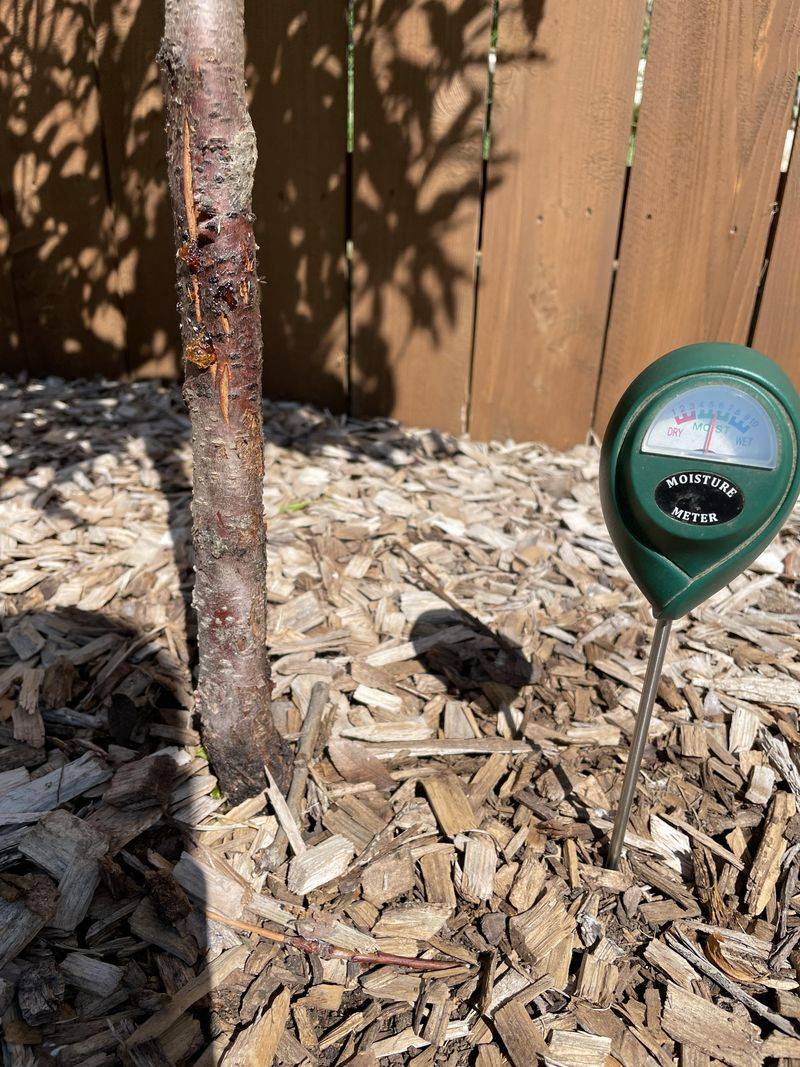
Wet soil on top can be deceiving. You press a finger an inch into the ground, feel dampness, and assume the tree is fine.
That assumption trips up a lot of desert gardeners every summer.
Surface moisture evaporates fast in June heat. What felt wet at 7 a.m. can be bone dry by 10 a.m.
The tree may look adequately watered from the outside, but the root zone further down could be completely dry.
Relying on surface appearance to judge watering needs is one of the most common mistakes made with desert trees. It feels logical, but it does not reflect what is actually happening at root depth.
A simple soil probe, or even a long screwdriver, gives you a much more accurate picture. Push it down 12 to 18 inches near the drip line of the tree.
If it meets hard resistance quickly, the soil is dry well before it should be.
Mulch helps slow surface evaporation and keeps the top layer from drying out instantly. A few inches of wood chip mulch spread around the base of the tree, kept a few inches away from the trunk itself, makes a real difference in moisture retention.
5. Larger Trees Need Water Beyond The Trunk Area
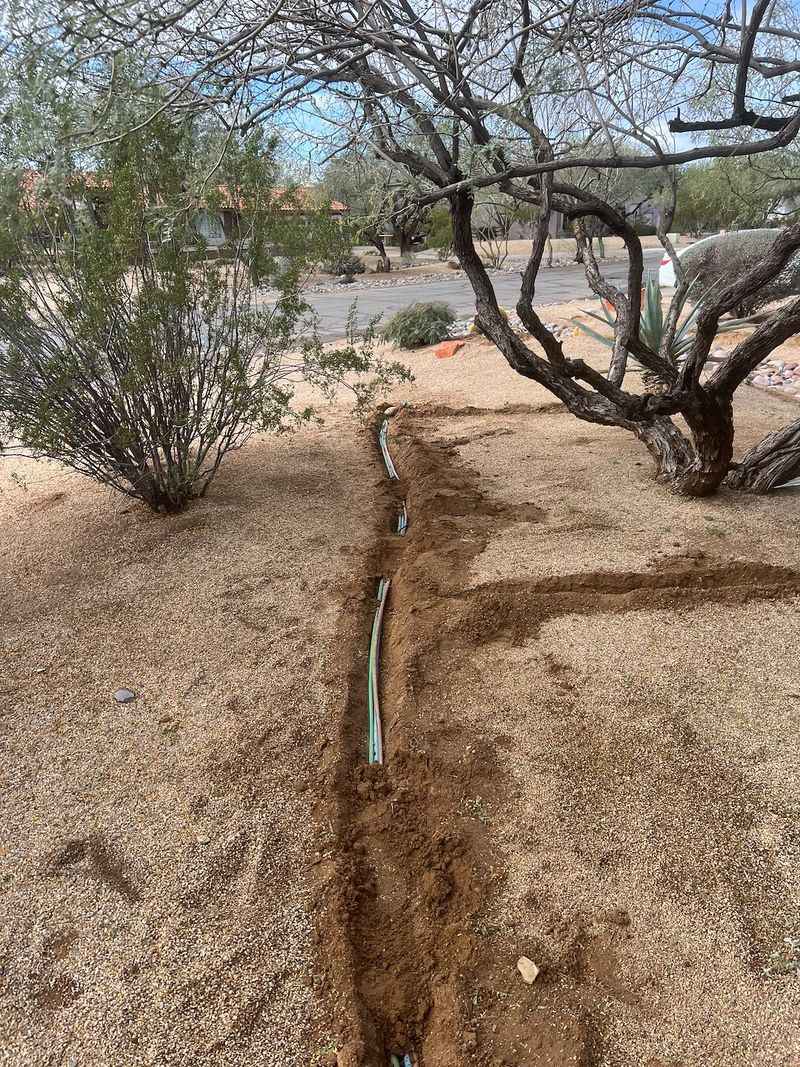
Watering right at the trunk of a large tree misses most of the root system entirely. Roots spread outward, often well beyond the canopy edge.
That outer zone is where the majority of water-absorbing roots actually live.
Small feeder roots near the drip line, the outer edge of the tree canopy, are the most active water collectors. Soaking only the area near the trunk sends water to a zone where roots are fewer and less efficient at uptake.
For a mature mesquite or ironwood tree, the canopy might spread 20 feet or more. The effective watering zone extends at least to that edge, and sometimes a few feet beyond it.
Moving drip emitters outward as a tree grows is something many homeowners overlook. An emitter placement that worked when the tree was young may be far too close to the trunk once the tree matures.
Roots have extended, but the water source has not followed.
Spreading multiple emitters around the outer root zone, rather than clustering them near the base, gives the tree far better coverage. Even a simple adjustment can improve water uptake noticeably during peak summer stress.
Hand watering around the full drip line with a slow trickle from a hose is another option for homeowners without an adjustable drip system.
6. Dry Soil Below The Surface Often Goes Unnoticed
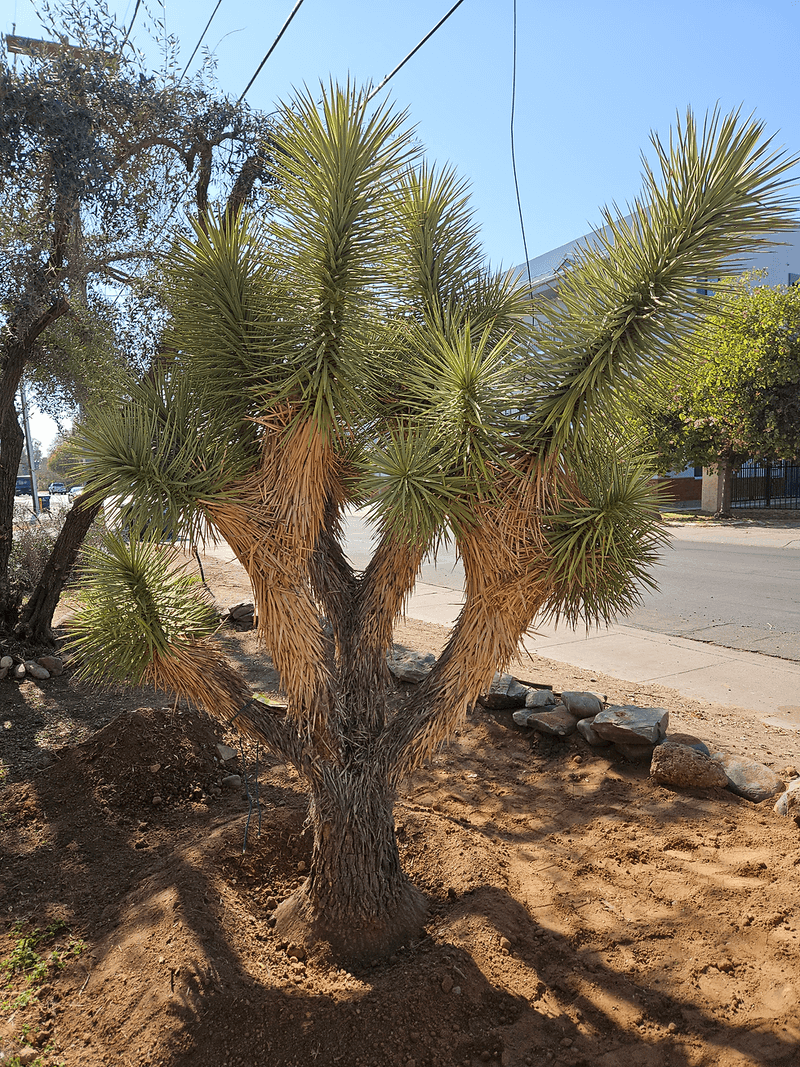
Dry soil at depth is an invisible problem. Nothing on the surface signals it.
The tree might look fine for weeks before stress symptoms actually appear.
By the time leaves show signs of trouble in June, the root zone has often been dry for a while. Stress symptoms lag behind the actual problem.
A tree showing leaf scorch or early drop in mid-June may have had inadequate deep soil moisture since May.
That delay makes it easy to misread the situation. You see a problem in June and assume it started in June.
Often, it started earlier and simply took time to show up visually.
Checking soil moisture below the surface at least once a month during spring and early summer helps catch dry zones before they affect the tree.
A soil probe, a long screwdriver, or even a piece of rebar pushed into the ground gives a quick read on how far moisture has actually penetrated.
Dry, compacted soil also resists water absorption. When water hits compacted ground, it tends to run sideways rather than down.
Breaking up the soil surface lightly before watering, or using a slow drip rate, encourages better downward penetration.
7. A Deep Watering Schedule Supports Stronger Root Systems
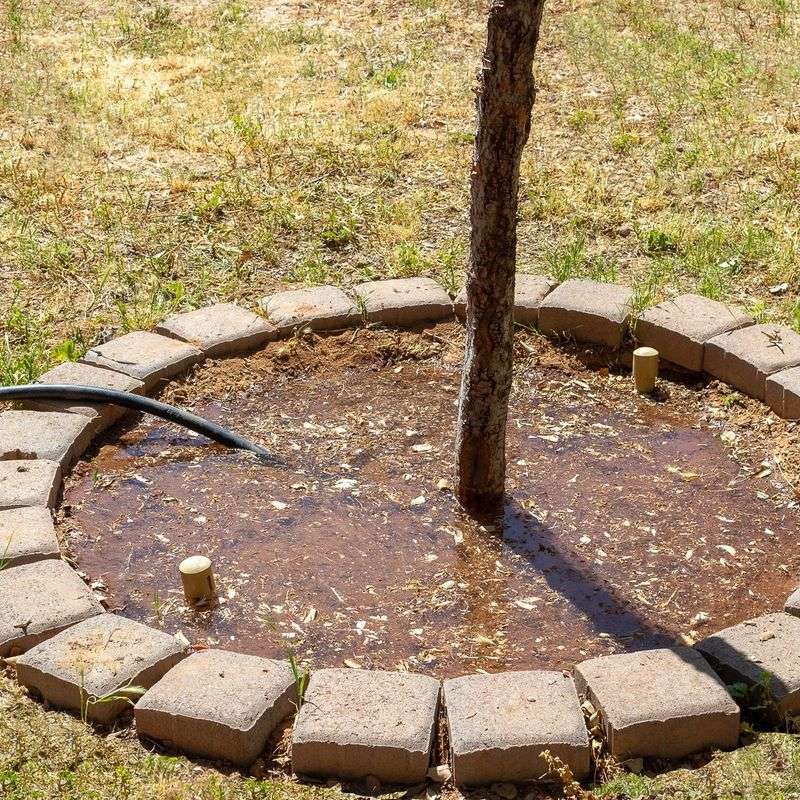
Consistency matters more than frequency when it comes to deep watering. A reliable schedule that delivers water slowly and thoroughly does far more for desert trees than daily light sprinkles.
For most established desert trees in summer, deep watering every one to two weeks is a reasonable starting point. Soil type, tree size, and sun exposure all affect that timing.
Sandy soil may need the shorter end of that range. Dense clay soil holds moisture longer and may allow more time between sessions.
Watering in the early morning keeps evaporation low. Water applied before temperatures climb has more time to soak in before the surface bakes dry.
Evening watering works too, though it can occasionally encourage fungal issues in certain soil conditions.
Running a drip system for a longer duration at a lower flow rate outperforms a high-flow system run briefly. Slow application gives water time to move downward rather than running off across the surface.
Tracking your watering schedule on a simple calendar or phone reminder removes the guesswork. It is easy to lose track of when you last watered during a busy week, especially in summer when schedules shift.
Mulching around the base of trees, out to the drip line, helps retain moisture between watering sessions.