These 8 Easy Plants Make Pennsylvania Gardens Look Fuller Fast
Every gardener loves that lush, packed look where beds feel alive with color, texture, and greenery, but waiting for plants to fill in can test anyone’s patience.
In Pennsylvania, changing weather and a relatively short growing season make quick results even more appealing.
The good news is that some plants are natural overachievers, growing fast, spreading nicely, and creating a fuller garden without years of waiting.
These reliable growers can soften empty spaces, hide bare patches, and bring instant life to borders, beds, and containers.
Many also handle Pennsylvania’s shifting conditions with ease, bouncing back from cool springs and powering through warm summers. With the right choices, your garden can look vibrant, layered, and well established much sooner than you might expect.
A few smart additions can transform a sparse landscape into a rich, eye catching space that feels complete, colorful, and welcoming throughout the growing season with minimal effort required.
1. Black-Eyed Susans Brighten Gardens Year After Year
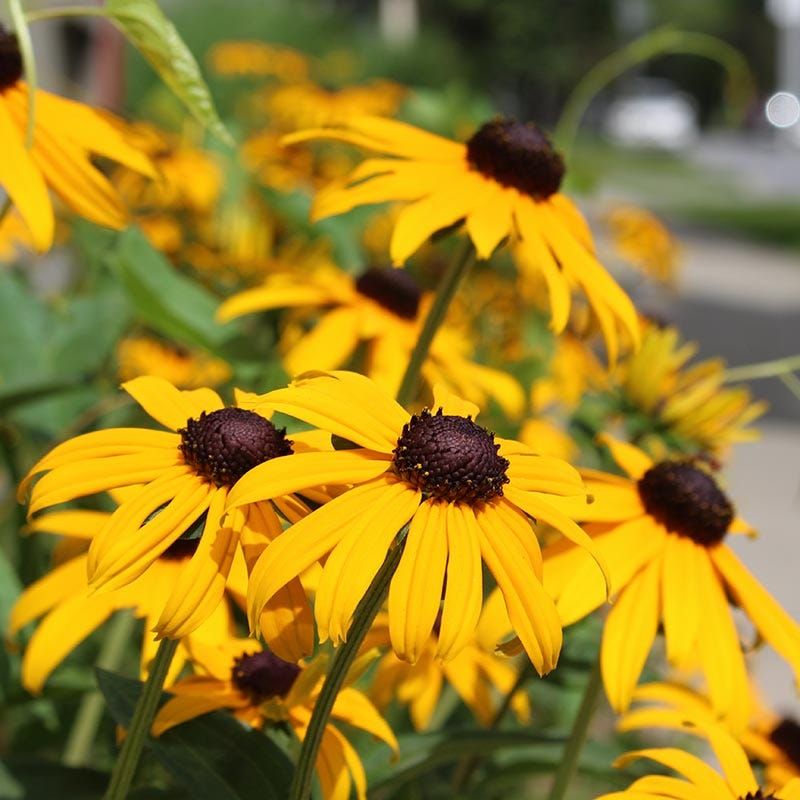
Bright yellow petals with dark centers make Black-Eyed Susans one of Pennsylvania’s most cheerful native wildflowers.
These tough perennials spread naturally through gardens without becoming invasive. They bloom from June through September, providing months of continuous color.
Pennsylvania’s soil conditions suit these flowers perfectly since they tolerate both clay and sandy ground. You can plant them in spring or fall with minimal preparation. Water them regularly during their first season, then they become quite drought-tolerant.
Their height ranges from two to three feet, creating nice mid-level garden layers. Butterflies and bees visit these flowers constantly throughout summer months. Deer typically avoid eating them, which helps in rural Pennsylvania areas.
Black-Eyed Susans self-seed readily, meaning new plants appear each year without replanting. This natural spreading helps fill garden gaps quickly.
Divide established clumps every three years to maintain vigor and create more plants for other areas.
These flowers look stunning when planted in groups of five or more. Mix them with ornamental grasses for a natural prairie-style garden. They also make excellent cut flowers that last over a week in vases indoors.
2. Hostas Fill Shady Spots With Lush Foliage
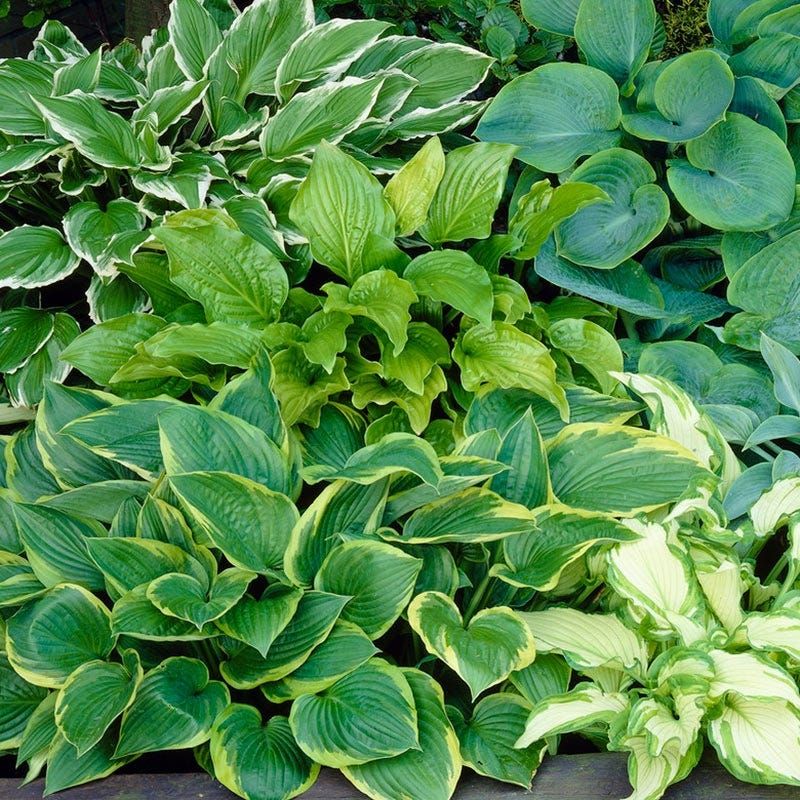
Shade gardening becomes simple when you choose hostas for those difficult spots under trees.
Their large leaves come in dozens of color combinations including green, blue, gold, and variegated patterns. Some varieties grow just six inches tall while others reach four feet across.
Pennsylvania’s climate provides ideal growing conditions since hostas prefer cool, moist environments. Plant them in spring after the last frost passes.
They establish quickly and spread steadily each season, doubling in size within two to three years.
These perennials need minimal care once established in the ground. Water during dry spells and apply mulch around plants to retain moisture.
Slugs sometimes bother hostas, but spreading crushed eggshells around plants discourages them naturally.
Their flowers appear on tall stalks during summer, attracting hummingbirds to Pennsylvania gardens. Most gardeners grow hostas primarily for foliage rather than blooms. The leaves provide texture and color from spring through fall.
Your Pennsylvania Garden Changes Every Week. Your Plan Should Too.
Gardening in Pennsylvania changes quickly throughout the season. Every Friday you’ll receive a simple weekly plan showing exactly what to plant, prune, fertilize, harvest, and protect so you never miss the right timing.
Divide mature hostas every four to five years to create new plants. This division helps maintain plant health and gives you extras for other garden areas.
Hostas pair beautifully with ferns, astilbe, and other shade-loving plants throughout the Keystone State.
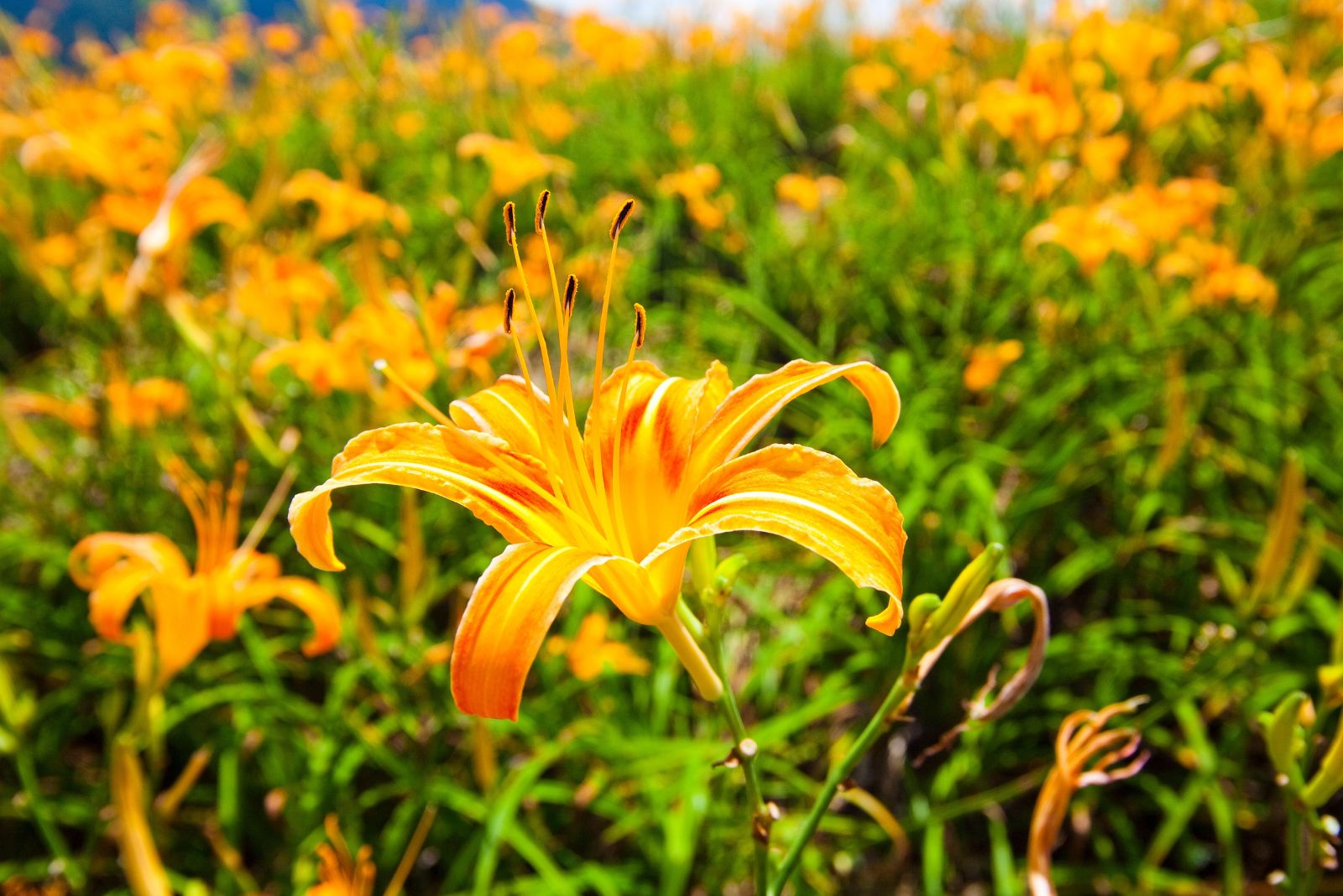
3. Daylilies Thrive With Almost No Attention
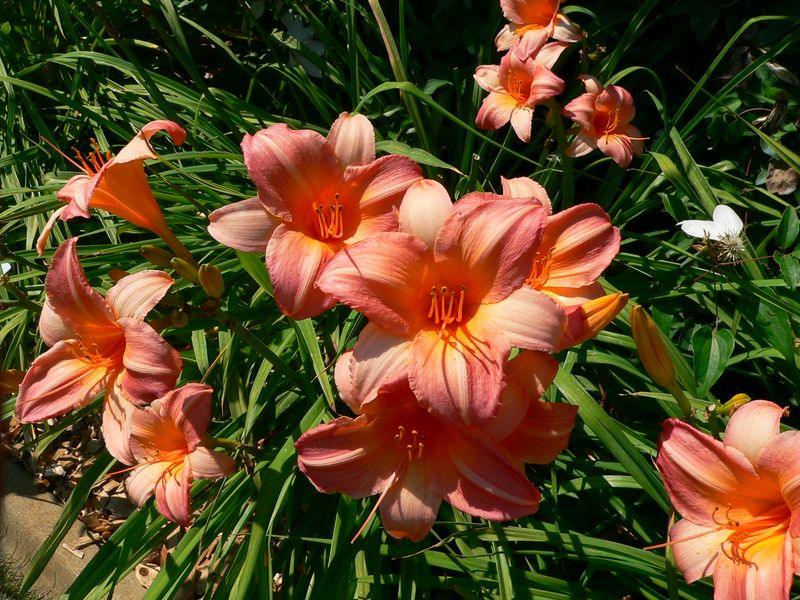
Forget fussy plants that demand constant attention. Daylilies grow vigorously in Pennsylvania gardens with practically zero maintenance required.
Each flower lasts just one day, but plants produce dozens of buds that keep blooming for weeks.
Colors range from pale yellow to deep burgundy, with many bi-color options available. Plant them anywhere from full sun to partial shade. They adapt to various soil types found across Pennsylvania without complaint.
Established daylilies tolerate drought remarkably well during hot summers. Their thick roots store water and nutrients efficiently. Divide clumps every three to four years when centers start looking sparse.
These perennials multiply quickly, forming dense clumps that crowd out weeds naturally. Their grass-like foliage looks attractive even when flowers finish blooming. Most varieties grow two to three feet tall, perfect for middle garden rows.
Pennsylvania gardeners appreciate how daylilies handle temperature fluctuations without damage. They survive harsh winters and bounce back strongly each spring. Deer occasionally nibble flower buds but rarely cause serious harm to established plants.
Planting different varieties extends bloom time from May through September. Mix early, mid-season, and late bloomers for continuous color.
Daylilies also work wonderfully along property borders or driveway edges where you want fast-filling, low-maintenance beauty.
4. Sedum Groundcover Spreads Across Bare Areas
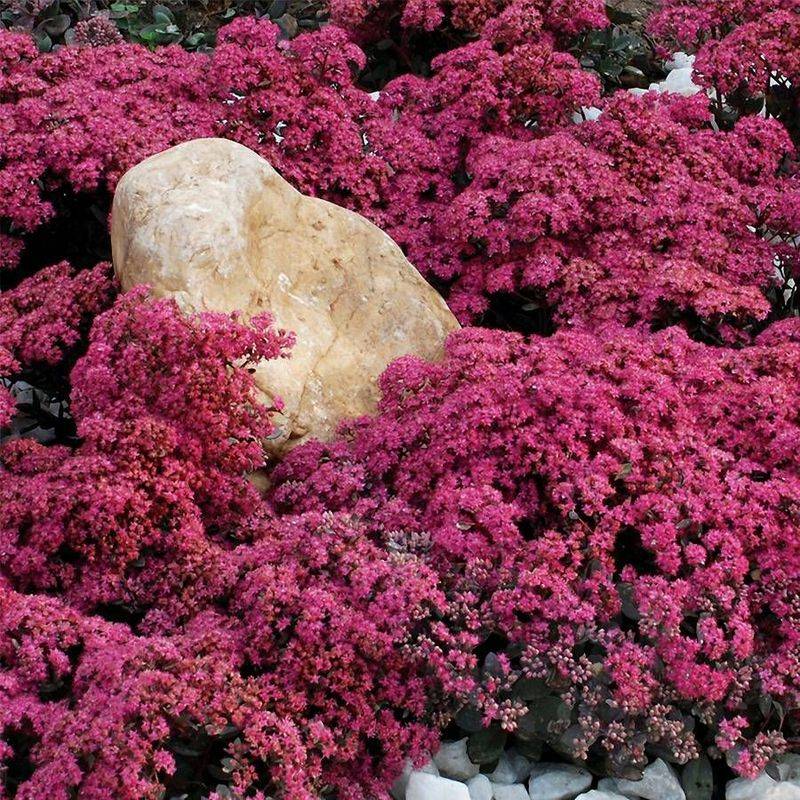
Watch bare ground transform into a thick carpet of color when you plant sedum varieties. These succulent groundcovers spread horizontally rather than growing tall.
Their fleshy leaves store water, making them extremely drought-resistant once established.
Pennsylvania gardens benefit from sedum’s ability to thrive in poor soil conditions. Rocky areas, slopes, and spots where other plants struggle become sedum showcases. Plant small plugs in spring and watch them expand rapidly throughout the growing season.
Many sedum types stay green year-round, even under Pennsylvania snow. Others turn bronze or red during fall months, adding seasonal interest. Their star-shaped flowers attract beneficial insects and butterflies during late summer.
These plants require no fertilizer and minimal watering after their first year. Simply weed around them occasionally until they fill in completely. Sedum tolerates foot traffic reasonably well, though it’s not meant for high-traffic paths.
Propagating sedum couldn’t be easier. Break off small pieces and press them into soil where you want new plants. They root quickly without special treatment or rooting hormones.
Combine different sedum varieties for textural interest throughout Pennsylvania landscapes. Green, blue-gray, and burgundy foliage colors create living tapestries.
Use them between stepping stones, along borders, or cascading over retaining walls for fast, full coverage.
5. Russian Sage Creates Airy Purple Clouds
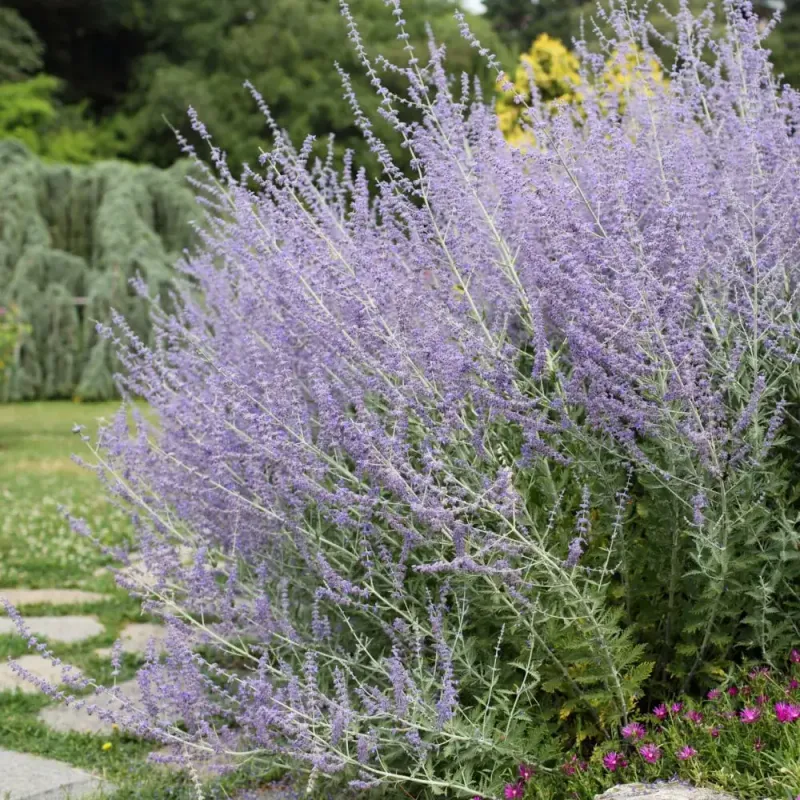
Silvery foliage topped with lavender-blue flowers gives Russian sage an ethereal quality in Pennsylvania gardens. This woody perennial grows three to four feet tall and equally wide. Its aromatic leaves smell pleasant when brushed against.
Full sun and well-drained soil keep Russian sage happy throughout the growing season. Pennsylvania’s summer heat doesn’t bother this tough plant at all.
Once established, it handles drought conditions better than most other flowering perennials.
Butterflies, bees, and hummingbirds visit Russian sage flowers constantly from June through September. The long bloom period provides nectar when many other plants finish flowering.
Deer and rabbits avoid this plant due to its strong scent. Cut stems back to about six inches in early spring before new growth emerges.
This pruning keeps plants compact and encourages bushier growth. Without annual trimming, Russian sage becomes leggy and flops over.
The plant’s fine texture contrasts beautifully with bold-leaved hostas or large ornamental grasses.
Its purple-blue flowers complement yellow coneflowers and orange daylilies perfectly. Use Russian sage as a specimen plant or in groups for maximum visual impact.
Pennsylvania gardeners love how quickly Russian sage fills spaces and requires almost no care. It rarely suffers from diseases or pest problems. This reliable performer returns faithfully each spring throughout the Keystone State.
6. Catmint Borders Gardens With Purple Waves
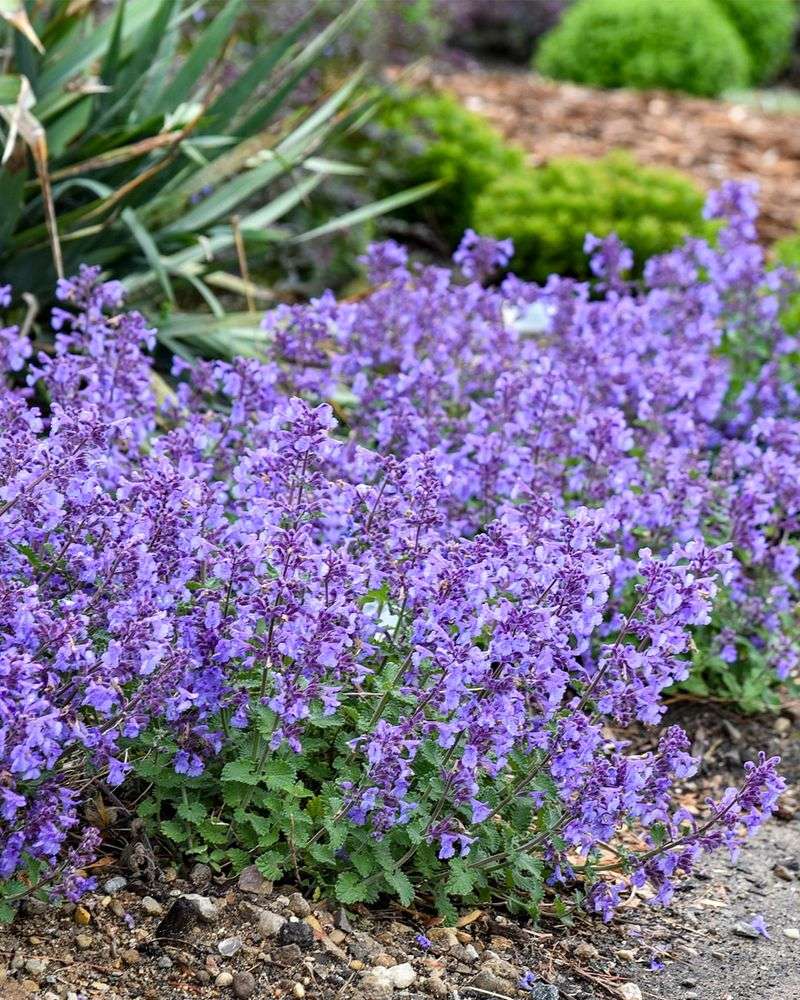
Soft gray-green leaves and waves of tiny purple-blue flowers make catmint a Pennsylvania garden favorite. This perennial forms neat mounds about two feet tall and wide. Its minty fragrance keeps deer away while attracting beneficial pollinators.
Plant catmint along walkways or garden edges where its billowing form softens hard lines. It thrives in full sun with average soil drainage.
Pennsylvania’s climate suits catmint perfectly since it tolerates both heat and cold without problems.
Blooming begins in late spring and continues through early fall with proper deadheading. Shear plants back by one-third after the first flush of flowers fades. This trimming encourages fresh foliage growth and a second round of blooms.
Catmint spreads moderately but never becomes invasive like some mint family members. It fills spaces steadily without overtaking neighboring plants. Divide clumps every three to four years to maintain vigor and create additional plants.
Bees absolutely adore catmint flowers, buzzing around them from dawn until dusk. The long bloom season provides consistent nectar sources. Butterflies also visit frequently, adding movement and life to Pennsylvania gardens.
This drought-tolerant perennial needs minimal watering once roots establish. It handles clay soil better than many other flowering plants.
Pair catmint with roses, where it hides bare rose stems while providing complementary purple flowers.
7. Ornamental Grasses Add Height And Movement
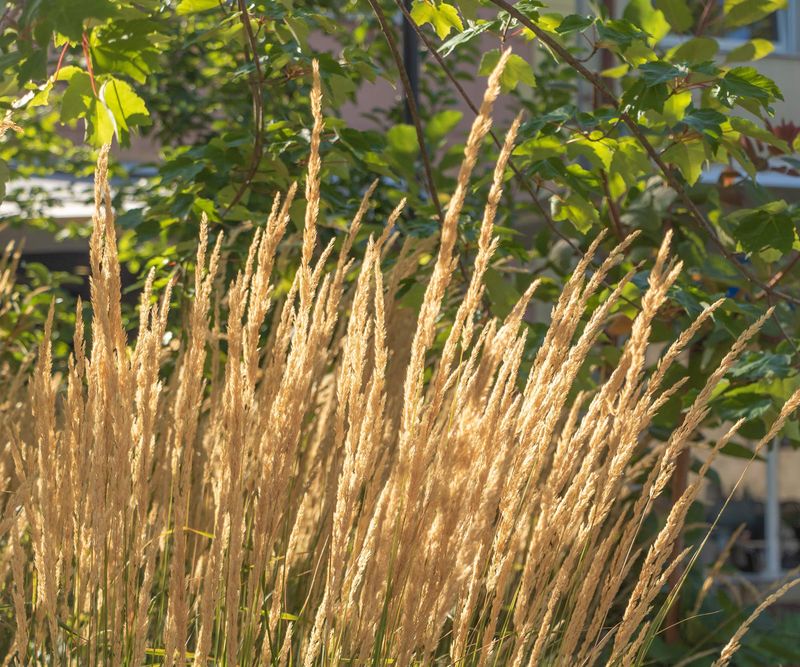
Graceful movement and year-round interest make ornamental grasses essential for Pennsylvania gardens. Varieties like Karl Foerster feather reed grass and maiden grass grow quickly, reaching four to six feet tall.
Their vertical form contrasts nicely with mounding perennials. Plant ornamental grasses in spring for best establishment results.
They tolerate Pennsylvania’s clay soil and adapt to various light conditions. Most varieties prefer full sun but handle partial shade reasonably well.
These grasses require almost no maintenance beyond an annual spring haircut. Cut old foliage down to about six inches before new growth begins. Leave seed heads standing through winter for visual interest and bird food.
Grasses fill spaces rapidly, often reaching full size within two growing seasons. Their dense root systems prevent soil erosion on slopes. They also create natural privacy screens when planted in rows.
Feathery plumes appear in late summer, adding texture and movement to Pennsylvania landscapes. Plumes start out colorful, then fade to tan shades that persist through winter. Snow and frost coat the seed heads beautifully during cold months.
Ornamental grasses pair wonderfully with fall-blooming perennials like asters and sedums. Their fine texture balances bold flowers perfectly.
Use them as backdrops for shorter plants or as standalone focal points in garden beds throughout the Keystone State.
8. Coreopsis Spreads Sunshine Through Gardens
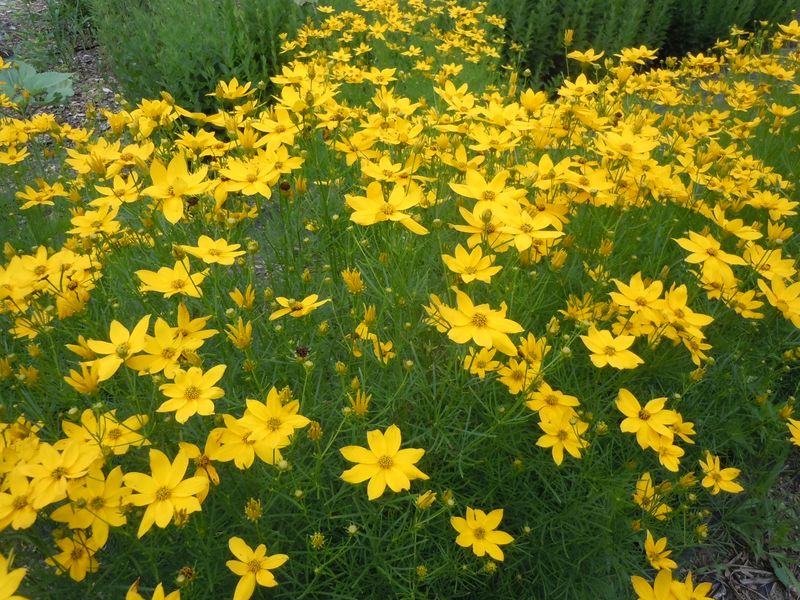
Cheerful yellow flowers resembling small daisies cover coreopsis plants from early summer through fall.
This native Pennsylvania perennial self-seeds generously, creating natural drifts of color. Plants grow one to two feet tall with delicate, fine-textured foliage.
Full sun and good drainage keep coreopsis blooming prolifically throughout the season. It tolerates poor soil better than most flowering perennials.
Pennsylvania gardeners appreciate how this tough plant handles heat, humidity, and occasional drought without complaint.
Deadheading spent flowers encourages continuous blooming but isn’t strictly necessary. Plants produce so many buds that removing old blooms becomes time-consuming. Let some flowers go to seed for natural reseeding and to feed songbirds.
Butterflies visit coreopsis constantly during daylight hours, especially small skippers and sulphurs. Goldfinches perch on dried seed heads in autumn, eating seeds enthusiastically. This wildlife value adds extra appeal to Pennsylvania gardens.
Coreopsis spreads through self-seeding rather than aggressive roots, making it easy to control. Simply pull unwanted seedlings when they appear in spring. Divide established clumps every three years to maintain flowering vigor.
Mix coreopsis with purple coneflowers and black-eyed Susans for a native plant combination that thrives statewide. These three plants share similar growing requirements and bloom times.
Together they create low-maintenance gardens that look full and vibrant throughout Pennsylvania’s growing season.