Why Florida Gardeners Are Planting More Coontie In 2026
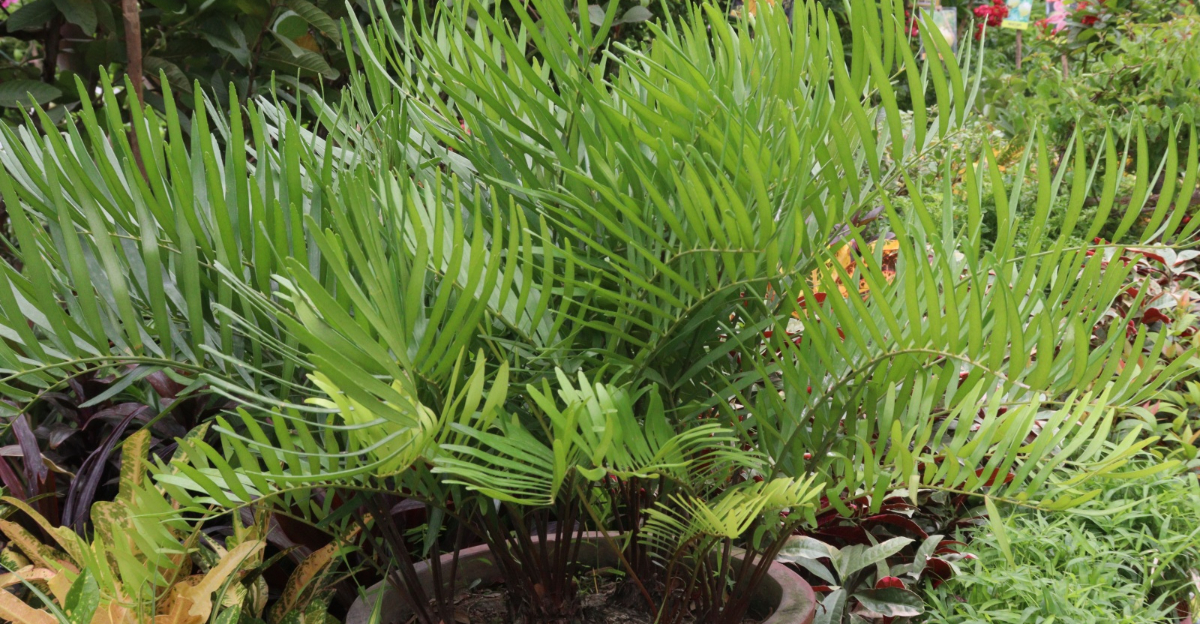
Florida gardeners chase smarter landscapes in 2026, and one quiet native suddenly headlines the movement. Interest surges across neighborhoods, nurseries, and design circles as growers rediscover a plant long woven into Florida’s natural story.
Its presence signals a shift toward tougher, climate ready yards that demand less and give more. Lawns shrink, native beds expand, and this rising favorite fits perfectly into the new vision of sustainable beauty.
Social media buzz, local plant sales, and word of mouth push its popularity even higher. Gardeners praise its reliability, designers admire its form, and nature lovers celebrate its role in rebuilding healthier outdoor spaces.
The excitement grows season by season as more landscapes feature this once overlooked native. Florida yards enter a new era shaped by resilience, simplicity, and ecological pride, led by a plant that captures the spirit of modern native gardening.
1. Built For Floridas Heat And Sandy Soil
Florida summers are brutal in a way that humbles even experienced gardeners. Temperatures regularly push past 95 degrees, the humidity is relentless, and the sandy soil drains so fast that most ornamental plants struggle to get established without constant attention.
Coontie handles all of that without complaint.
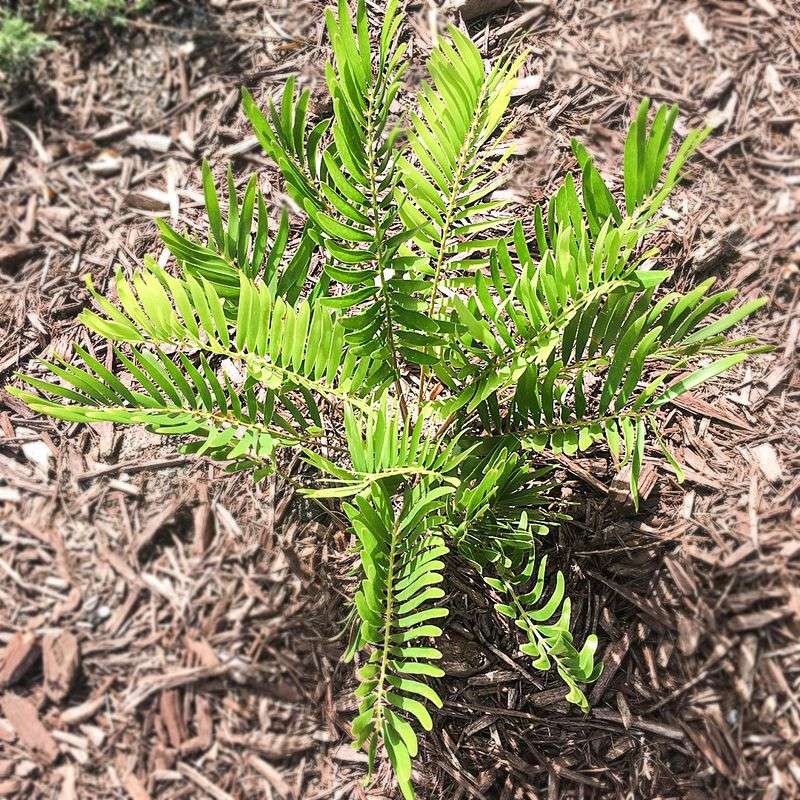
Native to Florida and parts of the Caribbean, coontie has evolved over thousands of years in exactly these conditions. Its thick underground stem and root system anchor it firmly in loose, sandy soil and allows it to pull moisture and nutrients even when the surface dries out quickly after rain.
According to University of Florida IFAS Extension, coontie grows naturally in sandy, well-drained soils across the state, from scrub habitats in Central Florida to coastal woodlands along both coasts.
Many ornamental shrubs introduced from other regions simply cannot handle Florida’s combination of intense heat, acidic sandy soil, and alternating wet and dry cycles. Coontie was shaped by those very conditions.
Gardeners who have struggled to keep Asian or tropical ornamentals looking decent through a Florida summer often find that switching to coontie removes that frustration entirely. It settles in, grows steadily, and holds its deep green color even when neighboring plants look exhausted by August.
2. A Native That Thrives With Little Water
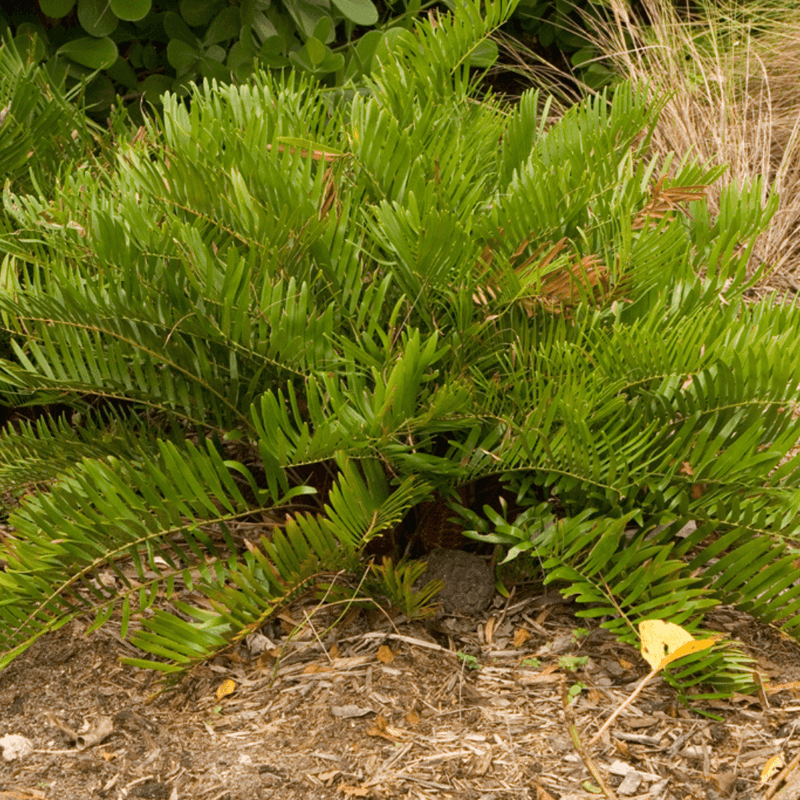
Water-wise landscaping has moved from a nice idea to a practical necessity across much of Florida. Many counties now enforce irrigation restrictions, and the cost of keeping thirsty ornamental shrubs alive through dry season adds up fast.
Coontie sidesteps that problem almost entirely once it gets established.
After its first growing season, coontie is considered highly drought tolerant by the University of Florida IFAS Extension. Its thick underground stem, called a caudex, stores water and energy much like a succulent, allowing the plant to stay healthy and green through extended dry periods without supplemental watering.
That storage system is part of what made coontie so resilient across Florida’s natural scrub and hammock habitats for centuries.
Florida gardeners planting coontie in xeriscape designs are finding that it pairs beautifully with other drought-adapted natives like saw palmetto, beautyberry, and gopher apple. Together these plants create a landscape that looks intentional and lush while using a fraction of the water demanded by conventional ornamental beds.
Your Florida Garden Changes Every Week. Your Plan Should Too.
Gardening in Florida changes quickly throughout the season. Every Friday you’ll receive a simple weekly plan showing exactly what to plant, prune, fertilize, harvest, and protect so you never miss the right timing.
For anyone trying to reduce their irrigation bill or simply plant smarter in a warming Florida climate, coontie delivers reliable performance season after season without the stress of watching plants wilt through a dry spring.
3. The Go To Plant For Low Maintenance Landscapes
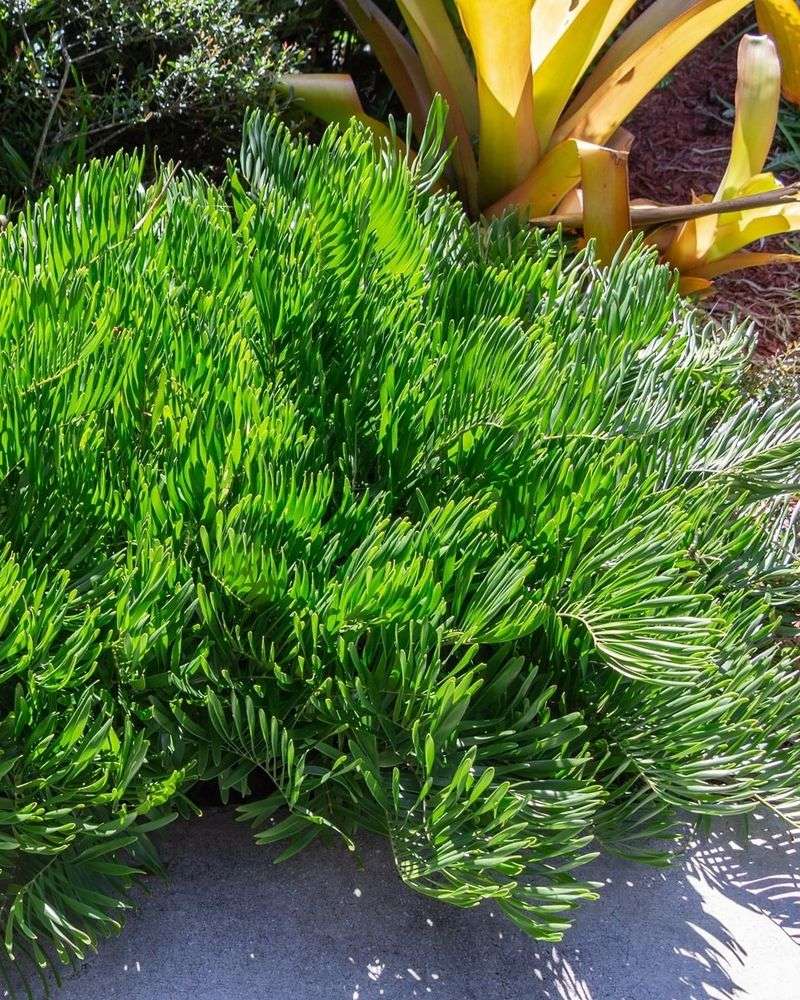
Ask most Florida homeowners what they really want from their landscape and the answer is usually the same. They want it to look good without demanding hours of weekend work.
Coontie is genuinely one of the easiest plants to maintain in a Florida yard, and that reputation is a big reason its popularity keeps growing.
Slow by nature, coontie rarely needs pruning. It grows at a measured pace, staying naturally compact without the aggressive spreading that forces homeowners to constantly reshape other shrubs.
Pest pressure is minimal as well. Coontie is not targeted by most common Florida landscape pests, and it has no serious disease problems when planted in appropriate conditions with reasonable drainage.
The Florida Native Plant Society notes that once established, coontie essentially manages itself. Old fronds can be removed if they look tired, but even that step is optional rather than urgent.
For busy families, rental property owners, or anyone who simply wants a landscape that holds its shape and color through the long Florida growing season without constant input, coontie is a genuinely practical solution. It does not demand fertilizer, it does not need weekly trimming, and it does not fall apart during the first summer heat wave.
That kind of reliability is hard to find.
4. A Lifeline For The Rare Atala Butterfly
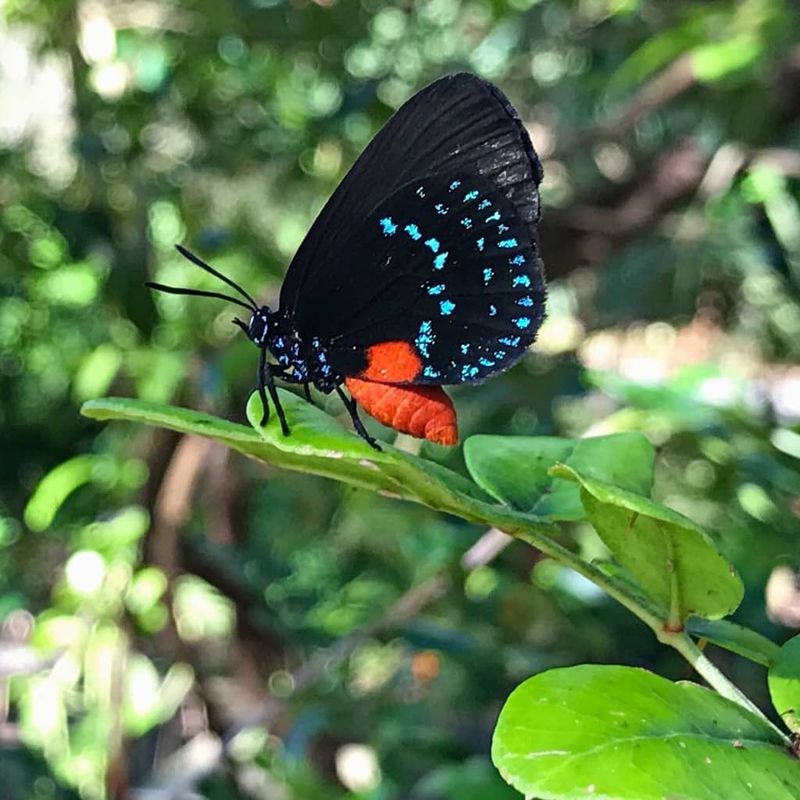
Few plants in Florida carry the ecological weight that coontie does. It is the sole larval host plant for the Atala butterfly, a species that was once thought to be locally extinct in Florida.
By the mid-20th century, over-collection of coontie for starch production had reduced wild populations so severely that the Atala nearly vanished from the state.
Conservation efforts and the gradual return of coontie to Florida landscapes helped the Atala make a remarkable comeback, particularly in South Florida. Today, gardeners in Miami-Dade, Broward, and Palm Beach counties regularly spot Atala caterpillars feeding on coontie fronds in their own yards.
The caterpillars are striking, with bright red and yellow markings, and the adult butterflies are equally beautiful with iridescent blue and red coloring on black wings.
Planting coontie is one of the most direct ways a Florida homeowner can support native wildlife. Unlike planting generic flowering plants that attract various pollinators, adding coontie to a yard creates a specific and necessary resource for a butterfly that depends on it completely.
The Florida Native Plant Society encourages homeowners to include coontie in wildlife gardens precisely because of this relationship. Supporting the Atala butterfly is a meaningful, tangible benefit that goes far beyond aesthetics.
5. Perfect For Small Yards And Tight Spaces
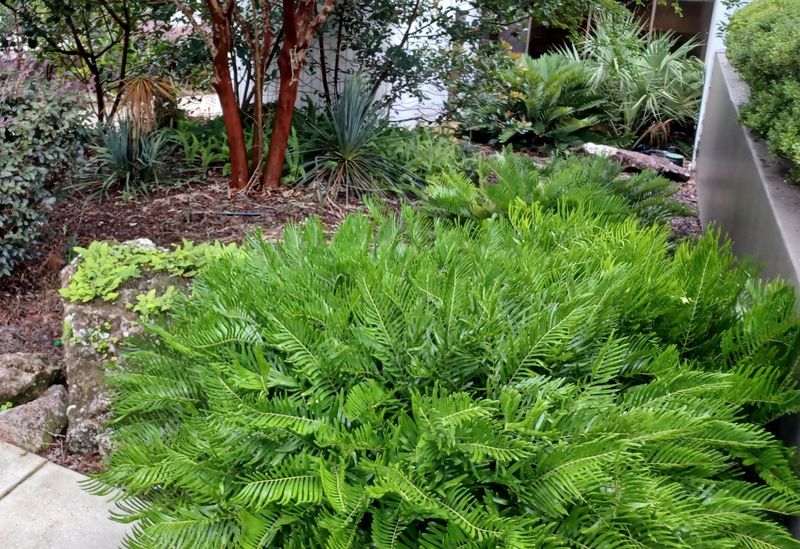
Not every Florida yard has room for sprawling landscape plants. Urban lots in Tampa, Orlando, and Fort Lauderdale are often compact, with narrow beds along foundations and limited space between the house and the property line.
Coontie fits those spaces beautifully without outgrowing its spot or creating maintenance headaches.
A mature coontie plant typically reaches two to three feet tall and spreads about three to four feet wide. That measured footprint makes it ideal for foundation plantings, border edges, and spots where larger shrubs would crowd windows or block sightlines.
Its naturally rounded, tidy form means it rarely looks out of place even in formal or structured landscape designs.
Landscape designers working in South and Central Florida have increasingly recommended coontie as a reliable anchor plant in small residential gardens. It provides year-round evergreen structure without the aggressive clumping or suckering that some native grasses and ground covers produce.
Planted in groups of three or five, it creates a consistent, layered look that holds up through every season. For condo owners with small patios, townhome residents with narrow beds, or anyone working with a tight footprint, coontie gives a polished, professional landscape result without requiring a large planting area to make an impact.
6. A Clean Evergreen Look Without Constant Trimming
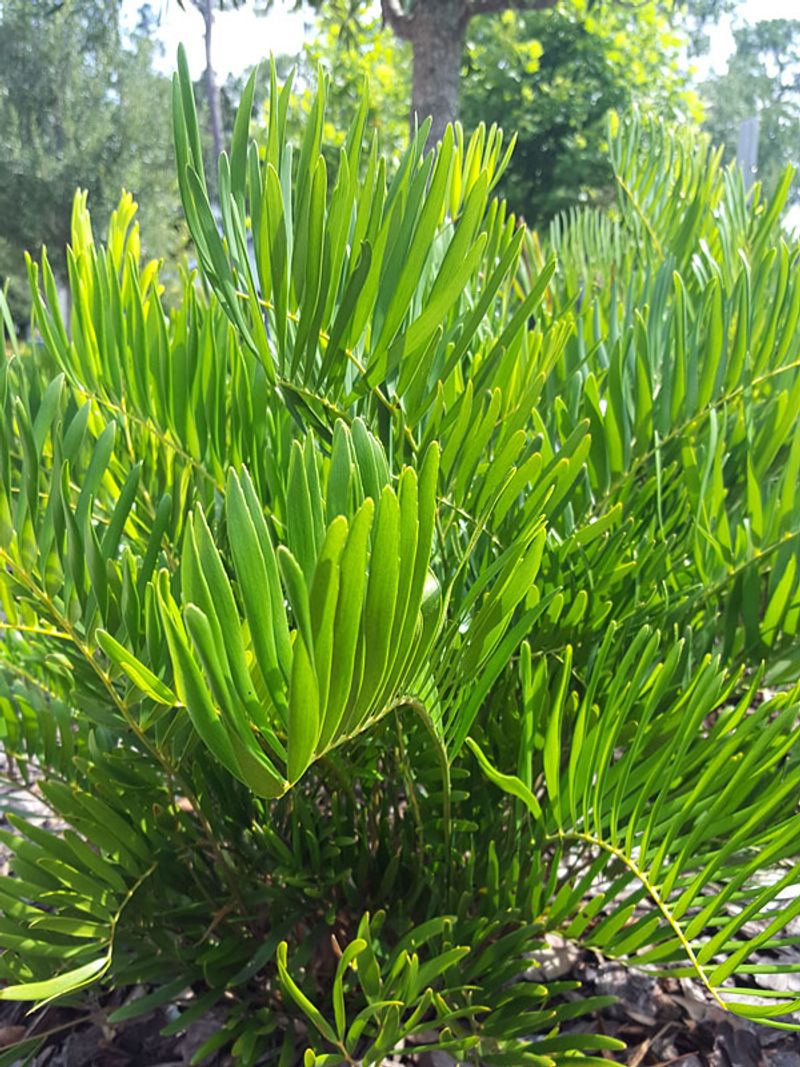
Florida landscapes need to look presentable year-round, not just during the mild months of spring. Summer heat, tropical storms, and the occasional cold snap in North Florida can leave many ornamental shrubs looking ragged and uneven.
Coontie holds its appearance through all of it with almost no intervention required from the homeowner.
Its arching, feathery fronds stay deep green through heat, drought, and even brief freezes in North and Central Florida. Unlike many flowering shrubs that look bare or scraggly after their bloom period ends, coontie maintains consistent texture and color across every season.
There is no off-season where it looks neglected or sparse.
Homeowners who have replaced high-maintenance Asian jasmine, Indian hawthorn, or liriope borders with coontie often describe the change as a relief. The need to drag out the hedge trimmer every few weeks disappears.
The plant does not suddenly produce a flush of growth that needs immediate attention after rain. It simply stays neat, green, and structured without prompting.
For anyone who wants a landscape that looks intentional and cared for without actually requiring constant care, that steady, reliable appearance is exactly what coontie delivers across all twelve months of the Florida gardening calendar.
7. Resilient Through Storms And Coastal Conditions
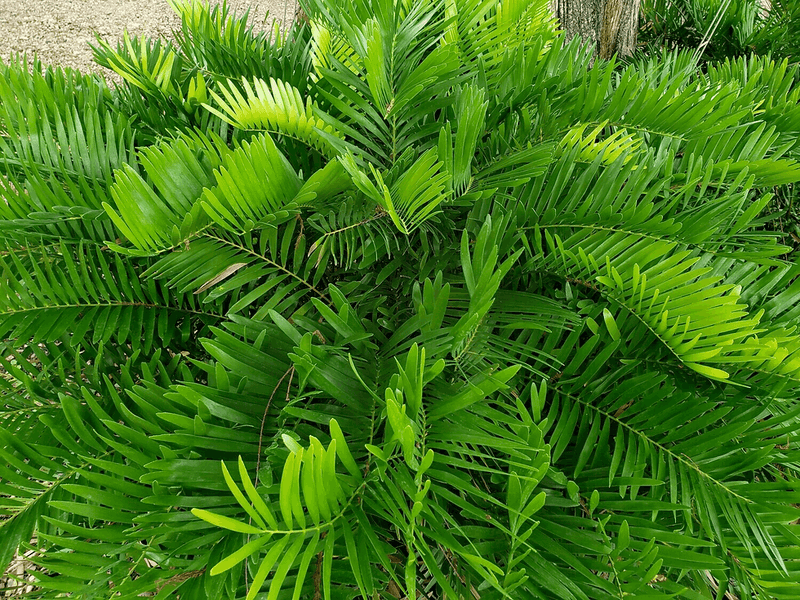
Living near the Florida coast means accepting that your landscape will face conditions that most plants simply cannot handle. Salt spray carried on ocean breezes coats leaves and soil with damaging residue.
Wind from afternoon storms and seasonal hurricanes snaps branches and uproots shallow-rooted ornamentals. Coontie takes all of that in stride.
Its low, ground-hugging form means wind passes over it rather than catching it like a sail. There are no tall stems or wide canopies to snap under storm pressure.
After a tropical storm passes through, coontie typically looks untouched while neighboring shrubs and palms show obvious damage. That wind resilience makes it especially practical in coastal communities from the Florida Keys up through the Treasure Coast and into the Panhandle.
Salt tolerance is another genuine advantage. Coontie grows naturally in coastal hammocks and scrub areas where salt air is part of the everyday environment.
University of Florida IFAS Extension lists it as moderately salt tolerant, making it a realistic choice for yards within a few blocks of the ocean or bay. For coastal Florida gardeners who have watched expensive landscape plants struggle and fail season after season, replacing them with coontie often turns a frustrating situation into a stable, attractive landscape that holds up regardless of what the Atlantic or Gulf throws at it.
8. A Smart Alternative To High Maintenance Palms
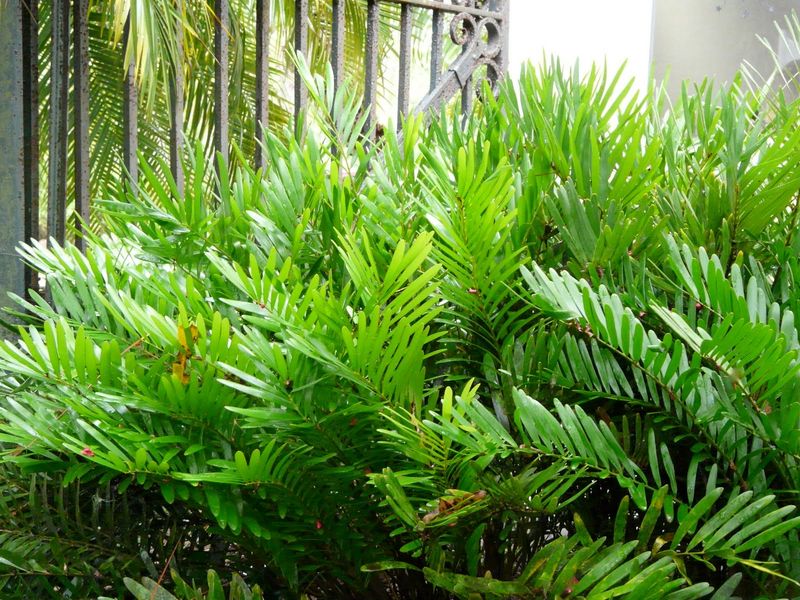
Florida landscapes and palm trees have a long association, but the reality of maintaining palms in a residential yard is more demanding than most homeowners expect when they first plant them. Frond removal requires specialized equipment or professional service calls.
Some palms are vulnerable to lethal bronzing disease, and many popular varieties need regular fertilization with expensive palm-specific blends to avoid nutrient deficiencies in Florida’s sandy soils.
Coontie offers a fundamentally different experience. It stays low, stays tidy, and asks for almost nothing in return for reliable performance.
Where a single sabal palm or queen palm might generate a significant annual maintenance cost between trimming, fertilizing, and occasional treatment for pests or disease, a bed of established coontie costs almost nothing to maintain after the first year.
The visual effect is also worth considering. A grouping of coontie creates a lush, tropical-looking ground layer that complements taller trees and palms without competing with them.
Used as a mass planting under live oaks or along a shaded fence line, it reads as intentional and polished. Florida homeowners who have made the switch from high-care ornamentals and struggling palms to native-forward plantings anchored by coontie consistently report that their yards look better and require far less time and money to maintain over the long run.