The One Label Detail Florida Gardeners Should Check Before Buying Pollinator Plants
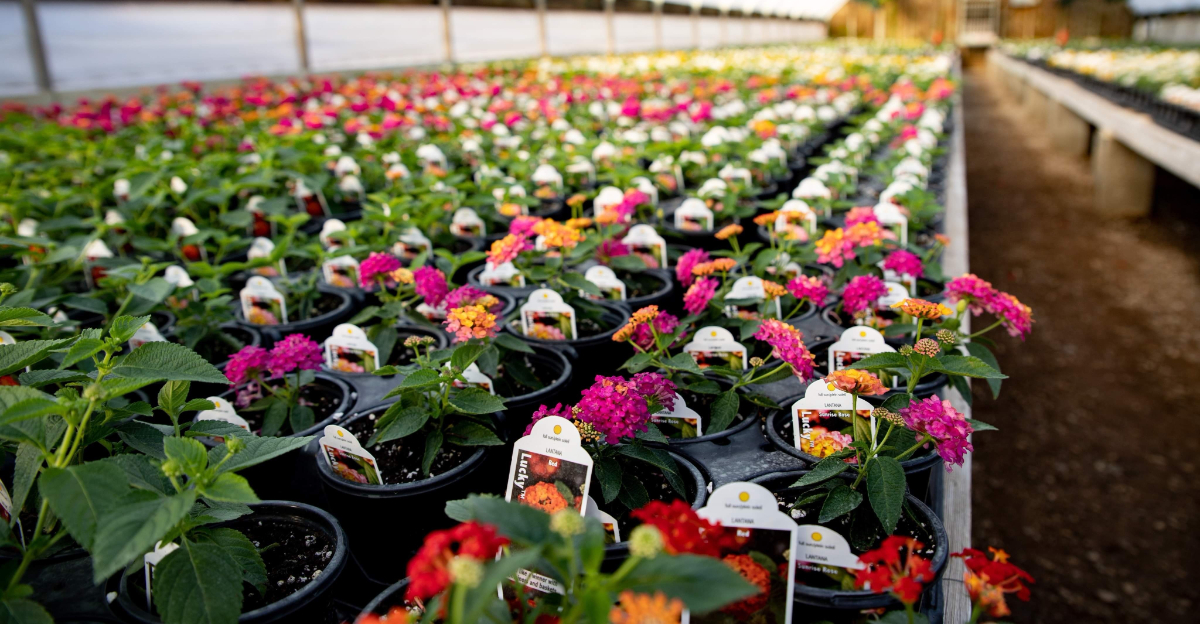
Most Florida gardeners buying pollinator plants are trying to do something good. They want more butterflies drifting through the yard, more bees working the blooms, and more life around the patio, porch, or flower bed.
So they look for bright flowers, cheerful tags, and labels that promise to help pollinators. That is where things get tricky.
A plant can look perfect at the nursery and still come with a detail most shoppers never notice. It is not always the bloom color, the mature size, or whether the tag has a butterfly printed on it.
The real clue is often tucked into the fine print, hidden in grower language, or missing from the label altogether. In Florida, where warm weather keeps pollinator gardens active for much of the year, that small detail matters even more.
Milkweed, firebush, coreopsis, salvias, herbs, and other pollinator favorites may all attract attention in the garden center, but not every “pollinator friendly” plant has been grown in a way that matches the goal.
Before one more plant goes in the cart, there is one label detail worth checking and one nursery question worth asking.
1. Pollinator Friendly Does Not Always Mean Pollinator Safe
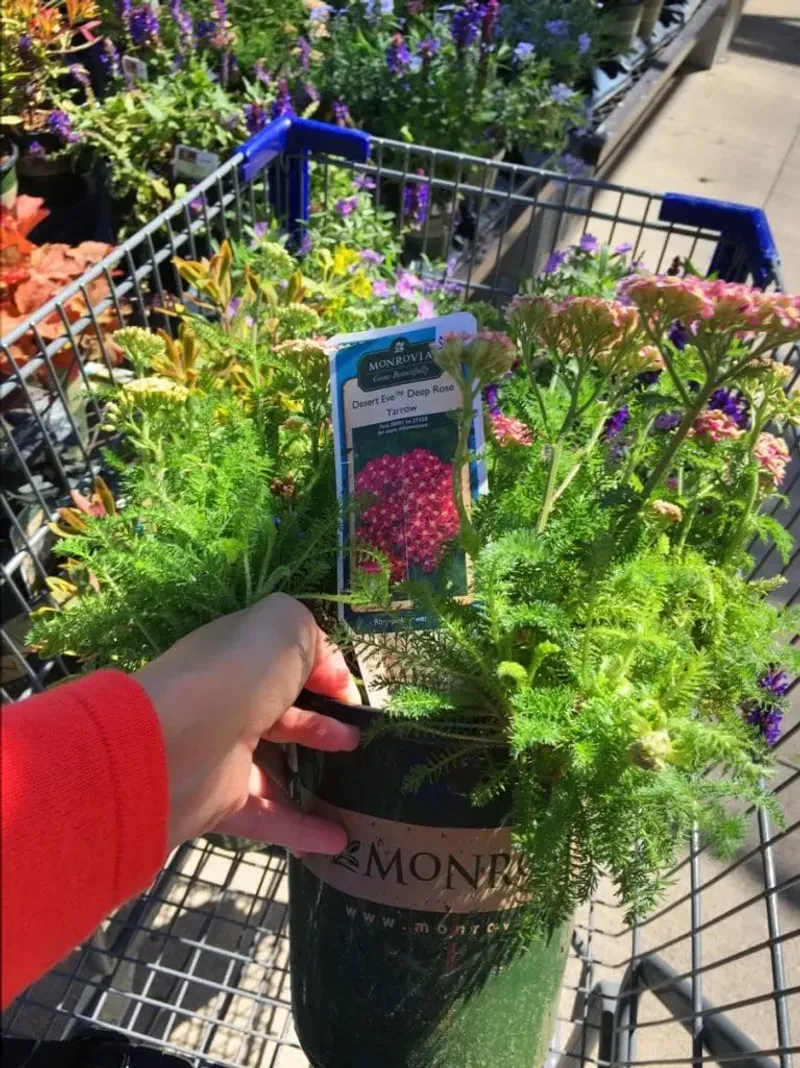
A bright nursery tag with a bee or butterfly on it can feel reassuring, but it does not always tell the whole story.
In Florida, where gardeners are often trying to support monarchs, native bees, hummingbirds, and other beneficial insects, the word “pollinator” can be more of a marketing cue than a guarantee.
A plant may have flowers that attract insects, but that does not automatically mean it was grown without insecticides that could affect the very visitors it is meant to help.
The detail worth checking is whether the plant was treated with systemic insecticides, especially neonicotinoids. These products can be absorbed into plant tissue rather than sitting only on the surface.
That matters because pollinators may visit the flowers, feed on nectar or pollen, or, in the case of caterpillars, chew on leaves. A plant can look lush, colorful, and healthy at the garden center while still raising questions for a pollinator-focused yard.
Florida gardeners do not need to panic or avoid every nursery plant. They just need to shop with a little more curiosity.
Look beyond the front of the tag, read the fine print, and ask how the plant was grown. A truly pollinator-supporting plant should be more than pretty.
It should be a safe, useful food source once it lands in the landscape.
2. Systemic Insecticides Are The Label Detail To Check
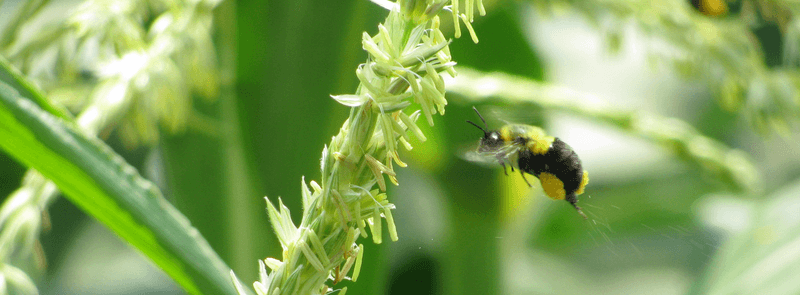
The most important label detail is not the flower color, mature height, or bloom season. Those things matter, but for pollinator plants, the first red flag is any mention of systemic insecticides.
Labels may use phrases such as “treated with insecticide,” “systemic protection,” “nursery-applied pest control,” or “protected from pests.” Some tags may name neonicotinoids directly, while others may be vague enough that a gardener has to ask.
Systemic insecticides work differently from many surface sprays. Instead of staying only on the outside of the plant, they can move into leaves, stems, roots, flowers, nectar, or pollen.
Your Florida Garden Changes Every Week. Your Plan Should Too.
Gardening in Florida changes quickly throughout the season. Every Friday you’ll receive a simple weekly plan showing exactly what to plant, prune, fertilize, harvest, and protect so you never miss the right timing.
That is why they deserve extra attention when the plant is being purchased specifically for bees, butterflies, or other pollinators. The plant may not show any obvious sign of treatment, and the flowers may still look like a perfect pollinator buffet.
In Florida’s long growing season, many gardeners buy pollinator plants almost year-round, especially in Central and South Florida. That makes careful shopping even more important.
Before buying, flip the tag over, look for pesticide language, and ask nursery staff whether the plant was grown with systemic insecticides.
If no one can answer, consider buying from a local native plant nursery, Extension plant sale, Florida Native Plant Society chapter sale, or grower that clearly states its practices.
3. Neonicotinoids Can Hide Inside The Plant
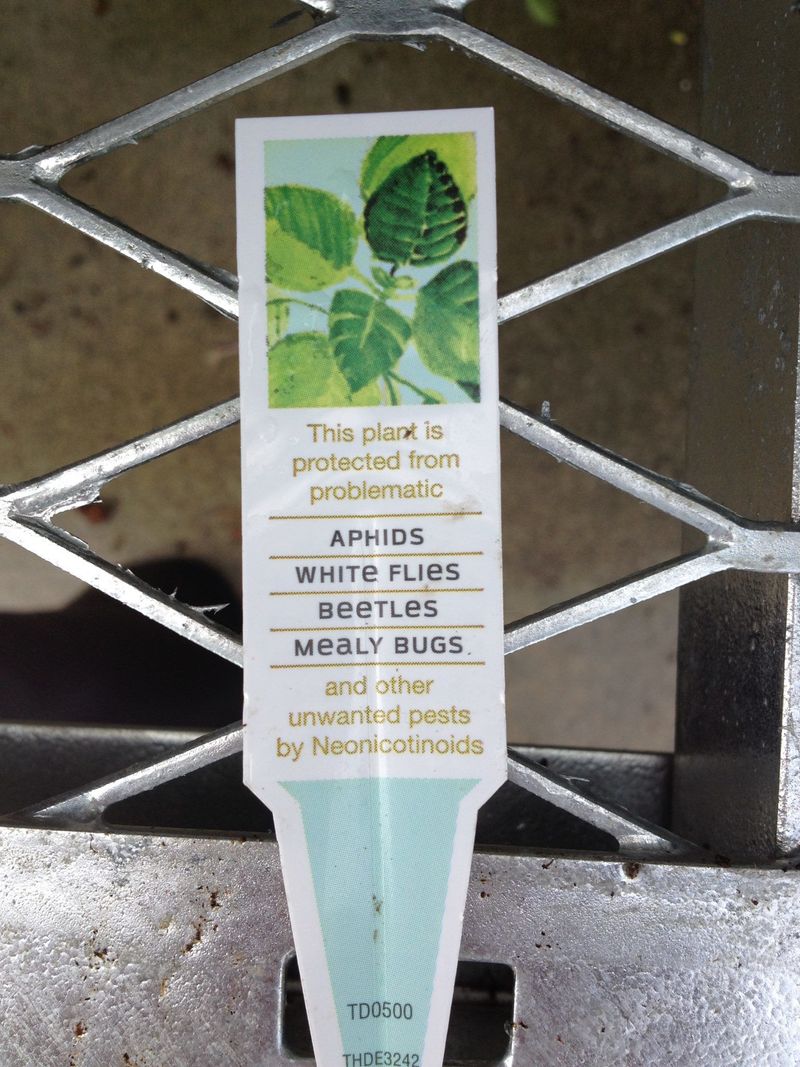
Neonicotinoids are one of the main pesticide groups Florida gardeners should ask about when shopping for pollinator plants. They are commonly discussed because they can act systemically, meaning the plant takes them up and moves them through its tissues.
For a shopper standing in front of a bench full of blooming plants, that is the tricky part. You cannot tell by looking whether a plant has been treated.
That invisibility is what makes the label and nursery conversation so important. A bee landing on a treated flower does not know whether the plant came from a pollinator-conscious grower.
A butterfly laying eggs on milkweed does not know whether the leaves were treated earlier in production. A gardener may have the best intentions and still bring home a plant that does not match the goal of building a safer pollinator space.
This does not mean every colorful plant at the nursery is a problem. It means the phrase “pollinator plant” needs a second question attached to it.
Was it treated with neonicotinoids or other systemic insecticides? If the answer is yes, choose an untreated option for a pollinator bed.
If the answer is unknown, keep looking for a source that can provide a clear answer.
For Florida gardeners, especially those planting milkweed, herbs, salvias, coreopsis, firebush, and other pollinator favorites, that extra question can change the value of the whole purchase.
4. Ask The Nursery Before You Trust The Tag
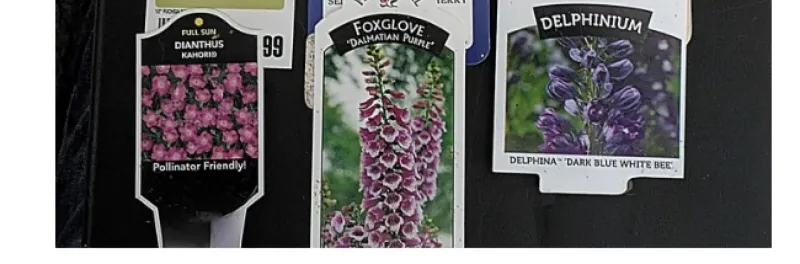
A quick conversation at the nursery can save a lot of guesswork. The best question is simple: “Were these plants treated with systemic insecticides or neonicotinoids?”
If the staff member knows the answer, you are already shopping in a better place than one where nobody can explain how the plants were grown.
If they do not know, ask whether the grower provides pesticide information or whether untreated pollinator plants are available.
Small local nurseries and native plant growers are often easier to question than large seasonal displays. Many know their suppliers, grow some plants themselves, or can point you toward species that are better suited to your part of Florida.
That is helpful because a pollinator plant for the Panhandle is not always the same as one for Miami-Dade, the Keys, or a hot inland Central Florida yard. Local knowledge matters.
It is also fair to ask about the plant’s origin. Was it grown in Florida?
Is it a straight native species, a cultivar, or a nonnative ornamental? Has it been treated recently?
Is it safe to plant near a butterfly host area right away? The answer may not always be perfect, but the conversation tells you a lot.
A trustworthy seller should welcome questions from gardeners who are trying to support bees, butterflies, and other beneficial insects.
5. Native Plants Still Need Untreated Growing Practices
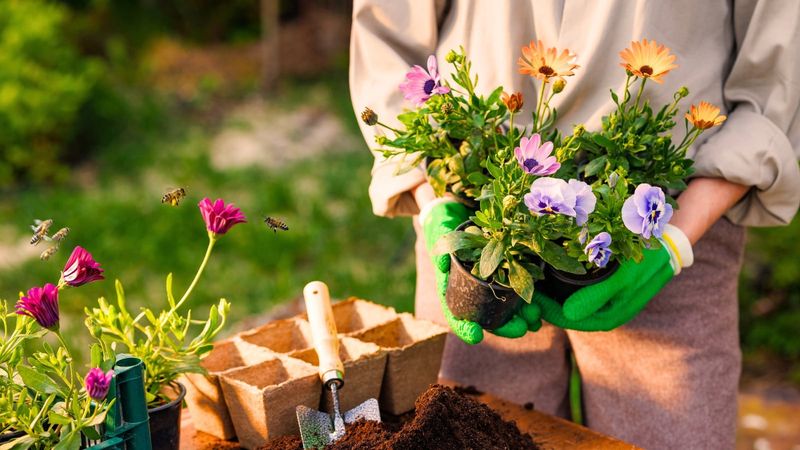
Florida native plants are often some of the best choices for pollinator gardens, but “native” and “untreated” are not the same thing. A native plant can still be treated during production.
That is why the pesticide question matters even when the plant itself is regionally appropriate. An untreated native plant can support local insects, fit Florida’s climate, and reduce the need for extra care once established.
A treated one may not be the best choice for immediate pollinator use.
The good news is that Florida gardeners have plenty of strong native options. Firebush works well in much of Central and South Florida and draws a steady stream of pollinator activity.
Coreopsis, Florida’s state wildflower, can bring bright color to sunny sites. Blanketflower suits many sunny, sandy places.
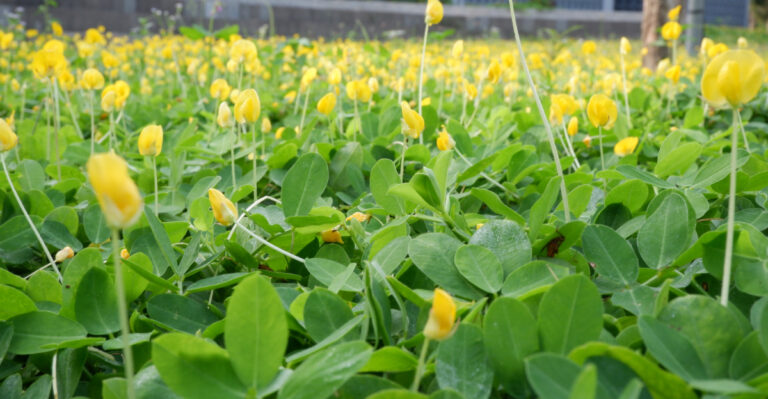
Sunshine mimosa can work as a low-growing groundcover in suitable areas. Wild coffee is useful for shaded South Florida gardens, while native milkweeds can support monarch caterpillars where they are regionally appropriate.
Regional fit should guide the final choice. A plant that thrives in a sandy coastal yard may not be right for a shady inland garden.
A South Florida pollinator shrub may struggle farther north after cold snaps. Check UF/IFAS, local Extension offices, Florida Native Plant Society resources, and local native plant nurseries before buying.
Then ask the same key question every time: was it grown without systemic insecticides?
6. Milkweed Labels Need Extra Care In Florida
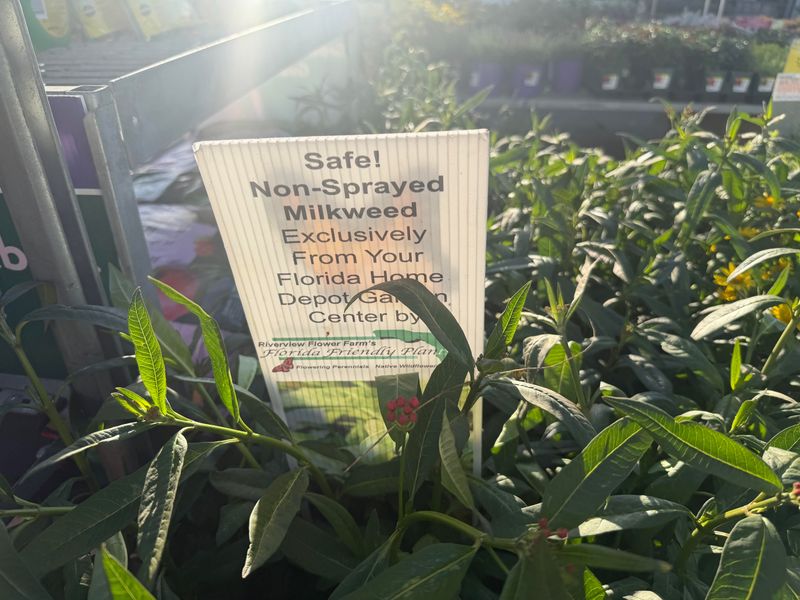
Milkweed deserves its own level of caution because gardeners buy it specifically for monarch butterflies. Adult butterflies may visit the flowers, but monarch caterpillars depend on the leaves.
That means pesticide treatment is not just a background concern. If the plant was treated with systemic insecticides, the leaves themselves may be part of the problem.
Florida gardeners also need to check the type of milkweed. Native milkweeds are generally the better direction when they are available and suited to the region.
Tropical milkweed is widely sold, but it brings extra concerns in Florida because it can persist through warm seasons, especially in South Florida, and may contribute to disease issues for monarchs if not managed carefully.
That does not mean every gardener has the same exact milkweed options.
Availability, region, site conditions, and local guidance all matter.
The safest shopping habit is to slow down before grabbing the first orange-flowered plant with a butterfly tag. Ask whether the milkweed was treated with neonicotinoids or other systemic insecticides.
Ask whether it is native or tropical. Ask whether it was grown locally.
If the seller cannot answer, look for native plant nurseries, Extension sales, or Florida Native Plant Society chapter events. For butterfly gardens, milkweed should be chosen with more care than almost any other pollinator plant on the table.
7. Skip Invasive Plants Marketed For Pollinators
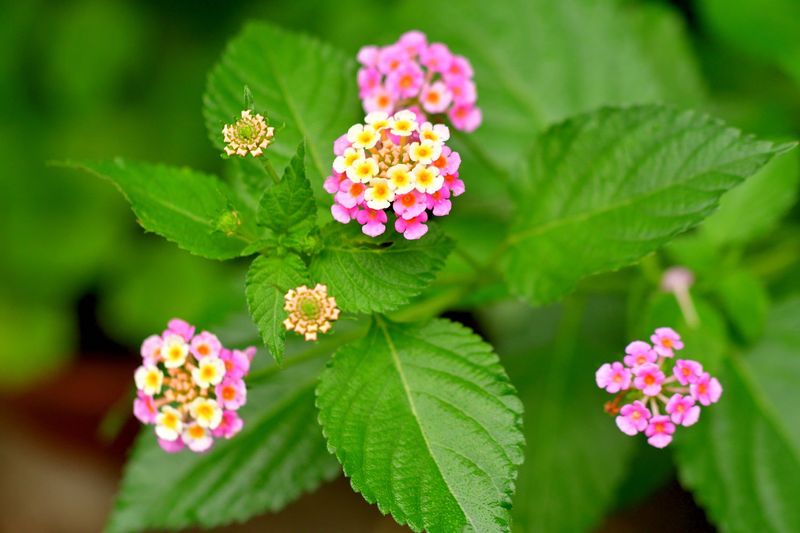
A plant can feed pollinators and still be a poor choice for a Florida yard. That is one of the more frustrating truths of gardening in a state with long growing seasons, warm winters, heavy rain, and sensitive natural areas.
Some plants bloom heavily and attract bees or butterflies, but they also spread beyond the landscape, crowd out native vegetation, or create problems near parks, hammocks, wetlands, dunes, or preserves.
That is why the label check should not stop with pesticides. After asking about systemic insecticides, Florida gardeners should also check whether the plant is invasive or locally problematic.
UF/IFAS, the Florida Invasive Species Council, local Extension offices, and county resources can help gardeners avoid plants that should not be planted near natural areas. A “butterfly” or “pollinator” tag does not cancel out an invasive warning.
Better choices are plants that support pollinators without creating new headaches.
In sunny spots, look for regionally appropriate natives such as coreopsis, blanketflower, sunshine mimosa, native salvia species where suitable, firebush in warmer regions, and native milkweeds when available.
In shadier South Florida gardens, wild coffee can be a smart choice. In mixed landscapes, native shrubs, grasses, and wildflowers can provide nectar, pollen, shelter, and host value without the baggage.
The goal is not just more flowers. It is a healthier Florida garden that helps pollinators without harming the places around it.