If You’re Starting Your First Garden In Michigan This Year Here’s What You Need To Know
Snow finally melts, the sun sticks around a little longer, and suddenly every backyard in Michigan starts calling your name. You picture rows of tomatoes, baskets of fresh greens, maybe even sunflowers taller than the fence.
Then reality hits. Clay-heavy soil, surprise cold snaps, and that one shady corner that refuses to cooperate. Welcome to gardening in the Great Lakes State.
Starting your first garden here takes a little local know-how. Michigan’s sandy lakeshore soil behaves nothing like the dense dirt found inland.
Frost dates matter. So does picking varieties that can handle humid summers and unpredictable springs. A few smart choices early on can save you a whole season of frustration.
Before you grab a shovel and a cart full of seedlings, there are a handful of Michigan-specific details that can completely change how your first season unfolds.
1. Start Planting At The Right Time For Michigan Conditions
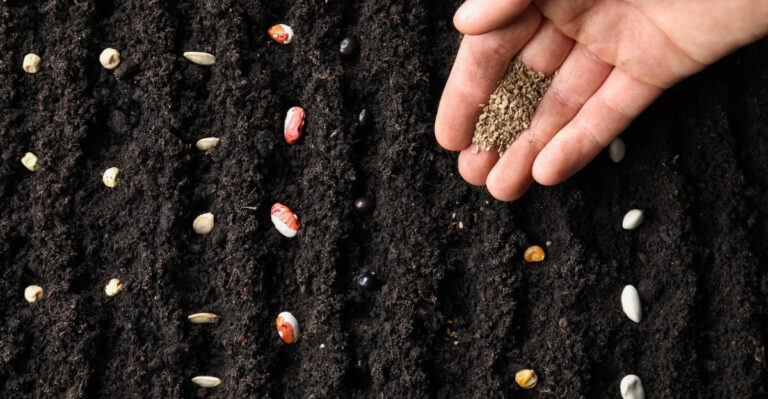
Michigan timing rewards patience. A warm week can show up in April, then temperatures dip again, and that swing matters most when plants are small.
Across the state, average last frost dates can range from spring into early summer depending on where you live, so a county-specific frost date tool helps you plan with less guesswork.
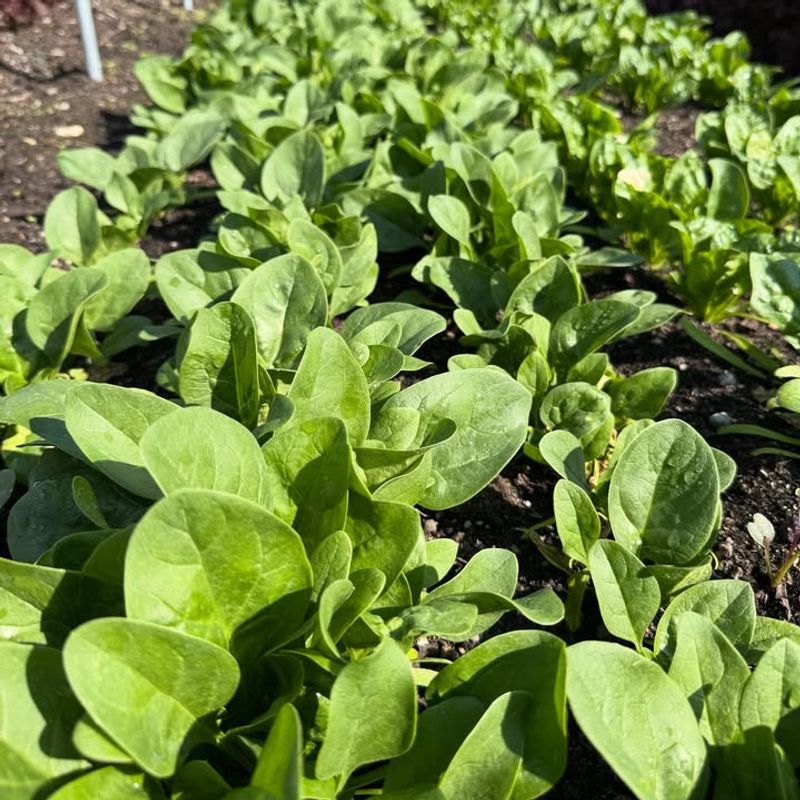
Cool season crops often handle early starts better. Lettuce, peas, spinach, and some brassicas can tolerate chilly weather, and many gardeners plant them ahead of the last frost when soil can be worked.
Warm season crops usually do better after both air and soil warm up, and tomatoes are a classic example. MSU notes many gardeners set tomato transplants out in late May, and seed starting indoors can happen about six to eight weeks before you expect to move them outside.
A simple approach is to use two tracks. Start cool season crops outdoors first, then hold warm season plants until nights feel steadier and soil warms.
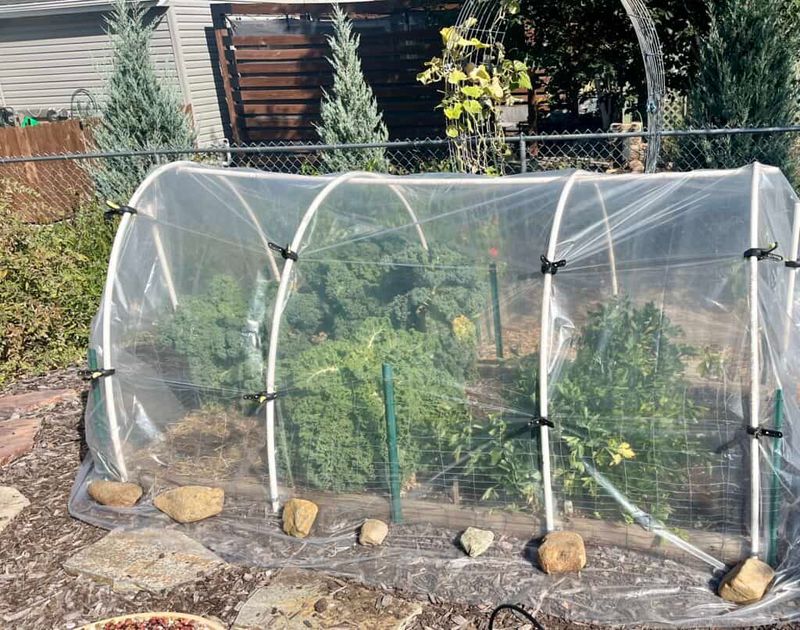
Row cover or frost cloth can add a little buffer during cold surprises, especially for small transplants. For a head start without rushing the ground, seed trays indoors plus a short hardening off period can make transplant day less stressful.
2. Follow Frost Dates To Protect Your Garden From Setbacks
Frost dates act like Michigan’s garden calendar, even when the weather tries to freestyle. Instead of relying on a single statewide window, use a location based frost date tool for your town or county, because Michigan ranges are wide.
Some areas average last frost in late April, many fall in May, and some northern spots can push later.
First fall frost varies too. In many parts of Michigan it lands somewhere between early September and late October, and Southeast Michigan commonly ends the growing season in October.
Microclimates can nudge your yard earlier or later. South facing walls, fences, and paved areas may stay warmer, while low spots can collect colder air.
That difference can show up as “my neighbor is fine and my bed got frosty.” Keeping simple supplies nearby helps you react fast. Lightweight row covers, old sheets, or frost cloth can protect tender plants during short cold snaps, as long as the cover comes off during the day to prevent overheating.
Your Michigan Garden Changes Every Week. Your Plan Should Too.
Gardening in Michigan changes quickly throughout the season. Every Friday you’ll receive a simple weekly plan showing exactly what to plant, prune, fertilize, harvest, and protect so you never miss the right timing.
A helpful habit is watching forecasts during the spring and fall transitions, then protecting only what needs it. Warm season crops usually deserve the first cover.
Cool season plants often tolerate light cold better, and they can keep growing while you wait for true warm weather to settle in.
3. Choose Beginner Friendly Crops That Grow Reliably
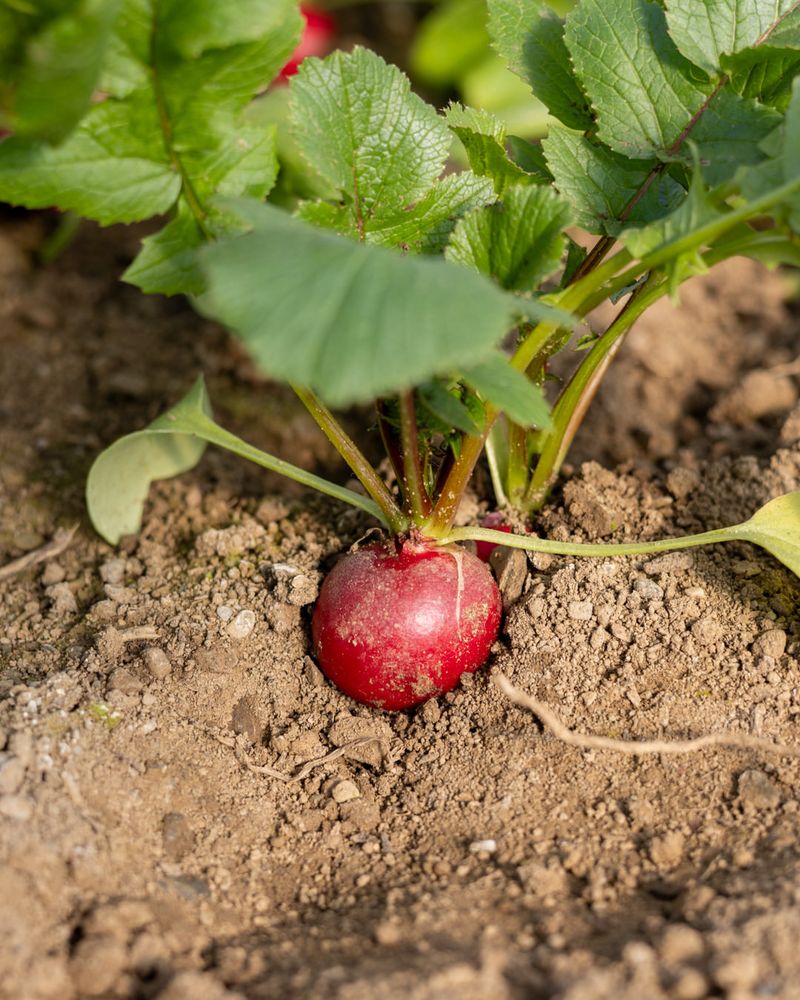
Quick wins make a first garden feel fun instead of intimidating. In Michigan, fast crops like radishes can show results in a few weeks, though timing varies by variety and weather.
Leafy greens like lettuce and spinach often do well in cool spring conditions, and they can also fit into late summer planting for fall harvest. Bush beans tend to be beginner friendly once the soil warms, and they avoid the extra work of trellising.
Tomatoes can be rewarding, but they often feel easier with transplants instead of direct seeding outdoors. MSU notes gardeners commonly use transplants, and many set them out in mid to late May in southern areas, while northern parts of the state may wait until late May or even early June, depending on local frost patterns.
That timing generally lines up with how long tomatoes take to mature. Zucchini and summer squash can produce a lot in the right spot, but they still appreciate sunlight, space, and basic pest monitoring.
Herbs are another confidence booster. Basil likes warmth, parsley handles cooler conditions, and cilantro often prefers the shoulder seasons rather than peak summer heat.
A beginner friendly strategy is to pick a small mix: one quick crop, one steady producer, one “summer reward” crop, plus herbs. That combo spreads harvest across the season and keeps maintenance manageable.
For fewer headaches, skip the trickier crops your first year, then add them later once you know how your yard’s sun, soil, and watering rhythm behave.
4. Improve Michigan Soil Before Planting For Better Results
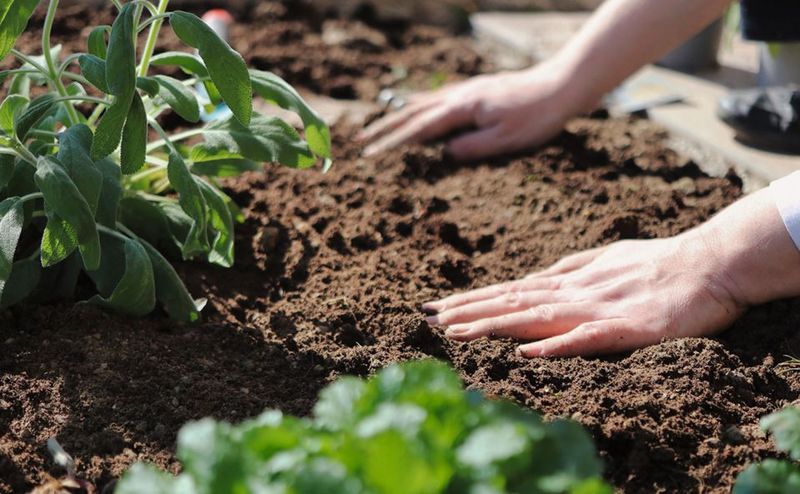
Soil in Michigan can be sandy near the Great Lakes, heavier with clay inland, or a mix you only truly understand once you dig. A soil test is one of the most reliable ways to learn what you’re starting with, including nutrient levels and pH.
MSU’s home soil test program specifically points out that testing helps you see what nutrients are present and what may need adjusting.
Vegetables often grow best in slightly acidic to neutral soil, and many Extension resources place that common target range around the mid 6s. Instead of guessing, a test result lets you choose amendments more confidently.
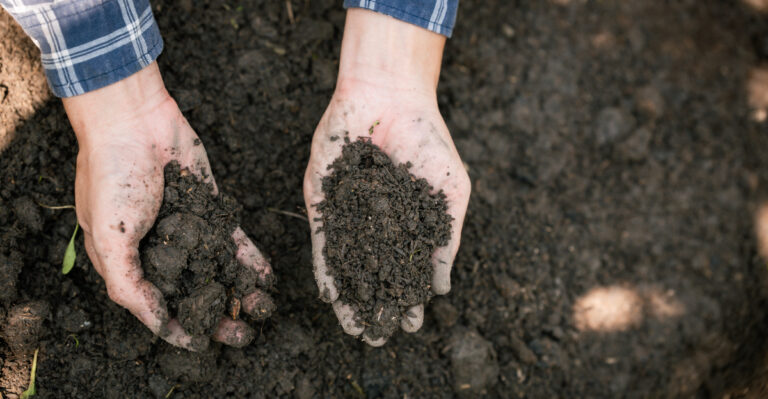
Organic matter improves structure in many Michigan soil types. Compost can improve drainage and aggregation in clay soils and can help sandy soils retain moisture and nutrients longer.
A practical routine is adding a couple inches of compost to the top layer before planting, then mulching after seedlings settle in. When soil is wet and sticky, waiting to work it can help you avoid compaction, especially in clay heavy beds.
Raised beds can be a nice shortcut in problem areas, because you control the soil mix and drainage from day one. For in ground beds, steady compost additions over time usually build better texture than one big “fix.” The goal is workable soil that drains well but does not dry out instantly, so roots get both moisture and oxygen.
5. Pick The Sunniest Spot For Stronger Plant Growth
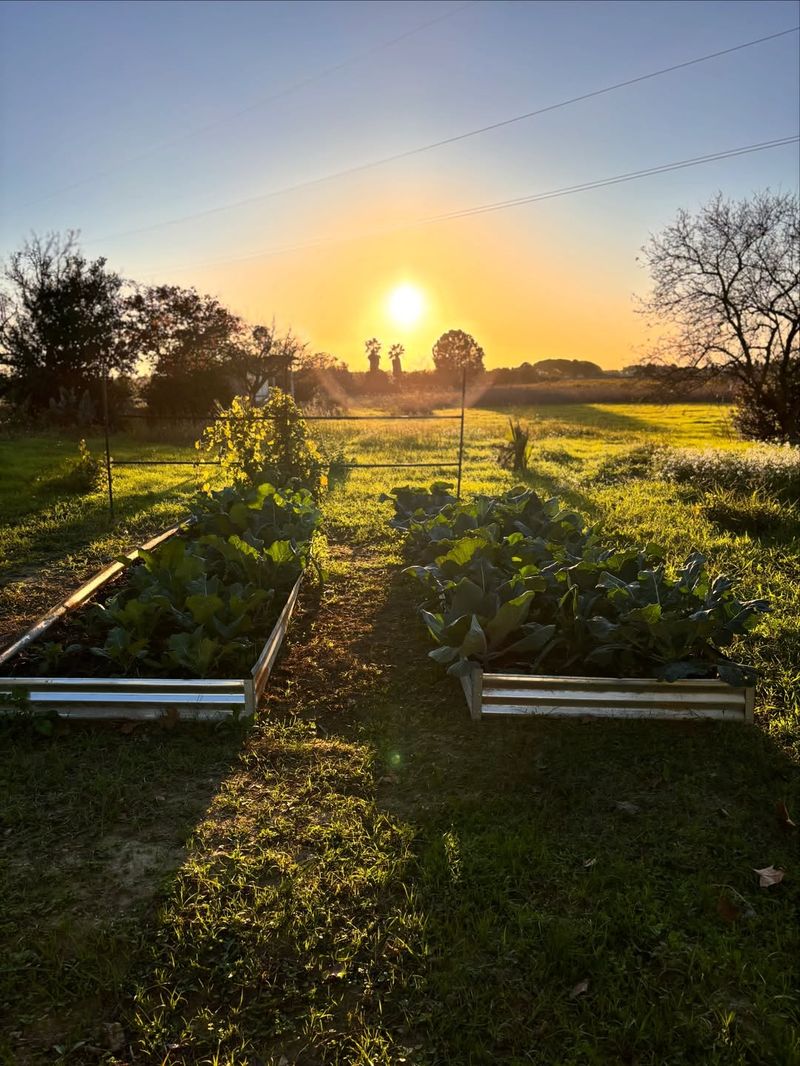
Many vegetables do best with six to eight hours of direct sun, especially fruiting crops like tomatoes, peppers, squash, and cucumbers, while leafy greens and some root crops can handle light shade. Observing your yard throughout the day helps you identify which areas receive full sun versus partial shade.
Many Michigan properties have mature trees that cast shadows during different times of day, limiting suitable garden locations.
South-facing areas typically receive the most consistent sunlight in Michigan, making them ideal spots for heat-loving crops like tomatoes, peppers, and melons. Eastern exposure provides gentle morning sun that works well for lettuce and other greens that prefer cooler conditions.
Western exposure brings intense afternoon heat that can stress some plants during Michigan’s hottest summer days.
Buildings, fences, and large shrubs create shade patterns that change as the sun moves across the sky from spring through fall. Taking photos of your yard at different times during a sunny day reveals patterns you might miss with casual observation.
Even a garden that receives morning shade and afternoon sun can work well for many vegetables, though true shade-loving plants are rare in the vegetable world.
Starting small in the sunniest available spot yields better results than planting a large garden in marginal light conditions. Plants grown in insufficient sunlight stretch toward the light, developing weak stems and producing fewer flowers and fruits.
If your entire yard lacks adequate sun, consider container gardens that you can move to follow the light or focus on shade-tolerant herbs and leafy greens.
6. Water Consistently Without Overwatering Your Plants
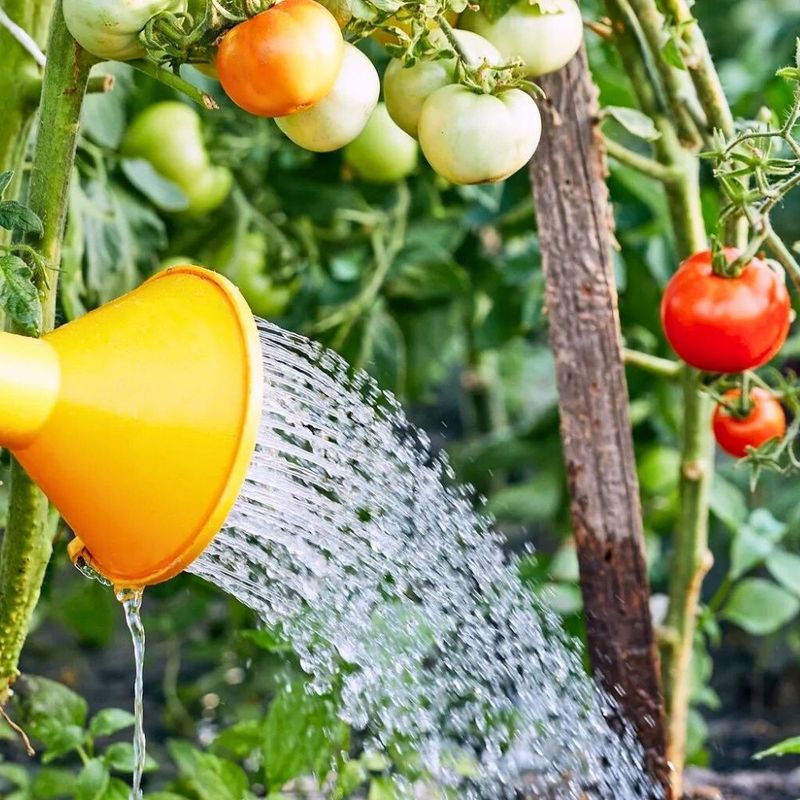
Finding the right watering balance challenges many beginning gardeners. Michigan weather can bring helpful rainfall in spring and fall, yet dry stretches still happen, so it helps to water based on soil moisture instead of the calendar.
Most vegetables need about one inch of water per week from rain or irrigation, which you can measure by placing a rain gauge or empty tuna can in your garden. Deep, infrequent watering encourages roots to grow downward, creating stronger plants that withstand dry spells better than shallow-rooted vegetables.
Overwatering causes more problems than underwatering in Michigan gardens, leading to root rot, fungal diseases, and weak plant growth. Soil that stays constantly soggy lacks the air spaces that roots need for healthy development.
Checking soil moisture by sticking your finger two inches deep helps you decide whether watering is necessary or if the soil still holds adequate moisture.
Early morning watering gives plants time to dry before evening, reducing disease problems that thrive in humid conditions. Soaker hoses and drip irrigation deliver water directly to the root zone without wetting leaves, preventing fungal issues that plague overhead watering methods.
Mulching around plants with straw, shredded leaves, or grass clippings reduces evaporation and keeps soil moisture more consistent.
Michigan’s summer weather can shift quickly from wet weeks to dry spells that stress gardens. Adjusting your watering schedule based on rainfall and temperature rather than following a rigid routine keeps plants healthy without waste.
Container gardens dry out much faster than in-ground beds and may need daily watering during hot weather, while established plants in garden beds often go several days between waterings.
7. Avoid Common Beginner Mistakes That Slow Progress
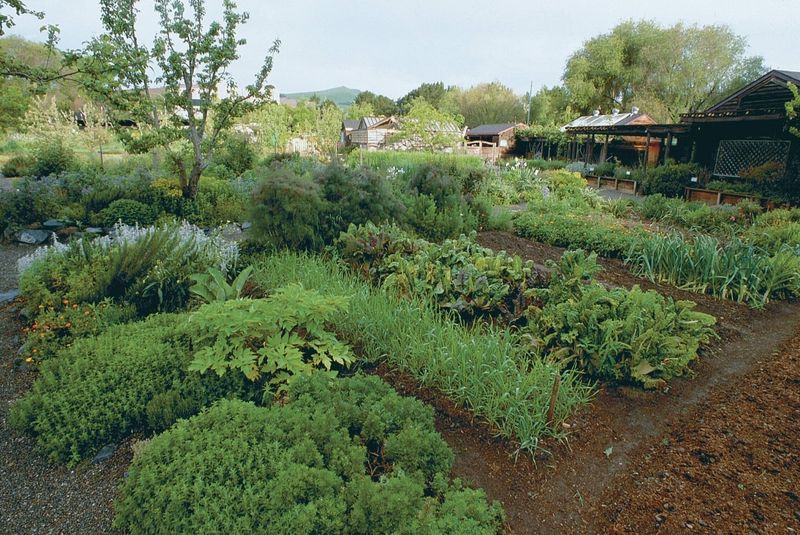
Spacing feels weird at first. Seed packets can look overly generous, but crowded plants compete for light and airflow, and periods of higher humidity during Michigan summers can increase disease pressure in some gardens.
Leaving room between plants often pays off later with sturdier growth and fewer headaches.
Another classic first year mistake is planting too much. A huge bed sounds exciting in April, then July shows up and suddenly weeding feels like a part time job.
A smaller garden is easier to water, easier to mulch, and easier to harvest. Expansion can always happen next year.
Skipping mulch is another sneaky one. A two to three inch layer of straw, shredded leaves, or other organic mulch can suppress weeds, hold moisture, and reduce soil splash onto leaves.
Cardboard or newspaper under mulch can add extra weed suppression in new beds, as long as water can still soak through.
Support planning matters too. Tomatoes, cucumbers, and pole beans usually do better with cages, stakes, or a trellis.
Adding support early is easier than wrestling it in later around roots. Labeling is underrated as well.
It’s surprisingly easy to forget what you planted where once everything greens up.
A useful solution is building one simple routine. Walk the garden a few times a week, pull small weeds early, check moisture, and look under leaves for early pest signs.
That small habit often prevents bigger problems, and it keeps the garden feeling manageable instead of chaotic.
8. Keep Your Garden Productive Throughout The Season
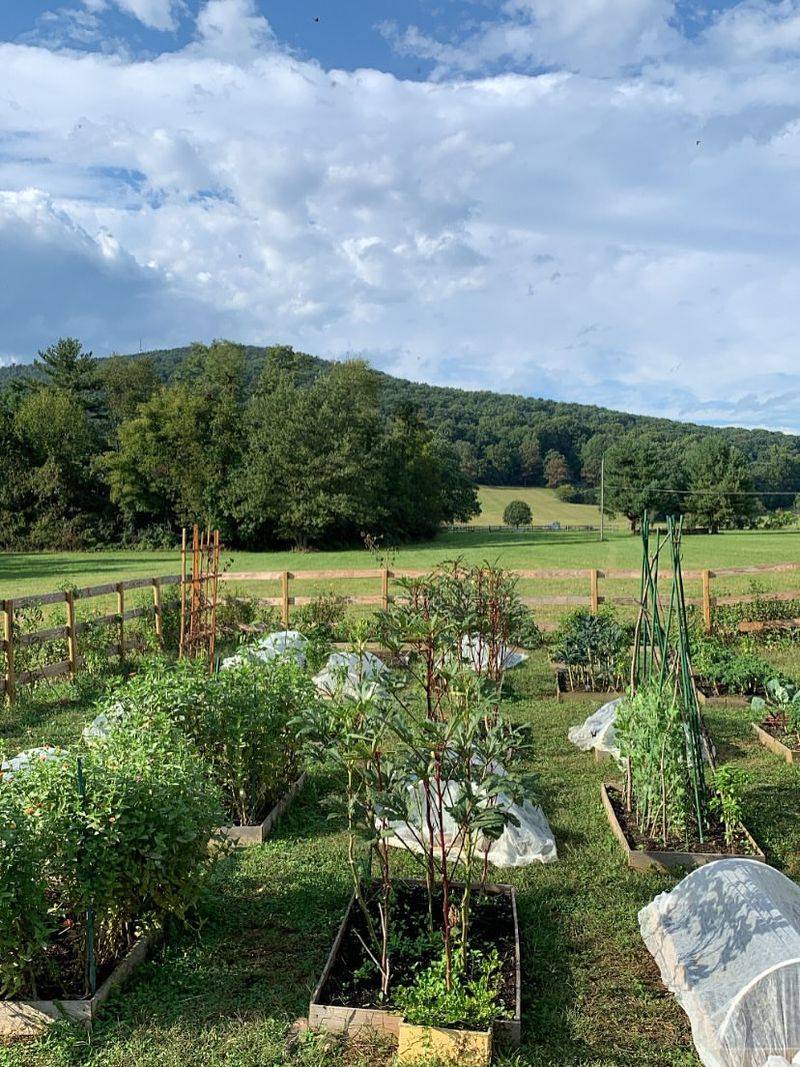
A productive garden rarely comes from one big planting day and nothing after. Succession planting can stretch harvests by sowing small batches every couple of weeks, especially for faster crops like radishes, lettuce, and beans.
The timing depends on weather and your first frost window, but the general idea stays the same: keep the garden in motion.
Spring crops can hand off space to summer crops. After early greens finish, the same bed can hold beans, basil, or a later round of cucumbers.
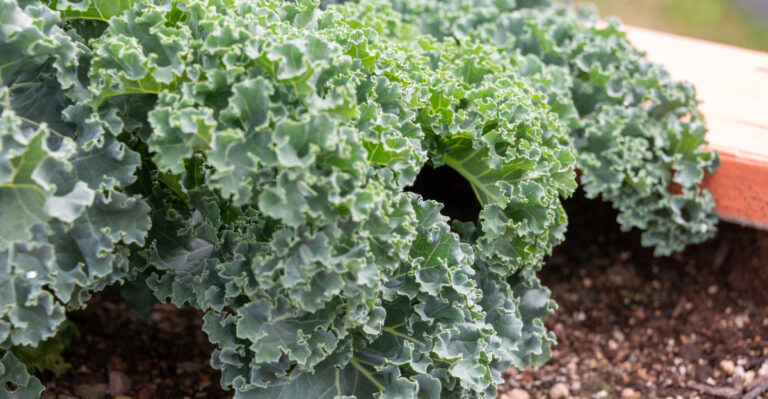
As summer winds down, cool season crops like kale, broccoli, and carrots often appreciate Michigan’s cooler fall conditions.
For many crops, how and when you harvest can influence overall plant performance. With plants like beans and cucumbers, harvesting at a younger, marketable size can help maintain plant vigor and delay the natural slowdown that happens when fruit matures fully.
Zucchini is famous for this. Miss a couple days and it turns into a bat.
Midseason feeding can help heavy feeders, especially in beds that were not heavily amended in spring. A side dressing of compost can add slow release nutrients and improve soil texture over time.
Mulch refreshes can also help during summer heat.
A simple solution is setting a weekly rhythm. Replant one small area, top up mulch, and do a quick pest and disease scan.
That steady routine tends to keep gardens producing longer, without feeling like you have to do everything at once.