8 Arizona Native Salvias That Bloom Through Heat And Drought
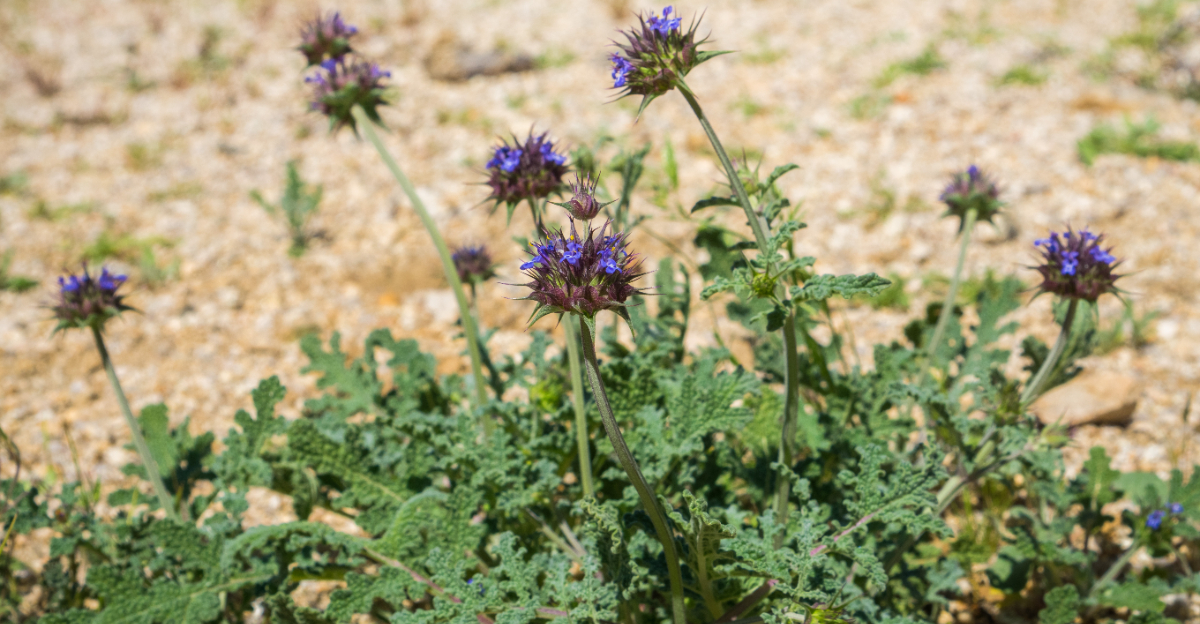
Looking for flowers that will not quit when Arizona heat hits full force? Native salvias are some of the toughest bloomers you can grow.
They evolved in dry deserts, rocky foothills, and high elevation landscapes, which means they already know how to handle blazing sun, lean soil, and long stretches without rain.
Once established, these plants ask for very little. They do not need constant watering, heavy fertilizer, or pampering to perform well.
Even in the hottest months, their spikes of blue, purple, and magenta continue to rise above the foliage, drawing hummingbirds, bees, and butterflies when many other plants start to fade.
With good drainage and the right placement, Arizona native salvias bring reliable color, structure, and wildlife support to gardens that need beauty without extra water or effort.
1. Salvia Columbariae Brings Early Spring Blue To Arizona Deserts
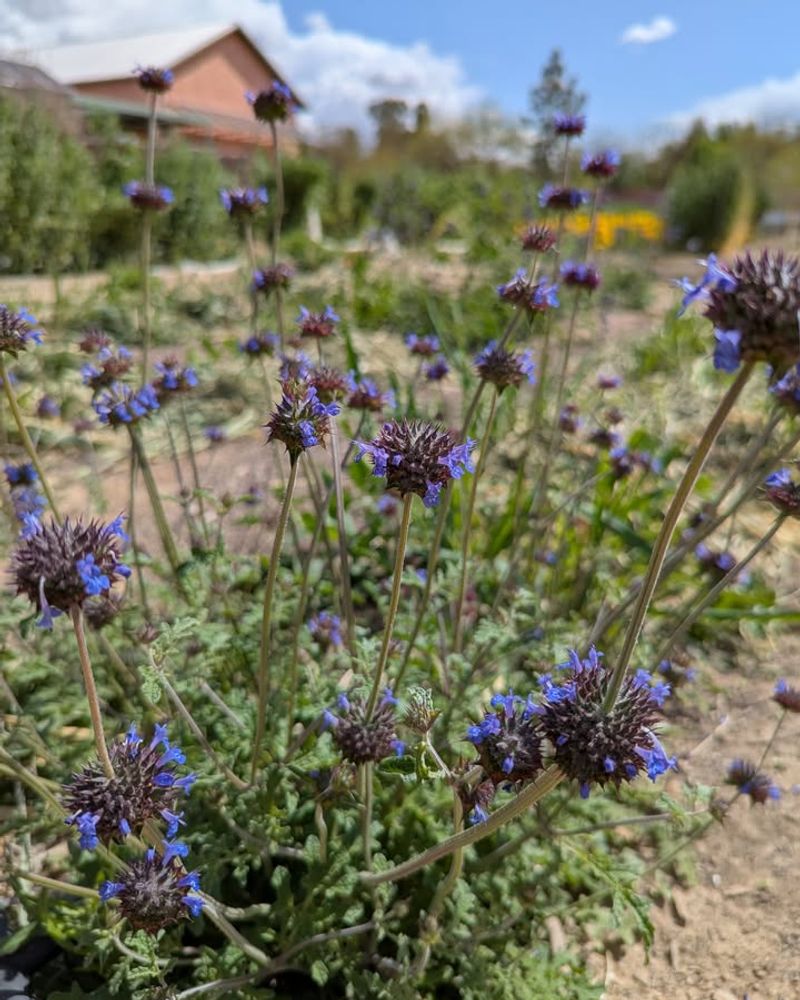
Spring arrives early in Arizona’s low deserts, and Salvia columbariae announces the season with stunning blue-purple flower spikes that rise above delicate foliage.
Commonly called chia sage, this annual or short-lived perennial produces the same seeds ancient peoples harvested for food.
Desert dwellers recognize these distinctive flower clusters appearing along roadsides and washes from February through June.
Growing 8 to 20 inches tall, chia sage thrives in full sun and rocky or sandy soils throughout southern Arizona’s desert regions. The plant requires almost no supplemental water once established, relying entirely on winter rains to complete its life cycle.
Seeds germinate after monsoon storms or winter precipitation, producing a rosette of deeply divided leaves that hug the ground.
Multiple flower whorls stack along square stems, creating a tiered effect that catches every eye. Each whorl features spiny bracts that protect developing seeds and add architectural interest even after blooms fade.
Pollinators flock to these flowers, making chia sage valuable for supporting desert wildlife.
Gardeners can scatter seeds in fall for spring blooms, mimicking natural germination patterns. The plant self-sows readily in appropriate conditions, returning year after year without effort.
Arizona landscapes from Phoenix to Yuma benefit from this reliable native that performs best with benign neglect rather than constant attention.
2. Salvia Arizonica Thrives In Southeastern Arizona Mountain Slopes
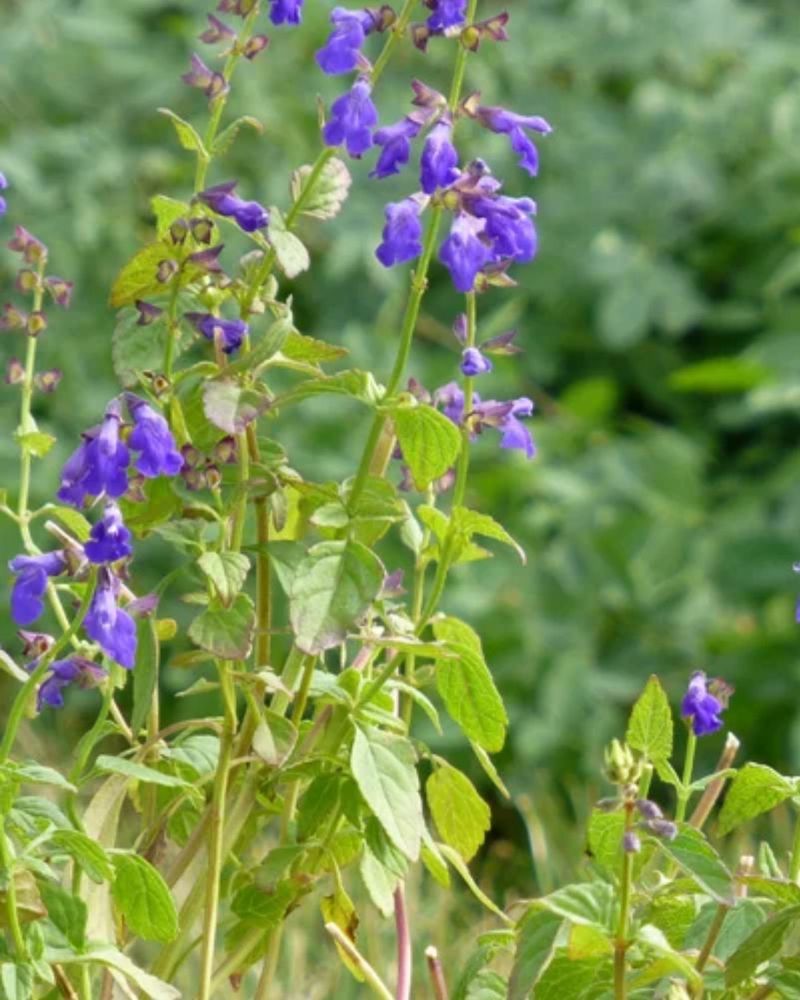
Tucked into rocky canyons and mountain slopes of southeastern Arizona, Salvia arizonica displays some of the deepest blue flowers found among native plants.
This perennial sage grows naturally between 4,000 and 7,000 feet elevation, where summer monsoons provide reliable moisture.
Gardeners in Tucson’s foothills and similar elevations can successfully grow this beautiful species with proper placement.
Plants reach 3 to 4 feet tall and equally wide, forming substantial shrubs covered with aromatic gray-green leaves. Tubular flowers emerge in late spring and continue through fall, especially after summer rains arrive.
Each blossom stretches nearly an inch long, perfectly sized for hummingbird beaks seeking nectar deep inside.
Arizona sage prefers afternoon shade in lower elevations but tolerates full sun at higher altitudes where temperatures stay moderate. Rocky, well-draining soil proves essential for success, preventing root problems during monsoon season.
Once established, plants need only occasional deep watering during extended dry spells.
Your Arizona Garden Changes Every Week. Your Plan Should Too.
Gardening in Arizona changes quickly throughout the season. Every Friday you’ll receive a simple weekly plan showing exactly what to plant, prune, fertilize, harvest, and protect so you never miss the right timing.
The shrubby growth habit makes this salvia excellent for creating informal hedges or anchoring perennial borders. Aromatic foliage releases fragrance when brushed, adding sensory interest to pathways.
Wildlife benefits include nectar for pollinators and seeds for birds, supporting southeastern Arizona’s remarkable biodiversity throughout the growing season.
In its native range of Arizona, Salvia arizonica is typically found in oak woodlands and along rocky slopes, which explains its need for sharp drainage and good airflow.
It is hardy to about 0 to 10°F once established, making it suitable for many higher elevation communities in southeastern Arizona.
For best performance, avoid heavy clay soils or low spots where water collects after monsoon storms. Mimicking its natural hillside habitat will give this striking blue sage the strongest growth and longest bloom season.
3. Salvia Lemmonii Adds Bright Color At Higher Elevations
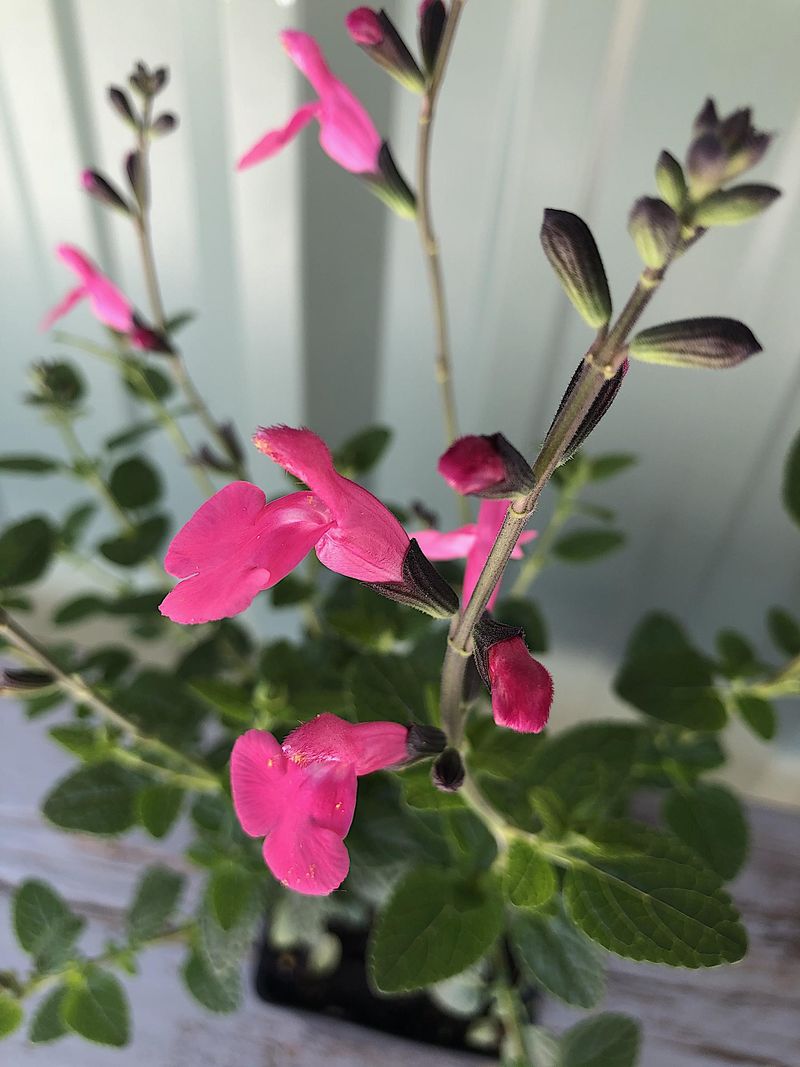
Brilliant magenta blooms make Salvia lemmonii impossible to miss in Arizona’s mountain gardens and natural areas above 5,000 feet.
Named after botanist John Gill Lemmon who explored Arizona extensively in the 1800s, this species brings tropical-looking color to cooler climates.
Flagstaff gardeners and residents of mountain communities find this sage perfectly adapted to their conditions.
Reaching 4 feet tall and wide, Lemmon’s sage creates substantial presence in mixed borders or naturalistic plantings. Bright green leaves provide lush backdrop for flower spikes that appear from late spring through first frost.
Each tubular bloom stretches over an inch long, colored in shades ranging from hot pink to deep magenta.
Higher elevation gardens benefit from this plant’s cold tolerance, surviving temperatures down to 10 degrees Fahrenheit.
Summer monsoon rains provide most needed moisture, though occasional supplemental water during dry springs helps plants establish quickly.
Full sun produces maximum flowering, though light afternoon shade works in warmer microclimates.
Butterflies and hummingbirds visit constantly when flowers open, creating animated garden scenes throughout summer months. Deer generally avoid this plant, making it valuable where browsing pressure limits plant choices.
Arizona’s mountain regions gain spectacular color from this reliable native that performs year after year with minimal care beyond basic watering during establishment.
4. Salvia Parryi Handles Southern Arizona Heat With Ease
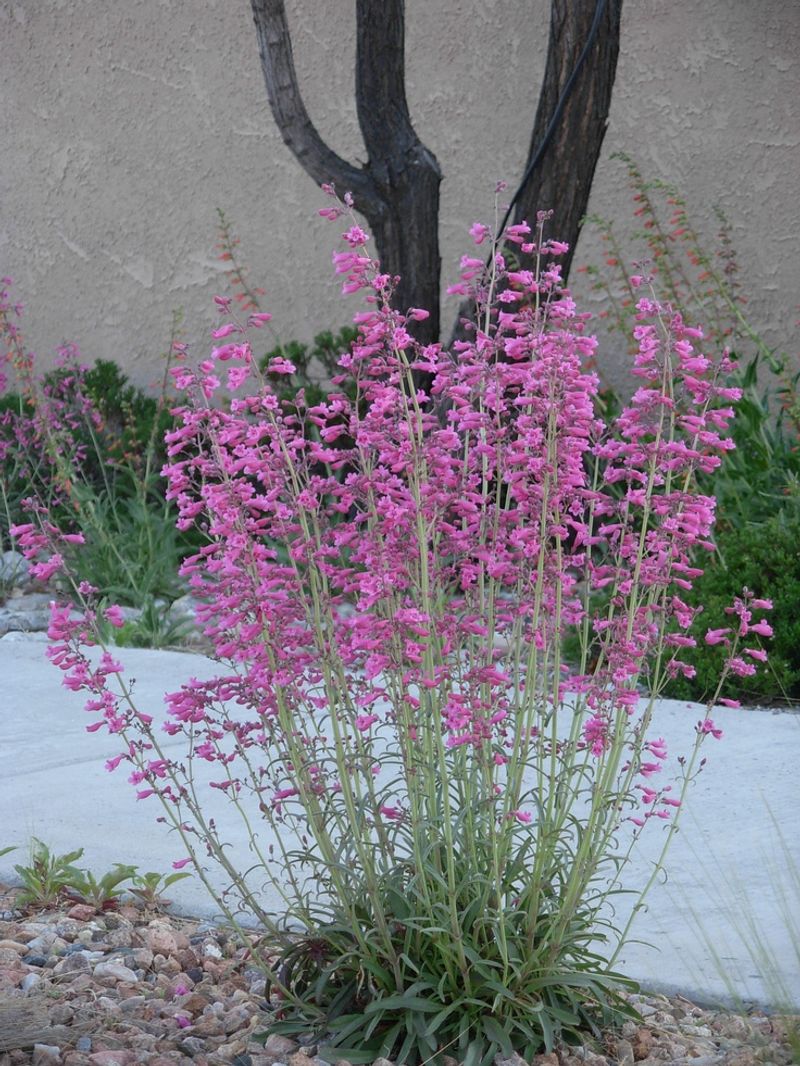
Few plants bloom as enthusiastically through Phoenix and Tucson summers as Salvia parryi, a heat-loving species that actually prefers scorching temperatures.
Bright blue-purple flowers appear in spring and continue sporadically through fall, intensifying after monsoon rains arrive.
Southern Arizona gardeners prize this tough perennial for reliable performance in challenging conditions.
Plants grow 2 to 3 feet tall with equal spread, forming mounded shapes covered in aromatic gray-green foliage. Flower spikes rise above leaves, displaying whorls of tubular blossoms that attract constant pollinator attention.
The plant’s compact size works well in smaller gardens or containers on patios.
Full sun and excellent drainage create ideal growing conditions, though established plants tolerate various soil types. Deep watering every two weeks during hot months keeps plants vigorous, while winter watering can decrease to monthly or less.
Arizona’s low desert regions from Yuma to Casa Grande provide perfect climate for this species.
Combining Parry’s sage with other heat-tolerant natives like penstemon and desert marigold creates colorful, water-wise plantings. The aromatic foliage deters rabbits and other browsing animals, protecting surrounding plants.
Seeds form after flowering, providing food for finches and sparrows that visit southern Arizona gardens year-round seeking sustenance in desert landscapes.
In much of Arizona, Salvia parryi benefits from a light pruning after its main spring bloom to keep plants compact and encourage fresh growth.
Avoid cutting it back heavily in late fall, since woody stems help protect the crown from occasional winter cold snaps.
Once fully established, this species requires very little supplemental fertilizer, and too much nitrogen can reduce flowering. Lean soil and plenty of sun keep Parry’s sage blooming stronger and looking naturally tidy in low desert landscapes.
5. Salvia Dorrii Stands Out In Northern And Western Desert Landscapes
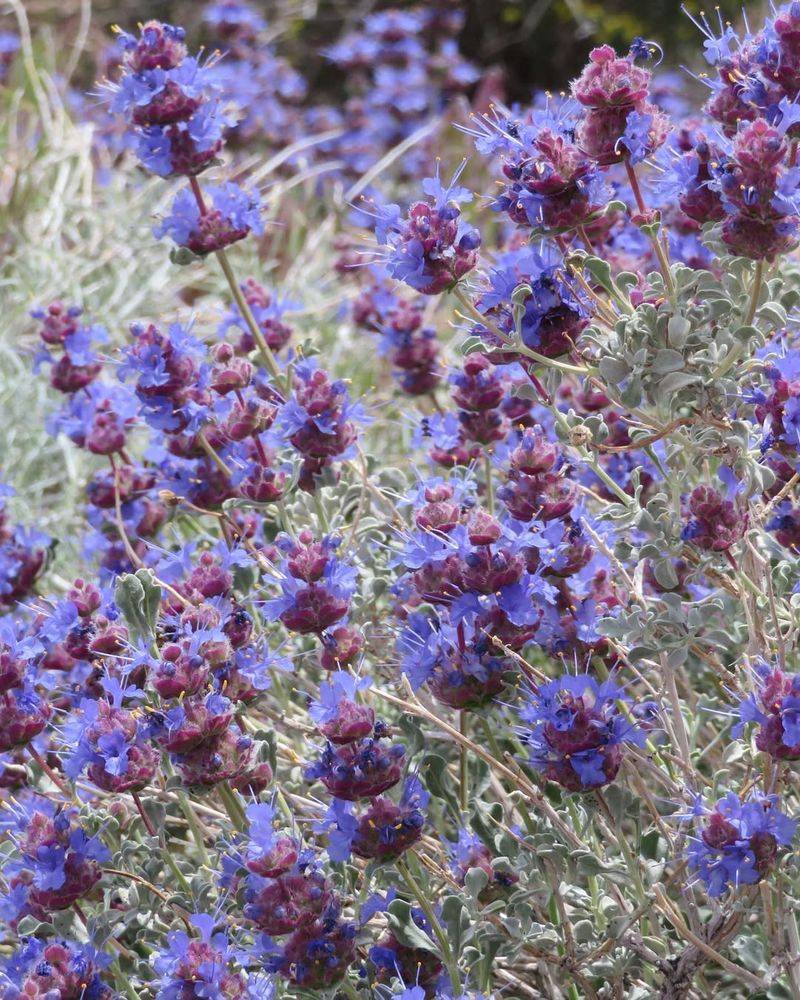
Salvia dorrii thrives where many salvias struggle, inhabiting Arizona’s coldest deserts and high plains from 3,000 to 7,000 feet elevation. Purple-blue flowers emerge in spring, creating striking contrast against silvery-gray foliage that resembles traditional sagebrush.
Northern Arizona communities from Williams to Show Low can grow this tough native with outstanding results.
Compact plants rarely exceed 2 feet tall, forming rounded shrubs that fit perfectly in rock gardens or xeriscapes. Leaves carry strong aroma when crushed, releasing oils that protect plants from browsing animals and harsh conditions.
Flower spikes appear densely clustered, creating bold color impact despite small individual blossoms.
Cold hardiness sets this species apart from other Arizona salvias, surviving temperatures below zero degrees Fahrenheit without damage.
Winter moisture from snow provides most needed water, though occasional summer irrigation helps during extended droughts.
Full sun and lean, rocky soil produce healthiest plants.
Desert sage works beautifully in naturalistic designs that echo surrounding landscapes, blending seamlessly with native junipers and pinyon pines. The plant’s compact form makes it excellent for borders or mass plantings where consistent height matters.
Pollinators appreciate early spring blooms when few other flowers offer nectar, supporting wildlife populations across northern and western Arizona’s vast desert expanses.
6. Salvia Pachyphylla Grows Naturally On Rocky Arizona Hillsides
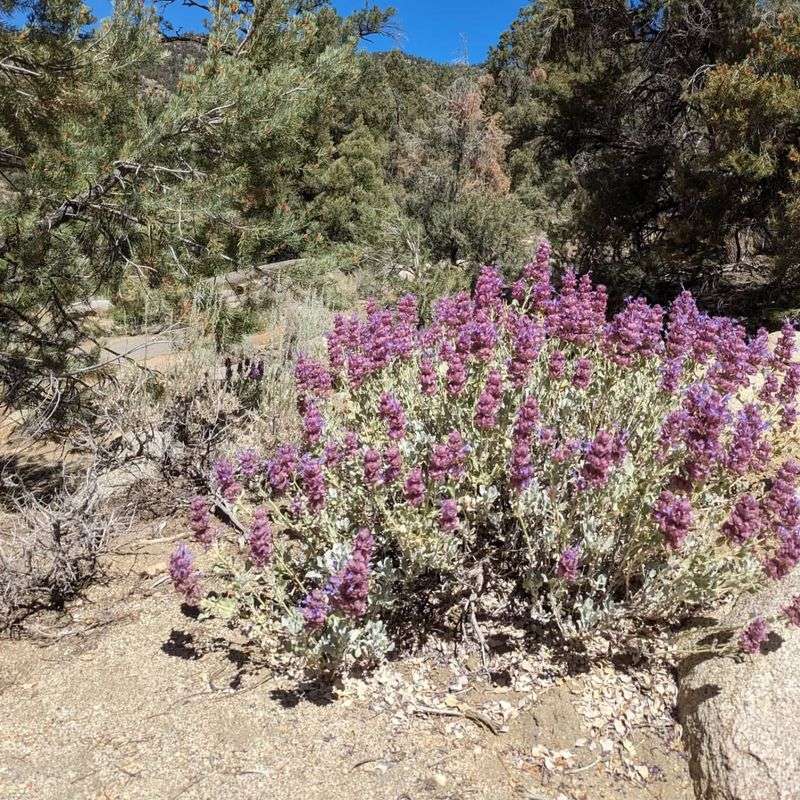
Rose-purple flowers and intensely aromatic foliage make Salvia pachyphylla memorable in Arizona gardens and wild landscapes alike.
Commonly called rose sage or mountain desert sage, this species inhabits rocky slopes and canyon walls in western and northwestern Arizona.
Plants grow slowly but live many years, eventually forming substantial specimens that anchor landscapes.
Reaching 2 to 3 feet tall, rose sage develops woody stems and thick, succulent-like leaves covered in fine hairs. Foliage color ranges from gray-green to silvery-blue, providing year-round interest even when flowers aren’t present.
Bloom spikes appear in late spring and early summer, displaying whorls of rose-colored blossoms.
Extreme heat tolerance allows this salvia to thrive in Arizona’s hottest microclimates, including south-facing slopes and reflected heat from walls. Rocky, fast-draining soil proves essential, as plants cannot tolerate wet conditions.
Once established, supplemental water becomes unnecessary except during severe droughts.
The powerful fragrance released by leaves makes this plant useful near outdoor living spaces where brushing against foliage releases scent.
Hummingbirds visit flowers regularly, while the plant’s tough nature discourages browsing from rabbits and javelina.
Arizona landscapes from Kingman to Lake Havasu benefit from this distinctive native that celebrates the beauty of rocky, challenging terrain throughout the western regions.
7. Salvia Reflexa Adapts To Northeastern Arizona Grasslands
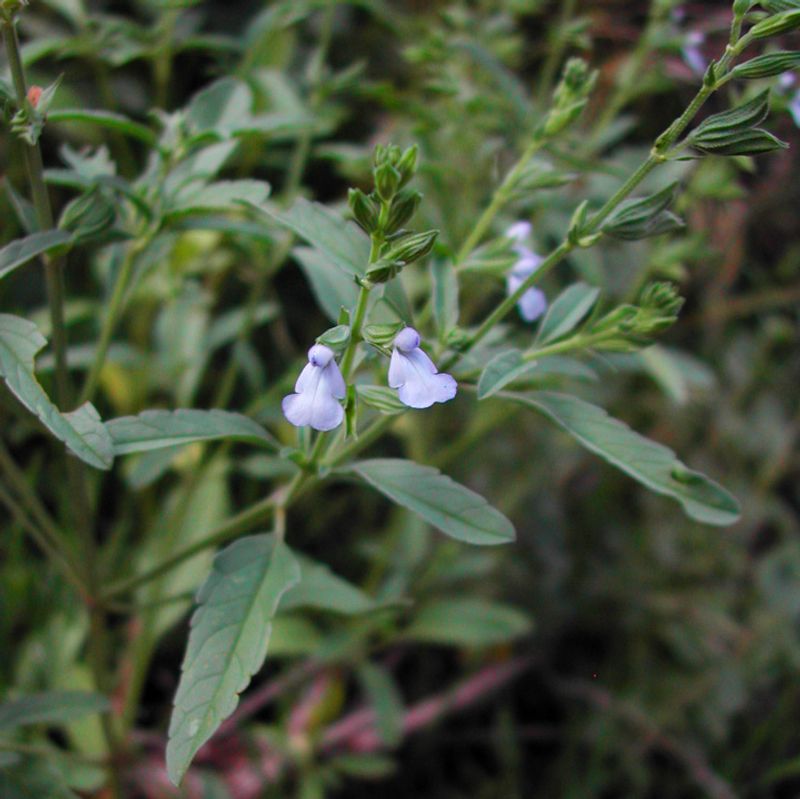
Grasslands stretching across northeastern Arizona host Salvia reflexa, an annual species that appears after summer rains transform dry prairies into green carpets.
Small blue flowers bloom from July through October, adding delicate color to areas dominated by grasses.
This adaptable salvia grows from 1,000 to 7,000 feet elevation, appearing in diverse habitats across the region.
Plants reach 1 to 2 feet tall with branching stems that create airy, open structure. Narrow leaves give this species its common name, lanceleaf sage, describing the pointed foliage shape.
Tiny flowers cluster along upper stems, attracting small native bees and other pollinators seeking late-season nectar.
Northeastern Arizona communities from Holbrook to St. Johns see this plant appearing naturally in disturbed areas, roadsides, and open grasslands.
Seeds germinate quickly after monsoon moisture arrives, allowing plants to complete their life cycle before winter cold returns.
Full sun and average to poor soil suit this undemanding species perfectly.
Gardeners interested in supporting native pollinators can allow this plant to self-sow in informal garden areas. The airy growth habit prevents this salvia from overwhelming other plants, instead weaving through perennials and grasses.
Arizona’s grassland ecosystems benefit from natives like lanceleaf sage that provide food and habitat for countless insects and birds dependent on these increasingly threatened landscapes.
Because Salvia reflexa is an annual, its presence varies from year to year depending on summer rainfall patterns in Arizona. In drier monsoon seasons, populations may be sparse, while wet summers can trigger impressive flushes across open ground.
Gardeners should also note that this species spreads readily by seed, so it is best suited for naturalistic plantings rather than tightly manicured beds.
Allowing seed heads to mature ensures future generations return after the next round of summer rains.
8. Salvia Subincisa Performs Well In Southern Arizona Foothills
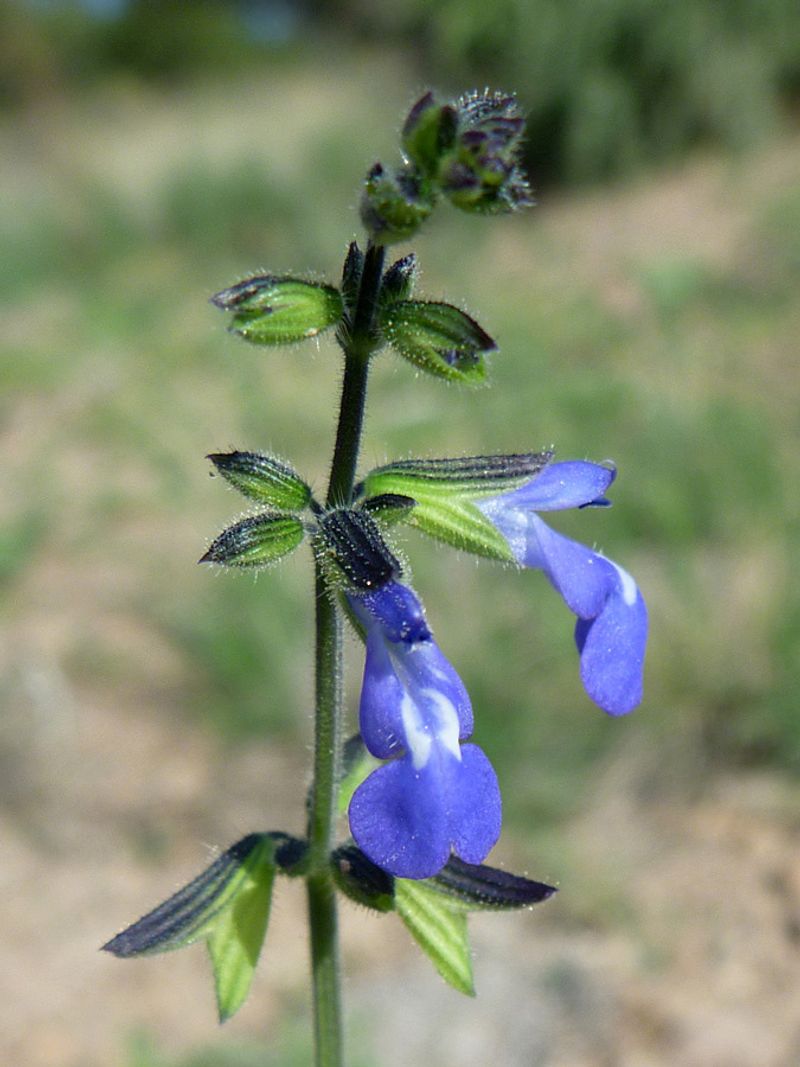
Southern Arizona foothills from 2,500 to 5,000 feet elevation provide ideal habitat for Salvia subincisa, a species that bridges desert and mountain environments.
Blue-violet flowers appear in spring and again after summer monsoons, creating two distinct bloom periods.
Gardeners in Tucson’s northern neighborhoods and similar foothill locations find this native perfectly suited to their transitional climate zones.
Growing 1 to 2 feet tall, sawtooth sage forms low mounds of deeply toothed leaves that give the plant its common name. Flower spikes rise above foliage, displaying whorls of tubular blossoms that attract hummingbirds and butterflies.
The plant’s moderate size works well in borders, rock gardens, or naturalistic desert plantings.
Part shade to full sun suits this adaptable species, with afternoon shade beneficial in hottest locations. Rocky or gravelly soil with excellent drainage prevents root issues during rainy periods.
Established plants need only occasional deep watering during extended dry spells between monsoon seasons.
Combining sawtooth sage with other foothill natives like fairy duster and brittlebush creates authentic regional landscapes. The plant’s ability to bloom twice yearly provides extended color and nectar resources for wildlife.
Southern Arizona’s unique foothill ecosystems gain valuable support from gardeners who choose natives like Salvia subincisa, celebrating the special character of this transition zone between desert and mountains.