Why Arizona Citrus Leaves Start Curling Before Summer Fully Arrives
Citrus trees usually look full and healthy during spring, which is why curled leaves can feel so alarming once temperatures start climbing in Arizona. Many people notice the change almost overnight.
Leaves begin folding inward, fresh growth looks stressed, and parts of the tree suddenly appear less vibrant even though summer has not fully arrived yet.
Early heat is only part of the problem. Dry soil, uneven watering, reflected heat from gravel or walls, and strong afternoon sun can all push citrus trees into stress much faster than expected during late spring.
New growth tends to react first, especially when roots struggle to keep up with rising temperatures.
Leaf curling does not always mean a tree is in serious trouble, but it usually signals that something needs attention before hotter weather settles in.
Small warning signs often appear before yellowing, fruit drop, or slowed growth begin showing up across the tree.
Catching the cause early can help citrus recover much more smoothly before extreme summer heat takes over.
1. Dry Soil Often Causes Citrus Leaves To Curl Early
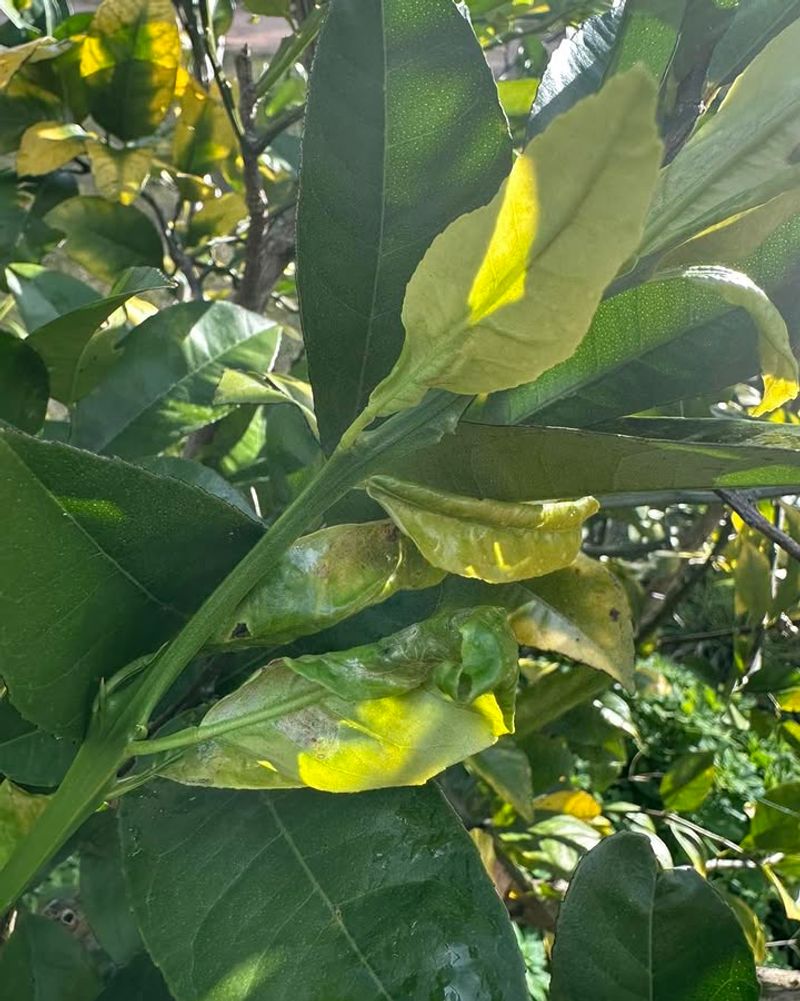
Parched soil is one of the most common reasons citrus leaves begin curling before summer officially arrives in Arizona. When roots cannot pull enough moisture from the soil, the tree reacts by curling its leaves inward to reduce water loss.
It is a fast survival response that becomes especially common once spring temperatures start climbing. Sandy desert soil drains very quickly, sometimes faster than people expect.
A deep watering early in the week can leave the root zone dry again only a couple of days later once temperatures reach the 90s.
Shallow watering makes the issue worse because it encourages roots to remain close to the surface where soil dries out fastest.
Soil moisture is easy to check using a wooden dowel or long screwdriver pushed several inches into the ground near the tree. If it comes back dry and clean, the soil likely needs water immediately.
Citrus roots generally perform best when moisture reaches about 18 to 24 inches deep. Watering schedules usually need adjustment by March or April, long before peak summer heat arrives.
Many gardeners wait until leaves begin curling before increasing irrigation, but by then the tree is already under stress.
2. Sudden Heat Changes Can Stress Citrus Trees Quickly
Few things catch citrus trees off guard quite like a rapid temperature spike in early spring.
Desert climates are known for stretches of mild weather followed by days where temperatures suddenly jump 20 degrees or more in less than 48 hours.
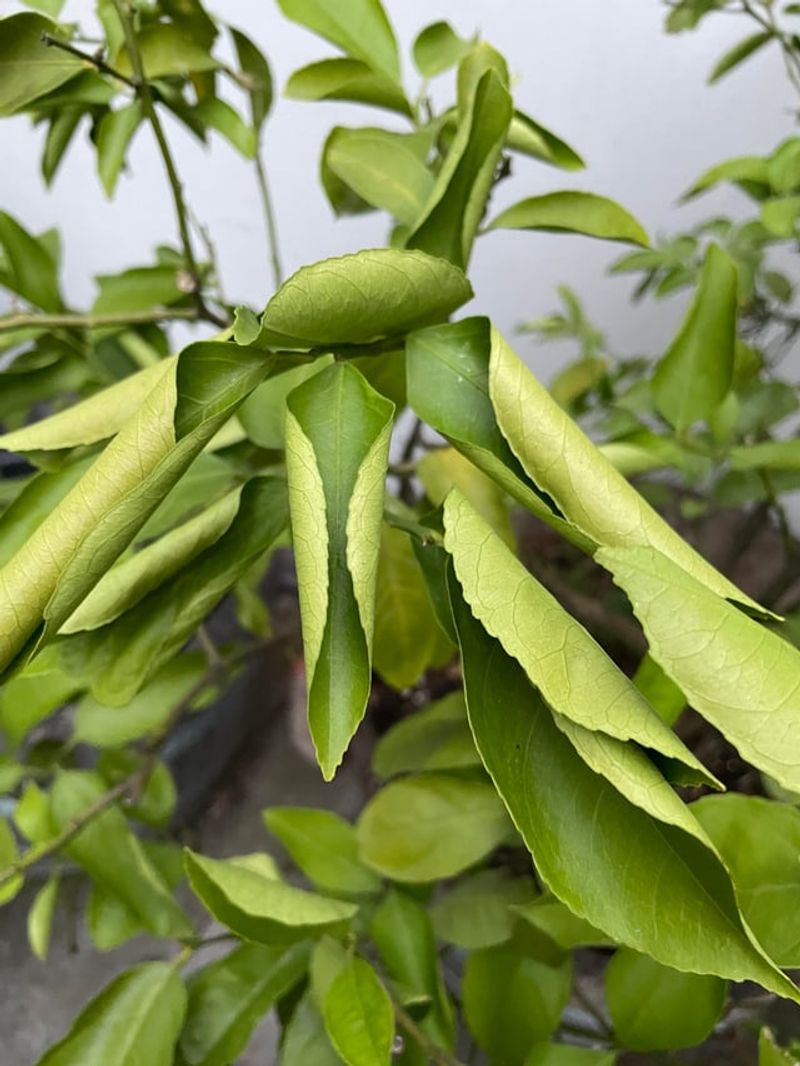
Citrus trees often struggle to handle that kind of sudden heat stress without showing visible signs. When temperatures rise quickly, leaves lose moisture faster than the roots can replace it.
Curling is the tree’s way of protecting itself from further water loss. The damage often appears first on the west or south facing side of the tree where afternoon sun exposure is strongest during early heat waves.
Young trees and newly planted citrus are especially vulnerable because their root systems have not spread deeply enough yet to access cooler and more stable moisture farther underground.
Your Arizona Garden Changes Every Week. Your Plan Should Too.
Gardening in Arizona changes quickly throughout the season. Every Friday you’ll receive a simple weekly plan showing exactly what to plant, prune, fertilize, harvest, and protect so you never miss the right timing.
Even mature trees can begin curling during sudden heat spikes if irrigation schedules have not been adjusted to match changing conditions.
Watching weather forecasts closely during spring helps prevent a lot of unnecessary stress. If a major temperature jump is coming, watering deeply a day early can help prepare the soil before the heat arrives.
Temporary shade cloth over younger trees can also reduce stress during extreme early season heat events.
3. Aphids Frequently Hide Beneath Curled Leaves
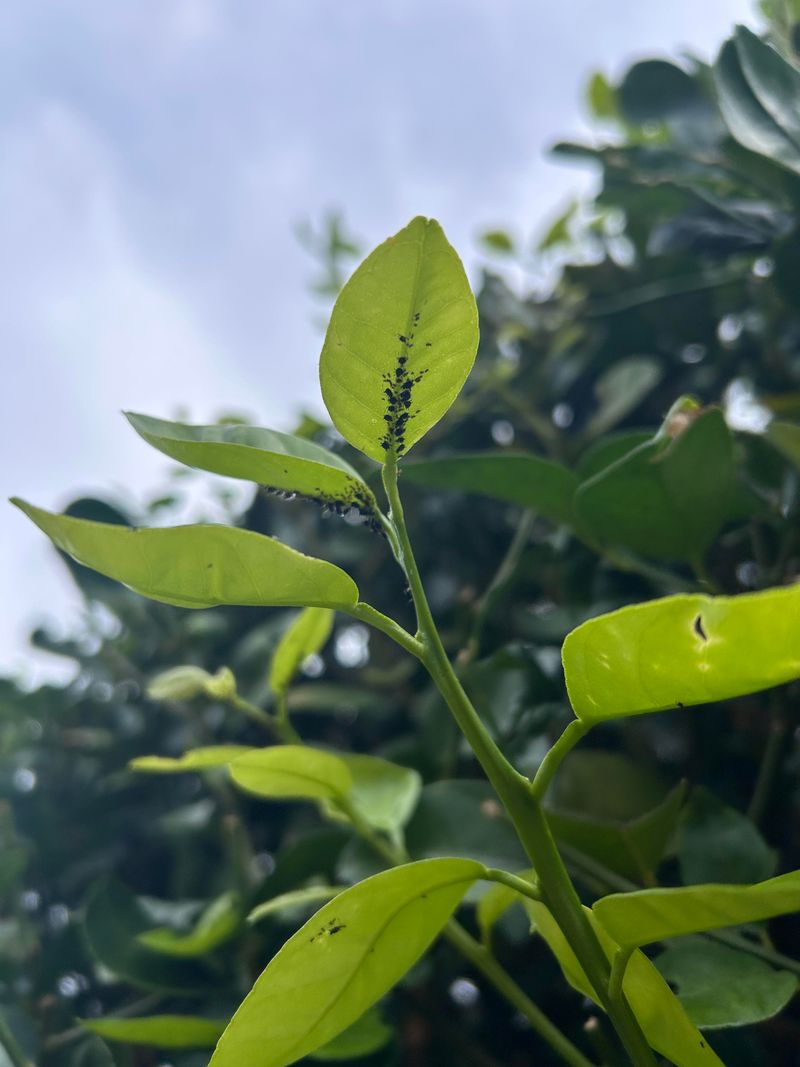
Spotting aphids on citrus is not always easy until the damage is already noticeable. These tiny soft-bodied insects cluster on new growth and feed by piercing leaf tissue and sucking out plant sap.
One of their most telling signs is leaf curling, which happens because their feeding disrupts normal cell development in young leaves.
Spring is prime aphid season across much of our state. Warm temperatures and the flush of tender new growth that citrus produces in late winter and early spring create ideal conditions for aphid populations to build fast.
A small cluster can multiply into thousands within just a couple of weeks.
Checking the undersides of curled leaves is always the right first move when you notice curling that does not seem tied to watering issues.
Aphids are usually visible to the naked eye, appearing as tiny green, yellow, or black specks clustered along leaf veins and on stems.
Sticky residue on leaves or ants marching up and down the trunk are also reliable clues that aphids are present.
A strong spray of water from a hose knocks aphids off plants effectively and does not harm the tree.
Insecticidal soap or neem oil applied directly to affected areas works well for heavier infestations, though it should be applied in the early morning or evening to avoid leaf burn in warm weather.
4. Water Deeply Before Temperatures Rise Too High
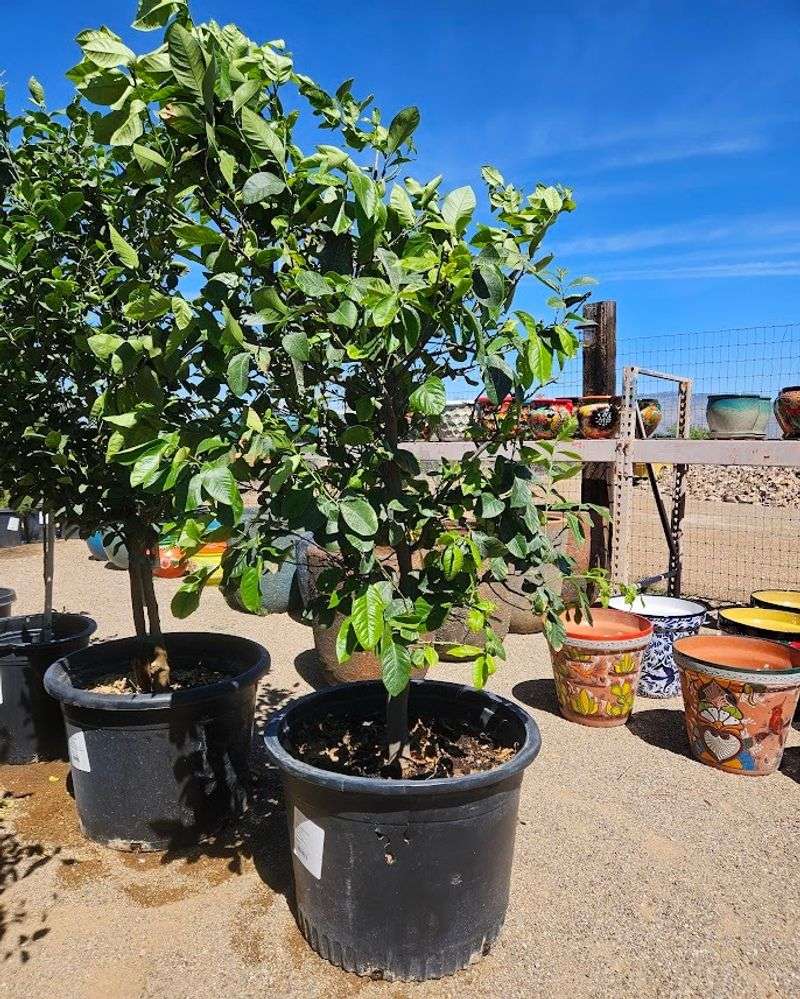
Watering deeply before a heat wave hits is one of those habits that separates gardeners who struggle every summer from those whose citrus trees sail through it looking strong.
Pre-loading soil with moisture gives roots something to draw from when surface temperatures make shallow soil useless within hours.
Deep watering means getting moisture down to at least 18 inches below the surface where citrus roots actively feed. A slow, long soak works far better than a quick run of the sprinklers.
Drip systems set to run for extended periods, or a slow trickle from a hose left near the drip line of the tree, both accomplish this effectively.
Timing matters just as much as depth. Watering in the early morning allows moisture to soak into the soil before afternoon heat accelerates evaporation.
Evening watering is a secondary option but can encourage fungal issues in some cases, so morning is generally preferred in our climate.
A common mistake in desert gardens is increasing watering frequency without increasing duration. Running drip emitters for an extra cycle of 15 minutes adds very little actual moisture to deep soil layers.
Instead, extending each individual session gives water the time it needs to travel downward rather than evaporating or running off.
5. Add Mulch To Help Soil Hold Moisture Longer
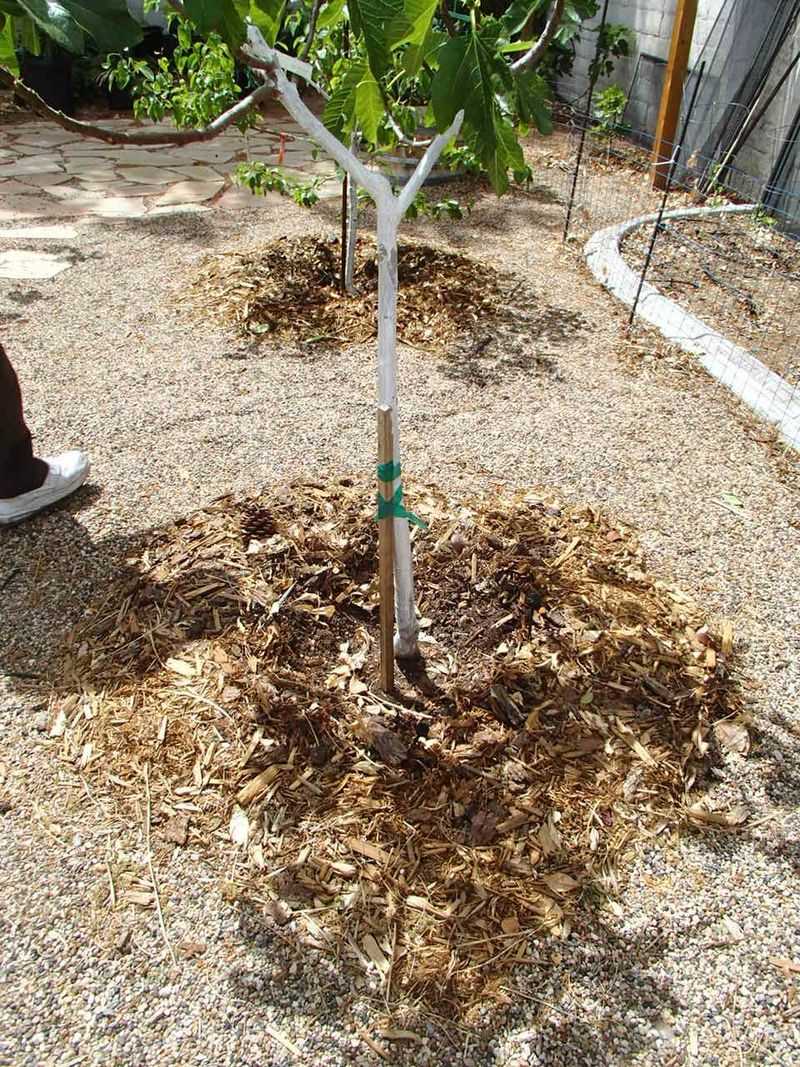
Bare soil under a citrus tree in our desert climate is basically an open invitation for moisture to vanish. Without any protective layer on top, sun and heat pull water out of the ground faster than most irrigation systems can replace it.
Mulch acts like a lid on the soil, slowing evaporation dramatically and keeping root zones cooler during spring and summer.
Wood chips are among the most effective mulch options for citrus in desert gardens.
A layer three to four inches deep spread from just outside the trunk flare out to the drip line makes a noticeable difference in soil moisture retention.
Avoid piling mulch directly against the trunk, which can trap excess moisture against the bark and cause problems over time.
Beyond holding moisture, mulch also moderates soil temperature swings. Soil without mulch can heat up to temperatures that stress roots during hot afternoons, while mulched soil stays significantly cooler.
That temperature stability reduces the overall stress load on the tree, especially during the transition from spring to summer when conditions shift rapidly.
Organic mulches like wood chips and shredded bark break down slowly and add organic matter to the soil over time, which improves water retention naturally.
Inorganic options like gravel do reflect some heat but do not offer the same moisture-holding benefits.
6. Protect Young Citrus From Harsh Afternoon Sun
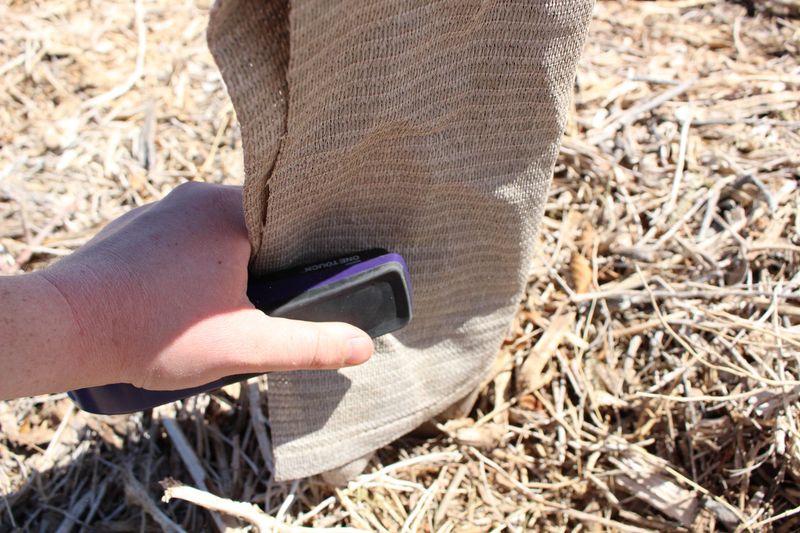
Young citrus trees have not yet developed the thick canopy that helps mature trees handle intense afternoon sun.
Before that canopy fills in, direct exposure to harsh western sun during spring afternoons can push leaf temperatures beyond what the tree can manage, leading to curling, bleaching, and visible stress within just a few days.
Shade cloth rated at 30 to 40 percent light reduction works well for protecting young trees without blocking too much of the sunlight they still need for growth.
It can be draped over a simple frame or attached to an existing fence or structure on the western side of the tree.
Even a temporary setup during the hottest part of the afternoon makes a real difference.
Container-grown citrus has an advantage here because it can be moved. Shifting a potted tree to a spot that gets morning sun and afternoon shade is often enough to stop stress-related curling without any additional shading equipment.
Established in-ground trees require a bit more creativity, but the effort is worth it during the vulnerable first few years.
Newly planted citrus in our state should always be placed with afternoon shade in mind, whether from a building, a wall, or a larger established tree nearby.
7. Check Leaf Undersides Before Problems Spread Further
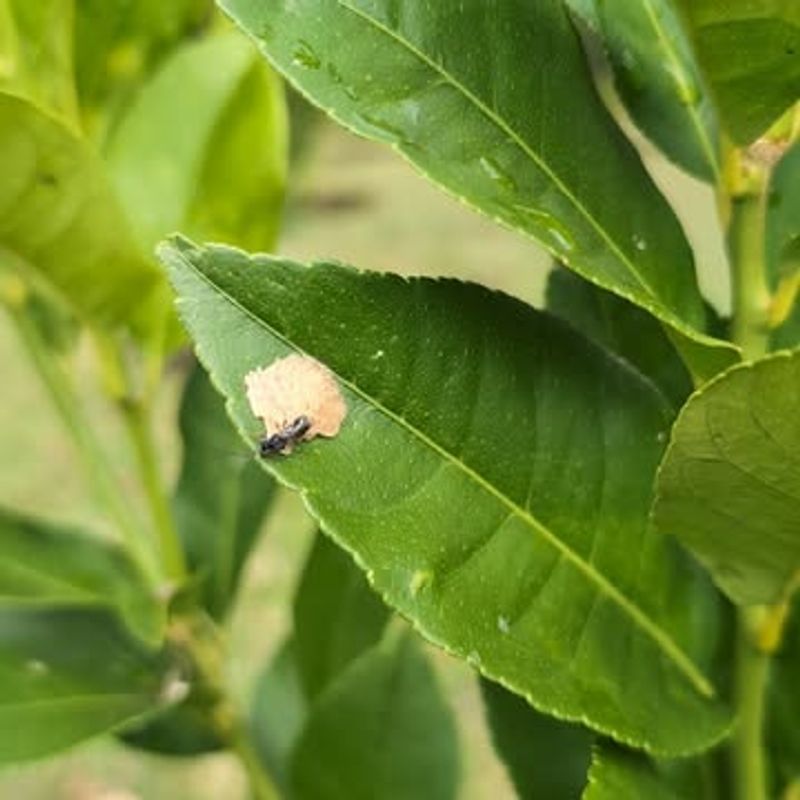
Flipping a citrus leaf over takes only a few seconds, but many gardeners overlook it until pest problems are already spreading.
The underside of the leaf is usually where early infestations begin, and spotting issues early makes treatment much easier than dealing with a larger outbreak later on.
Aphids are not the only concern. Citrus leaves can also attract spider mites, citrus leafminers, and scale insects, all of which commonly start underneath the foliage before becoming more visible.
Spider mites are especially easy to miss at first because they are tiny, but fine webbing and a dull or speckled leaf surface are usually strong warning signs once damage begins developing.
Checking leaf undersides every week or two during spring becomes a simple habit that can prevent bigger problems later.
Walk around the tree, pick leaves from different sections of the canopy, and inspect the undersides carefully. Watch for sticky residue, webbing, unusual texture, or tiny moving specks.
Healthy citrus foliage should appear smooth and clean on both sides. Catching pest activity early also gives you more treatment options.
Small infestations can often be controlled with strong water sprays or insecticidal soap before stronger products become necessary. Waiting until leaves curl heavily and pests spread through the canopy makes recovery much slower.