10 Invasive Plants You Should Never Plant In North Florida
That beautiful plant at the garden center could become tomorrow’s nightmare. Across North Florida, aggressive invaders slip quietly into landscapes, spread beyond property lines, and begin choking out native plants, trees, and wildlife habitat.
What starts as an innocent planting can turn into a fast moving takeover that is difficult, expensive, and sometimes impossible to reverse.
Many of these species grow faster, spread farther, and survive harsher conditions than expected, especially in North Florida’s warm climate, sandy soils, and long growing season.
Some even escape into nearby woods, wetlands, and waterways, causing lasting environmental damage. The worst part is that many gardeners do not realize the risk until the plant is already out of control.
Before adding something new to your yard, learn which invasive plants you should never plant in North Florida and why avoiding them protects both your landscape and the natural environment.
1. Chinese Tallow Spreads Faster Than You Expect
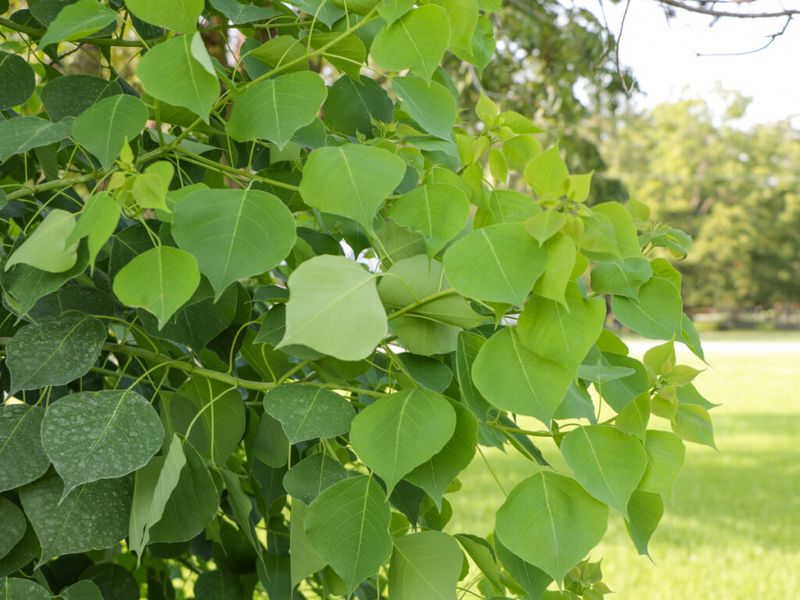
Few trees in North Florida have earned a worse reputation quite as quickly as Chinese tallow. Originally brought over as an ornamental and even considered for soap production, it has since become one of the most aggressive invasive trees in the southeastern United States.
A single mature tree can produce up to 100,000 seeds in one season, and those seeds spread easily by water, birds, and foot traffic.
In North Florida, Chinese tallow invades forest edges, wetlands, floodplains, and open fields with alarming speed. It leafs out earlier in spring and holds its leaves longer in fall than most native trees, which gives it a competitive edge over slower-growing native species.
Over time, it forms dense single-species stands that block sunlight and push out native plants, shrubs, and wildflowers.
Young trees can be hand-pulled when the soil is moist, but larger specimens require more intensive removal methods. Avoid planting this tree under any circumstances, and check your property regularly for seedlings.
If you spot one growing near a natural area or waterway, remove it early before it has a chance to fruit. Replacing it with a native alternative like sweetbay magnolia is a far better choice for your landscape.
2. Coral Ardisia Quietly Takes Over Forest Floors
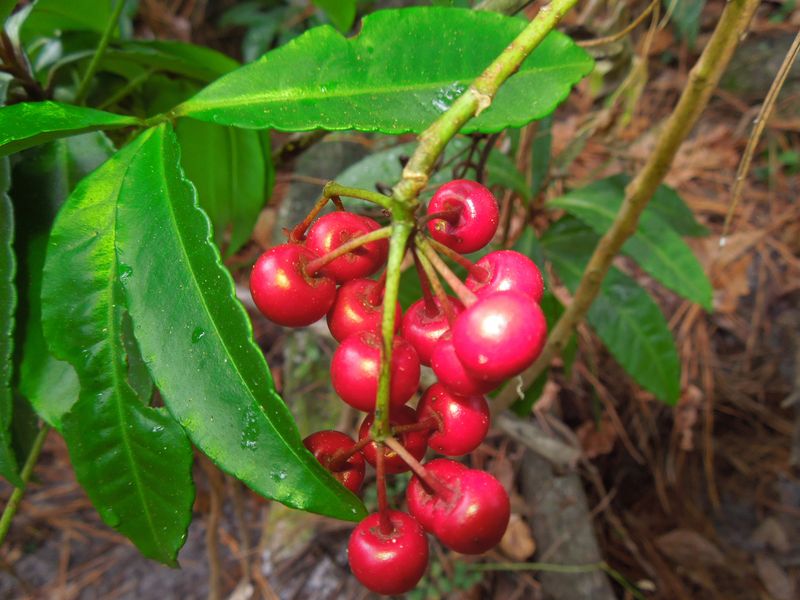
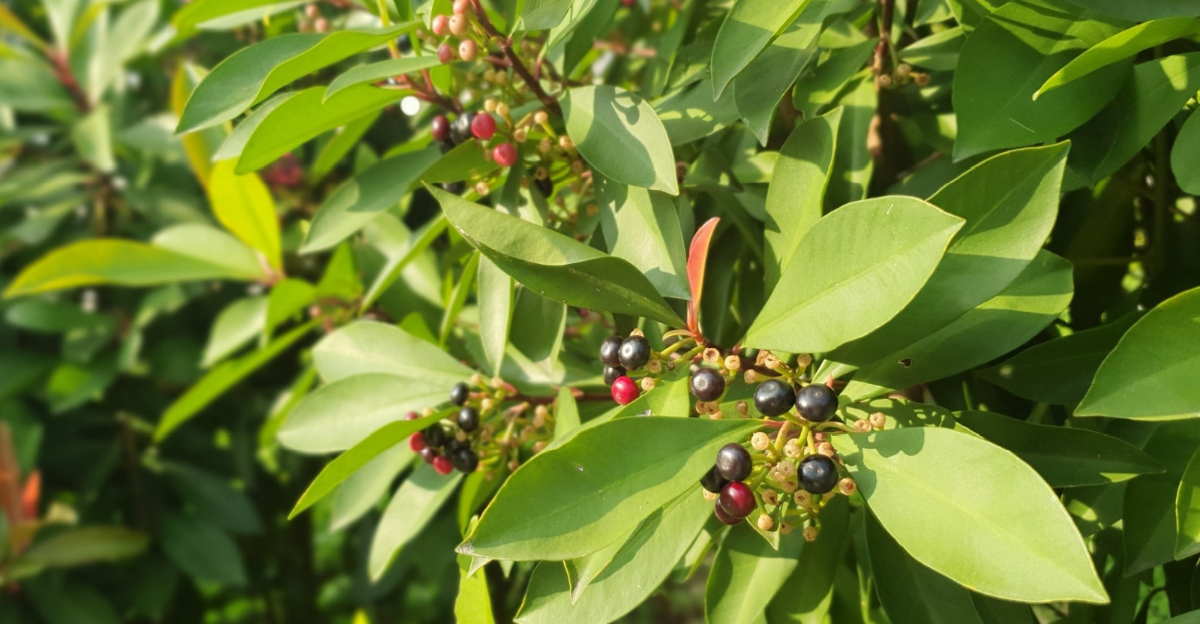
Walk through almost any shaded neighborhood in North Florida and you might spot coral ardisia tucked beneath oak trees, its glossy leaves and bright red berries looking almost festive. That appealing appearance is exactly why it became a popular landscape plant for decades.
Unfortunately, what looks tidy in a garden bed becomes a serious problem when birds carry those berries into nearby natural areas.
Once coral ardisia reaches a forest floor, it forms a dense, low-growing carpet that prevents native seedlings from germinating. It tolerates deep shade remarkably well, which means it thrives in the exact conditions where native wildflowers and understory plants are trying to grow.
Over time, it can transform a diverse forest floor into a monoculture of one single invasive species.
Removal requires persistence. Small plants can be pulled by hand, but any roots left behind will resprout.
Your Florida Garden Changes Every Week. Your Plan Should Too.
Gardening in Florida changes quickly throughout the season. Every Friday you’ll receive a simple weekly plan showing exactly what to plant, prune, fertilize, harvest, and protect so you never miss the right timing.
Larger infestations may require repeated cutting and treatment. Because birds spread the seeds widely, you may find new plants popping up far from the original source.
If you currently have coral ardisia in your yard, consider replacing it with native groundcovers like wild ginger or Walter’s viburnum, which offer similar visual interest without the ecological baggage.
3. Nandina Escapes Gardens Through Bird Dispersal
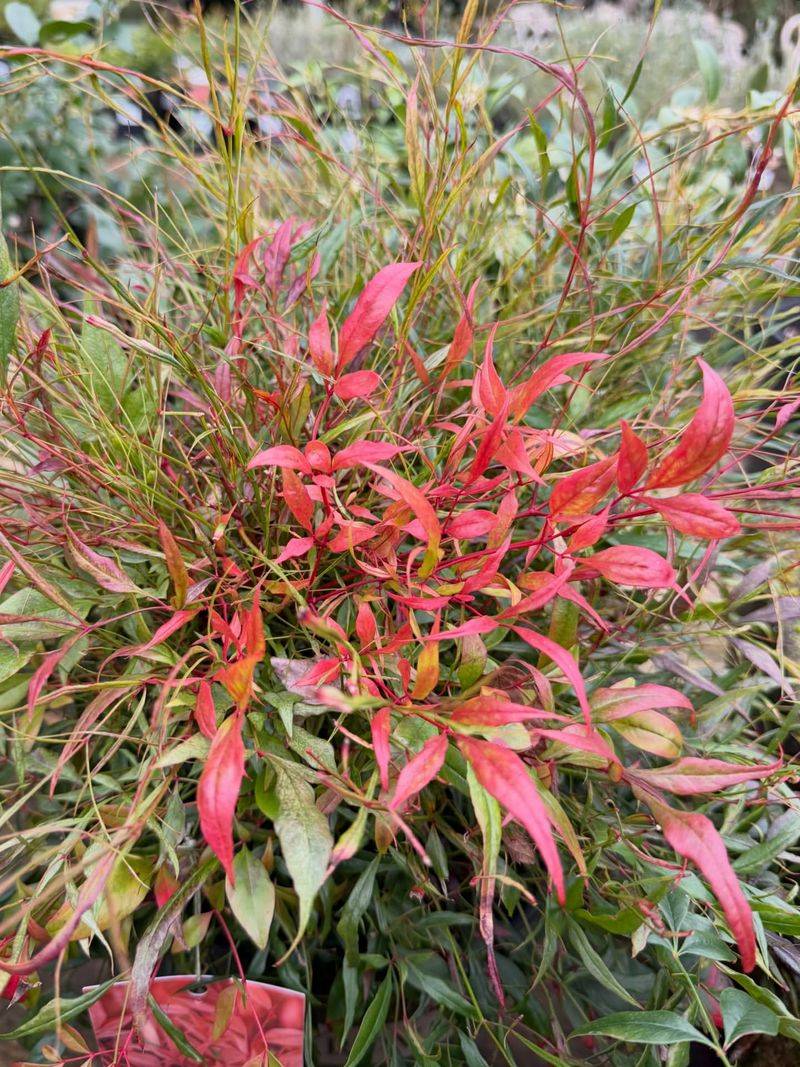
Nandina, sometimes called heavenly bamboo, has been a staple of Southern landscaping for generations. Its feathery foliage, red berries, and low-maintenance reputation made it a go-to choice for foundation plantings across North Florida.
What most homeowners were never told is that those cheerful red berries are toxic to birds and spread easily into natural areas where the plant has no business growing.
Birds consume the berries without immediately showing harm, then deposit seeds in forests, wetland edges, and roadsides far from the original plant. Once established, nandina is surprisingly tough.
It tolerates drought, poor soil, and partial shade, which means it competes well against native vegetation in a wide range of conditions. Over time, it can form dense thickets that reduce habitat quality for ground-nesting birds and native pollinators.
Florida has recognized nandina as a Category I invasive species, meaning it is documented to be altering native plant communities. If you have nandina in your yard, removing it is worth the effort.
Pull or dig out small plants, making sure to get the root system. For larger shrubs, cutting them back and treating the stump is often necessary.
Native shrubs like beautyberry or firebush offer similar visual appeal and actually support local wildlife instead of harming it.
4. Chinese Privet Forms Dense, Unstoppable Thickets
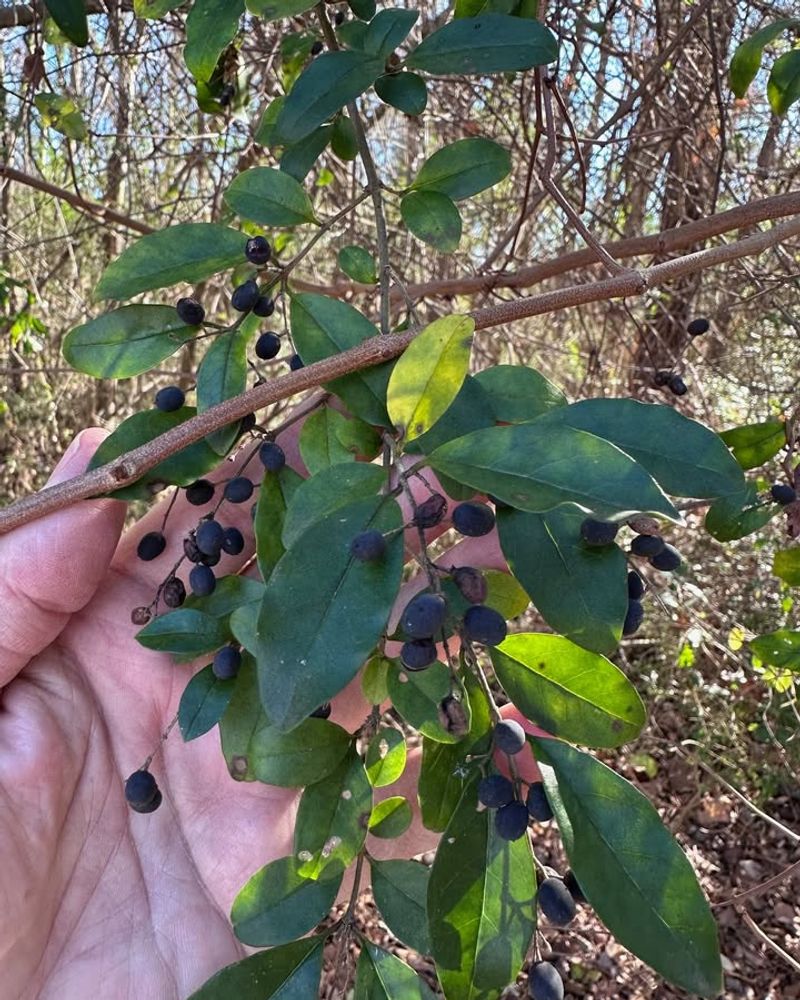
Chinese privet does not ease its way into a landscape. It moves in fast, grows thick, and crowds out everything around it.
Across North Florida, this shrub has become a dominant presence along stream banks, forest edges, roadsides, and disturbed areas. It was widely planted as a hedge and windbreak throughout the twentieth century, and escaping cultivation turned out to be embarrassingly easy for it.
The plant produces large quantities of small dark berries that birds readily consume and spread. Seedlings establish quickly in both sun and shade, and mature shrubs resprout aggressively after being cut.
A single established plant can eventually spread into a thicket dense enough to block light from the forest floor, eliminating native shrubs, wildflowers, and tree seedlings in the process.
Chinese privet is especially problematic in North Florida’s bottomland forests and along creek corridors, where it can completely reshape the understory. Removal is labor-intensive because cutting alone encourages vigorous resprouting.
Persistent follow-up is essential after any removal effort. If you are looking for a native hedge plant, consider wax myrtle or yaupon holly, both of which provide screening, wildlife value, and year-round interest without any of the invasive downsides that privet brings to the table.
5. Air Potato Smothers Trees In One Growing Season
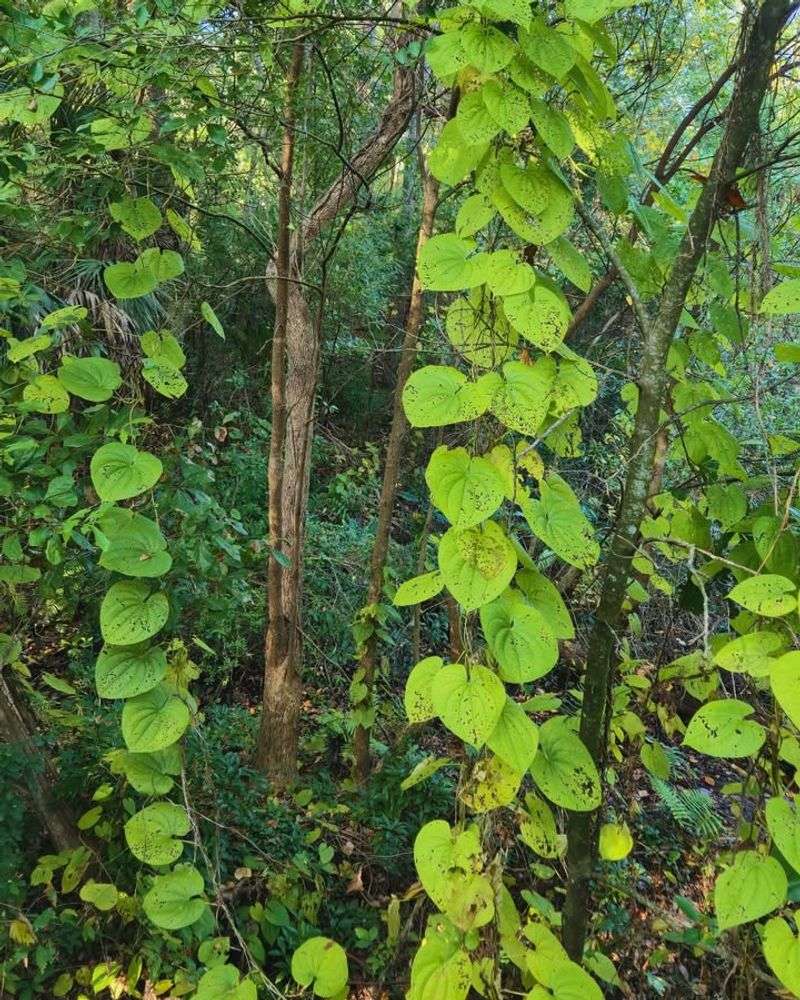
If you have ever watched a vine completely swallow a tree in what feels like a matter of weeks, there is a good chance you were looking at air potato. This fast-growing vine from Africa can reportedly grow up to eight inches per day under the right conditions, and North Florida’s warm, humid summers are just about perfect for it.
By late summer, it can blanket entire tree canopies and shrub layers in a dense wall of large, heart-shaped leaves.
Air potato spreads primarily through aerial tubers, which are small potato-like bulbils that form along the vine and drop to the ground. Each one can sprout a new plant, and a single vine can produce dozens of them in one season.
The tubers can also float along waterways, spreading the plant into new areas. Once established, the vine weakens trees by blocking sunlight and adding weight to branches.
Removal is ongoing work rather than a one-time job. Pulling vines down and collecting every visible tuber helps, but any left behind will resprout the following spring.
North Florida residents are encouraged to participate in air potato collection events organized by local conservation groups. Replacing it with native vines like coral honeysuckle provides fast coverage without the aggressive spreading behavior that makes air potato so difficult to manage.
6. Japanese Climbing Fern Climbs Over Everything In Its Path
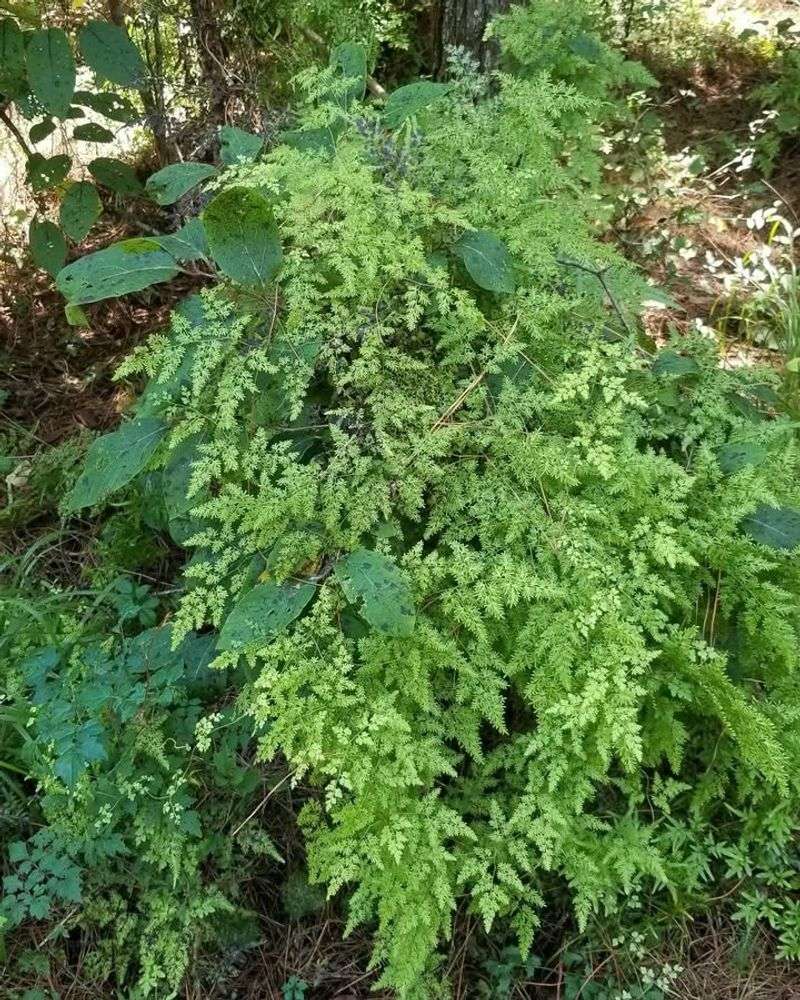
At first glance, Japanese climbing fern looks almost delicate, with its lacy, finely textured fronds winding up through shrubs and into tree canopies. Do not let the appearance fool you.
This fern is one of the most ecologically damaging invasive plants in Florida, and it has spread through much of the state, including North Florida’s wetlands, floodplain forests, and upland areas near water.
Unlike most ferns, this one climbs. It uses its wiry stems to pull itself up through vegetation, eventually blanketing entire shrubs and small trees.
Once it covers a plant, it blocks sunlight and can hold excess moisture against bark, creating conditions that weaken or slowly harm the host plant. It spreads through microscopic spores that travel easily on the wind, making it nearly impossible to fully contain once it is present in an area.
Japanese climbing fern is a Category I invasive in Florida, and removal is genuinely challenging. Cutting it back without removing the root mass only delays regrowth.
Repeated removal efforts over multiple seasons are usually necessary for meaningful control. Preventing new infestations is far more practical than trying to eliminate established ones.
Never plant this fern intentionally, and inspect any fern purchases carefully before bringing them home, since young plants can be mistaken for harmless ornamental varieties.
7. Camphor Tree Seeds Invade Natural Areas Quickly
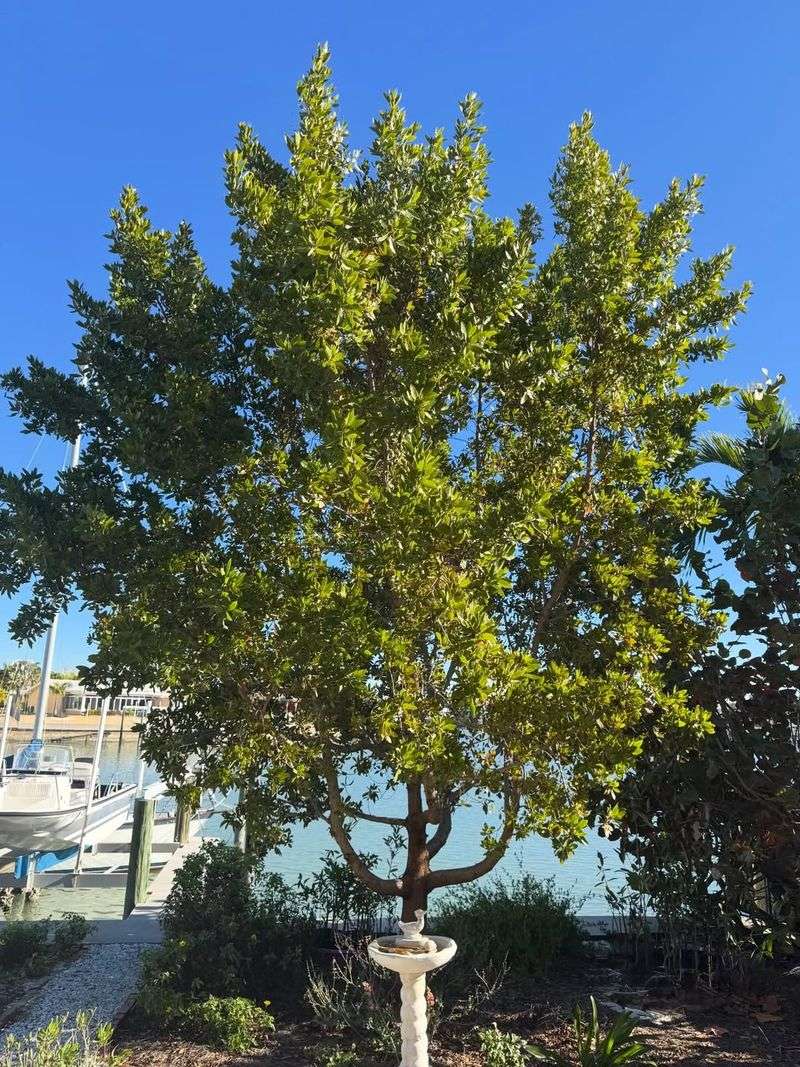
Camphor trees have a certain old-world charm. They grow large and stately, their leaves smell distinctly medicinal when crushed, and they were planted across North Florida neighborhoods for generations as shade trees.
The problem is that birds love the small black berries, and those seeds end up scattered across forests, scrubs, and natural areas where camphor seedlings establish with very little encouragement.
Once a camphor tree gets rooted in a natural area, it grows quickly and begins competing with native species for light and nutrients. The leaves and bark contain chemical compounds that can affect soil chemistry, potentially making it harder for native plants to grow nearby.
Mature trees also produce enormous quantities of fruit, ensuring a steady supply of seeds entering the landscape every year.
Camphor is listed as a Category I invasive in Florida, and its presence in natural areas is well documented across the northern part of the state. Young seedlings are relatively easy to pull when they are small, so early detection on your property matters.
Larger trees require more involved removal, and stumps should be treated promptly to prevent resprouting. If you want a large, aromatic shade tree, consider native options like Southern magnolia or live oak, which provide comparable beauty and actually benefit the local ecosystem.
8. Chinaberry Produces Thousands Of Problem Seeds
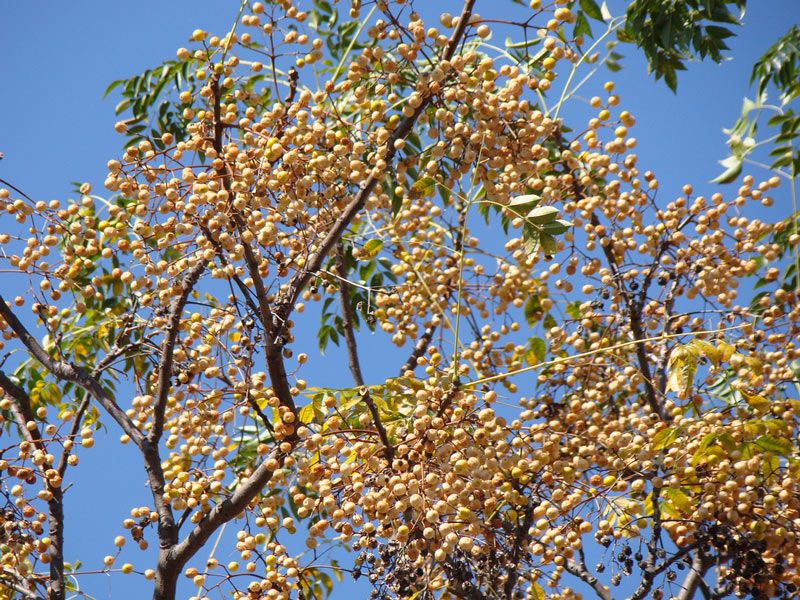
Chinaberry arrived in the American South as an ornamental tree and quickly made itself at home in ways nobody intended. It grows fast, tolerates poor soils, and produces enormous clusters of pale yellow berries that persist on the branches long after the leaves drop.
Those berries are toxic to many animals, yet birds still consume and spread the seeds, carrying them into roadsides, forest edges, and disturbed areas throughout North Florida.
A single chinaberry tree can produce thousands of seeds in a season, and seedlings establish readily in full sun and disturbed soils. The tree’s rapid growth allows it to quickly outcompete slower-growing native species, especially in areas recovering from clearing or storm damage.
Over time, it can form dense stands that dramatically reduce native plant diversity in affected areas.
Chinaberry is considered invasive across much of the southeastern United States, and North Florida is no exception. Removal is most effective when trees are young, since larger specimens resprout vigorously after cutting.
If you already have a chinaberry on your property, removing it before it fruits each year is a practical way to reduce seed spread. Native fast-growing alternatives like red maple or sweetgum can fill a similar role in the landscape while supporting birds, insects, and other native wildlife far more responsibly.
9. Skunk Vine Grows Aggressively In Warm Weather
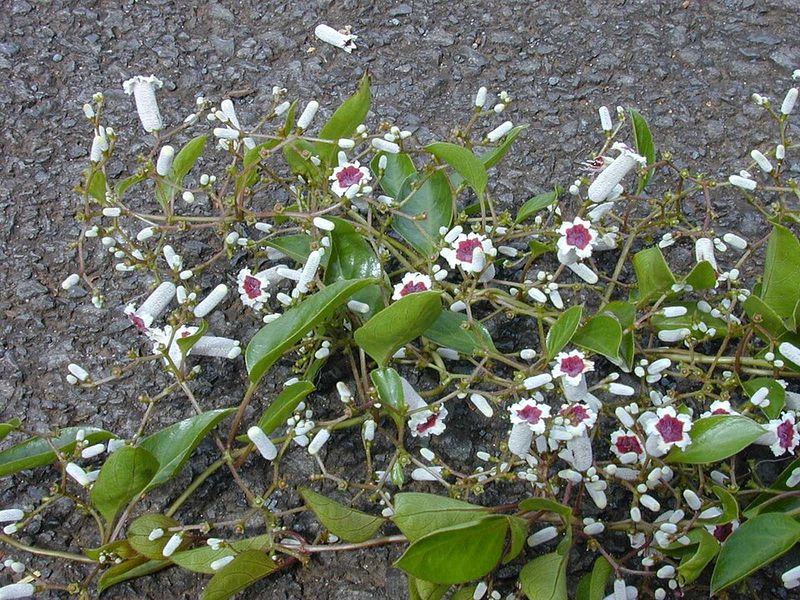
The name alone should be a hint. Skunk vine earns its common name from the strong, unpleasant odor its leaves release when crushed or disturbed, and the smell is the least of the problems it causes.
Across North Florida, this twining vine has spread through roadsides, forest edges, fencerows, and disturbed areas, wrapping itself around shrubs and small trees with surprising speed during the warm months.
Skunk vine spreads both by seed and vegetatively, meaning it can regrow from stem fragments left behind during removal attempts. It thrives in the heat and humidity that defines North Florida summers, and its growth slows only when cooler temperatures arrive in late fall.
Even a small overlooked section of stem can reestablish an entire plant by the following spring.
Because it twines tightly around host plants, skunk vine can physically damage the stems and branches of shrubs and small trees over time. Repeated removal is necessary for meaningful control, and persistence is key.
Pulling vines by hand before they set seed reduces future spread significantly. Avoid adding cut stems to compost piles, since fragments can reroot.
Staying alert to new growth in spring gives you the best chance of keeping this vine from taking over fencerows, garden edges, and any natural areas bordering your North Florida property.
10. Torpedo Grass Spreads Underground And Won’t Stay Put
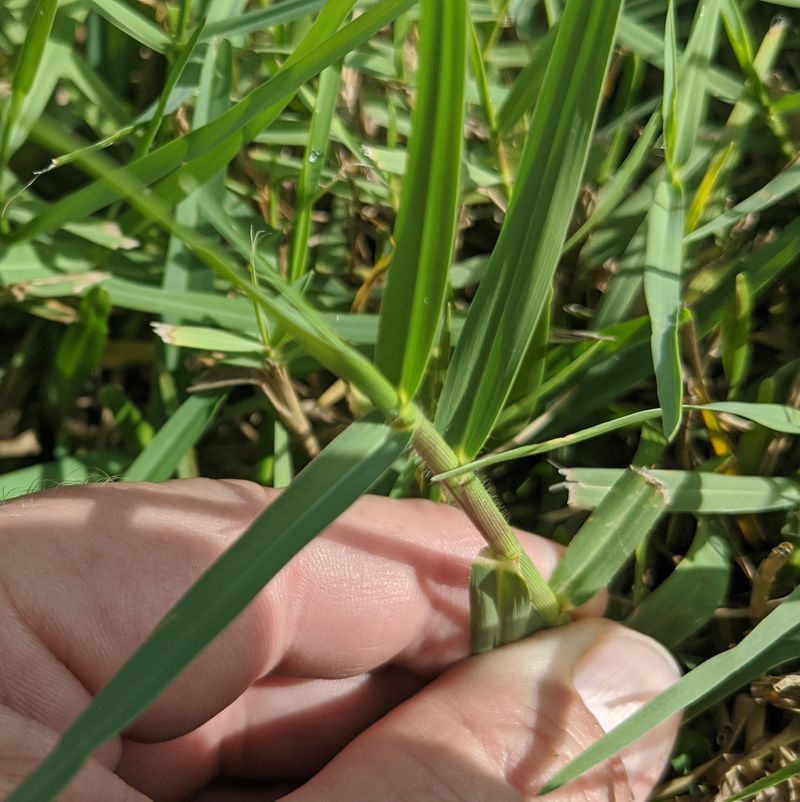
Torpedo grass gets its name from the sharp, pointed tips on its rhizomes, the underground stems it uses to push through soil and spread into new territory. Unlike many invasive plants that rely on seeds or birds for dispersal, torpedo grass does most of its spreading underground, making it one of the most stubborn weeds in North Florida lawns, gardens, and natural areas.
Once it gets into a planting bed or wetland edge, removing it completely is an enormous challenge.
The grass thrives in wet soils and along shorelines, which makes North Florida’s numerous lakes, ponds, and wetland areas particularly vulnerable. It can also spread through water when rhizome fragments are carried downstream.
Even small pieces of root left in the soil after removal will resprout, which is why partial removal efforts often feel frustratingly ineffective over the long term.
Torpedo grass crowds out native grasses, sedges, and wetland plants that provide critical habitat for fish, birds, and other wildlife. Early identification is the best defense.
If you spot torpedo grass on your property, act quickly before it spreads further. Consistent removal of new growth over several seasons can eventually reduce an infestation.
Consult your local University of Florida IFAS Extension office for guidance on the most effective and environmentally responsible management strategies for your specific situation.