How To Grow Coleus That Stays Bold And Colorful In Georgia
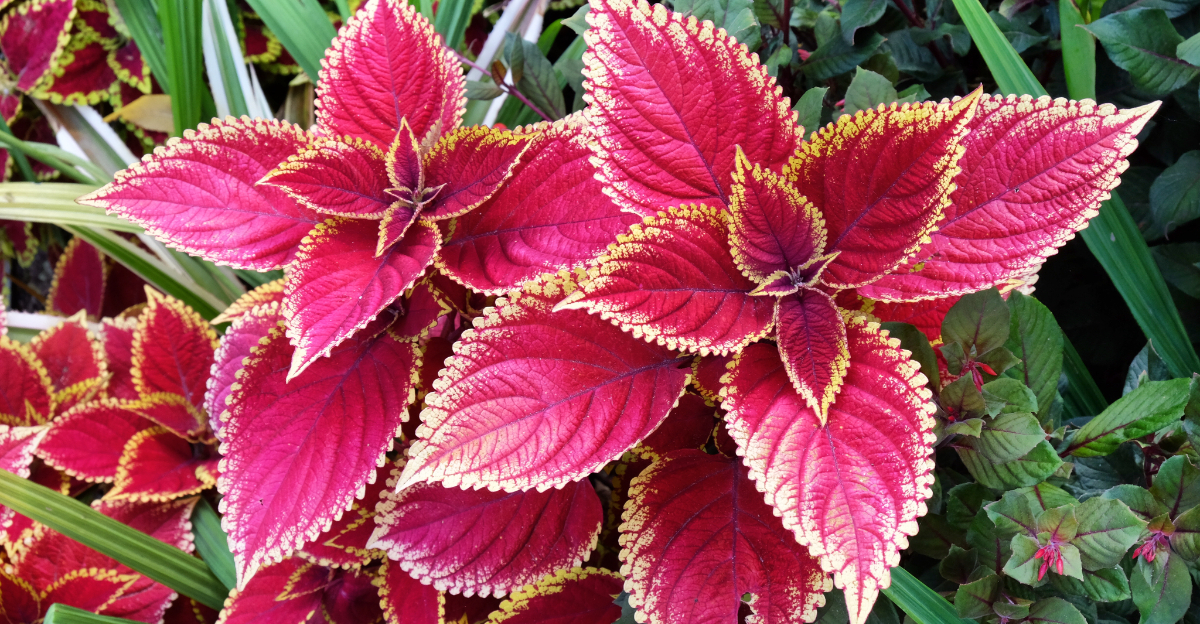
Coleus can completely transform a Georgia garden, but keeping that color bold and intense takes more than luck.
You plant it for those deep reds, bright greens, and sharp contrasts, and nothing is more frustrating than watching that vibrancy fade or stretch out of shape.
Georgia’s light, humidity, and soil conditions can either bring out the best in this plant or quietly work against it. The difference between average foliage and show-stopping color often comes down to a handful of smart decisions most gardeners overlook.
Before you assume coleus is high maintenance, it helps to understand what truly keeps it strong here. The following tips make all the difference.
1. Start Coleus Indoors In Late Winter And Wait Until Frost Risk Is Gone
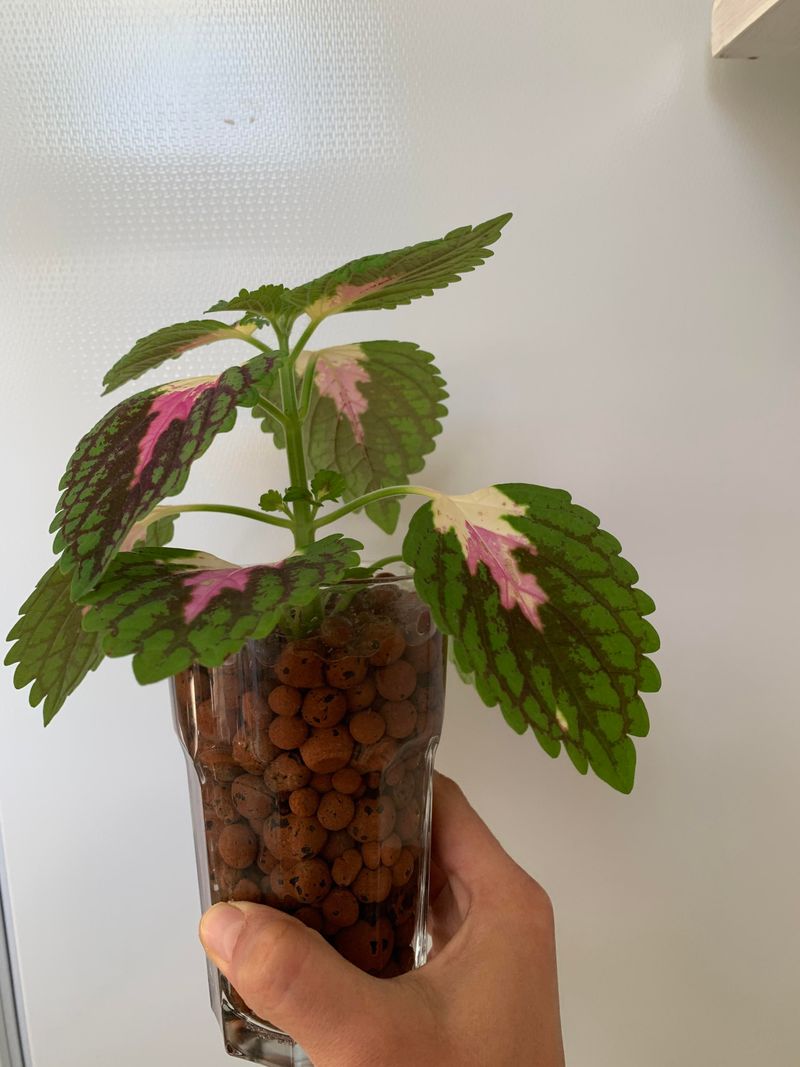
Getting a jump on the growing season means starting coleus seeds or cuttings indoors around February or early March in Georgia. Coleus grows quickly from seed when you keep the soil warm and moist, usually sprouting within a week or two.
Setting up a simple indoor growing station near a bright window or under grow lights gives your plants several weeks to develop strong roots and multiple sets of leaves before outdoor planting time arrives.
Patience pays off big time when it comes to moving coleus outside. Georgia’s last frost dates vary across the state, typically falling between mid-March in southern regions and mid-April further north.
Coleus absolutely cannot handle freezing temperatures, and even a light frost will damage those gorgeous leaves you’ve been nurturing. Waiting until nighttime temperatures stay consistently above 50 degrees protects your investment of time and effort.
Hardening off your indoor-started coleus takes about a week before transplanting. Place your pots outside in a protected spot for a few hours each day, gradually increasing their exposure to outdoor conditions.
This transition period helps plants adjust to wind, direct sunlight, and temperature fluctuations without going into shock.
Starting strong indoors and timing your outdoor move correctly sets the foundation for coleus that grows vigorously and maintains brilliant color throughout Georgia’s long growing season.
2. Give Coleus Bright Shade Outdoors Or Strong Indirect Light Indoors
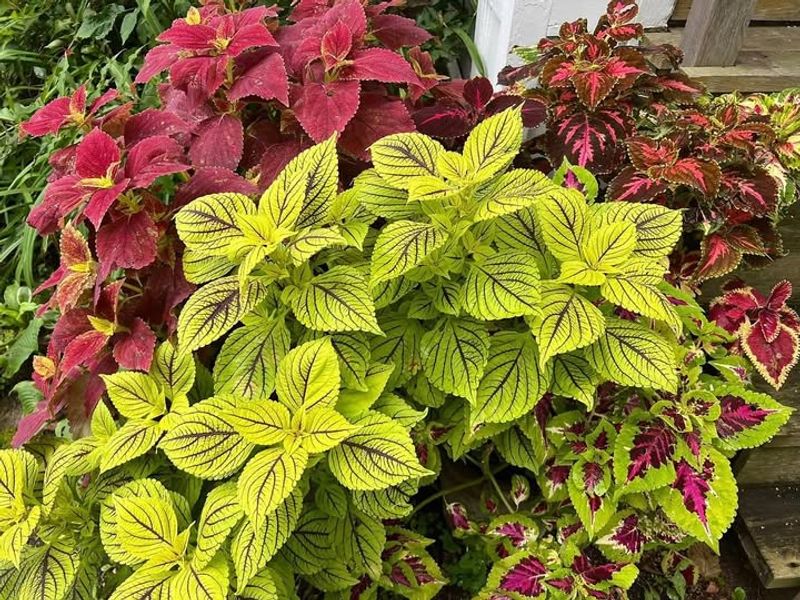
Light conditions make or break coleus color intensity. Too much direct Georgia sun bleaches out the vibrant patterns and can scorch leaf edges, turning your showstoppers into disappointments.
Bright shade under trees, on north-facing porches, or in spots that get morning sun and afternoon protection creates the perfect environment.
Coleus thrives where light filters through tree canopies or where buildings cast shadows during the hottest part of the day.
Different coleus varieties handle sun exposure differently across Georgia’s regions. Some newer cultivars bred for sun tolerance can take three to four hours of direct morning light, especially in north Georgia where temperatures run cooler.
However, the classic shade-loving types still prefer protected spots throughout the state. Watch your plants closely during the first few weeks after planting since leaves will tell you quickly if they’re getting too much light by fading or developing brown crispy edges.
Your Georgia Garden Changes Every Week. Your Plan Should Too.
Gardening in Georgia changes quickly throughout the season. Every Friday you’ll receive a simple weekly plan showing exactly what to plant, prune, fertilize, harvest, and protect so you never miss the right timing.
Indoor coleus needs placement near bright windows without harsh afternoon rays hitting the leaves directly. East-facing windows work beautifully, providing gentle morning light that energizes plants without overwhelming them.
If you’re growing coleus indoors year-round in Georgia, rotating pots every few days ensures even growth and prevents plants from leaning heavily toward the light source.
Proper light balance keeps those bold burgundies deep, lime greens electric, and multicolored patterns sharp and defined.
3. Improve Heavy Georgia Soil With Compost Before Planting Outside
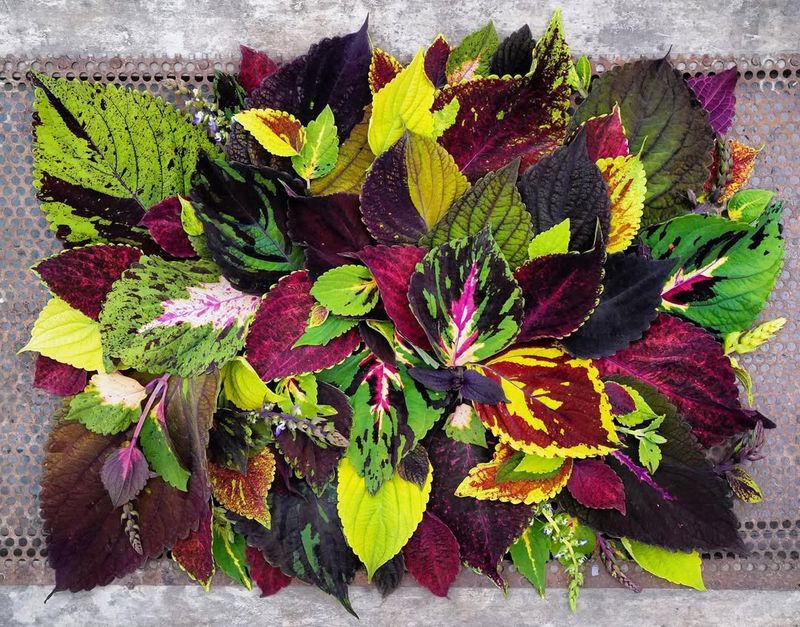
Georgia’s notorious red clay presents real challenges for coleus roots trying to spread and breathe. Heavy clay soil drains poorly, stays waterlogged after rain, and becomes rock-hard during dry spells.
Coleus roots need loose, well-draining soil that holds moisture without staying soggy, which means amending that clay before your plants go in the ground. Skipping this step practically guarantees struggling plants with stunted growth and dull foliage.
Working compost into your planting area transforms difficult clay into coleus-friendly soil. Dig down about eight to ten inches and mix in a three-inch layer of quality compost, aged manure, or composted pine bark.
This organic matter breaks up clay particles, improves drainage, adds nutrients, and creates air pockets that roots love. For container plantings, use a commercial potting mix rather than garden soil since containers need even better drainage than in-ground beds.
Testing your improved soil by squeezing a handful tells you if you’ve added enough amendments. Properly amended Georgia soil should form a loose ball that crumbles easily rather than forming a sticky, dense clump.
Adding compost also feeds beneficial microorganisms that help coleus roots absorb nutrients more efficiently.
Beds prepared this way in spring stay workable and productive throughout Georgia’s growing season, supporting coleus that develops robust root systems and produces the lush, colorful foliage these plants are famous for delivering.
4. Keep Soil Consistently Moist During Georgia’s Hot Summers
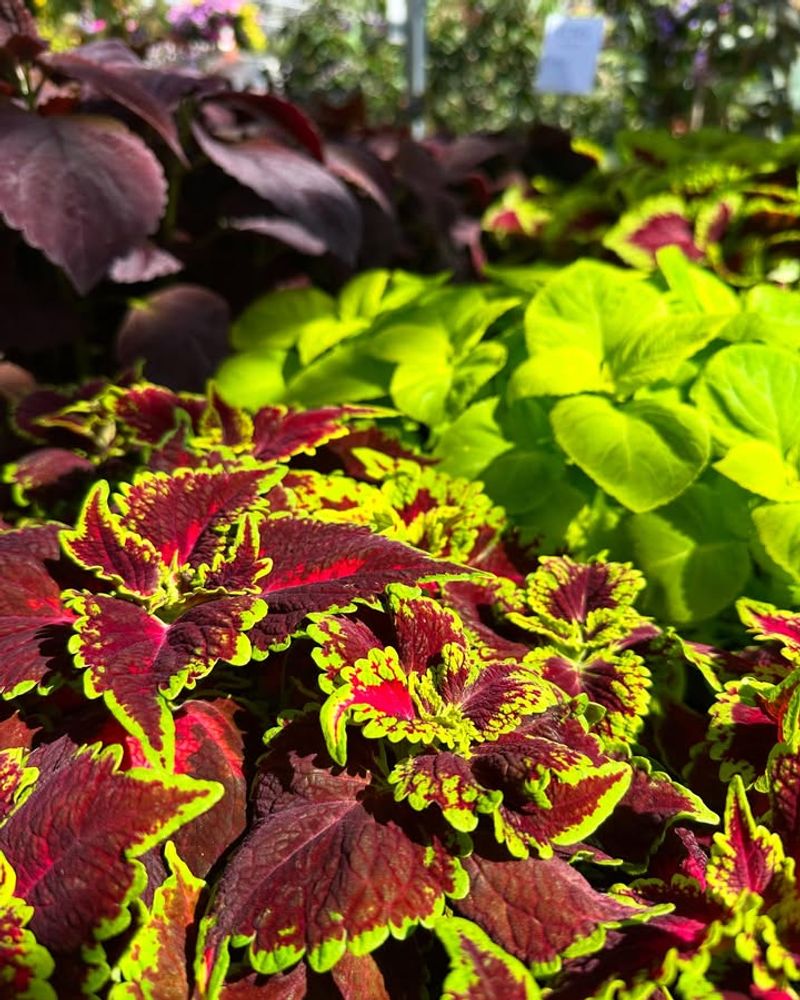
Summer heat in Georgia can be brutal, and coleus wilts dramatically when soil dries out. These plants evolved in tropical regions where moisture stays relatively constant, so they haven’t developed drought tolerance like native Georgia perennials.
Checking soil moisture daily during June, July, and August prevents the stress that causes leaves to lose their vibrant colors and plants to look ragged. Stick your finger an inch into the soil, and if it feels dry, your coleus needs water.
Watering deeply rather than frequently produces healthier coleus throughout Georgia. Light, shallow watering encourages roots to stay near the surface where they’re vulnerable to heat stress.
Instead, water thoroughly until moisture penetrates several inches down, then let the top inch of soil dry slightly before watering again.
Early morning watering works best since it gives foliage time to dry before nightfall, reducing disease risks in Georgia’s humid climate.
Mulching around coleus plants conserves moisture and moderates soil temperature swings. Apply a two-inch layer of shredded bark, pine straw, or compost around plants, keeping mulch an inch away from stems to prevent rot.
Container-grown coleus dries out much faster than in-ground plants, often needing water twice daily during peak summer heat.
Consistent moisture keeps coleus leaves plump, colors saturated, and growth steady even when Georgia temperatures soar into the nineties and stay there for weeks.
5. Pinch Back Tips Often To Keep Plants Full And Bushy
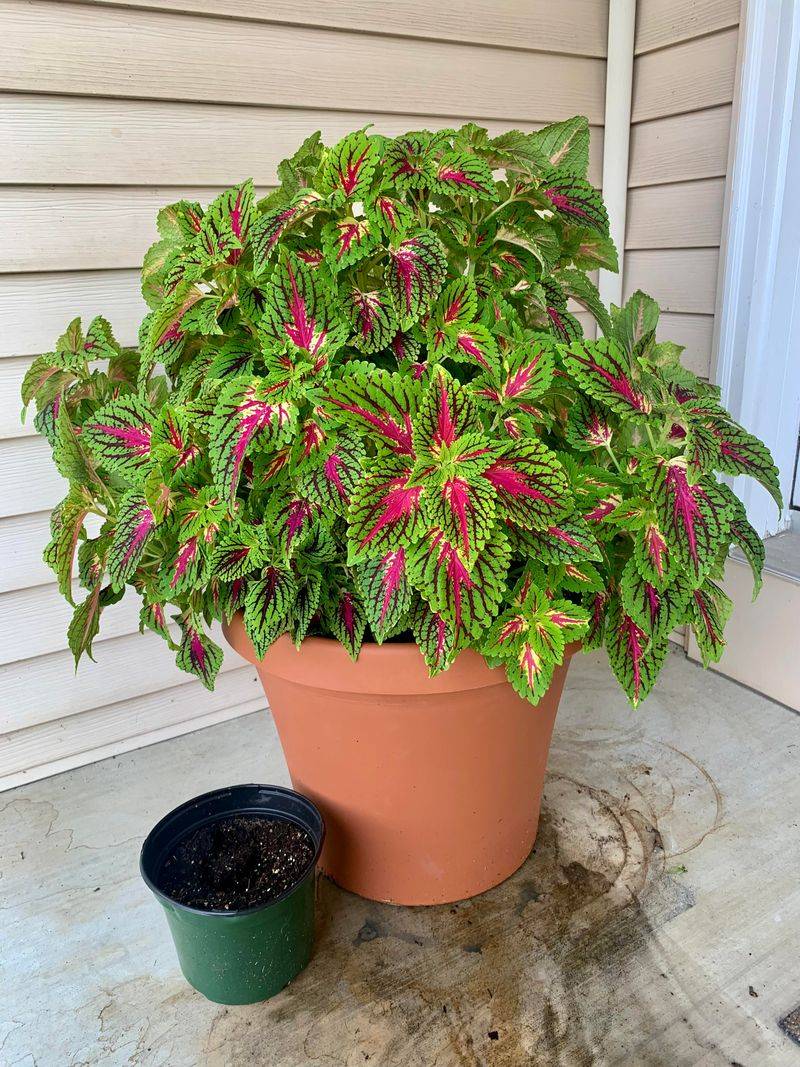
Leggy, sparse coleus happens when plants grow tall with long stems and few leaves.
Pinching forces coleus to branch out sideways instead of just shooting upward, creating that full, mounded shape that looks so attractive in Georgia gardens and containers.
Each time you pinch off a growing tip, the plant responds by producing two new stems from that point, effectively doubling your foliage. Regular pinching from the time plants are young builds density that lasts all season.
Start pinching when your coleus reaches about six inches tall and has developed several sets of leaves. Use your thumb and forefinger to snap off the top half-inch of each main stem, removing the newest tiny leaves at the tip.
Pinching doesn’t hurt the plant; it actually redirects energy into producing more of those colorful leaves you want.
Throughout the growing season in Georgia, pinch back any stems that start growing faster than others to maintain an even, balanced shape.
New growth emerges within days after pinching, and within two weeks you’ll notice significantly bushier plants. Some Georgia gardeners pinch their coleus every two to three weeks during active growth periods to maintain compact, full specimens.
Container coleus especially benefits from frequent pinching since space limitations make sprawling growth problematic.
Plants that receive regular pinching produce far more leaves per square inch, creating the dense color impact that makes coleus such a valuable addition to Georgia landscapes.
6. Remove Flower Spikes Early To Preserve Bold Leaf Color
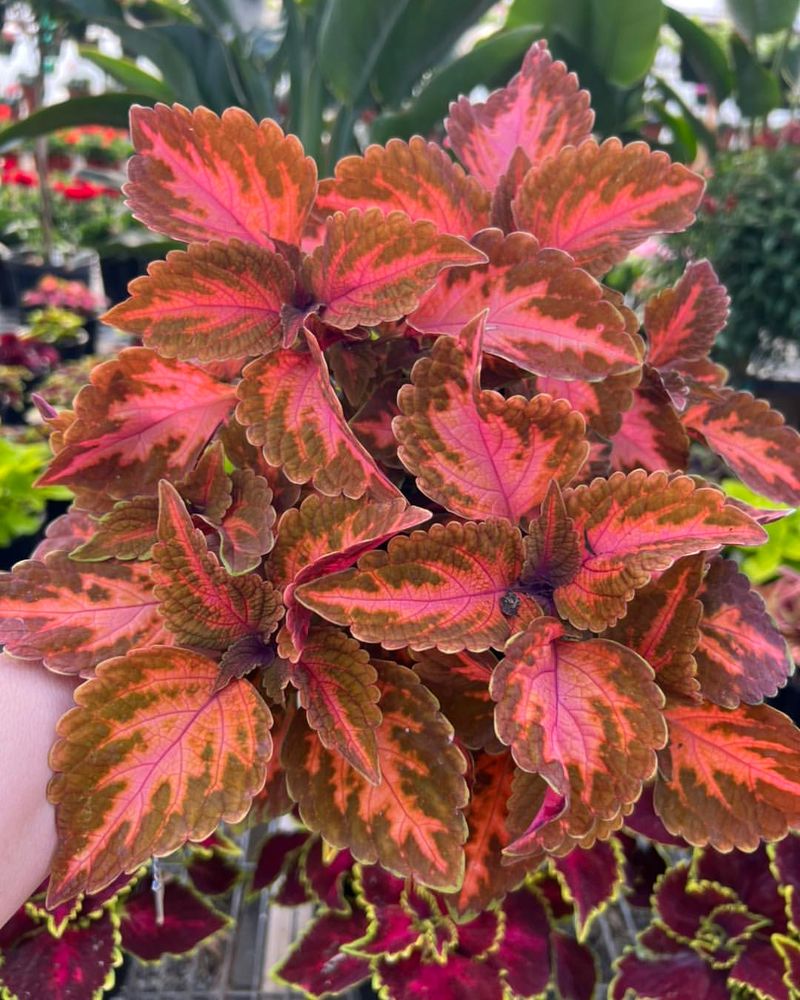
Flower spikes on coleus signal that the plant is shifting from leaf production to seed production.
Those tall, thin stalks covered with tiny blue or purple flowers might seem pretty, but they actually drain energy away from what you really want, which is bold, colorful foliage.
When coleus flowers, leaf production slows down, existing leaves often become smaller and less vibrant, and the plant’s overall appearance declines.
Catching and removing flower spikes early maintains the leaf show throughout Georgia’s long growing season.
Watch for flower spikes starting to emerge from the center of your coleus plants, usually beginning in mid-summer as days start getting shorter. These spikes look different from regular stems, appearing thinner and developing small buds along their length.
Snip them off as close to the base as possible using clean scissors or pruning shears. Removing spikes before flowers open completely prevents the plant from investing significant energy into bloom and seed production.
Some coleus varieties flower more readily than others in Georgia’s climate, and plants grown in sunny locations tend to spike earlier than those in shade. Newer cultivars have been bred to flower less frequently, but all coleus will eventually try to bloom.
Checking plants weekly and removing any flower spikes that appear keeps foliage production going strong.
Plants that never get to flower maintain their juvenile growth phase longer, producing larger leaves with more intense coloring well into fall across Georgia.
7. Feed Lightly During Active Growth For Strong, Vibrant Foliage
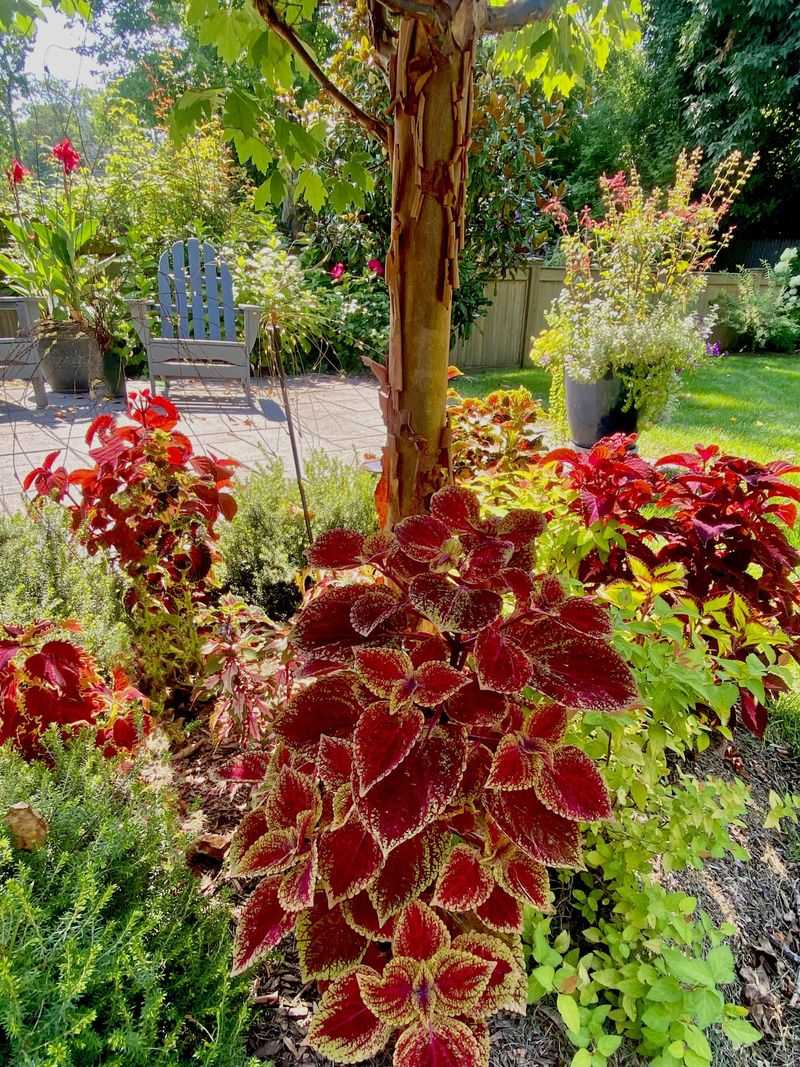
Nutrition directly affects coleus leaf color intensity and plant vigor. Coleus grown in nutrient-poor soil develops pale, washed-out foliage that lacks the dramatic contrast and saturation you expect.
However, overfeeding causes problems too, producing excessive soft growth that’s prone to pests and diseases in Georgia’s humid conditions.
Finding the right balance means feeding regularly but lightly throughout the growing season to support steady, healthy development.
Balanced liquid fertilizer diluted to half strength works perfectly for coleus every two to three weeks during active growth.
Look for formulas with equal or similar numbers like 10-10-10 or 20-20-20, which provide nitrogen for leaf growth along with phosphorus and potassium for overall plant health.
Apply fertilizer to moist soil rather than dry soil to prevent root burn, and avoid getting concentrated fertilizer on leaves where it can cause spotting or damage.
Container-grown coleus needs more frequent feeding than in-ground plants since nutrients wash out of pots with regular watering.
Slow-release granular fertilizers mixed into potting soil at planting time provide steady nutrition for several months, reducing the need for frequent liquid applications.
Stop fertilizing coleus about six weeks before Georgia’s average first frost date in fall, allowing plants to slow their growth naturally.
Well-fed coleus produces leaves with the deepest, most saturated colors possible for each variety, creating the bold visual impact that makes these plants such valuable performers in Georgia gardens.