9 Plants You Can Start In Containers Before Spring Arrives In Arizona
Arizona gardeners do not have to wait for spring to start planting. While much of the country is still frozen, late winter here offers a workable window for getting plants established in containers before real heat takes over.
The key is choosing varieties that handle cool nights, warming days, and strong light without stalling.
Starting in containers gives you control over soil, drainage, and placement, which matters in a climate where temperature swings can be sharp. You can move pots to protect tender growth, shift them into better light, and stay ahead of sudden cold snaps.
These plants respond well to an early container start and transition smoothly once spring fully settles across Arizona.
1. Lettuce Thrives In Cool Late Winter Containers Before Heat Arrives
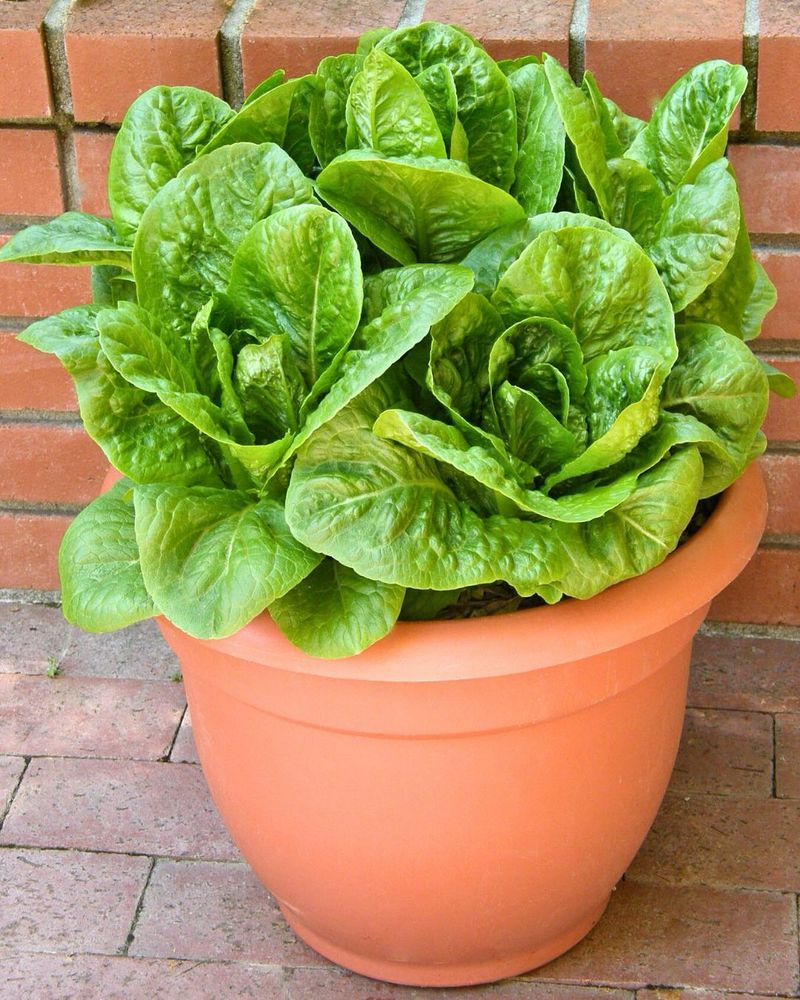
Lettuce really shines when temperatures stay between 45 and 75 degrees. Arizona’s late winter creates exactly these conditions, giving you crisp, homegrown salad greens without much fuss.
You can start seeds directly in containers filled with quality potting mix, spacing them about four inches apart for full heads or scattering them closer for baby greens you’ll cut repeatedly.
Containers need drainage holes at the bottom since lettuce roots don’t handle soggy soil well. A pot that’s at least six inches deep works perfectly.
Place your container where it gets morning sun but some afternoon shade, especially as we move closer to April when temperatures start climbing.
Water consistently to keep the soil moist but not waterlogged. Lettuce grows fast in Arizona’s cool season, and you’ll see seedlings pop up within a week.
Varieties like Buttercrunch, Romaine, and loose-leaf types all perform well here.
Harvest outer leaves as the plant grows, or cut the whole head when it reaches full size. Once daytime highs consistently hit the upper 80s, lettuce starts tasting bitter and will bolt.
Starting now gives you at least two solid months of fresh salads before that happens.
Starting a new batch of seeds every two weeks will keep the harvest coming without gaps. If a surprise warm spell hits, a light shade cloth can help stretch the season just a little longer.
2. Spinach Grows Quickly In Early Season Pots With Mild Temperatures
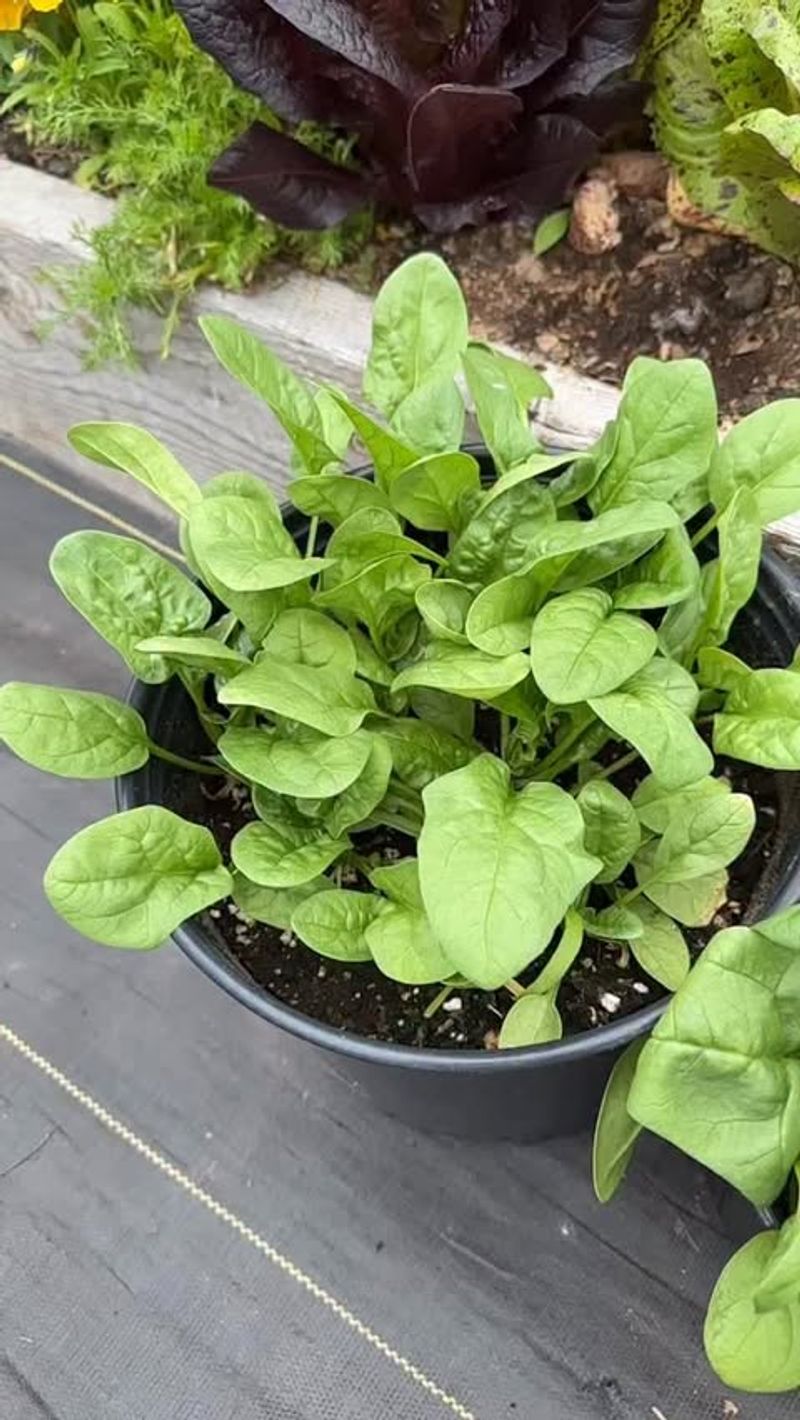
Spinach handles cold better than almost any other leafy green. Night temperatures in the 40s don’t bother it at all, and it actually tastes sweeter after experiencing some chill.
This makes late winter in Arizona perfect timing since our nights stay cool while days warm up nicely.
Choose containers at least eight inches deep and fill them with loose, well-draining potting soil. Spinach roots like room to spread.
Sow seeds about an inch apart and barely cover them with soil. They germinate best when soil temperatures sit between 50 and 70 degrees, which describes Arizona’s late winter perfectly.
Keep the soil evenly moist during germination, which takes about a week. Once seedlings emerge, thin them to three inches apart.
The thinned seedlings make excellent additions to salads. Spinach grows rapidly during our cool season, and you can start harvesting outer leaves in about four to six weeks.
Your Arizona Garden Changes Every Week. Your Plan Should Too.
Gardening in Arizona changes quickly throughout the season. Every Friday you’ll receive a simple weekly plan showing exactly what to plant, prune, fertilize, harvest, and protect so you never miss the right timing.
Watch for bolting as temperatures rise. When you notice the center starting to send up a flower stalk, harvest everything at once.
Varieties like Bloomsdale and Space perform well in containers here. Starting spinach now means you’ll enjoy multiple harvests before Arizona’s heat shuts down production completely.
3. Kale Handles Chilly Desert Nights And Keeps Producing
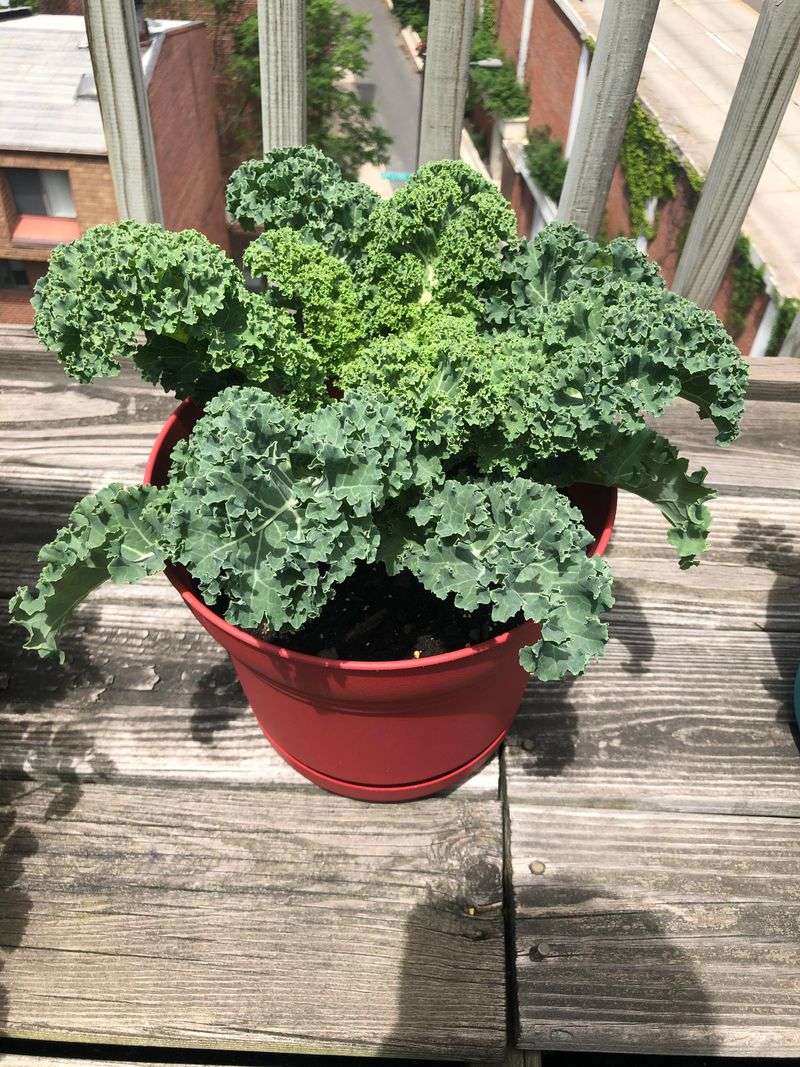
Kale stands up to temperature swings better than most vegetables. Cold nights actually improve its flavor by converting starches to sugars, giving leaves a sweeter taste.
Arizona’s late winter provides exactly this combination of cool nights and mild days that kale loves.
Use containers at least 12 inches deep since kale develops substantial root systems. One plant per 12-inch pot works well, or space multiple plants eight inches apart in larger containers.
Kale tolerates partial shade, which helps extend your harvest as spring warms up.
Seeds germinate in about a week, and transplants establish quickly if you prefer starting that way. Water deeply but allow the top inch of soil to dry between waterings.
Kale doesn’t like constantly wet feet but needs consistent moisture to produce tender leaves.
Start harvesting lower leaves when they reach hand-size, leaving the central growing point intact. The plant keeps producing new leaves from the center for months.
Varieties like Lacinato and Red Russian perform particularly well in Arizona containers.
Kale handles our occasional late winter frosts without damage and keeps growing vigorously until temperatures consistently reach the 90s. That gives you several months of nutritious greens from plants started now.
4. Swiss Chard Performs Well In Containers Before Summer Heat
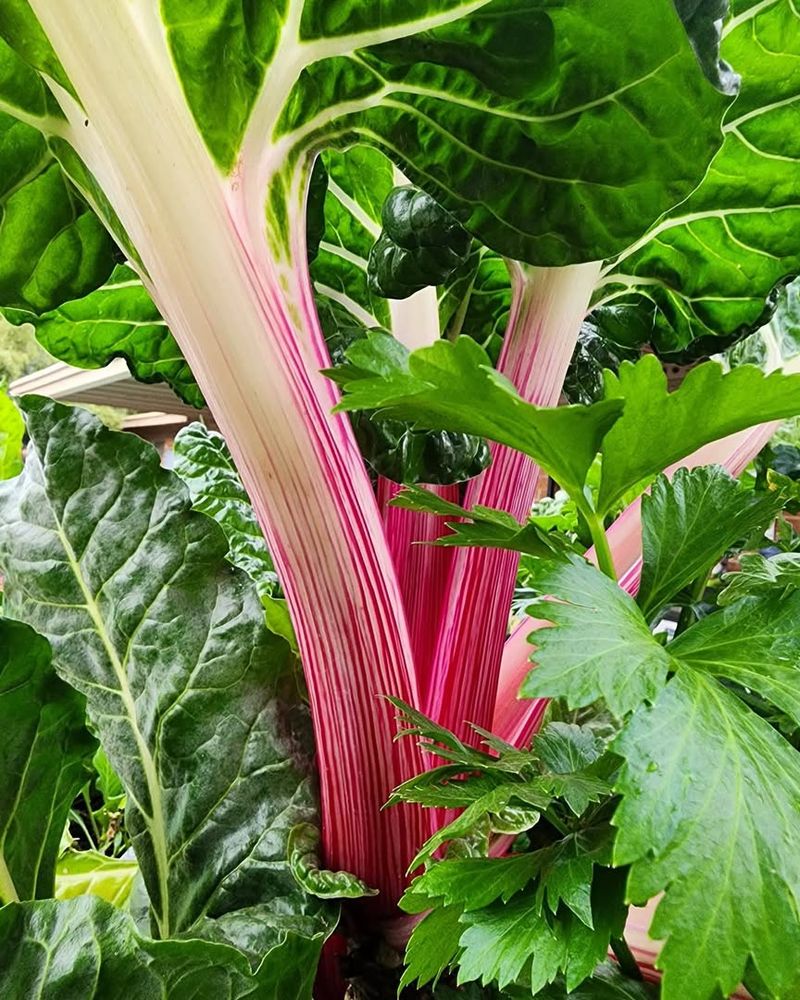
Swiss chard brings both beauty and productivity to container gardens. Stems come in rainbow colors including red, yellow, orange, and white, turning a simple pot into an ornamental display.
The leaves taste similar to spinach but with a slightly earthier flavor that many people prefer.
Containers for chard should be at least 10 inches deep and equally wide. This vegetable develops a substantial root system and appreciates room to grow.
Plant seeds an inch apart and thin to six inches once seedlings develop their first true leaves.
Chard tolerates more heat than lettuce or spinach, but starting it during Arizona’s late winter gives plants time to establish strong roots before temperatures climb. It handles light frosts without complaint and keeps producing through our entire spring season.
Harvest by cutting outer leaves at the base, leaving the center growth point to continue producing. New leaves keep coming for months.
Water when the top two inches of soil feel dry, and feed every few weeks with diluted liquid fertilizer.
Varieties like Bright Lights and Fordhook Giant thrive in containers here. Chard often keeps producing into early summer in Arizona, especially if you provide some afternoon shade as temperatures rise.
Plants started now will feed you well into May.
5. Snapdragons Bloom Early And Tolerate Light Frost
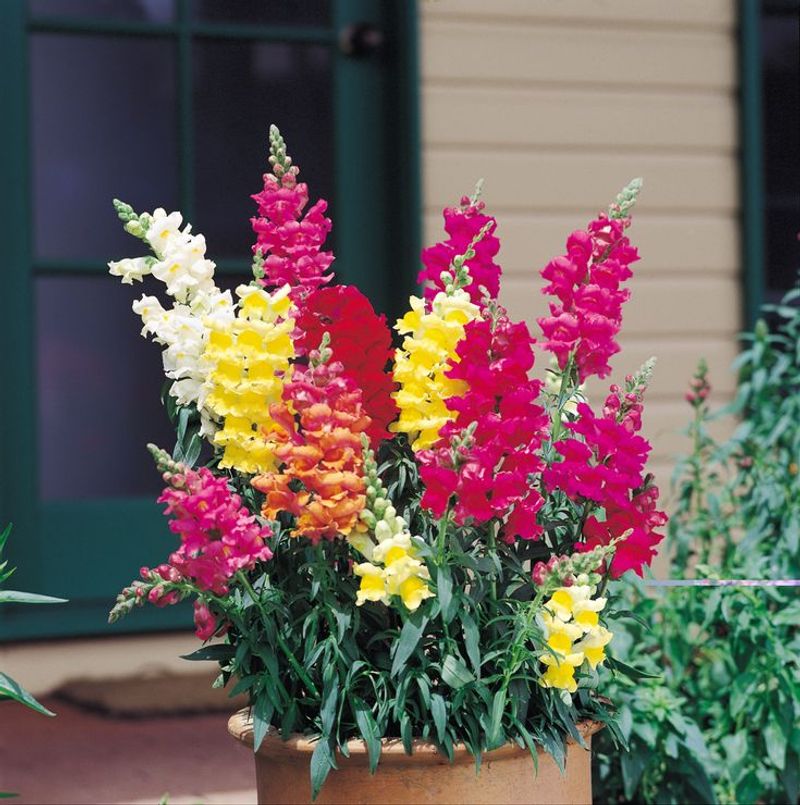
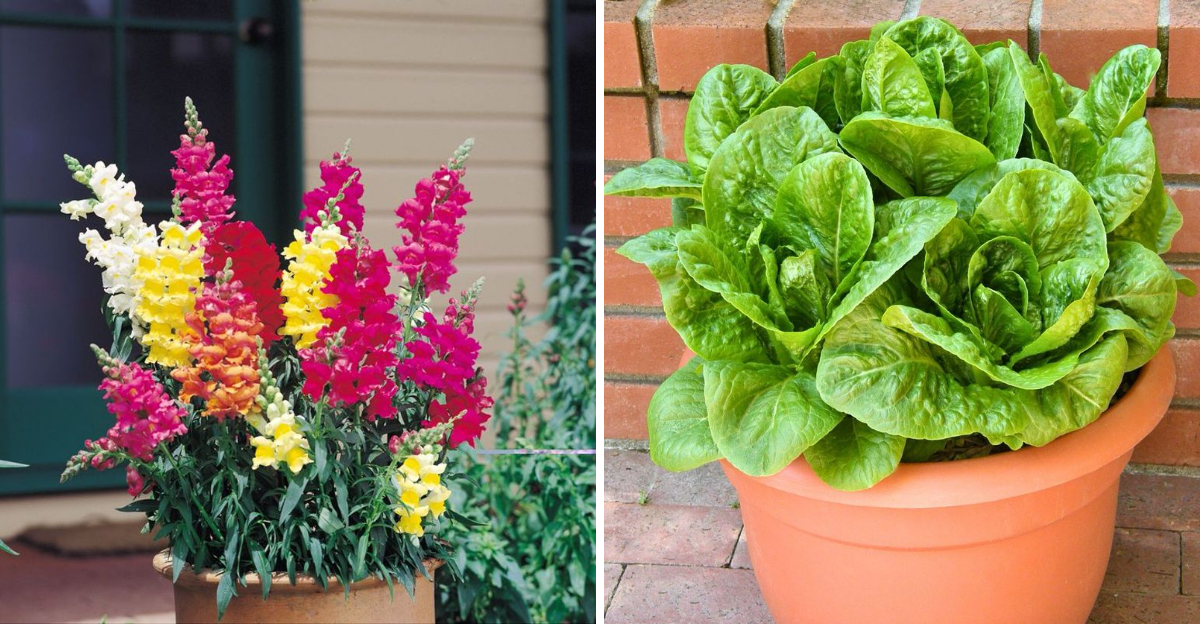
Snapdragons break the vegetable monotony with vertical spikes of colorful flowers. These cool-season bloomers actually perform best when nights stay chilly, producing more flowers and stronger stems than they ever would in summer heat.
Arizona’s late winter suits them perfectly.
Start with transplants if you want quicker blooms, or sow seeds directly in containers about eight weeks before your last expected frost. Seeds need light to germinate, so press them onto the soil surface without covering.
Keep soil moist until seedlings appear in about two weeks.
Use pots at least eight inches deep. Snapdragons aren’t particularly fussy about containers as long as drainage is good.
Space plants six inches apart in larger pots, or use one plant per six-inch container for smaller varieties.
Pinch back the growing tips when plants reach six inches tall to encourage bushier growth and more flower spikes. Deadhead spent blooms regularly to keep new flowers coming.
Water when soil feels dry an inch down.
Snapdragons laugh at light frosts and keep blooming through Arizona’s cool season. Tall varieties may need staking in containers.
They’ll bloom heavily through April, then start declining as temperatures push into the 90s. Starting now gives you months of colorful flowers.
6. Calendula Adds Color And Grows Easily In Cool Conditions
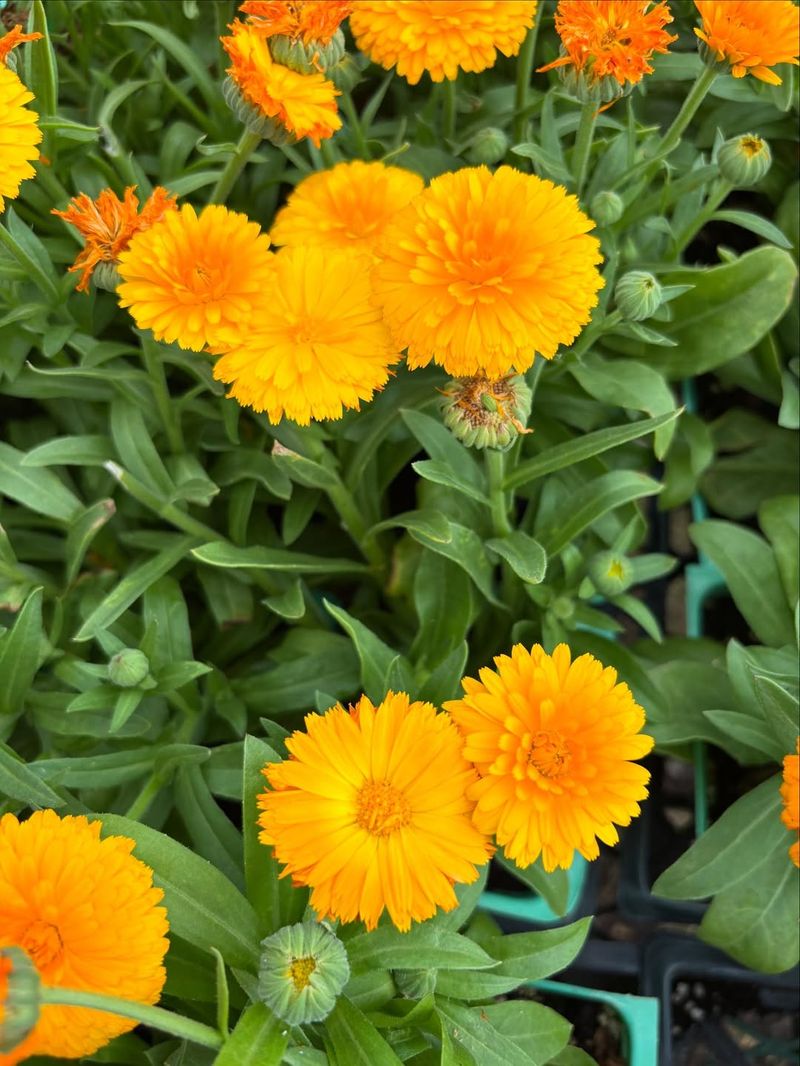
Calendula produces cheerful orange and yellow daisy-like flowers that brighten any container garden. These Mediterranean natives actually prefer cool weather and struggle in heat, making Arizona’s late winter their ideal growing season.
The flowers are edible too, adding peppery color to salads.
Direct seed into containers or start with transplants. Seeds germinate quickly in cool soil, usually within a week.
Use pots at least six inches deep and space plants eight inches apart. Calendula isn’t picky about soil but needs good drainage.
These flowers handle cold remarkably well, continuing to bloom through light frosts that would damage more tender plants. They prefer full sun but tolerate partial shade, especially as spring temperatures rise.
Water moderately, allowing soil to dry slightly between waterings.
Deadhead spent flowers regularly to encourage continuous blooming. Calendula often self-seeds in containers, giving you volunteers for next season.
The plants stay compact in pots, rarely exceeding 18 inches tall.
In Arizona, calendula planted now will bloom prolifically through April and into May before heat stress shuts them down. They’re remarkably carefree, rarely bothered by pests or diseases.
Varieties like Pacific Beauty and Flashback offer excellent flower production in containers throughout our cool season.
7. Peas Climb Well In Containers During Arizona’s Mild Late Winter
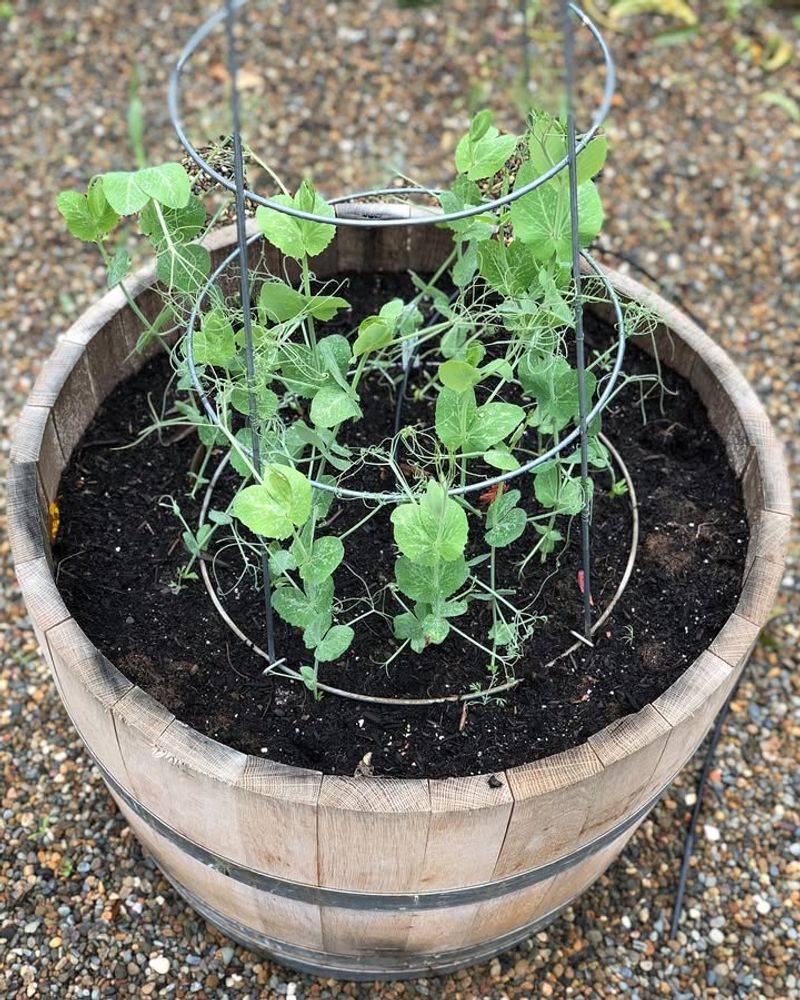
Peas need cool weather to produce well, and Arizona’s late winter delivers exactly that. Both snap peas and shelling peas grow successfully in containers if you provide support for their climbing vines.
The sweet, crisp pods you’ll harvest beat anything from the grocery store.
Choose containers at least 12 inches deep and equally wide. Peas develop deep root systems and appreciate the space.
Add a trellis, bamboo stakes, or wire cage for vines to climb. Most pea varieties reach four to six feet tall.
Sow seeds directly into containers about two inches apart and one inch deep. Peas don’t transplant well, so direct seeding works best.
They germinate in cool soil, often within 10 days. Keep soil consistently moist during germination and growth.
Peas actually fix their own nitrogen, so they don’t need much fertilizer. Water regularly since containers dry faster than ground soil.
Harvest snap peas when pods swell but before they get tough, and pick shelling peas when pods fill out completely.
In Arizona, peas planted now will produce heavily through March and April before heat stress stops production. Varieties like Sugar Ann and Oregon Giant perform well in containers here.
The plants may look stressed once temperatures consistently hit the upper 80s.
8. Cilantro Prefers Cooler Weather Before Temperatures Rise
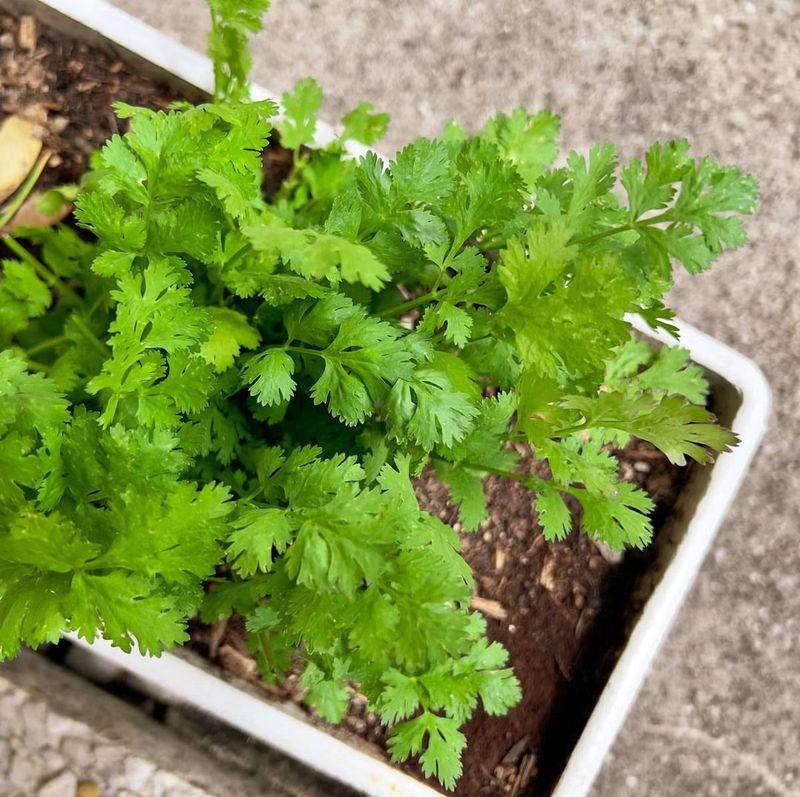
Cilantro has a reputation for bolting quickly, but that’s usually because people try growing it during warm weather. Start it during Arizona’s late winter, and you’ll harvest fresh leaves for months.
This herb absolutely thrives in cool temperatures and actually tastes best when nights stay chilly.
Use containers at least eight inches deep with excellent drainage. Cilantro develops a taproot that doesn’t like sitting in water.
Sow seeds directly, scattering them across the soil surface and barely covering them. Seeds germinate within two weeks in cool conditions.
Thin seedlings to about four inches apart once they develop true leaves. You can eat the thinned seedlings.
Keep soil consistently moist but never soggy. Cilantro grows quickly in Arizona’s late winter, and you can start harvesting outer leaves in about three weeks.
Cut leaves regularly to encourage bushier growth. The plant will eventually bolt as temperatures rise, sending up a flower stalk.
When this happens, let it go ahead and flower. The seeds that form are coriander, useful in cooking.
Varieties like Slow Bolt and Santo resist bolting longer than others, but all cilantro eventually succumbs to Arizona heat. Plants started now will produce abundantly through April before flowering.
Succession plant every few weeks for continuous harvests.
9. Green Onions Establish Fast In Pots Ahead Of Spring
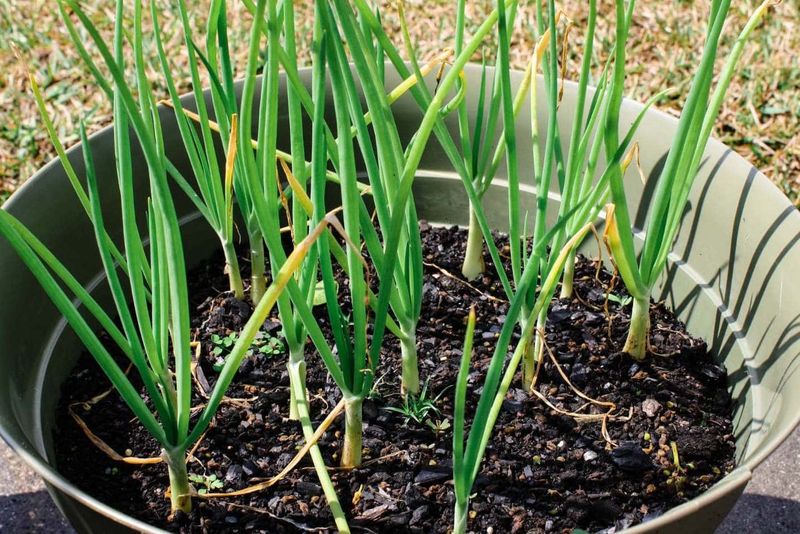
Green onions grow so fast in containers that you’ll wonder why you ever bought them at the store. They handle cool weather beautifully and establish quickly during Arizona’s late winter.
You can harvest them at any size, from tiny scallions to thicker bunching onions.
Any container at least four inches deep works for green onions. They don’t need much root space.
You can start from seeds, sets, or even the white root ends from store-bought bunches stuck directly into soil. Space them about an inch apart.
Seeds germinate within two weeks, and transplants or root ends establish almost immediately. Keep soil consistently moist since green onions have shallow roots that dry out quickly in containers.
They’re not heavy feeders but appreciate occasional diluted fertilizer.
Harvest by pulling entire plants or cutting leaves an inch above the soil line. If you cut rather than pull, the roots often regrow for additional harvests.
Green onions tolerate light frosts without damage and keep growing through Arizona’s cool season.
They’ll continue producing through April and into May before heat slows growth. Varieties like Evergreen Hardy White and Tokyo Long White perform well in containers here.
Starting green onions now gives you fresh onion flavor for cooking throughout spring.