14 Gorgeous Pink Perennials That Instantly Brighten Any Michigan Garden
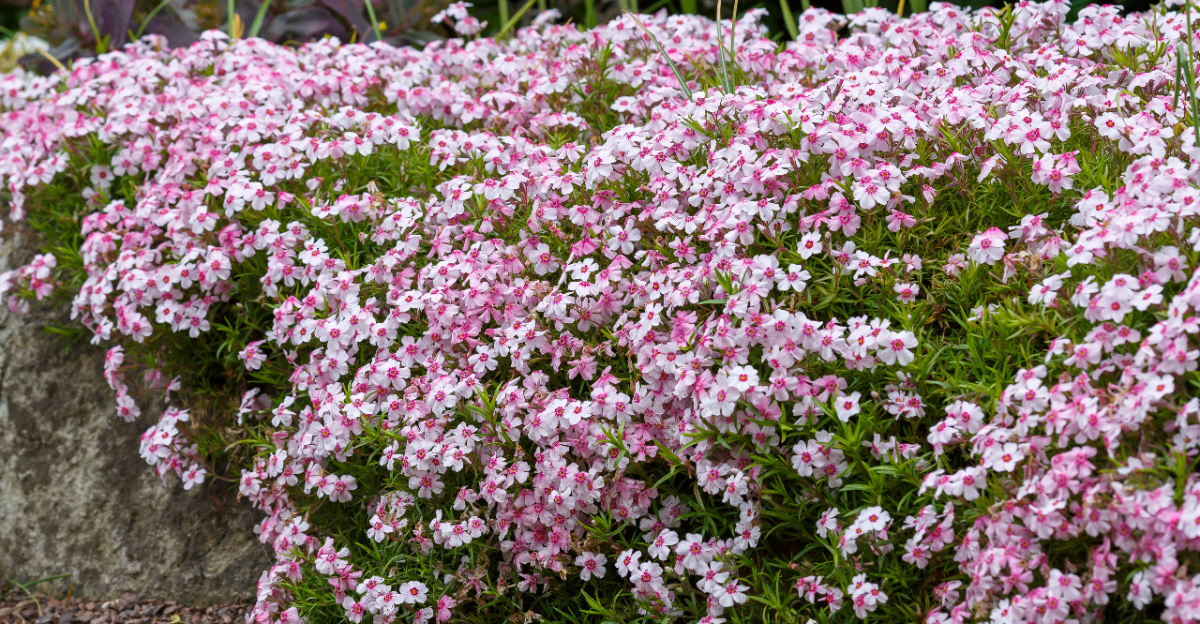
Soft shades of pink drifting across a garden can instantly create a sense of warmth, charm, and gentle beauty. In Michigan, adding pink perennials is one of the easiest ways to bring lasting color and dependable structure to your landscape year after year.
These hardy plants return each season with renewed strength, sparing gardeners the effort of replanting while delivering consistent, eye catching blooms.
From the first signs of spring to the cooler days of autumn, carefully chosen varieties keep waves of pink flowing through garden beds, borders, and mixed plantings.
Michigan’s climate supports many resilient perennials that handle temperature swings while maintaining healthy growth and vibrant color.
Beyond their beauty, pink flowers soften the landscape and create a welcoming, cheerful atmosphere that feels inviting in every season.
With the right selections, your Michigan garden can glow with graceful pink blooms that return reliably and brighten your outdoor space year after year.
1. Peonies Create Classic Pink Spring Blooms
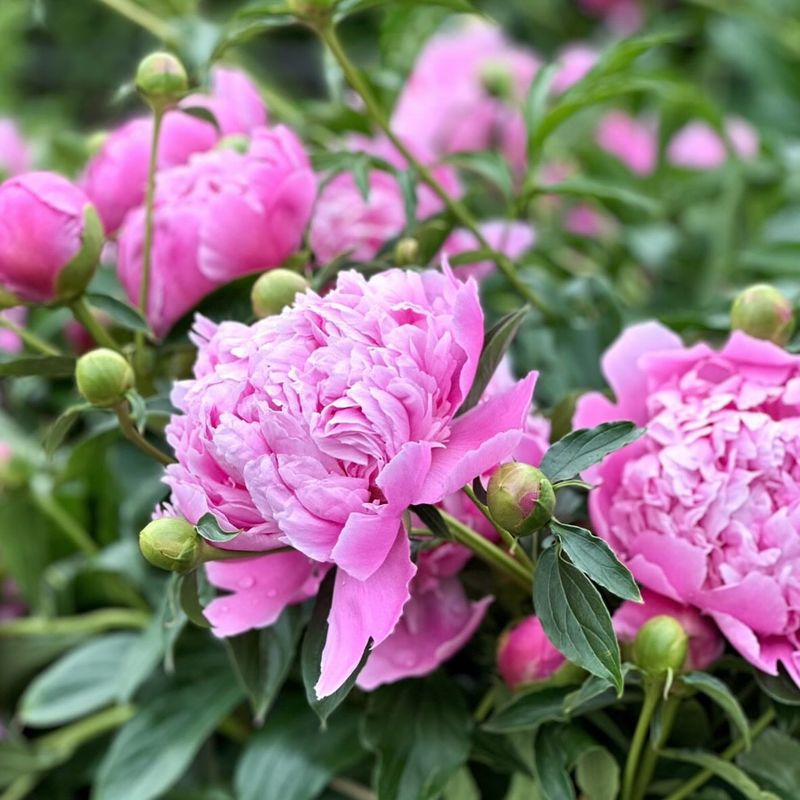
Few flowers capture hearts quite like peonies with their massive, fragrant blooms that signal spring’s arrival. Paeonia lactiflora varieties produce stunning pink flowers ranging from pale blush to deep rose, each bloom measuring up to eight inches across.
These perennials can live for decades in the same spot, often outlasting the gardener who plants them.
Michigan’s cold winters actually benefit peonies since they need winter chill to produce their spectacular spring display. Plant them in full sun with well-drained soil, positioning the crown just two inches below the surface. Too deep, and they won’t bloom at all.
Established plants reach three feet tall and equally wide, creating impressive mounds of glossy foliage that looks attractive even after blooming ends. The flowers appear in late May through June, lasting about two weeks.
Cut them for indoor bouquets, or leave them in the garden where their fragrance attracts early season pollinators.
Support rings help prevent heavy blooms from toppling over after rain. Water deeply during dry spells, especially while buds are forming.
Peonies resist most pests and diseases, making them remarkably low maintenance. Once established, they tolerate Michigan’s temperature swings beautifully.
With minimal care, these elegant perennials reward you with breathtaking pink blooms every spring for generations.
2. Pink Coneflower Adds Color And Pollinator Value
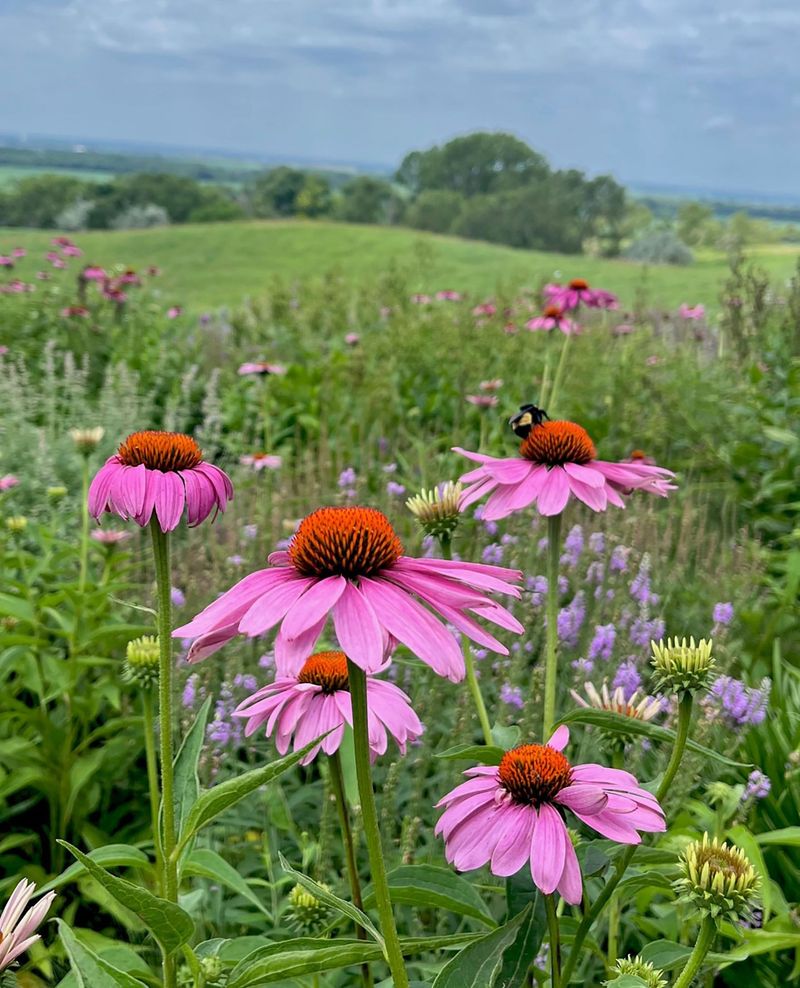
Butterflies practically dance around pink coneflowers from summer through early fall, making these natives essential for pollinator gardens.
Echinacea purpurea produces striking blooms with prominent orange-brown centers surrounded by slightly drooping pink petals. Each flower can last several weeks, providing extended beauty and nectar sources.
These tough perennials handle Michigan’s variable weather with impressive resilience. They prefer full sun but tolerate partial shade, growing two to four feet tall depending on variety.
Once established, their deep taproots make them remarkably drought tolerant, perfect for water-wise landscapes.
Blooming begins in July and continues through September if you regularly remove spent flowers. However, leaving some seed heads provides winter food for goldfinches and other songbirds.
The architectural beauty of dried seed heads also adds winter interest to your garden. Plant pink coneflowers in groups of three or more for maximum visual impact. They combine beautifully with ornamental grasses, black-eyed Susans, and other prairie natives.
Your Michigan Garden Changes Every Week. Your Plan Should Too.
Gardening in Michigan changes quickly throughout the season. Every Friday you’ll receive a simple weekly plan showing exactly what to plant, prune, fertilize, harvest, and protect so you never miss the right timing.
Space plants 18 inches apart to allow good air circulation, which helps prevent powdery mildew.
Deer generally avoid coneflowers, another bonus for Michigan gardeners. Divide clumps every four years to maintain vigor.
These reliable perennials improve year after year, spreading slowly to create generous drifts of cheerful pink blooms.
3. Garden Phlox Produces Tall Clusters Of Pink Flowers
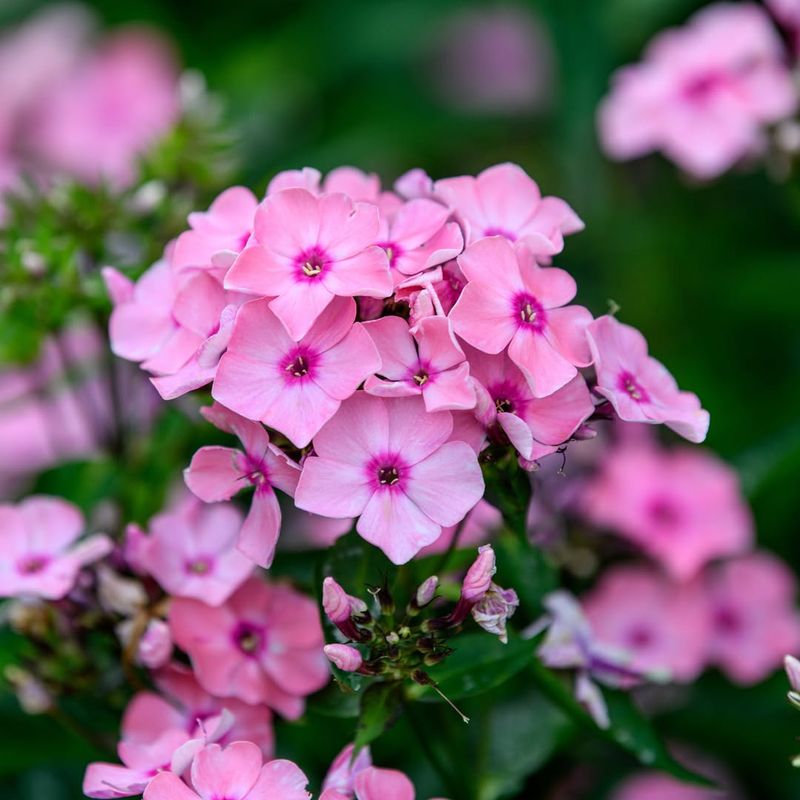
Sweet fragrance fills evening air when garden phlox blooms, creating an enchanting sensory experience in your landscape. Phlox paniculata varieties produce large, dome-shaped flower clusters atop sturdy stems reaching three to four feet tall.
Pink cultivars range from soft pastel shades to vibrant magenta, offering options for every color scheme.
These upright perennials thrive in Michigan gardens when given full sun and consistent moisture. They bloom from mid-July through August, bridging the gap between early and late summer flowers.
Deadheading spent blooms encourages additional flowering and prevents self-seeding, which often produces less desirable magenta offspring.
Good air circulation proves crucial for preventing powdery mildew, a common phlox problem. Space plants two feet apart and avoid overhead watering.
Newer mildew-resistant varieties like ‘David’ and ‘Robert Poore’ perform better than older cultivars.
Garden phlox attracts hummingbirds, butterflies, and sphinx moths, especially at dusk when their fragrance intensifies. Plant them near patios or walkways where you can enjoy their evening perfume.
Their tall stature makes them excellent background plants for borders. Divide clumps every three to four years to maintain vigor and flower quality. Remove the weakest stems each spring, leaving five to seven strong shoots per plant.
This thinning improves air flow and produces larger flower clusters. With proper care, garden phlox provides reliable pink beauty year after year.
4. Astilbe Brings Soft Pink Plumes To Shaded Gardens
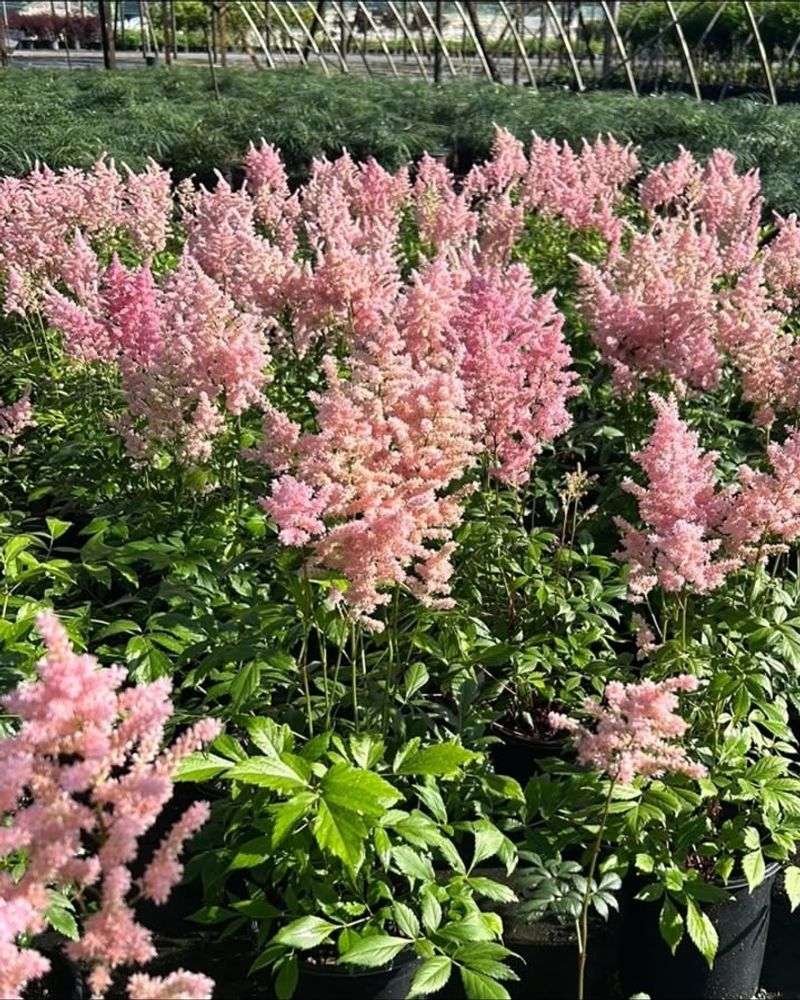
Shady spots transform into magical spaces when astilbe’s feathery plumes appear in early to mid-summer. These shade-loving perennials produce soft, fluffy flower spikes in various pink shades, from pale shell pink to deep rose.
The fern-like foliage remains attractive throughout the growing season, providing texture even after blooming ends.
Michigan’s climate suits astilbe perfectly, especially in locations with afternoon shade and consistent moisture. They struggle in hot, dry conditions but thrive near downspouts or in naturally moist areas.
Plant them under trees, along shaded borders, or beside water features where soil stays evenly damp.
Different varieties bloom at different times, allowing you to extend the show from June through August. Early bloomers start in June, mid-season types peak in July, and late varieties continue into August.
Mixing bloom times creates continuous color in shaded areas. Astilbe grows 18 inches to four feet tall depending on variety, with compact types suited for front borders and taller selections for mid-border positions.
Space plants 18 to 24 inches apart, allowing them room to form substantial clumps. These perennials require minimal maintenance beyond regular watering during dry periods. Mulch around plants to conserve moisture and keep roots cool.
Divide clumps every three to four years in early spring. Leave spent flower plumes for winter interest, as their bronze color adds beauty to dormant gardens.
5. Dianthus Provides Bright Pink Fragrant Blooms
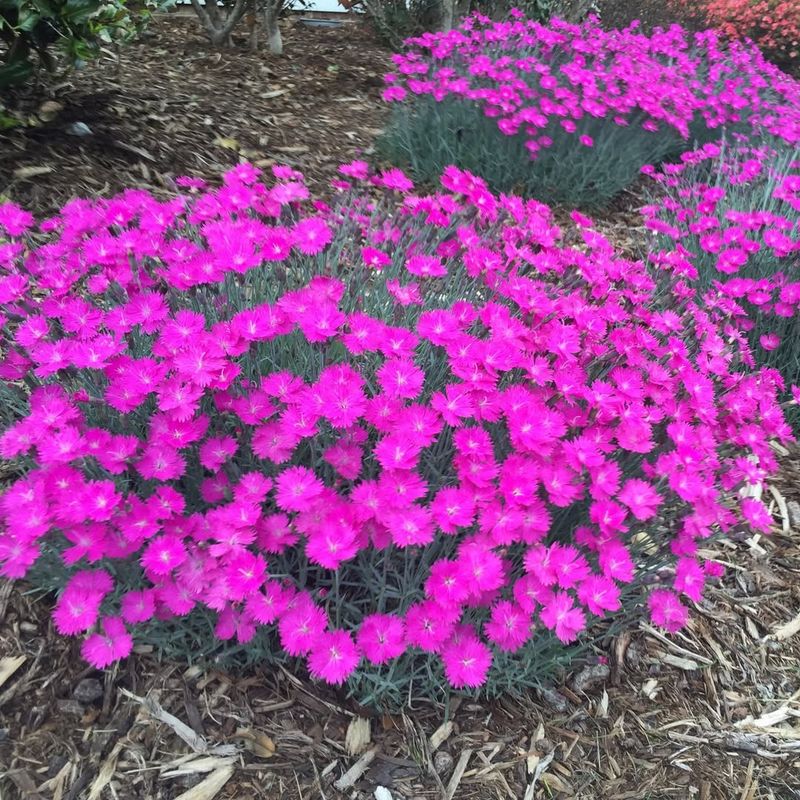
Spicy clove fragrance wafts from dianthus blooms, adding old-fashioned charm to modern gardens. Hardy varieties produce fringed pink flowers above neat mounds of blue-green foliage.
These compact perennials typically reach 6 to 12 inches tall, making them perfect for front borders, rock gardens, or edging pathways.
Michigan gardeners should select cold-hardy species like cheddar pinks or maiden pinks for reliable performance. These tough plants tolerate winter temperatures well below zero when properly established.
They prefer full sun and well-drained soil, thriving in conditions that challenge more finicky perennials.
Blooming occurs primarily in late spring through early summer, with sporadic rebloom possible if you shear plants after the main flowering. The evergreen foliage provides year-round interest, remaining attractive even under snow.
Their low, spreading habit makes them excellent groundcovers for sunny slopes. Dianthus performs best in neutral to slightly alkaline soil, so adding lime benefits gardens with naturally acidic Michigan soil.
Avoid heavy clay or poorly drained locations where crown rot can occur. Once established, these perennials tolerate drought remarkably well.
Plant dianthus along walkways where their fragrance can be appreciated up close. They combine beautifully with other cottage garden favorites like roses, lavender, and catmint.
Divide clumps every three years to maintain vigor. Deer and rabbits typically avoid dianthus, another advantage for Michigan landscapes.
6. Bleeding Heart Produces Graceful Pink Spring Flowers
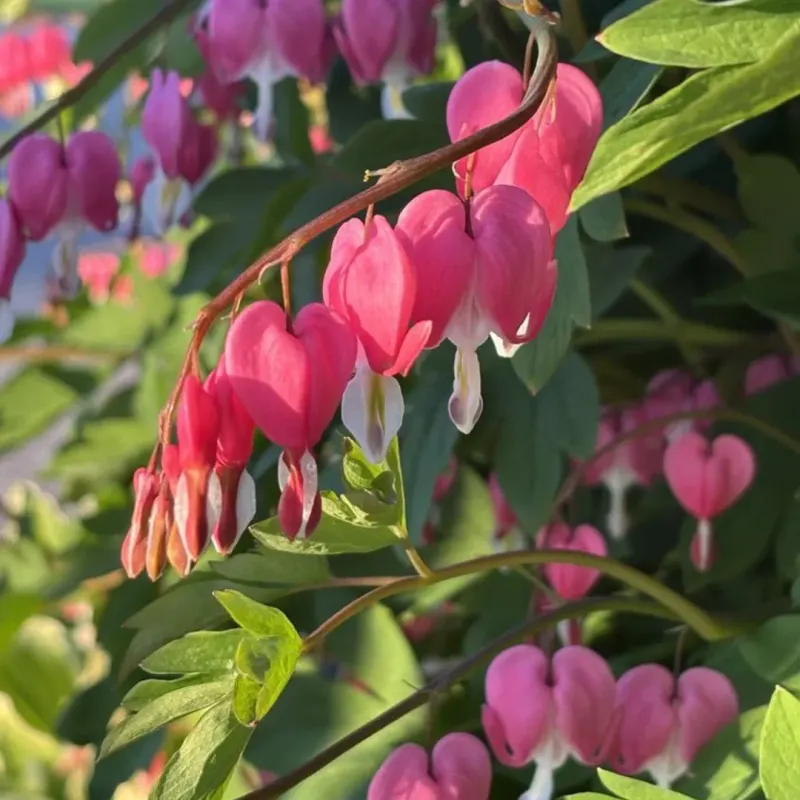
Woodland gardens gain romantic appeal when bleeding hearts dangle their distinctive heart-shaped flowers from arching stems.
Dicentra spectabilis produces pink and white blooms in late spring, each flower resembling a tiny locket suspended from graceful branches. The ferny foliage creates soft texture that complements the delicate blooms perfectly.
These shade-loving perennials thrive in Michigan’s cooler spring temperatures, blooming from May into June. They prefer partial to full shade with rich, moist soil similar to their native woodland habitats.
Morning sun with afternoon shade provides ideal conditions for extended blooming. Plants grow two to three feet tall and equally wide, creating substantial clumps that fill shaded spaces beautifully.
The foliage often goes dormant by mid-summer, especially in warmer, drier locations. Plant companion perennials like hostas or ferns nearby to fill the gap left by dormant bleeding hearts.
Bleeding hearts combine wonderfully with spring bulbs, primroses, and other early bloomers. Their arching form adds movement and grace to static garden compositions.
Space plants two to three feet apart, allowing room for their spreading habit. These perennials require little maintenance beyond occasional watering during dry spring weather. Avoid disturbing established clumps, as they resent transplanting.
If division becomes necessary, do it carefully in early spring or fall. Bleeding hearts self-seed modestly, with seedlings appearing around parent plants.
Their elegant pink blooms bring enchantment to shaded Michigan gardens each spring.
7. Sedum Autumn Joy Offers Pink Late Season Blooms
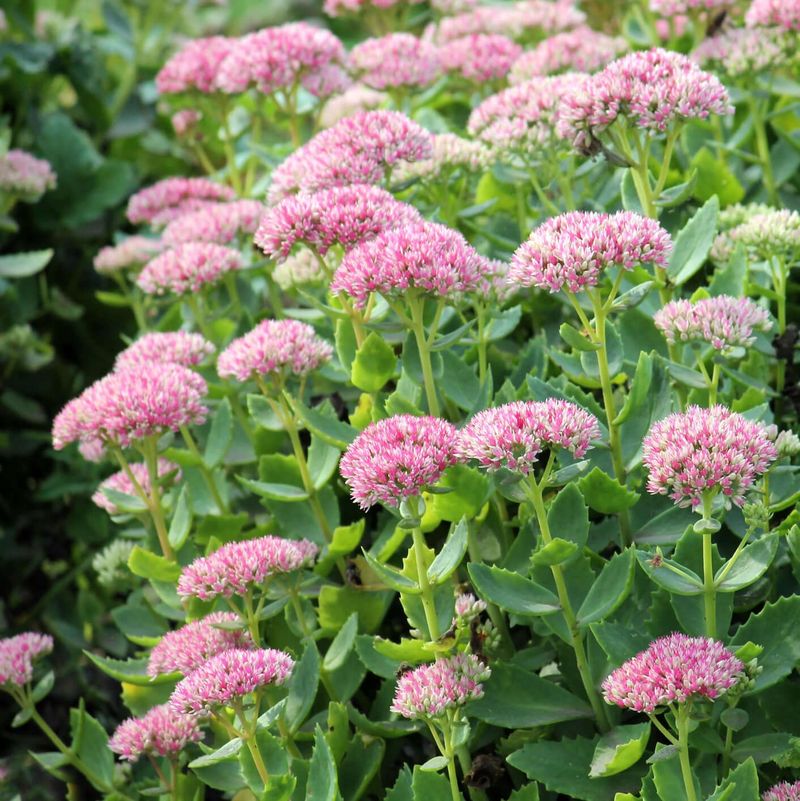
Late summer gardens gain renewed interest when Autumn Joy sedum transforms from green broccoli-like buds to rosy pink flower clusters.
Hylotelephium spectabile produces massive flat-topped blooms that begin pink in August and gradually deepen to copper-bronze by fall.
The succulent foliage remains attractive throughout the growing season, providing structure even before flowers appear.
This incredibly tough perennial handles Michigan’s climate extremes with ease, tolerating drought, heat, cold, and poor soil. Full sun produces the best flowering, though plants tolerate partial shade.
They grow 18 to 24 inches tall, forming sturdy clumps that never require staking.
Butterflies and bees swarm Autumn Joy blooms throughout late summer and fall, making it invaluable for pollinator gardens. The flowers remain attractive for months, transitioning through several color stages.
Many gardeners leave dried flower heads standing through winter for architectural interest and bird habitat.
Plant Autumn Joy in groups for maximum impact, or use single specimens as focal points in mixed borders. They combine beautifully with ornamental grasses, asters, and other fall bloomers.
Space plants 18 inches apart, allowing room for mature spread. These sedums require almost no maintenance beyond cutting back dead stems in early spring. Divide clumps every four to five years if they become too large or start flopping.
Deer ignore them, and they resist most pests and diseases. Autumn Joy provides reliable pink color when many other perennials have finished blooming.
8. Hardy Geranium Produces Long Lasting Pink Flowers
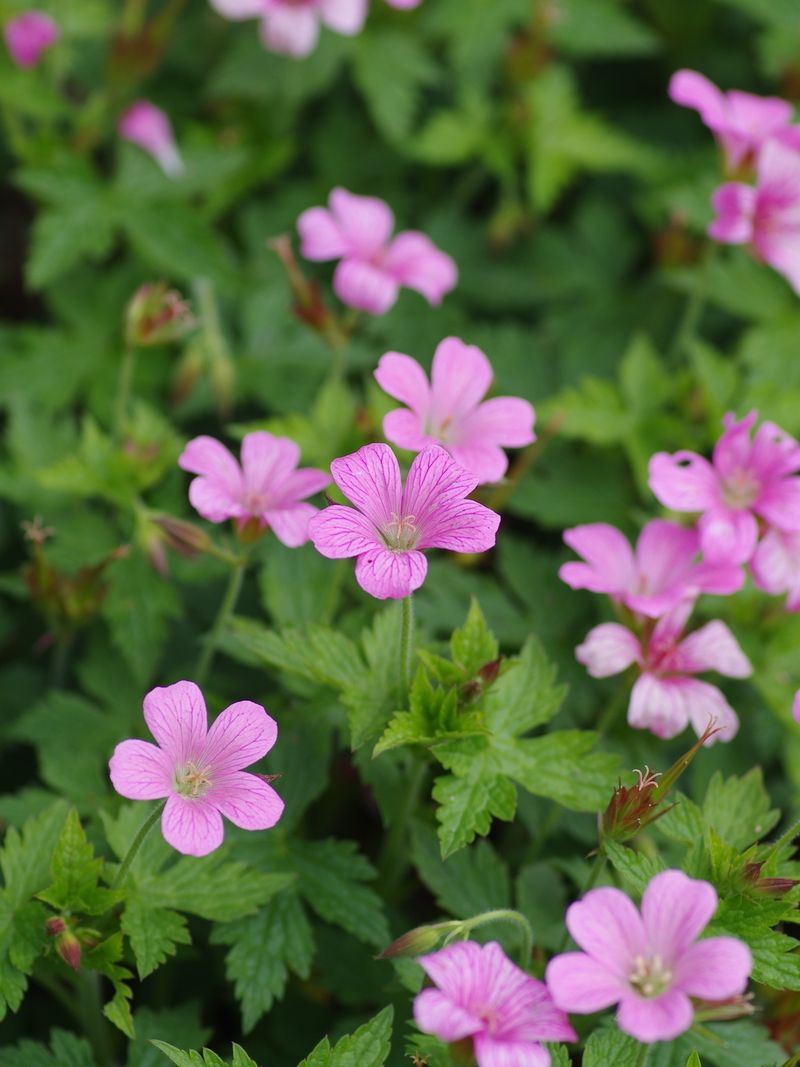
Reliable color flows from hardy geraniums throughout summer, with some varieties blooming continuously from June through frost. Geranium sanguineum and other cold-hardy species produce delicate pink flowers above attractive lobed foliage.
These true geraniums differ completely from tender annual geraniums, offering superior cold tolerance and perennial performance.
Michigan gardeners appreciate hardy geraniums for their adaptability and long bloom season. They thrive in full sun to partial shade, tolerating various soil types as long as drainage is adequate.
Plants form neat mounds 12 to 18 inches tall, spreading slowly to create attractive groundcovers.
The flowers may appear delicate, but these perennials prove remarkably tough. They handle heat, drought, and cold with equal ease once established.
Many varieties rebloom if sheared back after the first flush of flowers fades. The foliage often develops attractive red or orange tints in fall.
Hardy geraniums work beautifully as edging plants, groundcovers, or middle-border specimens. They weave naturally among other perennials, filling gaps and softening hard edges.
Plant them along walkways where their mounding habit spills gracefully over path edges.
These perennials require minimal care beyond occasional watering during extended dry periods. Shear plants back by one-third after initial blooming to encourage fresh foliage and additional flowers.
Divide clumps every four to five years in spring or fall. Deer and rabbits generally leave hardy geraniums alone, making them practical choices for Michigan landscapes.
9. Coral Bells Add Pink Flower Spikes And Foliage Interest
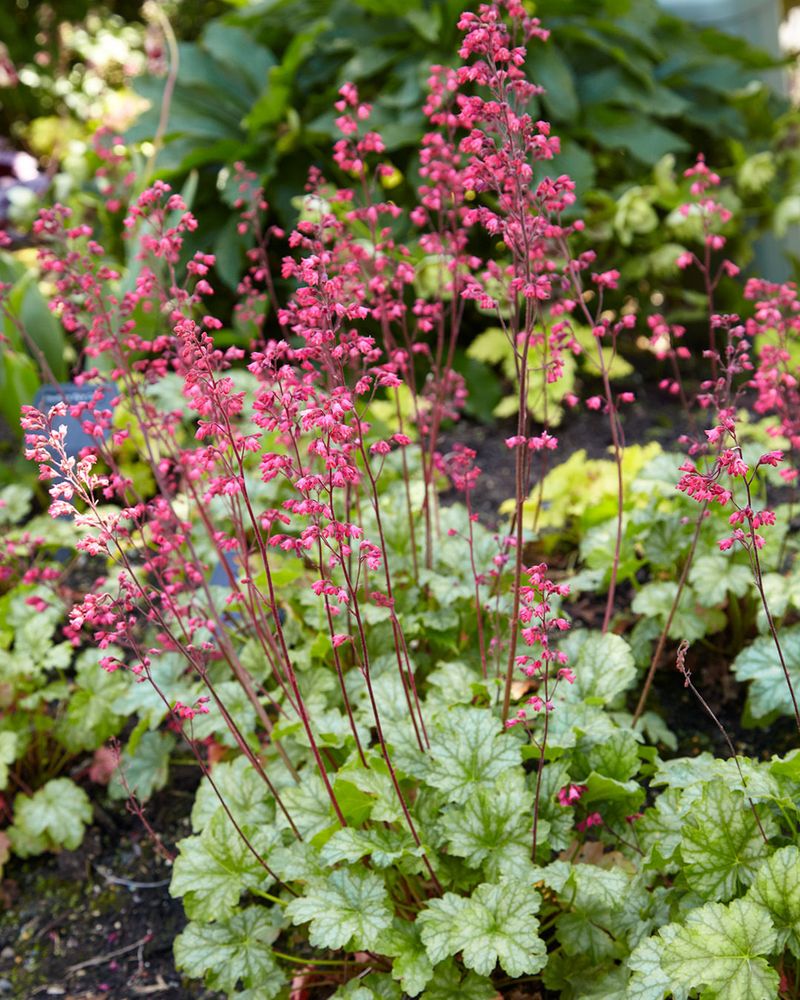
Delicate pink flower spikes dance above coral bells foliage on wiry stems, creating an airy, floating effect in the garden.
Heuchera produces dainty bell-shaped flowers in late spring through early summer, though many gardeners grow them primarily for their stunning foliage.
Leaves come in colors ranging from lime green to deep purple, providing year-round interest beyond the blooming period.
These versatile perennials adapt to various light conditions, from full sun to partial shade. In Michigan gardens, afternoon shade helps prevent leaf scorch during hot summers.
They prefer rich, well-drained soil and benefit from a layer of mulch to protect shallow roots.
Coral bells form neat mounds 8 to 12 inches tall, with flower spikes reaching 18 to 24 inches. Their compact size makes them perfect for front borders, container gardens, or underplanting taller perennials.
Space plants 12 to 15 inches apart for a continuous groundcover effect. The flowers attract hummingbirds and small butterflies, adding wildlife value to ornamental appeal.
While individual blooms are tiny, they appear in profuse clusters that create significant visual impact. Cut back flower stems after blooming to keep plants tidy.
Heuchera can heave out of the ground during freeze-thaw cycles, so check plants in early spring and replant if necessary. Divide clumps every three to four years to maintain vigor.
Remove any damaged leaves in spring to showcase fresh growth. These easy-care perennials provide dual-season interest with both flowers and foliage.
10. Pink Daylilies Provide Reliable Summer Color
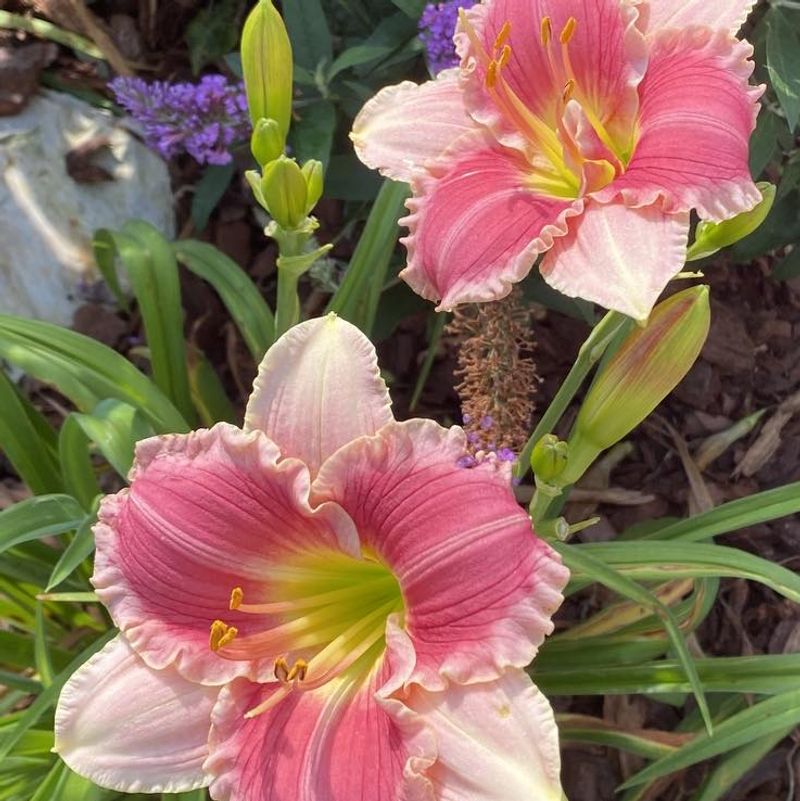
Carefree beauty defines daylilies, making them favorites for busy gardeners who want maximum impact with minimal effort.
Pink Hemerocallis varieties produce stunning trumpet-shaped blooms throughout summer, with each flower lasting just one day but replaced by numerous buds.
Modern hybrids offer incredible color range, from soft peachy pink to vibrant coral and deep rose.
These adaptable perennials thrive across Michigan in full sun to partial shade, though flowering is most prolific with at least six hours of direct sunlight. They tolerate various soil types and handle both drought and occasional flooding once established.
Plants form arching clumps of grass-like foliage 18 to 36 inches tall. Bloom time varies by variety, with early bloomers starting in June, mid-season types peaking in July, and late varieties continuing into August.
Planting a mix of bloom times extends the display throughout summer. Some reblooming varieties produce additional flower flushes after the main show.
Daylilies require almost no maintenance, making them perfect for low-maintenance landscapes. They resist most pests and diseases, and deer usually avoid them.
Divide clumps every four to six years when flower production declines or plants become crowded.
Plant daylilies in groups of three or more for bold color impact. They work beautifully in mass plantings, mixed borders, or as groundcovers on slopes.
Remove spent flowers to keep plants looking tidy, though this doesn’t affect future blooming. Their reliable performance makes them garden workhorses.
11. Japanese Anemone Brings Elegant Pink Late Season Flowers
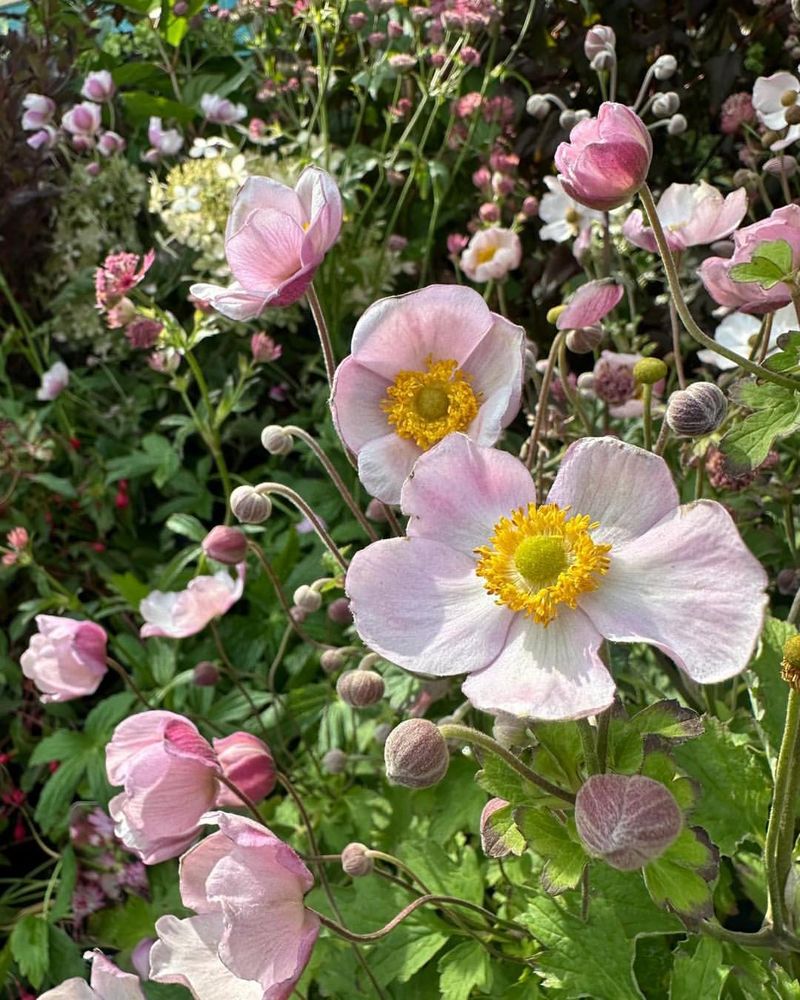
Graceful blooms appear when many perennials are fading, making Japanese anemones treasured additions to late-season gardens. Anemone hupehensis produces elegant pink flowers on tall, wiry stems from August through October.
The simple, cup-shaped blooms have a delicate appearance that belies their toughness and reliability.
These perennials prefer partial shade in Michigan gardens, especially protection from hot afternoon sun. They thrive in rich, moisture-retentive soil, spreading slowly through underground runners to form substantial colonies.
Plants grow two to four feet tall, with flowers held well above the basal foliage.
Japanese anemones take a year or two to establish but become long-lived, low-maintenance perennials once settled. They resent disturbance, so choose planting locations carefully.
The dark green foliage remains attractive throughout summer, even before flowers appear.
These anemones work beautifully in woodland gardens, shaded borders, or alongside streams and ponds. They combine well with hostas, ferns, and other shade lovers.
The tall flower stems create vertical interest and movement as they sway in breezes. Mulch plants well to protect roots during winter and conserve soil moisture during summer. Water regularly during dry periods, especially while plants are establishing.
Japanese anemones spread gradually but rarely become invasive in Michigan gardens. Leave spent flowers for winter interest, as their fuzzy seed heads add texture to dormant landscapes. Cut back foliage in early spring before new growth emerges.
These elegant perennials reward patience with years of late-season pink beauty.
12. Lupine Produces Tall Pink Flower Spikes In Early Summer
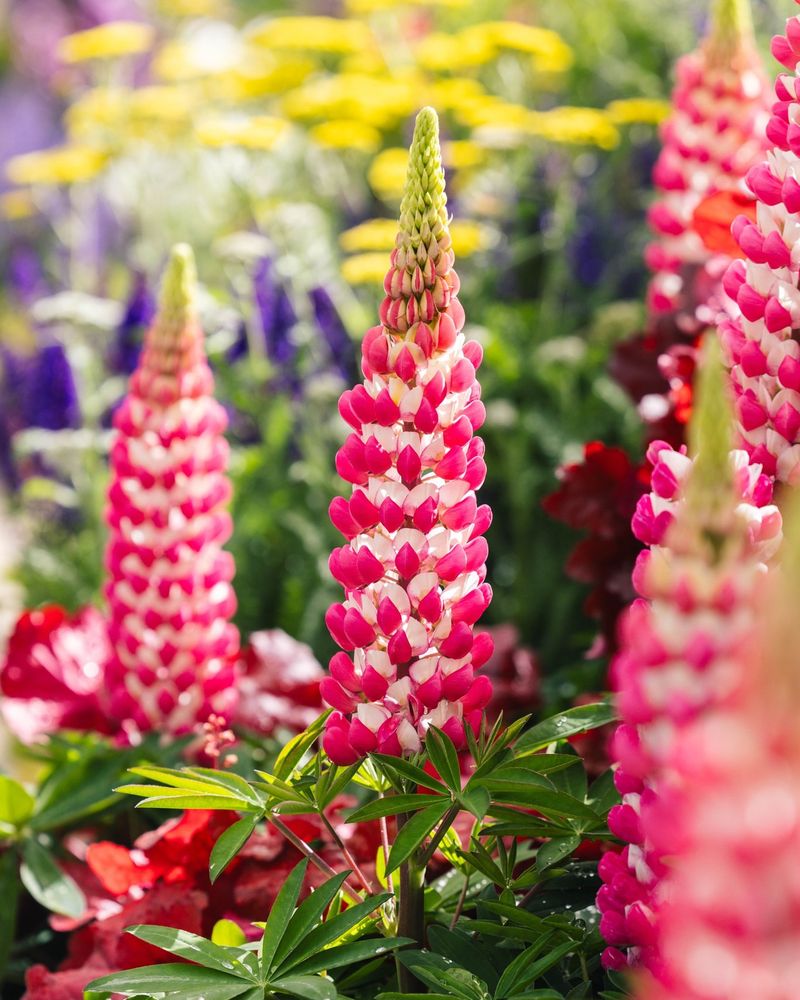
Dramatic vertical accents appear when lupines send up their impressive flower spikes in early summer. Hardy lupines produce dense spires of pink pea-like flowers that can reach three feet tall, creating spectacular focal points in sunny borders.
The palm-shaped foliage adds attractive texture even when plants aren’t blooming. Lupinus perennis, native to Michigan, and hardy garden lupine hybrids both perform well in northern gardens. They prefer full sun and well-drained, slightly acidic soil.
Good drainage proves essential, as lupines struggle in heavy clay or waterlogged conditions.
Flowering occurs primarily in June, with the show lasting several weeks. Removing spent flower spikes before seeds form sometimes encourages a modest second bloom in late summer.
The flowers attract bumblebees and other native pollinators, providing important nectar sources.
Lupines develop deep taproots, making them drought tolerant once established but difficult to transplant. Start with young plants or seeds rather than attempting to move mature specimens.
Space plants 18 to 24 inches apart, allowing room for their bushy growth habit. These perennials can be short-lived, often persisting only three to four years. However, they self-seed readily, with new plants appearing around the originals.
Seedlings may not match parent plant colors exactly but usually produce attractive flowers.
Protect young plants from slug damage in spring. Provide support for tall varieties in windy locations.
Lupines add cottage garden charm and bold color to Michigan landscapes during the early summer transition period.
13. Yarrow Adds Soft Pink Clusters And Drought Tolerance
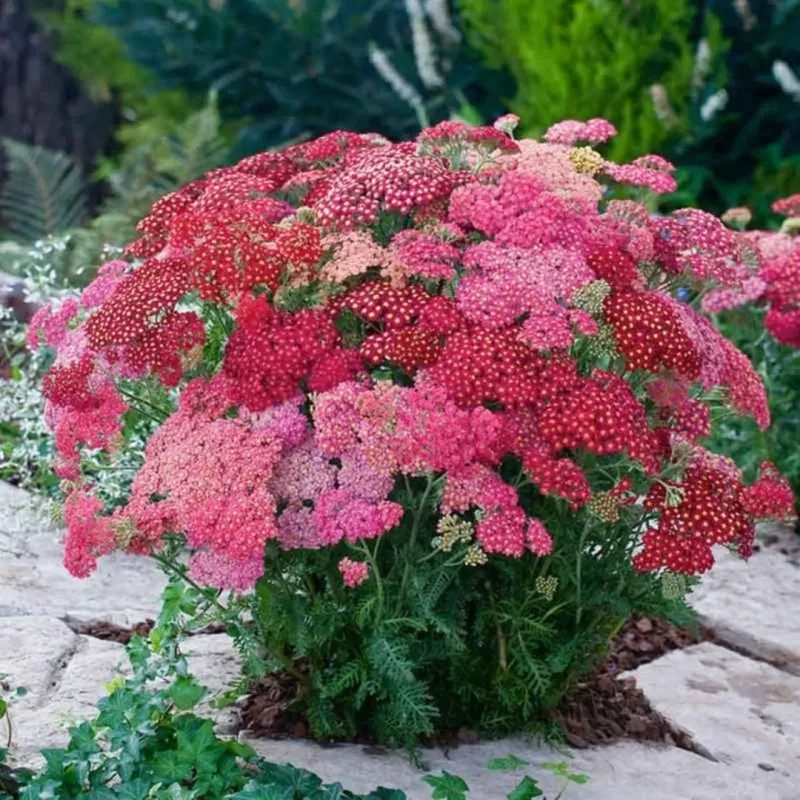
Tough as nails yet delicately beautiful, yarrow thrives where other perennials struggle. Achillea millefolium produces flat-topped flower clusters in various pink shades, from pale blush to deep rose, held above finely divided fern-like foliage.
These hardy perennials bloom from June through August, providing long-lasting color with minimal care.
Michigan gardeners appreciate yarrow’s exceptional drought tolerance and adaptability to poor soils. Plants thrive in full sun and well-drained locations, actually performing better in lean soil than rich conditions.
They grow 18 to 36 inches tall, spreading slowly through underground rhizomes. The flowers attract beneficial insects including ladybugs, lacewings, and parasitic wasps that help control garden pests.
Butterflies and native bees also visit yarrow blooms frequently. Cutting flowers for fresh or dried arrangements encourages additional blooming.
Yarrow works well in naturalistic plantings, meadow gardens, or mixed borders with other drought-tolerant perennials. The flowers dry beautifully, retaining their color for winter arrangements.
Plant them in groups for bold impact, spacing 18 inches apart. These perennials require almost no maintenance once established. Deadhead regularly to prolong blooming and prevent excessive self-seeding.
Cut plants back by half in early summer if they become floppy or overgrown. Divide clumps every three to four years to control spread and maintain vigor. Yarrow tolerates poor soil, heat, humidity, and drought, making it ideal for low-maintenance landscapes.
Deer and rabbits avoid it, another practical advantage. With its combination of beauty and toughness, yarrow earns its place in Michigan gardens.
14. Bee Balm Produces Bright Pink Pollinator Friendly Flowers
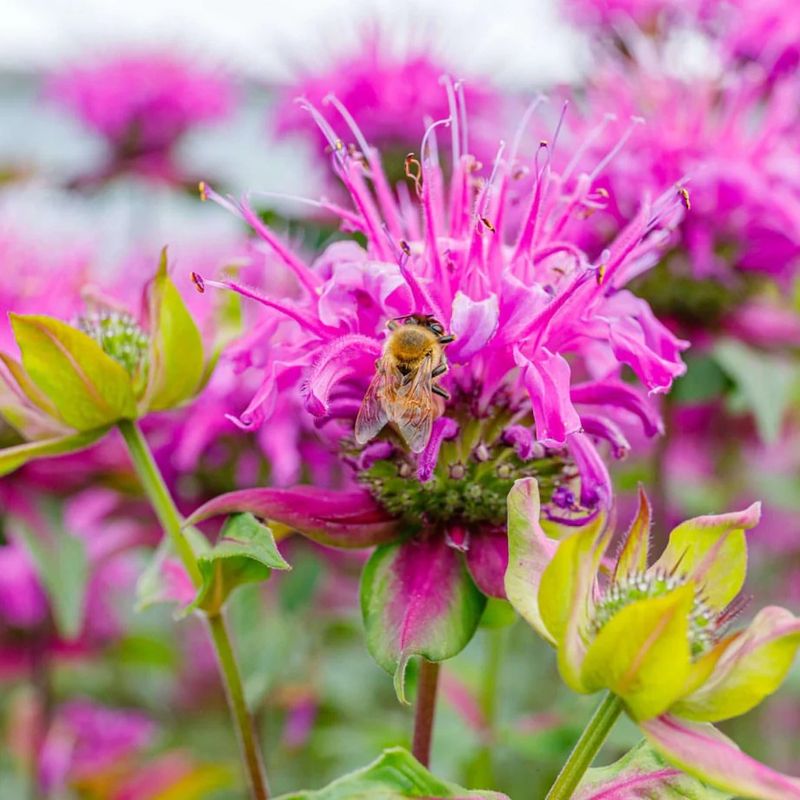
Hummingbirds zip through gardens seeking bee balm’s nectar-rich flowers, creating delightful wildlife viewing opportunities.
Monarda species produce distinctive shaggy pink blooms that appear in mid to late summer, attracting butterflies, bees, and hummingbirds in impressive numbers.
The aromatic foliage releases a pleasant minty fragrance when brushed or crushed. These native perennials thrive in Michigan gardens when given full sun to partial shade and consistent moisture.
They prefer rich, organic soil and benefit from mulching to maintain even soil moisture. Plants grow two to four feet tall, spreading through underground runners to form substantial clumps.
Bee balm blooms from July through August, with deadheading extending the flowering period. Newer mildew-resistant varieties like ‘Jacob Cline’ and ‘Raspberry Wine’ perform much better than older cultivars prone to powdery mildew.
Good air circulation helps prevent disease issues. Plant bee balm in pollinator gardens, cottage gardens, or naturalistic borders where its spreading habit is welcome. Space plants two feet apart and thin stems in spring to improve air flow.
The flowers make excellent fresh cut arrangements. Divide clumps every two to three years to control spread and maintain plant vigor. Remove oldest sections and replant young, vigorous divisions.
Water regularly during dry spells to prevent stress and mildew. Bee balm’s wildlife value makes it essential for ecological gardeners. The bright pink flowers create bold color splashes in mid to late summer when gardens need refreshing.
With proper variety selection and care, these perennials provide reliable beauty and abundant pollinator activity.