How To Grow A Banana Plant Indoors Or Outdoors In Texas
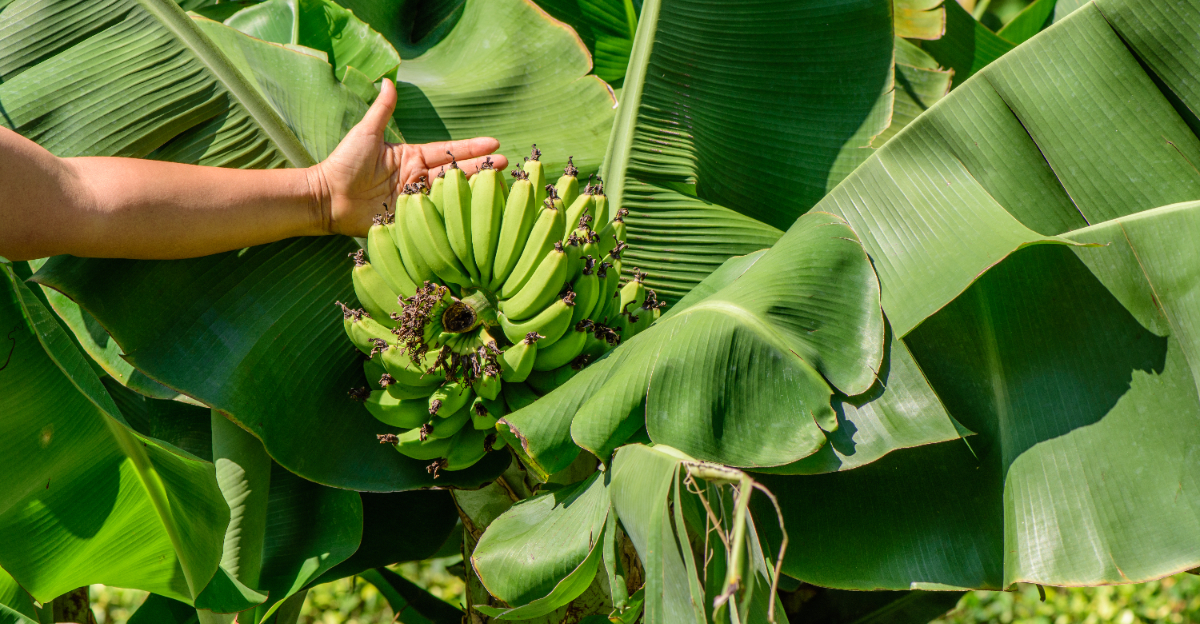
You’ve probably seen one at some point, a tall plant with broad leaves that instantly makes a space feel a little more relaxed, and suddenly the idea of having your own banana plant doesn’t sound so far-fetched.
In Texas, that idea can actually work better than most people expect. With the right setup, banana plants can grow outdoors in warmer parts of the state or thrive indoors as statement plants.
It comes down to understanding how they handle heat, light, and the occasional cold snap that shows up when you least expect it.
Some varieties stay compact enough for containers, while others stretch tall and need more room to spread. A few simple choices early on can make the difference between a struggling plant and one that looks like it belongs there.
The part most people get wrong tends to show up right at the beginning, and it’s easier to fix than you might think.
1. Choosing The Right Banana Variety That Actually Works In Texas
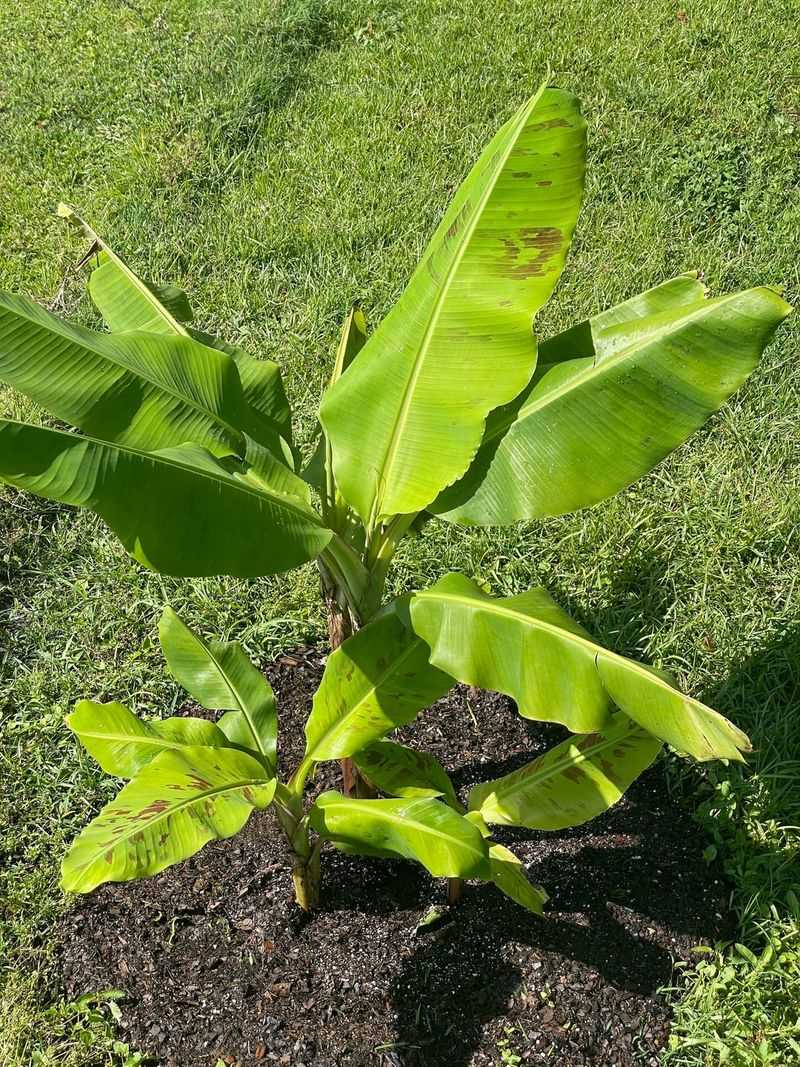
Not all banana plants can handle Texas weather, so picking the right variety from the start saves frustration later. Some types handle cold better than others, which matters since most of Texas gets at least a few freezing nights each winter.
The Cavendish banana, commonly found in grocery stores, tends to struggle in most parts of Texas unless grown indoors or protected, as extended exposure to temperatures below about 50 degrees can slow growth and lead to damage over time.
Cold-hardy varieties like the Rajapuri banana perform more reliably across Texas and may handle brief dips into the upper 20s with protection such as mulching, though results can vary depending on duration and local conditions. The Ice Cream banana, also called Blue Java, handles cooler temperatures and produces sweet fruit with a texture similar to vanilla custard.
Dwarf Cavendish works well for indoor growing or small outdoor spaces since it only reaches 6 to 8 feet tall.
Texas gardeners in zones 8 and 9 should focus on cold-tolerant types that can regrow from the roots even if frost damages the leaves. The Musa Basjoo, or Japanese Fiber Banana, survives the coldest Texas winters but produces inedible fruit, making it purely ornamental.
For South Texas and coastal areas with mild winters, you have more options including the traditional Cavendish and the sweet Lady Finger variety.
Choosing based on your specific region within Texas determines your success rate significantly. Northern Texas requires the most cold-hardy selections, while Houston and San Antonio areas can experiment with more tropical varieties.
Consider your available space too, since some bananas reach 20 feet tall while dwarf versions stay compact and manageable for both indoor and outdoor settings.
2. What Gardeners Should Know About Growing Bananas In Different Texas Regions
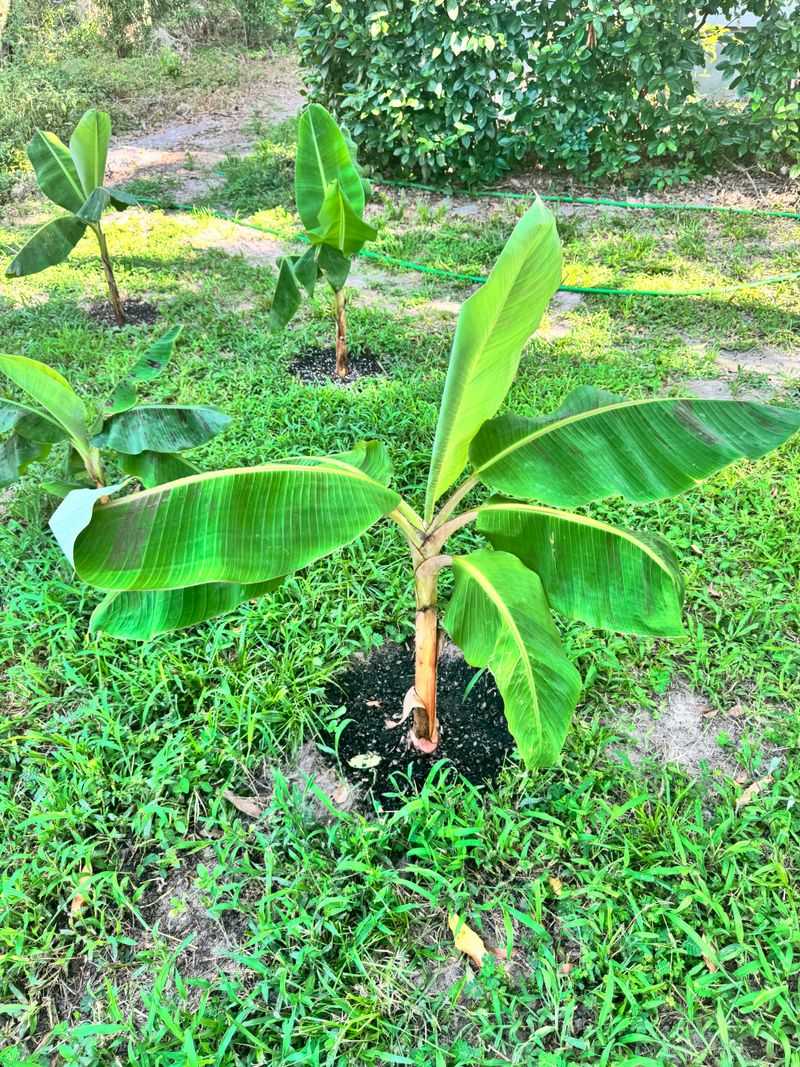
Texas spans multiple climate zones, and each region presents different opportunities and challenges for banana cultivation. South Texas, including the Rio Grande Valley, offers the most banana-friendly conditions with mild winters and long growing seasons that rarely see frost.
Gardeners in Brownsville or McAllen can grow a wide range of banana varieties outdoors for most of the year, with minimal winter protection needed during occasional cooler periods.
Your Texas Garden Changes Every Week. Your Plan Should Too.
Gardening in Texas changes quickly throughout the season. Every Friday you’ll receive a simple weekly plan showing exactly what to plant, prune, fertilize, harvest, and protect so you never miss the right timing.
Central Texas cities like Austin and San Antonio fall into zones 8b and 9a, where bananas grow well during warm months but need protection during occasional hard freezes. These areas work best with cold-hardy varieties that can survive brief temperature drops or with container plants moved indoors during cold snaps.
Mulching heavily around the base helps insulate roots when unexpected freezes arrive in January or February.
North Texas, including Dallas and Fort Worth, presents the biggest challenge with colder winters and shorter growing seasons. Banana plants in these areas often get damaged by frost and must regrow from the roots each spring, which delays or prevents fruiting.
Growing in containers that can be moved indoors during winter works better for northern Texas gardeners who want reliable results.
Coastal regions like Houston and Corpus Christi benefit from humidity and moderate temperatures, creating excellent banana-growing conditions most of the year. The higher moisture levels in these areas support the tropical nature of banana plants.
West Texas presents challenges with low humidity and temperature swings, so indoor growing or protected outdoor setups often provide more consistent results for gardeners in places like El Paso or Midland.
3. How To Grow Banana Plants Outdoors In Texas Without Setbacks
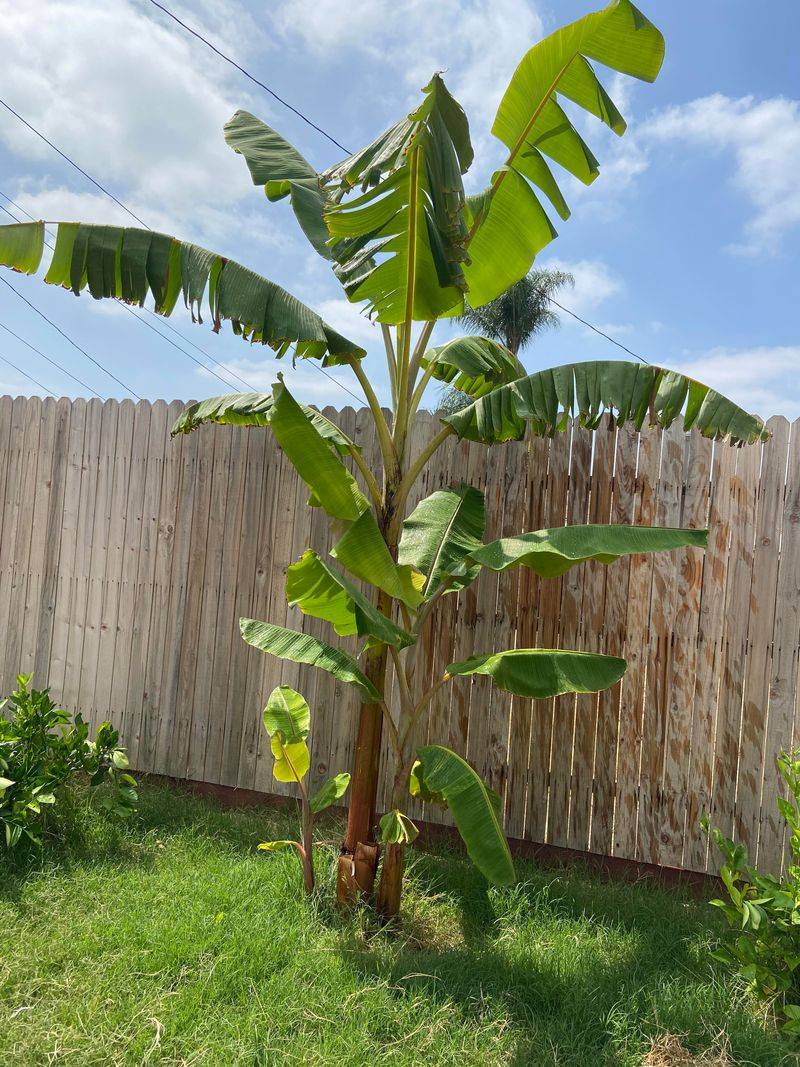
Outdoor banana cultivation in Texas starts with selecting a planting location that receives full sun for at least six hours daily. Banana plants need intense light to grow vigorously and produce fruit, so avoid shaded areas under larger plants or near buildings that block afternoon sun.
The planting site should also offer protection from strong winds, which can shred the large leaves and stress the plant.
Prepare the planting hole by digging twice as wide and just as deep as the root ball, then mix in plenty of compost or aged manure to improve soil quality. Texas clay soil needs amendment with organic matter to improve drainage since banana roots rot quickly in waterlogged conditions.
Plant your banana plants at the same depth it grew in its container, then water thoroughly to settle the soil around the roots.
Space multiple banana plants 8 to 10 feet apart since they spread through underground rhizomes and form clumps over time. Creating a raised bed or mound helps improve drainage in areas with heavy clay soil common across much of Texas.
Apply a thick layer of mulch around the base, keeping it a few inches away from the trunk to prevent rot while conserving moisture.
During the growing season from spring through fall, banana plants grow rapidly and need consistent attention to watering and feeding. Remove dead leaves as they appear to keep the plant looking tidy and prevent pest problems.
In Texas, outdoor bananas may benefit from some afternoon shade in the hottest areas, especially where temperatures stay above 100 degrees for extended periods.
4. Simple Ways To Grow Banana Plants Indoors With Limited Space
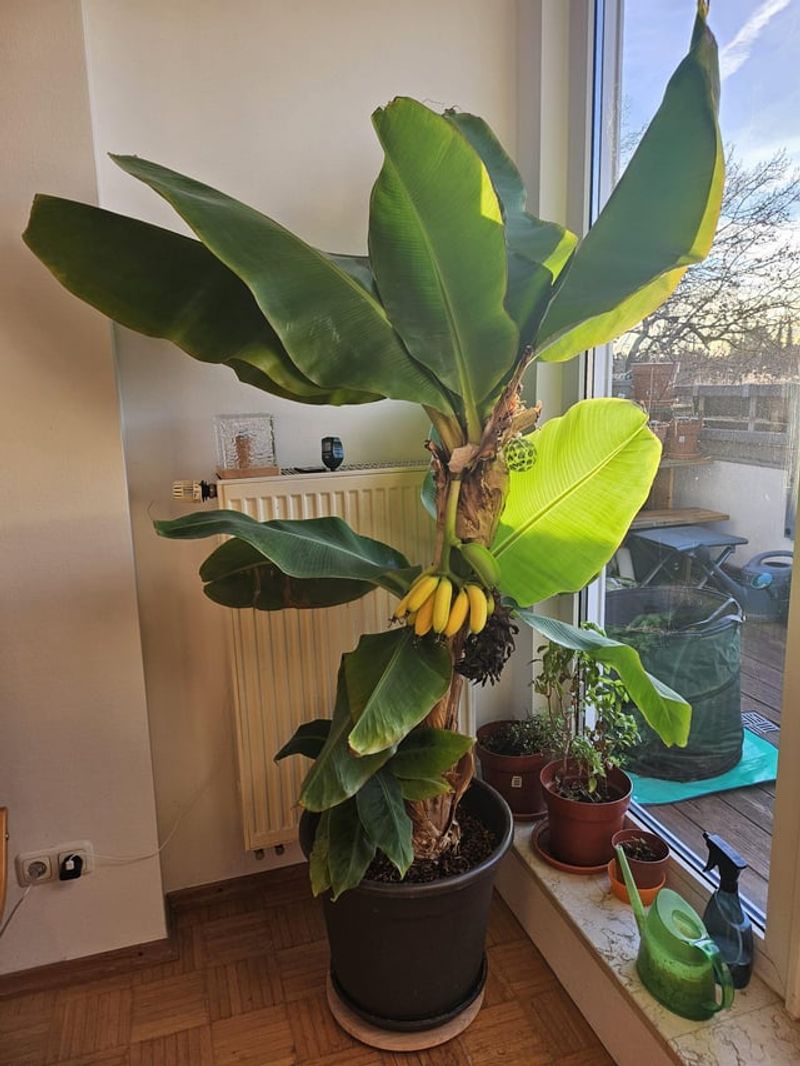
Indoor banana growing works perfectly for Texas gardeners who lack outdoor space or live in regions with harsh winters. Dwarf varieties like Dwarf Cavendish or Super Dwarf Cavendish stay small enough for indoor cultivation while still producing edible fruit under the right conditions.
Choose a container at least 15 gallons in size with drainage holes to give roots adequate room to spread.
Place your indoor banana plant near a south-facing window where it receives maximum natural light throughout the day. Supplemental grow lights help during winter months when days are shorter and natural light intensity decreases.
Banana plants need bright conditions to thrive, and insufficient light causes slow growth and yellowing leaves that never reach their full size.
Indoor temperatures between 70 and 85 degrees suit banana plants perfectly, which matches typical Texas home heating and cooling settings. Avoid placing your plant near air conditioning vents or drafty windows where temperature fluctuations stress the plant.
Humidity presents a challenge indoors since Texas homes, especially in winter, have dry air that banana plants dislike.
Increase humidity around your indoor banana plants by placing the container on a tray filled with pebbles and water, making sure the pot sits above the water level. Misting the leaves daily helps but doesn’t provide enough moisture alone.
Group your banana plants with other houseplants to create a microclimate with higher humidity levels that benefit all the plants.
Rotate your indoor banana plants weekly so all sides receive equal light exposure and the plant grows evenly. Indoor plants need less water than outdoor ones but still require consistent moisture.
Watch for pests like spider mites that thrive in dry indoor conditions and treat problems immediately to prevent damage.
5. Soil, Water, And Feeding Basics That Keep Banana Plants Growing Strong
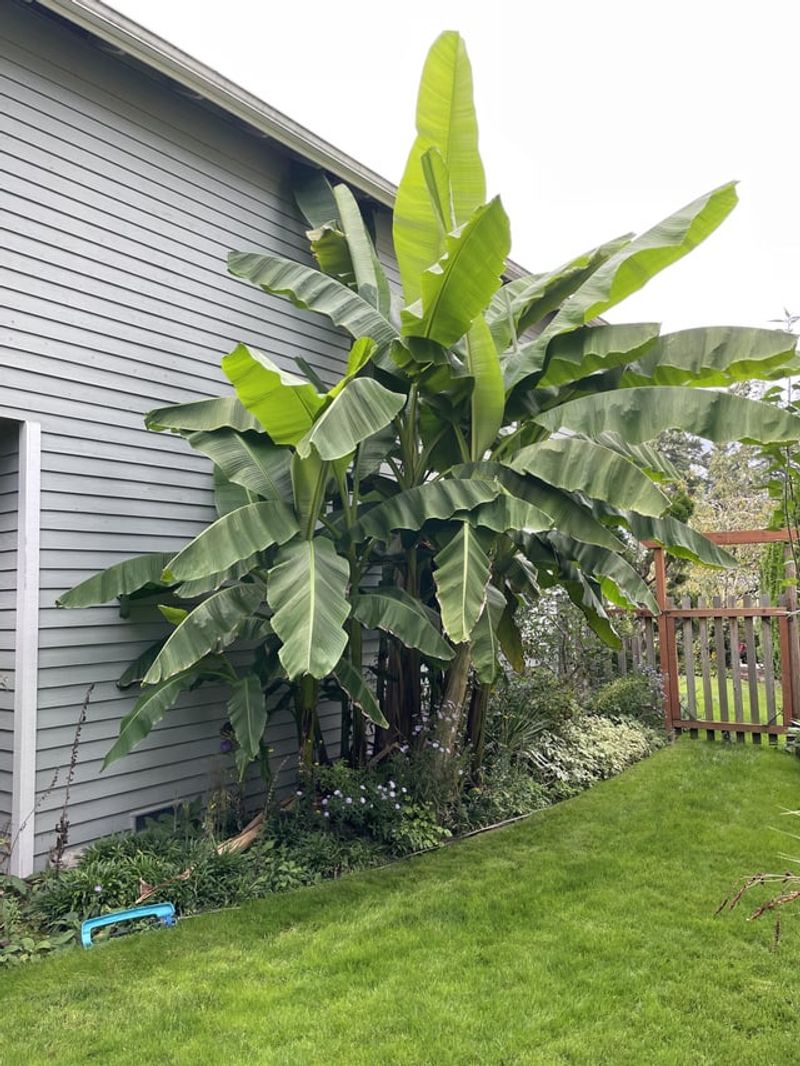
Banana plants are heavy feeders that need nutrient-rich soil to support their rapid growth and large leaf production. A well-draining soil mix containing equal parts potting soil, compost, and perlite or sand works well for both container and in-ground plants.
Texas gardeners should test their soil pH, aiming for slightly acidic conditions between 5.5 and 7.0 that banana plants prefer.
Watering requirements for banana plants are substantial since the large leaves transpire significant amounts of moisture daily. During Texas summers, outdoor banana plants may need water every day or every other day, especially when temperatures climb above 95 degrees.
Check soil moisture by sticking your finger two inches deep; if it feels dry, water thoroughly until it drains from the bottom of containers or penetrates deeply for in-ground plants.
Consistent moisture is more important than occasional deep watering, so establishing a regular schedule prevents stress. However, avoid keeping the soil constantly soggy, which leads to root rot and other problems.
Indoor banana plants need less frequent watering than outdoor ones, typically once or twice weekly depending on temperature and humidity levels inside your Texas home.
Feed your banana every two weeks during the growing season with a balanced fertilizer high in potassium, which supports fruit development. Organic options like compost tea or fish emulsion work excellently and improve soil health over time.
Apply fertilizer according to package directions, being careful not to overdo it since excess nutrients can burn roots and damage your plant.
During winter months, reduce both watering and feeding since banana plants grow more slowly in cooler temperatures and shorter days. Resume regular care in early spring when new growth appears and temperatures warm up across Texas.
6. How To Handle Texas Heat, Wind, And Sudden Cold Snaps
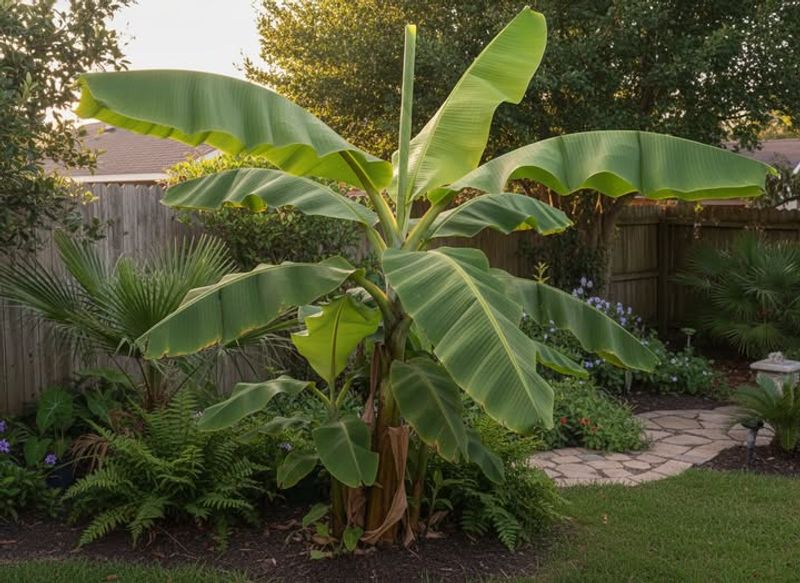
Texas weather throws curveballs at gardeners, and banana plants need special care during extreme conditions. Summer heat waves with temperatures exceeding 100 degrees can stress banana plants, causing leaf edges to brown and growth to slow.
Providing afternoon shade using shade cloth or planting near structures that block the harshest sun helps your banana plant cope with intense Texas heat.
Increase watering frequency during heat waves since banana plants use more moisture when temperatures soar. Mulching heavily around the base keeps soil cooler and reduces water evaporation.
Light misting can provide short-term cooling and increase humidity slightly, though consistent soil moisture and mulching tend to have a more lasting effect.
Wind presents another challenge, especially in open areas or during spring storms common across Texas. Strong gusts can shred banana leaves, making the plant look ragged and reducing its ability to photosynthesize effectively.
Planting in a protected location near fences or buildings provides a windbreak without completely blocking sunlight.
Cold snaps require quick action to protect your investment in banana plants. When frost is predicted, cover outdoor plants with blankets, tarps, or frost cloth, making sure the covering reaches the ground to trap heat rising from the soil.
Remove coverings during the day to prevent overheating. For potted plants, simply move them indoors until temperatures rise above freezing.
If frost damages your banana plants, don’t panic or cut back the damaged leaves immediately. Wait until spring to remove dead foliage since it provides some insulation for the remaining plant.
Many cold-hardy varieties regrow from the roots even after the above-ground portion gets damaged by Texas winter freezes.
7. What To Expect As Your Banana Plant Grows And Starts Producing Fruit
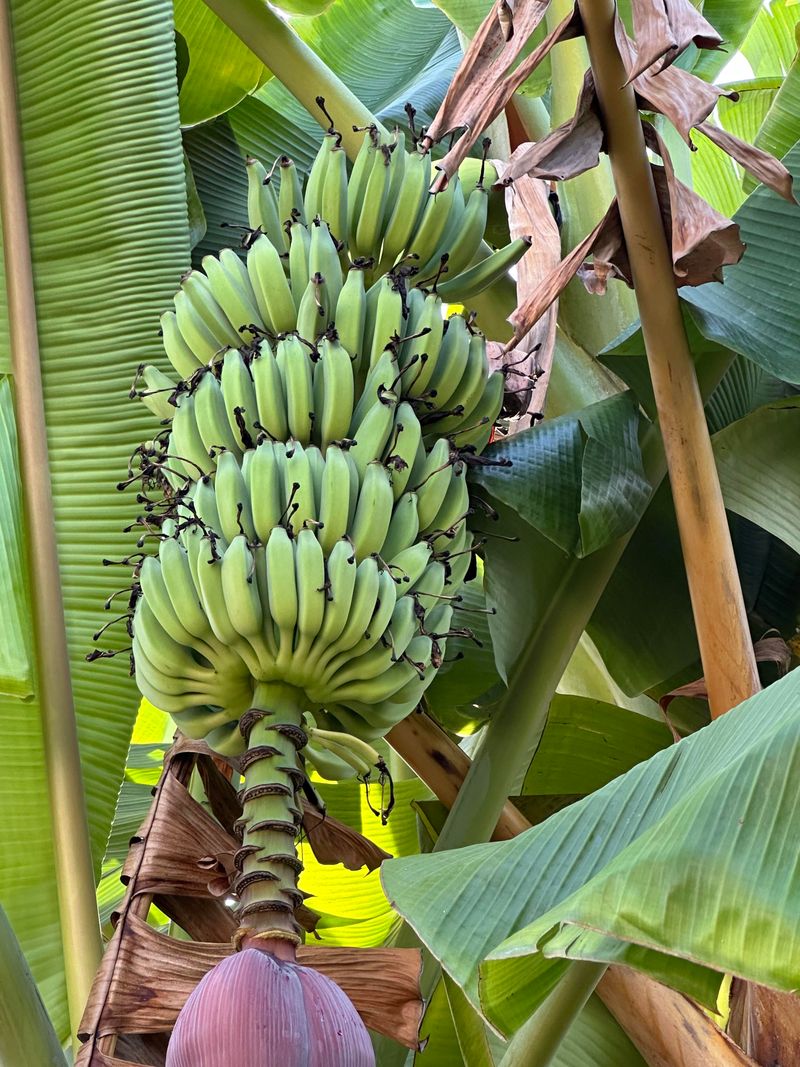
Under the right conditions, growth can be surprisingly fast, with some varieties adding several feet of height during a single Texas growing season. New leaves emerge from the center every week or two during active growth, gradually unfurling and creating that familiar tropical look.
Each leaf can reach 6 feet long or more, so allowing enough space for plants to spread makes a noticeable difference as they mature.
Patience is essential since many banana varieties can take around 15 to 18 months to produce fruit under good conditions, though timing varies depending on variety, temperature, and consistency of care. In Texas, this timeline extends longer in areas where winter slows or stops growth for several months.
The plant must reach maturity and adequate size before it channels energy into reproduction rather than just making more leaves.
When your banana plants is ready to fruit, a large purple flower bud emerges from the center and hangs downward. This bud gradually opens to reveal rows of small bananas that develop over several months.
One banana plant produces a single bunch of fruit, then that main stalk slowly declines while new shoots, called pups, grow from the base to continue the cycle.
Harvesting happens when the bananas are still green but have rounded out fully. Cut the entire bunch and hang it in a warm location to ripen, which takes about a week.
Homegrown bananas taste sweeter and have better texture than store-bought ones, making the wait worthwhile for Texas gardeners.
After harvesting, cut down the fruited stalk near ground level since it won’t produce again. Focus care on the pups growing around the base, selecting the healthiest ones to become your next fruiting plants.
This natural cycle continues year after year, providing ongoing banana production in your Texas garden or home.