Texas Balcony Pollinator Plants To Grow And Ones To Skip
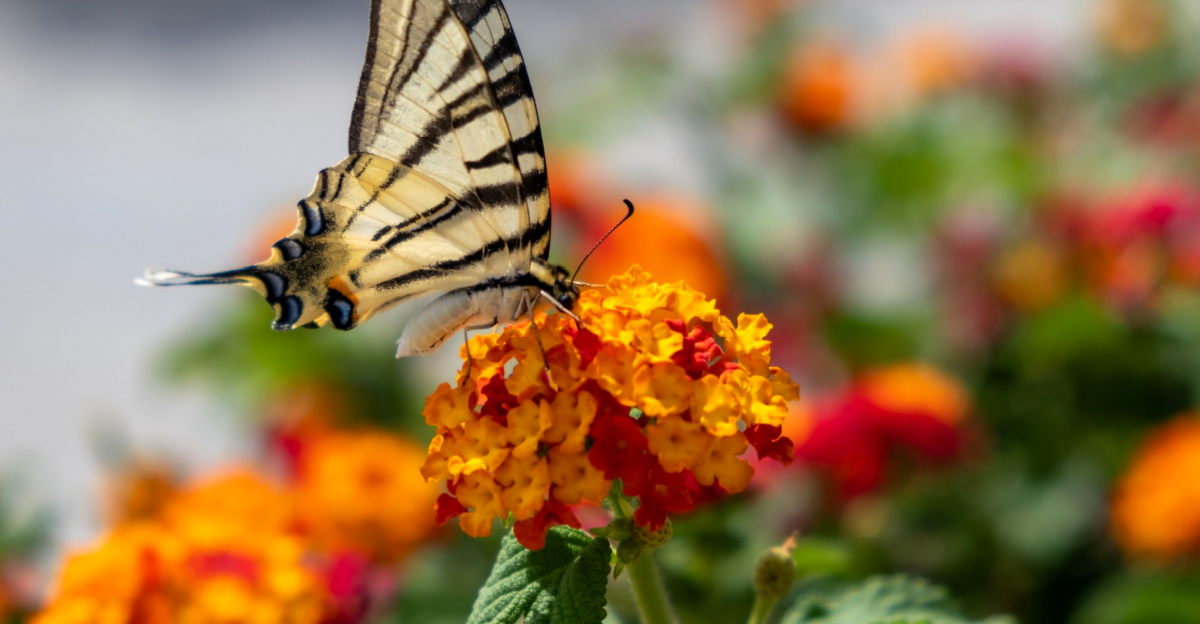
Step onto a Texas balcony in mid-summer and you can feel the heat instantly. Concrete, railings, and walls soak up the sun, turning small spaces into heat traps that dry out pots faster than you might expect.
Still, even the tiniest balcony can become a lively pollinator stop with the right plants. The key is knowing which flowers can handle container life in Texas and which ones struggle in tight spaces and intense heat.
With smart choices, your balcony can attract bees, butterflies, and even hummingbirds without constant replanting or disappointment.
1. Lantana Thrives In Sunny Balcony Pots
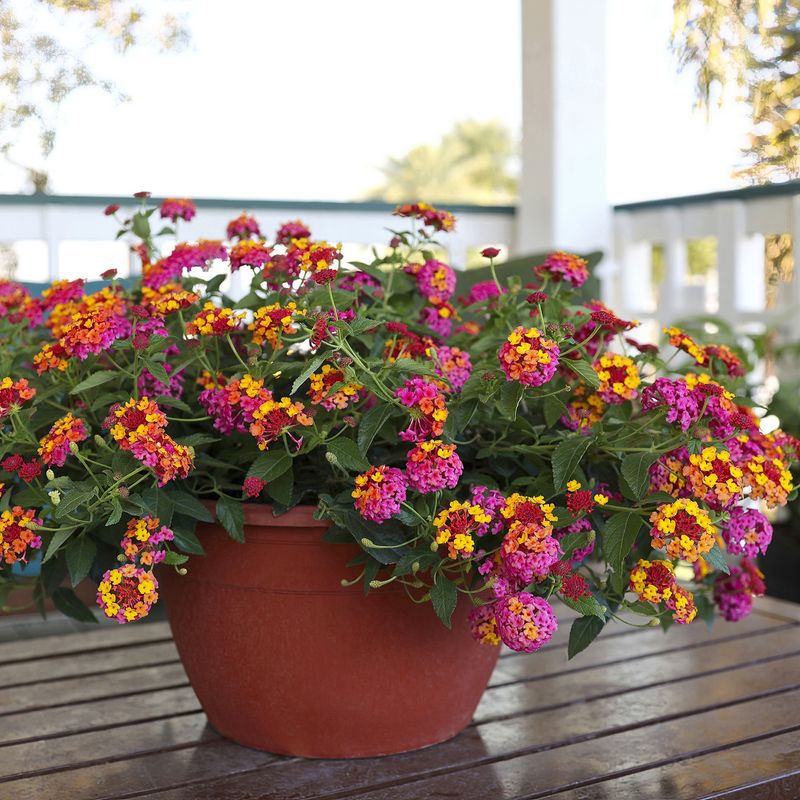
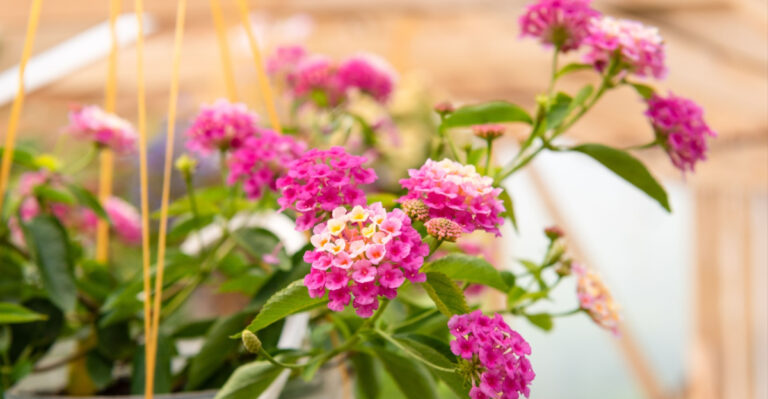
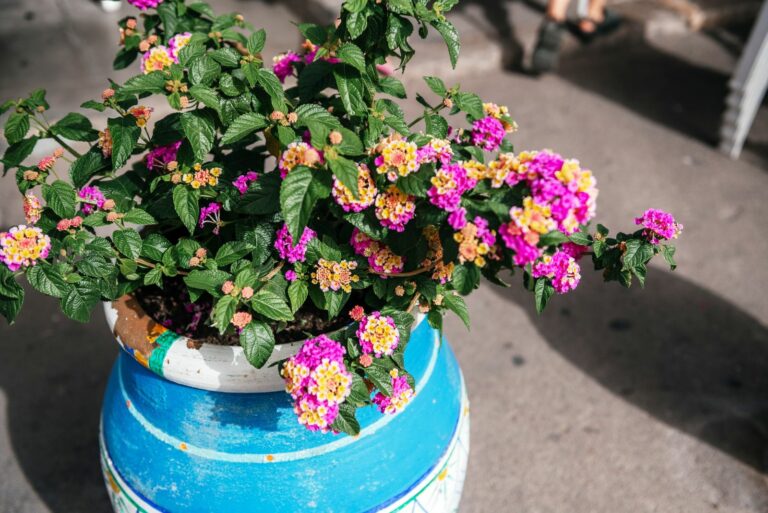
Few plants handle the punishment of a hot Texas balcony quite like lantana. When temperatures push into the upper 90s and container soil heats up fast, lantana keeps right on blooming without missing a beat.
Its clusters of tiny flowers shift through shades of yellow, orange, pink, and red, creating a visual show that pollinators simply cannot resist.
Bees and butterflies flock to lantana throughout the long Texas growing season, which can stretch well into October in many parts of the state. A container as small as 10 to 12 inches wide gives lantana enough room to establish a healthy root system.
Make sure the pot has good drainage holes, because sitting water will cause root rot faster than the heat will.
Watering every one to two days during peak summer heat is usually enough, and lantana actually performs better when allowed to dry out slightly between waterings.
It prefers full sun, meaning at least six hours of direct sunlight daily, which most south- or west-facing Texas balconies provide easily.
Deadheading spent blooms encourages fresh flower production, though some varieties self-clean reasonably well.
Lantana is also low-maintenance enough that even beginner balcony gardeners in Texas can expect solid results without a complicated care routine.
2. Pentas Keeps Pollinators Coming Back
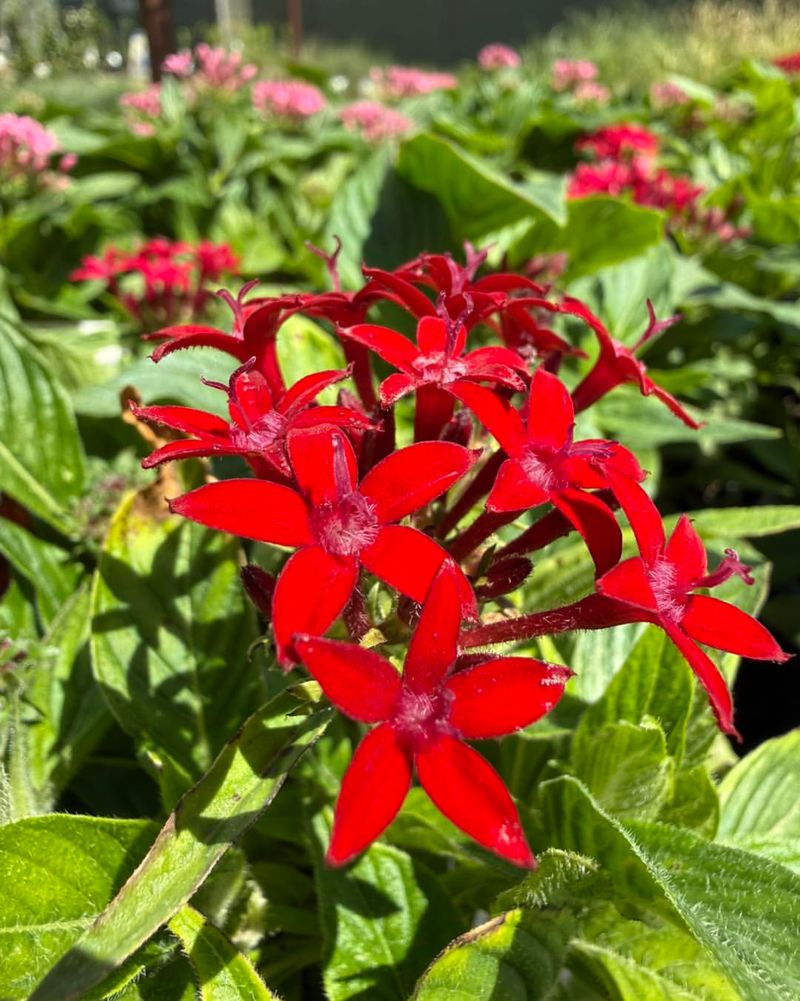
Walk past any thriving Texas balcony garden in midsummer and there is a good chance pentas is part of the scene.
This cheerful tropical plant produces dense star-shaped flower clusters in shades of red, pink, coral, and white, and it blooms continuously through the hottest months without needing much encouragement.
Butterflies treat pentas like a reliable neighborhood diner, returning again and again throughout the day.
One of the biggest advantages of pentas for balcony gardening in Texas is its heat tolerance. While many flowering plants slow down or stop blooming once daytime temperatures hit the mid-90s, pentas keeps producing fresh flowers.
It grows well in containers ranging from 8 to 12 inches wide, making it flexible for smaller balcony spaces where every square foot counts.
Pentas does best with consistent moisture, so checking the soil every day during Texas summer is a smart habit.
It appreciates full sun but can manage with four to six hours of direct light if your balcony faces east or receives afternoon shade.
Feeding pentas with a balanced liquid fertilizer every two to three weeks helps sustain the steady bloom cycle that makes it such a reliable pollinator magnet.
Your Texas Garden Changes Every Week. Your Plan Should Too.
Gardening in Texas changes quickly throughout the season. Every Friday you’ll receive a simple weekly plan showing exactly what to plant, prune, fertilize, harvest, and protect so you never miss the right timing.
Compact varieties tend to stay tidy in pots and rarely need much pruning to look their best throughout the season.
3. Salvia Handles Heat And Attracts Hummingbirds
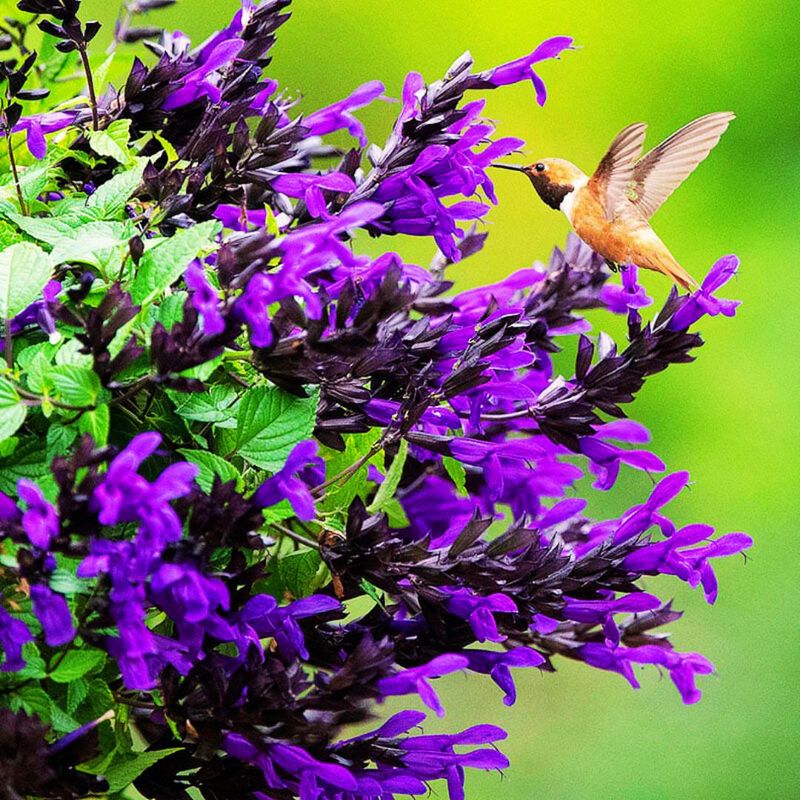
On a blazing Texas afternoon when most plants look like they would rather be somewhere else, salvia stands firm and keeps on flowering.
Autumn sage, known botanically as Salvia greggii, is native to the Texas Hill Country and adapted to exactly the kind of heat and dry spells that balcony containers create.
Its tubular red, pink, or coral flowers are shaped almost perfectly for hummingbird feeding, and those tiny birds will visit repeatedly once they discover the plant.
Salvia greggii works well in containers that are at least 10 to 12 inches deep, giving the roots room to spread without becoming cramped too quickly.
The key to keeping it happy on a balcony is well-draining potting mix, because salvia does not appreciate sitting in soggy soil.
During active blooming periods in spring and fall, watering every couple of days is usually sufficient, though summer heat may push that to daily checks.
Pruning salvia back by about one-third after each major bloom flush encourages fresh growth and keeps the plant from getting leggy in its container.
It handles the intense Texas sun on south- and west-facing balconies without much stress, which is a real advantage over more shade-sensitive options.
Beyond hummingbirds, bees and swallowtail butterflies also visit salvia regularly, making it a multi-pollinator performer in a compact, manageable package for balcony gardeners.
4. Zinnias Add Easy Color And Activity
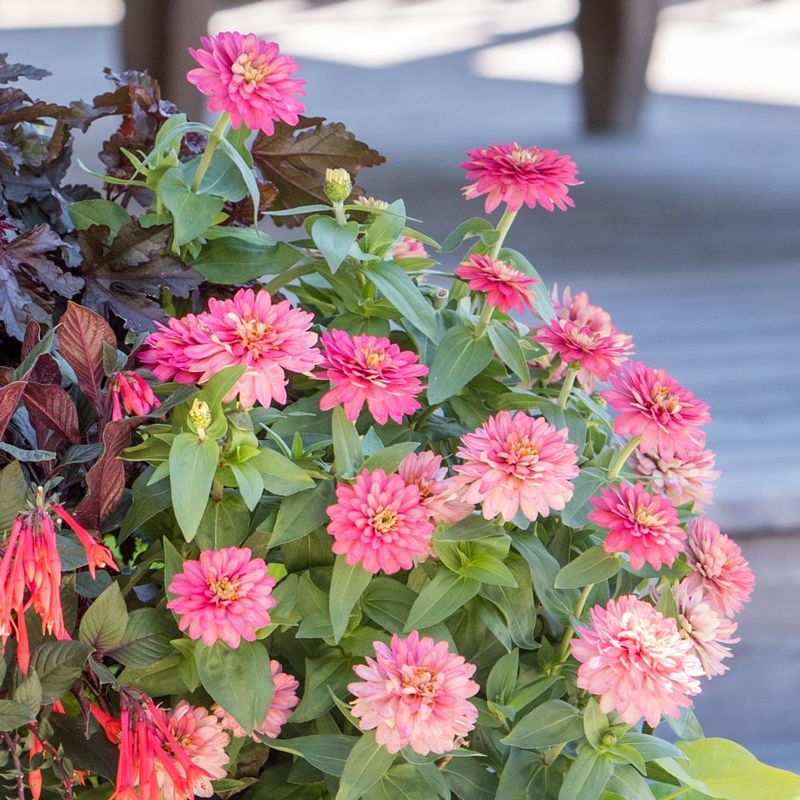
Zinnias might be the most beginner-friendly pollinator plant you can grow on a Texas balcony, and their track record speaks for itself.
These fast-growing annuals go from seed to bloom in roughly eight weeks, and once they start flowering, they rarely stop until the first cool front rolls through in the fall.
Their wide, flat flower heads are like landing pads for butterflies, and monarch butterflies in particular are drawn to orange and red varieties during their Texas migration in September and October.
Container size matters with zinnias. Taller varieties need pots at least 12 inches wide and deep, while compact dwarf varieties can manage in smaller containers without crowding.
Good air circulation around the plants helps reduce the chance of powdery mildew, which can become an issue in humid coastal Texas conditions.
Spacing plants with some room between them rather than packing them tightly makes a noticeable difference.
Zinnias are sun lovers that want at least six hours of direct light, and most Texas balconies with southern or western exposure deliver that without any trouble.
Deadheading spent flowers regularly keeps new blooms coming and prevents the plant from putting energy into seed production too early.
Water at the base of the plant rather than overhead to keep foliage dry, which helps prevent fungal issues during the humid stretches that hit many Texas regions throughout summer.
5. Bee Balm Brings Bees And Butterflies
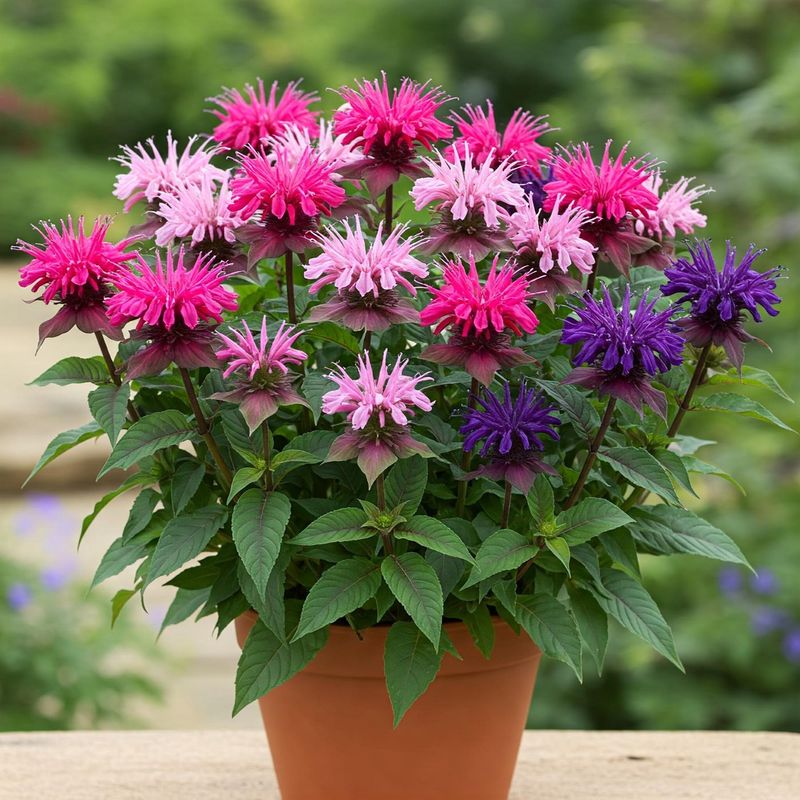
Bee balm has a wild, shaggy charm that makes it stand out in any container garden, and its nectar-rich flowers attract an impressive range of pollinators.
Bees, butterflies, and hummingbirds all show interest in its spiky, tubular blooms, which typically appear in shades of red, pink, and purple.
For Texas balcony gardeners who want variety in their pollinator visitors, bee balm delivers in a way that few other container plants can match.
Growing bee balm on a Texas balcony does require some attention to a few key factors. It prefers a larger container, at least 12 to 14 inches wide, to give its spreading root system adequate space.
Bee balm also appreciates consistent moisture more than some of the drought-tolerant options on this list, which means checking soil moisture daily during hot Texas summers and watering whenever the top inch feels dry.
Powdery mildew can affect bee balm during humid periods, so choosing mildew-resistant varieties like Jacob Cline or Raspberry Wine helps reduce that risk considerably.
Situating the pot where it receives morning sun and some afternoon shade on a Texas balcony can also moderate stress on the plant during the hottest weeks.
Cutting the plant back after the first bloom flush encourages a second round of flowers later in the season, extending the pollinator activity well into early fall across much of Texas.
6. However, Butterfly Bush Outgrows Balcony Spaces
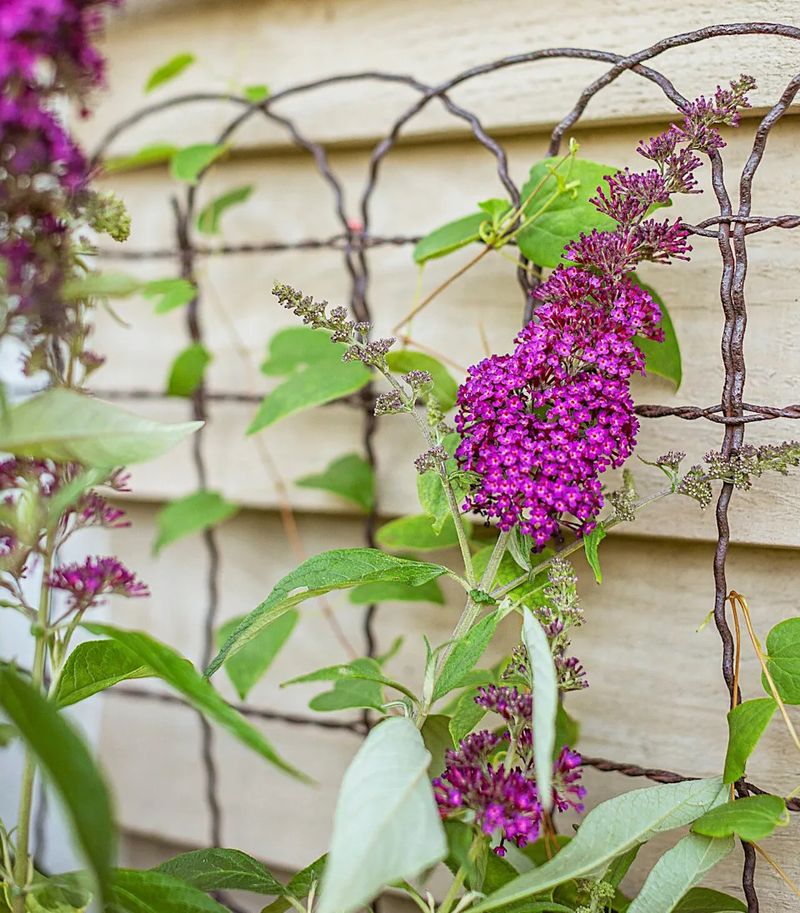
Butterfly bush has a reputation that sounds almost too good to be true for pollinator gardeners, and in a backyard setting with plenty of room, it can live up to the hype.
The problem is that butterfly bush, known botanically as Buddleja davidii, grows aggressively and reaches heights of six to ten feet when conditions suit it.
On a Texas balcony with limited space and restricted container volume, that growth habit becomes a real management challenge very quickly.
Even when planted in a large container, butterfly bush tends to develop a root system that outpaces the pot within a single growing season.
Roots circling the inside of the container restrict water and nutrient uptake, leading to stress symptoms like wilted leaves and reduced flowering, which defeats the entire purpose of growing it as a pollinator plant.
Frequent repotting becomes necessary, which is not always practical on an apartment or condo balcony.
Beyond the size issue, butterfly bush has been flagged as invasive in some regions of the United States, and while Texas regulations vary, it is worth considering before planting.
The flowers do attract butterflies, but the plant requires significant pruning to remain manageable, and that pruning often removes the very flower spikes that pollinators need.
For balcony gardeners in Texas who want butterfly activity, salvia or lantana offer similar appeal in a much more container-appropriate package without the overgrowth concerns.
7. Hibiscus Needs More Care Than Most Balconies Allow
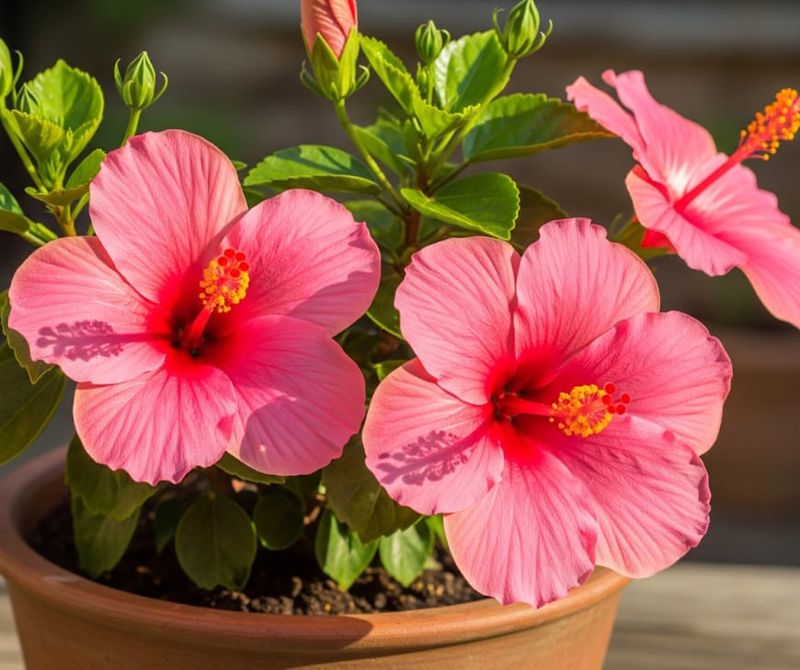
Tropical hibiscus is undeniably eye-catching, and its large, showy flowers do attract hummingbirds and some butterfly species.
On a Texas balcony, though, the care demands of hibiscus can become overwhelming fast, especially during the brutal heat of July and August.
Container-grown hibiscus in Texas may need watering twice a day when temperatures climb above 95 degrees, and missing even one watering session can send the plant into rapid decline with yellowing leaves and bud drop.
The root system of hibiscus also grows substantially, requiring containers that are 16 inches or larger to prevent it from becoming root-bound too quickly.
That size of pot is heavy, difficult to move, and takes up a significant portion of a typical balcony.
Fertilization needs are also demanding, with hibiscus performing best when fed with a high-potassium fertilizer every one to two weeks during the growing season to sustain its bloom production.
Spider mites are a frequent pest problem for hibiscus grown in the hot, dry conditions common on Texas balconies, and managing them requires consistent monitoring and treatment.
The combination of intensive watering, fertilizing, pest management, and container sizing makes hibiscus a high-effort plant that can feel more like a part-time job than a rewarding garden hobby.
Gardeners who love the tropical look might find pentas or lantana a more manageable substitute that still brings pollinator activity without the constant upkeep demands.
8. Lavender Struggles With Texas Humidity
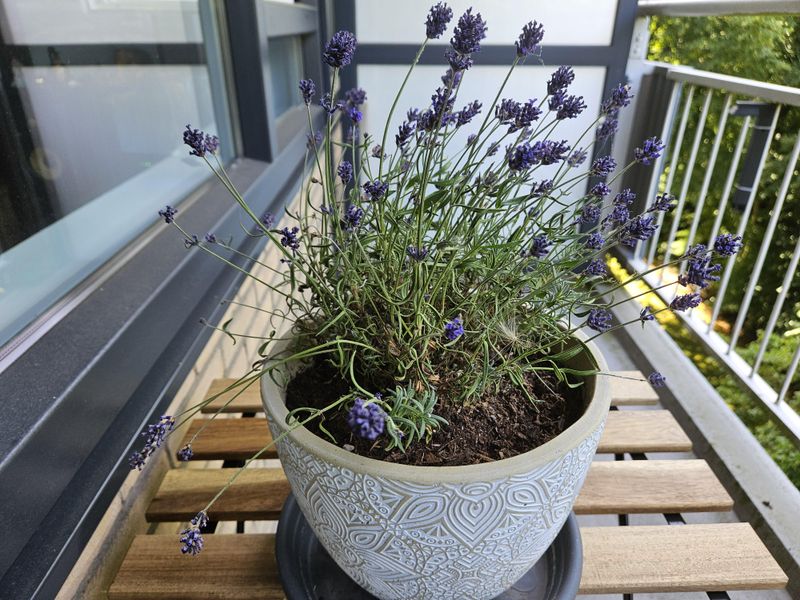
Lavender has a devoted following among gardeners, and it is easy to understand why. Its fragrant purple flower spikes attract bees reliably, and its silvery-green foliage looks elegant in containers.
The issue for Texas balcony gardeners is that lavender originated in the dry, rocky Mediterranean region, and the humid summers that much of Texas experiences, particularly along the Gulf Coast and in East Texas, are essentially the opposite of what lavender needs to thrive.
High humidity combined with the heat that builds up in balcony containers creates conditions where lavender roots struggle with moisture retention and poor airflow around the crown of the plant.
Root rot and fungal issues become common problems, and the plant tends to look stressed and patchy rather than lush and productive.
Spanish lavender handles Texas conditions slightly better than English lavender, but even Spanish lavender can be a challenge in Houston or Beaumont during a typical summer.
Gardeners in drier parts of Texas, such as the Hill Country or West Texas, may have better results with lavender in containers since humidity levels are lower and drainage is easier to manage.
However, for most Texas balcony gardeners, the effort required to keep lavender healthy through summer rarely matches the reward.
Salvia is a far more reliable fragrant, bee-attracting substitute that is genuinely built for Texas conditions and will not require the same level of anxious monitoring throughout the hottest months of the year.