11 Texas Garden Tasks You Don’t Want To Skip This March
Oh March, the days are getting longer, the sun feels warmer, and your garden is practically whispering your name. I know the urge – you want to plant, prune, and tidy everything at once – but it helps to start with the basics.
After a long winter, both you and your garden truly deserve a proper reset this month.
Texas gardens, in particular, have their own rhythm this time of year. There are key tasks that set the stage for healthy growth, vibrant flowers, and a strong vegetable season.
Paying attention now can make the rest of spring feel easier and more rewarding. It sets the stage for a garden that grows strong, healthy, and full of color all season long.
Let’s walk through the essential steps you might overlook, from soil prep to early plantings, so your garden thrives and keeps surprising you in all the right ways.
1. Soil Test Before You Get Dirty
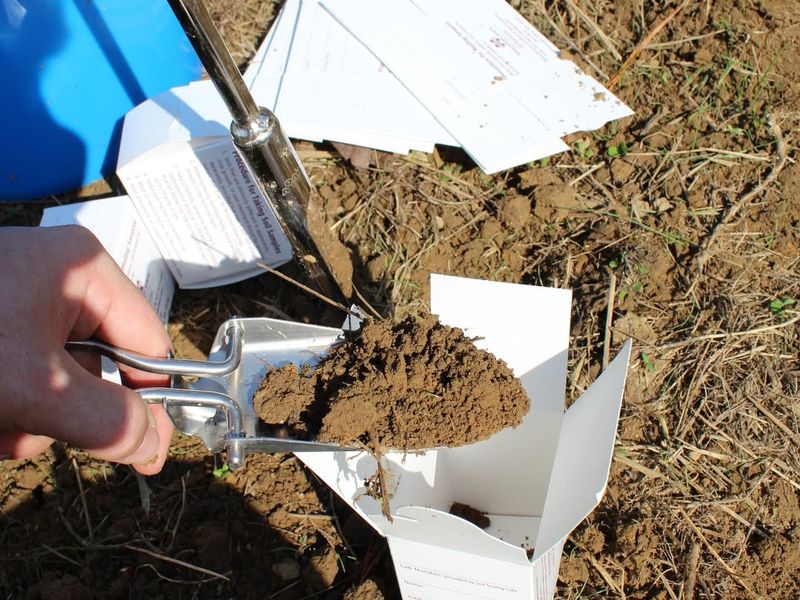
Before planting any seed or adding fertilizer, know what your soil actually needs. A soil test reveals pH, nutrient content, and deficiencies that could limit plant growth all season.
Texas soils vary widely – from alkaline clay in North Texas to sandy coastal soils near the Gulf. You can pick up an inexpensive home test kit at a garden center or send a sample to your local Texas A&M AgriLife Extension office for detailed results.
The Extension test costs just a few dollars and gives specific recommendations for your garden. Collect soil from several spots, mix them together, and follow the kit instructions carefully.
Testing before amending or planting prevents guessing what your garden needs. You might find soil too alkaline for blueberries or lacking nitrogen for leafy greens.
Perhaps it has plenty of phosphorus but needs more potassium. With this information, you can add exactly what’s missing instead of wasting money on unnecessary products.
March is an ideal time because you still have weeks to adjust soil chemistry before peak planting. If your test shows you need sulfur to lower pH or lime to raise it, amendments need time to work into the soil.
Retest every two to three years to track changes and keep Texas garden soil in top condition.
2. Pull Back Last Season’s Mulch
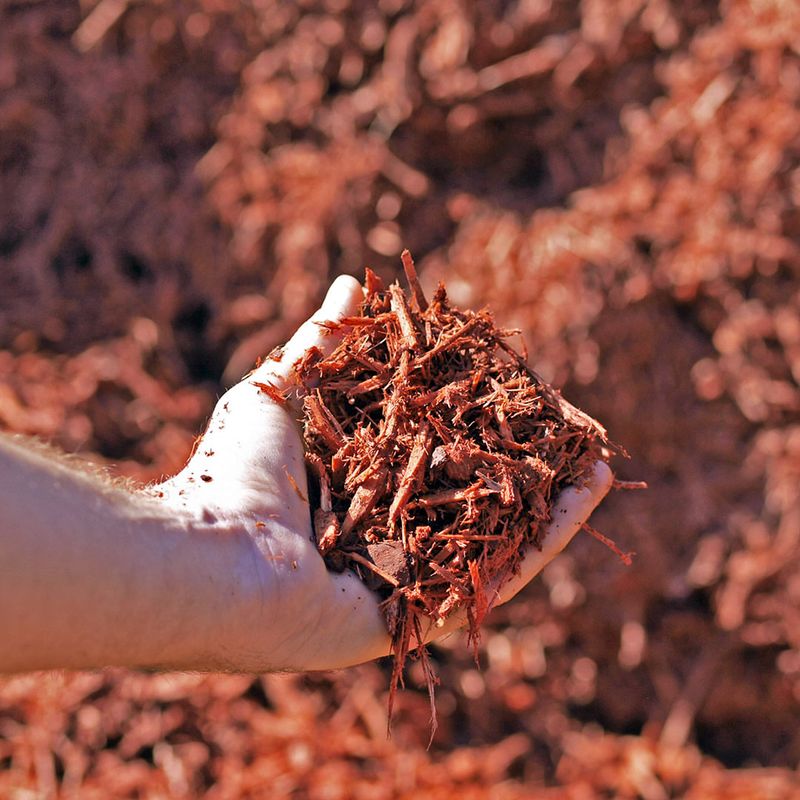
After winter, old mulch can hold excess moisture around plant crowns and provide hiding spots for slugs, pill bugs, and fungal diseases. Pulling it back a few inches from perennials, shrubs, and trees improves air circulation and lets soil warm more quickly in March sunshine.
This simple step reduces rot and gives beneficial insects a chance to tidy up overwintering pests.
Gently rake mulch away from plant stems to create a small bare circle around each one. Complete removal isn’t necessary – just move it outward so it’s not piled against trunks or crowns.
Check mulch condition as you work; if it’s fine or moldy, plan to add fresh mulch later this month.
Pulling back mulch also helps spot problems early. Look for pest damage, disease, or new growth that may need protection from a late freeze.
Your Texas Garden Changes Every Week. Your Plan Should Too.
Gardening in Texas changes quickly throughout the season. Every Friday you’ll receive a simple weekly plan showing exactly what to plant, prune, fertilize, harvest, and protect so you never miss the right timing.
You might notice bulbs pushing through sooner than expected or that a plant didn’t survive winter.
In Texas, where March temperatures swing widely, managing mulch gives more control over soil warmth. Exposed soil heats quickly during warm spells, signaling plants to grow, and if a cold snap arrives, mulch can be pulled back over tender shoots for insulation.
This flexibility helps your garden handle unpredictable spring weather more successfully.
3. Prune Shrubs And Branches
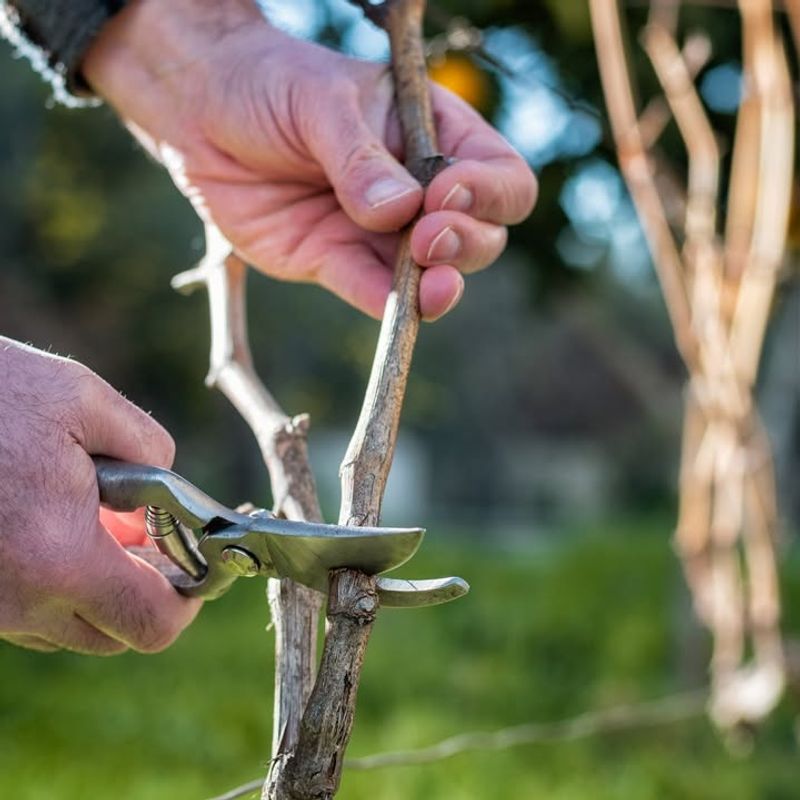
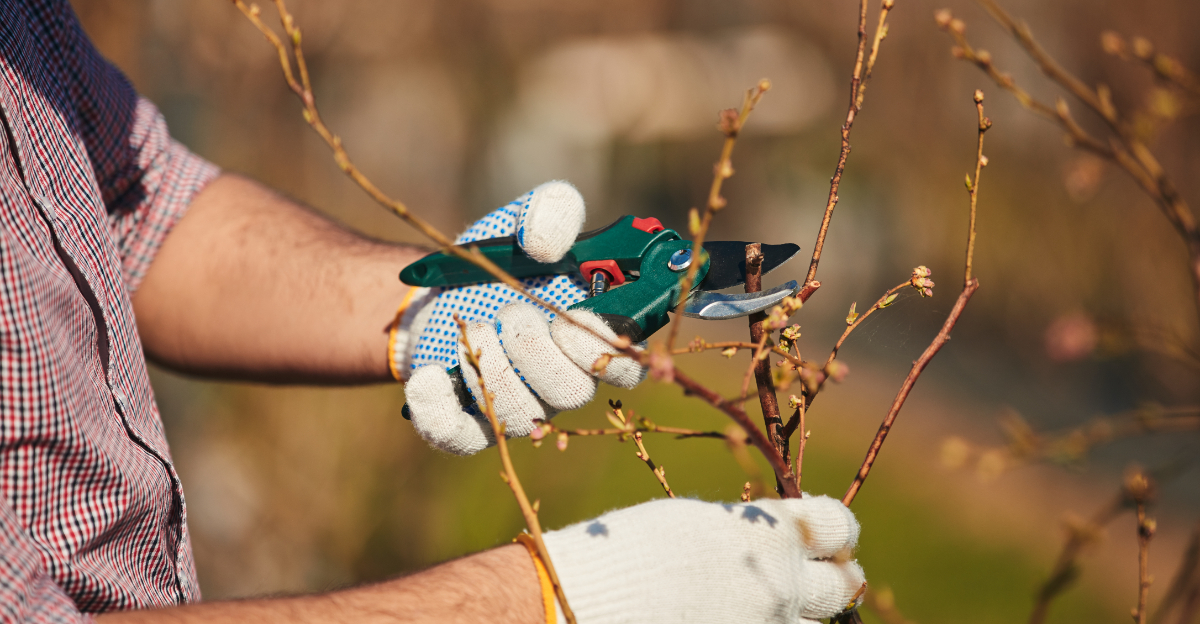
Late winter and early March offer your last good window for pruning many shrubs and trees before they leaf out completely. Cutting back overgrown branches, removing dead wood, and shaping plants now encourages healthy new growth and better flowering later.
You can see the structure of deciduous plants clearly before leaves hide the branches, making it easier to decide what to cut.
Focus on removing branches that cross and rub against each other, since those wounds invite disease. Take out any dead, damaged, or diseased wood right away – it serves no purpose and can spread problems to healthy parts of the plant.
For flowering shrubs, timing matters. Spring bloomers like azaleas and forsythia should be pruned right after they flower, but summer bloomers like crape myrtles and butterfly bush benefit from March pruning in Texas.
Use sharp, clean pruners to make smooth cuts that heal quickly. Dull blades crush stems and create ragged wounds that take longer to close.
Cut just above an outward-facing bud at a slight angle so water runs off instead of pooling on the cut surface.
Don’t go overboard and remove more than one-third of a plant in a single season, or you’ll stress it unnecessarily. Step back frequently to assess your work and aim for a natural shape rather than tight geometric forms.
4. Start Seeds And Transplants Right
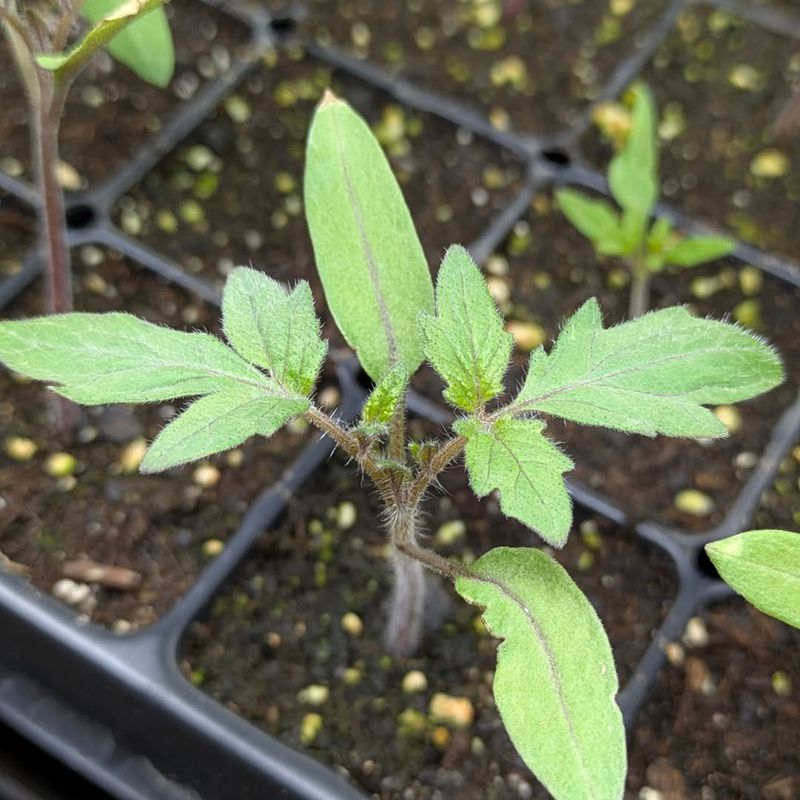
Giving seeds a head start indoors opens up access to more varieties and produces healthier transplants, but timing and growing conditions are crucial. Warm-season crops like tomatoes, peppers, and eggplants prefer soil temperatures between 70–80°F for optimal germination, whereas cool-season crops such as lettuce, spinach, peas, and radishes germinate best at lower temperatures.
Matching the right temperature to each crop helps prevent weak, leggy, or slow-growing seedlings that struggle once moved outside.
Use clean containers with drainage holes and a sterile seed-starting mix rather than garden soil, which can carry disease or pests. Plant seeds at the depth recommended on the packet, typically two to three times the seed’s diameter.
Keep the mix moist but never soggy, and provide bright, consistent light – either from a south-facing window or supplemental grow lights.
As seedlings develop true leaves, transplant them into larger containers to allow roots to expand. Hardening off is essential: gradually expose seedlings to outdoor conditions for a week or two, starting with an hour of filtered sun and increasing exposure daily.
This prevents shock and sunburn when planting outdoors. Monitoring temperature, light, moisture, and airflow ensures seedlings grow stocky and vigorous.
By tailoring conditions to each crop, Texas gardeners can give indoor-grown plants a strong, healthy start while avoiding generalizations that don’t fit every vegetable type.
5. Add Compost To Beds And Lawns
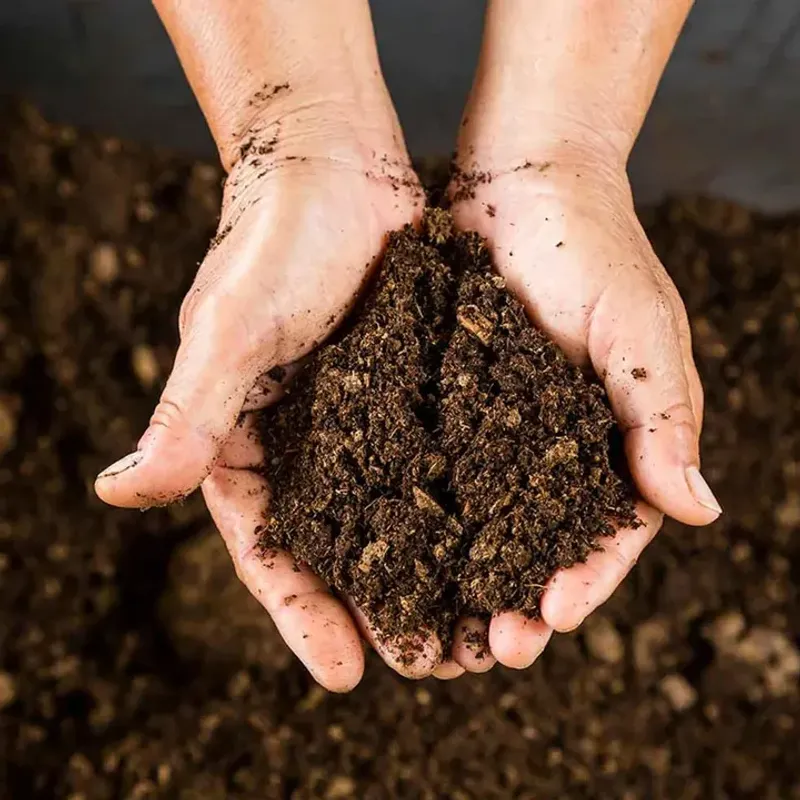
Compost is like a multivitamin for your soil, adding organic matter that improves texture, feeds beneficial microbes, and slowly releases nutrients plants can use all season. March is an ideal time to spread compost across vegetable beds, flower gardens, and even lawns before the growing season kicks into high gear.
Texas soils, especially heavy clay types common in many areas, benefit enormously from regular compost additions that improve drainage and root penetration.
Spread a one- to two-inch layer of finished compost over garden beds and gently work it into the top few inches of soil with a garden fork or tiller. For lawns, apply a thinner quarter-inch layer and rake it in, or use a topdressing tool to distribute it evenly.
The organic matter breaks down gradually, feeding soil life and building long-term fertility without the boom-and-bust cycle of synthetic fertilizers.
If you don’t make your own compost, many Texas cities offer free or low-cost compost made from yard waste collected through municipal programs. Garden centers also sell bagged compost, though buying in bulk from a landscape supply yard is more economical for larger areas.
Quality matters – good compost should smell earthy and crumbly, not sour or slimy. Avoid compost that contains weed seeds or hasn’t fully decomposed.
6. Weed Before They Set Seed
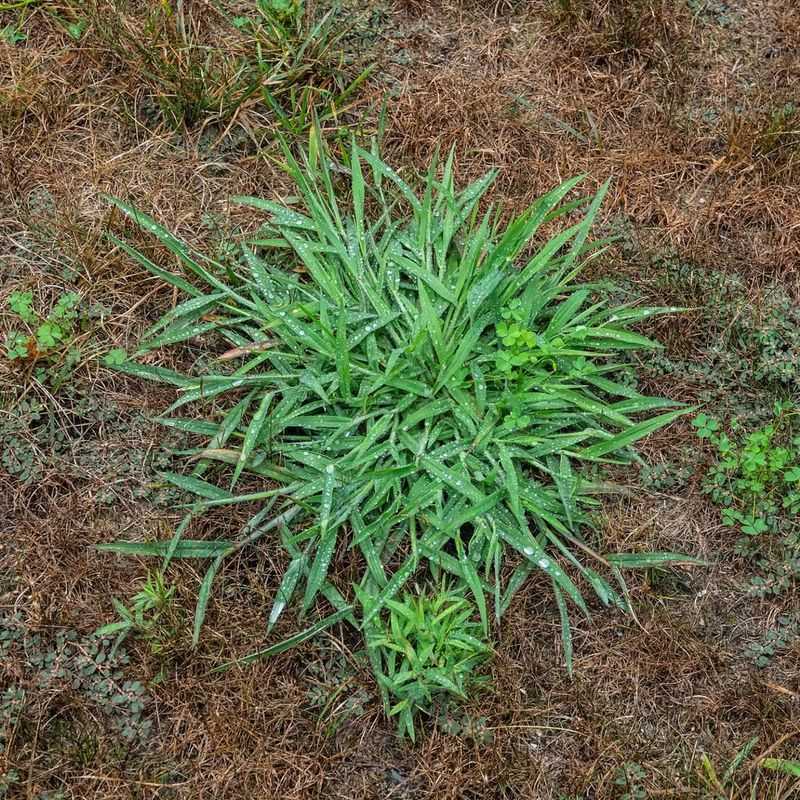
Every weed you pull now is hundreds or thousands of seeds you won’t have to fight later in the season. March weeds are actively growing but most haven’t flowered yet, so you can eliminate them before they reproduce.
Cool-season weeds like chickweed, henbit, and annual bluegrass are finishing their life cycles and desperately trying to set seed before hot weather arrives in Texas.
Walk your garden beds, paths, and lawn edges with a weeding tool and remove weeds while soil is moist from spring rains – they pull out more easily, roots and all. Getting the entire root matters because many weeds will resprout from fragments left behind.
Dandelions, dock, and thistles have deep taproots that require a specialized tool or some digging to extract completely.
Toss pulled weeds into a hot compost pile if they haven’t gone to seed, or bag them for municipal yard waste collection if they have. Never leave weeds lying on the soil surface or toss them into a cold compost pile, because many can reroot or spread seeds even after being pulled.
For large weedy areas, consider using a hoe to slice weeds off just below the soil surface on a hot, dry day so they shrivel quickly. Mulching bare soil after weeding blocks light and prevents new weed seeds from germinating.
7. Prep Your Irrigation And Hoses
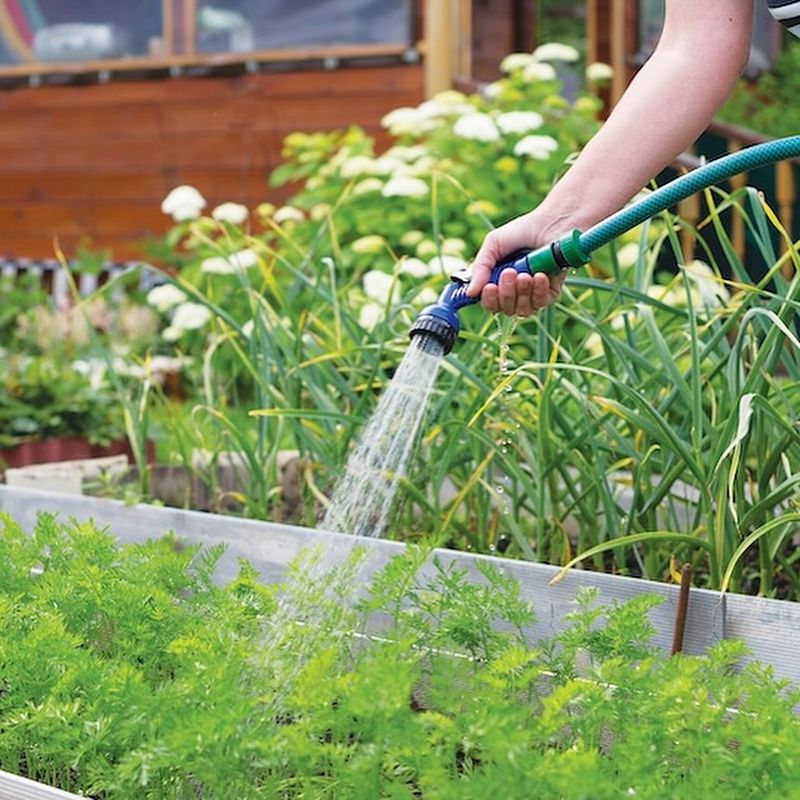
Your watering system probably hasn’t been used much over the winter, and now is the time to make sure everything works before you really need it. Check hoses for cracks, leaks, or damage from freezing temperatures or sun exposure.
Replace worn washers in hose connections to prevent annoying drips that waste water. Test sprinklers and drip irrigation lines to confirm all emitters are flowing properly and none are clogged with mineral deposits or dirt.
Walk through your Texas garden and turn on each irrigation zone, watching for broken pipes, stuck valves, or misaligned sprinkler heads. Clean clogged drip emitters by soaking them in vinegar to dissolve mineral buildup common in Texas water supplies.
If you use soaker hoses, unroll them and check for holes or weak spots that will waste water during the hot months ahead. Consider upgrading to a drip system if you haven’t already – it delivers water directly to root zones with much less evaporation than overhead sprinklers, which matters enormously during Texas summers.
March is also the perfect time to install rain barrels or check existing ones for leaks and mosquito screens. Collecting roof runoff during spring rains gives you free water for gardens later.
Check your watering equipment now, so you won’t find a broken system when plants are actively growing.
8. Watch Weather And Cover Tender Plants
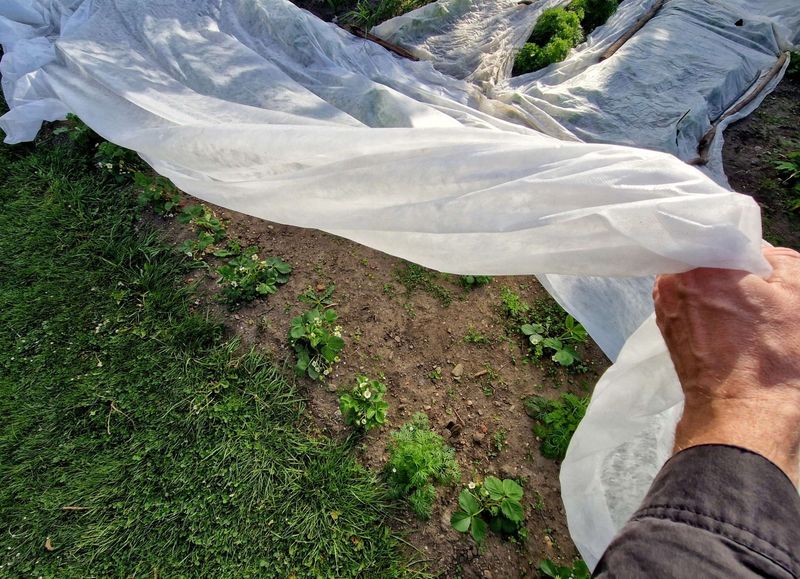
Texas weather in March is notoriously unpredictable, swinging from warm sunny days to sudden cold snaps that can damage or set back tender plants. Keeping an eye on forecasts and being ready to protect vulnerable plants makes the difference between a thriving garden and a disappointing one.
Even though average last frost dates fall in March for much of Texas, surprise freezes can still occur, especially in northern regions.
Have frost cloth, old sheets, or lightweight blankets ready to throw over tender transplants, early-blooming fruit trees, and cold-sensitive perennials when temperatures are predicted to drop below freezing. Avoid using plastic directly on plants, since it conducts cold and can cause more damage than no cover at all.
Drape fabric over stakes or tomato cages so it doesn’t rest directly on foliage.
Water plants thoroughly before a freeze, because moist soil holds heat better than dry soil and can moderate temperature around roots. Apply covers in late afternoon before temperatures drop, and remove them the next morning once sun and warmth return so plants don’t overheat under insulation.
Pay special attention to newly planted vegetables like tomatoes, peppers, squash, and beans that have no cold tolerance. Watching forecasts closely and taking a few minutes to cover plants protects your investment and keeps your Texas garden on track through March’s weather roller coaster.
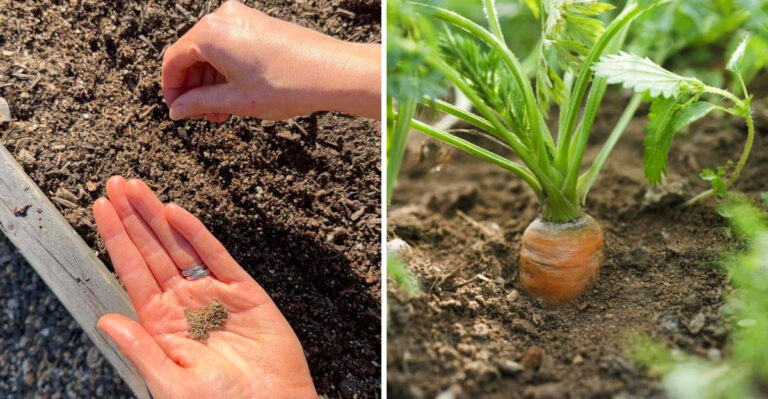
9. Sow Cool-Season Veg Seeds Outdoors
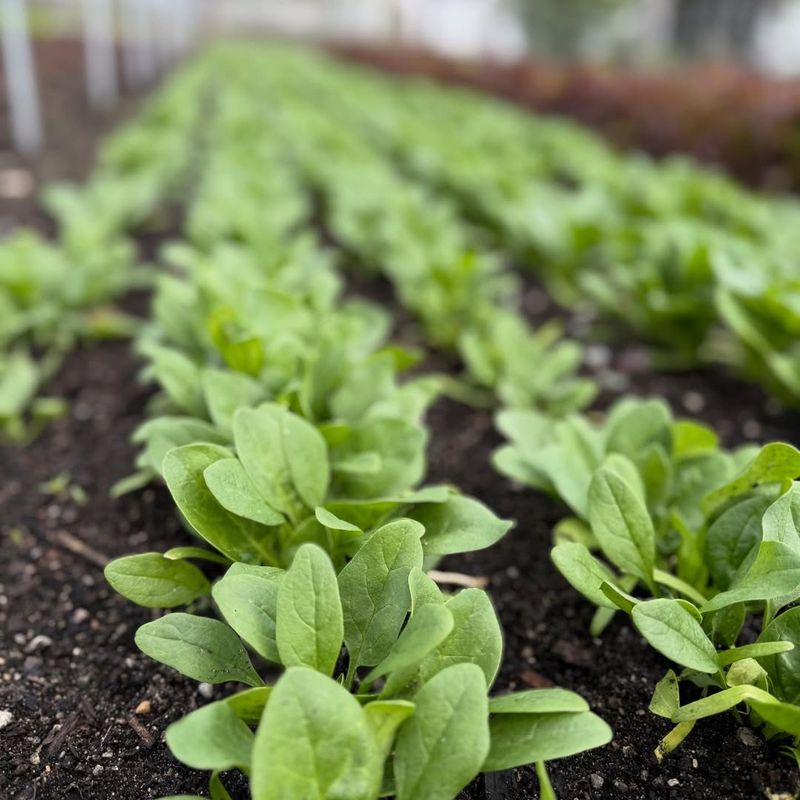
March offers excellent conditions for direct-sowing cool-season vegetable seeds that prefer growing in mild temperatures before summer heat arrives. Crops like lettuce, spinach, radishes, carrots, peas, and beets thrive when planted now across most of Texas.
These vegetables actually perform better in cooler weather and will bolt or turn bitter once temperatures consistently hit the 80s and 90s.
Prepare your planting area by loosening soil and raking it smooth so small seeds make good contact with the earth. Sow seeds at the depth and spacing recommended on the packet – tiny lettuce and carrot seeds need very shallow planting, while larger pea and bean seeds go deeper.
Keep the soil consistently moist until seeds germinate, which usually takes five to fourteen days depending on soil temperature and seed type.
Thin seedlings once they develop a couple of true leaves so plants have room to mature without crowding. Thinning might feel wasteful, but crowded vegetables never develop properly.
Use the thinnings in salads – baby greens are delicious and nutritious.
Plant in succession by sowing small amounts every two weeks rather than planting everything at once. This strategy gives you a continuous harvest instead of too much produce all at once.
Cool-season crops planted in March will be ready to harvest in April, May, and early June before Texas heat makes them quit producing.
10. Plant Warm-Season Crops After Frost
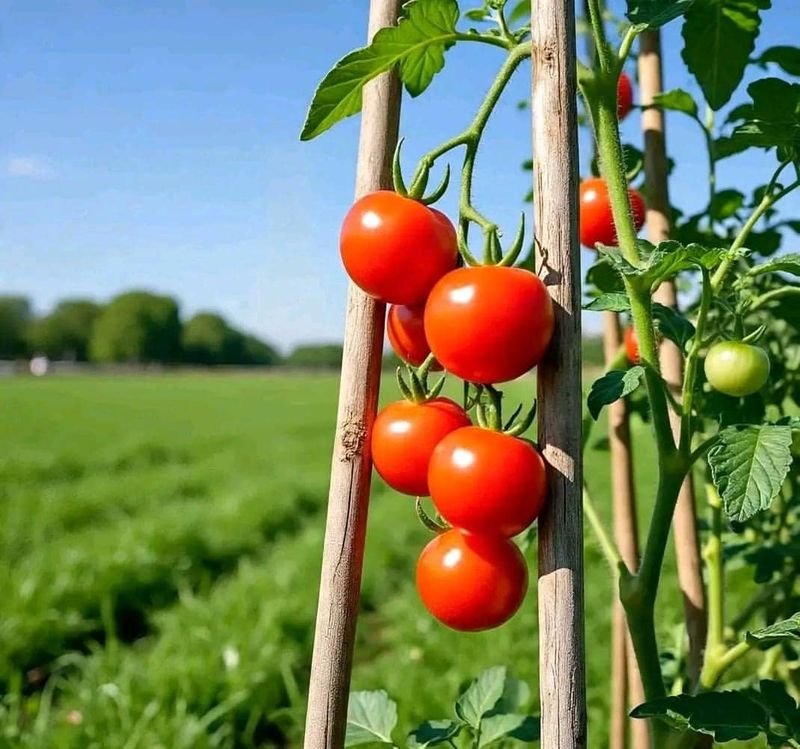
For best results, warm-season crops like tomatoes, peppers, squash, cucumbers, and melons need consistently warm soil and air temperatures. Planting too early can slow growth or stress the plants.
While a few varieties tolerate cooler soil briefly, most do better waiting until average last frost dates have passed and the soil reaches at least 60°F.
In Texas, timing depends on your region. Southern areas may safely plant in mid to late March, while northern zones might need to wait until early April.
Using a soil thermometer ensures roots develop properly and reduces the risk of cold stress.
Proper spacing is just as important. Crowding plants reduces airflow, competes for nutrients, and raises disease risk.
Tomatoes usually need at least two feet between plants, while sprawling crops like squash or melons require even more room.
Planting depth should suit each crop. Tomatoes can benefit from slightly deeper planting to encourage stem rooting, but other vegetables vary.
Adjust depth to promote strong roots without causing rot.
Mulching after planting helps conserve moisture, moderate temperature, and suppress weeds. Waiting for warm soil, spacing correctly, and keeping an eye on local frost forecasts helps gardeners maximize growth and harvest in Texas’s long, hot season.
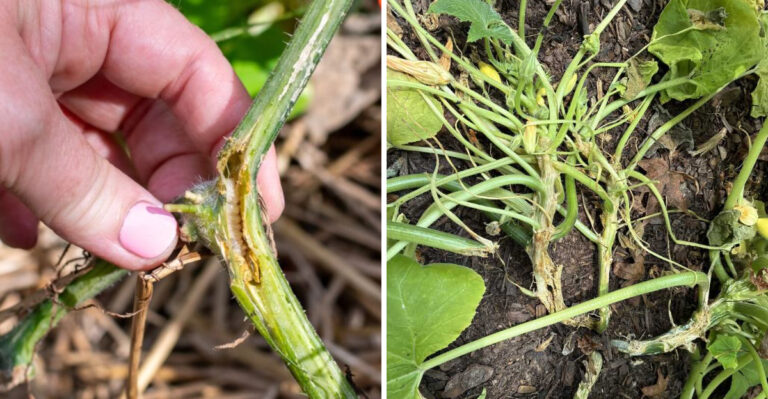
11. Check For Pests And Early Bugs
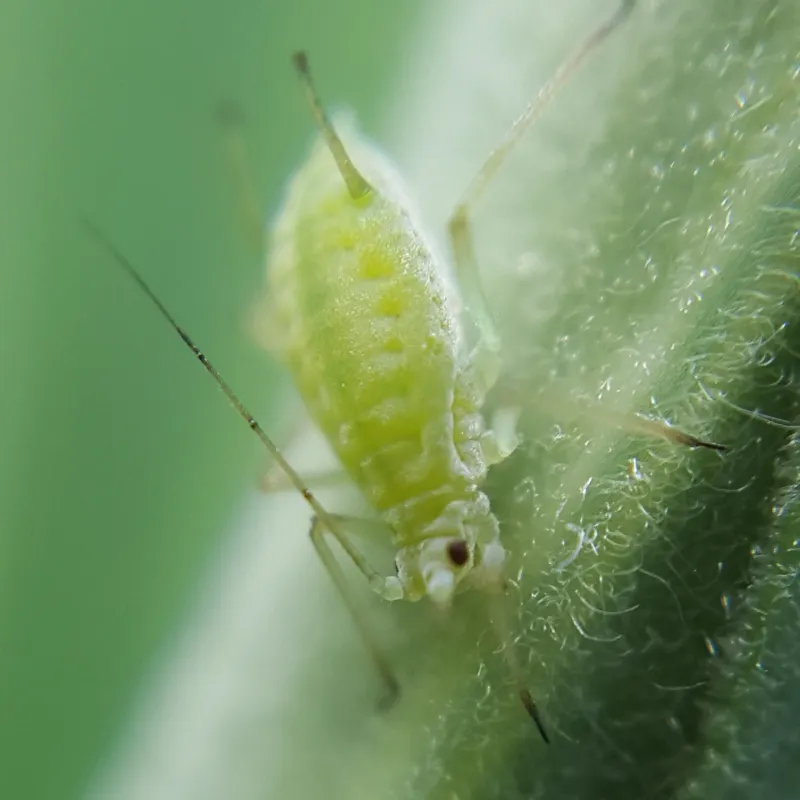
Spring in Texas brings new growth – and with it, early pests that can quickly damage plants if left unchecked. Inspect leaves, stems, and soil near plants for insects like aphids, caterpillars, or spider mites.
Beneficial insects, including ladybugs and parasitic wasps, may already be present and help keep pest populations under control.
Early management strategies include hand removal of insects, pruning affected shoots, or spraying targeted organic solutions such as insecticidal soap or neem oil. Beer traps may attract some slugs, though their effectiveness depends on soil moisture, temperature, and location.
Hand-picking remains the most reliable method for consistent results.
Monitoring is especially important for slugs and snails, which thrive in the moist conditions following March rains. Check under leaves and around plant bases, removing or relocating pests promptly.
Staying vigilant throughout the month reduces plant stress, prevents damage, and allows beneficial insects to thrive.
Combining careful observation with appropriate control measures supports healthy growth and gives Texas gardens a strong start to spring. Taking measured action helps reduce pest pressure without relying on a single method that may fail in some conditions.