The Spring Fertilizing Mistake Hurting Palms Across Florida
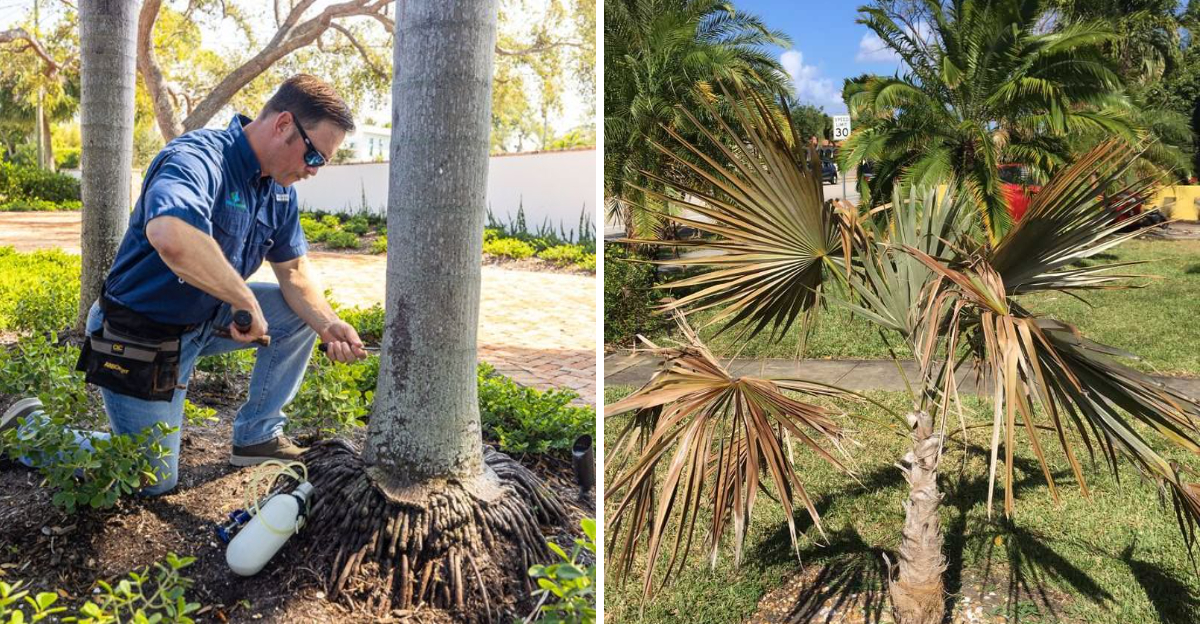
Spring arrives early in Florida, and palms begin to push new growth almost overnight. Many homeowners reach for fertilizer, hoping to boost color and speed, yet one common mistake can quietly set palms back for months.
At first, nothing seems wrong. Fronds may still look green, and growth appears normal.
Then subtle changes begin to show, and recovery takes far longer than expected. Palms respond differently than most landscape plants, and timing and balance matter more than many realize.
A single misstep during this early season can create stress that lingers well into summer. Before feeding your palms this spring, it helps to understand the mistake that catches so many Florida landscapes off guard and why avoiding it makes all the difference.
1. Early Fertilizing Pushes Weak Vulnerable Growth
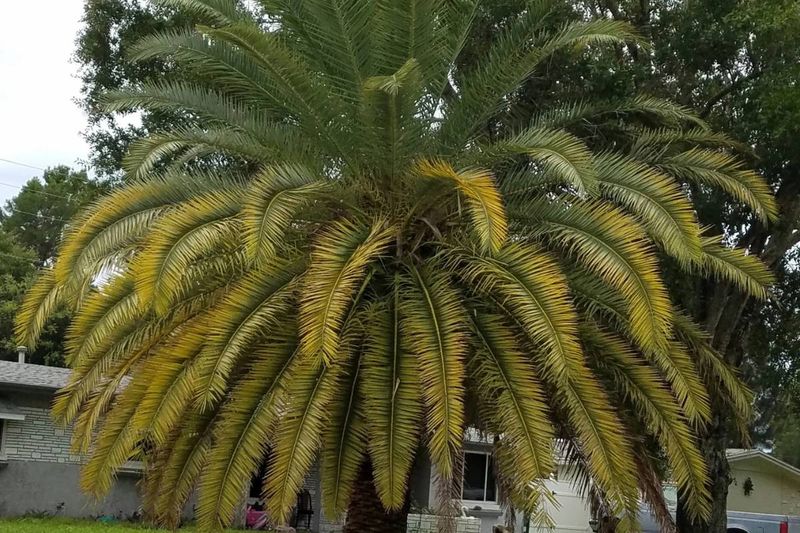
Feeding palms before they’re truly ready forces them to produce tender new fronds when nighttime temperatures can still dip unexpectedly. In Florida, March might feel warm during the day, but evenings can surprise you with sudden cold snaps that stress young tissue.
When you apply fertilizer too soon, you’re essentially telling the palm to wake up and grow, even though conditions aren’t stable yet.
New fronds pushed out prematurely lack the strength and resilience of growth that emerges naturally when soil and air temperatures stay consistently warm. These fragile fronds are more susceptible to damage from late-season cold fronts that sweep through the state.
The palm uses precious energy reserves to generate this growth, only to see it compromised by weather it wasn’t prepared for.
Waiting until soil temperatures hold steady above 65 degrees allows palms to grow at their own pace with stronger, healthier tissue. This patience pays off with fronds that can handle Florida’s variable spring conditions.
Rushing the process creates setbacks that take months to overcome, leaving your palms looking stressed and uneven throughout the growing season.
2. Cold Soil Blocks Proper Nutrient Uptake
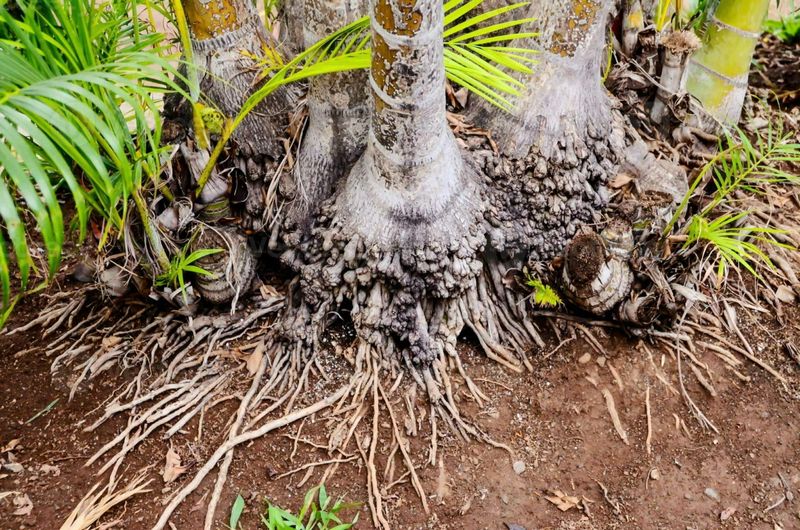
Air temperature can fool you into thinking your palms are ready for feeding, but what really matters is happening underground. Palm roots become sluggish and largely inactive when soil stays below 65 degrees, which happens more often than you’d think in Florida’s early spring.
Even when afternoons feel balmy, the ground takes much longer to warm up, especially in shaded areas or after rainy periods.
When roots aren’t actively growing and absorbing nutrients, any fertilizer you apply just sits there unused. The nutrients either wash away with spring rains or accumulate to potentially harmful levels around dormant roots.
This creates waste and frustration as you see no response from your palms despite your efforts.
Checking soil temperature with an inexpensive thermometer gives you real information about when your palms can actually use the food you’re offering. Take readings at root depth, about 6 inches down, in the morning for the most accurate assessment.
Once soil holds at 65 degrees or higher for several consecutive days, roots activate and nutrient uptake begins efficiently, making your fertilizer investment worthwhile.
Your Florida Garden Changes Every Week. Your Plan Should Too.
Gardening in Florida changes quickly throughout the season. Every Friday you’ll receive a simple weekly plan showing exactly what to plant, prune, fertilize, harvest, and protect so you never miss the right timing.
3. Fast Release Fertilizer Can Burn Palm Roots
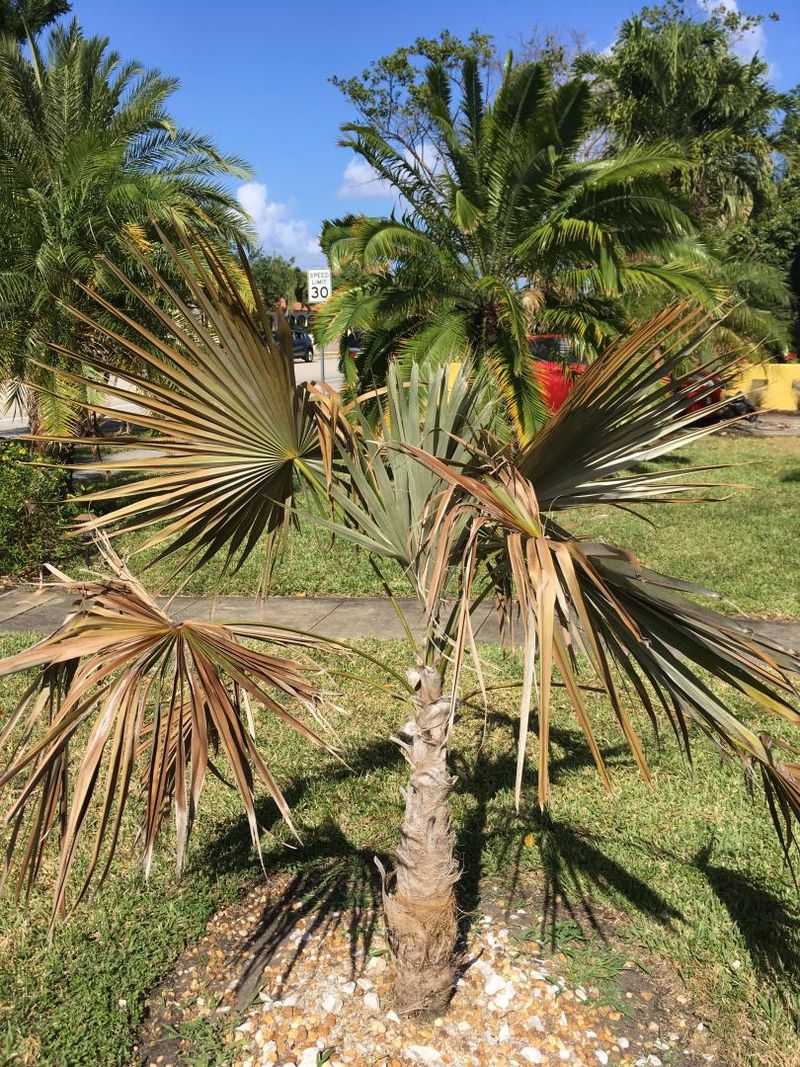
Quick-release fertilizers dissolve rapidly and create concentrated salt levels in the root zone that palms simply can’t handle well. These products might green up your lawn fast, but palm roots are far more sensitive to salt accumulation than grass roots.
When nutrients flood the soil all at once, the resulting salt concentration can damage delicate feeder roots that palms depend on for water and nutrient absorption.
Florida’s sandy soils don’t buffer these salt spikes the way heavier soils might in other regions. The damage shows up as browning leaf tips, slowed growth, or even frond loss as the palm struggles with compromised roots.
Recovery takes time because new roots must grow to replace damaged ones.
Slow-release palm fertilizers designed specifically for Florida conditions release nutrients gradually over months, matching the palm’s natural uptake rate. This steady supply prevents salt buildup while providing consistent nutrition throughout the growing season.
The granules break down with moisture and warmth, delivering food as the palm actually needs it rather than overwhelming the system all at once. This gentler approach protects root health while still meeting nutritional requirements.
4. Overfertilizing Creates Nutrient Imbalance And Stress
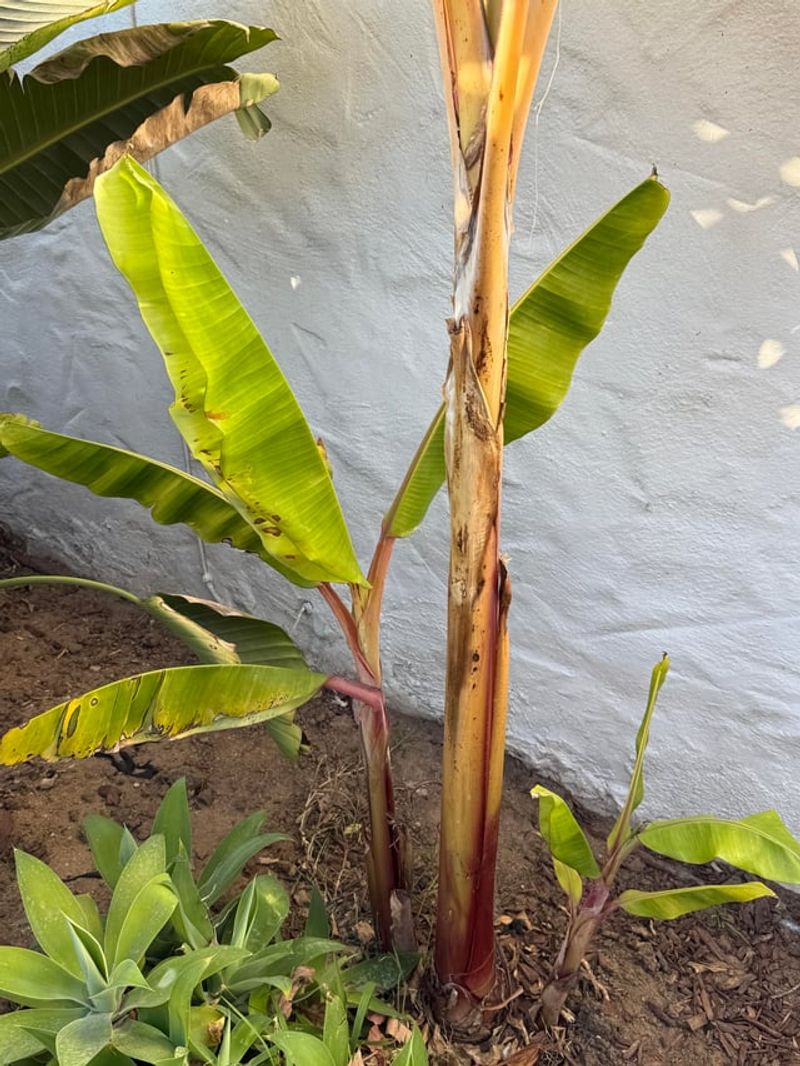
More fertilizer doesn’t equal better results with palms. Excessive feeding creates a cascade of problems that can take years to correct.
When you apply too much, especially nitrogen-heavy products, you push rapid frond production that the palm can’t sustain with its available resources. This imbalanced growth depletes other essential nutrients faster than normal.
Potassium deficiency becomes particularly common when nitrogen levels run too high, leading to the classic symptoms of orange spotting and frond tip burn that plague many Florida palms. The palm struggles to maintain proper ratios of nutrients in its tissue, and older fronds begin showing deficiency symptoms as the tree pulls nutrients from them to support forced new growth.
Following package directions carefully and never exceeding recommended rates protects your palms from this nutritional chaos. Palm-specific fertilizers come formulated with balanced ratios designed for their unique needs, typically with higher potassium than nitrogen.
Applying the right amount at the right intervals maintains steady, sustainable growth without pushing the palm beyond its natural capacity. Healthy palms grow at a measured pace that they can support long-term with strong, well-colored fronds.
5. Using Lawn Fertilizer Damages Palms Over Time
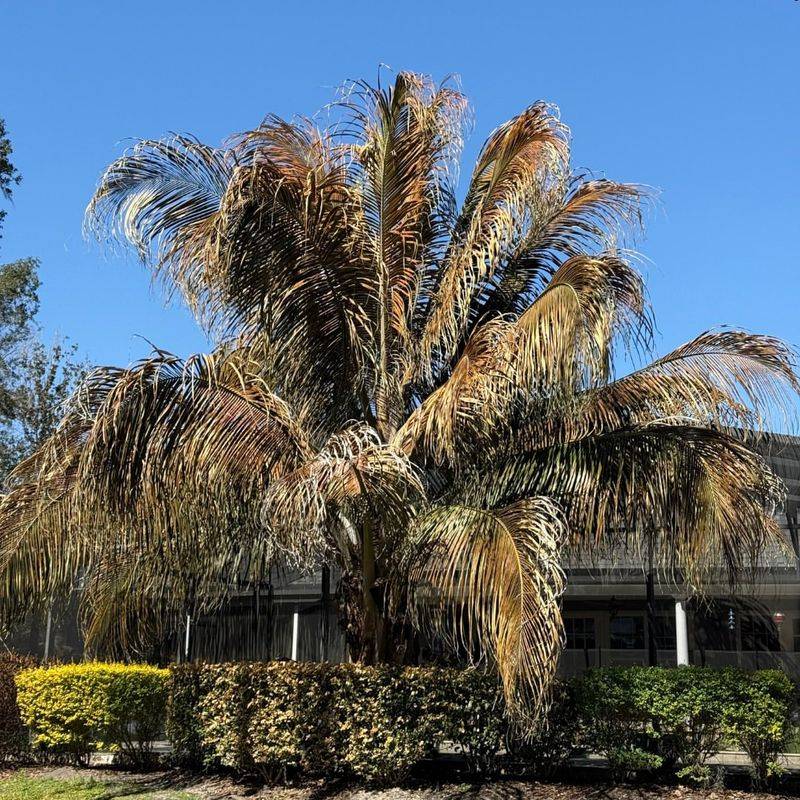
Grabbing whatever fertilizer you have on hand might seem convenient, but lawn products lack what palms actually need. Turf fertilizers emphasize nitrogen for green blade growth and typically contain little or no micronutrients.
Palms require completely different ratios, with higher potassium and magnesium than most grass formulas provide.
Over months and years, palms fed with lawn fertilizer develop characteristic deficiency patterns that weaken their overall health. You’ll notice yellowing between veins, frizzled new growth, and poor color despite regular feeding.
The palm literally starves for specific nutrients while receiving excess amounts of others it doesn’t need in those proportions.
Florida palms particularly need manganese, magnesium, iron, and boron in addition to the major nutrients. These micronutrients prevent the distinctive deficiencies that make palms look sickly and stunted.
Palm-specific fertilizers include these elements in forms that palms can readily absorb. The investment in proper fertilizer pays off with consistently beautiful fronds and steady growth.
Your palms will show the difference within a single growing season when they receive nutrition formulated specifically for their requirements rather than generic products meant for completely different plants.
6. Spring Rain Can Wash Nutrients Away Too Fast
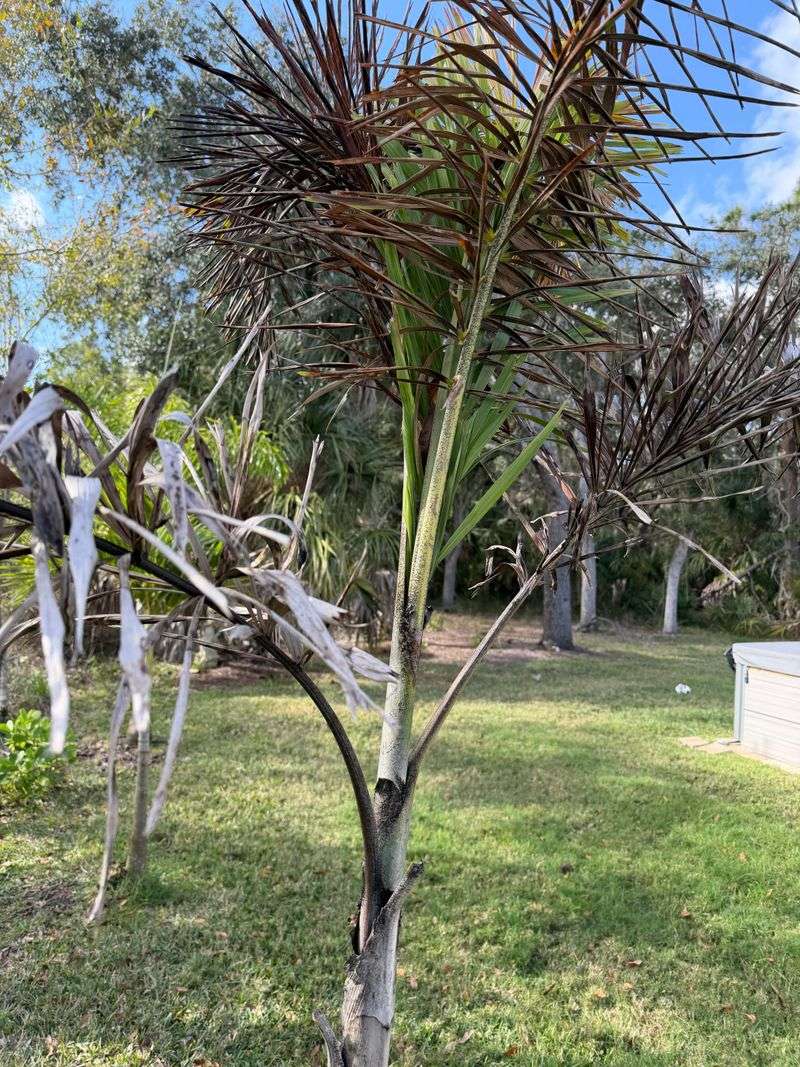
Florida’s spring weather patterns bring frequent afternoon thunderstorms that can drench your landscape with inches of rain in short periods. When you fertilize just before these downpours, much of your investment washes right through the sandy soil before palm roots can absorb it.
This leaching wastes money and leaves palms underfed despite your best intentions.
Sandy soils common throughout Florida drain quickly and hold nutrients poorly compared to heavier soils. Water moves through them rapidly, carrying dissolved nutrients down past the root zone or off your property entirely.
Timing matters enormously when dealing with these conditions.
Watching weather forecasts and applying fertilizer when dry periods are predicted for several days gives nutrients time to begin releasing and moving into the root zone before heavy rain arrives. Some gardeners prefer fertilizing after a good rain when soil is moist but the forecast shows clearing weather.
This approach provides ideal conditions for nutrient uptake without immediate leaching risk. Watering in fertilizer lightly yourself rather than relying on rain also gives you control over how moisture activates the product.
Strategic timing ensures your palms actually receive the nutrition you’re providing.
7. Feeding Stressed Palms Slows Recovery And Growth
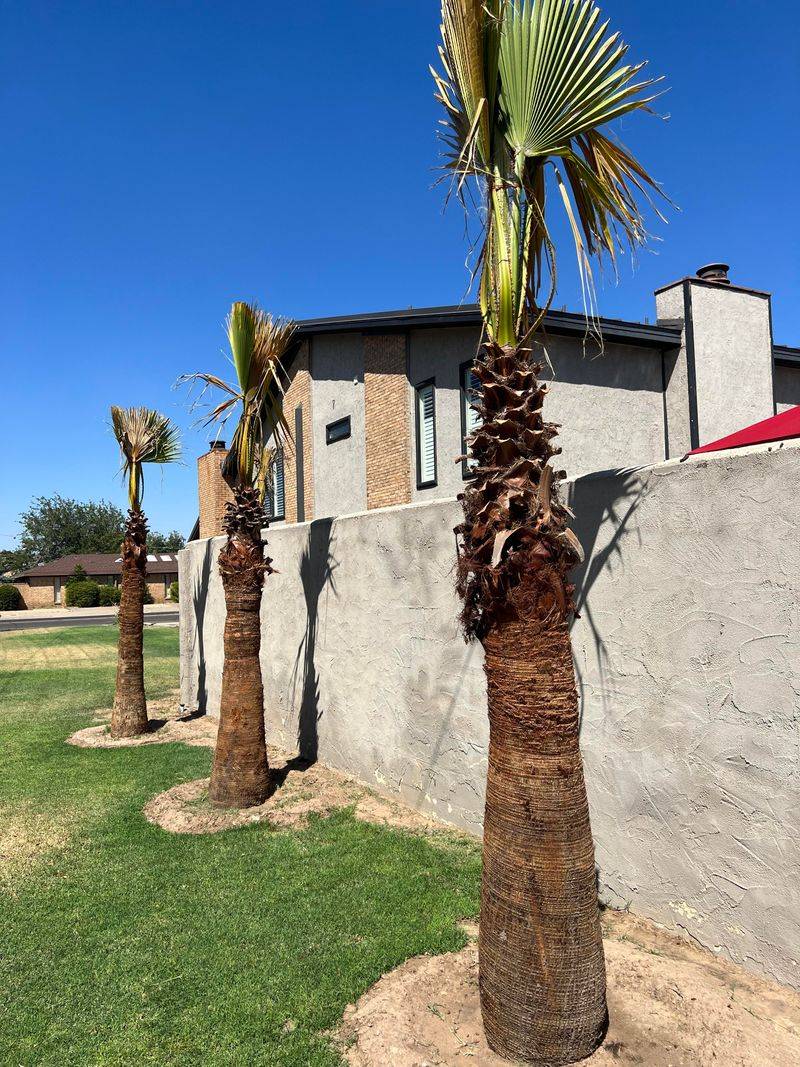
When palms show signs of stress from cold damage, transplant shock, or drought, the natural impulse is to feed them back to health. However, stressed palms need time to stabilize before they can effectively use fertilizer.
Their root systems aren’t functioning normally, and pushing them to grow when they’re already struggling only makes matters worse.
A palm recovering from cold damage focuses its energy on repairing existing tissue and maintaining core functions rather than producing new growth. Adding fertilizer during this vulnerable period forces the palm to divert resources it doesn’t have to spare.
The result is often weaker overall recovery and prolonged stress symptoms.
Allowing stressed palms to rest and recover naturally for several weeks before fertilizing gives them the breathing room they need. Focus first on proper watering and protecting them from additional stress.
Once you see signs of active growth resuming, with new spear leaves emerging normally, then it’s safe to begin a gentle feeding program. Patience during recovery prevents compounding problems and sets the stage for truly healthy regrowth.
Your palm will respond much better to fertilizer once its systems are functioning properly again.
8. Micronutrient Deficiencies Often Start In Spring
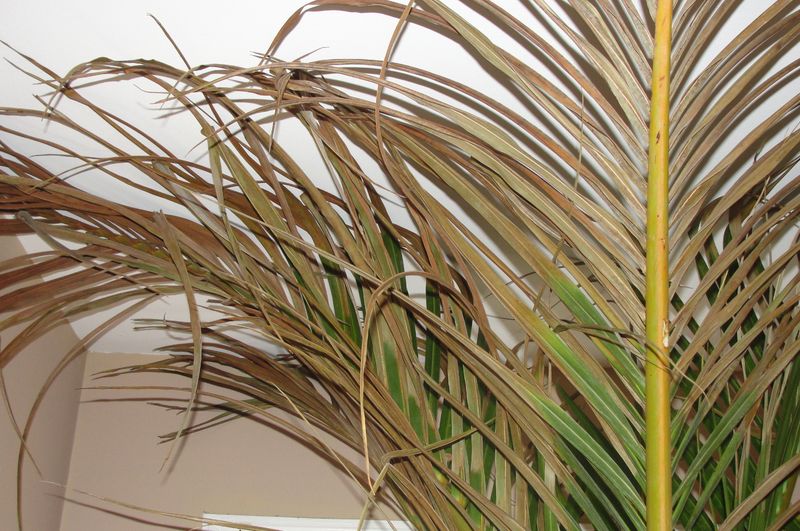
Spring growth demands pull heavily on palm nutrient reserves, and deficiencies that were marginal during winter suddenly become visible as new fronds emerge. Florida’s alkaline soils and frequent rain make certain micronutrients less available to palms even when present in the soil.
Magnesium, manganese, and iron deficiencies show up most commonly as growth accelerates.
Magnesium deficiency appears as broad yellow bands along the outer edges of older fronds while the center remains green. Manganese deficiency creates a distinctive frizzled appearance in new growth with streaking and withered tips.
These symptoms emerge quickly in spring as palms try to grow without adequate supplies of these critical elements.
Applying a complete palm fertilizer that includes micronutrients in chelated forms helps prevent these deficiencies before they start. Chelated nutrients remain available to palms even in Florida’s challenging soil conditions.
Some palms may need additional supplementation with specific micronutrient sprays if deficiencies appear despite proper fertilization. Addressing these needs early in the growing season prevents the cascading problems that develop when palms struggle through spring and summer without essential elements.
Proper nutrition from the start means better fronds all season long.
9. Timing Fertilizer Correctly Changes Palm Health
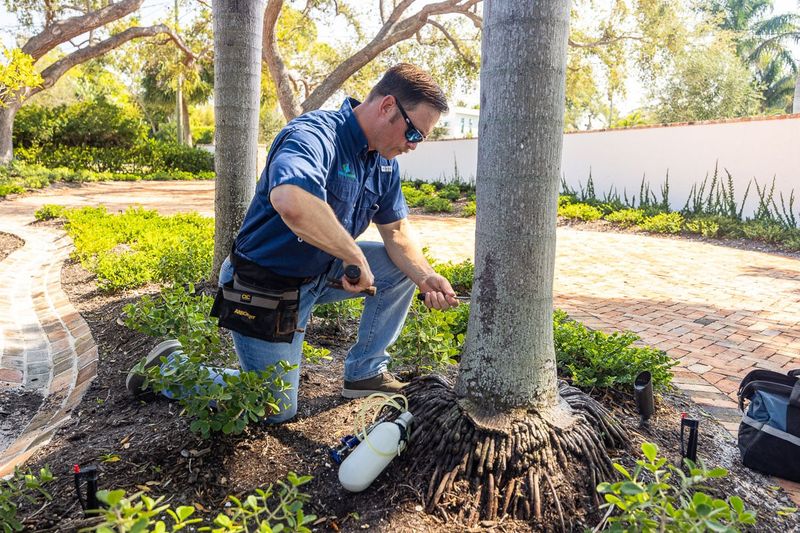
Getting the timing right makes the difference between fertilizer that helps and fertilizer that harms or wastes away. In most of Florida, late April through early May provides the sweet spot when soil has warmed thoroughly and palms are actively growing.
Northern Florida may need to wait until early May, while southern regions can sometimes start in late March if temperatures cooperate.
Look for visual cues from your palms themselves rather than relying solely on calendar dates. When you see new spear leaves emerging and expanding steadily, root activity has increased enough to support feeding.
Soil that feels warm to the touch several inches down and stays that way overnight indicates conditions are right.
Plan for multiple applications throughout the growing season rather than one heavy feeding. Most palm fertilizers work best when applied three to four times between spring and early fall, spacing applications about eight to twelve weeks apart.
This schedule maintains steady nutrition as palms grow actively through Florida’s long warm season. The final feeding should happen by early September to avoid pushing tender growth before winter.
Proper timing aligned with natural growth cycles maximizes every application’s benefit.
10. Proper Spring Feeding Builds Stronger Healthier Palms
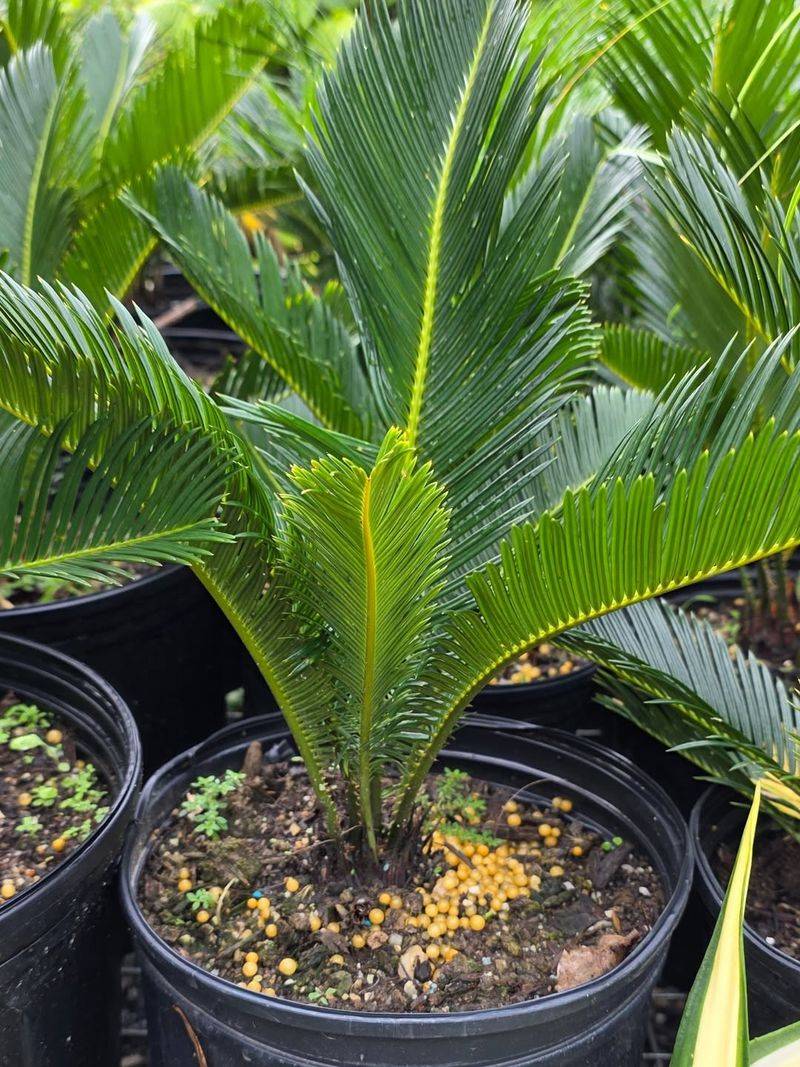
Success comes from combining the right product with correct application methods. Broadcast palm fertilizer evenly in a circle extending from about two feet from the trunk out to beyond the canopy drip line.
Keeping fertilizer away from the trunk itself prevents concentrated salts from damaging the sensitive bud and crown area while ensuring nutrients reach the active feeder roots.
Water thoroughly after application to begin activating the fertilizer and moving nutrients into the root zone. This initial watering also helps prevent any salt concentration at the soil surface.
Applying fertilizer to moist soil rather than bone-dry ground further protects roots from potential burn.
Choose a slow-release formula with an NPK ratio around 8-2-12 or similar, with the potassium number being highest. This ratio suits Florida palms perfectly and includes the micronutrients they need.
Following label rates carefully prevents overapplication while ensuring adequate nutrition. With proper timing, appropriate products, and correct technique, your palms will reward you with strong, vibrant growth throughout the season.
Healthy palms grown with balanced nutrition resist pests and diseases better while maintaining beautiful appearance year after year. The effort you put into doing it right shows in every frond.