How To Prune Roses In Phoenix, Arizona For Stronger Spring Blooms
Early spring in Phoenix, Arizona is when roses decide what kind of show they’re going to put on. If they’re left crowded and overgrown, you get weak stems and scattered blooms.
If they’re pruned correctly, you get strength, shape, and flowers that actually impress.
Desert-grown roses in Arizona don’t fully shut down in winter, so the cuts you make now matter more than most gardeners think.
A proper prune clears out tired wood, opens the center to light and air, and directs energy into thick, healthy canes that can carry heavy blossoms.
Some roses respond best to a firm cutback. Others perform better with careful shaping.
Knowing the difference in Arizona’s climate is what separates average blooms from a strong, vibrant spring display.
1. February Is The Best Time To Prune Roses In Phoenix
Phoenix roses follow a different schedule than roses in cooler climates, and February hits that sweet spot after the worst frost danger passes but before new growth really takes off.
Wait too long into March and you risk cutting off buds that already started forming, which basically wastes all that energy your plant stored up over winter.
Temperatures in Phoenix during February typically stay mild enough that roses begin waking up from their brief winter rest period. You want to catch them right at that moment when sap starts moving but before leaves fully emerge.
Check your specific rose variety because some modern hybrids wake earlier than old garden roses, but mid-February works for most types growing in Arizona gardens.
Morning pruning sessions work better than afternoon cuts in our desert environment since temperatures stay cooler and plants lose less moisture through fresh wounds.
Grab your sharpest bypass pruners and pick a day when no rain is forecast for at least 48 hours afterward.
Clean cuts heal faster in dry conditions, which matters a lot in Phoenix where humidity stays low year-round.
Roses pruned in February put out strong new canes by late March and start blooming heavily through April and May before summer heat slows them down.
This timing gives you maximum spring flowers and sets up healthy plants that can handle Phoenix summers better.
Skip February pruning and your roses stay leggy, produce fewer blooms, and struggle more when temperatures hit triple digits.
2. Remove Frost-Damaged Or Weak Canes First
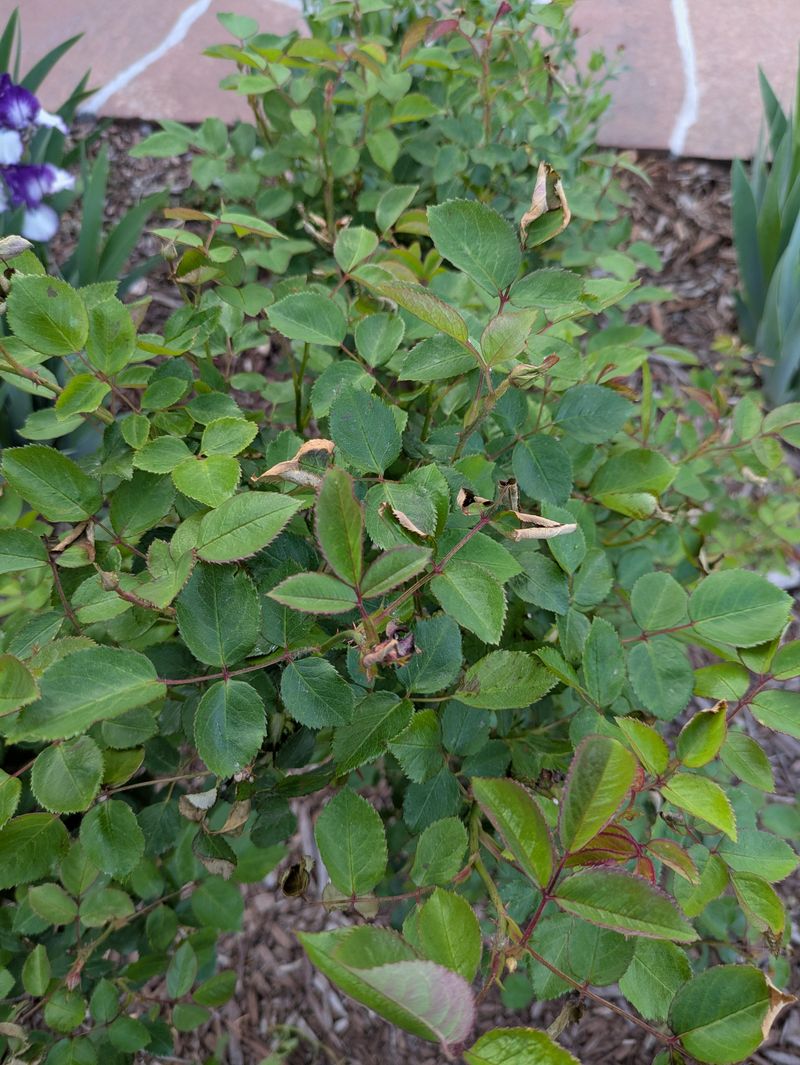
Frost-damaged canes look different from healthy wood, showing brown or black discoloration that runs down from the tips or appears in patches along the stem.
Split the cane with your thumbnail and check the inside tissue because sometimes damage goes deeper than what shows on the surface.
Healthy rose canes display white or pale green centers while damaged sections turn brown all the way through.
Weak canes that grew thin and spindly during the previous season need to go regardless of frost damage. These pencil-thin stems never produce quality blooms and they steal nutrients from stronger canes that could be pumping out flowers instead.
Phoenix roses especially benefit from removing weak growth because our intense summer sun demands vigorous canes that can support heavy foliage.
Your Arizona Garden Changes Every Week. Your Plan Should Too.
Gardening in Arizona changes quickly throughout the season. Every Friday you’ll receive a simple weekly plan showing exactly what to plant, prune, fertilize, harvest, and protect so you never miss the right timing.
Cut damaged or weak canes all the way back to the bud union or to where they connect with a larger healthy cane. Don’t leave stubs because these create entry points for diseases that spread fast in warm Arizona conditions.
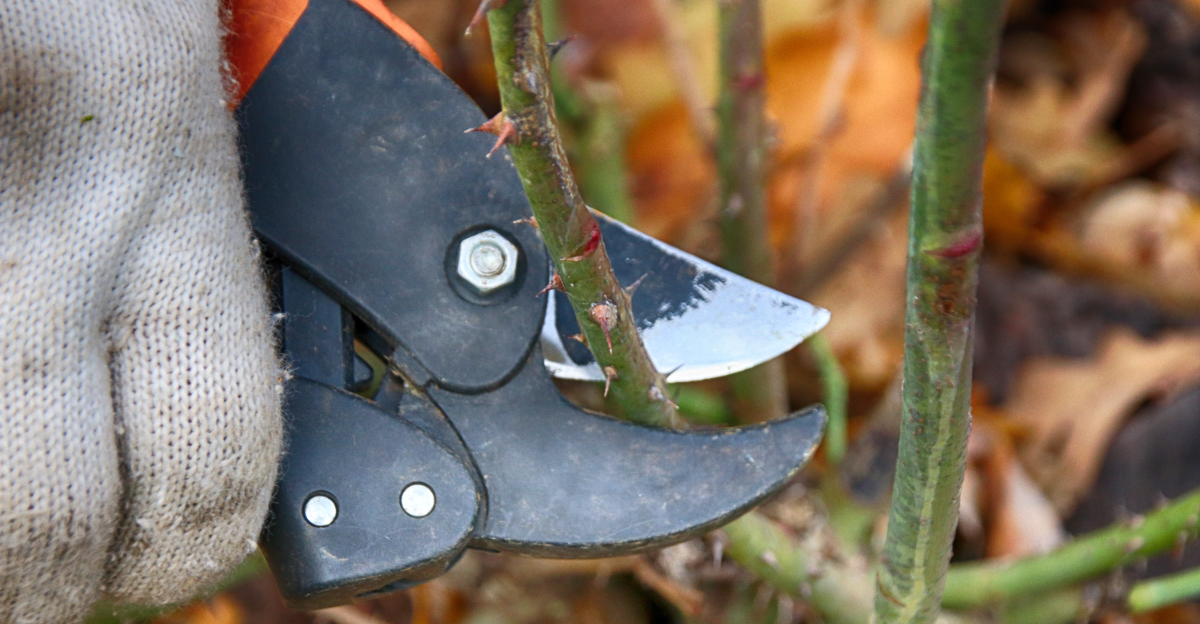
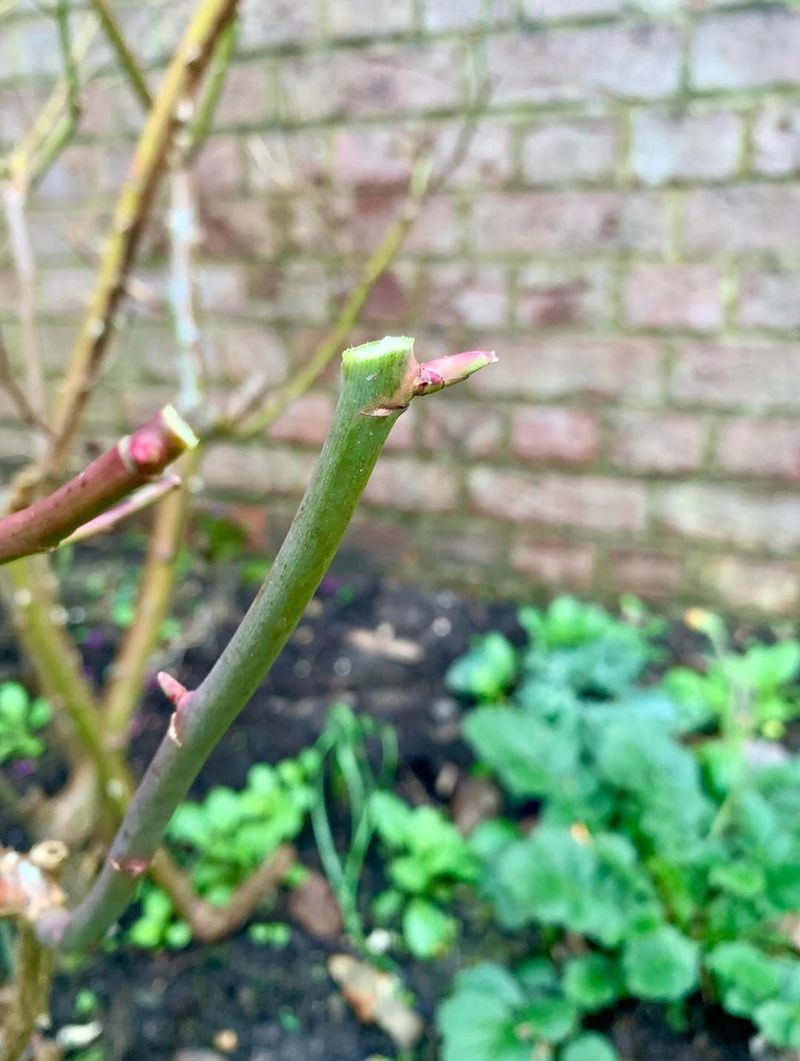
Make your cuts at a 45-degree angle about a quarter inch above an outward-facing bud on healthy wood.
Some gardeners try saving partially damaged canes by cutting just below the brown tissue, but this rarely works well in Phoenix.
Our dry climate makes it harder for roses to compartmentalize damage, so compromised canes often continue declining even after pruning.
Better to remove questionable growth entirely and let your rose focus energy on producing strong new shoots from the base.
3. Cut Above An Outward-Facing Bud To Guide New Growth
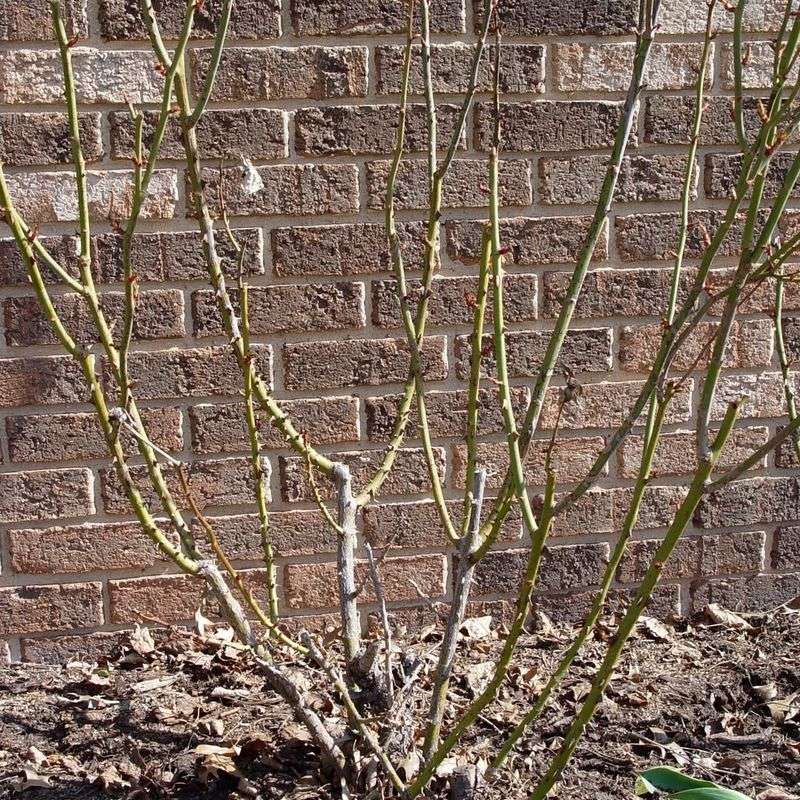
Buds on rose canes point in different directions, and the direction they face determines where new growth heads once spring arrives.
Outward-facing buds send shoots away from the center of the plant, which creates better air circulation and prevents that tangled mess in the middle.
Phoenix roses need every bit of airflow they can get because our warm nights and occasional monsoon humidity can trigger fungal problems fast.
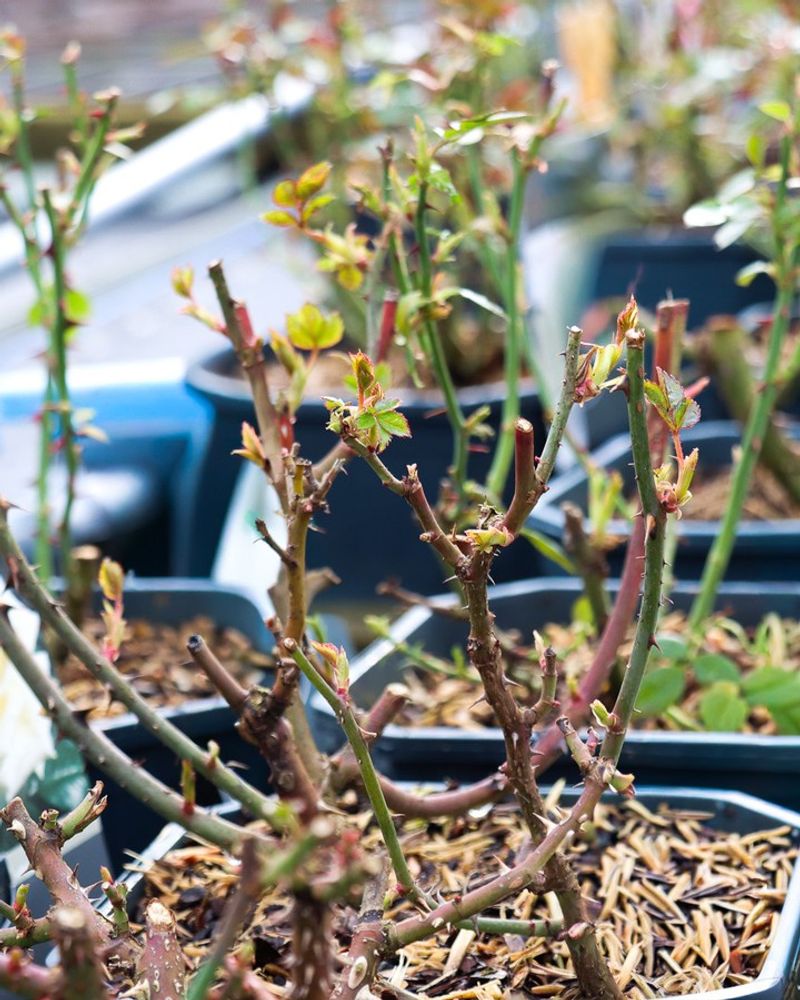
Finding the right bud takes practice but gets easier once you know what to look for on your specific rose varieties. Look for the small reddish or greenish swellings along the cane where leaves attached last season.
These buds alternate along the stem in most roses, so you have options for where to make your cut based on the shape you want.
Position your pruners about a quarter inch above the bud you selected and angle your cut so it slopes away from the bud at roughly 45 degrees.
Cut too close and you risk damaging the bud itself, but leave more than half an inch and that extra stub just becomes a problem spot.
The slanted cut helps water run off instead of pooling near the bud where it might cause rot.
New shoots emerge from these buds within two to three weeks after pruning in Phoenix, growing in whatever direction the bud faced. Getting this right means your rose naturally grows into an open vase shape without constant corrective pruning later.
Mess it up and you spend all spring fighting inward growth that blocks light and traps moisture inside the plant.
4. Open The Center To Improve Airflow In Desert Heat
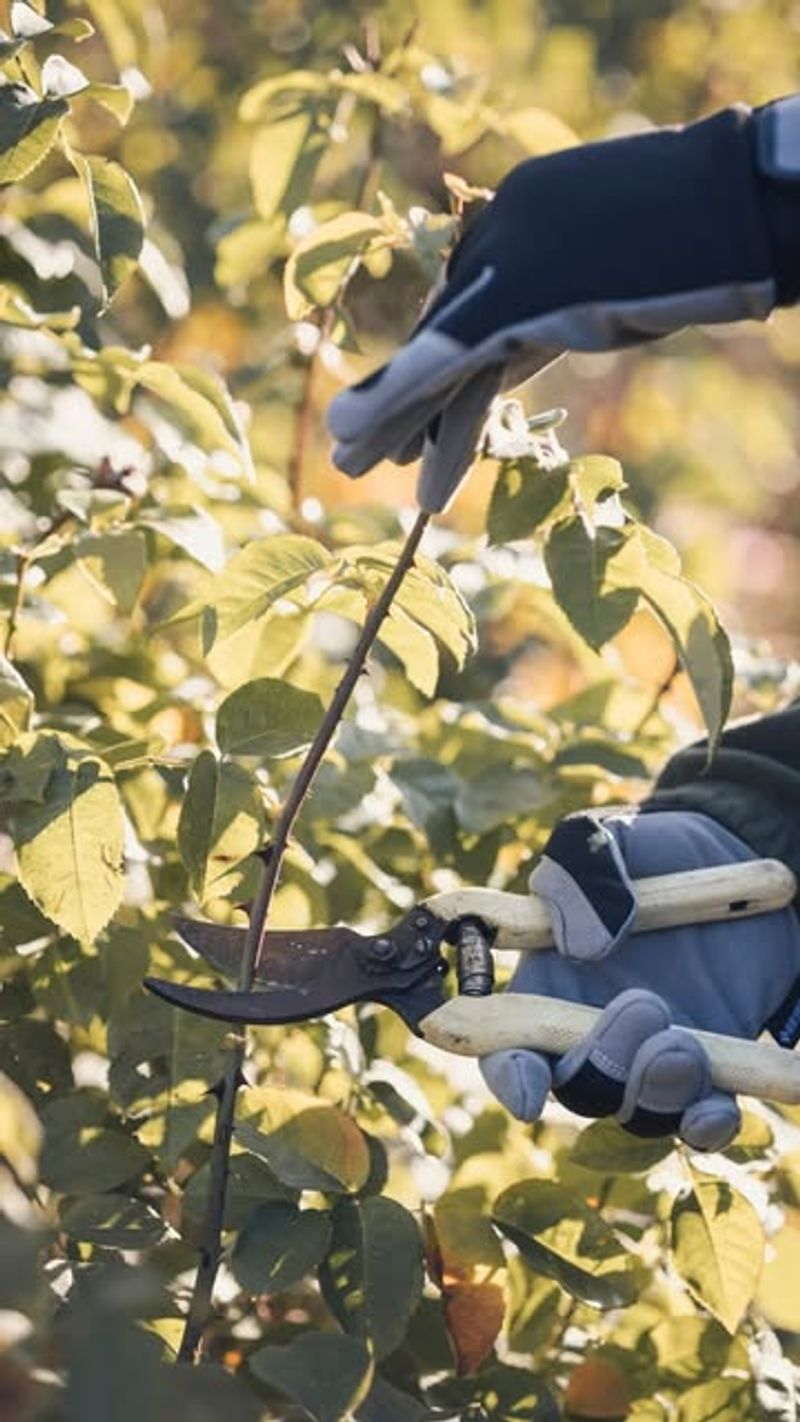
Crossing branches in the center of your rose create a dense tangle that traps heat and blocks air movement, which spells trouble in Phoenix where temperatures regularly soar past 110 degrees.
Remove canes that grow toward the middle or rub against each other because these problem areas become disease hotspots during our humid monsoon season.
An open center lets breezes flow through the plant and helps foliage dry quickly after watering or summer storms.
Start by standing back and looking at the overall shape of your rose before making any cuts to the interior. Identify three to five strong main canes that radiate outward like spokes on a wheel, then remove everything else growing between them.
Some gardeners hesitate to cut out so much growth, but Phoenix roses perform better with fewer stronger canes than with a crowded mess of weak stems.
Interior canes often grow at odd angles and produce small flowers because they don’t get enough direct sunlight. These shaded branches also stay damp longer after irrigation, creating perfect conditions for black spot and powdery mildew to take hold.
Phoenix humidity spikes during July and August, so roses need maximum airflow to stay healthy through monsoon season.
Cut interior canes flush with the main stem or all the way back to the bud union without leaving stubs. Work from the inside out so you can see what you’re doing as you open up the center.
The finished plant should look almost empty in the middle with clear sight lines straight through from one side to the other.
5. Reduce Overall Height To Encourage Strong Spring Shoots
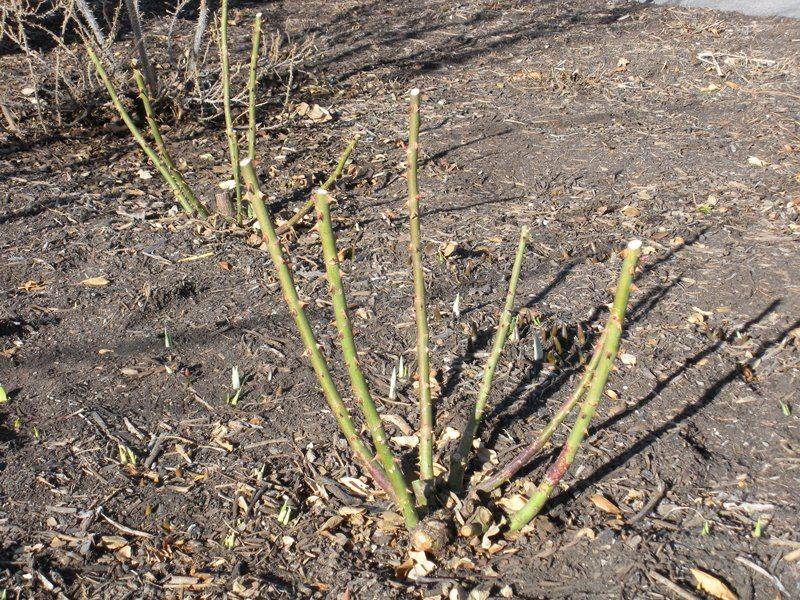
Tall leggy roses might look impressive in winter, but they produce weak floppy growth and fewer flowers than roses cut back hard in February. Reducing height by about half forces your rose to push out vigorous new canes from lower buds and from the base of the plant.
Phoenix roses especially benefit from aggressive height reduction because our growing season allows plenty of time for plants to regain size before peak bloom season hits.
Measure your rose canes and plan to cut them back to about 18 to 24 inches above the bud union for hybrid teas and grandifloras. Floribundas and landscape roses can stay slightly taller at 24 to 30 inches since they naturally grow more compact.
Climbing roses need different treatment with only the side shoots cut back, but even these benefit from removing some height on older main canes.
Sharp cuts made with clean bypass pruners heal faster and reduce stress on the plant during this major pruning session. Work your way around the rose bush cutting each main cane to roughly the same height to maintain a balanced shape.
Don’t worry about making your rose look too small because Phoenix roses grow incredibly fast once warm weather arrives in March and April.
New shoots emerging after hard pruning grow thicker and stronger than growth from tall unpruned canes. These vigorous young stems produce larger flowers on longer cutting stems and handle summer heat much better.
Roses that don’t get cut back hard enough stay top-heavy and often require staking to prevent canes from flopping over when loaded with blooms.
6. Clear Out Thin Or Crowded Branches
Branches thinner than a pencil rarely produce quality blooms and mostly just clutter up your rose bush stealing water and nutrients.
Phoenix roses put out tons of twiggy growth during our long growing season, and most of this weak wood needs to go during February pruning.
Focus on keeping only the thickest healthiest canes that have the diameter of your thumb or close to it.
Crowded branches compete with each other for sunlight and create that jungle effect where no single cane gets enough resources to perform well. Step back and look at your rose from several angles to spot areas where too many canes bunch together.
Two strong canes growing parallel just an inch apart should be reduced to one, with the weaker or more poorly positioned cane removed completely.
Count the main canes left after removing thin and crowded growth, aiming for about five to seven strong stems on hybrid teas and up to nine or ten on shrub roses.
More canes than this creates maintenance headaches and reduces flower quality even if the plant looks fuller.
Phoenix heat stress hits overcrowded roses harder because all those stems compete for limited water moving up from the roots.
Use loppers instead of hand pruners for thicker crowded canes that need removal at the base. Make clean cuts as close to the bud union as possible without damaging the knobby graft area.
Thin weak branches can be snipped off anywhere along their length, but removing them completely at their origin point gives cleaner results and prevents regrowth of more weak wood.
7. Water Deeply After Pruning To Support Fresh Growth

Freshly pruned roses in Phoenix need deep watering within a few hours after you finish cutting to help them recover from the stress and push out new growth.
Pruning removes a lot of leaf surface that normally pulls water up through the plant, so roots temporarily have less demand on them.
Deep watering right after pruning ensures moisture reaches deep root zones and supports the burst of new shoot development coming in the next few weeks.
Run water slowly at the base of each pruned rose for at least 15 to 20 minutes to saturate soil down to 18 inches deep.
Our desert soil drains fast and often develops dry pockets even when the surface looks wet, so longer watering sessions work better than quick sprinkles.
Check soil moisture a day after watering by digging down six inches to make sure water actually penetrated instead of running off.
Avoid overhead watering on freshly pruned roses because wet foliage and open cuts create opportunities for disease spores to establish. Point your hose or drip emitters at the soil around the base of the plant and let water soak in slowly.
Phoenix tap water works fine for roses despite our hard water and slightly alkaline pH, though some gardeners prefer adding a bit of sulfur to acidify soil over time.
Continue deep watering every five to seven days through February and March as new growth emerges and temperatures gradually warm up. Roses breaking dormancy need consistent moisture to support all those new leaves and developing flower buds.
Skip this post-pruning water and your roses struggle to push out strong new canes, resulting in delayed blooms and weaker plants heading into summer.