8 Fruit Plants California Backyards Are Perfect For
It usually starts with a simple thought. Wouldn’t it be nice to step outside and pick your own fruit instead of adding it to the grocery list again?
A few strawberries tucked along the fence, maybe a pear tree shading the patio. For many California homeowners, that idea feels both exciting and slightly intimidating.
The truth is, growing fruit at home here is more realistic than it sounds. With the right picks for your region and yard size, even a modest backyard can produce something sweet.
Climate, sunlight, and soil all play a role, but smart choices make a big difference.
Before you bring home the first tree that catches your eye at the nursery, there are a few standout options that tend to reward California gardeners year after year.
1. Apples That Love Cool Coastal Air
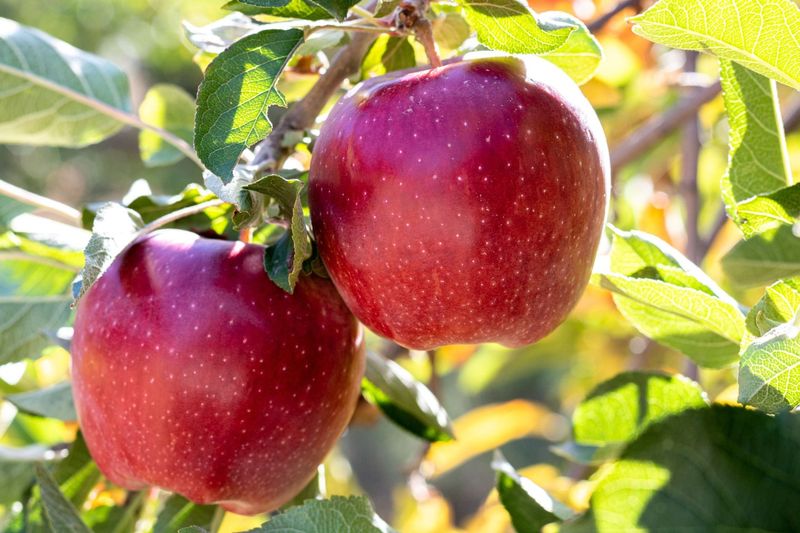
Coastal California gardeners sometimes assume apples need a colder winter than they can offer, but several low-chill varieties can perform well in foggy, mild areas with the right setup. Anna is often recommended for warmer-winter regions because it can produce with fewer chill hours than many traditional apples, and the fruit is typically crisp and sweet with a light tang.
Dorsett Golden is another option frequently paired with Anna, producing golden-yellow apples and blooming around the same time in many locations. In mild-winter areas, early bloom can be an advantage, but it also means paying attention to pollination and weather during flowering.
Even along the coast, place apple trees where they get the most direct sun you can provide. Fog and marine layers can reduce light, and good sun exposure helps with flowering, fruit set, and ripening.
Pollination planning matters for apples. Many varieties set more reliably when a compatible second variety is nearby and blooming at the same time, so two different low-chill apples often improve results in backyard plantings.
If space is tight, a multi-graft tree can also provide a pollination partner without taking up a second planting spot.
Give trees adequate spacing and well-draining soil, and keep up with winter pruning to manage size and encourage fruiting wood. Harvest timing varies by variety and microclimate, but many coastal gardens see apples ripen from mid-summer into early fall.
2. Pears That Handle Mild California Winters
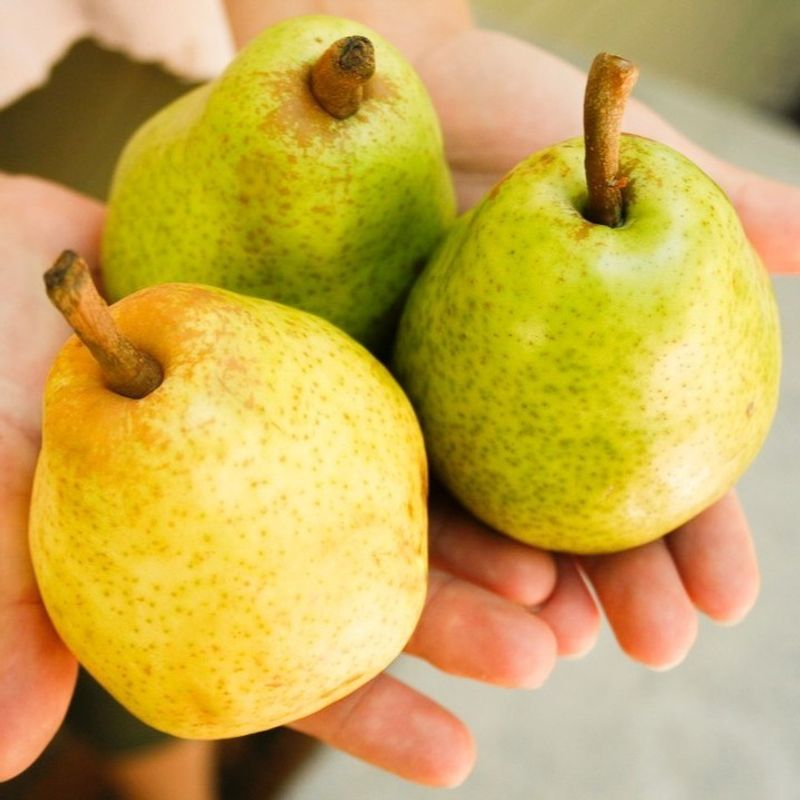
For backyard growers looking for dependable fruit, pear trees are often an easy choice. Pear trees adapt remarkably well to California’s variable winter conditions, making them reliable producers across most of the state.
Asian pears, also called apple-pears, are particularly well-suited to California backyards because they require relatively few chill hours and produce abundantly even in mild-winter regions. Varieties like 20th Century and Shinseiki deliver crisp, juicy fruit with a refreshing sweetness that’s perfect for fresh eating.
European pears such as Bartlett and Comice also perform well throughout California, though they prefer areas with slightly cooler winters than the extreme southern regions. These classic pear varieties develop their signature buttery texture and complex flavor when allowed to ripen off the tree, a characteristic that makes them especially valuable for home gardeners.
Your California Garden Changes Every Week. Your Plan Should Too.
Gardening in California changes quickly throughout the season. Every Friday you’ll receive a simple weekly plan showing exactly what to plant, prune, fertilize, harvest, and protect so you never miss the right timing.
The key to success with European pears is harvesting them while still firm and allowing them to ripen indoors at room temperature.
Plant pear trees in full sun with good air circulation to minimize disease pressure, especially fire blight, which can affect pears in humid coastal areas. Many pear varieties set more reliably with a compatible polliniser nearby, although some (including Bartlett in California) can set fruit without pollination.
Asian pears generally cross-pollinate well with other Asian pear varieties, while European pears pollinate other European types.
Late winter to early spring is when pear trees begin blooming across California, setting the stage for fruit that matures from late summer through fall depending on the variety. Thanks to the state’s long, warm growing season, pears have time to develop strong sweetness and good size before harvest.
3. Figs That Thrive In Dry Summer Heat
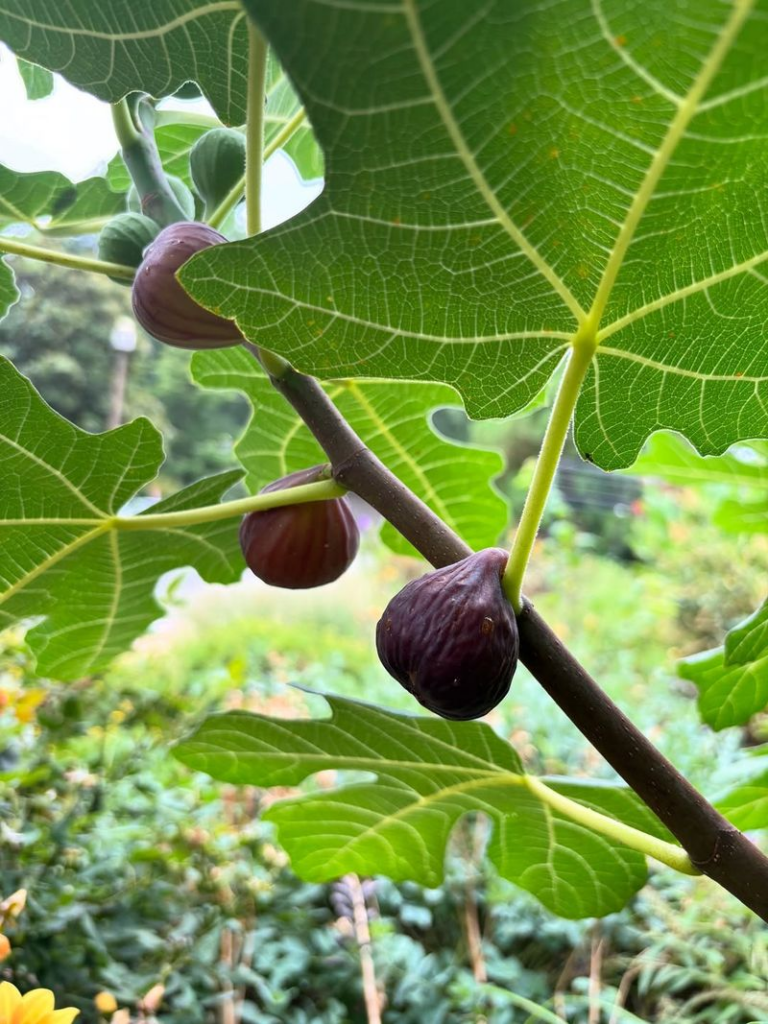
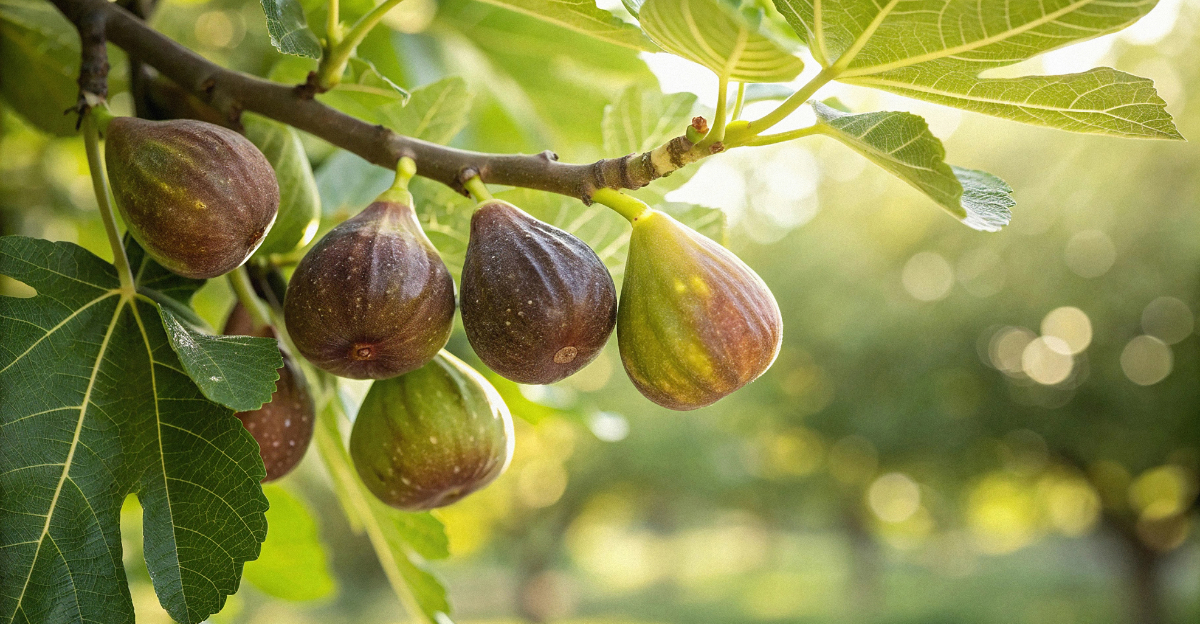
Few fruit trees match California’s Mediterranean-style conditions like figs, which often perform well with warm summers and relatively mild winters. Black Mission figs can produce two crops in some conditions, with an early breba crop and a later main crop, though the size and timing can vary by site and season.
These trees tolerate drought conditions remarkably well once established, making them ideal for water-conscious California gardeners.
Brown Turkey is another outstanding variety for California backyards, known for its reliability and sweet, jammy fruit that’s perfect fresh or dried. The trees grow vigorously in California’s warm climate, often reaching 15-20 feet tall and wide, though they can be pruned smaller for easier harvesting.
Figs can tolerate containers and other tight spaces, but fruit quality and productivity depend more on sunlight, watering consistency, and variety than on intentionally restricted roots.
Plant fig trees in the hottest, sunniest spot in your yard, even against a south-facing wall where reflected heat might stress other plants. Once established, figs often need less frequent watering than many fruit trees, but watering needs still vary by heat, soil type, and whether the tree is in-ground or in a container.
Overwatering figs in California’s climate can lead to bland fruit and excessive vegetative growth at the expense of fruit production.
California fig trees rarely experience the winter damage common in colder climates, allowing them to develop into large, productive specimens. The fruit typically ripens from June through October, with the main crop arriving in late summer when the sweet figs are most appreciated.
4. Persimmons That Shine In Fall Sun
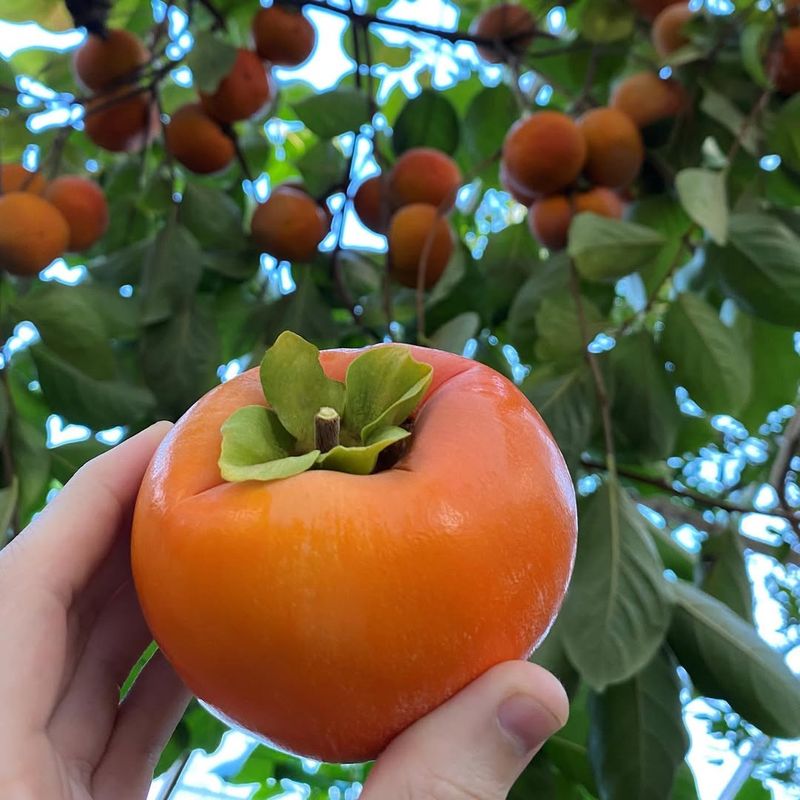
Persimmon trees bring spectacular fall color and delicious fruit to California backyards, performing exceptionally well throughout most of the state. Fuyu persimmons are the most popular variety for home gardens, producing non-astringent fruit that’s sweet and edible while still firm and crunchy.
These trees require minimal chill hours, making them suitable for even the warmest California regions, and they’re remarkably pest and disease resistant.
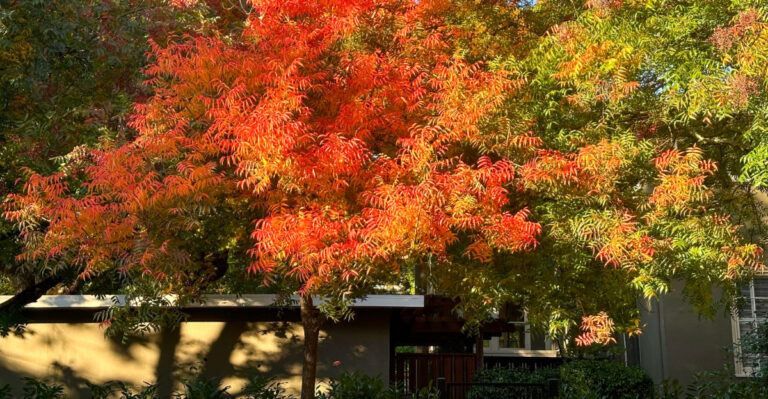
Hachiya persimmons offer a different eating experience, with astringent fruit that must be fully soft before consuming but rewards patience with incredible honey-like sweetness. Both types grow well across California, from coastal areas to inland valleys, and the trees themselves are quite ornamental with glossy leaves that turn brilliant shades of yellow, orange, and red in autumn.
Many common persimmons (including Fuyu and Hachiya) can set fruit without a second tree, so a pollination partner is often not required in home gardens.
Plant persimmon trees in full sun with well-draining soil, spacing them about 20 feet apart if planting multiples. Young trees need regular watering to establish, and mature trees may handle short dry periods, but consistent moisture during the growing season helps reduce leaf and fruit drop and supports a good crop.
Minimal pruning is needed – just remove crossing branches and shape the tree during the dormant season.
California persimmon trees bloom in late spring, and the fruit develops throughout summer, ripening in October and November when few other fresh fruits are available. The bright orange persimmons often hang on bare branches after leaf drop, creating a stunning display in the fall California landscape.
5. Grapes That Soak Up California Sunshine
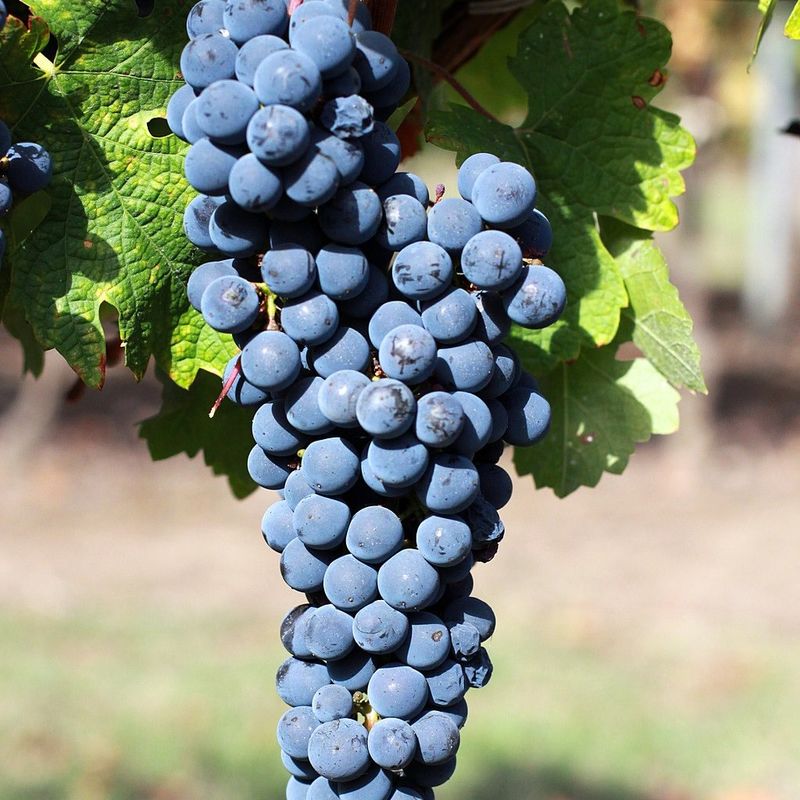
California’s grape-growing reputation is not limited to large vineyards. Many table grape varieties can do well in backyards with strong sun, warm days, and a bit of planning.
Thompson Seedless is a long-time favorite for sweet green grapes that work for fresh snacking, drying, and juice. Flame Seedless is another popular pick, producing crisp red grapes that often ripen earlier in many areas.
These vines grow vigorously and need a sturdy support system, such as a trellis or arbor, so they can spread out and receive good light. Aim for a spot with long hours of direct sun, and choose soil that drains well.
Deep, infrequent watering generally suits established vines better than frequent shallow irrigation, especially once roots are growing into the surrounding soil.
California’s dry summers can reduce some issues, but grapes can still face major disease pressure (including powdery mildew), so airflow, pruning, and variety selection still matter. Good spacing, sun exposure, and smart pruning help keep the canopy open, which supports healthier growth and better fruit quality.
Winter pruning is one of the most important tasks for backyard grapes. Removing most of the previous season’s growth encourages productive new shoots on the right wood and keeps the vine from turning into a tangled mass.
Grapes typically push new growth in spring, bloom in late spring, and ripen from mid-summer into early fall depending on variety and microclimate. With consistent care, backyard vines can produce satisfying harvests over time.
6. Strawberries That Keep Producing In Raised Beds
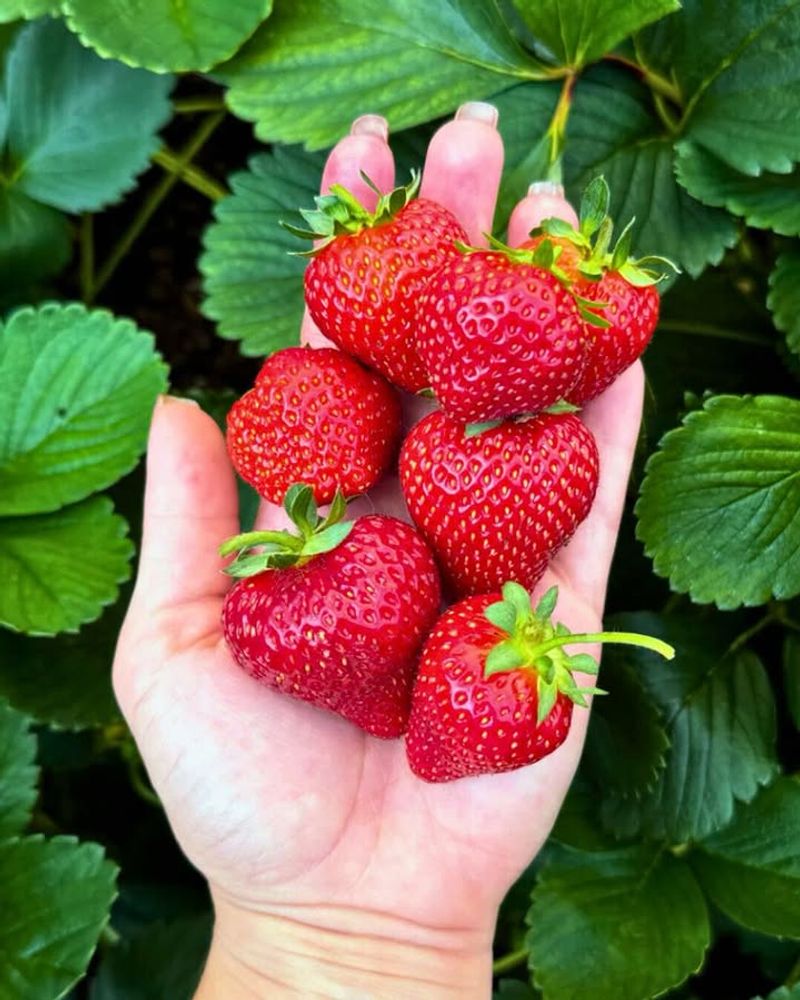
If you have ever wondered which fruit gives you the most satisfaction for the least amount of space, strawberries are often the answer. Strawberries are one of the most rewarding fruits for California backyards, especially in raised beds where drainage is easier to manage and harvesting feels less like a yoga class.
Day-neutral varieties such as Albion and Seascape are often chosen because they can flower and fruit over a long season compared with short-day types, particularly when temperatures stay in a comfortable range.
Raised beds help address common strawberry frustrations. They warm faster in spring, improve drainage during wet spells, and can reduce crown and fruit issues that show up when plants sit in soggy soil.
Fill beds with a rich, well-draining mix and space plants about 12 inches apart so air can move through the foliage.
Sun exposure still matters. Choose a bright location and keep soil evenly moist, not saturated.
Mulch helps keep berries clean, slows weeds, and reduces soil splash. In many gardens, removing runners improves fruiting focus, while letting a few runners root can refresh the patch naturally.
California’s mild regions may support a longer harvest window than colder climates, but production typically rises and falls with temperature. Coastal conditions often favor steadier output through summer than hotter inland areas, where heat can slow flowering and fruit set until weather moderates again.
Most backyard plantings stay productive for a couple of years, though many gardeners replant every two to three seasons for stronger yields. With good drainage, sunlight, and consistent watering, raised-bed strawberries can provide multiple rounds of sweet fruit from spring well into the growing season.
7. Blueberries That Reward Acid-Loving Gardeners
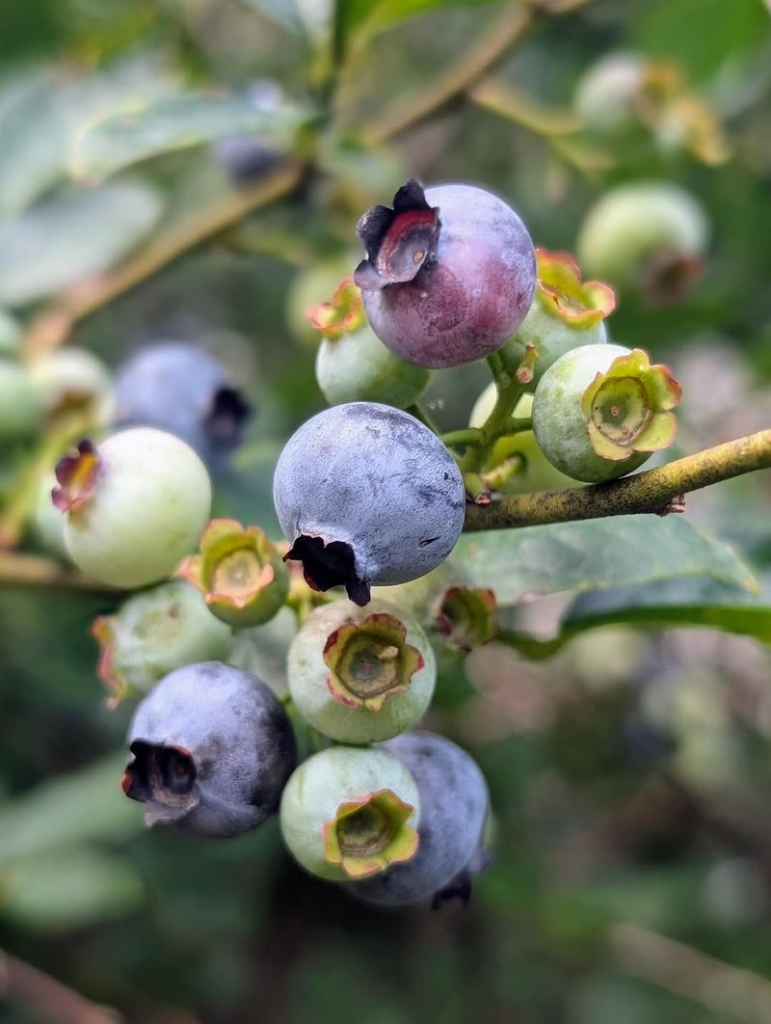
Growing blueberries in California can take a bit of planning since they prefer acidic soil that many backyard sites do not naturally provide. Still, with the right setup, home gardeners can grow excellent berries, especially using Southern Highbush types bred for milder winters.
Varieties such as Misty, O’Neal, and Jubilee are commonly discussed for lower-chill regions, though performance varies by local climate and summer heat.
The biggest key is soil chemistry. Blueberries generally do best in an acidic root zone, often around pH 4.5 to 5.5, with plenty of organic matter and good drainage.
Many California gardeners have better luck growing blueberries in large containers or raised beds filled with an appropriate acidic mix, rather than trying to convert native soil all at once.
Water management is also important because blueberry roots are relatively shallow and can dry out quickly. They tend to perform best with consistent moisture, mulch to reduce evaporation, and irrigation that soaks the root zone without keeping it soggy.
While blueberries are sensitive to prolonged dryness, short dry spells are usually easier to recover from when plants are mulched and watered promptly.
Mulching with pine bark or similar materials can help moderate moisture swings and support the acidic conditions blueberries prefer. Fertilisers formulated for acid-loving plants can also help, but it is worth monitoring pH over time rather than assuming it will stay in range.
Bloom time and harvest depend on variety and location, but many California gardens see fruit ripen from late spring into summer. In mild areas, plants may hold foliage longer into the year, adding off-season garden interest alongside the summer harvest.
8. Pomegranates Built For Hot Inland Yards
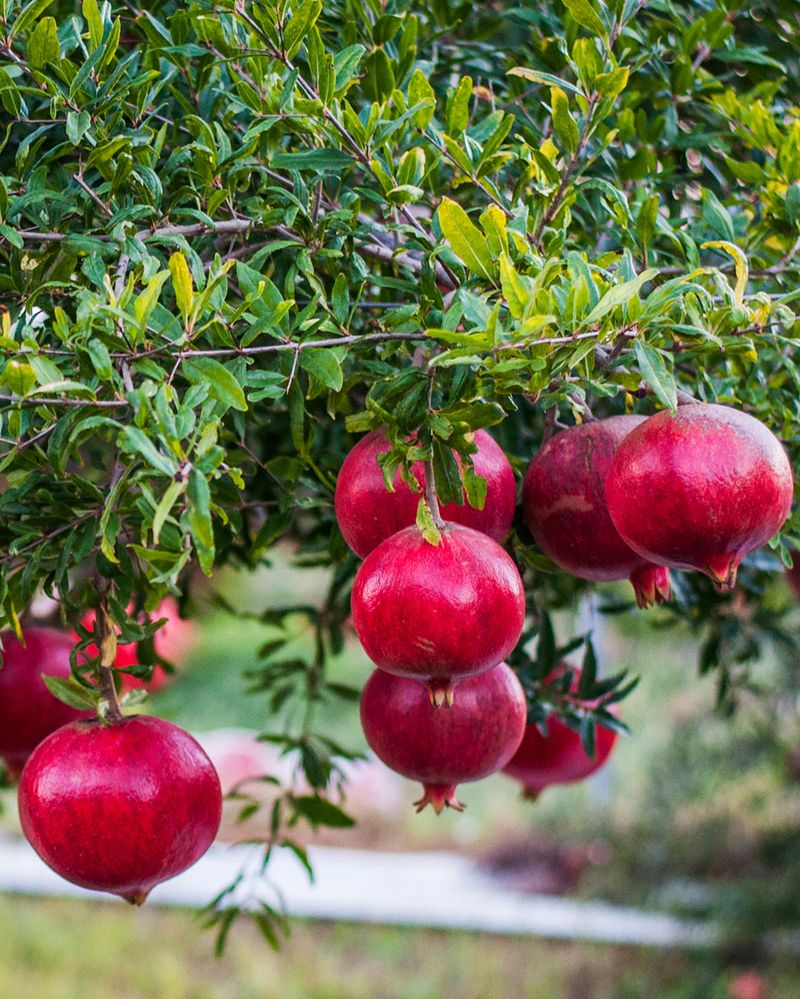
Wonderful pomegranates dominate commercial production in California for good reason – they produce large, flavorful fruit with deep red arils and excellent juice quality. These trees actually need significant summer heat to develop the best fruit flavor and color, making them ideal for Sacramento Valley, San Joaquin Valley, and inland Southern California gardens.
Granada is another superb variety for hot California backyards, offering slightly earlier ripening than Wonderful and fruit with a softer seed. Pomegranates are among the most drought-tolerant fruit trees once established, though they produce larger, juicier fruit with occasional deep watering during the growing season.
The trees naturally grow as large shrubs or small trees, typically reaching 12-15 feet tall with an attractive rounded form.
Plant pomegranates in full sun where they’ll receive maximum heat exposure throughout the day. They tolerate poor soils better than most fruit trees, though they appreciate good drainage.
Pruning can be minimal – just remove suckers from the base and thin out crowded interior branches to improve air circulation and fruit quality.
In late spring, pomegranates across California open bright orange-red flowers that add ornamental interest before fruit even begins to form. By fall, usually September through November, the fruit ripens after a long stretch of summer heat that deepens both sweetness and color.
Because split fruit can occur with irregular watering, maintaining consistent soil moisture during development helps protect the crop.