These 10 Tips Make Growing Hydrangeas In Florida Much Easier
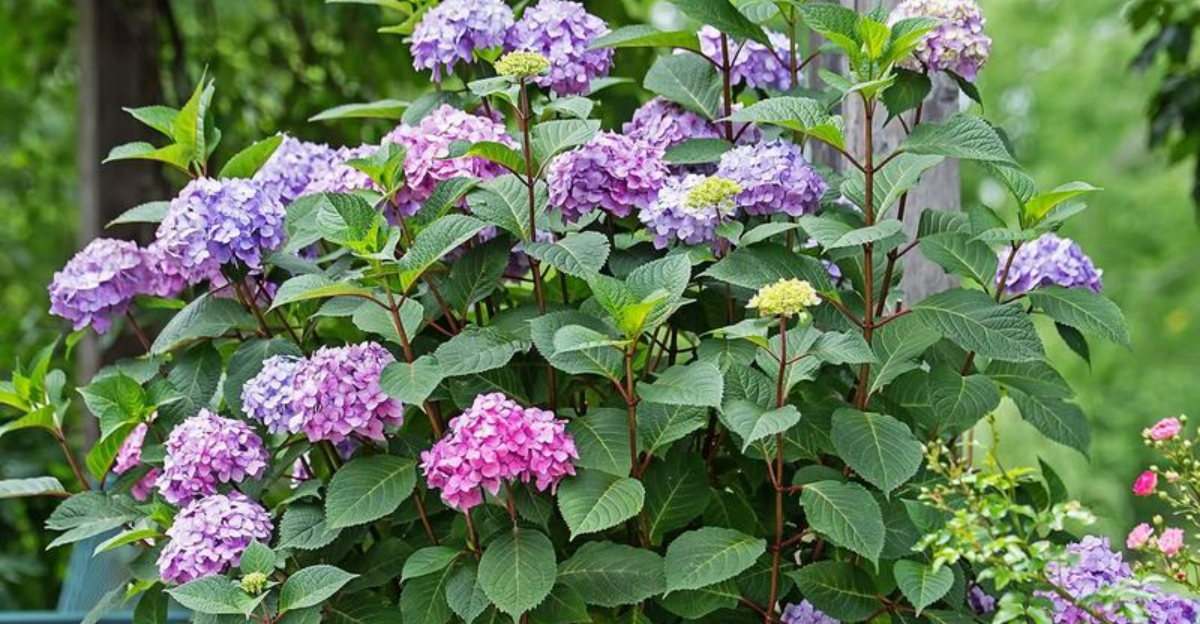
Growing hydrangeas in Florida feels impossible for many gardeners. Between blazing heat, sandy soil, surprise downpours, and brutal summer sun, these beautiful plants often struggle to survive, let alone bloom.
But the truth is, hydrangeas can thrive in Florida when you know what actually works in our climate. Small changes like choosing the right varieties, planting in the best light, improving soil moisture, and adjusting watering habits can completely transform your results.
The difference between weak plants and full, colorful blooms often comes down to a few simple mistakes most gardeners never realize they are making.
If your hydrangeas keep wilting, refusing to flower, or burning in the sun, this guide breaks down exactly how Florida gardeners are getting better growth, stronger plants, and longer-lasting blooms.
These proven tips can help turn struggling shrubs into show-stopping landscape favorites.
1. Choose Heat-Tolerant Hydrangea Varieties
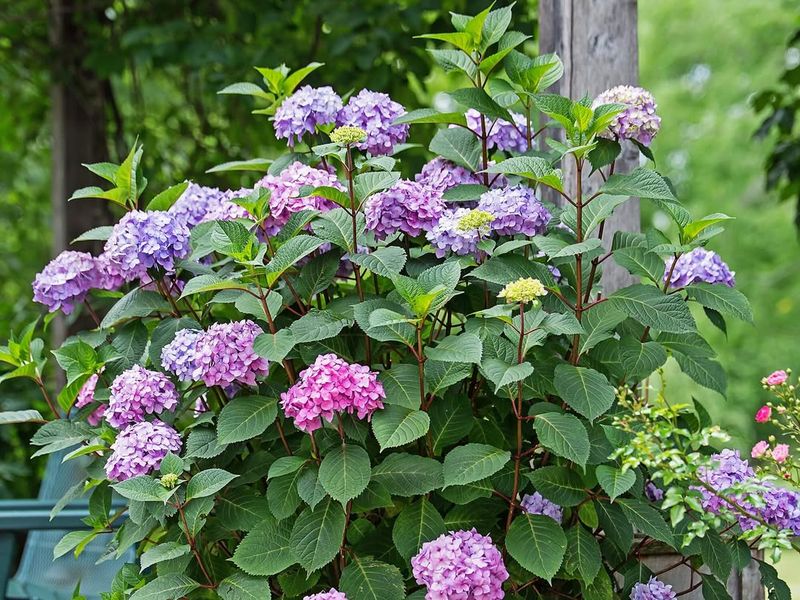
Not all hydrangeas can handle the blazing Florida sun and high humidity that define your summer months. Your best bet is to start with varieties bred to tolerate warmer climates, especially oakleaf hydrangeas and certain bigleaf types that have been tested in Southern gardens.
Oakleaf hydrangeas are native to the Southeast, which means they already understand your weather patterns and soil conditions. They produce cone-shaped white blooms that age to pink, and their foliage turns gorgeous shades of red and burgundy in fall.
Bigleaf hydrangeas like Endless Summer and Let’s Dance series have been specifically developed to rebloom throughout the season and tolerate heat better than older varieties, but they perform best in North Florida and protected, shaded areas of Central Florida. You will also find success with panicle hydrangeas, though they prefer a bit more sun than other types.
When you shop for plants, look for tags that mention heat tolerance or Southern performance. University of Florida IFAS Extension recommends sticking with proven performers rather than experimenting with varieties meant for cooler zones.
UF/IFAS specifically identifies oakleaf hydrangeas as the most reliable performers statewide, with bigleaf hydrangeas best suited to North Florida landscapes. Your local nursery staff can point you toward hydrangeas that have succeeded in your specific region of the state.
2. Plant In Morning Sun With Afternoon Shade
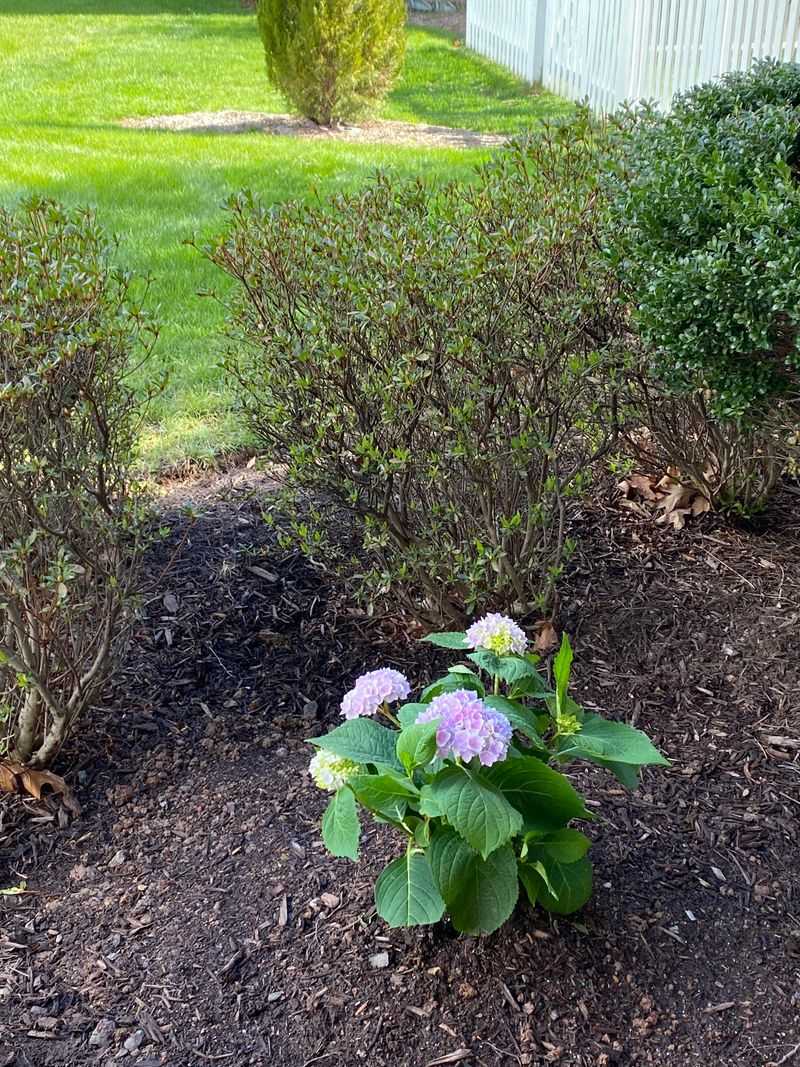
Your hydrangeas need sunlight to produce those gorgeous blooms, but too much direct afternoon sun in Florida can scorch leaves and stress plants quickly. Aim for a spot that receives morning light and gets shaded during the hottest part of the day, typically from noon until late afternoon.
Morning sun is gentler and helps dry dew from leaves, which reduces the risk of fungal problems that thrive in humid Florida conditions. Afternoon shade protects your plants when temperatures spike above ninety degrees and the sun beats down most intensely.
Consider planting your hydrangeas on the east side of your home, under the canopy of tall trees, or near structures that provide natural afternoon protection. If you have a fence or shed that casts shade in the afternoon, that can work beautifully as well.
You can also use shade cloth temporarily during the hottest months if your hydrangeas are struggling with too much sun exposure. Florida Friendly Landscaping guidelines emphasize the importance of matching plants to light conditions, so take time to observe how sunlight moves across your yard before you dig that first hole.
Your Florida Garden Changes Every Week. Your Plan Should Too.
Gardening in Florida changes quickly throughout the season. Every Friday you’ll receive a simple weekly plan showing exactly what to plant, prune, fertilize, harvest, and protect so you never miss the right timing.
3. Improve Soil With Organic Matter
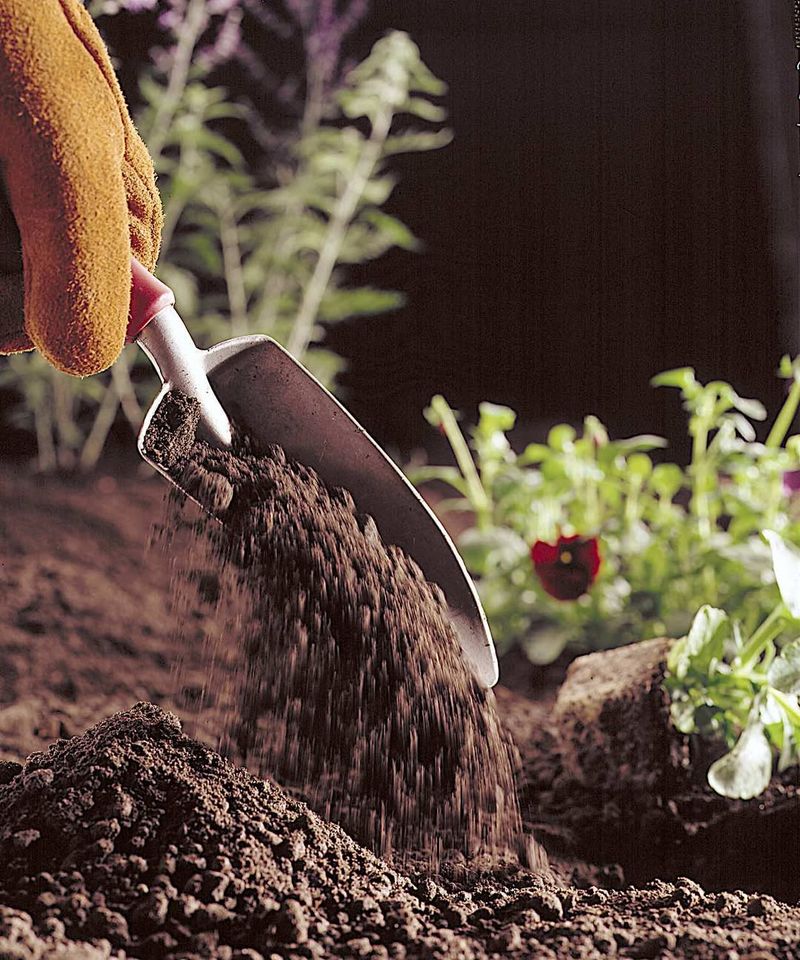
Florida soil tends to be sandy and low in nutrients, which can leave your hydrangeas struggling to establish strong roots and produce vibrant blooms. Before you plant, work plenty of organic matter into your soil to improve its structure, water retention, and nutrient content.
Compost is your best friend here because it enriches the soil while helping it hold moisture without becoming waterlogged. Mix several inches of compost into the planting area, along with aged manure or leaf mold if you have access to those materials.
Pine bark fines or compost can also help improve soil moisture retention and slightly acidify soil, which hydrangeas generally prefer, though Florida soils are often naturally acidic depending on your location. You can test your soil pH with an inexpensive kit from a garden center or through your county extension office.
When you amend your soil properly, your hydrangeas develop deeper root systems that can access water and nutrients more effectively throughout the growing season. University of Florida research shows that organic matter improves sandy soil structure significantly, making it easier for plants to thrive in challenging conditions.
4. Maintain Consistently Moist Soil
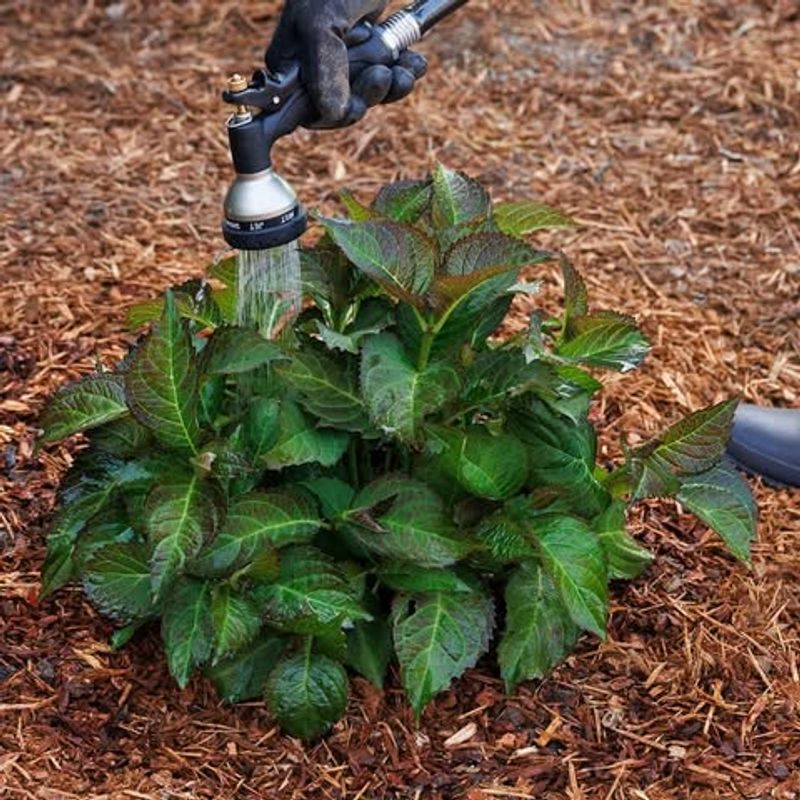
Hydrangeas are thirsty plants that suffer quickly when their roots dry out, especially during Florida’s long, hot growing season. Your goal is to keep the soil consistently moist but never soggy, which can be tricky in sandy soil that drains rapidly.
Check the soil moisture regularly by sticking your finger about two inches down into the ground near the plant base. If it feels dry at that depth, it is time to water deeply and thoroughly until moisture reaches the root zone.
During the hottest months, newly planted hydrangeas or plants under extreme heat stress may need watering every one to two days, while established plants usually need deep watering two to three times per week depending on rainfall and soil conditions. In cooler months, you can usually cut back to once or twice a week as temperatures drop and evaporation slows.
Drip irrigation or soaker hoses work wonderfully for hydrangeas because they deliver water directly to the root zone without wetting the foliage, which helps prevent fungal diseases. Avoid overhead watering whenever possible, especially in the evening when leaves stay wet overnight and invite problems.
Florida Friendly Landscaping principles encourage efficient watering practices that conserve resources while keeping plants healthy and happy.
5. Use Mulch To Protect Roots
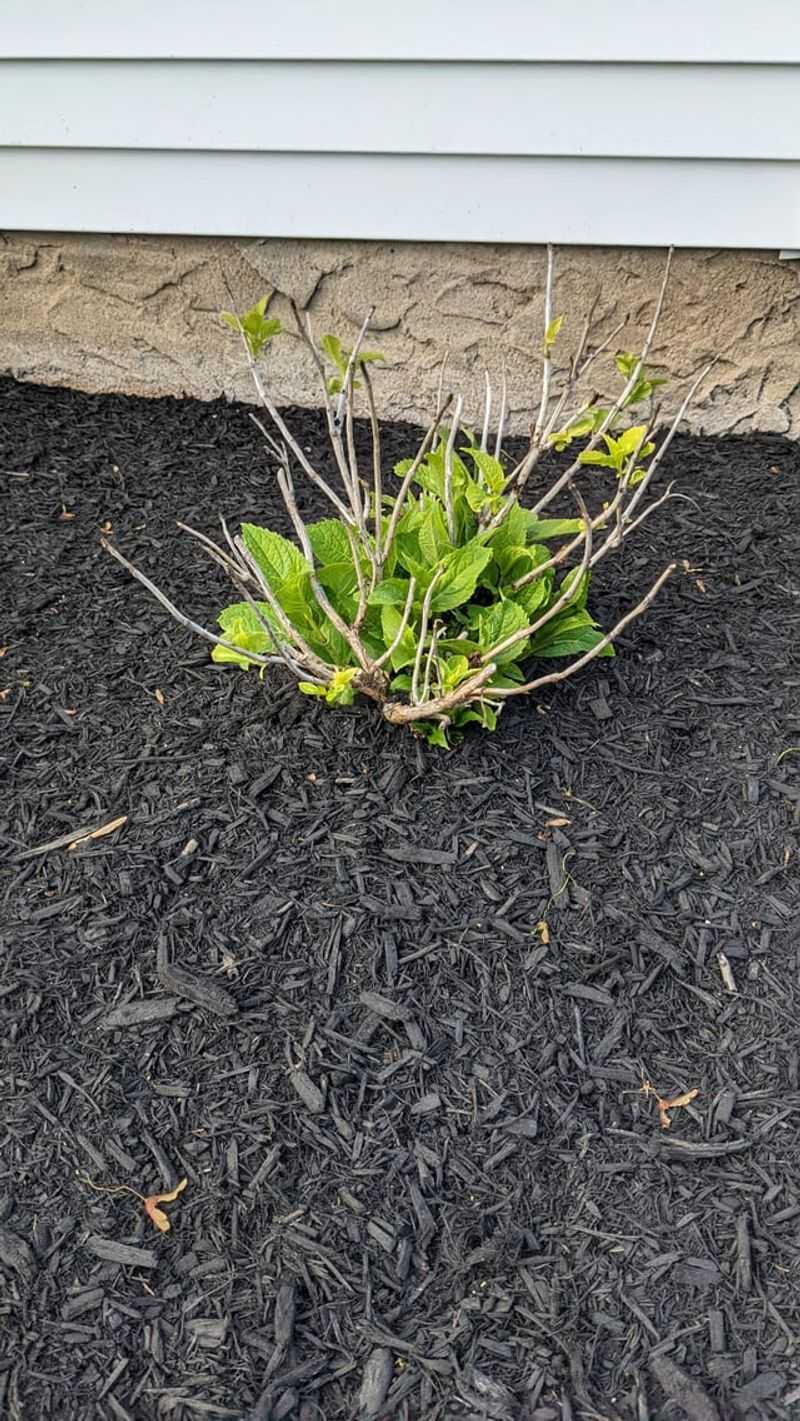
Mulch is one of your most powerful tools for growing healthy hydrangeas in Florida because it moderates soil temperature, retains moisture, and suppresses weeds that compete for nutrients. Apply a two to three inch layer of organic mulch around your plants, keeping it a few inches away from the stems to prevent rot.
Pine bark, wood chips, and pine straw all work well as mulch options in Florida gardens. They break down slowly and add organic matter to the soil over time, which continues to improve soil structure and fertility.
Mulch keeps roots cooler during scorching summer days and helps prevent moisture from evaporating too quickly from sandy soil. It also creates a barrier that reduces soil splash onto leaves during heavy rains, which can spread fungal spores.
Replenish your mulch layer once or twice a year as it decomposes, especially after hurricane season when heavy rains and wind may wash it away. University of Florida IFAS Extension recommends organic mulches for ornamental plants because they provide multiple benefits beyond simple weed control, making them an essential part of your hydrangea care routine.
6. Fertilize Lightly And Correctly
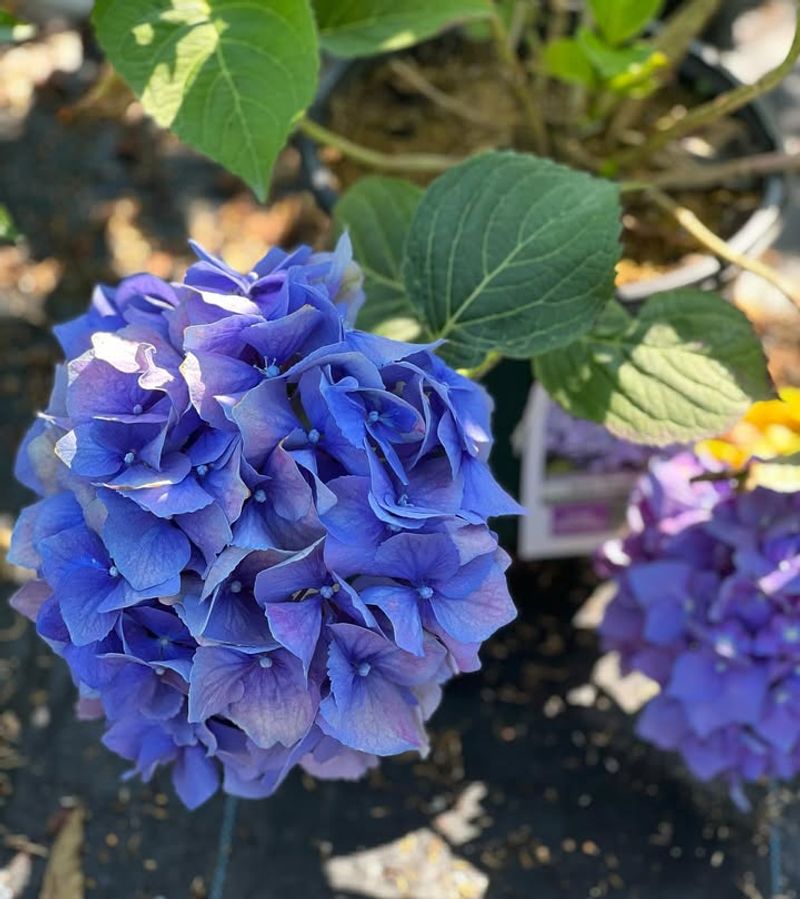
Hydrangeas need nutrients to produce abundant blooms, but over-fertilizing can burn roots and encourage leafy growth at the expense of flowers. Your best approach is to fertilize lightly and at the right times during the growing season.
Use a balanced slow-release fertilizer formulated for acid-loving plants, applying it in early spring just as new growth emerges. You can apply a second light feeding in early summer if your plants seem to need a boost, but avoid fertilizing after mid-summer.
Late-season fertilization encourages tender new growth that can be damaged by occasional cold snaps in fall and winter, even in Florida. Always follow package directions carefully and water thoroughly after applying fertilizer to help nutrients reach the root zone.
Organic options like compost tea or fish emulsion can also provide gentle nutrition without the risk of burning plants. University of Florida guidelines suggest testing your soil every few years to understand what nutrients your plants actually need, rather than guessing and potentially creating imbalances.
When you fertilize correctly, your hydrangeas reward you with stronger stems, healthier foliage, and more prolific blooms throughout the season.
7. Prune Based On Hydrangea Type
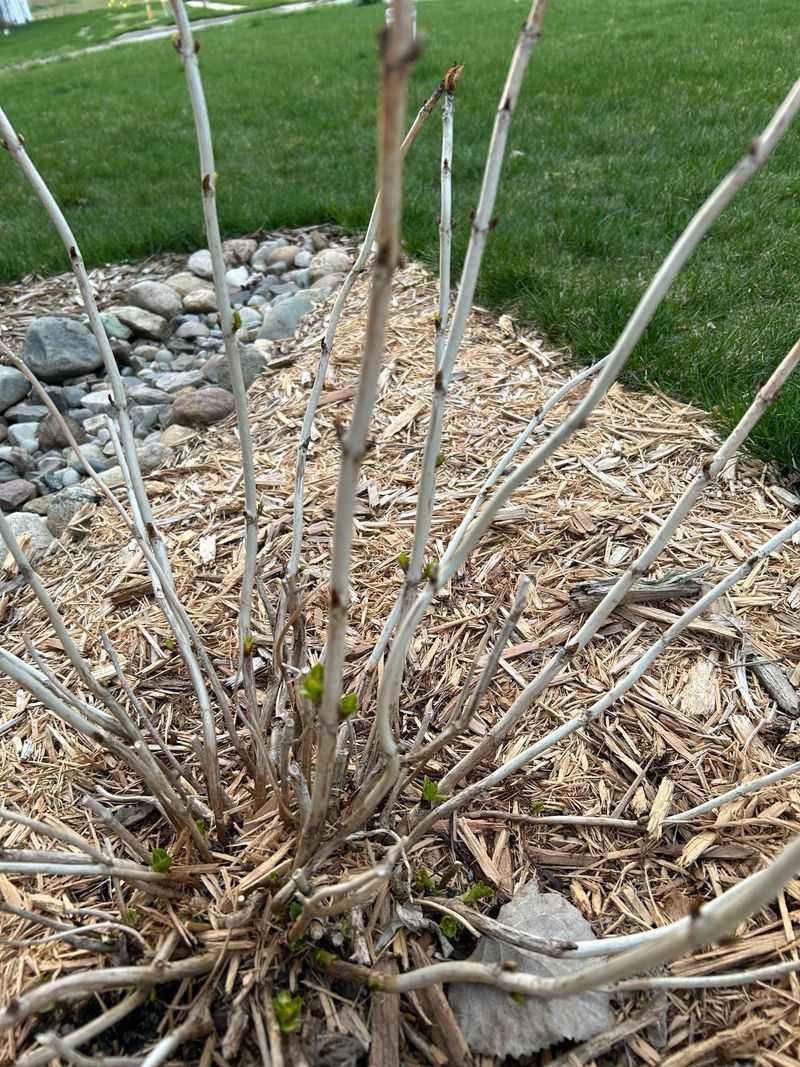
Pruning at the wrong time can eliminate an entire season of blooms, so understanding when and how to prune your specific hydrangea variety is crucial. Different types bloom on different wood, which determines the best pruning schedule for your plants.
Oakleaf and bigleaf hydrangeas bloom on old wood, meaning they set their flower buds the previous season. Prune these types immediately after flowering ends, typically in summer, and remove only spent blooms and damaged branches.
Panicle and smooth hydrangeas bloom on new wood produced during the current growing season, so you can prune them in late winter or early spring before new growth starts. Cut them back more aggressively if needed to control size or shape.
Reblooming varieties like Endless Summer produce flowers on both old and new wood, giving you more flexibility with pruning timing. Remove spent blooms throughout the season to encourage continuous flowering, and do any major shaping in early spring.
University of Florida IFAS Extension provides detailed pruning guides for each hydrangea type, so consult those resources if you are unsure about your specific variety.
8. Protect Plants From Extreme Heat
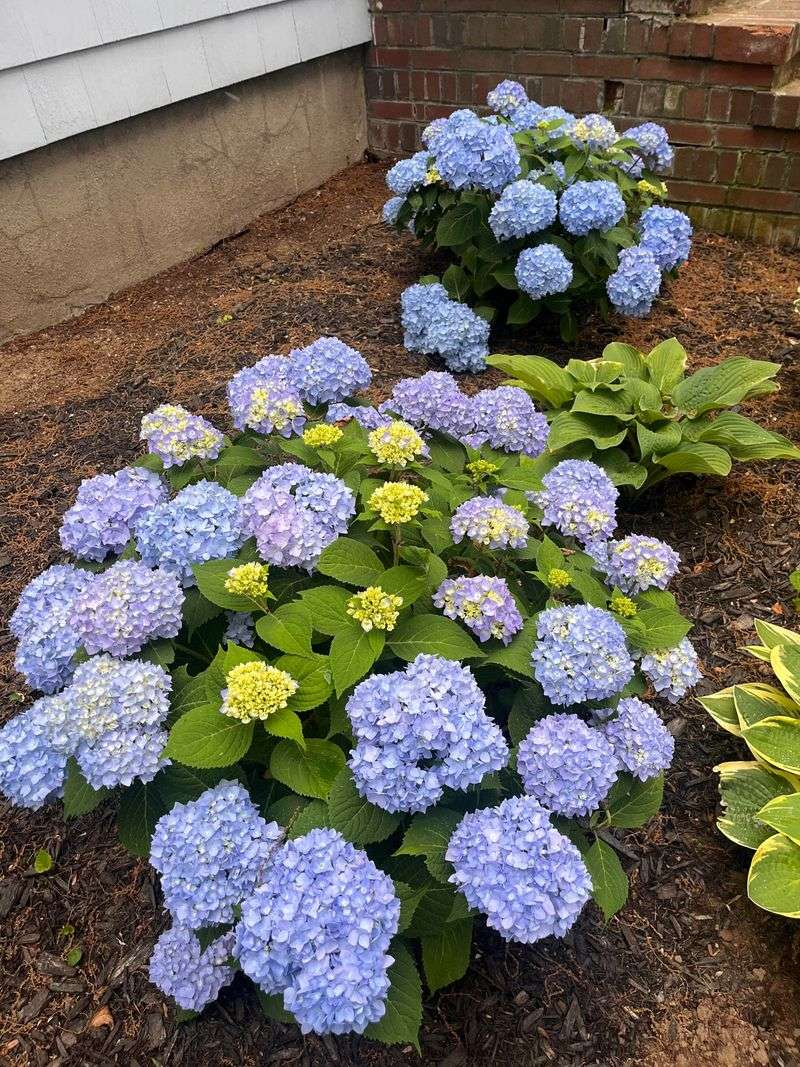
Florida summers can push even heat-tolerant hydrangeas to their limits, especially during prolonged heat waves when temperatures stay above ninety-five degrees for days on end. Your plants need extra protection during these extreme conditions to avoid stress and wilting.
Shade cloth provides temporary relief when heat becomes unbearable, filtering harsh sunlight while still allowing air circulation around your plants. Drape it over stakes or a simple frame to create a protective canopy during the hottest weeks.
Increase watering frequency during heat waves, checking soil moisture twice daily if necessary to ensure roots never dry out completely. Wilted hydrangeas can recover if you catch them quickly, but repeated stress weakens plants and reduces flowering.
Avoid any major pruning or transplanting during extreme heat because these activities put additional stress on already struggling plants. Container-grown hydrangeas may need to be moved to shadier spots temporarily during the worst heat.
Florida Friendly Landscaping practices emphasize working with your climate rather than fighting it, so be prepared to give your hydrangeas extra attention when weather conditions become challenging.
9. Watch For Pests And Fungal Issues
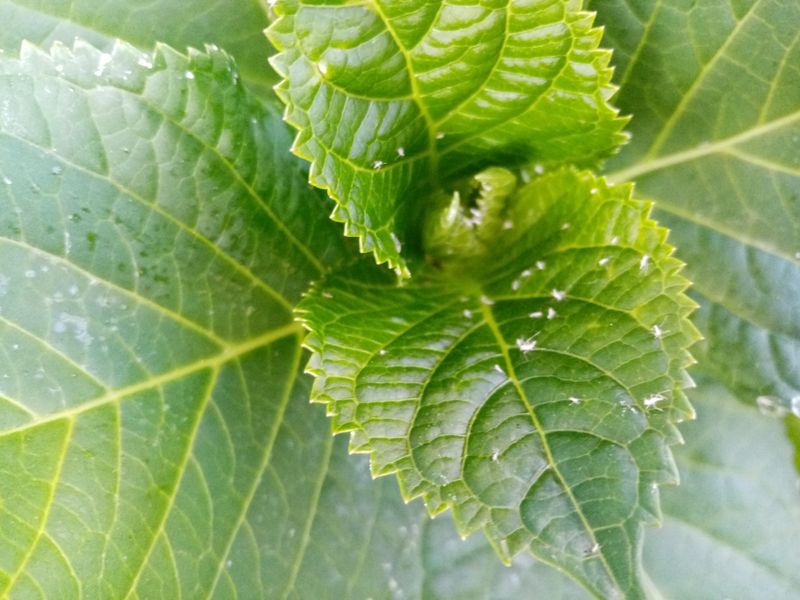
Florida’s warm, humid climate creates perfect conditions for various pests and fungal diseases that can damage your hydrangeas if left unchecked. Regular monitoring helps you catch problems early when they are easiest to manage.
Aphids, spider mites, and scale insects commonly attack hydrangeas, sucking sap from leaves and weakening plants over time. Inspect the undersides of leaves regularly and blast small infestations off with a strong spray of water from your hose.
Powdery mildew and leaf spot diseases appear frequently in humid conditions, especially when foliage stays wet for extended periods. Improve air circulation around plants by spacing them properly and removing crowded growth, and always water at soil level rather than overhead.
Neem oil or insecticidal soap can control many pest problems without harsh chemicals that harm beneficial insects. For fungal issues, remove affected leaves promptly and consider applying organic fungicides if problems persist.
University of Florida IFAS Extension offers identification guides and treatment recommendations for common hydrangea problems specific to your region, making it easier to respond appropriately when issues arise.
10. Water Deeply During Dry Periods
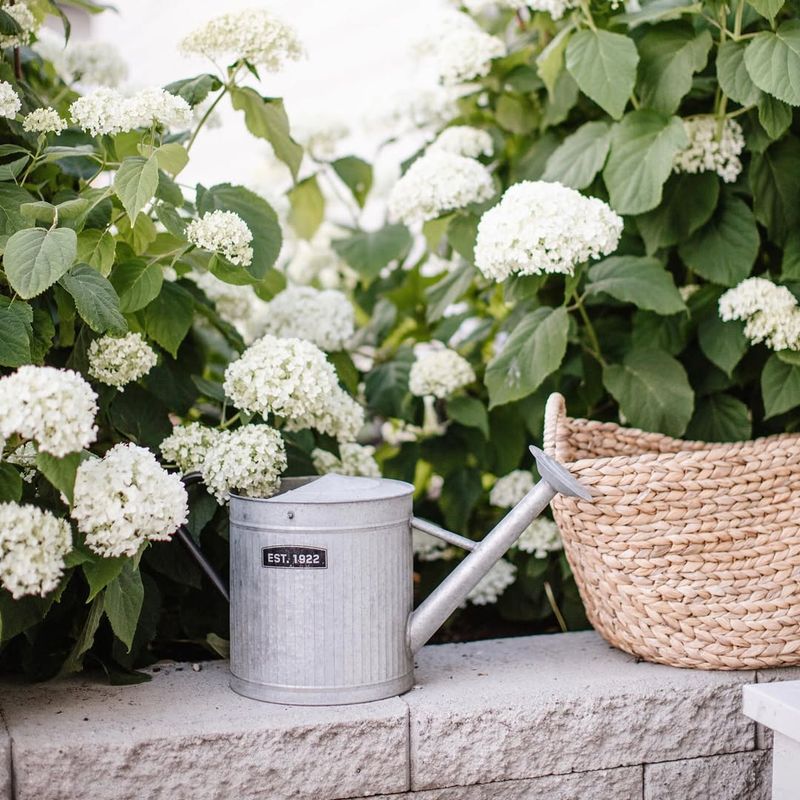
Florida’s rainfall patterns can be unpredictable, with long dry stretches interrupted by occasional heavy downpours that run off quickly without soaking deep into sandy soil. During dry periods, your hydrangeas need deep, thorough watering to maintain healthy root systems and consistent growth.
Shallow, frequent watering encourages roots to stay near the surface where they are more vulnerable to heat and drought stress. Instead, water less often but more deeply, ensuring moisture penetrates at least six to eight inches down into the soil.
A slow trickle from your hose or a soaker system allows water to soak in gradually rather than running off across the surface. Water early in the morning so plants have moisture available during the hottest part of the day.
During extended dry spells, you may need to water established hydrangeas once or twice a week, while newly planted specimens need more frequent attention until their roots establish. Monitor rainfall with a rain gauge and adjust your watering schedule accordingly.
Florida Friendly Landscaping principles encourage deep watering practices that promote strong root development and create more resilient plants capable of handling environmental challenges.