13 Must-Have Pink Perennials For A Stunning Ohio Garden
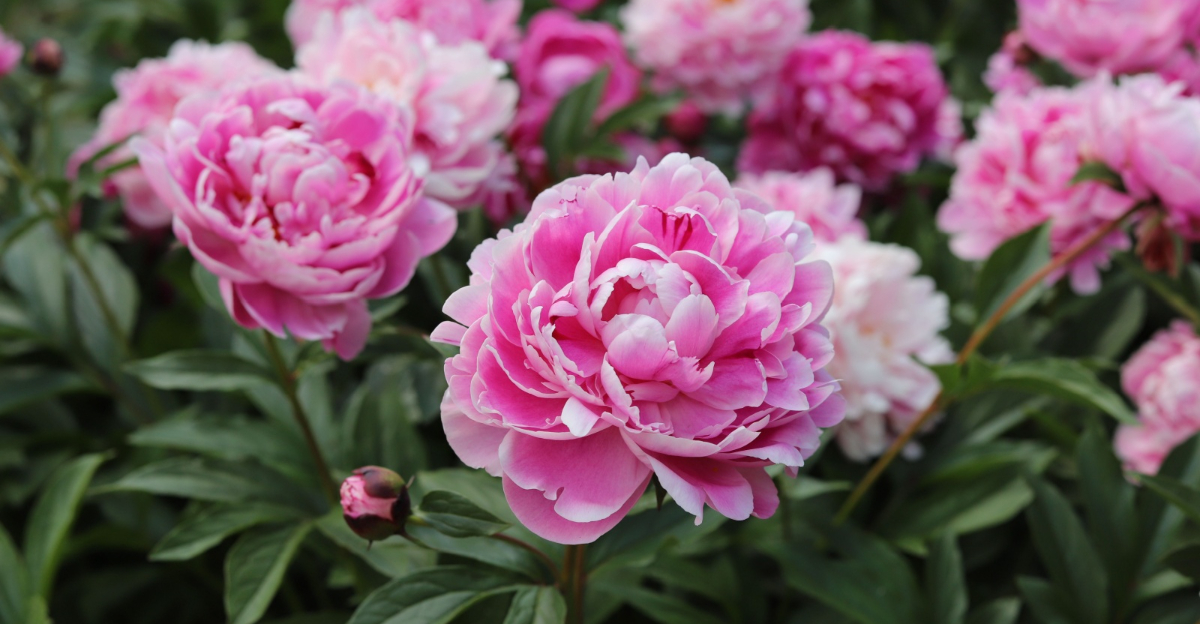
Pink has a way of stealing the spotlight in an Ohio garden. Soft blush blooms glow against fresh spring greens, bold magenta spikes rise above summer borders, and delicate rose tones linger into early fall.
In a climate shaped by snowy winters, humid summers, and shifting seasons, dependable perennials make all the difference.
The right pink varieties return year after year, stronger and fuller, building a landscape that feels layered, romantic, and alive with color.
Ohio gardeners know the thrill of that first burst of spring growth and the satisfaction of plants that handle cold snaps without complaint. Thoughtful plant choices bring steady waves of bloom across the growing season instead of a short lived show.
Lush borders, pollinator friendly beds, and eye catching focal points all benefit from reliable pink performers that thrive in Midwest soil and weather, creating a garden that looks intentional, vibrant, and unforgettable.
1. Peony Delivers Huge Spring Blooms
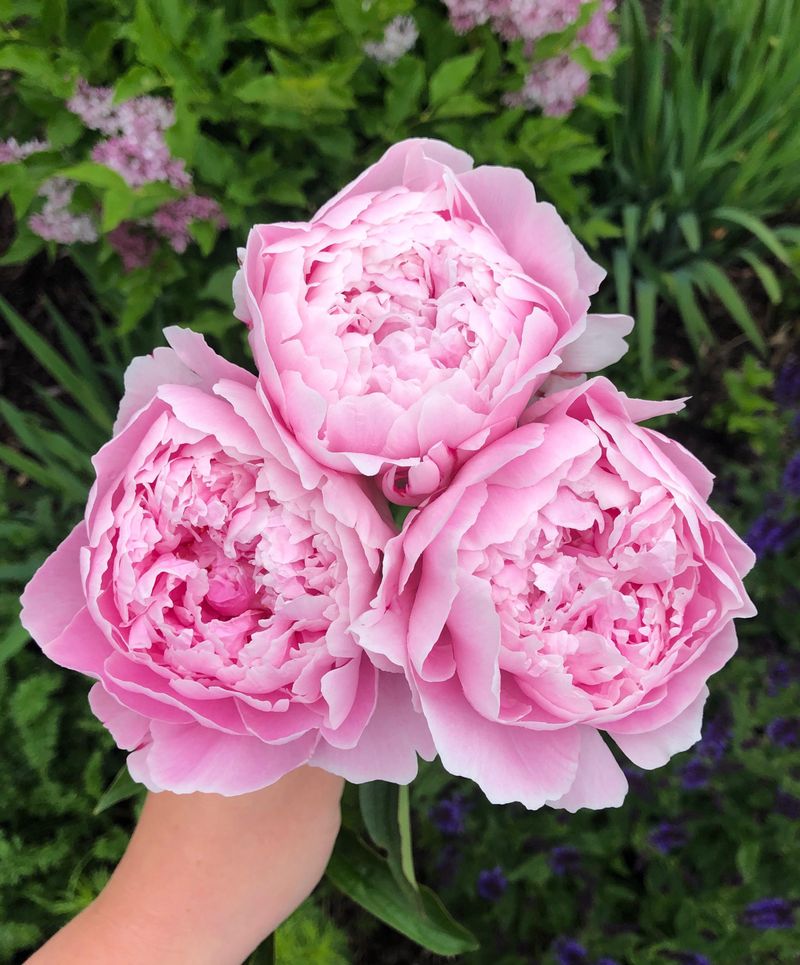
Few flowers match the drama of a peony in full bloom. Their massive flowers, sometimes reaching six inches across, create show-stopping displays that neighbors will notice from the street.
Many varieties produce blooms with such intricate petal arrangements that they look almost artificial in their perfection.
Ohio’s cold winters actually benefit peonies since they need that chill period to set buds properly. Plant them where they’ll get at least six hours of direct sun, and they’ll reward you with decades of reliable blooms.
Once established, these plants can outlive the gardener who planted them, making them true heirloom additions.
The key to success is shallow planting. Set the eyes no more than two inches below soil level, or you’ll wait years for flowers that never come.
Peonies also need good air circulation and well-draining soil, which most Ohio gardens provide naturally.
Support rings installed early prevent those heavy blooms from flopping after rain. Pink varieties range from pale blush to deep coral, giving you options for any color scheme.
Once June arrives, your peony patch becomes the garden’s focal point without requiring constant attention or fussing.
2. Coneflower Thrives In Heat And Drought
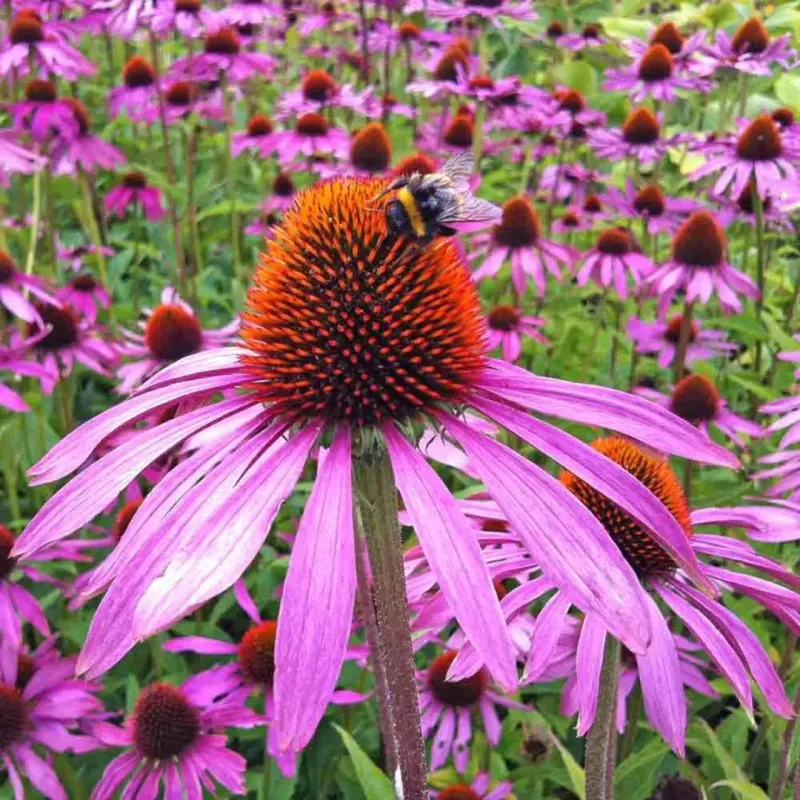
Native to Ohio’s prairies and meadows, coneflowers handle our summer heat without breaking a sweat. Their sturdy stems stand tall even during drought, and their nectar-rich blooms draw butterflies and bees throughout the entire summer.
These tough plants laugh at neglect while looking beautiful doing it.
Pink coneflowers start blooming in June and continue well into September if you deadhead spent flowers regularly. The petals radiate around raised centers that goldfinches adore in late summer and fall.
Watching these birds cling to seedheads while extracting seeds adds movement and life to your garden.
Ohio’s clay soil doesn’t faze coneflowers as long as drainage is reasonable. They actually prefer lean soil over rich, amended beds that can cause floppy growth.
Full sun produces the most flowers, though they’ll tolerate light afternoon shade without complaint.
Space plants about two feet apart since they fill in nicely over time. Their deep taproots make them drought-tolerant once established, requiring water only during extended dry spells.
Your Ohio Garden Changes Every Week. Your Plan Should Too.
Gardening in Ohio changes quickly throughout the season. Every Friday you’ll receive a simple weekly plan showing exactly what to plant, prune, fertilize, harvest, and protect so you never miss the right timing.
Powdery mildew rarely bothers them, and deer typically pass them by in favor of tastier options elsewhere in the yard.
3. Garden Phlox Brings Fragrant Summer Color
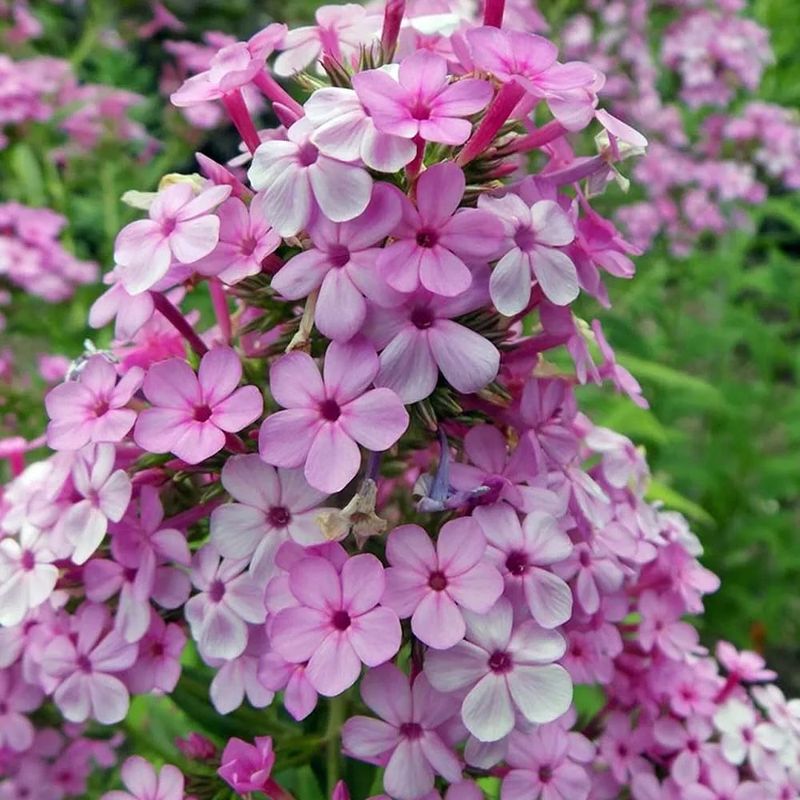
Walk past blooming garden phlox on a warm evening and you’ll understand why gardeners have grown this plant for generations. Its sweet perfume fills the air when temperatures rise, creating a sensory experience that photographs can’t capture.
Those dense flower clusters sit atop three-foot stems that command attention in any border.
Midsummer can feel like a lull between spring’s rush and fall’s finale, but phlox fills that gap perfectly. Pink varieties range from soft pastel shades to vibrant magenta, all producing those signature rounded flower heads.
Each cluster contains dozens of individual blooms that open over several weeks.
Ohio’s humidity presents the main challenge with phlox since crowded plants develop powdery mildew on their leaves. Combat this by spacing plants at least two feet apart and choosing mildew-resistant varieties like ‘Bright Eyes’ or ‘David’ with pink blooms.
Good air circulation makes all the difference.
Plant them in full sun with consistent moisture during their blooming period. Deadheading encourages additional flower production and prevents unwanted seedlings that rarely match the parent plant’s quality.
Dividing clumps every three years keeps them vigorous and reduces disease pressure while giving you extras to spread around the garden.
4. Daylily Blooms Reliably Every Year
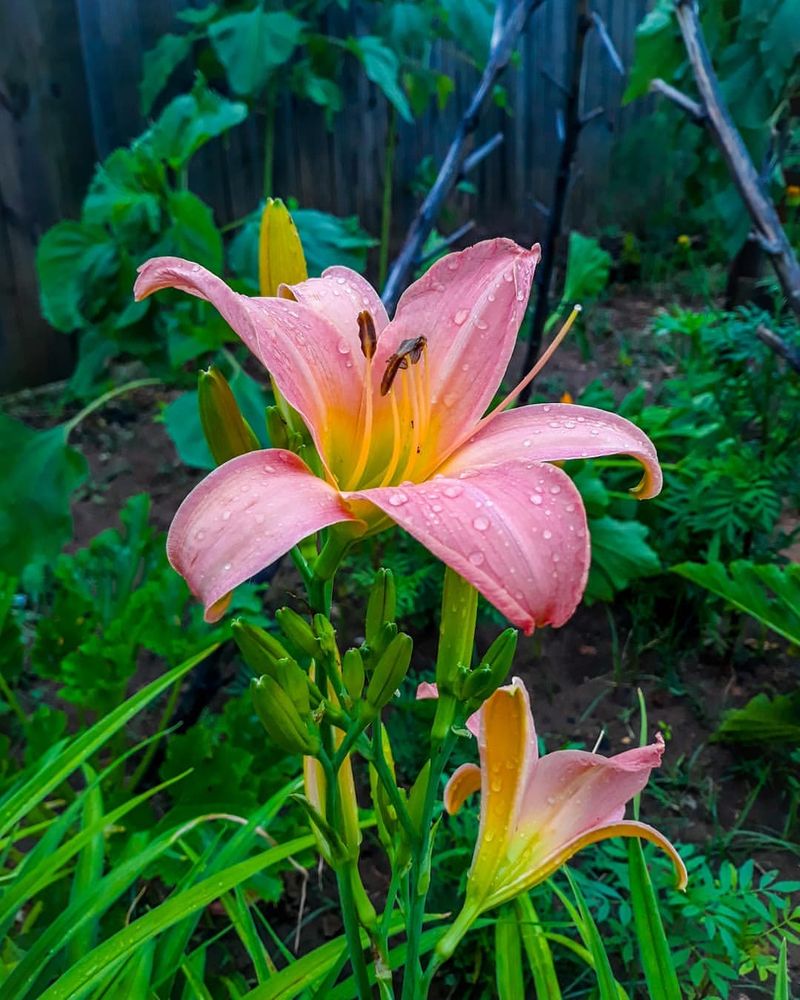
Daylilies earn their reputation as the perfect perennial for busy gardeners. Each flower lasts just one day, but plants produce so many buds that the show continues for weeks without interruption.
Pink varieties offer everything from peachy tones to deep rose shades, often with contrasting throats that add extra visual interest.
Ohio’s variable soil conditions don’t bother daylilies one bit. They grow in clay, sand, or anything in between as long as water doesn’t stand around their crowns.
Full sun produces the most blooms, though they’ll flower reasonably well with just four hours of direct light.
Reblooming varieties extend the season significantly, with some producing flowers from June clear through September. These workhorses multiply steadily, forming dense clumps that suppress weeds while filling space beautifully.
When clumps become too crowded after four or five years, simply dig and divide them in early spring or fall.
Their strappy foliage stays attractive even when flowers finish, unlike some perennials that look ragged by August. Daylilies rarely need staking, resist most pests and diseases, and tolerate drought once established.
Pair them with later-blooming perennials to keep your beds interesting throughout the growing season without constant maintenance demands.
5. Astilbe Brightens Shady Gardens
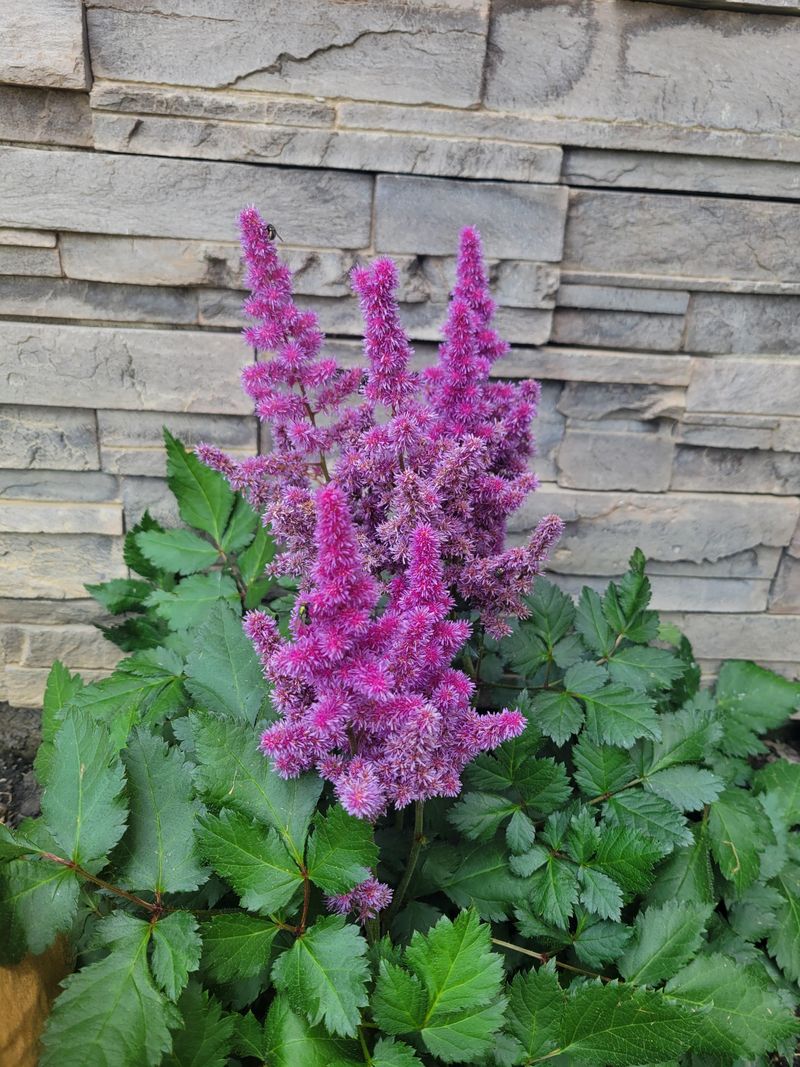
Shady spots often challenge gardeners, but astilbe turns those areas into highlights. Its feathery plumes rise above mounds of fern-like foliage, creating texture that few shade plants can match.
Pink varieties glow in low light conditions where many flowers would sulk and refuse to bloom.
Ohio gardeners should think of astilbe as a moisture-loving plant that rewards consistent watering with spectacular displays. Plant them near downspouts, in rain gardens, or anywhere soil stays evenly moist but not waterlogged.
They’ll tolerate morning sun but prefer protection from hot afternoon rays that can scorch their delicate leaves.
The plumes emerge in early to midsummer depending on variety, standing anywhere from one to four feet tall. Those airy flowers contrast beautifully with hostas, ferns, and other shade garden staples.
Even after blooms fade, the seedheads add interest well into fall.
Mulch helps retain the moisture astilbe craves while keeping roots cool during Ohio’s warm summers. Divide crowns every three or four years to maintain vigor and flower production.
These plants struggle in dry shade under maples or in competition with tree roots, so save them for spots where you can provide adequate water throughout the growing season.
6. Bleeding Heart Steals The Spring Show
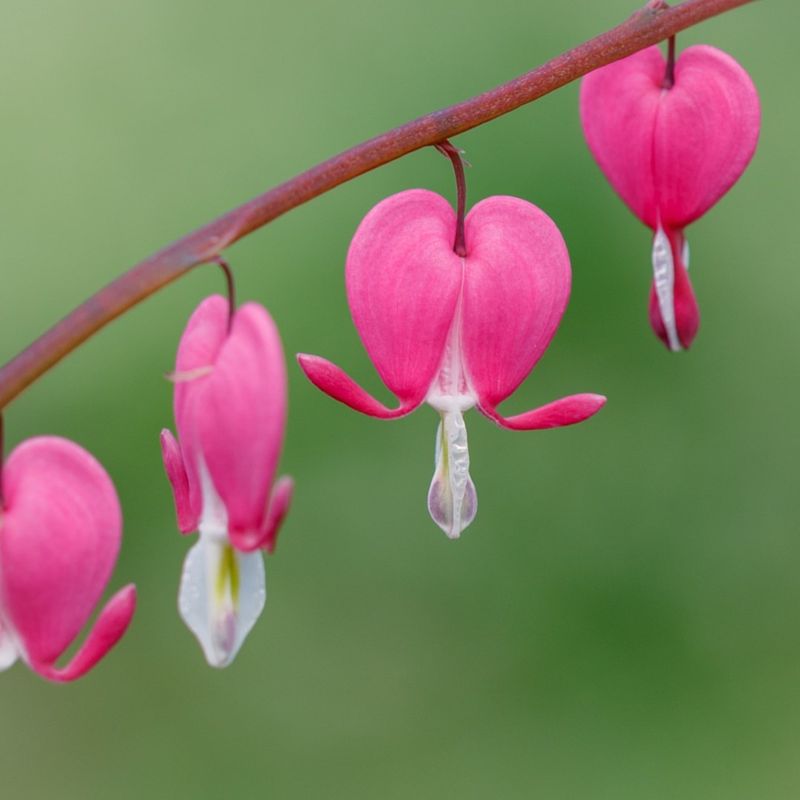
Those dangling heart-shaped flowers never fail to charm visitors who spot them for the first time. Bleeding hearts bloom just as spring ephemerals finish, bridging the gap before summer perennials take over.
Their arching stems create graceful lines that soften garden edges and woodland paths.
Ohio’s spring conditions suit bleeding hearts perfectly since they prefer cool temperatures and moisture. Plant them in partial to full shade where they’ll receive protection from intense afternoon sun.
They pair naturally with ferns, hostas, and other woodland plants that share similar growing requirements.
The foliage typically goes dormant by midsummer, especially in warmer, drier locations. This natural cycle isn’t a problem if you plan ahead by surrounding bleeding hearts with later-emerging perennials that fill the gap.
Ferns work particularly well since their fronds expand just as bleeding heart leaves begin to yellow.
These plants resent being moved once established, so choose their location carefully from the start. Rich, organic soil with good drainage supports healthy growth and abundant flowering.
Pink varieties range from pale shell pink to deeper rose tones, all dangling from those distinctive stems.
Avoid planting them where foot traffic might damage their brittle stems during their brief but memorable spring performance.
7. Hardy Hibiscus Survives Ohio Winters
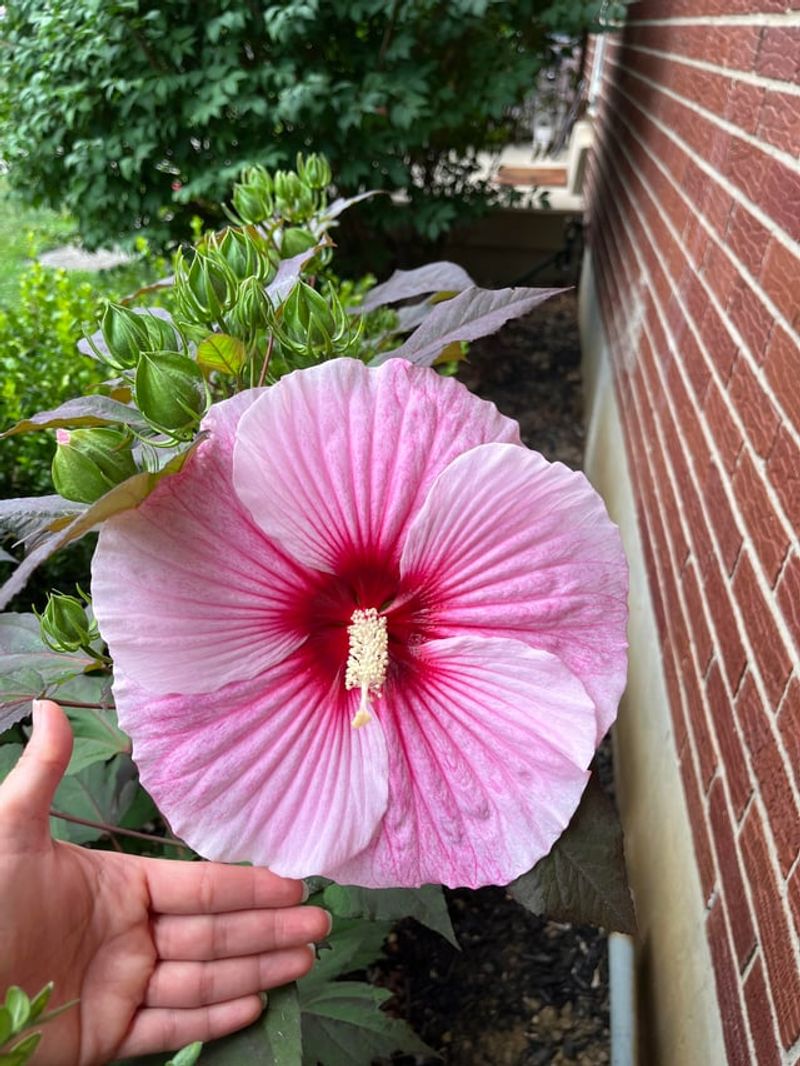
Dinner-plate-sized blooms stop people in their tracks when hardy hibiscus hits its stride in late summer. Each flower measures six to ten inches across, creating tropical impact in a plant that survives Ohio winters without protection.
Pink varieties often feature deep red eyes that draw attention to their prominent stamens.
Patience pays off with hardy hibiscus since they emerge late in spring, sometimes not showing growth until May. Mark their location so you don’t accidentally dig into them while planting annuals.
Once they start growing, they shoot up quickly, reaching four to six feet by bloom time.
These plants demand full sun and consistent moisture, especially during their flowering period. Ohio’s summer heat doesn’t faze them as long as water stays available.
Clay soil works fine since they actually prefer heavier ground that retains moisture better than sandy conditions.
Each flower lasts just one day, but plants produce so many buds that the show continues for weeks. Japanese beetles sometimes chew the foliage, though they rarely cause serious damage to these vigorous growers.
Cut stems to the ground after frost blackens them in fall, then mulch lightly for winter.
Come spring, wait patiently for those late shoots to emerge and start their impressive growth cycle all over again.
8. Sedum Autumn Joy Shines In Fall
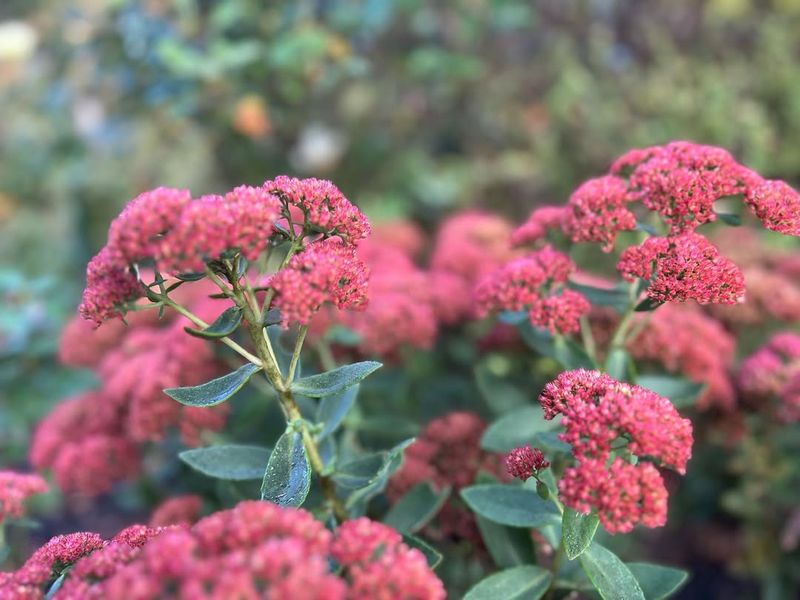
While other perennials wind down in fall, Autumn Joy sedum just hits its peak. Those flat-topped flower clusters start pale pink in late summer, then deepen to rosy mauve as temperatures cool.
Butterflies mob the blooms during September and October, making this plant essential for pollinator gardens.
Drought tolerance makes sedum perfect for Ohio’s unpredictable rainfall patterns. Its succulent leaves store water, allowing plants to sail through dry spells that stress other perennials.
Full sun and well-drained soil are the only real requirements, making it ideal for challenging spots where other plants struggle.
The fleshy foliage stays attractive all season, forming neat mounds about two feet tall and wide. Those flower clusters emerge green in summer, adding interest even before they begin their color transformation.
By late fall, they turn coppery bronze and hold their form through winter, providing structure when most perennials have collapsed.
Sedum rarely needs dividing and resists virtually all pests and diseases. Deer leave it alone, and rabbits ignore it completely.
The only maintenance required is cutting back old stems in early spring before new growth emerges.
Plant it along walkways, in rock gardens, or anywhere you need reliable color and texture without constant attention or special care.
9. Coral Bells Adds Colorful Foliage
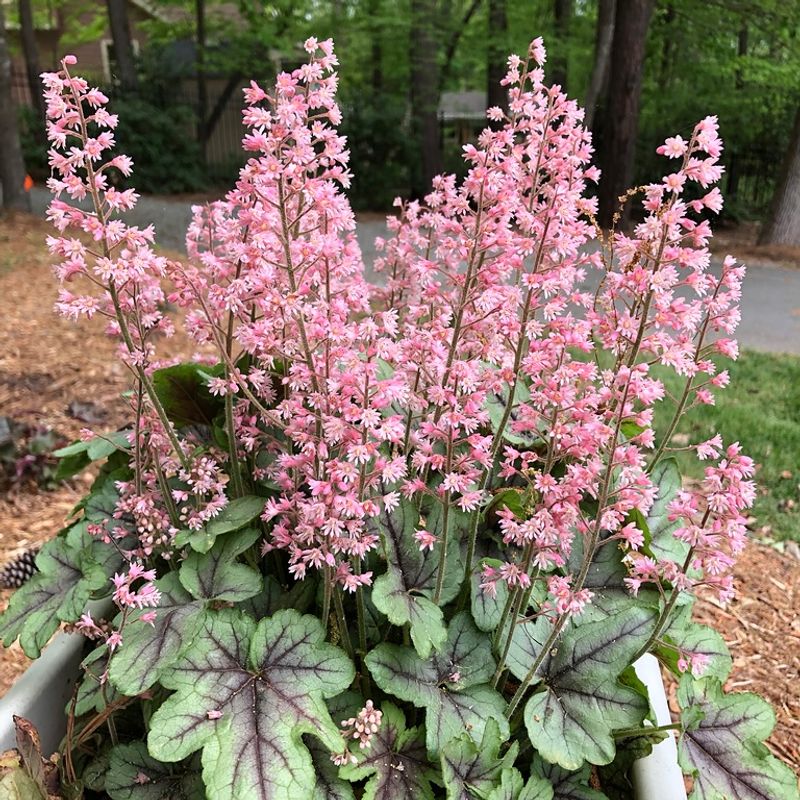
Coral bells changed the perennial game when breeders developed varieties with spectacular foliage in colors beyond plain green. While the delicate pink flowers on wiry stems add charm, it’s those leaves that earn coral bells a permanent spot in Ohio gardens.
Varieties with burgundy, caramel, or lime foliage create season-long interest that flowers alone can’t match.
These compact plants work beautifully along path edges or as front-of-border accents where you can appreciate their foliage details. Most stay under one foot tall, spreading slowly into tidy mounds that never become aggressive.
They handle partial shade better than full sun in Ohio, though morning light with afternoon protection produces the best leaf color.
The airy pink flower spikes emerge in late spring or early summer, rising well above the foliage on stems that seem almost too delicate to support blooms. Hummingbirds visit them regularly, adding movement and life to shady corners where few other hummingbird plants thrive.
Ohio winters sometimes heave coral bells from the ground, so check them in early spring and replant any crowns sitting above soil level. They prefer consistent moisture and well-drained soil, struggling in areas that stay wet during winter.
Divide clumps every three years to maintain vigor, and mulch lightly to protect crowns without smothering them completely.
10. Dianthus Packs Fragrance And Charm
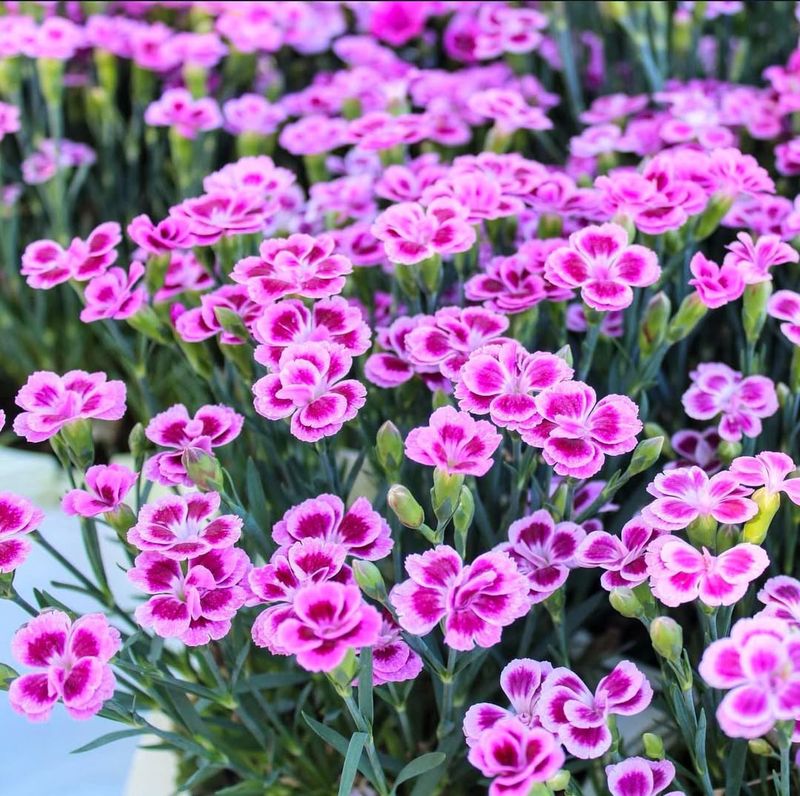
Old-fashioned charm meets modern toughness in dianthus varieties bred for Ohio conditions. Their spicy-sweet fragrance recalls grandmother’s gardens while their compact growth fits today’s smaller landscapes perfectly.
Pink blooms often feature darker centers or picotee edges that add extra visual interest to their fringed petals.
These low-growing plants excel along path edges, in rock gardens, or tucked between stepping stones where you’ll brush against them and release their perfume. Most varieties stay under one foot tall, forming neat cushions of blue-green foliage that looks good even when flowers finish.
Full sun and excellent drainage are essential since dianthus hates wet feet, especially during winter.
Ohio’s clay soil requires amendment with gravel or coarse sand before planting dianthus to ensure water moves through quickly. Raised beds or berms work even better, lifting plants above potentially soggy conditions.
Once established in well-drained spots, they handle summer heat and winter cold without complaint.
Deadheading encourages additional flower production and keeps plants looking tidy through their main bloom period in late spring and early summer. Some varieties rebloom sporadically if you shear them back after the first flush.
Their evergreen foliage provides winter interest in milder years, though harsh cold may damage leaves without affecting the plant’s survival or next season’s performance.
11. Bee Balm Attracts Hummingbirds And Bees
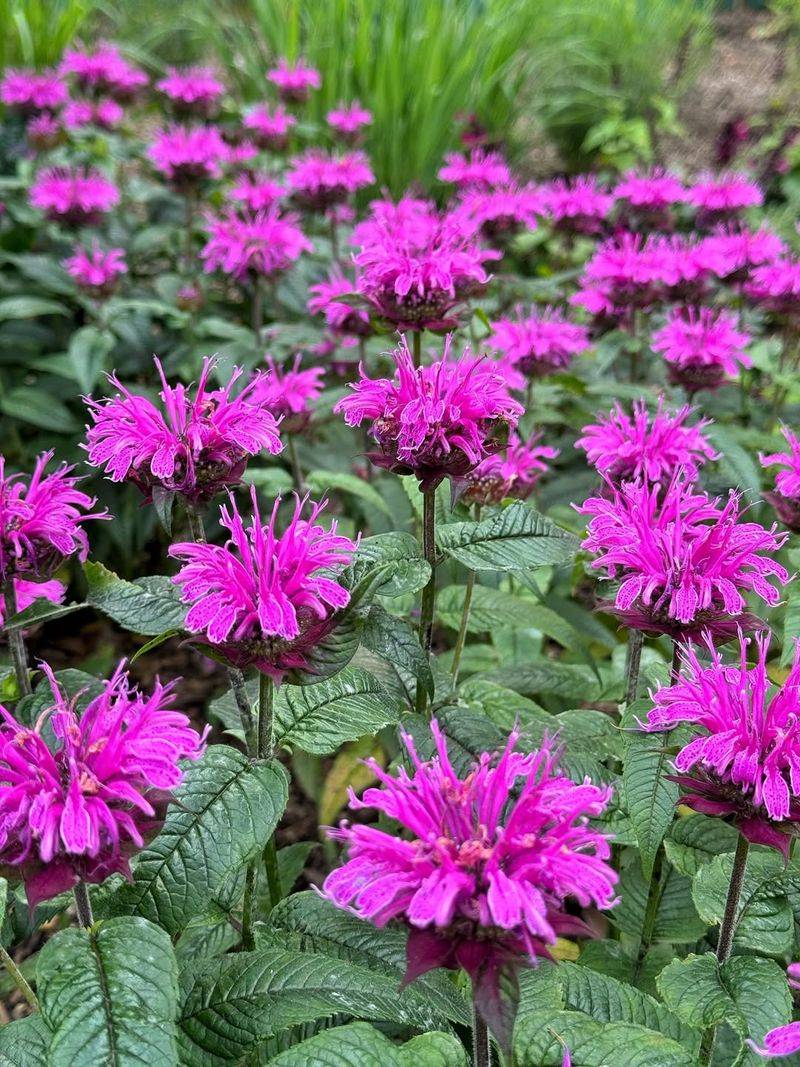
Hummingbirds zip straight to bee balm like it’s marked on their migration maps. Those tubular pink flowers packed into shaggy heads provide exactly the nectar these tiny birds need, while bees and butterflies crowd in for their share.
Watching the pollinator parade makes bee balm worth growing despite its tendency to spread enthusiastically.
This Ohio native thrives in full sun to partial shade, forming patches that expand steadily through underground runners. Give it room to roam in casual cottage gardens or meadow settings where its spreading habit becomes an asset rather than a problem.
Contained settings require regular editing to keep it within bounds.
Powdery mildew plagued older varieties, turning leaves gray and unsightly by midsummer. Modern selections like ‘Marshall’s Delight’ resist this fungal issue much better, especially when planted with adequate spacing for air circulation.
Avoid overhead watering and thin crowded stems in spring to further reduce disease pressure.
The flowers emerge in midsummer and continue for several weeks if you deadhead regularly. Leaves release a distinctive minty fragrance when brushed or crushed, adding another sensory dimension to the garden.
Cut plants back hard after flowering to encourage fresh foliage and sometimes a second bloom flush.
Divide clumps every two or three years to control spread and maintain vigorous flowering on younger sections.
12. Japanese Anemone Blooms Into Fall
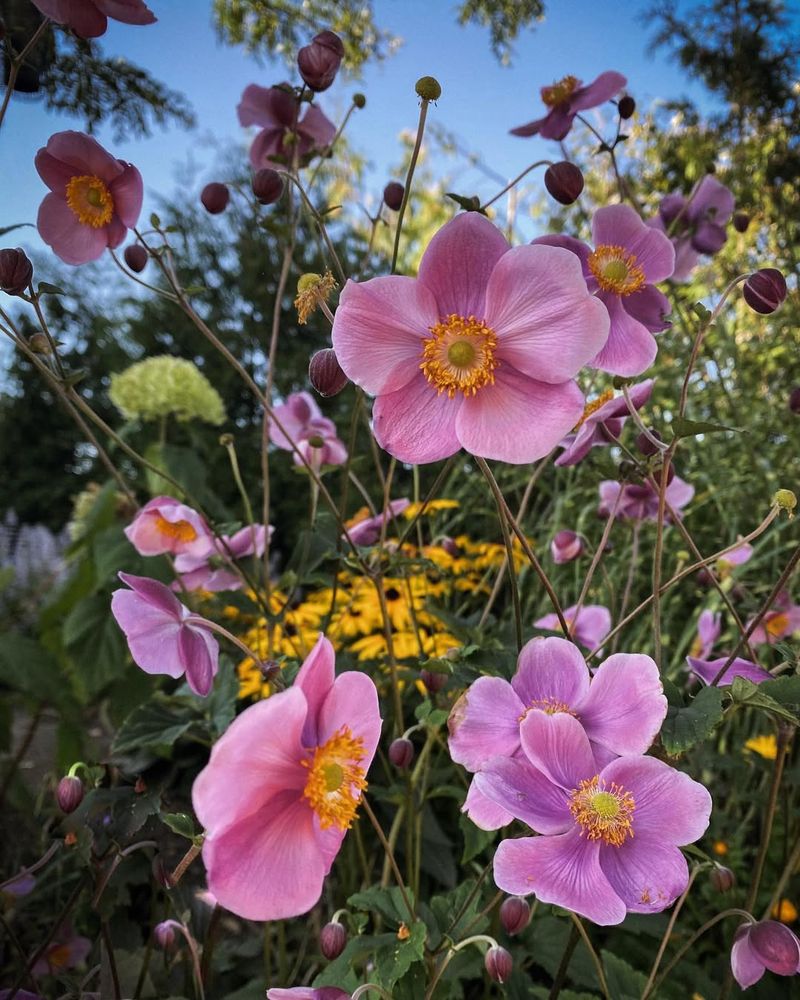
Late summer brings Japanese anemones into their glory just when many perennials start looking tired. Their simple pink flowers dance on wiry stems that sway with the slightest breeze, adding graceful movement to borders and woodland edges.
Each bloom features a prominent button center surrounded by petals that glow in low autumn light.
These plants appreciate partial shade in Ohio, especially protection from intense afternoon sun that can stress them during hot spells. Morning light with dappled afternoon shade produces healthy growth and abundant flowering.
They prefer consistent moisture and rich soil, rewarding good care with impressive displays that last well into October.
Japanese anemones spread slowly through underground runners, eventually forming substantial colonies in favorable locations. This spreading habit means they need space and shouldn’t be planted near less vigorous companions they might overwhelm.
Once established, they become permanent garden residents that return reliably year after year.
The plants emerge late in spring, so mark their location to avoid accidental damage while working nearby. Foliage forms attractive mounds before flower stems shoot up in late summer, reaching two to four feet depending on variety.
Slugs sometimes chew young leaves in spring, though damage rarely affects overall plant health.
These elegant perennials bring sophistication to fall gardens when most other flowers have finished their seasonal performance.
13. Balloon Flower Opens Into Starry Blooms
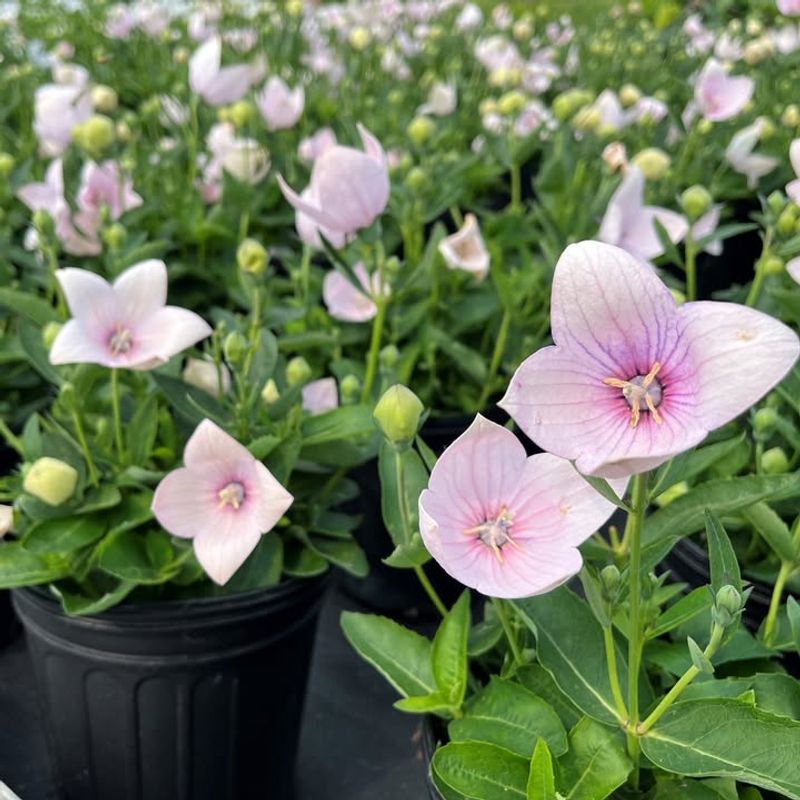
Children love balloon flowers for their inflated buds that pop when squeezed gently. Those puffy balloons open into perfect five-pointed stars in shades of pink that range from pale blush to deeper rose.
Each flower lasts several days, and plants produce buds continuously throughout summer if you remove spent blooms regularly.
Ohio gardens suit balloon flowers perfectly since they handle heat, cold, and variable moisture without fussing. Full sun produces the most flowers, though they’ll bloom reasonably well with just five or six hours of direct light.
Well-drained soil is important since they develop thick, fleshy roots that rot in waterlogged conditions.
These plants emerge late in spring, often not showing growth until May when soil warms thoroughly. Mark their location so you don’t accidentally damage crowns while planting annuals or working nearby.
Once they start growing, they form neat clumps about two feet tall that rarely need staking despite their height.
Balloon flowers live for decades in the same spot without needing division, making them true plant-and-forget perennials. Their deep taproots make transplanting difficult once established, so choose locations carefully from the start.
Deer and rabbits generally leave them alone, and diseases rarely cause problems.
The combination of unique buds, star-shaped flowers, and extreme reliability makes balloon flowers essential additions to any Ohio perennial collection.