8 Overlooked Native Ohio Groundcovers That Replace Grass And Survive Winter
That patch of grass under the maple has had enough chances. You seed it in spring, baby it through summer, and by fall it looks thin, muddy, or bare all over again. In a lot of Ohio yards, grass is not failing because you did something wrong.
It is failing because the spot was never right for turf in the first place. Shade, tree roots, slopes, wet corners, compacted soil, and winter stress can turn a lawn patch into a yearly headache.
That is where native groundcovers can pull their weight. No, they are not meant for soccer games, dog runs, or the main path to the garage.
And “survive winter” does not mean every plant stays picture-perfect in January. Some go dormant.
Some flatten after hard freezes. Some keep more texture than others.
But in the right low-traffic spot, these Ohio native groundcovers can come back year after year and make problem areas look planted on purpose.
1. Cover Shady Soil With Wild Ginger
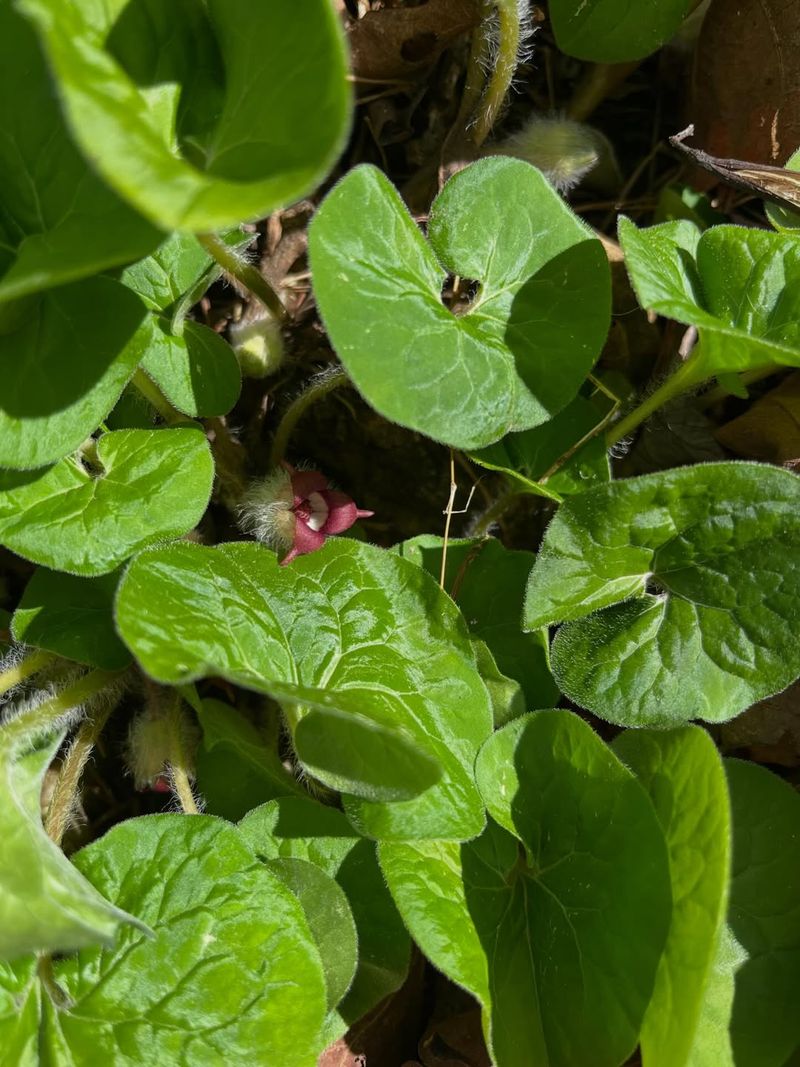
That bare patch of soil under your shade trees where nothing seems to take hold is exactly where wild ginger earns its place.
Asarum canadense is a true Ohio native, documented by the Ohio Department of Natural Resources as a woodland species that thrives in the kind of deep shade where turf simply gives up.
Its broad, heart-shaped leaves form a low, lush layer that makes shaded soil look intentional rather than neglected.
Wild ginger spreads slowly by underground rhizomes, so patience is part of the deal. Plant it in rich, moist, woodland-style soil and give it a season or two to settle in before expecting full coverage.
It works beautifully under deciduous trees, along shaded paths, or in naturalized beds where you want a clean, carpet-like look without constant maintenance.
One thing to be clear about: this is not a lawn replacement for anywhere that gets foot traffic. It is a low-growing perennial for spots that are mostly admired rather than walked on.
Wild ginger goes fully dormant in winter, so do not panic when the leaves disappear after hard frosts. The rhizomes survive Ohio cold without trouble, and fresh new leaves push up reliably each spring.
It also has a surprising quirk: tiny reddish-brown flowers hide under the leaves in early spring, rarely noticed but genuinely charming.
2. Soften Dry Shade With Pennsylvania Sedge
Grass under a dense tree canopy is a losing battle most Ohio homeowners know too well. The roots compete, the shade deepens, and no amount of shade-mix seed seems to fix it for long.
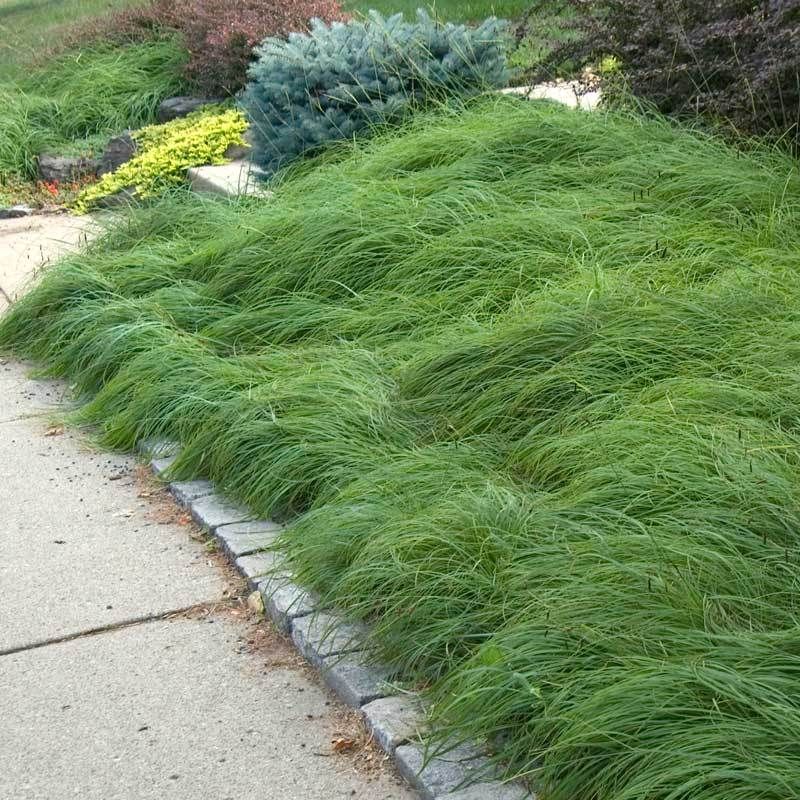
Pennsylvania sedge, Carex pensylvanica, is one of the most practical native alternatives available for exactly this situation, and it does not get nearly enough attention from everyday gardeners.
This fine-textured sedge forms low, arching clumps or loose colonies that can create a soft, natural lawn-like appearance in low-traffic areas.
Once established, it handles dry shade better than almost any other native groundcover on this list, making it especially useful under mature oaks, maples, or other trees where soil moisture is limited.
Your Ohio Garden Changes Every Week. Your Plan Should Too.
Gardening in Ohio changes quickly throughout the season. Every Friday you’ll receive a simple weekly plan showing exactly what to plant, prune, fertilize, harvest, and protect so you never miss the right timing.
It also works along dry woodland edges where turf has always struggled.
Pennsylvania sedge can be mowed lightly once or twice a year if you want a tidier look, but many homeowners simply let it grow and enjoy its relaxed, meadow-like texture.
Establishment takes some time, and consistent moisture during the first growing season helps it spread.
In terms of winter performance, it may stay semi-evergreen in mild Ohio winters or look flattened and rough after hard cold snaps. Either way, it is fully winter-hardy and bounces back with fresh growth each spring.
For dry shade spots, few natives match its combination of toughness and visual softness.
3. Fill Woodland Edges With Foamflower
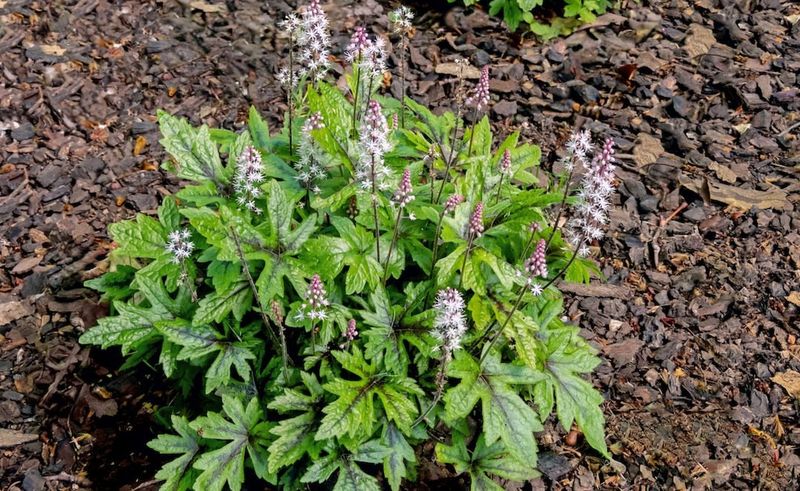
Spring in an Ohio shade garden gets a real lift from foamflower, a native woodland perennial that brings both attractive foliage and frothy white blooms to spots where turf has long since given up.
Tiarella cordifolia is native to Ohio, though it belongs most naturally in cool, moist woodland habitats rather than every shady yard in the state.
In the right conditions, it works beautifully as a shade-garden perennial for low-use naturalized beds and woodland-edge plantings.
The foliage is lobed and maple-like, often with subtle bronze or reddish markings depending on the variety and light conditions.
In mid to late spring, slender flower spikes rise above the leaves covered in tiny white to pale pink blooms that earned the plant its name.
For shaded areas where you want something that looks a little more ornamental than a plain groundcover, foamflower delivers real seasonal interest.
Soil matters a lot with this plant. It prefers moist, humus-rich, well-drained soil and does not handle drought or compacted clay well.
If your shaded area tends to dry out hard in summer, amend the soil before planting and mulch around new plants to hold moisture. Foamflower is not drought-proof, and that is worth being honest about.
In winter, it may hold some foliage in mild stretches or look rough after severe cold. The plant itself is hardy in Ohio, and fresh growth returns dependably when spring warmth arrives.
Not for foot traffic, but ideal for low-use shaded beds.
4. Brighten Part Shade With Green And Gold
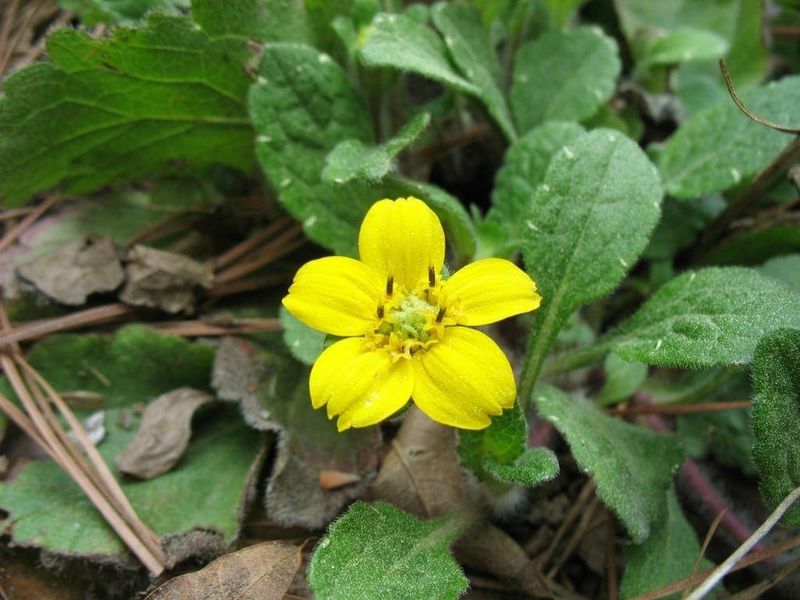
Most shade groundcovers make you trade flowers for function, but green and gold refuses that compromise.
Chrysogonum virginianum is a native perennial groundcover that produces cheerful yellow daisy-like flowers in spring and often reblooms intermittently through summer, making it one of the most visually rewarding options for part-shade spots where grass performs poorly.
It forms a low, spreading mat that works well near path edges, under deciduous shrubs, or in small patches between larger plants. The foliage is semi-evergreen in protected areas, which gives it more winter presence than fully dormant plants.
In open, exposed spots, it may look flattened or rough after hard freezes, but the plant is winter-hardy in Ohio and recovers well once temperatures rise in spring.
Green and gold prefers average to moist, well-drained soil and does best in part shade to light shade. It can struggle in very dry, compacted shade, so if your problem area bakes out in summer heat under a shallow-rooted tree, this may not be the right fit.
It is not a plant for heavy foot traffic, but for low-use lawn edges, informal bed borders, or spots where you want ground-level color without much fuss, it is a strong choice. Spread rate is moderate, so planting in groups of three or more helps fill coverage gaps faster.
A genuinely underused native with a lot to offer Ohio gardens.
5. Let Wild Strawberry Creep Through Sunny Edges
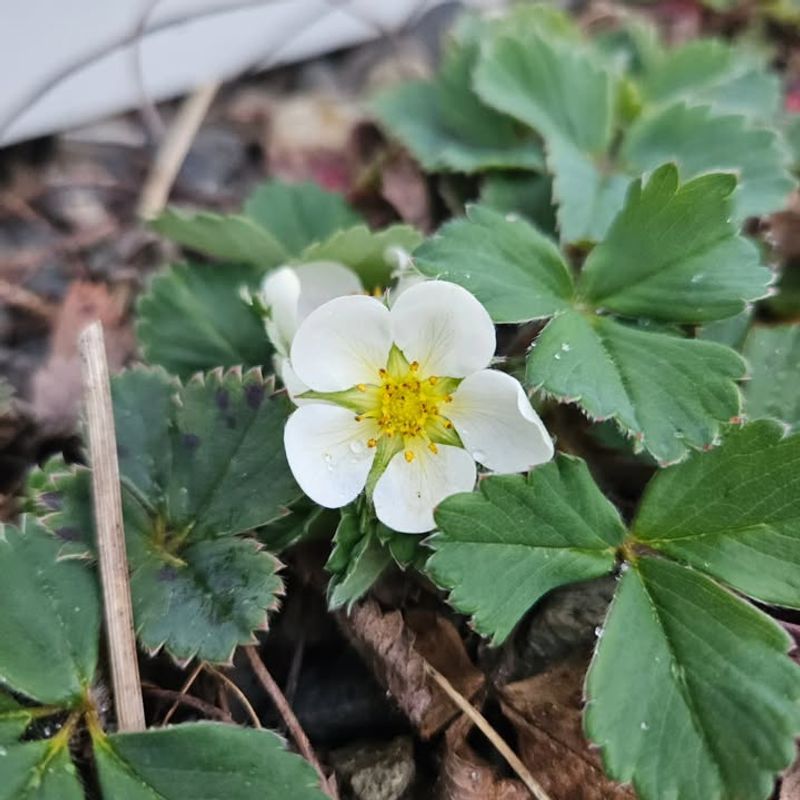
Sunny slopes that erode every spring, scrappy lawn edges that scalp when mowed, and informal beds that need something tough and low-growing are exactly where wild strawberry shines.
Fragaria virginiana is a true Ohio native that spreads by runners, filling in gaps with trifoliate leaves, small white spring flowers, and tiny edible red berries that birds and small wildlife absolutely love.
For homeowners dealing with a slope that washes out or an edge bed that never looks tidy, wild strawberry offers real practical value. It roots as it runs, which helps stabilize loose or sloped soil over time.
Coverage builds gradually rather than explosively, so combining several plants in a new area speeds things along. Full sun to part sun gives the best results, and it handles average to slightly dry soil reasonably well once established.
Wild strawberry is not built for heavy foot traffic, but it can tolerate occasional light stepping better than more delicate groundcovers. In winter, the foliage may flatten, bronze slightly, or partially die back depending on cold severity and exposure.
It often retains some green low to the ground even through mild Ohio winters, and by early spring it picks back up quickly.
Beyond its practical uses, there is something genuinely satisfying about a native plant that feeds pollinators in spring, provides summer berries for wildlife, and holds soil through the cold months with almost no maintenance required.
6. Keep Tough Spots Green With Common Blue Violet
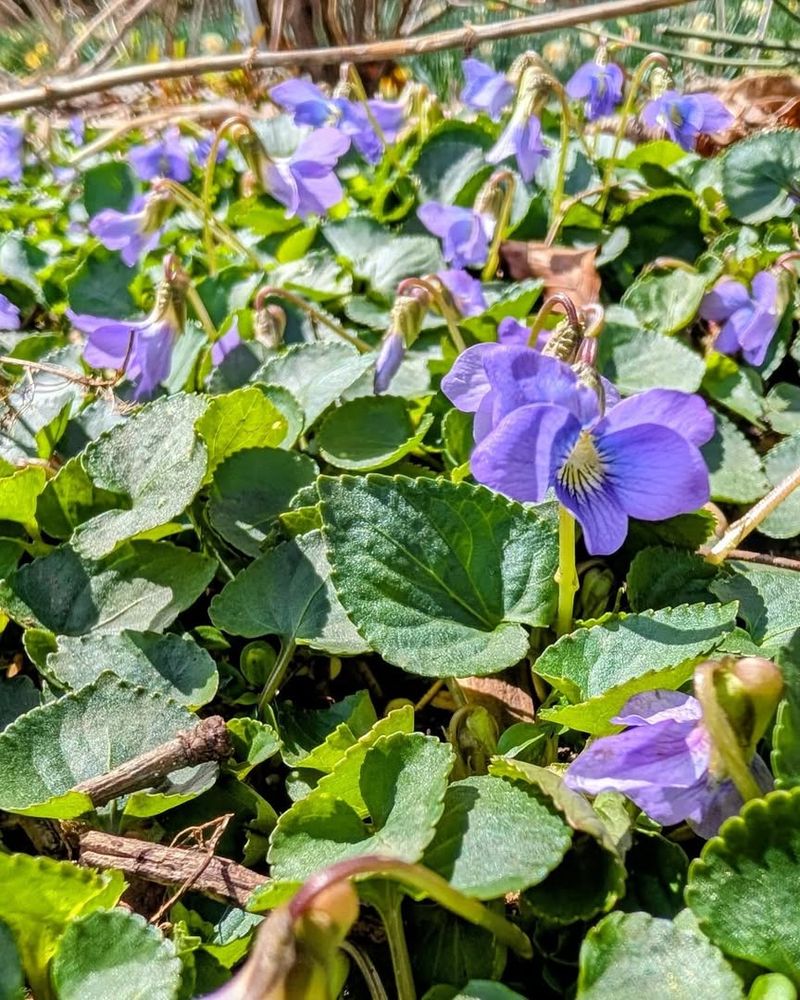
Chances are, common blue violet is already growing somewhere in your Ohio yard without any help from you.
Viola sororia is one of the most resilient native plants in the state, showing up in part-shade lawns, along fences, under trees, and in spots where turf has long since thinned out.
Rather than fighting it, some Ohio homeowners are learning to work with it as a low-maintenance native groundcover for exactly those difficult areas.
Its heart-shaped leaves stay fairly low, and its purple to blue-violet spring flowers are among the first blooms to appear each year, making it a genuinely valuable early-season resource for native bees and other pollinators.
It tolerates a range of soil conditions and can handle occasional light mowing, which makes it more adaptable than most groundcovers on this list.
For informal lawn alternatives in part shade or average soil, it holds its own with very little effort.
Honesty matters here: many homeowners with formal lawns already view violets as weeds, and that perspective is fair in that context.
But for people who want a native, tough, low-growing plant that survives Ohio winters and supports early pollinators, common blue violet is a genuine asset rather than a problem.
It may go quiet or partially flatten in winter depending on conditions, but it returns strongly and spreads reliably each season. Low input, high ecological value, and already adapted to Ohio conditions.
7. Tuck Wild Stonecrop Into Rocky Shade
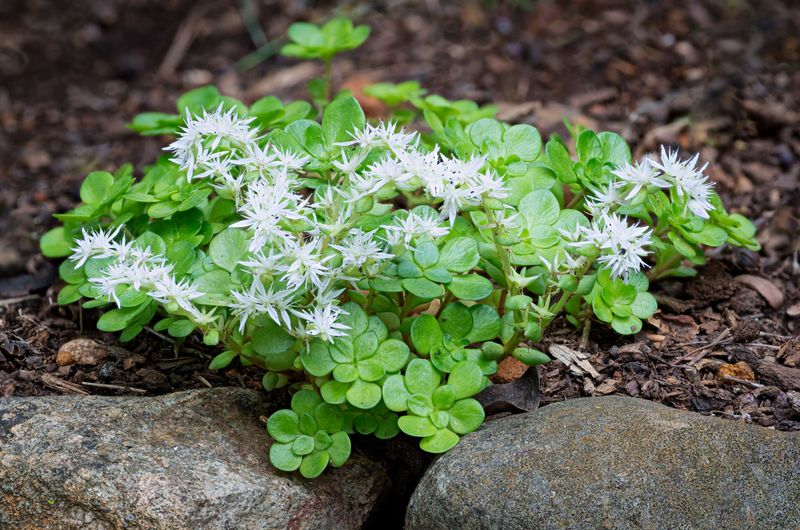
Rocky slopes, stone borders, and shaded spots with fast-draining soil are some of the hardest areas to cover with anything, let alone something native and attractive.
Wild stonecrop, Sedum ternatum, is one of the few Ohio native plants that actually prefers these conditions, making it an excellent choice for woodland rock gardens, slope edges, or any spot where water moves through quickly and shade keeps things cool.
Unlike most sedums, which are associated with hot, dry, sunny conditions, wild stonecrop is a shade-tolerant native that grows naturally on rocky streambanks and wooded slopes across Ohio.
Its small, rounded leaves form a low, spreading mat, and in mid-spring it produces clusters of bright white star-shaped flowers that look delicate but are produced reliably year after year.
The combination of shade tolerance and drainage preference is genuinely rare among native groundcovers.
Soggy clay soil will cause problems, and heavy foot traffic will flatten it, so placement matters. Give it a rocky or gravelly spot with decent drainage and at least some shade, and it largely takes care of itself.
In winter, wild stonecrop typically holds some low foliage close to the ground, giving it a bit more cold-season presence than fully dormant plants. How much foliage survives depends on exposure and winter severity.
For Ohio homeowners with challenging rocky or sloped shaded areas that resist every other planting attempt, this native stonecrop is worth serious consideration.
8. Use Plantain Leaf Sedge For Bold Shade Coverage
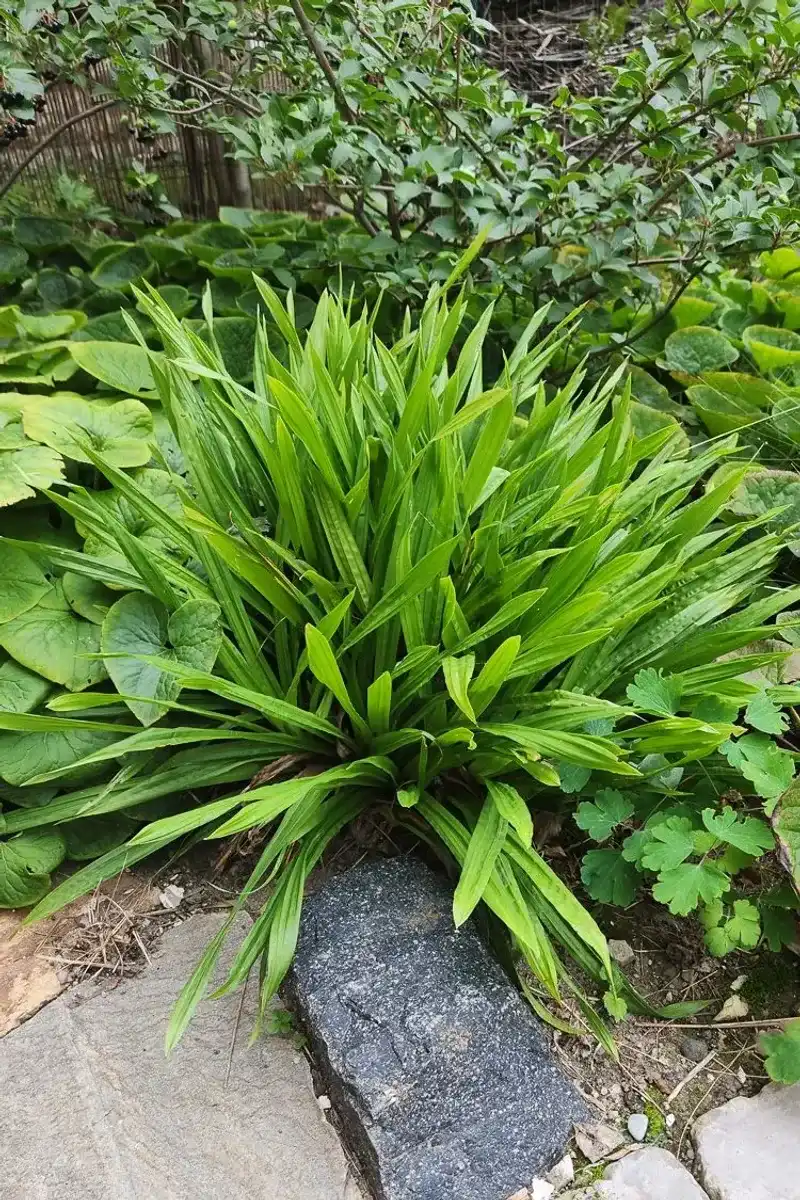
Bold, wide leaves are not something most people expect from a sedge, but plantain leaf sedge breaks that expectation in the best possible way.
Carex plantaginea is a native Ohio sedge with unusually broad, strap-like foliage that gives it a more ornamental, almost tropical look compared to the fine-textured sedges most gardeners are familiar with.
For shaded areas where bare soil keeps appearing no matter what gets planted, this sedge brings real visual weight and reliable coverage.
It grows in clumping form rather than spreading aggressively by runners, which makes it easier to place intentionally in beds, along shade borders, or under trees where you want defined patches of tough foliage.
It is not a mowable lawn substitute, but it is excellent for replacing bare shady patches with something that looks purposeful and handles Ohio winters without complaint.
Woodland-style soil with some moisture and reasonable drainage gives the best results.
Plantain leaf sedge often holds its foliage texture later into the season than many perennials, giving shade beds a longer period of interest heading into fall.
After severe winter weather, leaves may look worn or flattened, but the plant is winter-hardy and pushes fresh growth back up in spring.
Deer pressure can be a factor in some Ohio areas, so that is worth watching in new plantings. For low-traffic shaded areas where you want something with presence and staying power, this underused native sedge deserves a spot in the ground.