8 Shade-Loving Herbs That Grow Surprisingly Well In Ohio Gardens
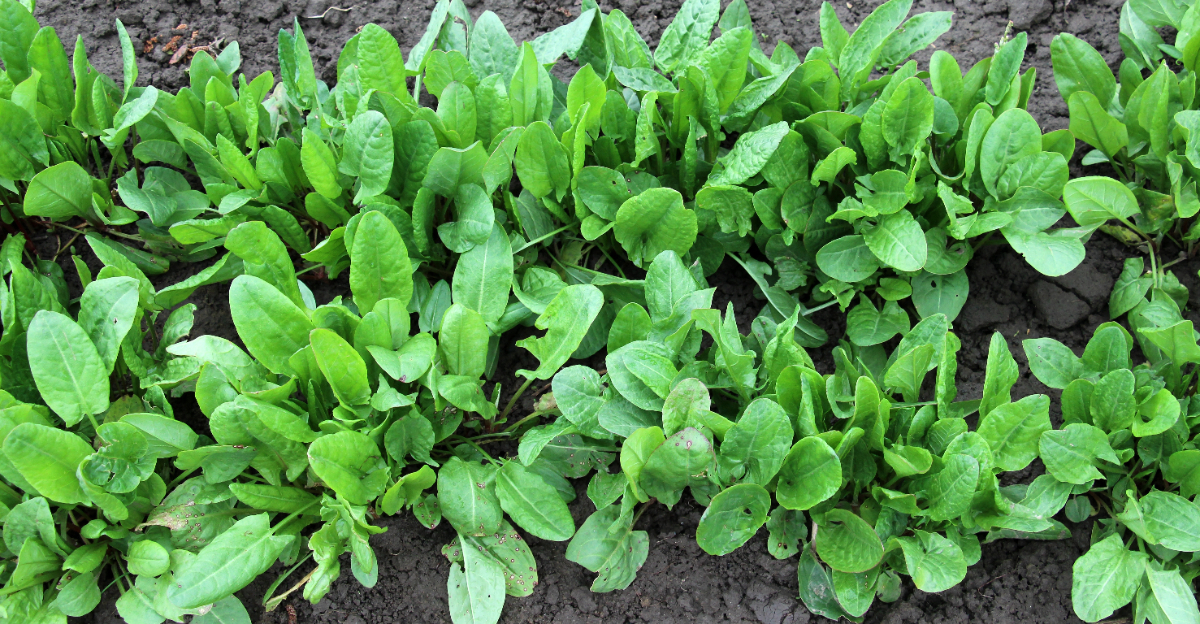
Not every herb needs a full day of blazing sun to grow well. In Ohio gardens, a few reliable herbs can handle partial shade and still produce a steady harvest through the season.
Shady spots often feel limiting, especially under trees, along fences, or on the side of the house that loses light after noon. But those areas do not have to go to waste.
The right herbs can adapt to lower light and even benefit from protection during the hottest part of summer. Growth may be a little slower, and flavors can be slightly milder compared to full sun plants.
Still, with a few smart choices and proper care, a partially shaded space can turn into a productive and low-maintenance herb garden that keeps giving all season long.
1. Grow Mint In Containers Only
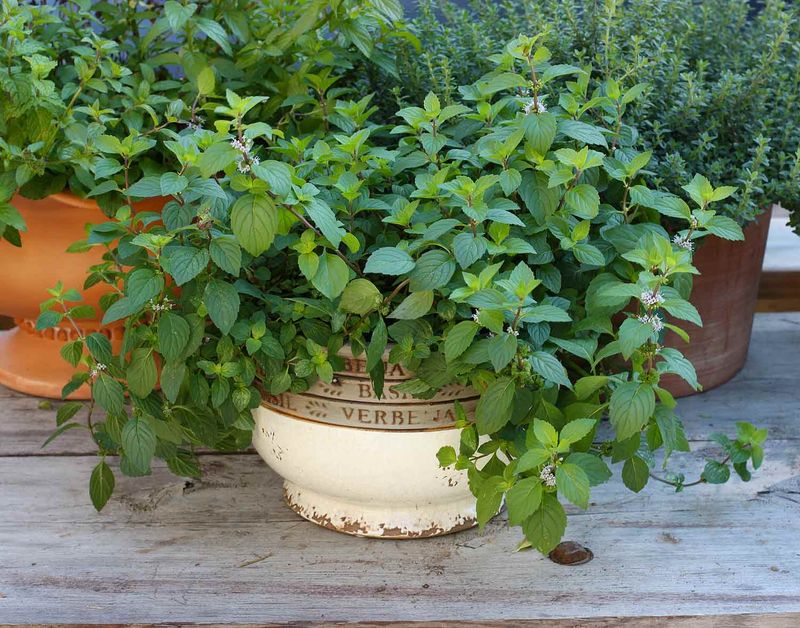
Mint is one of the most rewarding herbs you can grow, but it comes with a serious warning for Ohio gardeners: never plant it directly in the ground.
Mint spreads aggressively through underground runners, and once it gets loose in a garden bed, it can take over in a single season.
Neighbors, flower beds, and vegetable rows are all fair game once mint decides to roam.
The only recommended way to grow mint in an Ohio garden is in containers. A pot or planter keeps those underground runners contained and gives you full control over where the plant grows.
Choose a container at least twelve inches deep to give roots enough room, and use a well-draining potting mix to keep the soil from staying soggy.
Place your container where it receives morning sun or bright shade for most of the day.
Mint handles partial shade well and actually benefits from afternoon shade during Ohio’s hot July and August weeks.
Keep the soil evenly moist, since mint wilts quickly when it dries out. Harvest often by snipping stems just above a leaf node, which keeps the plant bushy and productive rather than tall and straggly.
2. Plant Parsley For Reliable Shade Growth
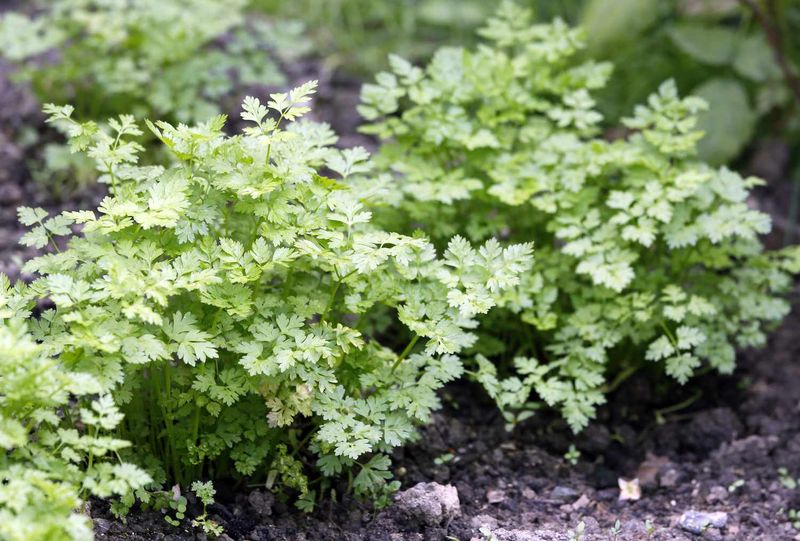
Parsley is the kind of herb that earns its spot in any Ohio kitchen garden, and the good news is it handles partial shade better than most people expect.
While it does prefer some sunlight, parsley grows reliably with just three to four hours of morning sun followed by afternoon shade.
During Ohio’s hot summers, that afternoon shade can actually help parsley stay green and productive longer than it would in full sun.
Most herbs need some sunlight to develop strong flavors, but cool-season herbs like parsley tend to perform better during Ohio’s warmer months when they get a break from intense afternoon heat.
Plant parsley in spring as soon as the soil can be worked, since it is slow to germinate and benefits from a long growing season.
Both flat-leaf and curly varieties do well in Ohio gardens.
Soil quality matters a lot with parsley. It prefers moist, well-drained soil rich in organic matter.
Avoid letting it sit in waterlogged ground, which can cause root problems. Harvest outer stems regularly, cutting them close to the base, which encourages the plant to keep pushing out fresh growth.
Your Ohio Garden Changes Every Week. Your Plan Should Too.
Gardening in Ohio changes quickly throughout the season. Every Friday you’ll receive a simple weekly plan showing exactly what to plant, prune, fertilize, harvest, and protect so you never miss the right timing.
Parsley is biennial, so Ohio gardeners often replant it each spring for the best harvests.
3. Use Chives For Easy Low Light Harvests
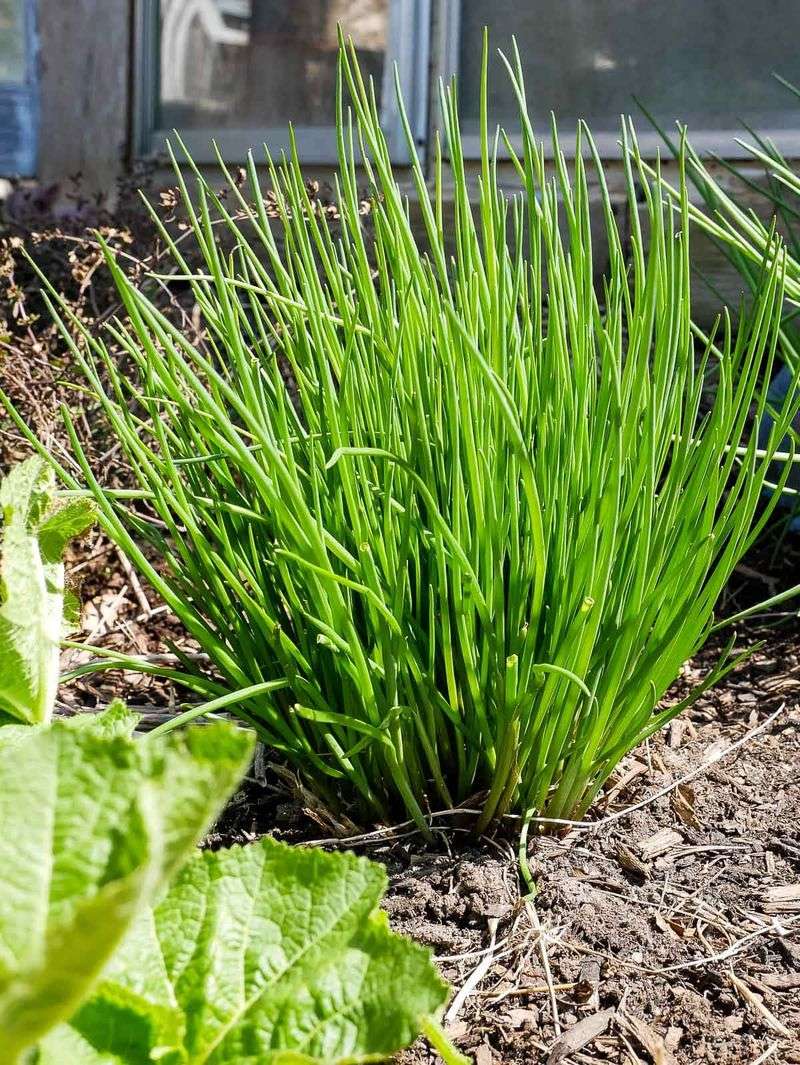
Chives might be the most low-maintenance herb on this entire list.
They come back year after year in Ohio without much fuss, they tolerate partial shade well, and they give you two edible parts from a single plant: the slender green leaves and the round purple flowers that bloom in late spring.
Both taste mild and oniony, and both work beautifully as a garnish or in cooking.
In Ohio, chives are a true perennial, meaning they go dormant in winter and return reliably each spring. They grow in clumps that slowly expand over time, making them easy to divide and share with other gardeners.
Plant them in a spot that gets morning sun with afternoon shade, and they will reward you with steady growth from spring through fall.
Harvesting chives is as simple as snipping the leaves about an inch above the soil with clean scissors. Do this regularly to encourage fresh growth and prevent the plant from putting all its energy into going to seed.
If you want to limit self-seeding, remove the flower heads after they bloom. Chives are not picky about soil as long as it drains well and stays reasonably moist through the growing season.
4. Grow Lemon Balm In Cooler Shaded Spots
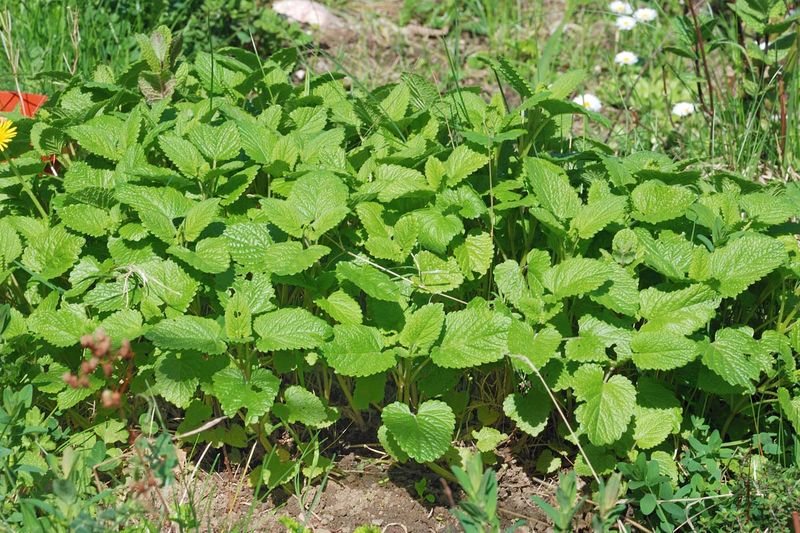
Lemon balm has a light citrus scent that makes it a favorite for teas, desserts, and even homemade sachets. It is a member of the mint family, which means it grows vigorously and can spread if left unchecked.
Unlike mint, lemon balm spreads mostly by reseeding rather than underground runners, but it can still pop up in unexpected places around your garden if you are not paying attention.
In Ohio, lemon balm does especially well in partial shade and cooler spots, like the north side of a building or under the filtered light of a deciduous tree. It handles Ohio’s warm summers better when it has some afternoon shade to cool things down.
The leaves stay greener and more fragrant when the plant is not stressed by intense heat.
To keep lemon balm from spreading too freely, harvest the stems often and remove flower heads before they go to seed. Regular harvesting also keeps the plant bushy and productive rather than tall and floppy.
Plant it in moist, well-drained soil and water consistently during dry stretches. Lemon balm is a perennial in most of Ohio, so once it is established, it will return each spring with very little effort on your part.
5. Plant Cilantro Before Summer Heat Hits
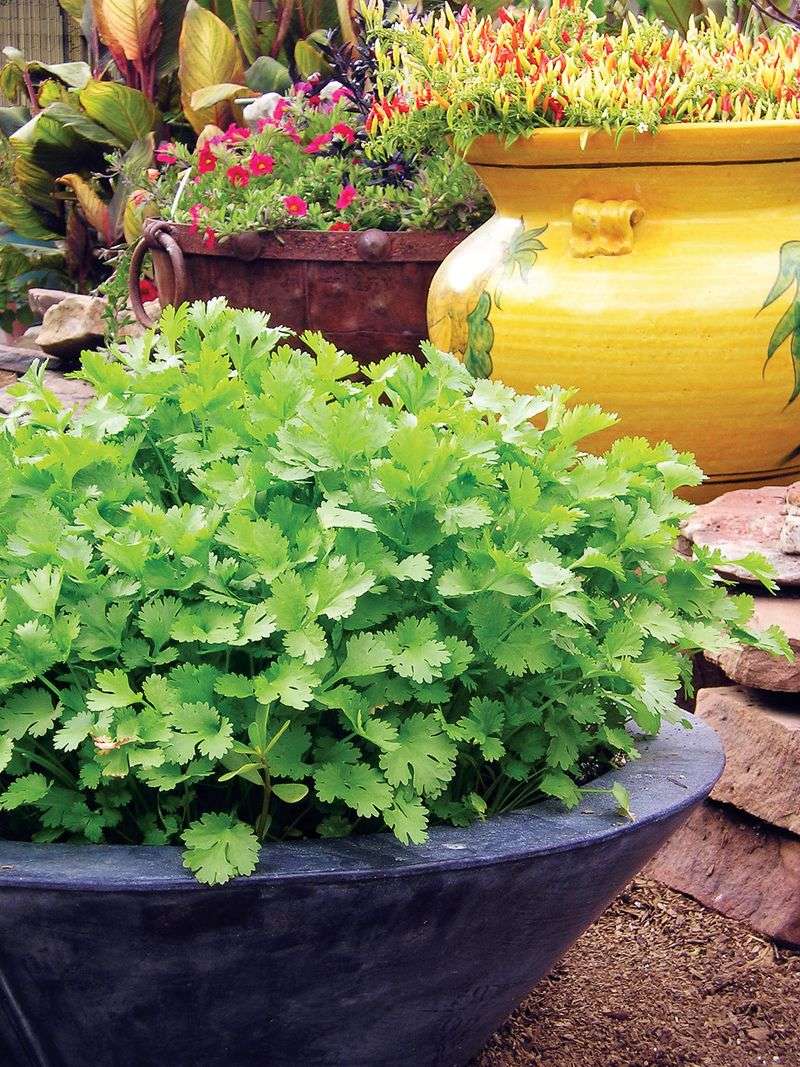
Cilantro is one of those herbs that Ohio gardeners either love or struggle with, and the struggle usually comes down to timing.
Cilantro is a cool-season herb that bolts, meaning it quickly sends up a flower stalk and stops producing flavorful leaves, as soon as temperatures climb into the upper seventies and eighties.
Ohio summers arrive fast, so getting cilantro in the ground early is the key to a good harvest.
Sow cilantro seeds directly in the garden in early to mid spring, as soon as the soil is workable and nighttime temperatures are staying above freezing. A spot that gets morning sun with afternoon shade will help slow down bolting during warm spells.
That afternoon shade acts like a buffer, keeping the soil and air temperature lower during the hottest part of the day.
Repeat sowing every two to three weeks extends your harvest window significantly. When one planting starts to bolt, the next one is just hitting its stride.
Cilantro prefers well-drained soil and does not like sitting in wet ground. Once it bolts and goes to seed, those seeds, called coriander, are a useful spice on their own.
You can let a few plants go to seed and they may self-sow for a fall crop.
6. Add Oregano That Tolerates Partial Shade
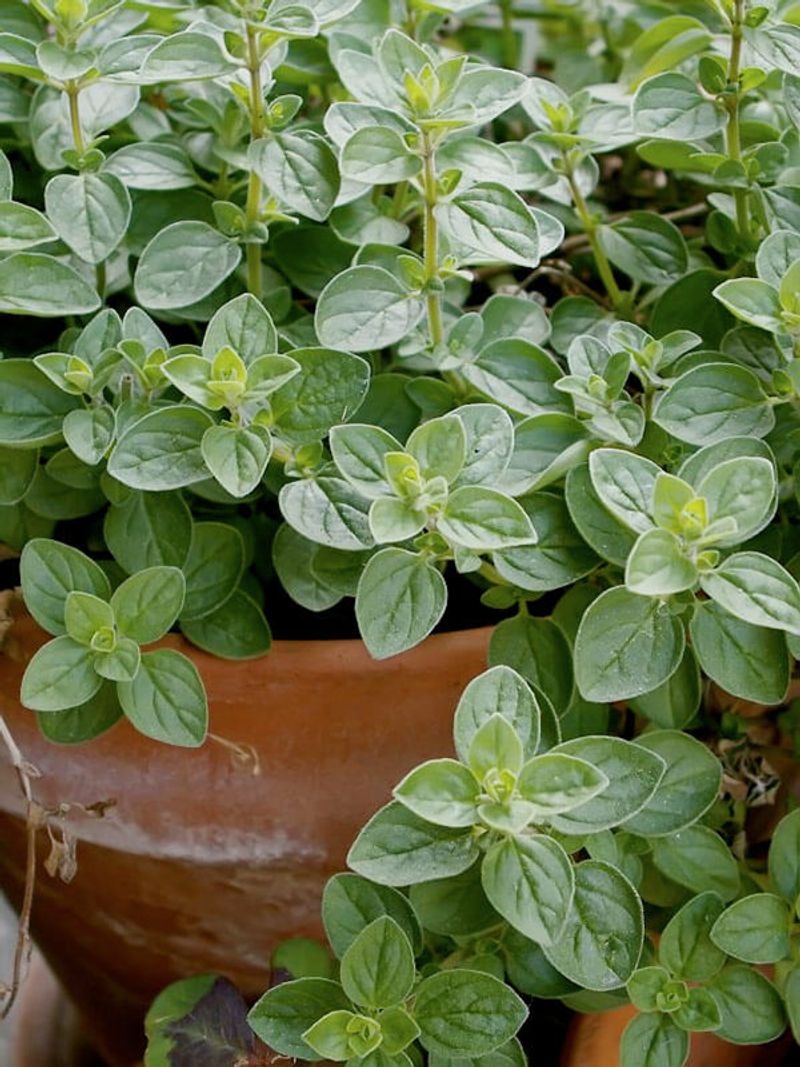
Oregano is known for loving sunshine, and that reputation is well earned. Full sun brings out the strongest, most aromatic flavor in oregano leaves.
But here is something many Ohio gardeners do not realize: oregano is more flexible than it gets credit for, and it can still grow and produce usable leaves in a spot that gets bright shade or partial sun for a good portion of the day.
If your oregano is growing in brighter shade rather than full sun, expect the flavor to be a bit milder than what you might get from a plant baking in an open garden bed. That does not make it useless.
Milder oregano still works well in soups, sauces, and roasted vegetables. Think of it as a softer version of the herb rather than an inferior one.
In Ohio, oregano is a perennial that returns reliably each spring. Plant it in well-drained soil, since it absolutely does not tolerate soggy roots.
A raised bed or a spot with sandy or amended soil helps a lot in heavier Ohio clay soils. Trim it back after flowering to encourage a fresh flush of leafy growth.
Harvest stems regularly throughout the season, cutting just above a set of leaves to keep the plant full and productive.
7. Try Thyme In Bright Shaded Areas
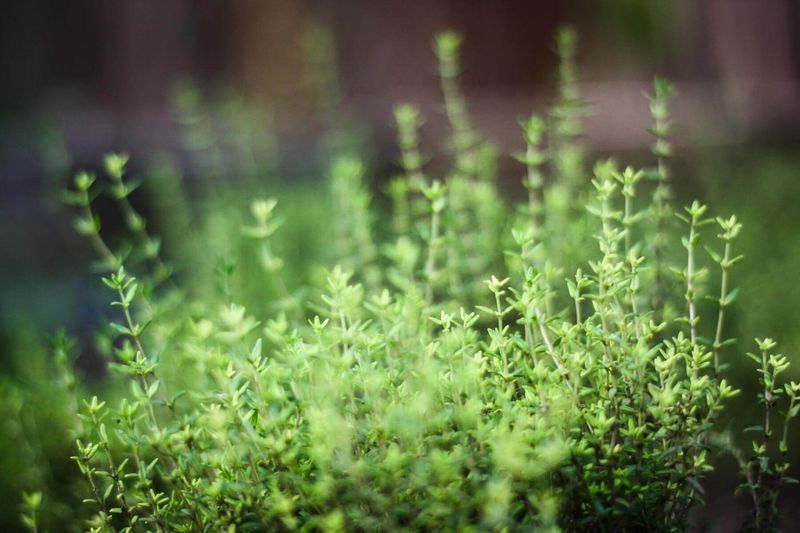
Thyme is a sun-lover at heart, but it can surprise you in a bright shaded spot as long as one condition is met: excellent drainage. Wet soil is the real enemy of thyme, not shade.
A thyme plant sitting in damp, heavy soil will struggle no matter how much light it gets. But a thyme plant in loose, well-drained soil with a few hours of morning sun or bright indirect light can do just fine.
Ohio gardeners dealing with clay-heavy soil should consider growing thyme in raised beds or containers, where drainage is much easier to control. Mix in perlite or coarse sand to improve drainage if you are working with native soil.
A gravel mulch around the base of the plant can also help keep excess moisture away from the crown, which is the most vulnerable part of the plant.
Bright shade, meaning a spot that gets filtered light or morning sun without intense afternoon exposure, works better for thyme than damp, deep shade under a dense canopy.
Harvest thyme by snipping stem tips regularly, which keeps the plant from getting too woody at the base.
In Ohio, thyme is a hardy perennial that can survive winter well when planted in a spot with good drainage and decent air circulation.
8. Grow Sorrel For A Lesser Known Shade Herb
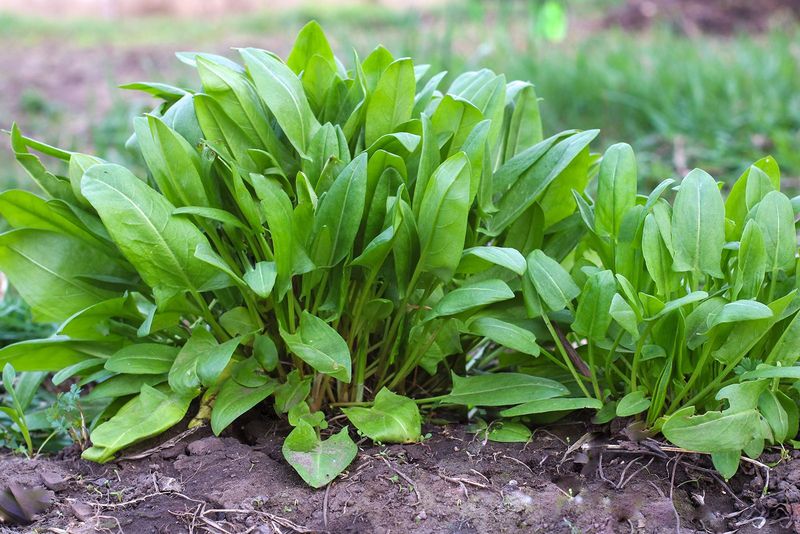
Sorrel does not get nearly enough attention in American herb gardens, but Ohio gardeners with shady spots should absolutely give it a try.
This cool-season perennial produces broad, bright green leaves with a sharp, tangy flavor that tastes almost like a cross between spinach and lemon.
That unique taste works well in salads, soups, and sauces, and the plant comes back year after year with very little maintenance.
Sorrel handles partial shade better than most culinary herbs, making it a smart choice for garden spots that only get morning sun or filtered light through trees.
It actually prefers cooler growing conditions, which makes Ohio’s spring and fall seasons ideal for peak leaf production.
During the hottest weeks of summer, some afternoon shade helps sorrel stay productive longer before it starts to slow down.
Plant sorrel in moist, well-drained soil with plenty of organic matter worked in. It does not like to dry out completely, so water consistently during dry spells.
Harvest the outer leaves regularly to keep the plant producing fresh growth throughout the season. If sorrel sends up a flower stalk, cut it off promptly, since flowering redirects the plant’s energy away from leaf production.
Once established, sorrel is one of the most reliable and rewarding perennial herbs an Ohio gardener can grow in a shaded bed.