Oregon Pet Owners Should Know These 5 Toxic Succulents (Plus 5 Safe Ones)
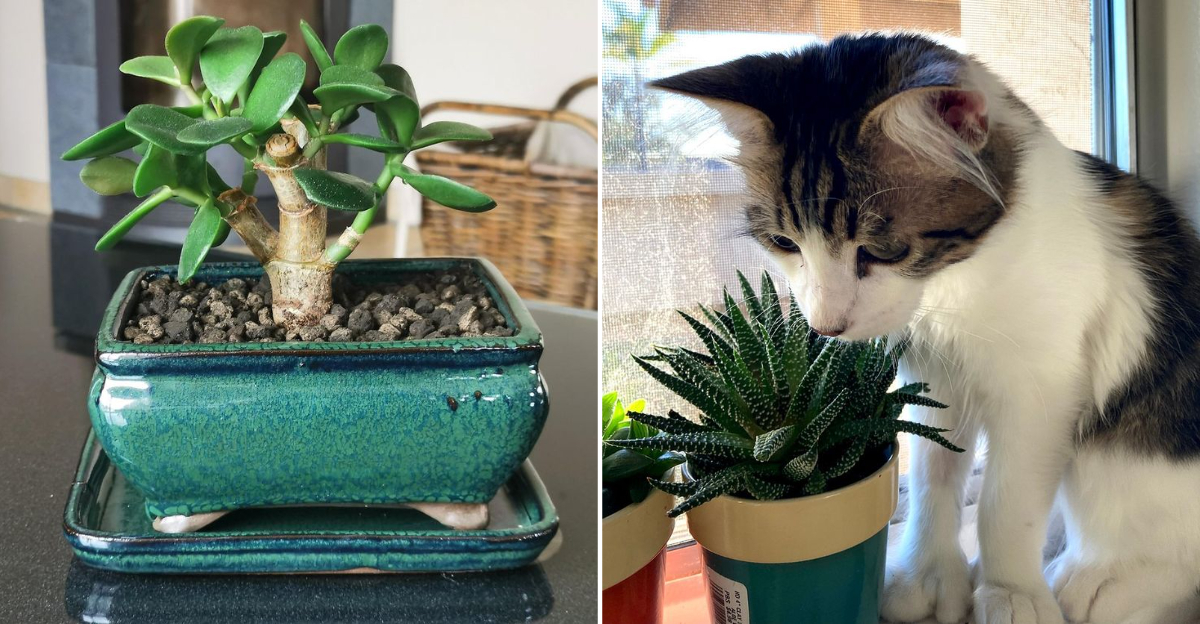
If you share your Oregon home with a curious cat or a tail wagging plant nibbler, your succulent collection deserves a second look.
Those sculptural leaves and trendy pots might seem harmless, but some popular varieties can cause real trouble if chewed.
The tricky part is that many toxic succulents are sold everywhere, from local nurseries to big box stores, with no big warning label attached. The good news is you do not have to give up that modern, low maintenance vibe.
Plenty of pet friendly succulents thrive in Oregon’s bright windows and mild summers without putting your furry companions at risk. It just takes a little know how and a smart swap or two.
Before you bring home your next spiky beauty or trailing showpiece, it helps to know which plants belong safely on a high shelf and which ones can sit within reach. A gorgeous indoor garden and a pet safe home can absolutely coexist with the right picks.
1. Aloe Vera (Aloe barbadensis miller)
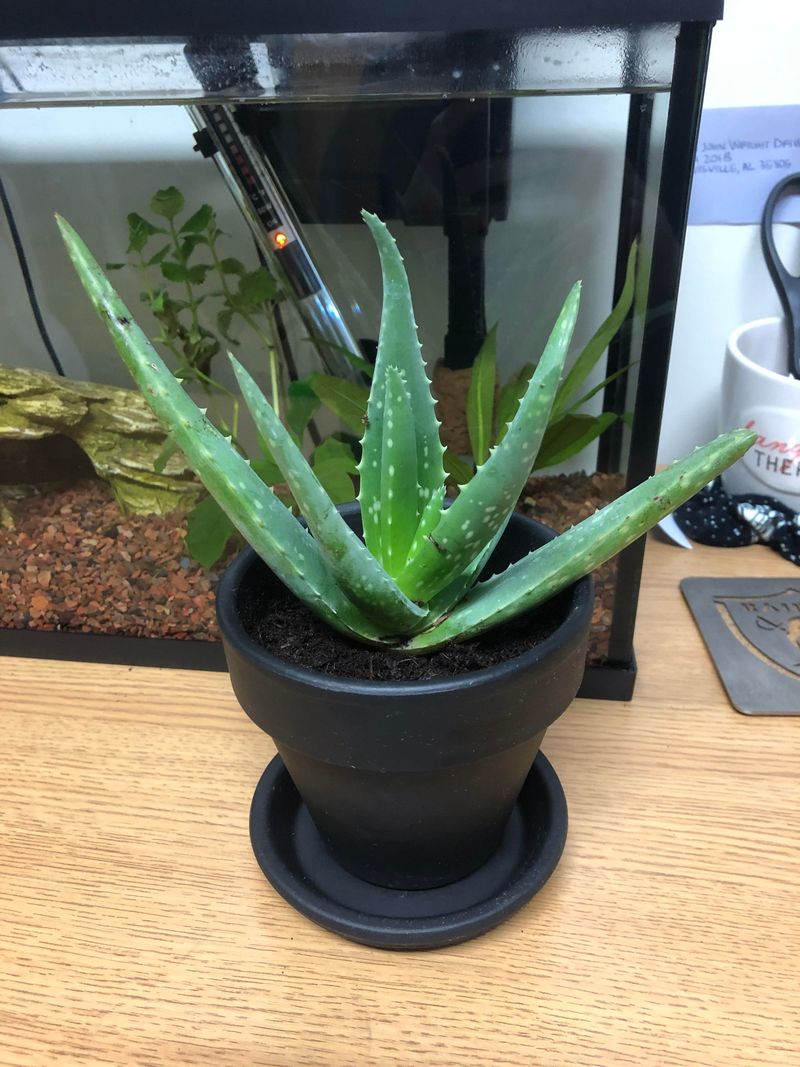
Almost every Oregon household has an aloe vera plant sitting on a windowsill. It is easy to care for and famous for soothing sunburns.
But here is the thing most people do not know: aloe vera is actually toxic to cats and dogs.
The plant contains compounds called saponins and anthraquinones. When a pet chews on the leaves, these substances irritate the digestive system fast.
Signs of aloe poisoning in pets include vomiting, diarrhea, lethargy, and sometimes tremors. Even a small amount can cause noticeable discomfort.
In Oregon, where aloe vera grows in pots on patios and indoors year-round, this is a real concern for pet owners. The gel inside the leaves looks harmless, but the latex layer just beneath the skin is what causes the trouble.
If your cat or dog has chewed on aloe and seems unwell, contact your veterinarian right away. It is always better to call and be safe.
Consider placing aloe vera on a high shelf or in a room your pet cannot access.
2. Jade Plant (Crassula ovata)
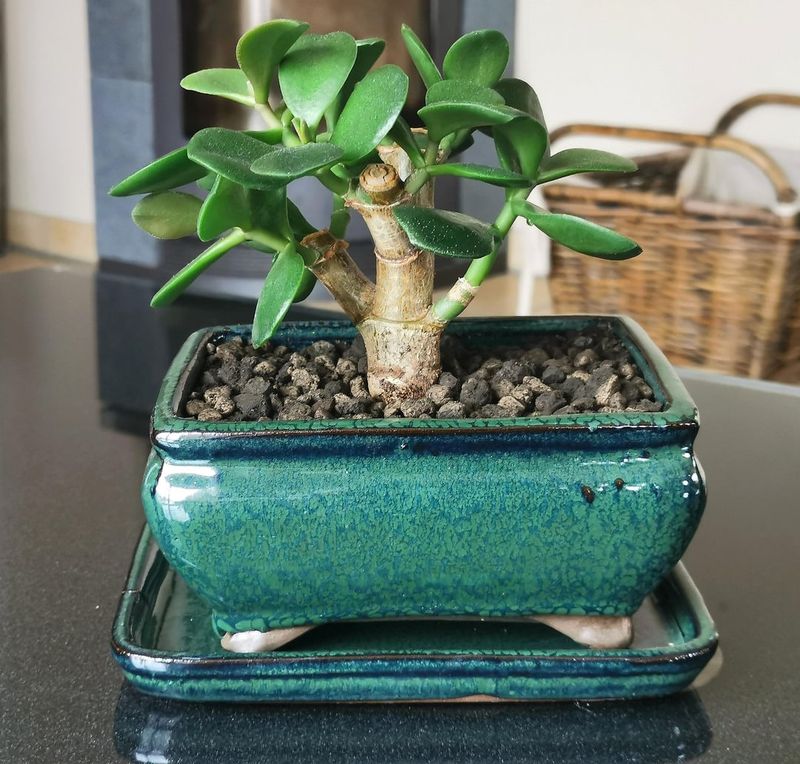
The jade plant is one of the most beloved houseplants in Oregon homes. Its thick, glossy leaves and tree-like shape make it look almost like a tiny sculpture.
Many people keep it for years, believing it brings good luck. Unfortunately, it is not lucky for your pets.
Jade plants are toxic to both cats and dogs. The exact toxic compound is still not fully identified, but the effects are well-documented.
Pets that chew on jade plant leaves often show signs like vomiting, slow heart rate, loss of coordination, and depression. These symptoms can appear within a few hours of contact.
Oregon pet owners who love jade plants do not have to give them up entirely. Keeping the plant on a tall bookshelf or in a room that pets cannot enter is a practical solution.
You can also hang them in macrame holders near windows where pets cannot reach. If you suspect your dog or cat has eaten any part of a jade plant, call your vet or the ASPCA Animal Poison Control Center immediately.
Your Oregon Garden Changes Every Week. Your Plan Should Too.
Gardening in Oregon changes quickly throughout the season. Every Friday you’ll receive a simple weekly plan showing exactly what to plant, prune, fertilize, harvest, and protect so you never miss the right timing.
Quick action makes a big difference in how well your pet recovers.
3. Kalanchoe (Kalanchoe spp.)
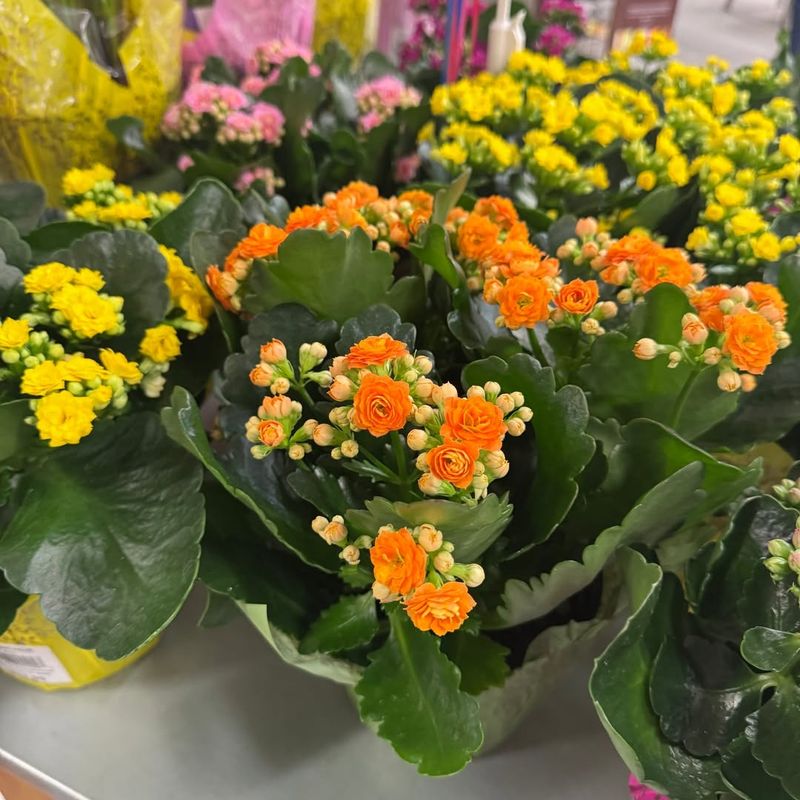
Kalanchoe is a showstopper. Its clusters of tiny, cheerful flowers come in shades of red, orange, yellow, and pink, making it one of the most popular flowering succulents sold in Oregon garden centers.
It looks completely innocent sitting on a coffee table or kitchen counter. But for pets, it is a plant to avoid.
All parts of the kalanchoe plant are considered toxic to dogs and cats. It contains bufadienolides, which are cardiac glycosides that can affect the heart.
Symptoms of kalanchoe poisoning include vomiting, diarrhea, abnormal heart rhythm, and weakness. In serious cases, the heart can be significantly affected.
What makes kalanchoe especially tricky is that it is sold everywhere, from grocery stores to florists, especially around the holidays. Oregon pet owners should check plant labels before purchasing any flowering succulent.
If you already have kalanchoe at home, move it somewhere completely out of reach. Better yet, consider gifting it to a friend who does not have pets.
Your furry companions will thank you, and you can replace it with one of the safe succulents covered later in this article.
4. Pencil Cactus (Euphorbia tirucalli)
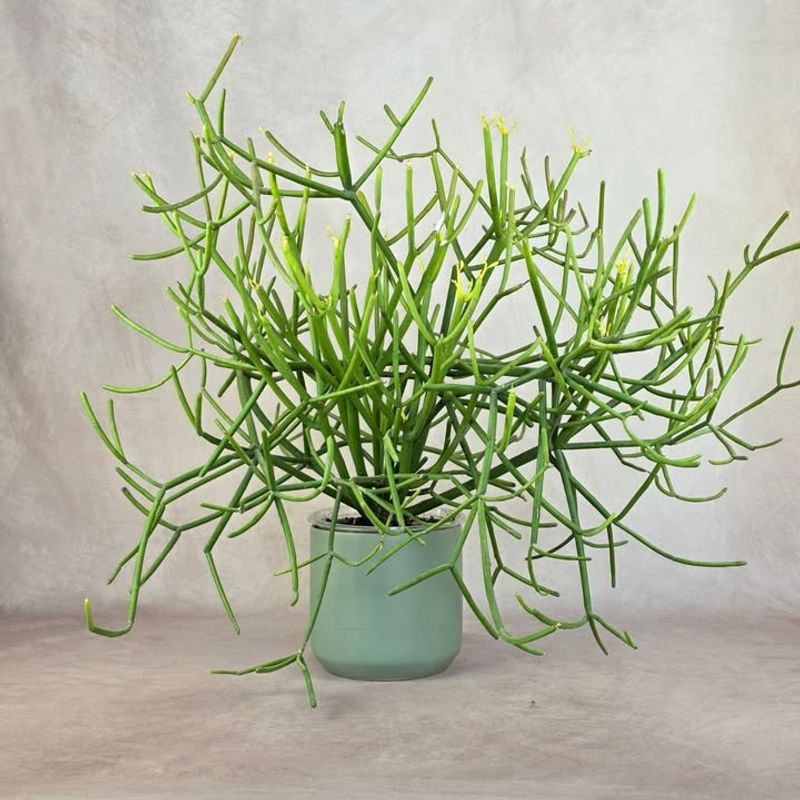
Few plants look as dramatic and modern as the pencil cactus. Its tall, branching green stems look like a living sculpture, and it fits perfectly into Oregon’s trendy, minimalist home decor style.
But behind that sleek appearance is one of the more hazardous succulents you can keep around pets.
Pencil cactus belongs to the Euphorbia family and produces a thick white sap when the stems are broken. That sap is highly irritating and toxic.
If a pet chews on the stems, the sap can cause intense burning in the mouth, drooling, vomiting, and skin irritation. Contact with eyes can even cause temporary vision problems.
This plant is not just risky for pets. It can irritate human skin too, so always wear gloves when handling it.
In Oregon, where pencil cactus is commonly sold in home decor shops and nurseries, it is important to know what you are bringing home. If you have dogs or cats that like to chew on plants, pencil cactus should not be in your home at all.
Swap it for a tall, pet-safe plant like a ponytail palm or a cat palm instead.
5. Agave (Agave spp.)
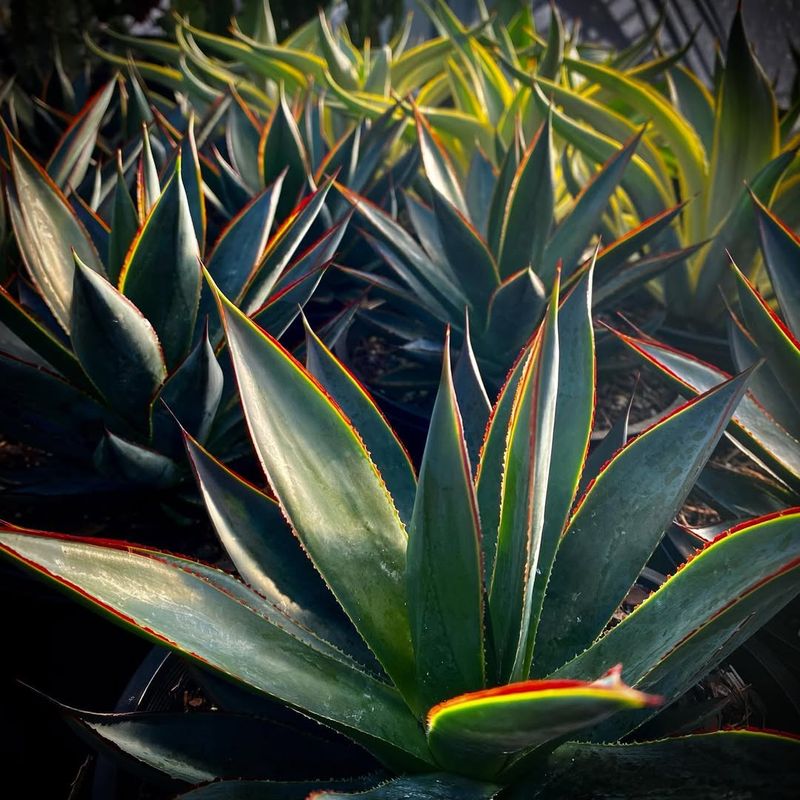
Agave plants are bold, architectural, and incredibly popular in Oregon landscapes. Their dramatic rosette shape and spiky leaves make a strong visual statement in gardens and on patios.
Many Oregon homeowners plant them along borders or in large outdoor containers. They are tough plants that can handle the Pacific Northwest climate well.
But agave is not as friendly as it looks. The sap inside the leaves contains compounds that can irritate the skin, mouth, and digestive tract of pets.
Dogs that chew on agave leaves may experience swelling of the mouth, drooling, vomiting, and stomach pain. The sharp spines on the leaf tips can also physically injure curious animals.
Even brushing against agave can cause skin rashes in some pets and humans. Oregon dog owners who love to garden should think carefully before planting agave in areas where their dogs roam freely.
If you already have agave in your yard, consider fencing off the area around it or choosing a different plant for pet-accessible zones. There are plenty of stunning, non-toxic alternatives that can give your Oregon garden the same bold, dramatic look without any risk to your animals.
6. Haworthia (Haworthia spp.)
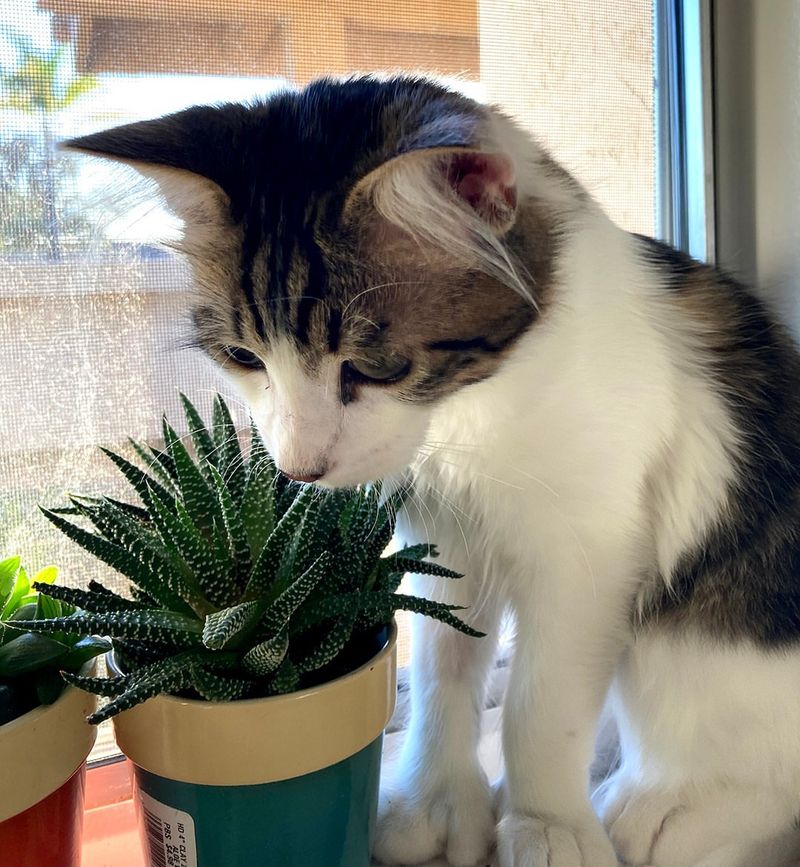
Small but mighty, haworthia is one of the most underrated succulents you can own. Its stiff, striped leaves form a tight rosette that looks almost like a miniature aloe.
Many Oregon plant lovers actually confuse the two, but haworthia is completely safe for pets, which makes it a fantastic alternative.
Haworthia is non-toxic to cats and dogs according to the ASPCA. That means even if your curious cat takes a nibble, there is no need to panic.
Of course, it is still best to discourage pets from chewing on any plant, but the low risk makes haworthia a stress-free choice for pet owners.
Care-wise, haworthia is wonderfully forgiving. It does well in low to medium light, which is perfect for Oregon homes that do not always get a lot of sunshine.
It only needs watering every two to three weeks, and it stays small enough to fit on any shelf or desk. Available at most Oregon plant shops and garden centers, haworthia is affordable and long-lasting.
If you are building a pet-safe plant collection, start here. It is stylish, safe, and surprisingly hard to mess up.
7. Echeveria (Echeveria spp.)
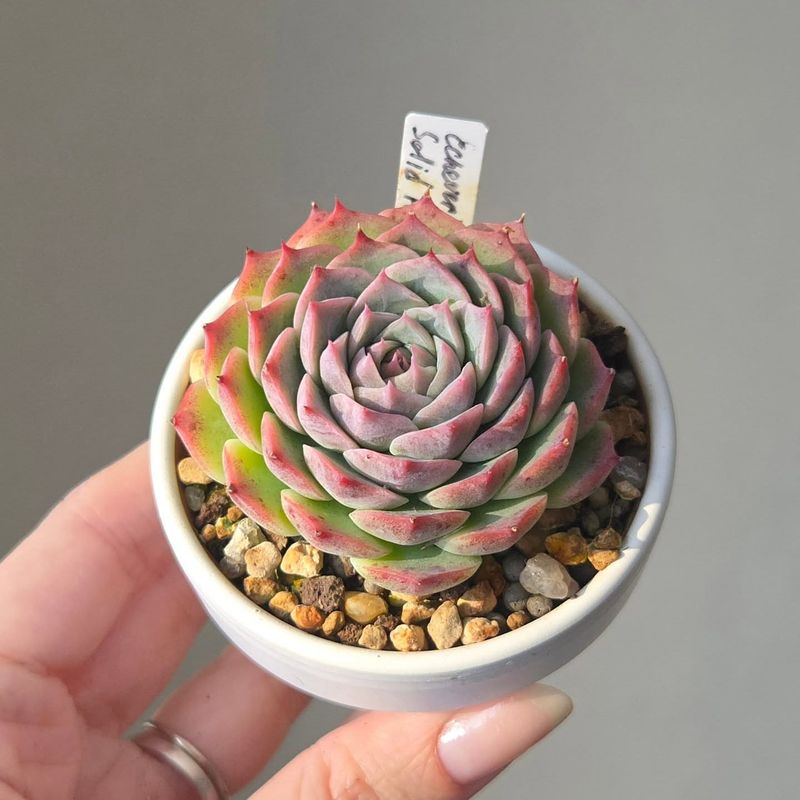
If you have ever seen a succulent that looks like a perfect, layered flower, it was probably an echeveria. These gorgeous rosette-shaped plants come in dozens of colors, from dusty lavender to deep teal to soft peach.
They are wildly popular in Oregon, showing up in wedding centerpieces, succulent gardens, and trendy home displays.
The best part? Echeveria is non-toxic to cats and dogs.
You can display them freely on coffee tables, bookshelves, or windowsills without worrying about your pet sneaking a taste. They add incredible color and texture to any room while keeping your animals completely safe.
Echeveria loves bright light, so a south-facing window in your Oregon home is ideal. They need well-draining soil and should be watered sparingly since overwatering is the most common mistake people make with them.
In the summer, you can even move them to a sunny patio or balcony. They are also easy to propagate from leaves, so one plant can quickly become many.
Echeveria is proof that you do not have to sacrifice beauty for safety. These plants deliver both in a compact, low-maintenance package that any Oregon pet owner will love.
8. Hens And Chicks (Sempervivum spp.)
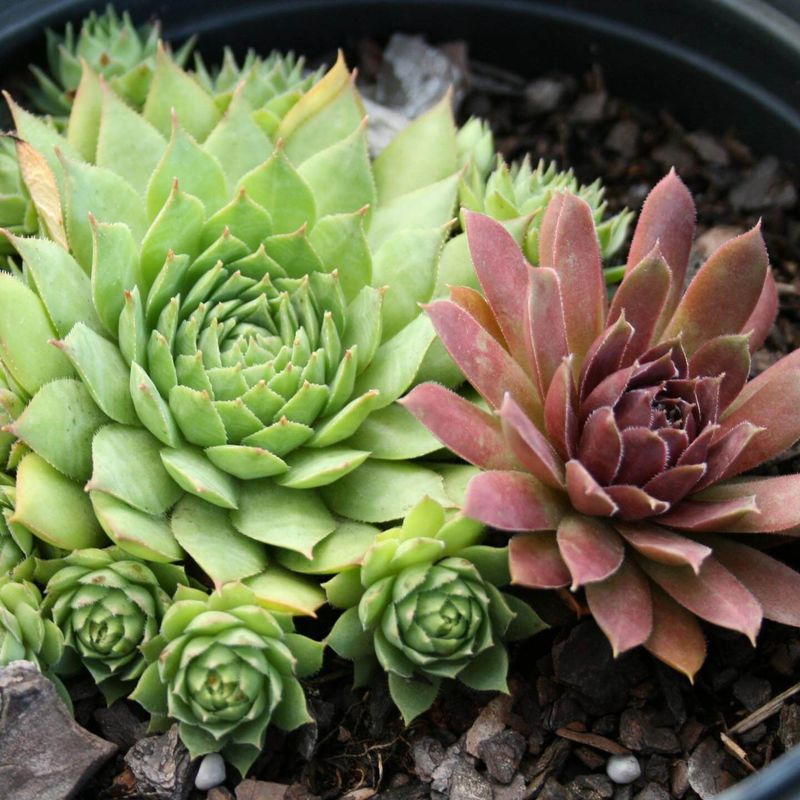
There is something wonderfully charming about hens and chicks. The mother plant, called the hen, spreads out and produces dozens of tiny offsets called chicks around its base.
Over time, one plant becomes a whole family of rosettes. Oregon gardeners love them for ground cover, rock gardens, and container arrangements.
Hens and chicks are non-toxic to cats and dogs, making them one of the safest choices for pet-friendly Oregon yards and homes. They are extremely cold-hardy, which is a big plus in Oregon where winters can be unpredictable.
These plants can handle frost, rain, and poor soil without complaining.
They grow well both indoors and outdoors, thriving in containers on porches or planted directly in the ground. They need very little water once established and prefer full sun to partial shade.
In Oregon’s mild coastal regions, they do especially well outside. Kids and pets can roam around them freely without any concern.
Hens and chicks are also incredibly easy to share with neighbors and friends since the little offsets can be replanted anywhere. If you want a plant that practically takes care of itself and is completely safe for your animals, this is it.
9. Gasteria (Gasteria spp.)
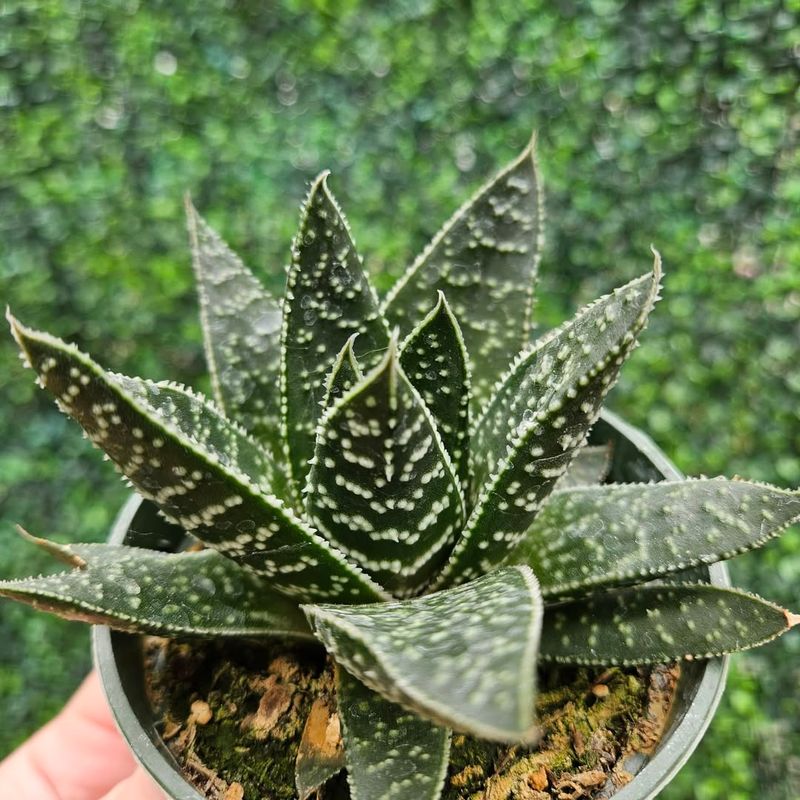
Gasteria does not always get the attention it deserves. It tends to be overshadowed by flashier succulents at the nursery, but Oregon plant lovers who take a closer look are often pleasantly surprised.
Its thick, tongue-shaped leaves are usually dark green with light spots or bands, giving it a unique, almost reptilian appearance.
What makes gasteria especially appealing for pet owners is that it is non-toxic to cats and dogs. It is closely related to aloe vera and haworthia but without any of the toxic properties.
You can keep it on a low shelf or table without worrying about your pet investigating it.
Gasteria is one of the easiest succulents to grow indoors. It actually prefers indirect or low light, which makes it perfect for Oregon homes where overcast skies are common for much of the year.
It is more forgiving with watering than most succulents and can handle occasional neglect. New Oregon plant owners often find gasteria to be a confidence-building plant because it is so resilient.
If you are looking to grow your pet-safe plant collection, gasteria deserves a spot on your shelf. It is quiet, tough, and completely trustworthy around your animals.
10. Christmas Cactus (Schlumbergera spp.)
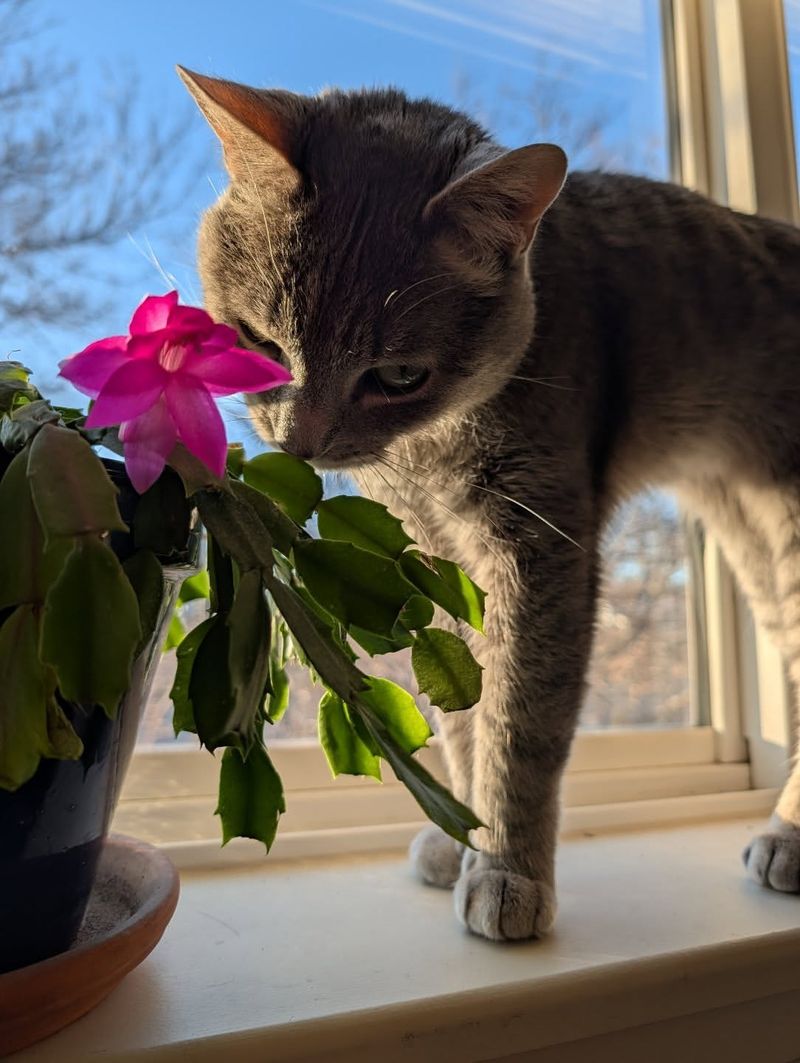
Every December, Oregon flower shops and grocery stores fill up with Christmas cacti in full bloom. Their arching, segmented stems and vibrant tubular flowers in shades of red, pink, white, and purple make them one of the most festive plants of the season.
And unlike many holiday plants, the Christmas cactus is safe for pets.
The ASPCA lists Christmas cactus as non-toxic to cats and dogs. While eating large amounts of any plant material can upset a pet’s stomach, Christmas cactus does not contain compounds that cause serious harm.
This makes it one of the rare holiday plants you can actually relax about having around your animals.
Christmas cactus is surprisingly easy to care for and can live for decades with the right attention. It prefers bright indirect light and cooler temperatures, which means Oregon homes in fall and winter are practically ideal conditions for it.
Water it when the top inch of soil feels dry and keep it away from heating vents. With proper care, it will bloom reliably every year around the holidays.
It is a plant with real staying power, and knowing it is safe for your pets makes it even more worth having in your Oregon home.