How Long It Takes To Grow A Full Potato Crop In Georgia And When To Harvest
Growing potatoes in Georgia is rewarding, but timing matters if you want a healthy, full crop. You’ve probably planted tubers before and wondered why some grow quickly while others lag behind.
Understanding how long potatoes need to develop and when to harvest ensures you get the most out of your effort and space.
Potatoes thrive in Georgia’s mild spring and early summer, but soil temperature, moisture, and variety all influence how fast tubers mature.
Planting at the right time and keeping soil evenly moist encourages steady growth and prevents common problems like rotting or stunted development.
By tracking your crop and knowing the signs of readiness, you can harvest potatoes at peak size and flavor. Careful timing makes the difference between a few small spuds and a full, abundant harvest that fills baskets and your kitchen.
1. Most Potato Crops In Georgia Mature In About 90 To 120 Days
Potatoes need roughly three to four months from planting to reach full maturity across Georgia. This timeframe varies based on which variety you choose and local weather patterns throughout the growing season.
Early varieties finish faster, sometimes wrapping up in 90 days, while main-season and storage types push closer to 120 days before they’re ready.
Your variety selection directly impacts how long you’ll wait for harvest. Fingerlings and early reds tend toward the shorter end of the spectrum, perfect for gardeners who want quick results.
Russets and other baking potatoes typically require the full four months to develop their characteristic size and starch content that makes them ideal for storage.
Georgia’s climate generally supports this growth window well, especially for spring-planted crops.
Starting in late February through March gives plants the cool soil they prefer for initial growth, followed by warming temperatures that accelerate development.
The 90 to 120-day window assumes relatively normal weather without extreme drought or excessive rainfall that could slow growth.
Planning around this timeline helps coordinate your garden schedule. If you plant in early March, expect harvest sometime between early June and late June, depending on variety.
This timing allows you to clear the bed for summer crops like beans or squash, making efficient use of your growing space throughout the year.
Keep records of planting dates and actual harvest times for different varieties in your specific Georgia location. These notes become invaluable references for future seasons, helping you fine-tune timing based on your microclimate and preferred potato types.
2. Early Spring Planting Sets The Timeline For Harvest
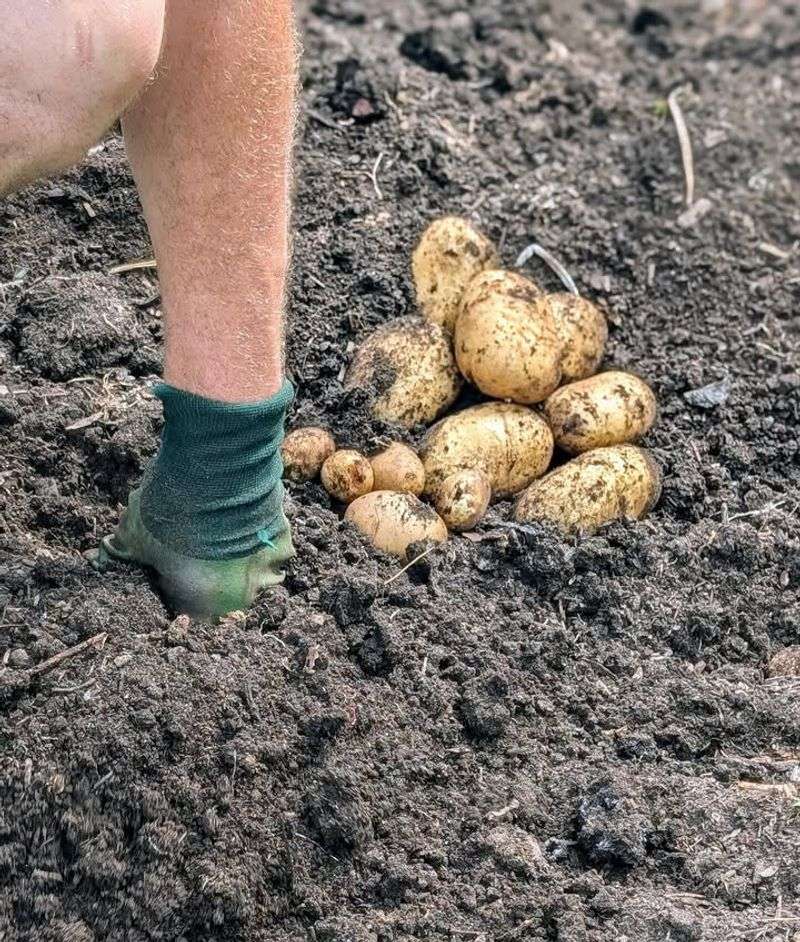
Planting timing establishes everything that follows in your potato-growing journey. Georgia gardeners typically start placing seed potatoes in the ground between late
February and mid-March, capitalizing on cool soil temperatures that potatoes love.
This early start allows plants to establish strong root systems before summer heat arrives, setting up conditions for optimal tuber development.
Soil conditions matter more than calendar dates when deciding your exact planting day. Ground should be workable, not waterlogged or frozen, with temperatures trending upward.
Many experienced Georgia growers watch for consistent soil temps around 45 to 50 degrees Fahrenheit, which signals ideal planting conditions for most varieties.
Your Georgia Garden Changes Every Week. Your Plan Should Too.
Gardening in Georgia changes quickly throughout the season. Every Friday you’ll receive a simple weekly plan showing exactly what to plant, prune, fertilize, harvest, and protect so you never miss the right timing.
Regional differences across Georgia influence optimal planting windows. North Georgia gardeners in mountainous areas might wait until mid-March, while coastal and southern regions can often start in late February.
Paying attention to your specific zone helps prevent planting too early, which risks rot, or too late, which cuts into growing time before summer heat stress begins.
The spring planting window creates a natural timeline that works with Georgia’s seasons. Plants emerge within two to three weeks, grow vigorously through April and May, and reach maturity before the most intense summer heat arrives.
This rhythm produces healthier plants and better yields than fighting against seasonal patterns.
Some adventurous Georgia gardeners attempt fall plantings, but spring remains the most reliable season.
Fall crops face challenges with timing harvest before winter cold and often produce smaller yields, making spring the preferred choice for consistent results across the state.
3. Soil Temperature Plays A Bigger Role Than Calendar Dates
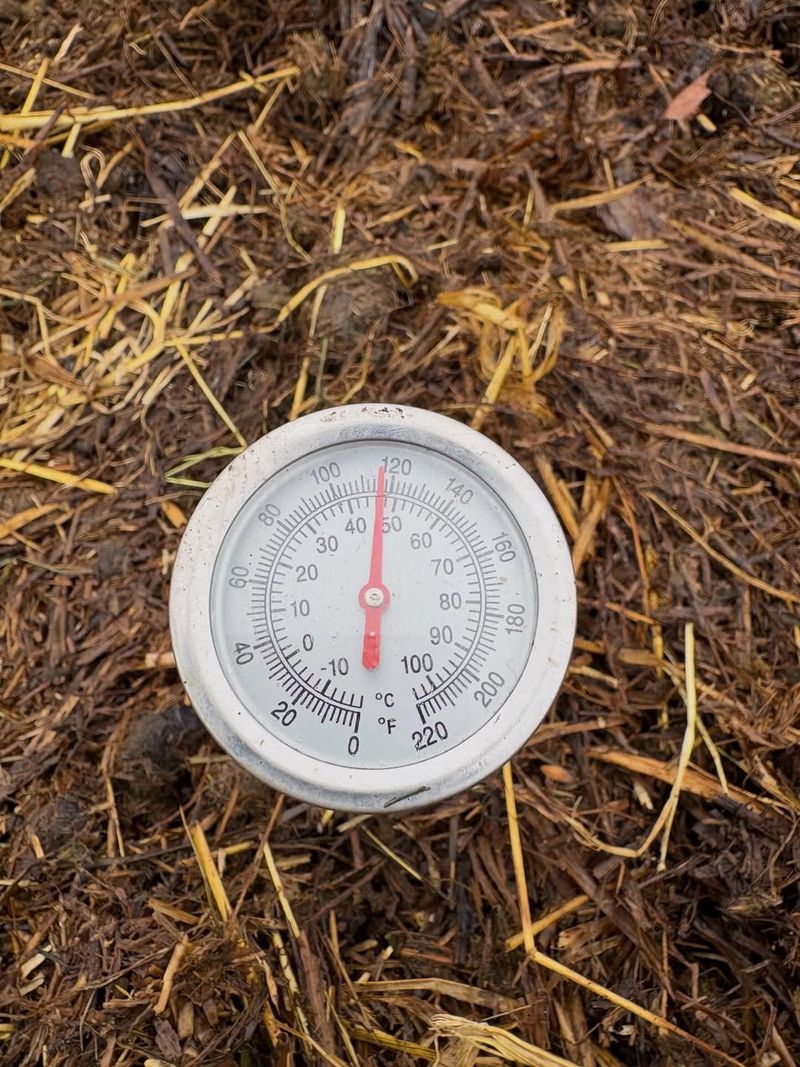
Ground temperature determines whether your seed potatoes sprout successfully or rot before emerging. Checking soil temp before planting prevents costly mistakes that calendar-only planning often causes.
A simple soil thermometer, inserted three to four inches deep, gives you accurate readings that guide smart planting decisions across Georgia’s varied climate zones.
Potatoes prefer soil between 45 and 55 degrees for planting, with sprouting accelerating as temps climb toward 60. Below 40 degrees, seed pieces sit dormant and vulnerable to disease.
Above 80, tuber formation slows dramatically, which becomes relevant later in the season as Georgia summer arrives.
Morning readings provide the most consistent data for planning purposes. Take measurements for several consecutive days rather than relying on a single reading, since temperatures fluctuate with weather patterns.
This practice gives you confidence that conditions have stabilized enough for successful germination.
Different parts of Georgia reach ideal soil temperatures at different times. Coastal areas warm faster than mountain regions, sometimes by two to three weeks.
Urban gardeners often see earlier warming due to heat island effects, while rural properties with heavy clay might lag behind sandy soils that warm more quickly.
Monitoring soil temperature throughout the growing season also helps predict growth rates. As ground temps rise through spring, potato plants accelerate their development.
When summer heat pushes soil above 80 degrees, growth slows, signaling that harvest time approaches.
This temperature awareness helps Georgia growers work with nature rather than against it, producing healthier crops with better yields and fewer disease problems.
4. Growth Speeds Up As Georgia Days Warm
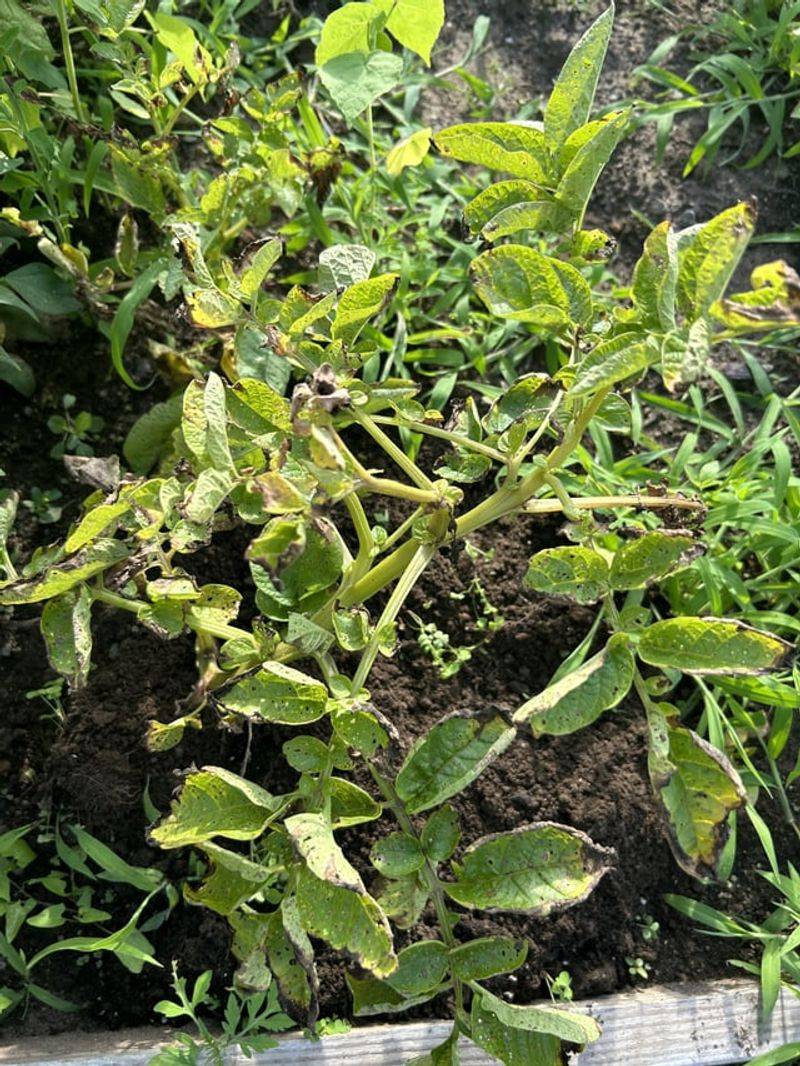
Spring warmth triggers dramatic growth changes in potato plants throughout Georgia. As April temperatures climb and days lengthen, plants that seemed to poke along suddenly explode with new foliage.
This acceleration happens because potatoes thrive in temperatures between 60 and 70 degrees, which Georgia delivers consistently during late spring months.
Foliage growth directly correlates with underground tuber development. More leaves mean more photosynthesis, which translates to energy for creating potatoes below the soil surface.
Watching your plants bush out with healthy green growth indicates everything is proceeding on schedule toward a successful harvest.
Day length also influences growth speed, though temperature plays the dominant role. Georgia’s increasing daylight hours through spring provide extended photosynthesis time, helping plants manufacture the sugars they convert to starch in developing tubers.
This natural rhythm explains why spring plantings outperform fall attempts in most Georgia locations.
Adequate moisture during this rapid growth phase prevents stress that could reduce yields. Plants need consistent watering, roughly one to two inches weekly, as temperatures warm and growth accelerates.
Georgia’s spring rains often provide much of this moisture naturally, but supplemental irrigation during dry spells keeps growth on track.
Observing growth rate helps you anticipate harvest timing. Plants that establish quickly and grow vigorously in warm spring weather typically mature on the earlier end of the expected timeline.
Slower-growing plants facing cooler temperatures or drought stress might push toward the longer end, requiring patience before harvest readiness arrives.
5. Flowering Signals Tuber Development Below Ground
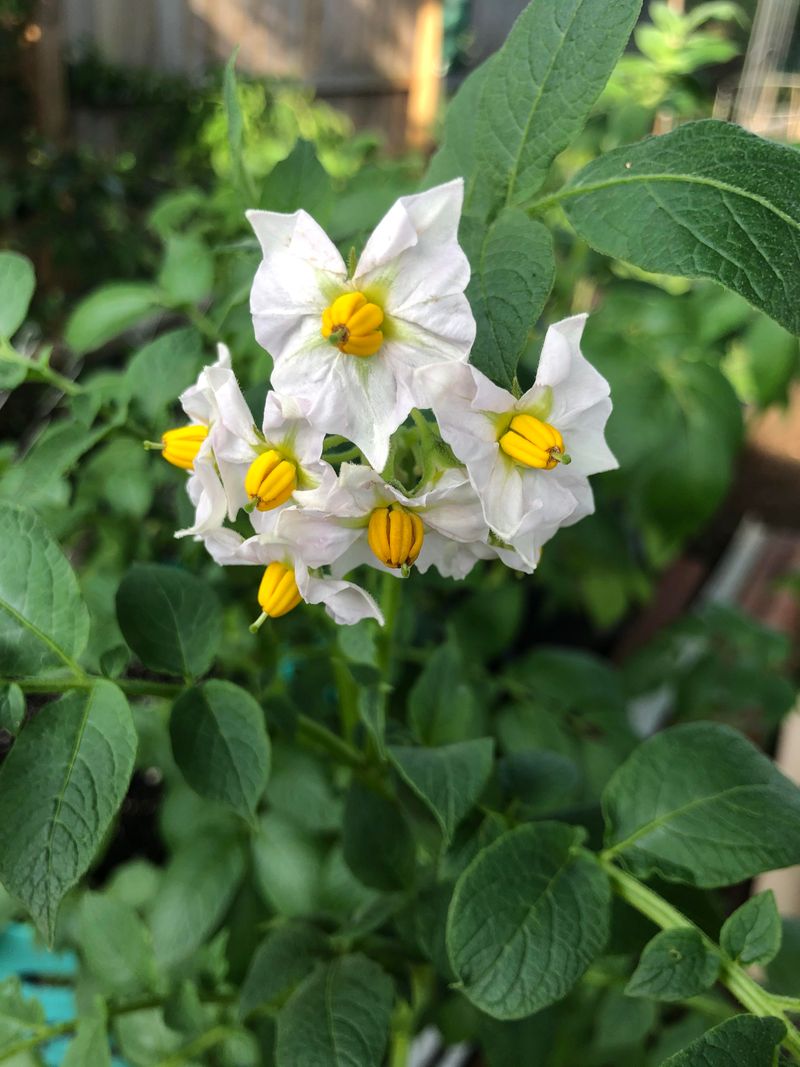
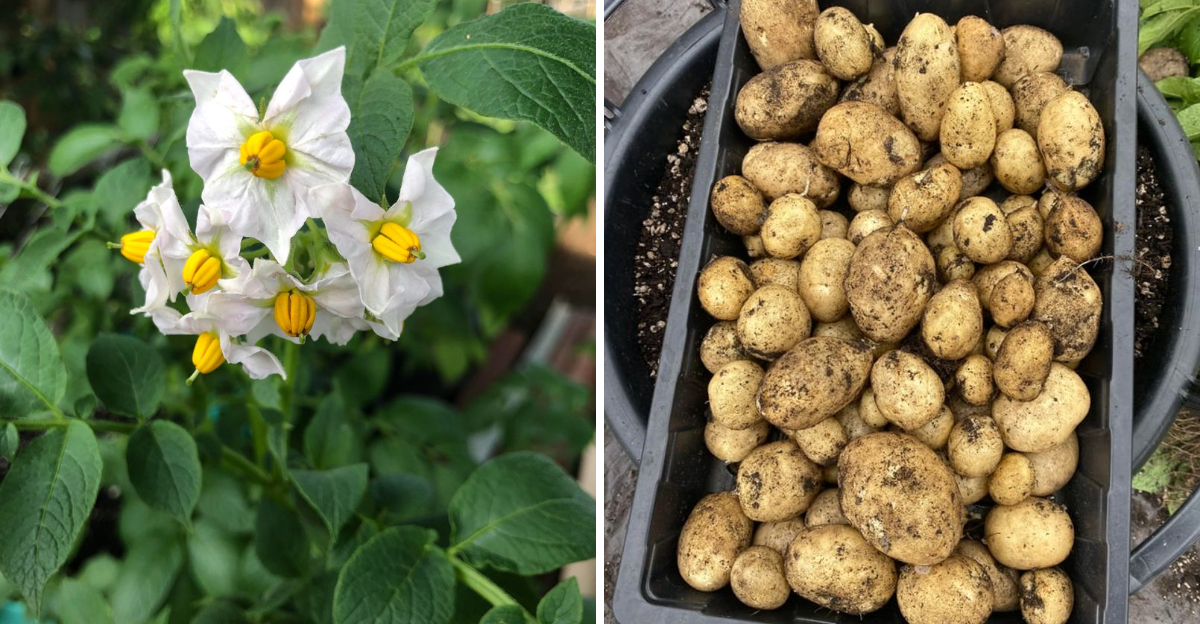
Flowers appearing on your potato plants mark an exciting milestone in the growing process. These delicate blooms, ranging from white to purple depending on variety, signal that tubers have begun forming underground.
While not every variety flowers reliably, those that do provide a helpful visual cue that harvest time draws closer across Georgia gardens.
Tuber formation actually starts slightly before flowers appear, but blooming confirms the process is well underway. At this stage, tiny potatoes are developing and will continue sizing up over the coming weeks.
Resisting the urge to dig around plants protects these developing tubers from damage and disease exposure.
Some gardeners in Georgia notice that extremely hot weather can prevent flowering even when tubers form normally. This happens because temperatures above 85 degrees stress plants and can cause flower buds to drop.
Lack of flowers doesn’t necessarily mean lack of potatoes, so don’t panic if your plants skip blooming during particularly warm springs.
The flowering period typically lasts one to two weeks, after which plants focus energy on tuber growth rather than reproduction. This shift means the countdown to harvest has truly begun.
From flowering to full maturity usually takes another four to six weeks, depending on variety and growing conditions.
Monitoring plant health during and after flowering helps ensure good yields. Continue consistent watering and watch for pest problems that could reduce tuber size.
Georgia’s warm late spring weather during this critical period generally favors excellent potato development, setting up gardeners for satisfying harvests when the time comes.
6. Foliage Yellowing Means Harvest Time Is Near
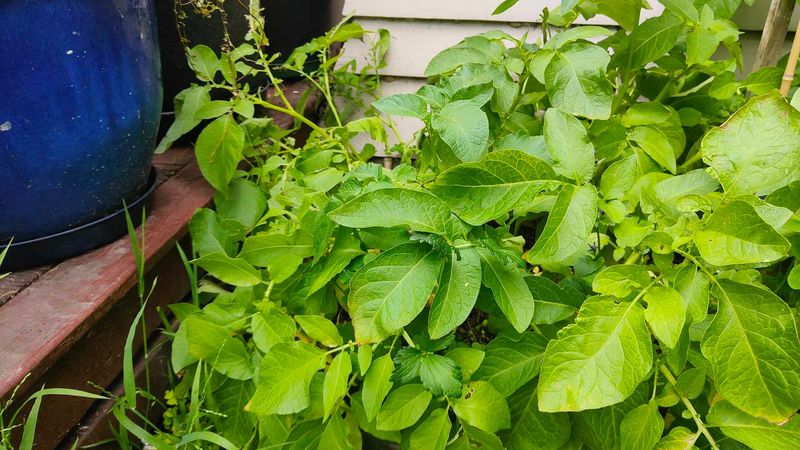
Watching your potato plants turn yellow and brown might seem alarming at first, but this natural process signals maturity. As plants finish their life cycle, they redirect energy from foliage into tubers, causing leaves to yellow and stems to weaken.
This visible change tells Georgia gardeners that harvest time has arrived or will within days.
The yellowing process typically starts at lower leaves and progresses upward as the plant matures. Complete foliage breakdown isn’t necessary for harvest, but waiting until at least half the plant has yellowed ensures tubers have reached good size.
Skin set, the toughening of potato skins for storage, also improves as plants mature and foliage fades.
Early varieties often show yellowing around the 90-day mark, while storage types might stay green longer before finally fading.
Georgia’s climate can accelerate this process if June heat arrives strong, essentially forcing plants into dormancy earlier than they might in cooler regions.
This natural response protects tubers from heat stress by ending active growth.
Some gardeners choose to cut foliage once yellowing begins, allowing skins to set for another week or two before digging. This technique works well in Georgia, especially if rain threatens at harvest time.
Removing tops prevents excess moisture from reaching tubers through the dying foliage, reducing rot risk.
Harvest timing after yellowing depends on your intended use. New potatoes can be dug as soon as foliage starts fading, offering tender skins and sweet flavor.
Storage crops benefit from waiting until foliage has completely dried down, ensuring skins are tough enough to handle curing and long-term storage.
7. Timing Your Harvest For New Potatoes Or Full Storage Crops
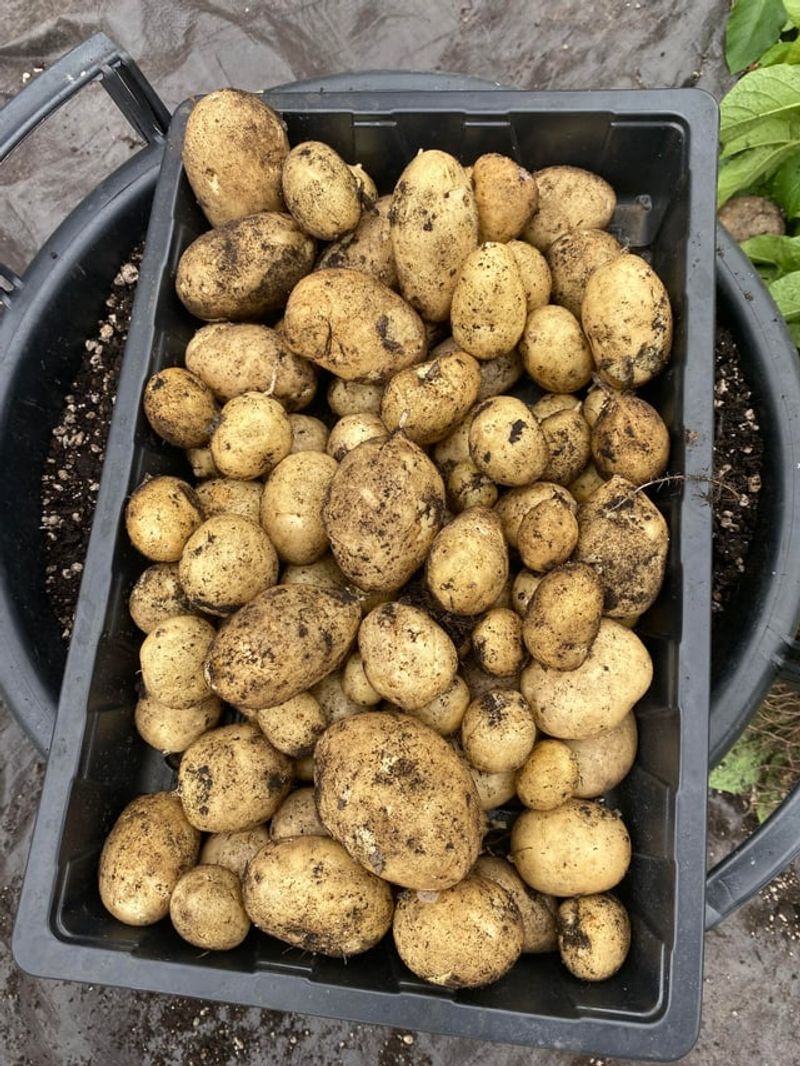
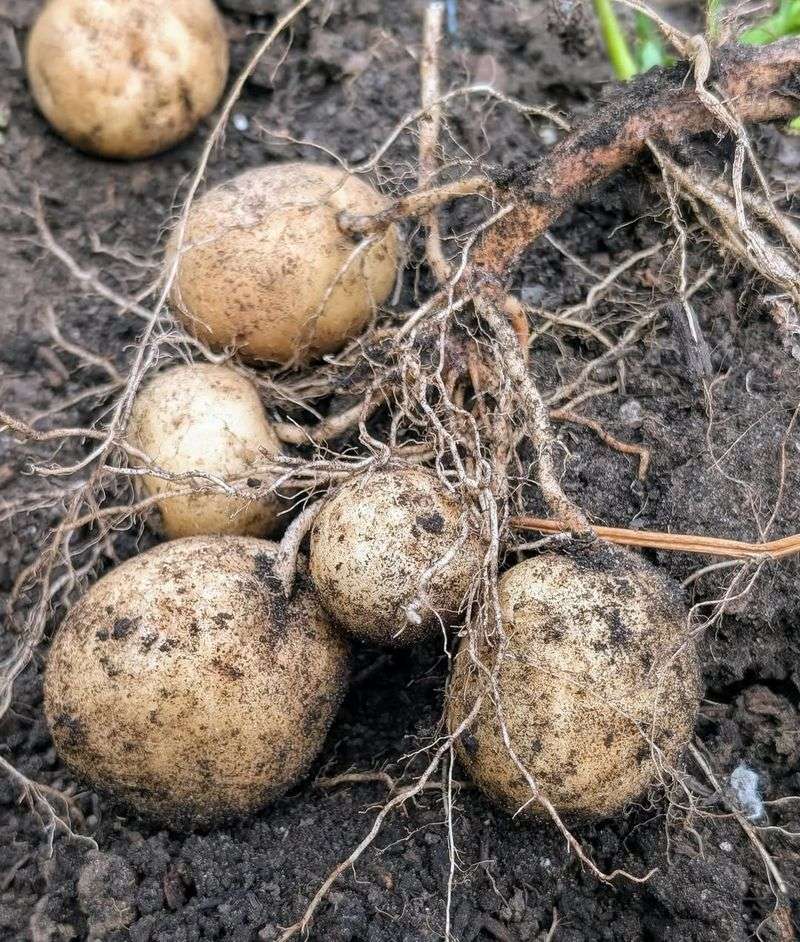
Harvest timing flexibility gives Georgia potato growers options based on their needs. New potatoes, harvested young with tender skins, become available roughly 60 to 80 days after planting, well before plants fully mature.
These small gems offer sweet flavor and delicate texture perfect for immediate cooking, though they won’t store long-term.
Reaching under plants carefully to steal a few new potatoes doesn’t harm the remaining crop. This technique, called grabbling, lets you enjoy early harvests while allowing the rest to continue growing toward full size.
Many Georgia families treasure these first tastes of homegrown potatoes in late spring, making the wait for the main crop more bearable.
Full storage crops require patience until foliage has completely yellowed and dried. Waiting these extra weeks allows skins to toughen properly, which protects tubers during harvest, curing, and storage.
Mature potatoes dug at the right time can last months in proper storage conditions, providing homegrown food well into winter.
Weather considerations influence exact harvest timing across Georgia. Digging before heavy rains prevents waterlogged soil that makes harvest difficult and increases rot risk.
Conversely, extremely dry soil can make digging harder and increase damage to tubers, so light watering a day before harvest can help.
Curing harvested potatoes properly extends storage life significantly. After digging, brush off excess soil without washing, then store tubers in a dark, humid location around 50 to 60 degrees for 10 to 14 days.
This curing period heals minor cuts and further toughens skins, preparing your Georgia-grown potatoes for months of storage and enjoyment.