This Is How To Fix Leggy Shrubs In Florida Without Ruining Spring Blooms
Florida shrubs can explode with growth almost overnight. Warm winters, early sunshine, and sudden rain push stems upward fast.
Before long, once-compact plants look stretched, sparse, and awkward. Long bare branches reach for light, blooms sit far from the center, and the whole landscape starts to feel unfinished.
The instinct to grab pruners and cut everything back makes sense. One wrong move, though, can wipe out the very flowers you have waited months to see.
Leggy growth signals imbalance, not failure. Poor light, crowded spacing, or late-season trimming often cause shrubs to lose shape.
The solution calls for strategy, not panic. Smart timing and precise cuts restore fullness while protecting developing buds.
Florida’s climate allows corrective pruning without sacrificing color, but only with the right approach. Follow a careful plan and those stretched shrubs rebound into dense, bloom-packed showpieces just in time for spring’s biggest display.
1. Know If It Blooms On Old Or New Wood
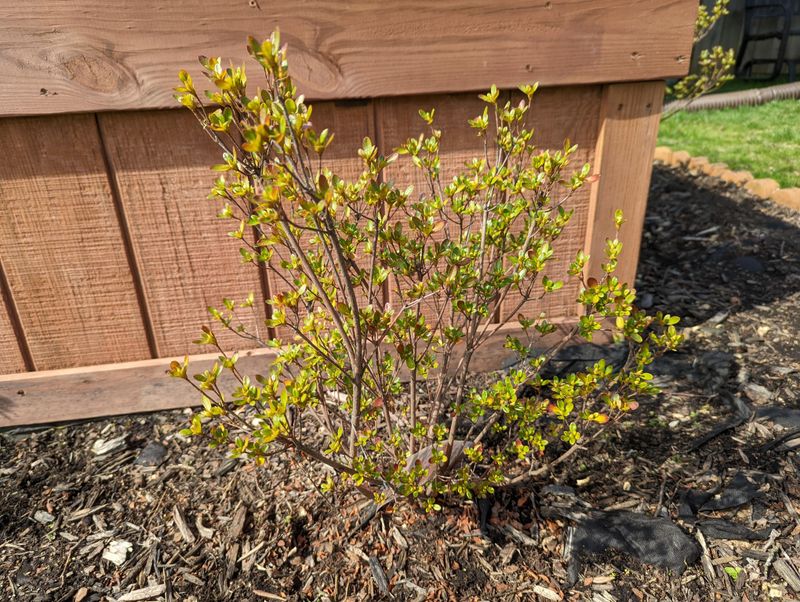
Florida gardeners often make the mistake of pruning shrubs right before they bloom, removing all the flower buds they were hoping to see. Bloom timing depends entirely on whether a shrub sets buds on old wood or new wood.
Old wood bloomers like azaleas, gardenias, and camellias form their flower buds months before they actually open, usually in late summer or fall for a spring show. New wood bloomers like hibiscus, plumbago, and Mexican heather produce flowers on the current season’s growth, so they can handle more frequent pruning without losing blooms.
University of Florida IFAS Extension emphasizes understanding this difference before making any cuts. Pruning an azalea in February might seem harmless, but you would be removing buds that were already set last September.
In North Florida, spring blooms typically arrive in March or early April, while South Florida sees blooms as early as late February. Central Florida falls somewhere in between.
Check your shrub’s bloom habit before grabbing the pruners. Look closely at branch tips in late winter to spot developing buds.
If you see swollen buds forming, wait until after blooming to prune. If the plant blooms continuously or sporadically, it likely flowers on new wood and can be pruned more flexibly.
Getting this timing right makes all the difference between a spectacular spring display and a disappointing bare season.
2. Stop Shearing Start Selective Pruning
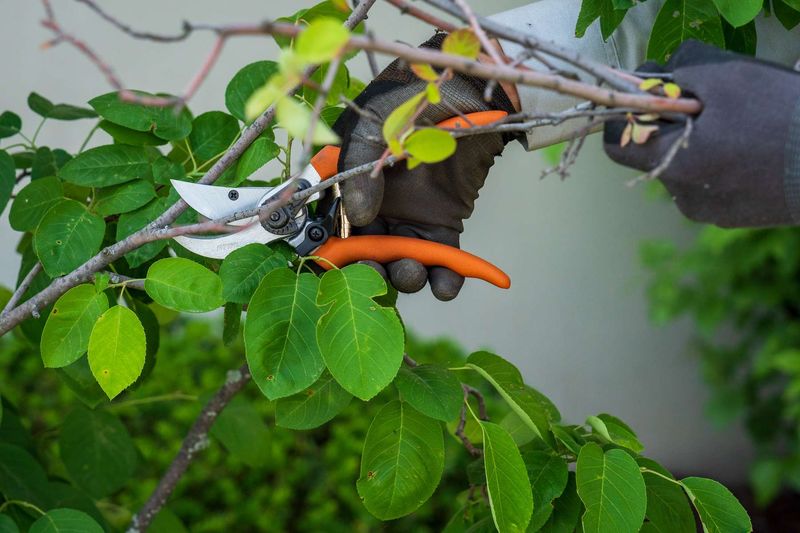
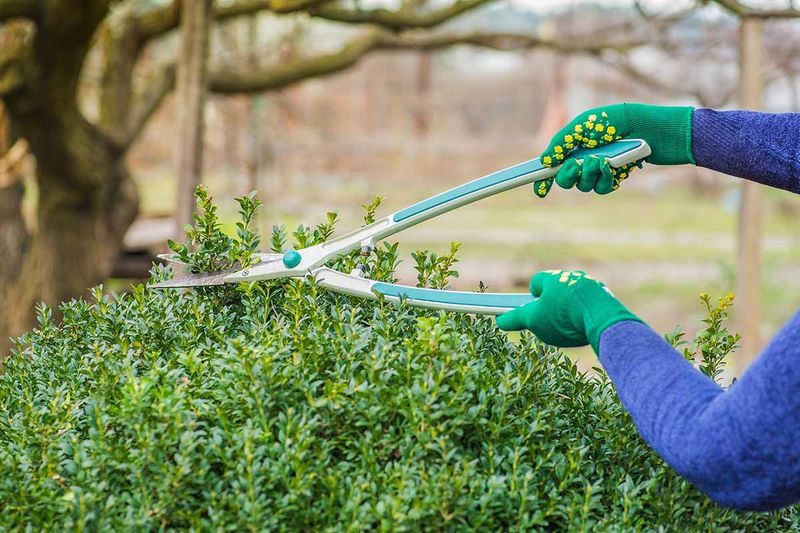
Repeated shearing with hedge trimmers is the main reason Florida shrubs become leggy in the first place. Every time you run clippers across the top and sides, you force the plant to sprout new growth from the exact same spots.
Over time, this creates a dense outer shell of leaves with nothing but bare stems inside. The shrub looks fine from a distance, but up close it resembles a green shell with an empty interior.
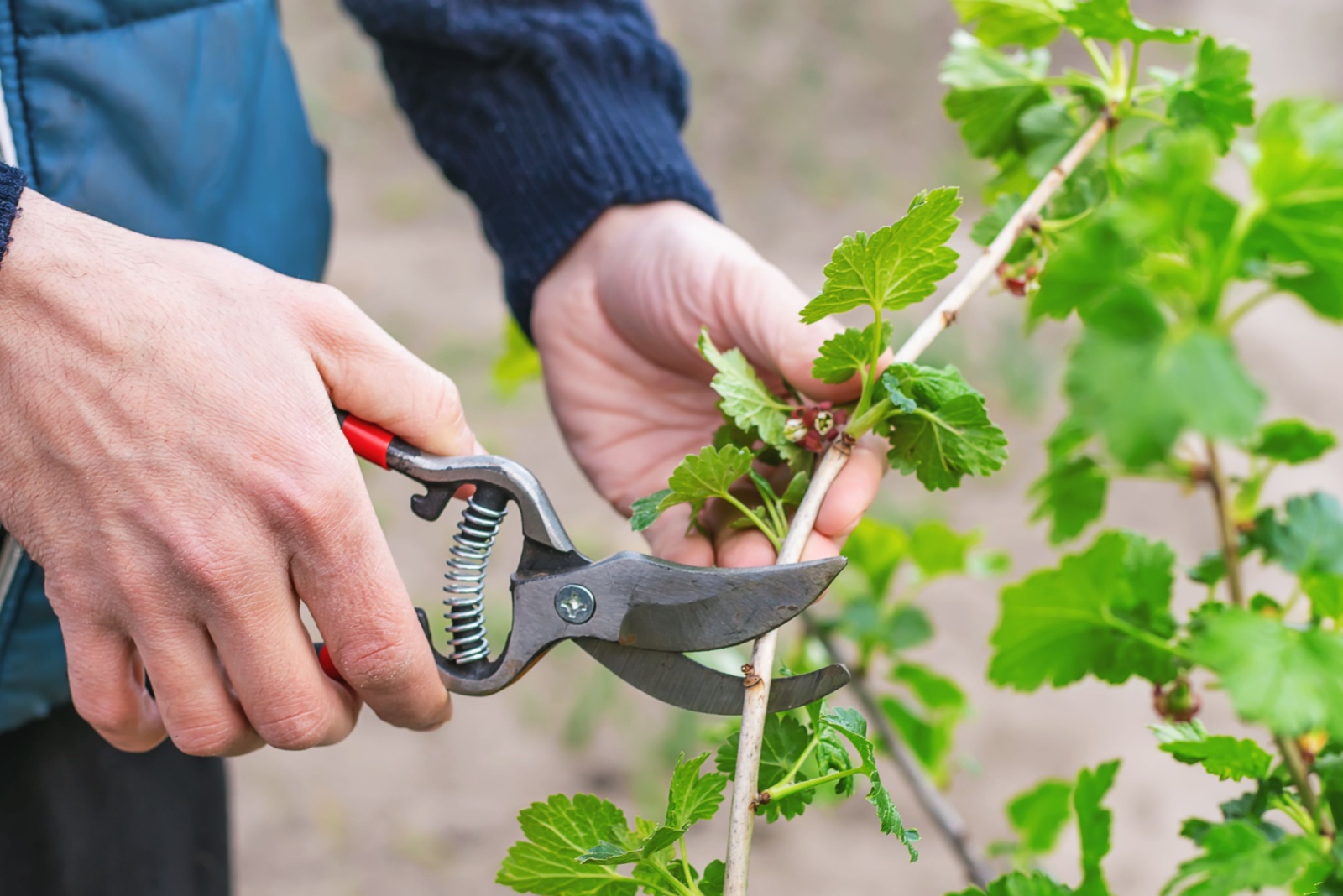
Selective pruning works differently and produces much healthier results. Instead of cutting everything at the same height, you use hand pruners or loppers to remove individual branches at different points.
Cut branches back to a side shoot or bud that points in the direction you want new growth to go. This method encourages branching throughout the plant, not just at the tips.
Your Florida Garden Changes Every Week. Your Plan Should Too.
Gardening in Florida changes quickly throughout the season. Every Friday you’ll receive a simple weekly plan showing exactly what to plant, prune, fertilize, harvest, and protect so you never miss the right timing.
University of Florida IFAS Extension recommends following the natural form of each shrub rather than forcing it into unnatural shapes. A boxwood can handle shearing because it naturally grows densely, but an azalea or viburnum should be pruned selectively to maintain its graceful arching habit.
Selective cuts take more time than running a hedge trimmer over everything, but the payoff is a fuller, healthier shrub with better interior growth. Your plants will look more natural and require less maintenance over time once you break the shearing cycle.
3. Open Up The Center For More Light
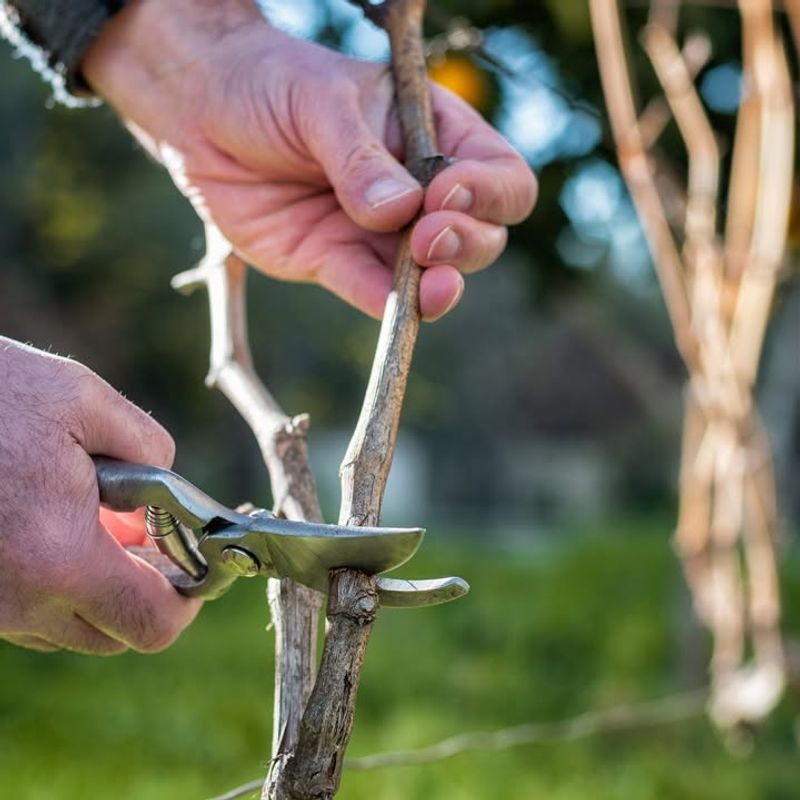
Leggy shrubs often have crowded, tangled interiors where no light reaches and airflow is poor. In Florida’s humid climate, this creates the perfect environment for fungal diseases like powdery mildew, leaf spot, and sooty mold.
Branches rub against each other, wounds develop, and pests find shelter in the dense tangle. Thinning out the center of your shrubs helps solve multiple problems at once.
Start by removing branches that cross or rub together. Cut them back to the main stem or a healthy side branch.
Next, look for weak, spindly growth that developed in shade and remove it at the base. Your goal is to create an open structure that allows sunlight and air to move through the plant.
This encourages new growth lower down on the shrub instead of just at the tips.
Better airflow is especially important in Central and South Florida, where high humidity and afternoon thunderstorms are common. Wet foliage that stays damp for hours invites disease problems.
Opening up the center helps leaves dry faster after rain or irrigation. You will also notice healthier foliage color and stronger interior branches once light can penetrate deeper into the plant.
Aim to remove up to one-third of the oldest, most crowded stems each year if the shrub tolerates renewal pruning. This gradual approach keeps the shrub looking full while steadily improving its structure and health over time.
4. Lower Height Slowly Not All At Once
When a shrub has grown too tall, the temptation is to cut it back hard all at once. Resist this urge, especially with spring bloomers.
Drastic cuts can shock the plant, remove all the flower buds, and leave you with a bare skeleton that takes months to recover. A better approach is staged height reduction spread over multiple growing seasons.
Begin by removing no more than one-third of the shrub’s height in a single session. Make your cuts just above a healthy side branch or outward-facing bud.
This encourages the plant to fill in below the cut rather than just shooting straight up again. Wait until after spring blooming to make these cuts on old wood bloomers.
In North Florida, that usually means late April or May. Central Florida gardeners can prune in April, while South Florida often has a window in March after blooms fade.
The following year, you can take another third off if needed, continuing to shape the plant gradually. This method preserves some blooms each spring while steadily bringing the shrub down to a manageable size.
University of Florida IFAS Extension recommends this conservative approach for azaleas, gardenias, and other popular Florida landscape shrubs. You will maintain a better-looking plant throughout the process and avoid the stress that comes from severe pruning.
Patience pays off with healthier, fuller shrubs that bloom reliably every season.
5. Prune Around Florida Bloom Timing
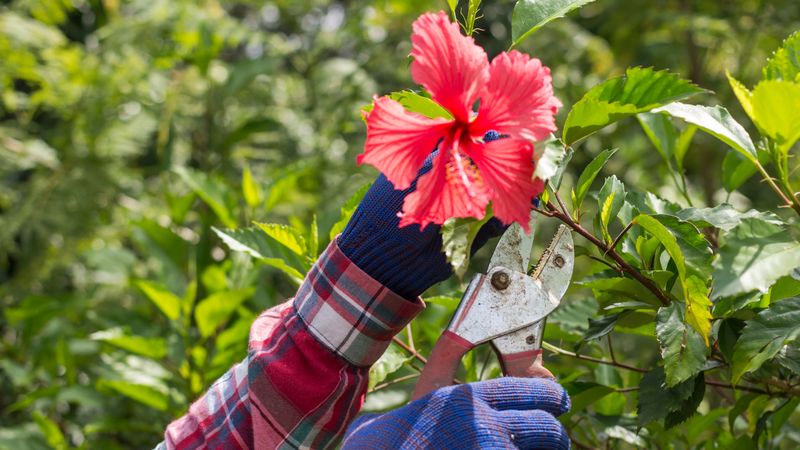
Florida’s diverse climate means bloom timing varies significantly from Pensacola to Key West. Shrubs in North Florida might not bloom until mid-April, while the same species in South Florida could finish flowering in February.
Central Florida falls in the middle, with peak spring blooms typically arriving in March. Understanding these regional differences is essential for timing your pruning correctly.
For old wood bloomers, the safest pruning window is immediately after flowering ends. This gives the shrub the maximum amount of time to set new buds for next year’s display.
In South Florida, that might mean pruning azaleas in early March. Central Florida gardeners should wait until mid to late March, and North Florida residents often prune in April or early May.
Pruning too late in summer can remove buds that have already formed for the following spring.
New wood bloomers offer more flexibility since they flower on current growth. Hibiscus, plumbago, and ixora can be pruned in late winter or early spring before the main growing season kicks in.
University of Florida IFAS Extension provides detailed pruning calendars for common Florida shrubs that account for these regional differences. Pay attention to your specific location and the actual bloom timing of your plants rather than following a generic national calendar.
What works in Georgia or Texas might not match Florida’s unique growing conditions.
6. Use Renewal Pruning To Reset Growth
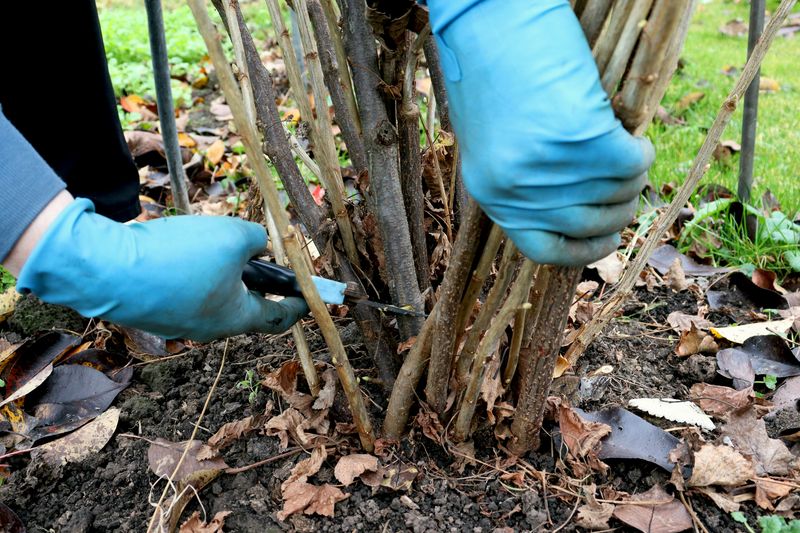
Severely leggy shrubs sometimes need a complete reset, and renewal pruning is the most effective way to achieve that. This technique involves removing the oldest, thickest stems completely at ground level over a period of two to three years.
The goal is to stimulate fresh new growth from the base while avoiding the shock of cutting everything down at once.
Start by identifying the oldest, most unproductive stems. These are usually the thickest, with rough bark and few side branches.
Remove about one-third of these old stems each year, cutting them flush with the ground. Leave the younger, more vigorous stems in place to keep the shrub looking reasonably full.
The plant will respond by sending up new shoots from the base, which will be more compact and better branched than the leggy old growth.
University of Florida IFAS Extension recommends renewal pruning for overgrown azaleas, viburnums, and other deciduous or semi-deciduous shrubs that can handle aggressive cutting. Time this work right after flowering for spring bloomers, or during late winter rest for shrubs that bloom on new wood.
By the third year, you will have replaced most of the old structure with healthy new growth that is fuller and more attractive. This method takes patience but produces excellent long-term results.
Renewal pruning essentially gives you a new shrub without the cost or stress of removing and replanting. Your landscape will look better and require less corrective pruning in future years.
7. Pinch Tips For Fuller Branching
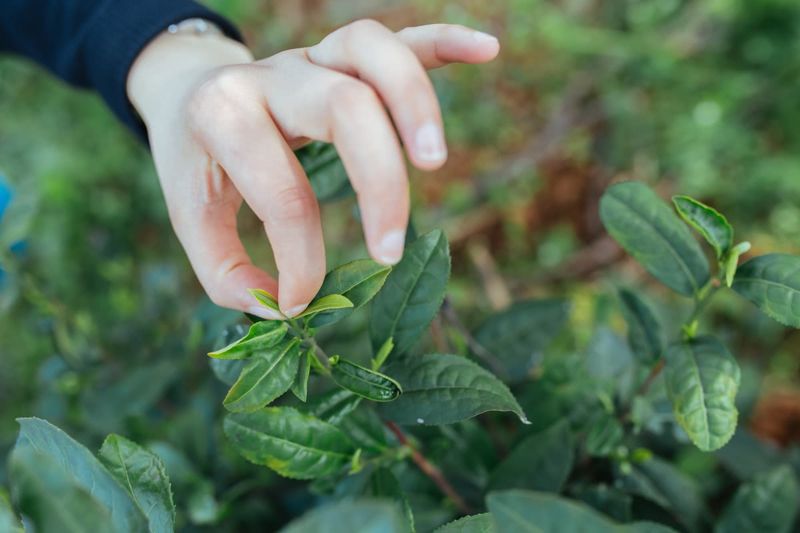
Pinching is a gentle alternative to heavy pruning that encourages bushier growth without removing flower buds or causing stress. This technique works best on soft, actively growing tips during spring and early summer.
Simply use your thumb and forefinger to pinch off the top half-inch to inch of new growth. This removes the apical bud, which signals the plant to branch out from buds lower on the stem.
Pinching is especially useful for shrubs like coleus, pentas, and certain hibiscus varieties that grow quickly in Florida’s warm weather. Regular pinching throughout the growing season keeps plants compact and full without the need for shears.
You can pinch every few weeks during active growth, stopping in late summer to allow the plant to harden off before cooler weather arrives in North and Central Florida.
This method also works well for maintaining shape on shrubs that have already been correctively pruned. Once you have reduced height and opened up the interior, regular pinching helps maintain the improved form.
It prevents the rapid vertical growth that Florida’s long growing season encourages. Pinching takes only a few minutes per shrub and can be done while you are walking through the garden.
It is a low-stress way to keep plants looking tidy without triggering the heavy regrowth that often follows hard pruning. Your shrubs will stay fuller and more proportional with this simple, ongoing maintenance approach.
8. Support Recovery With Proper Care
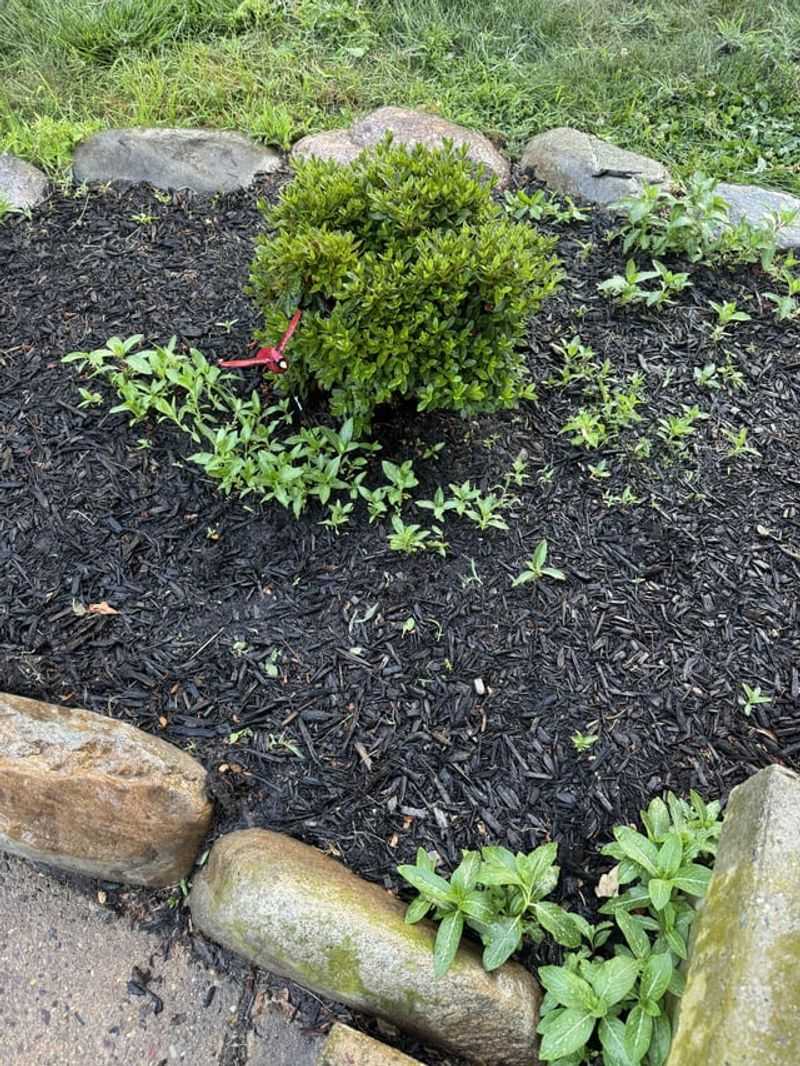
Pruning stresses plants, even when done correctly, so proper aftercare is essential for a quick recovery. Florida’s sandy soils drain quickly and do not hold nutrients well, which means your shrubs need consistent moisture and appropriate fertilization to bounce back from pruning.
Start by watering deeply right after pruning to help the plant cope with the stress of losing foliage.
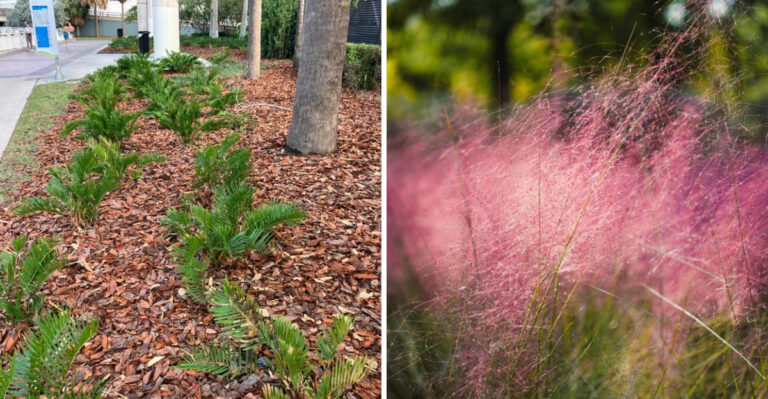
Apply a two to three-inch layer of mulch around the base of each shrub, keeping it a few inches away from the trunk to prevent rot. Mulch conserves moisture, moderates soil temperature, and slowly adds organic matter as it breaks down.
In Florida’s heat, mulch is especially important for helping roots stay cool and moist. Water regularly for the first few weeks after pruning, especially if rain is scarce.
Once you see new growth emerging, you can reduce watering frequency.
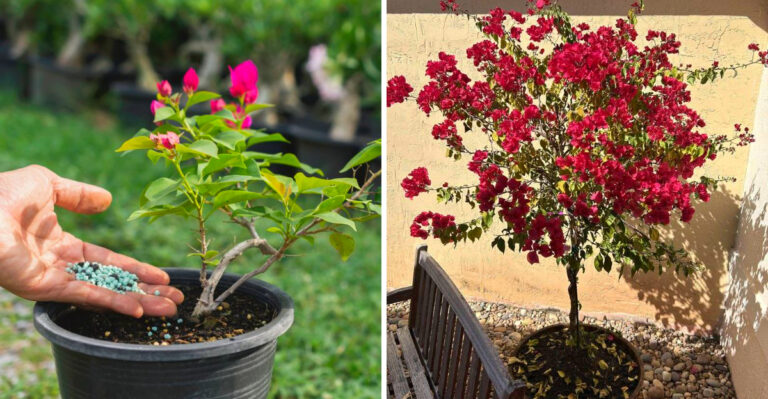
Fertilize lightly about four to six weeks after pruning, once new growth is actively developing. Use a balanced, slow-release fertilizer appropriate for your shrub type.
Avoid overfeeding, which is a common mistake in Florida’s humid climate. Excess nitrogen encourages soft, leggy growth and makes plants more susceptible to disease and storm damage.
University of Florida IFAS Extension recommends soil testing to determine actual nutrient needs rather than guessing. With proper watering, mulching, and moderate fertilization, your pruned shrubs will recover quickly and develop the full, healthy growth you are aiming for.