This Is How To Stop Invasive Plants From Taking Over Your Texas Yard
Have you ever walked outside, looked at your yard, and wondered how it turned into a jungle overnight? One minute everything looks neat and under control, and the next, fast-growing vines and stubborn weeds are creeping across your lawn like they own the place.
If you live in Texas, you know how quickly invasive plants can spread. The warm climate and long growing season give them the perfect chance to take over flower beds, fences, and even entire lawns before you realize what’s happening.
These aggressive plants do more than just look messy. They compete with your grass, crowd out native flowers, and can even damage trees and structures.
The worst part is how quietly they move in. By the time you notice them, they are already established.
The good news is that you are not powerless. With the right approach, a little consistency, and some smart yard habits, you can protect your Texas landscape and keep those unwanted invaders from taking control.
1. Identify Invasive Plants In Your Yard
Before you pull a single weed or grab a single tool, you need to know exactly what you are dealing with. Not every fast-growing plant in your Texas yard is actually invasive.
Some plants are just aggressive, and there is a big difference. An invasive plant is a non-native species that causes harm to the environment, economy, or human health. Knowing which category your unwanted plants fall into will help you take the right action.
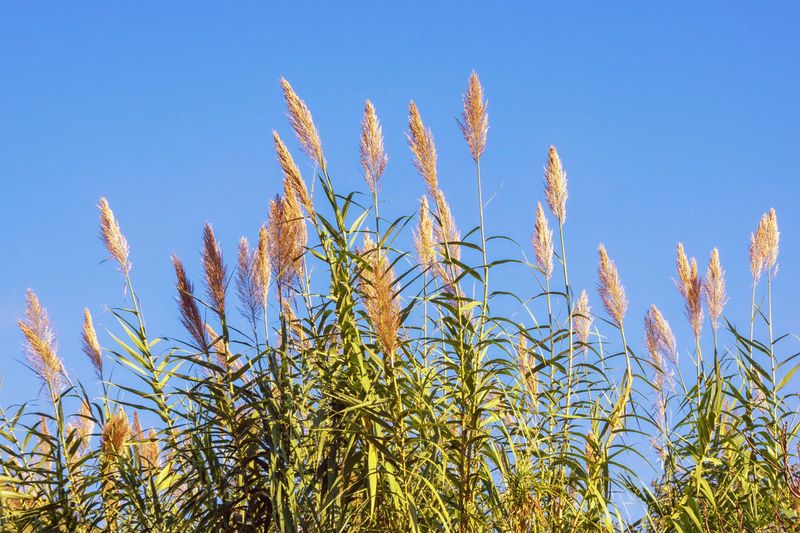
Texas is home to some well-known invaders that show up in yards across the state. Chinese tallow tree, giant reed, Japanese honeysuckle, and chinaberry are among the most common troublemakers.
These plants often show up first along fence lines, drainage ditches, wooded edges, and shaded corners of your yard. Those spots are worth checking first because they are easy to overlook until the problem gets out of hand.
The best way to confirm what you have found is to use the Texas A&M AgriLife Extension resources. They offer free plant identification guides, online tools, and local experts who know Texas landscapes inside and out.
Do not skip this step. Removing the wrong plant can damage your yard and waste your time.
Taking a photo and comparing it to a trusted resource takes only a few minutes and can save you a lot of trouble later. Once you know exactly which invasive species you are dealing with, you can choose the best removal method for that specific plant.
Proper identification is truly the foundation of any successful invasive plant control plan in Texas.
2. Remove Small Plants By Hand
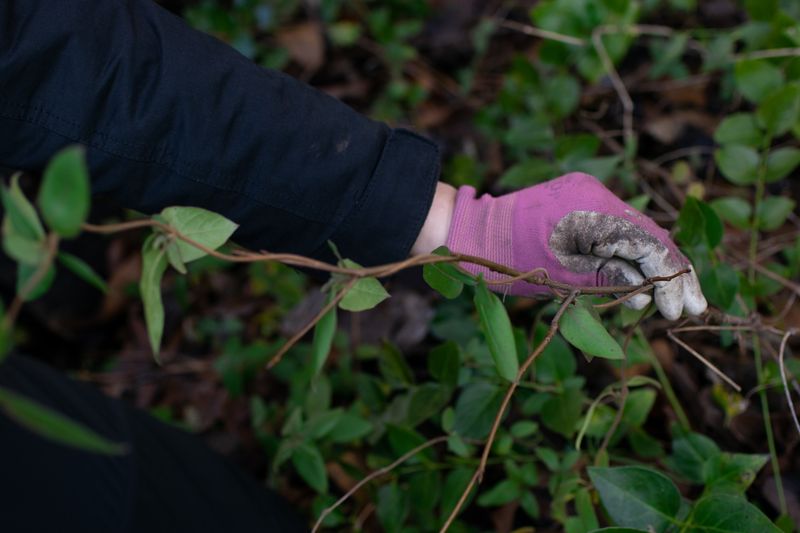
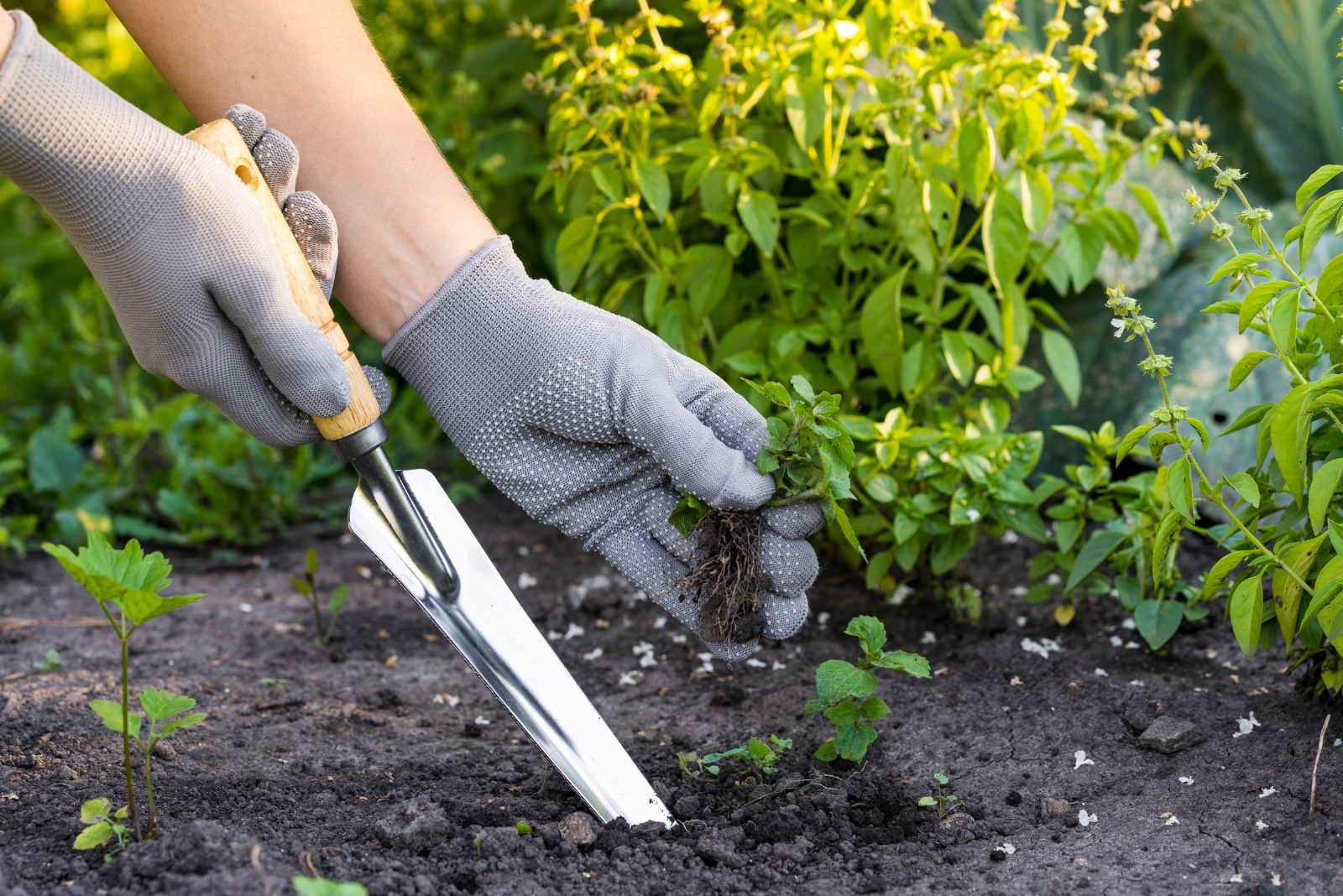
There is something satisfying about pulling an invasive plant right out of the ground with your own hands. For small seedlings and young plants, hand removal is often the most effective and least harmful method available.
No chemicals, no complicated equipment, just you, a pair of gloves, and some patience. The key is timing and technique, and getting both right makes a huge difference in whether those plants come back or not.
Your Texas Garden Changes Every Week. Your Plan Should Too.
Gardening in Texas changes quickly throughout the season. Every Friday you’ll receive a simple weekly plan showing exactly what to plant, prune, fertilize, harvest, and protect so you never miss the right timing.
The best time to hand-pull invasive plants in Texas is early spring, before they mature and set seed. At that point, the plants are still small and their root systems have not fully developed.
Pulling them before they produce seeds also stops the next generation before it ever gets started. Always work when the soil is moist, like after a rain or after watering.
Moist soil loosens around roots much more easily, which means you are more likely to get the whole root out in one pull.
Getting the entire root system out is critical. Many invasive plants, including Japanese honeysuckle, can regrow from even small root fragments left in the soil.
Use a hand trowel or garden fork to loosen the soil around the base of the plant before pulling. Go slow and steady rather than yanking hard, which can break the root and leave pieces behind.
After removal, place the plants in a bag right away so seeds do not scatter across your Texas yard. Staying on top of small plants each season is one of the most powerful long-term strategies for keeping invasive species under control.
3. Use The Cut-Stump Method For Trees And Shrubs
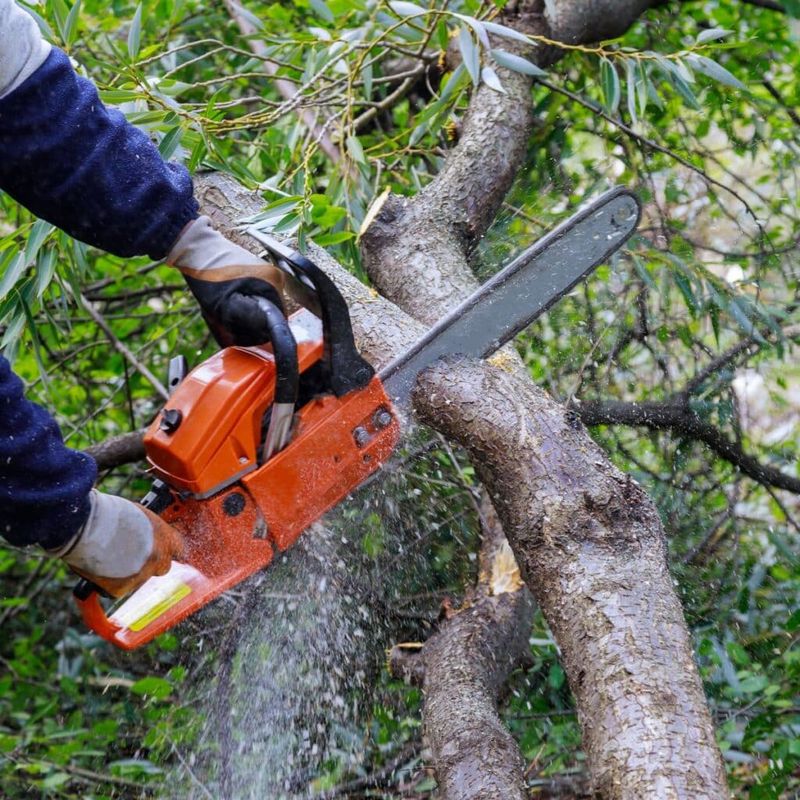
Some invasive plants in Texas grow too large to pull out by hand. Chinaberry trees, Chinese tallow trees, and other woody shrubs can reach heights that make hand removal impossible.
That is where the cut-stump method comes in. It is one of the most reliable techniques for managing larger invasive plants, and it works especially well when done at the right time of year.
The process is straightforward. Cut the plant as close to the ground as possible using a handsaw, loppers, or a chainsaw for larger trunks.
Then, immediately apply a labeled herbicide directly to the freshly cut stump surface. The word immediately matters here.
You want to treat the stump within a few minutes of cutting because the plant tissue needs to be fresh and open to absorb the herbicide effectively. If you wait too long, the plant begins to seal the cut and the treatment becomes much less effective.
In Texas, the cut-stump method works best from late summer through early fall. During that time, trees and shrubs are moving nutrients down into their root systems, which helps carry the herbicide deeper into the plant.
Always read the herbicide label carefully before use and follow Texas pesticide regulations. Wear gloves and eye protection, and keep children and pets away from treated areas until the product has dried completely.
A follow-up check a few weeks later is a smart idea. Some stumps will try to send up new sprouts, and catching those early makes all the difference in keeping your Texas yard clear of invasive regrowth.
4. Apply Herbicides Carefully When Needed
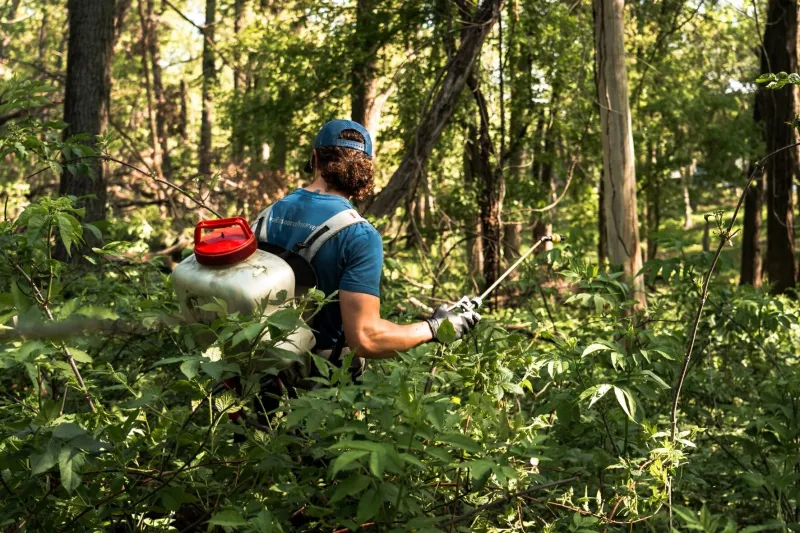
Sometimes hand removal and the cut-stump method are not enough, especially when invasive plants have already taken over a large section of your Texas yard. In those cases, a foliar herbicide spray can help bring a big infestation under control.
But herbicides are powerful tools, and using them the wrong way can harm nearby plants, waterways, and wildlife. Careful, smart application is everything.
Foliar spraying means applying herbicide directly to the leaves of the invasive plant. This works best when the plant is actively growing, which in Texas usually means late summer.
During that period, the plant is pulling nutrients into its system, and the herbicide travels along with those nutrients down into the roots.
Spray enough to wet the leaves without causing the product to drip off onto surrounding soil or desirable plants. A pump sprayer with a focused nozzle gives you the most control.
Always check the weather before you spray. Windy days are a serious problem because the spray can drift onto plants you want to keep, or even onto neighboring yards.
Extreme heat above 90 degrees Fahrenheit can also reduce how well the product works and increase the chance of vapor drift.
Never exceed the labeled application rate, no matter how bad the infestation looks. More product does not mean better results. It just means more risk.
Check the label for any restrictions around water sources, since Texas has many creeks, ponds, and wetlands that need protection. Used responsibly, herbicides can be a very effective part of your invasive plant management plan across Texas.
5. Dispose Of Plant Material The Right Way
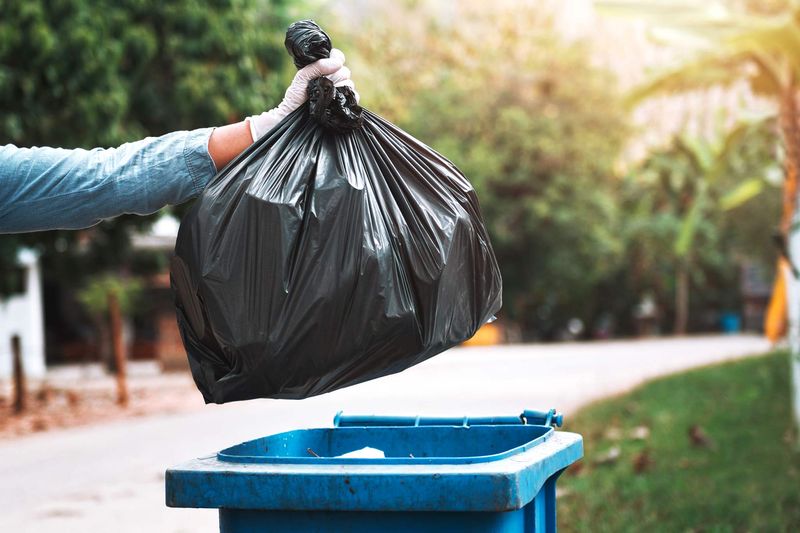
Pulling out invasive plants is only half the battle. What you do with the plant material after removal is just as important.
Many invasive species spread almost entirely through seeds, and if you are not careful about how you handle removed plants, you could accidentally make the problem worse. Proper disposal is a step that a lot of Texas gardeners overlook, and it is one worth taking seriously.
One of the most common mistakes is tossing invasive plants into a backyard compost pile. Composting sounds like a smart, eco-friendly choice, but it can actually spread invasive plants if the pile does not get hot enough to destroy seeds.
Seed heads and fruiting parts of invasive plants should go directly into a sealed trash bag and into your regular garbage bin. That is the safest way to make sure those seeds do not end up back in your Texas yard or in a neighbor’s.
Cleaning your tools is another step that most people skip but really should not. Seeds from invasive plants can hitch a ride on mower blades, pruning shears, shovels, and even boot soles.
After working in an infested area, take a few minutes to brush off and rinse your tools before moving to a different part of your yard. This simple habit can stop seeds from spreading to clean areas.
Also, never dump yard waste in natural areas like creek banks, parks, or wooded lots in Texas. What seems like harmless yard waste can introduce invasive species into wild spaces where they can cause serious long-term damage to local ecosystems.
6. Replant With Native Texas Species
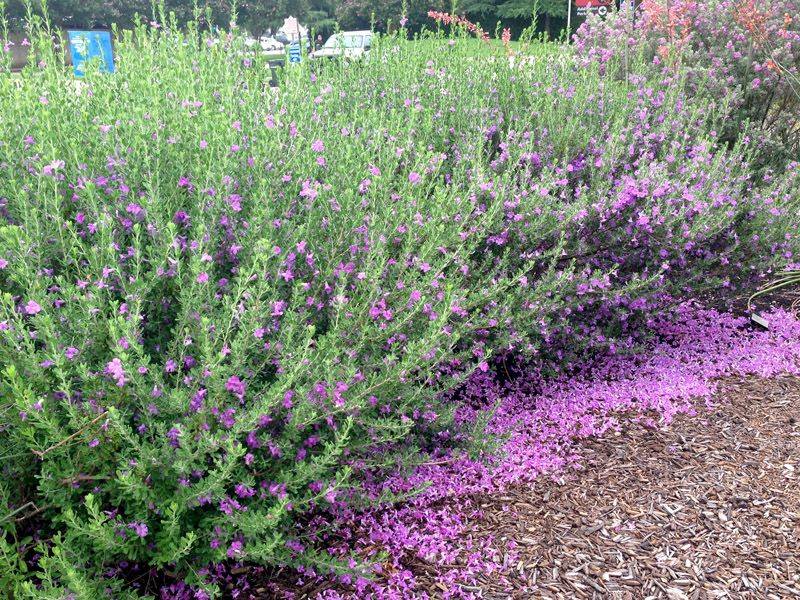
Removing invasive plants from your Texas yard is a huge win, but bare soil left behind is an open invitation for new invaders to move right back in. The smartest follow-up move is to replant those cleared areas with native Texas species as quickly as possible.
Native plants fill the space, compete with any returning weeds, and bring your yard back to life in a way that actually supports the local environment.
Native plants are adapted to Texas soils, rainfall patterns, and temperatures, which means they generally need far less water and fertilizer than non-native ornamentals. Once established, many Texas natives are remarkably low-maintenance.
Species like Texas sage, blackfoot daisy, inland sea oats, and little bluestem grass work beautifully in home landscapes across different regions of the state.
If you live in Central Texas, the Hill Country, or South Texas, your local native plant nursery can help you pick the best species for your specific area and soil type.
Beyond looking great, native plants provide food and habitat for local birds, bees, butterflies, and other wildlife that evolved alongside these species in Texas. That ecological connection is something non-native plants simply cannot offer.
When choosing replacements, think about the size of the area you cleared and pick a mix of groundcovers, grasses, shrubs, and trees to create layers of habitat. A diverse planting is also harder for invasive plants to penetrate than a single-species lawn.
Give your new plants a good start with proper watering during the first season, and they will reward you with a beautiful, resilient Texas yard for years to come.