Sandy Soil In West Michigan Is Not A Problem If You Grow These Plants
If you garden in West Michigan, you already know the moment you water, it disappears. Sandy soil drains in a flash, nutrients slip away just as quickly, and many plants struggle to keep up.
It can feel like you are constantly trying to fix the ground instead of enjoying what grows in it. But here is the part most gardeners overlook.
Sandy soil warms up faster in spring, allows roots to spread easily, and creates the perfect home for plants that thrive in well drained conditions. Instead of fighting the texture, choosing varieties that naturally prefer sandy ground can completely change your results.
West Michigan’s lakeshore climate combined with light soil opens the door to resilient, drought tolerant, and surprisingly vibrant options. Once established, these plants handle dry spells with confidence and keep your landscape looking lively.
These twelve standout performers prove that sandy soil can be a powerful advantage, not a limitation.
1. Little Bluestem Thrives In Dry Sandy Soil
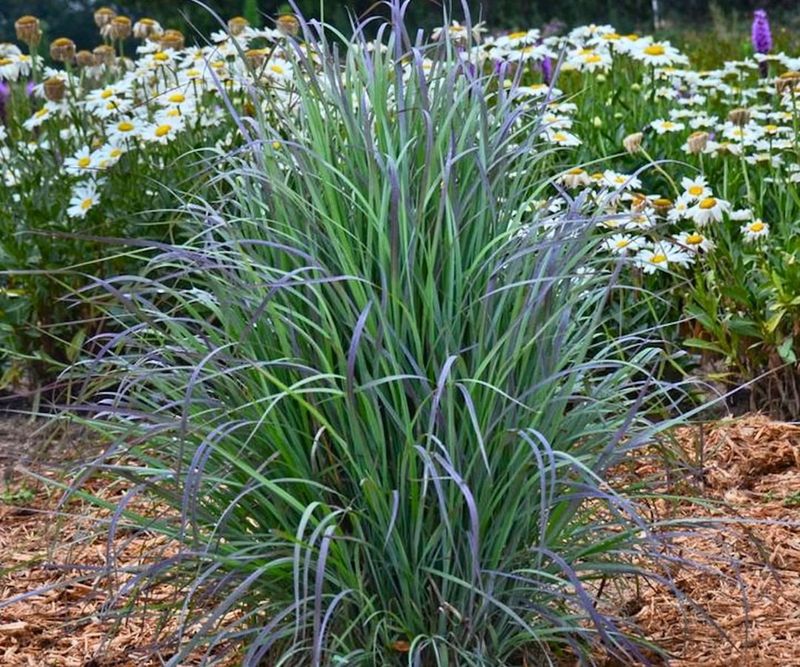
Few grasses turn heads quite like Little Bluestem when fall rolls around in West Michigan. Schizachyrium scoparium shifts from blue-green in summer to stunning shades of copper, red, and bronze by October.
It is one of the most eye-catching native grasses you can grow in the region. Sandy soil is actually where this plant performs best. The roots push deep into loose, dry ground without any trouble, pulling up just enough moisture to keep growing strong.
Unlike grasses that need rich, amended soil to look good, Little Bluestem actively prefers lean conditions. Overwatering or heavy clay can cause it to flop over and lose its upright form.
Gardeners in West Michigan appreciate how low-maintenance this plant really is. Once established, it needs almost no watering, no fertilizer, and very little attention.
It handles the wind that sweeps in off Lake Michigan without flinching. Birds love the fluffy seed heads through winter, giving your yard wildlife value long after the growing season ends.
Plant it in full sun and give it space to show off its natural shape. Clumps typically reach two to four feet tall, making them a great choice for borders, meadow gardens, or naturalized areas throughout the sandy lakeshore region.
2. Butterfly Weed Prefers Sandy Well Drained Ground
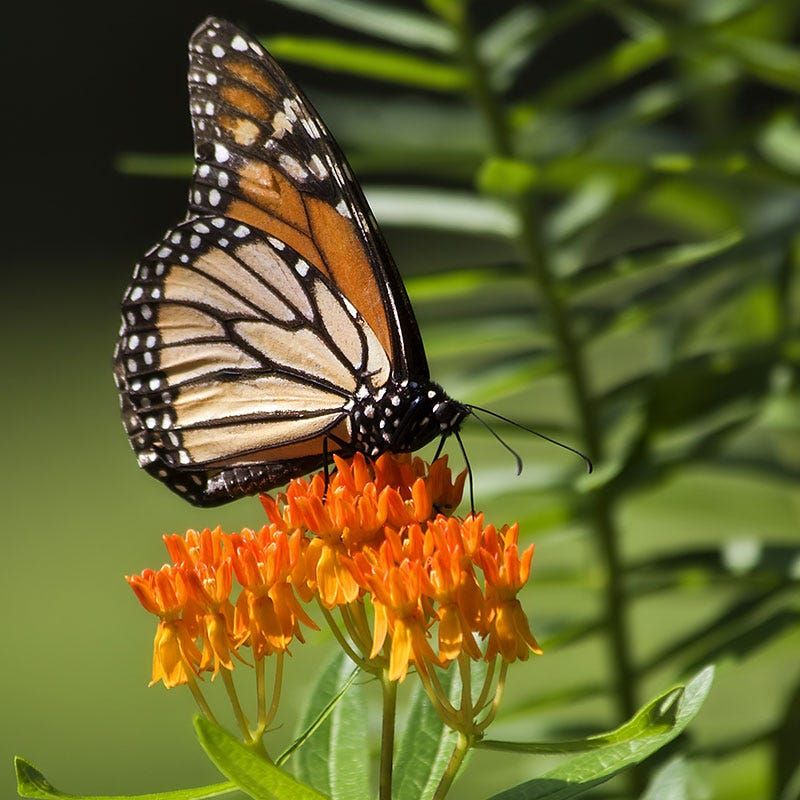
Bright orange flowers that attract monarchs, swallowtails, and bees all summer long make Butterfly Weed one of the most rewarding plants you can grow.
Asclepias tuberosa is a native wildflower that naturally grows in sandy, dry soils across the Midwest and Great Lakes region, including right here in West Michigan.
What makes this plant so special is its deep taproot. That thick root system stores water and nutrients, allowing the plant to survive long dry spells without any help from a garden hose.
Planting it in sandy, well-drained ground actually mimics its natural habitat perfectly. Rich, heavy soil causes root problems and shortens the plant’s lifespan, so skip the compost when you plant Butterfly Weed.
Full sun is non-negotiable for this wildflower. Give it a spot with at least six to eight hours of direct sunlight and watch it reward you with vivid clusters of orange blooms from June through August.
Your Michigan Garden Changes Every Week. Your Plan Should Too.
Gardening in Michigan changes quickly throughout the season. Every Friday you’ll receive a simple weekly plan showing exactly what to plant, prune, fertilize, harvest, and protect so you never miss the right timing.
Asclepias tuberosa is also an important host plant for monarch butterfly caterpillars, making it a meaningful addition to any pollinator garden in the region. It grows twelve to twenty-four inches tall and spreads slowly over time into a reliable, long-lived clump.
Patience pays off because it takes a couple of seasons to fully establish, but once it does, it comes back stronger every year.
3. Prairie Dropseed Handles Dry Windy Sites
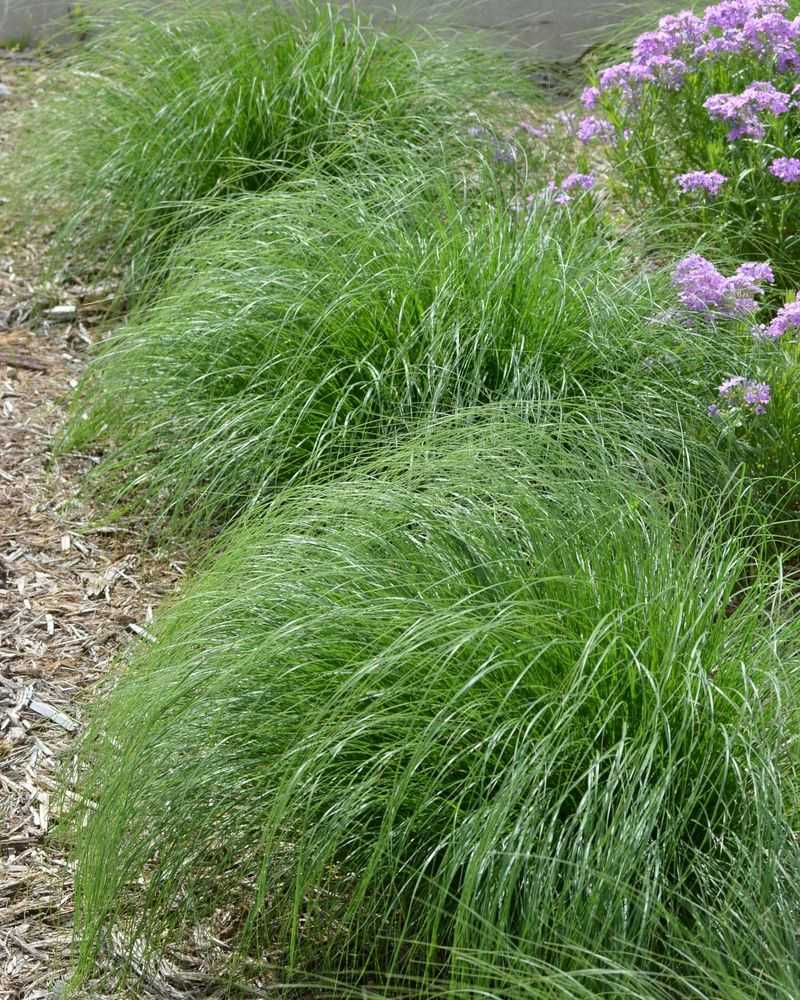
Prairie Dropseed is the kind of grass that makes you stop and look twice. Sporobolus heterolepis forms tight, fountain-like mounds of incredibly fine, thread-thin foliage that sways gracefully in the breeze.
Near Lake Michigan, where wind is a constant companion, that movement becomes part of its charm.
Sandy, dry soil is exactly where this native grass thrives. It grows naturally in open prairies and savannas across the Midwest, tolerating drought, poor fertility, and wind exposure that would stress out most ornamental plants.
West Michigan gardeners dealing with fast-draining sandy soil will find Prairie Dropseed surprisingly easy to maintain. It rarely needs supplemental watering once established, and it never needs fertilizer.
One detail that surprises first-time growers is the fragrance. When Prairie Dropseed blooms in late summer, the airy flower panicles release a light, sweet scent similar to cilantro or popcorn, depending on who you ask.
The seeds that follow attract small songbirds through fall and winter, adding another layer of wildlife value to your yard. This grass looks stunning planted in mass groupings or mixed with other prairie natives like Black-Eyed Susan and Little Bluestem.
It grows about two feet tall and equally wide, staying tidy and compact through the seasons. For sandy West Michigan landscapes, it is one of the most dependable native grasses available.
4. Rugosa Roses Tolerate Sand And Lake Effect Conditions
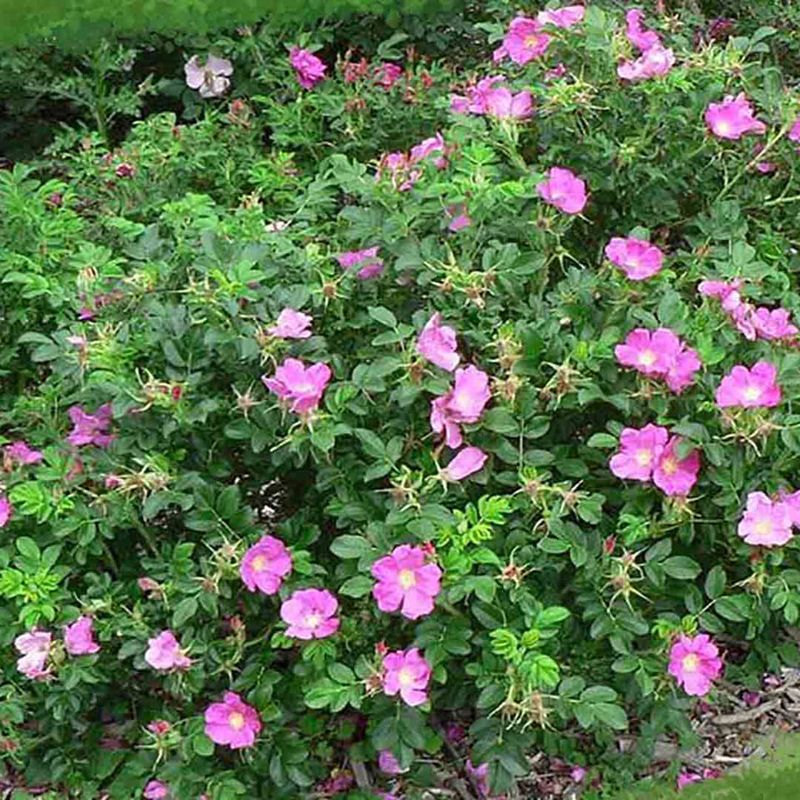
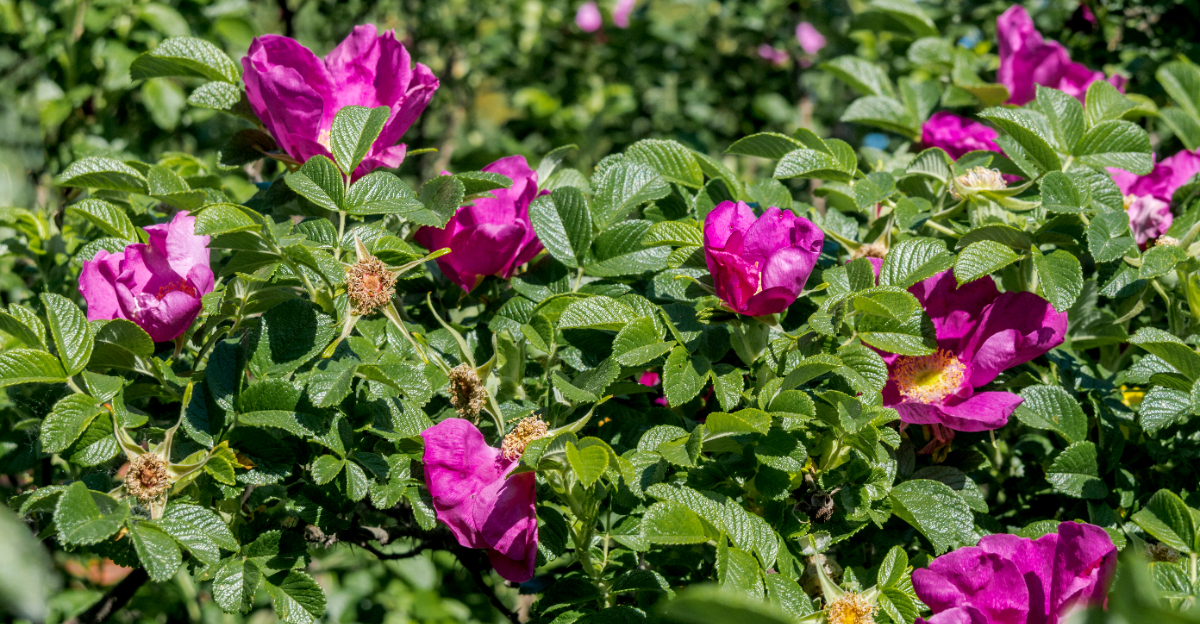
Rugosa Roses are basically the superheroes of the rose world. Rosa rugosa shrugs off salty air, bitter cold, strong winds, and sandy soil without missing a beat.
Along the Lake Michigan shoreline and throughout coastal West Michigan communities, this rose thrives in conditions that would stress most cultivated varieties.
The plant gets its name from its deeply wrinkled, or rugose, leaves that give it a distinctive textured look.
Those thick, leathery leaves actually help it resist common rose diseases like black spot and powdery mildew, which is a big bonus for gardeners who prefer a lower-maintenance approach.
Sandy soil suits Rugosa Roses perfectly because excellent drainage prevents root problems that affect less adaptable varieties.
Blooms appear in shades of pink, magenta, white, and red depending on the cultivar, and many varieties rebloom reliably through summer into fall.
After flowering, the plant produces large, round rose hips that turn bright red-orange and persist into winter, providing food for birds and a stunning visual display.
Rugosa Roses also spread gradually by suckers, making them excellent for stabilizing sandy banks or slopes. Most varieties grow three to six feet tall and wide, so give them plenty of room.
Cold hardiness down to USDA Zone 2 means West Michigan winters are absolutely no challenge at all for this rugged, beautiful plant.
5. Eastern Red Cedar Survives In Sandy Poor Soil
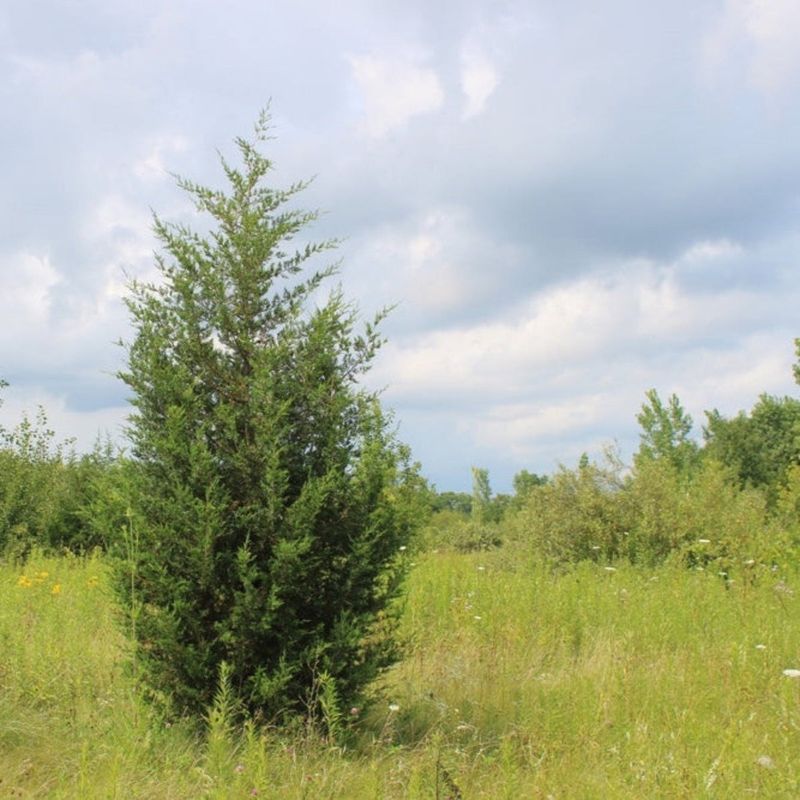
Not many trees can handle the combination of sandy soil, harsh wind exposure, and minimal rainfall, but Eastern Red Cedar handles all of it without complaint.
Juniperus virginiana is one of the toughest native evergreens in the eastern United States, and it grows naturally across a wide range of difficult soil types, including the sandy ground common throughout West Michigan.
Despite the name, Eastern Red Cedar is actually a juniper. Its aromatic, reddish-brown wood has been used for centuries in cedar chests and closets because it naturally repels certain insects.
The blue-green, scale-like foliage stays attractive year-round and provides excellent winter structure in the landscape. Female trees produce small, waxy blue berries that cedar waxwings and other birds absolutely love.
In West Michigan, Eastern Red Cedar performs well as a windbreak, privacy screen, or standalone specimen tree. It tolerates full sun and reflected heat from driveways and walls without any stress.
Sandy, poor soil actually suits it better than rich amended soil because overly fertile ground can push too much soft growth. Established trees rarely need supplemental watering and never need fertilizer.
Growth is moderate, reaching thirty to forty feet tall at maturity, though it can be pruned to maintain a smaller size. For gardeners looking for a no-fuss, four-season evergreen that genuinely thrives in sandy West Michigan conditions, this native tree is a strong choice.
6. Russian Sage Performs Well In Fast Draining Soil
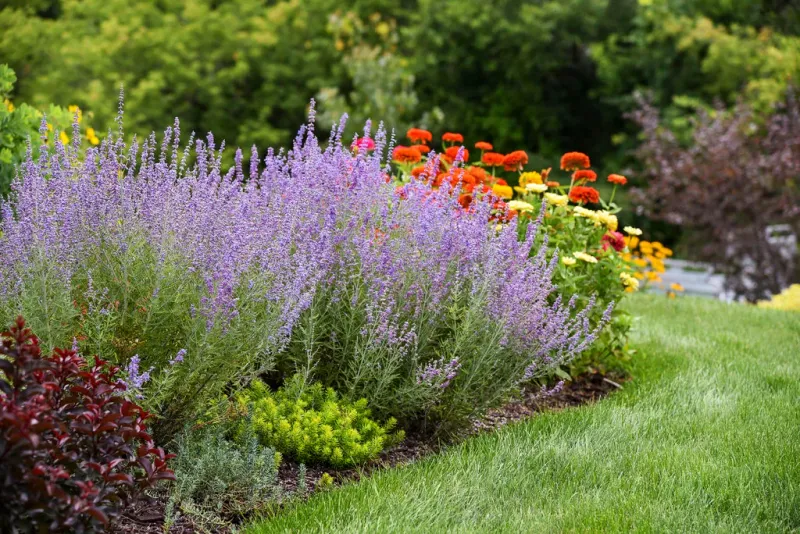
Walk past a Russian Sage plant on a warm summer afternoon and you will immediately notice the soft, herbal fragrance drifting through the air.
Perovskia atriplicifolia is a showstopper from midsummer through early fall, sending up tall, airy spikes of lavender-blue flowers above silvery-white stems that practically glow in the sunlight.
Fast-draining, sandy soil is exactly what Russian Sage wants. In its native habitat across central Asia and Afghanistan, this plant grows in dry, rocky, and gravelly soils with excellent drainage.
West Michigan sandy soil closely mimics those conditions, making it one of the easiest perennials to grow in the region. Heavy clay or consistently wet soil causes root problems and reduces the plant’s vigor significantly.
Russian Sage is incredibly drought-tolerant once established, meaning you can plant it and largely forget about it through dry summer stretches.
Pollinators swarm the flowers, especially bumblebees and hummingbirds, giving your garden a buzzing, lively energy through the warm months.
The silvery stems remain attractive even after flowering ends, providing winter interest in the garden. Most varieties grow three to five feet tall and spread two to four feet wide, so give them generous spacing.
Plant Russian Sage in full sun alongside other drought-tolerant perennials like Black-Eyed Susan or Coreopsis for a colorful, water-wise West Michigan garden that looks great from July through October.
7. Black Eyed Susan Adapts To Sandy Ground
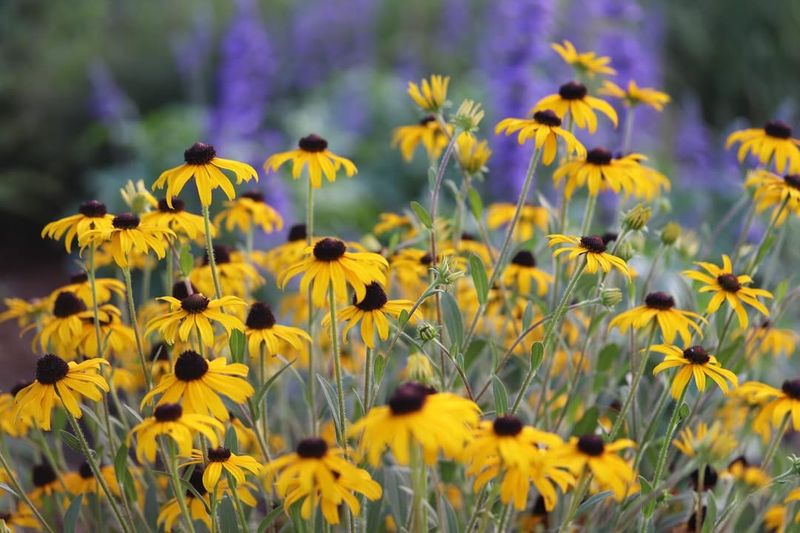
Cheerful, golden, and incredibly tough, Black-Eyed Susan is one of those wildflowers that makes you happy just looking at it.
Rudbeckia hirta produces bold yellow petals surrounding a dark brown center cone, and it blooms from June through September in full sun locations throughout West Michigan. Sandy soil is no obstacle for this native beauty.
What makes Rudbeckia hirta so well-suited to sandy ground is its natural tolerance for drought and poor fertility. It grows wild along roadsides, in open fields, and in dry meadows across Michigan, often in soils with very little organic matter.
Replicating those conditions in your garden is actually easy when you already have sandy soil to work with. Skip the fertilizer and let it grow lean for the best results.
Black-Eyed Susan self-seeds freely, which means a small planting can gradually expand into a larger patch over a few seasons. Goldfinches and other seed-eating birds visit the spent flower heads through fall and winter, so resist the urge to cut everything back too early.
The plant grows one to three feet tall and combines beautifully with Little Bluestem, Prairie Dropseed, and Butterfly Weed in naturalistic West Michigan garden designs. It also works wonderfully in more formal perennial borders where its bright color adds energy.
For beginners and experienced gardeners alike, Black-Eyed Susan is one of the most reliable, rewarding plants you can grow in sandy Michigan soil.
8. Yarrow Thrives In Lean Dry Soil
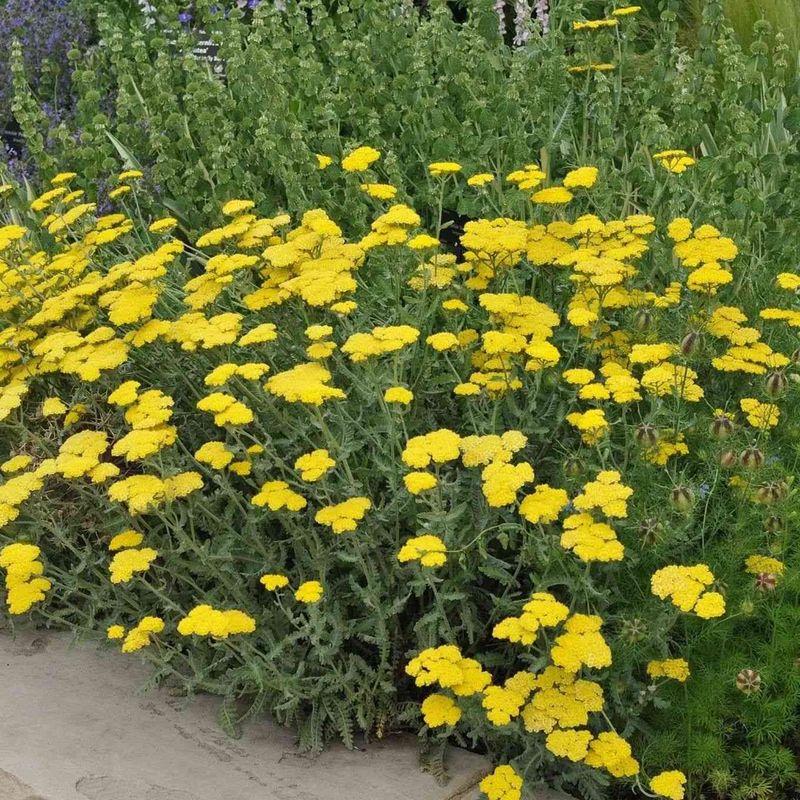
Yarrow has been growing in tough, lean soils for thousands of years, and it shows no signs of slowing down.
Achillea millefolium is one of the most adaptable perennials in existence, tolerating drought, poor fertility, and sandy soil conditions that send other plants into decline.
West Michigan gardeners dealing with fast-draining ground will find Yarrow surprisingly easy and rewarding to grow.
The feathery, fern-like foliage is attractive even when the plant is not blooming, and the flat-topped flower clusters come in shades of white, yellow, pink, red, and salmon depending on the cultivar.
Blooms appear from June through August and attract a wide variety of pollinators including butterflies, beetles, and beneficial wasps.
Rich soil actually works against Yarrow, causing floppy growth and reducing its natural toughness.
Sandy soil keeps Yarrow compact, upright, and floriferous, which is exactly what you want. Full sun is essential because shaded plants stretch toward the light and lose their sturdy form.
Yarrow spreads by both seed and underground rhizomes, so it can fill in an area over time, which makes it excellent for covering sunny, dry slopes or large sandy areas that are difficult to plant. Divide clumps every three to four years to keep them vigorous.
Cutting back spent flower stems encourages a second flush of blooms later in the season. For a tough, colorful, and pollinator-friendly option in West Michigan sandy gardens, Yarrow is hard to beat.
9. Coreopsis Performs Well In Well Drained Sand
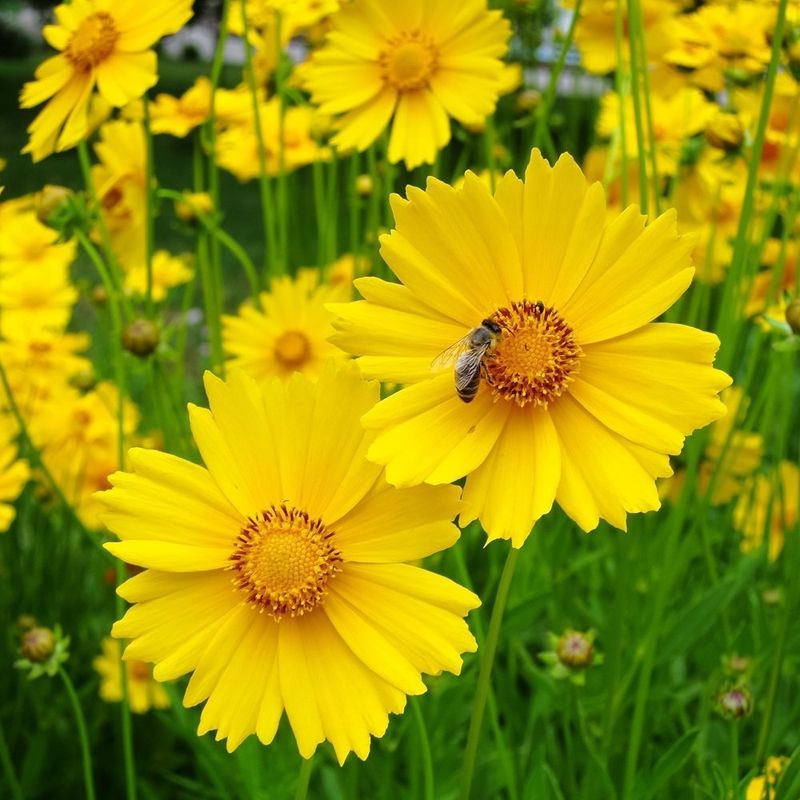
If you want nonstop color all summer with almost zero effort, Coreopsis is the plant to grow.
Coreopsis lanceolata, commonly called Lance-Leaved Coreopsis, produces cheerful bright yellow flowers from late spring through midsummer and often reblooms into fall if you deadhead spent flowers regularly.
Sandy, well-drained soil is its preferred growing environment. West Michigan gardeners have a natural advantage with this plant because the sandy soil that frustrates so many other garden favorites is exactly the kind of ground Coreopsis loves.
It grows natively in dry, open fields and sandy roadsides across the Midwest and Great Lakes states, including Michigan.
Planting it in amended, moisture-retentive soil actually reduces its performance and can cause root problems over time.
Full sun brings out the best in Coreopsis, encouraging compact growth and maximum flower production. The plant grows twelve to twenty-four inches tall and spreads into tidy clumps over several seasons.
Pollinators, especially native bees and butterflies, visit the flowers consistently throughout the blooming period. Coreopsis pairs beautifully with Russian Sage, Yarrow, and Black-Eyed Susan in sunny, sandy West Michigan borders.
It is also deer-resistant, which is a welcome bonus for gardeners in areas with high deer pressure. Once established, it needs very little supplemental watering.
For gardeners who want a reliable, low-maintenance splash of sunshine-yellow color in their sandy yard, Coreopsis is an outstanding and proven choice.
10. Sedum Prefers Fast Draining Soil Conditions
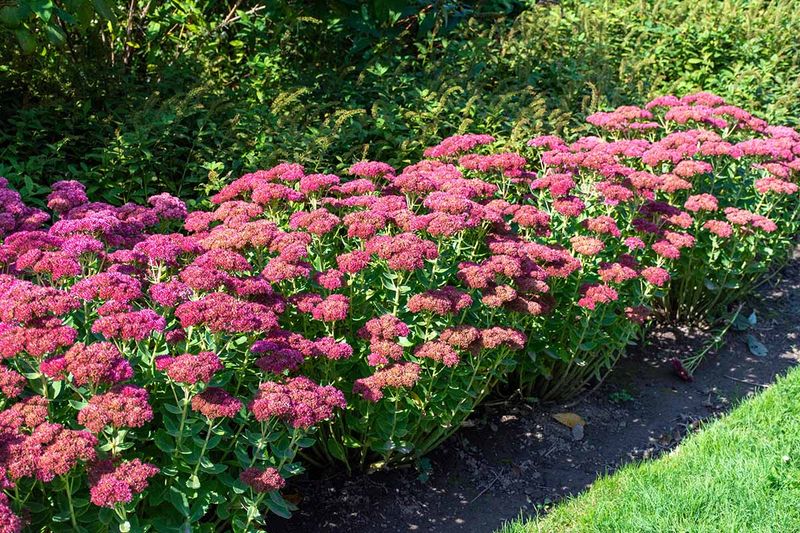
Sedum is practically built for sandy soil. Hardy upright varieties like Sedum spectabile and the popular Autumn Joy cultivar store water in their thick, fleshy leaves and stems, allowing them to cruise through dry spells without any supplemental irrigation.
West Michigan sandy soil drains quickly, and that is exactly the kind of environment where Sedum flourishes.
Upright Sedum varieties grow twelve to twenty-four inches tall and produce large, flat-topped flower heads that start out pale green, shift to pink, and deepen to rosy-red or copper-bronze by fall.
That long color progression makes Sedum one of the most visually interesting perennials you can grow through the late summer and autumn months.
The dried seed heads also add structural interest through winter, and birds visit them for seeds.
Planting Sedum in rich, moisture-retentive soil causes the stems to flop outward under the weight of the flower heads, ruining the plant’s natural form.
Sandy, fast-draining soil keeps the stems strong and upright, which is why West Michigan conditions are so well-suited to this plant.
Full sun produces the most compact and floriferous plants. Pollinators, particularly monarch butterflies and bumblebees, are strongly attracted to the late-season blooms when other flowers are fading.
Sedum is also very cold hardy, handling Michigan winters without any protection. For a four-season perennial that genuinely thrives on neglect in sandy soil, Sedum earns a permanent spot in the garden.
11. Serviceberry Adapts To Sandy Loam
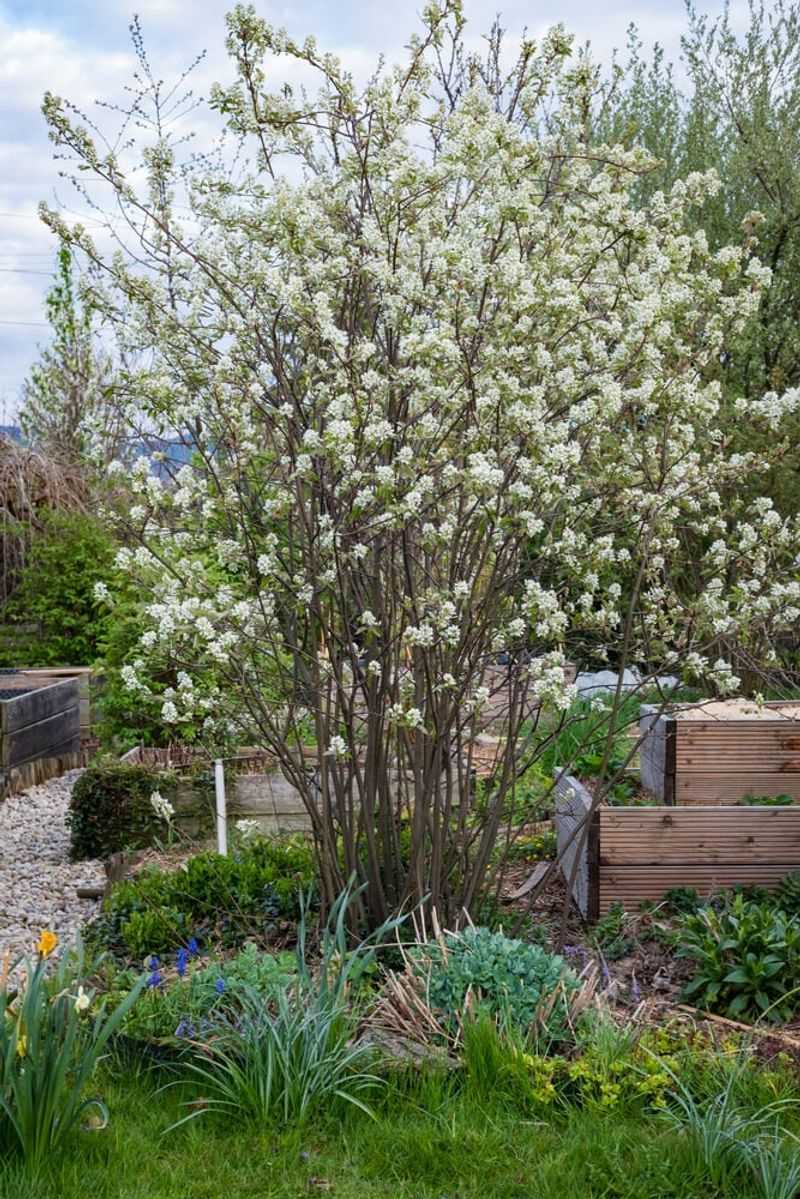
Serviceberry is one of those plants that earns its keep in every single season. Amelanchier species burst into clouds of white flowers in early spring before most other trees and shrubs have even started leafing out.
Then come the sweet, blueberry-like fruits in June that birds and people both enjoy. Fall brings fiery shades of orange, red, and yellow before the plant goes dormant for winter.
West Michigan gardeners will appreciate how well Amelanchier adapts to sandy loam soils common throughout the region.
While Serviceberry prefers slightly more organic matter than pure beach sand, it performs very well in the sandy loam soils found across much of the lakeshore area. It is cold hardy to USDA Zone 4, handling Michigan winters without any problem at all.
Serviceberry grows as either a large multi-stemmed shrub or a small tree, typically reaching fifteen to twenty-five feet tall depending on the species and growing conditions.
It tolerates both full sun and partial shade, making it a flexible choice for different spots in the yard.
The fruit ripens in June, which is how it earned the nickname Juneberry in many parts of the Midwest. Plant it near a window or patio where you can watch the birds flock to the berries.
Serviceberry is native to Michigan, which means it supports local wildlife and fits naturally into the regional landscape without becoming invasive or difficult to manage.
12. Beach Grass Is Naturally Adapted To Sandy Sites
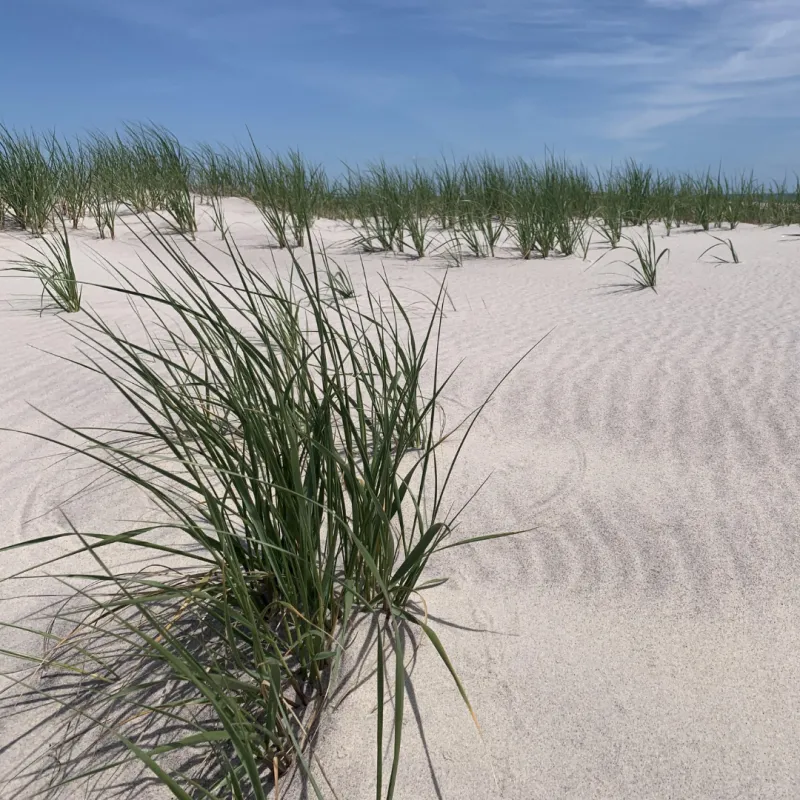
No plant is more perfectly matched to pure sandy soil than American Beach Grass. Ammophila breviligulata grows natively on the Great Lakes dunes, including the spectacular dune systems along Lake Michigan in West Michigan, making it the ultimate local expert when it comes to surviving in sand.
It does not just tolerate sandy conditions; it genuinely needs them to thrive. The plant spreads through underground rhizomes that bind loose sand together, stabilizing dunes and preventing erosion in areas where wind constantly shifts the ground.
That erosion-control ability makes Beach Grass one of the most ecologically important plants along the Lake Michigan shoreline.
Gardeners with severely sandy, windswept properties near the water will find it invaluable for holding the soil in place while still looking natural and attractive.
Ammophila breviligulata grows two to four feet tall with stiff, upright blades that sway dramatically in the lake breeze. It spreads steadily once established, filling in large sandy areas over several seasons.
The plant performs best in full sun and absolutely requires excellent drainage, meaning rich amended soil is completely wrong for it. Avoid adding compost or fertilizer, which can actually reduce its performance.
Beach Grass is not ideal for formal garden beds, but for naturalized dune areas, sandy slopes, or coastal West Michigan properties where erosion is a concern, there is simply no better plant for the job. It is native, tough, and genuinely irreplaceable in the right setting.