The Truth About Japanese Beetles In Michigan Gardens And What Gardeners Should Know
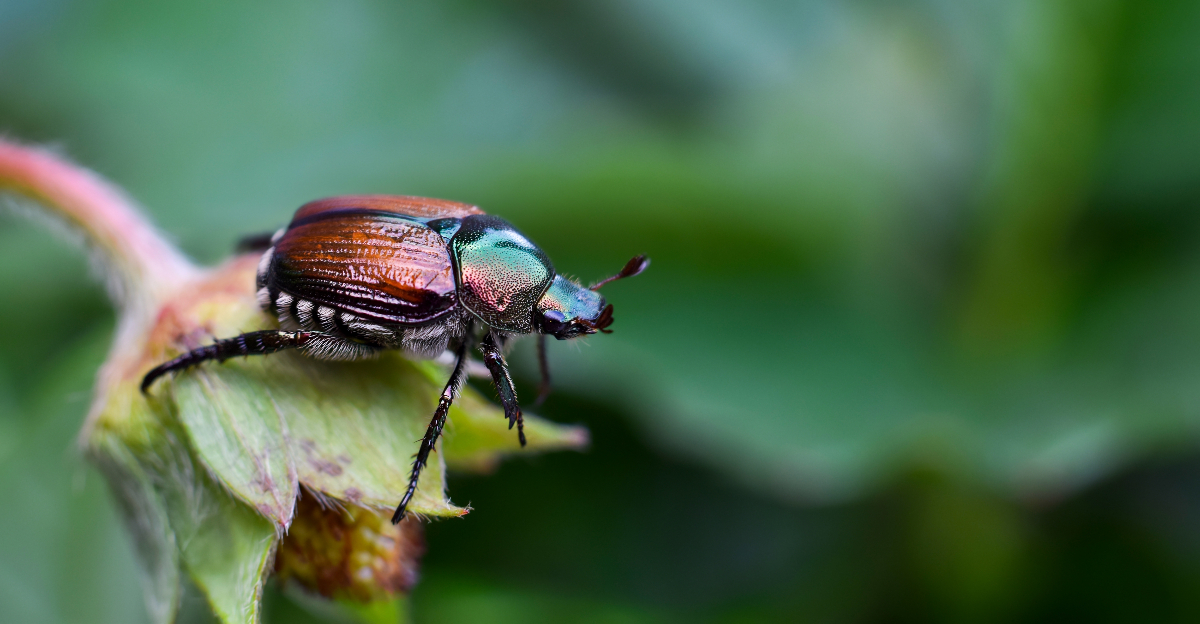
Japanese beetles are a familiar problem in many Michigan gardens, especially during the summer months. These shiny, metallic pests can quickly destroy plants by feasting on their leaves, flowers, and fruit.
While they might seem harmless at first, they can do serious damage in just a few days, leaving plants weakened and less productive.
What many gardeners don’t know is that the beetles start as larvae in the soil, feeding on roots before emerging to wreak havoc above ground.
Understanding their life cycle is key to preventing infestations. In Michigan, it’s important to stay proactive by using natural deterrents, traps, or even introducing beneficial insects.
With the right approach, you can protect your plants and keep these destructive beetles in check without losing your summer garden to their damage.
1. Japanese Beetles Usually Appear In Early Summer
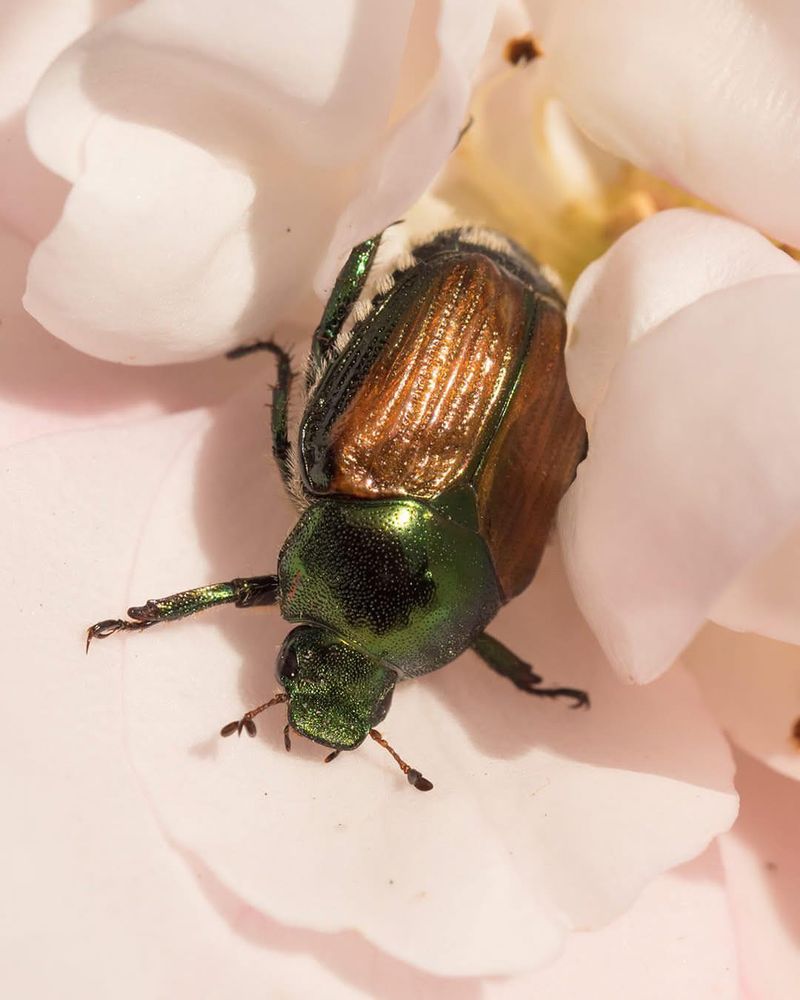
Right around late June, something changes in Michigan gardens. Adult Japanese beetles (Popillia japonica) begin pushing up through the soil, and gardeners who know what to look for will spot the first signs quickly.
Warm soil temperatures are what trigger this emergence, as the beetles have spent months developing underground as grubs during the cooler months.
Once they surface, the beetles waste no time. They move straight toward flowering plants, fruit trees, and ornamental shrubs, making their presence known almost immediately.
Populations typically peak through July, which is when the most visible damage tends to show up across Michigan yards and gardens.
Roses, apple trees, and grape vines are among the first plants to show signs of beetle feeding during this early summer window. Gardeners in Michigan who stay alert in late June give themselves a real head start on managing the situation.
Catching the problem early, before numbers build up, makes a noticeable difference in how much damage your garden actually takes.
Checking plants every few days starting in late June is one of the simplest and smartest habits any Michigan gardener can build during beetle season.
2. Adult Beetles Feed On Leaves And Flowers
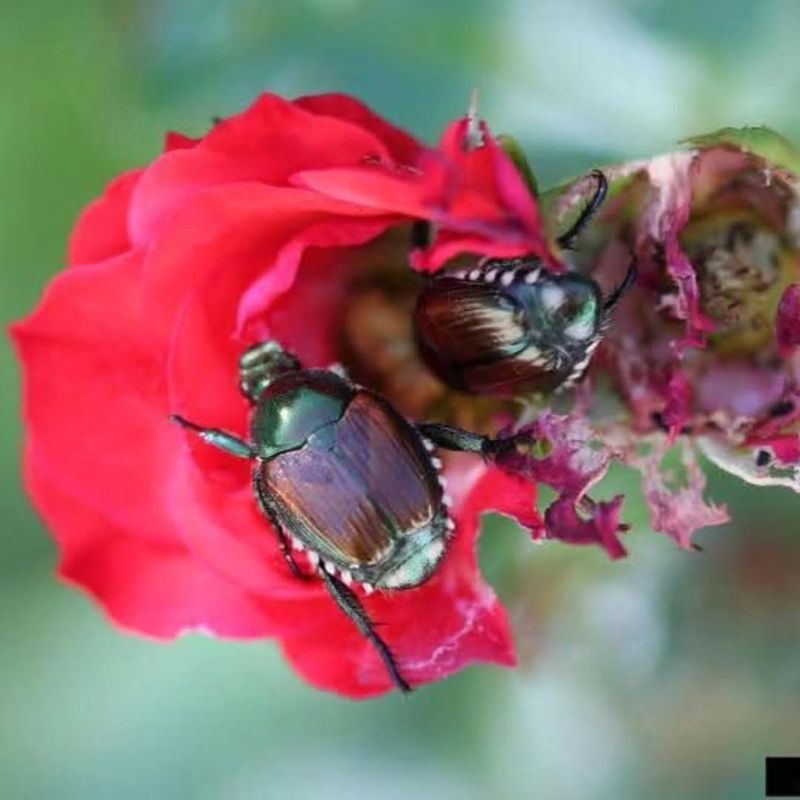
Skeletonized leaves are the telltale calling card of Japanese beetle feeding, and once you see it, you will never mistake it for anything else.
Adult beetles chew the soft tissue between leaf veins, leaving behind a thin, lace-like structure that looks almost see-through.
The damage spreads fast, especially when multiple beetles are feeding on the same plant at once.
Michigan gardens are full of plants that Japanese beetles absolutely love. Roses (Rosa) are among their top targets, along with apple trees (Malus domestica) and grape vines (Vitis).
Beyond these favorites, the beetles also go after linden trees, crabapples, and a surprisingly wide range of ornamental plants found in backyards across the state.
Flowers take a hit too, not just leaves. Beetles chew through petals and blossoms, leaving plants looking ragged and worn out during what should be their most beautiful season.
The damage is not just cosmetic either, since repeated heavy feeding weakens plants over time and makes them more vulnerable to other stressors.
Michigan gardeners who grow roses or fruit trees know firsthand how discouraging it feels to see a prized plant stripped bare.
Your Michigan Garden Changes Every Week. Your Plan Should Too.
Gardening in Michigan changes quickly throughout the season. Every Friday you’ll receive a simple weekly plan showing exactly what to plant, prune, fertilize, harvest, and protect so you never miss the right timing.
Staying on top of beetle activity from the moment they appear is the best way to keep your garden looking healthy and full through the summer months.
3. Beetles Often Feed In Groups
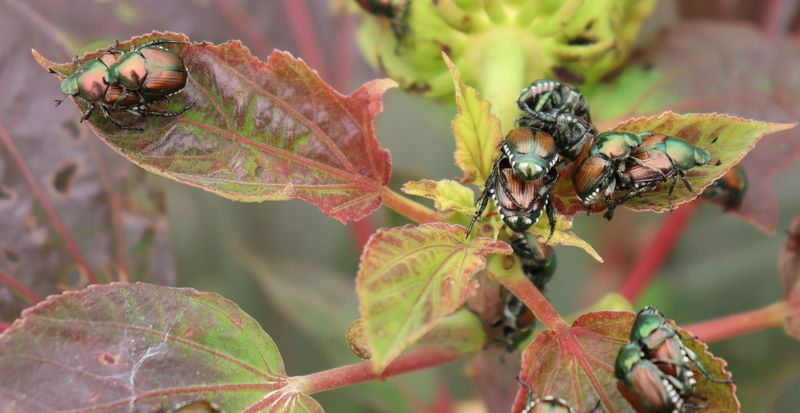
One Japanese beetle on a plant is a minor annoyance. Twenty Japanese beetles on the same plant is a whole different problem.
These insects have a well-known habit of clustering together in large groups, and the reason behind it is actually pretty fascinating from a science perspective.
When beetles feed, the damaged plant releases certain chemical compounds into the air. Other beetles nearby pick up on these signals and move toward the same location, drawn in by the scent.
More beetles arrive, more feeding happens, more chemicals are released, and the cycle keeps building. This group behavior can cause rapid and severe plant damage in a matter of days during peak season in June and July across Michigan.
A plant that looked healthy on Monday can look completely stripped by the weekend if a cluster takes hold and goes unnoticed.
Michigan gardeners who check their plants frequently during the summer months are much better positioned to catch these clusters before they spiral out of control.
Removing beetles as soon as a group begins to form helps break the cycle early. The sooner you act, the less damage your plants will absorb.
Staying consistent with garden checks during July is one of the most effective habits you can build to stay ahead of group feeding events.
4. Grubs Develop In Lawns Before Beetles Appear
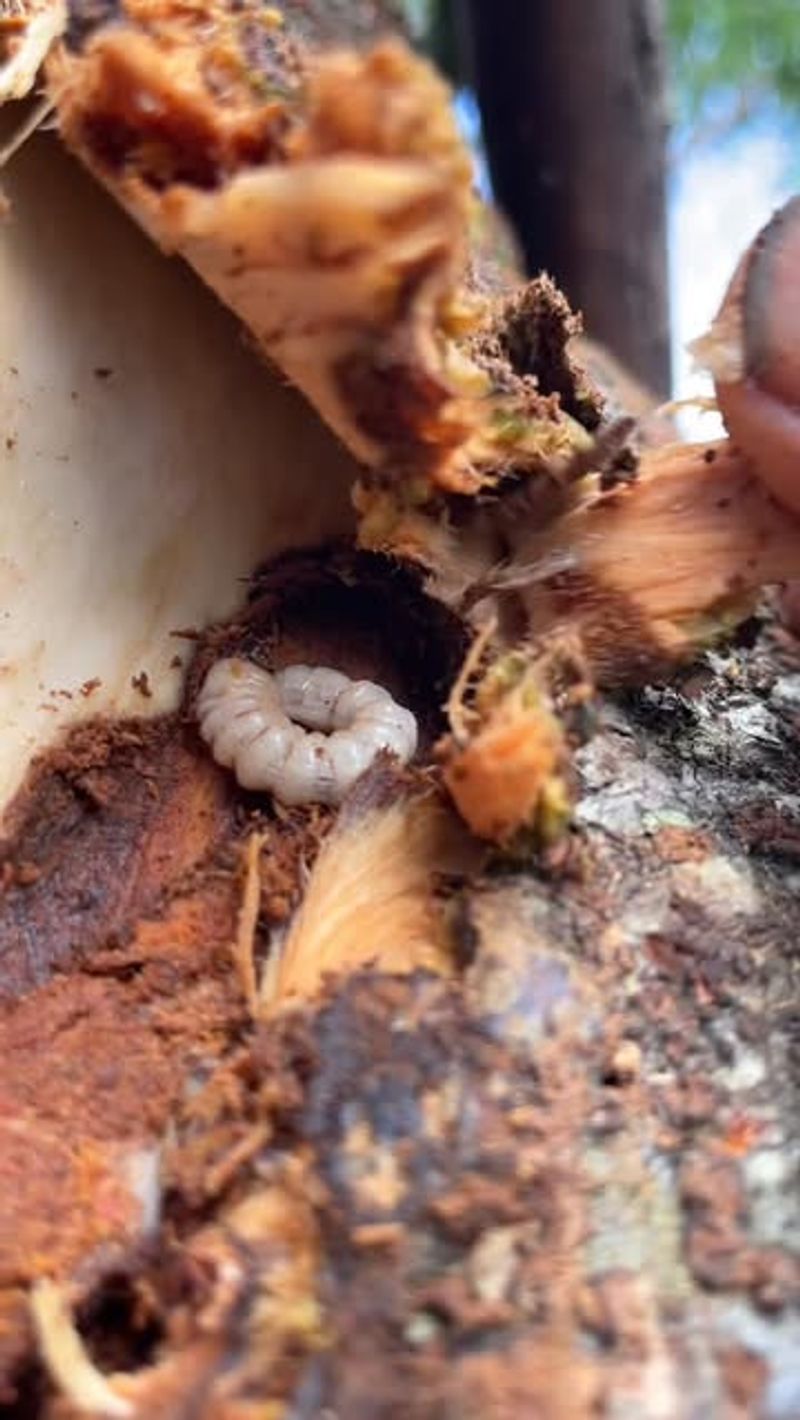
Before any adult Japanese beetle ever shows up in a Michigan garden, it spends a long stretch of its life hidden underground. The life cycle starts when eggs hatch into small, white, C-shaped larvae called grubs.
These grubs settle into the soil beneath lawns and grassy areas, where they quietly feed on grass roots through late summer and into fall.
As temperatures drop, the grubs move deeper into the soil to overwinter. They are not gone, just waiting.
When spring arrives and the ground warms back up, the grubs become active again, feeding briefly before they pupate and eventually transform into adult beetles ready to emerge by late June or early July in Michigan.
Understanding this underground stage helps gardeners see the bigger picture. The lush lawn you enjoy in spring could be hiding hundreds of developing beetles just below the surface.
Grub populations can be treated in late summer when the young larvae are close to the surface and most vulnerable.
Michigan State University Extension recommends monitoring for grub activity if you notice brown or spongy patches in your lawn during late summer.
Addressing the grub stage is a smart long-term strategy because reducing the number of grubs in your lawn now means fewer adult beetles damaging your garden plants next summer.
5. Adult Beetles Are Active For About Six Weeks
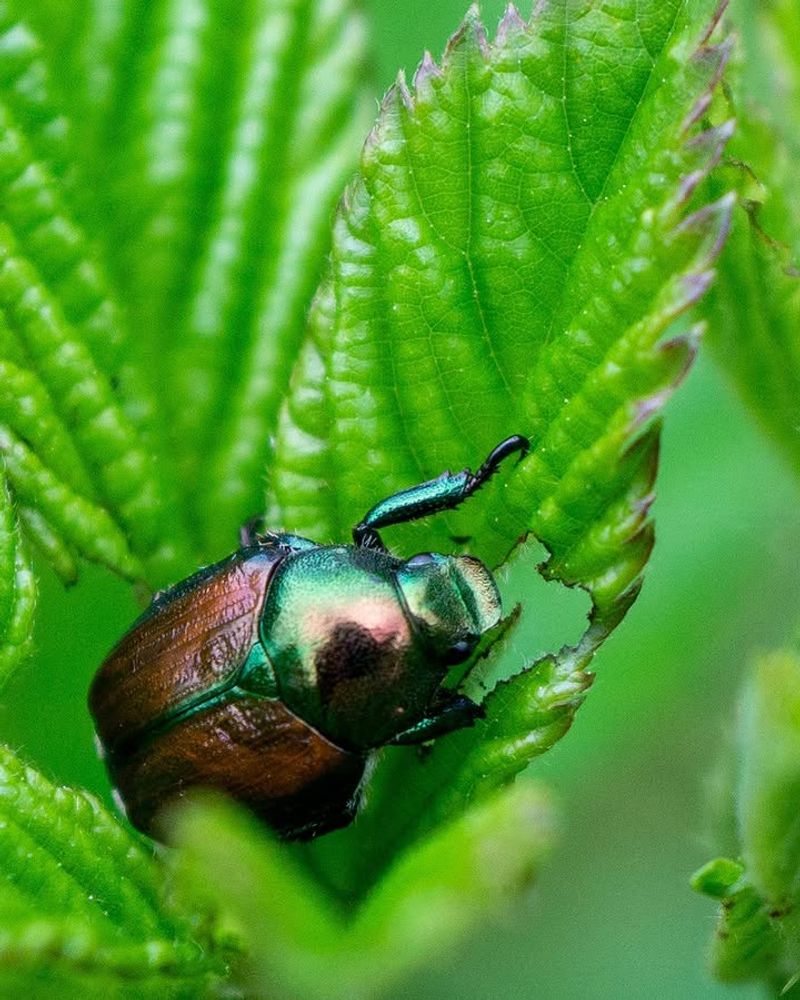
Six weeks might not sound like a long time, but Japanese beetles pack an impressive amount of damage into that short window.
Adult beetles in Michigan are typically active from late June through early August, with the busiest and most intense feeding happening right in the heart of July.
During this stretch, they feed heavily, mate repeatedly, and lay eggs that will become the next generation of grubs.
The relatively short adult lifespan actually works in the beetles’ favor in a strange way. Because their window is so brief, they feed with urgency and intensity, hitting plants hard before the season ends.
Gardeners who let their guard down for even a week or two during peak activity can return to find serious damage on their favorite plants.
Staying consistent throughout those six weeks is the key to protecting your Michigan garden.
Checking plants every couple of days, removing beetles by hand, and monitoring high-value plants like roses and grape vines makes a real difference in the final outcome of the season.
Once early August arrives and beetle activity begins to taper off, you can breathe a little easier.
But until then, keeping a close eye on your garden during that active window is the smartest move any Michigan gardener can make to minimize the impact of the season.
6. They Lay Eggs In Mid-Summer Lawns
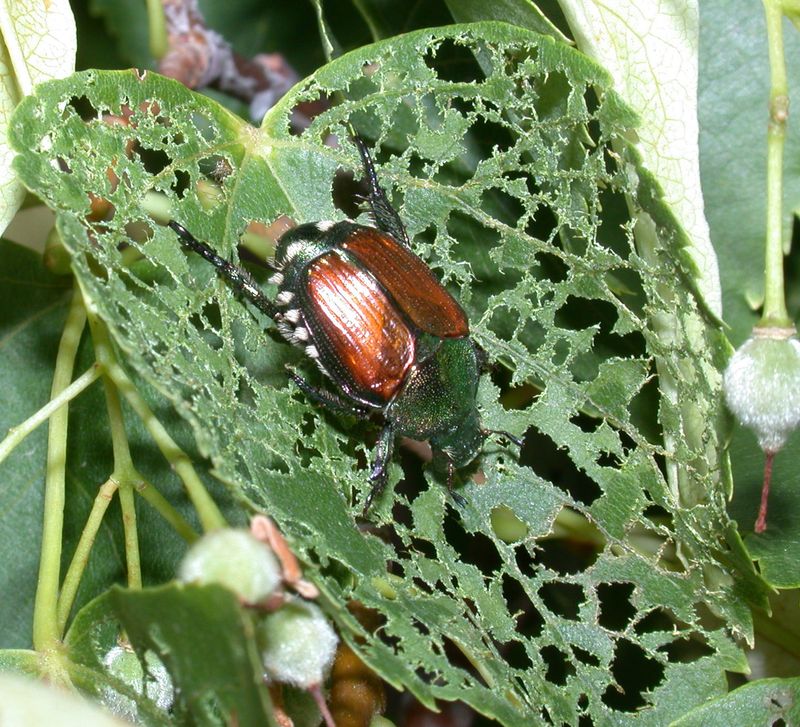
While adult beetles are busy feeding on garden plants above ground, females are also quietly doing something else: laying eggs.
Female Japanese beetles burrow into grassy soil during July and August across Michigan, depositing small clusters of eggs just a few inches below the surface.
A single female can lay up to 60 eggs over the course of her adult life.
Those eggs hatch within a couple of weeks into tiny white grubs that immediately begin feeding on the roots of turfgrass.
This underground feeding is what causes the brown, spongy patches that Michigan homeowners sometimes notice in their lawns during late summer and early fall.
Sections of turf may feel loose or roll back like a carpet because the roots holding the grass in place have been eaten away.
Moist, well-irrigated lawns are especially attractive to egg-laying females because soft, damp soil is much easier to burrow into than hard, dry ground.
Interestingly, allowing your lawn to dry out slightly during July and August can make it slightly less appealing to females searching for a place to lay eggs.
While this is not a complete solution, it is one small step Michigan gardeners and homeowners can take to reduce the number of eggs deposited in their yards each season, helping to lower future beetle populations over time.
7. Hand Picking Is A Common Garden Control Method
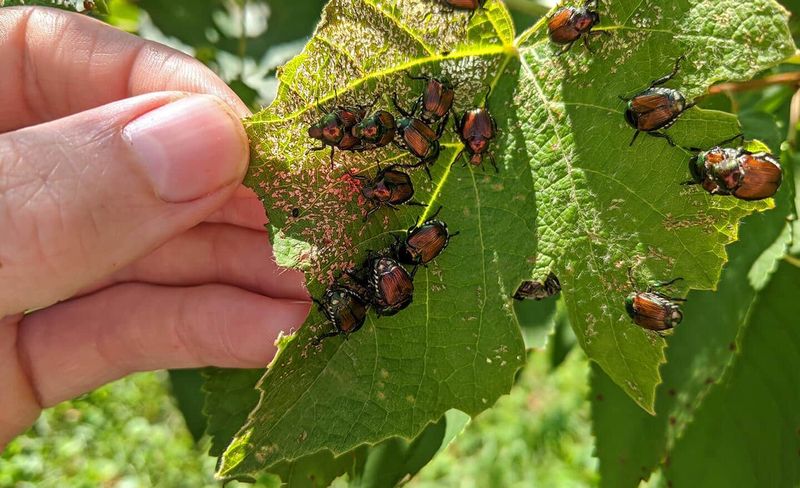
Early morning is prime time for Japanese beetle removal in Michigan gardens, and many experienced gardeners swear by this simple, no-cost approach.
Beetles are cold-blooded insects, and in the cool of the morning they move slowly and are far less likely to fly away when disturbed.
That makes it the perfect window to pick them off plants and drop them into a container of soapy water.
A bucket with a few drops of dish soap mixed into water does the job effectively. The soapy solution breaks the surface tension of the water, preventing beetles from escaping once they land in it.
Gardeners who make this a daily morning habit during peak season in July find that it genuinely reduces the number of beetles on their plants over time.
Consistency is what makes hand picking work. Doing it once or twice and then stopping will not move the needle much.
But going out every morning for two to three weeks during the height of beetle season can noticeably cut down the feeding damage on roses, fruit trees, and ornamental plants across Michigan yards.
It is also one of the safest methods available, since it involves no chemicals and poses zero risk to beneficial insects like bees and butterflies that share your garden space.
For gardeners who prefer a hands-on approach, this method is both effective and deeply satisfying.
8. Protecting Favorite Plants Helps Reduce Damage
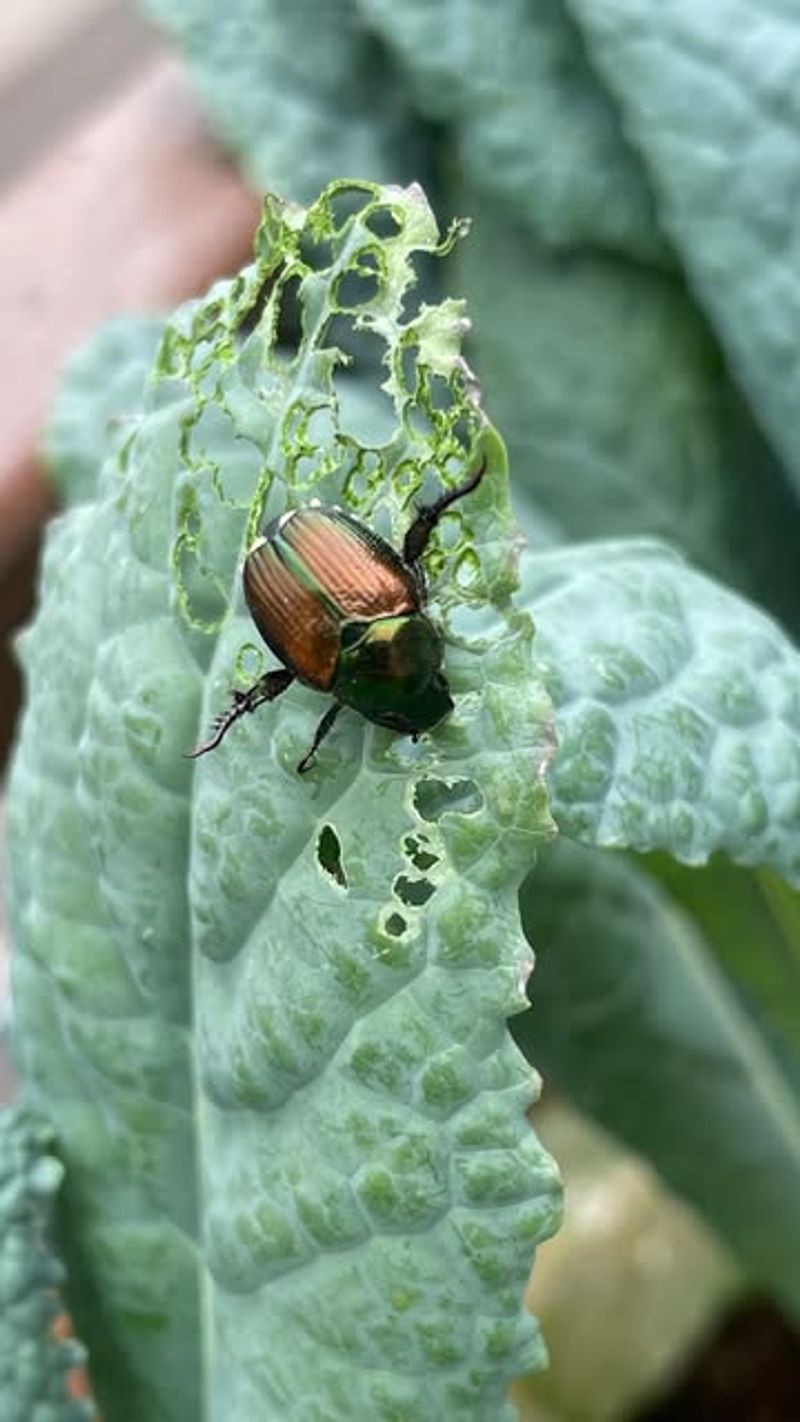
Some plants in a Michigan garden are simply too valuable to leave unprotected during Japanese beetle season.
Roses, grape vines, and apple trees tend to be top targets, and covering them with physical barriers is one of the most reliable ways to keep beetles off during the peak weeks of June and July.
Fine mesh garden netting and row covers create a simple shield that beetles cannot get through.
For gardeners dealing with heavier infestations, there are additional options worth considering.
Insecticidal soap sprays and neem-based products are both labeled for use against Japanese beetles and can be applied directly to plants when beetle pressure becomes severe.
These options are generally considered lower-risk choices compared to stronger chemical insecticides, especially in gardens that also host pollinators.
One thing Michigan gardeners should know: Japanese beetle traps are widely sold but are actually not recommended by Michigan State University Extension.
Research shows that the pheromone lures in these traps attract far more beetles than the trap actually captures, which can end up drawing larger numbers of beetles into your yard and increasing overall plant damage.
Skipping the traps and focusing on physical barriers and targeted treatments is the smarter play.
Protecting your highest-value plants consistently through the six-week beetle season gives them the best possible chance to come through looking strong and healthy.