9 Native Texas Wildflowers That Bloom In March
March in Texas has a way of sneaking up on you. One week you are pulling weeds and checking on the lawn, and the next you notice blue and pink stretching across roadsides and open fields.
For many of us, those first wildflowers feel like an old friend showing up right on time, the same way they did years ago.
Native Texas wildflowers begin blooming in March, bringing color back to prairies, pastures, and even the edges of neighborhood streets.
These hardy plants are built for Texas soil and weather, and they return each spring with very little fuss.
You might spot them on a Sunday drive, during a walk after dinner, or while working in your own yard.
A few of these early bloomers might already be closer to home than you think, and once you know their names, you will start seeing them everywhere.
1. Texas Bluebonnet Painting Fields In Bold Blue
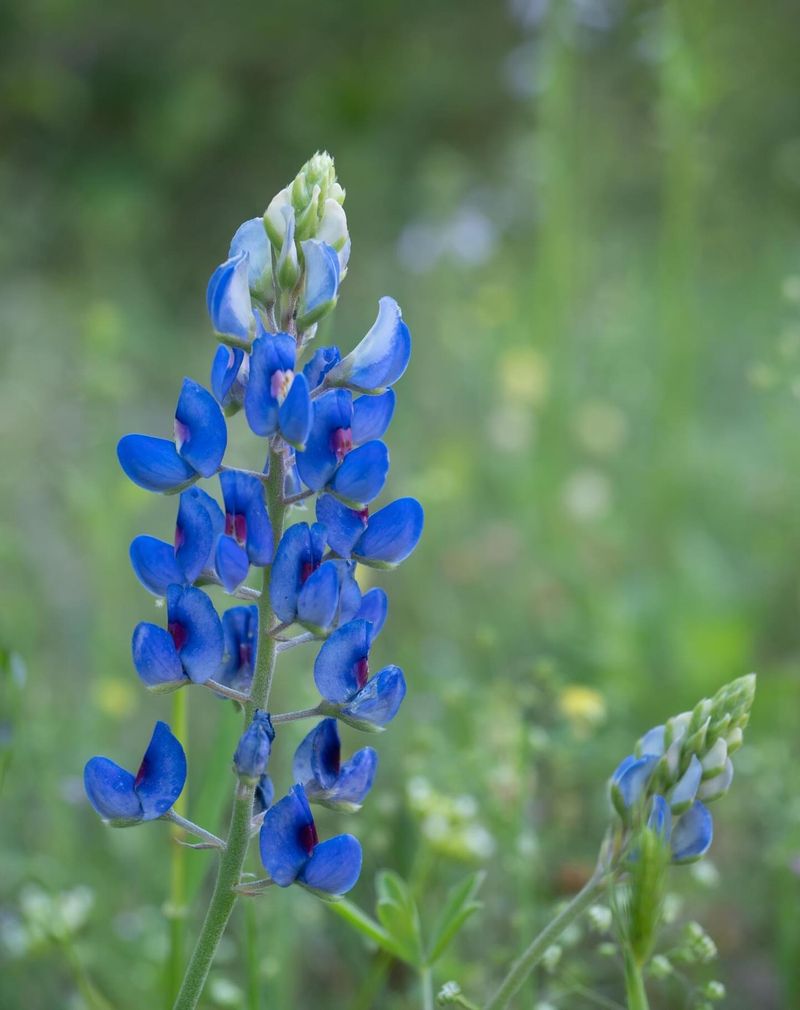
Every spring, fields across Texas burst into sweeping waves of blue, creating a sight many locals eagerly anticipate all year. The state’s official flower, the bluebonnet, turns highways, pastures, and open countryside into a seasonal display that feels uniquely Texan.
These stunning flowers create waves of deep blue that seem to stretch endlessly along highways and through pastures. March marks the beginning of peak bluebonnet season, especially in Central Texas, where conditions are just right for these beloved wildflowers.
The plants grow low to the ground, reaching about twelve to eighteen inches tall. Each flower spike displays white-tipped petals that look like tiny bonnets worn by pioneer women, which is how they got their charming name.
Bluebonnets prefer well-drained soil and full sunshine, making them perfect for open fields and roadside ditches.
Families often plan special trips to photograph children sitting among bluebonnet patches, creating treasured springtime memories. The flowers attract bees and butterflies, adding even more life to these colorful displays.
Seeds from bluebonnets can remain dormant in the soil for years, waiting for the perfect conditions to sprout and bloom.
If you want to grow bluebonnets in your yard, fall is the best time to plant seeds. They need a cold period during winter to germinate properly when warm weather returns in spring.
2. Drummond Phlox Splashing Spring With Bright Color
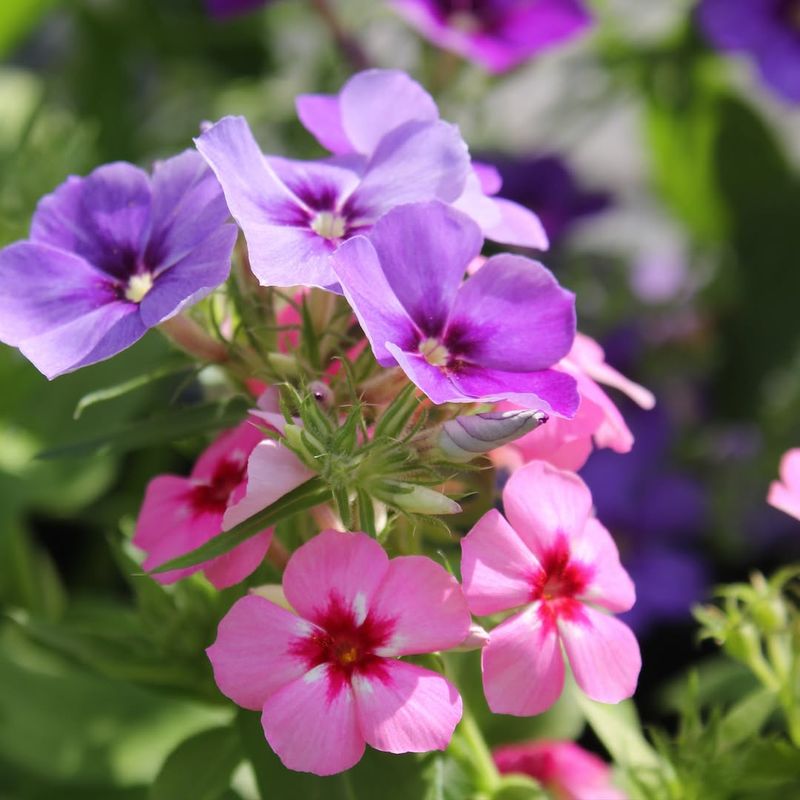
Texas landscapes light up in March with an explosion of pink, red, purple, white, and even deep burgundy blooms. This cheerful wildflower, known as Drummond phlox, has become a springtime favorite across the state.
It was named after Scottish botanist Thomas Drummond, who collected plants in Texas during the 1830s and helped introduce many native species to a wider audience. Unlike some wildflowers that prefer specific regions, Drummond phlox grows across much of Texas, from the Panhandle down to the Gulf Coast, especially in suitable soil and sun conditions.
Each small flower features five rounded petals arranged in a star shape, and plants produce dozens of blooms that create colorful carpets across fields and roadsides. The flowers release a sweet fragrance that attracts butterflies, bees, and hummingbirds throughout the day.
Your Texas Garden Changes Every Week. Your Plan Should Too.
Gardening in Texas changes quickly throughout the season. Every Friday you’ll receive a simple weekly plan showing exactly what to plant, prune, fertilize, harvest, and protect so you never miss the right timing.
Plants grow six to eighteen inches tall, forming bushy clumps covered in blooms.
Drummond phlox seeds itself readily, meaning once it establishes in an area, it often returns year after year. The plants prefer full sun but can tolerate partial shade, and they’re not picky about soil type as long as drainage is decent.
March through May represents peak blooming time in most Texas regions.
Gardeners love adding Drummond phlox to wildflower mixes because it germinates easily and provides quick color. The flowers make excellent additions to bouquets and last several days in water after cutting.
3. Indian Paintbrush Turning Prairies Fiery Red
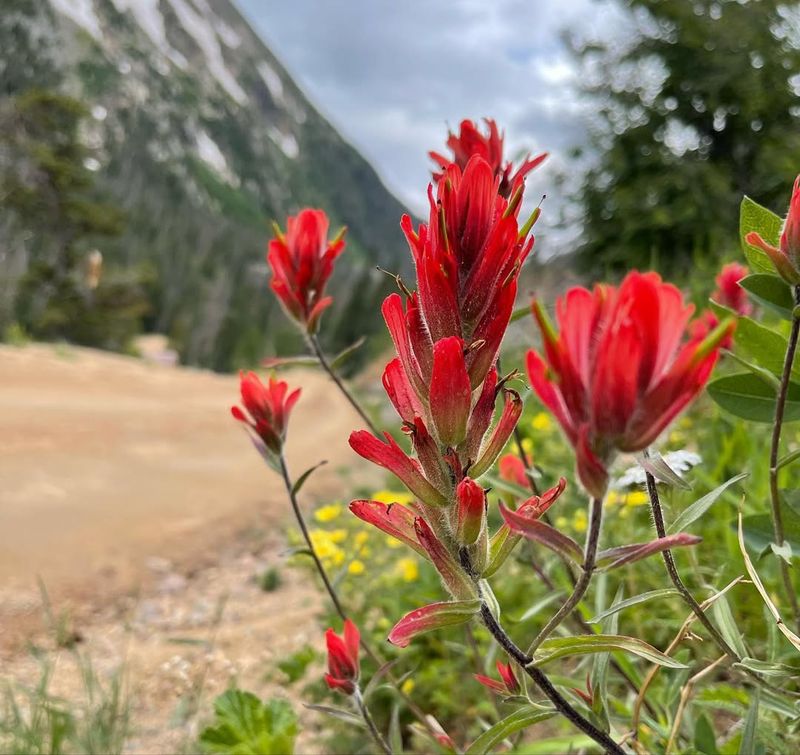
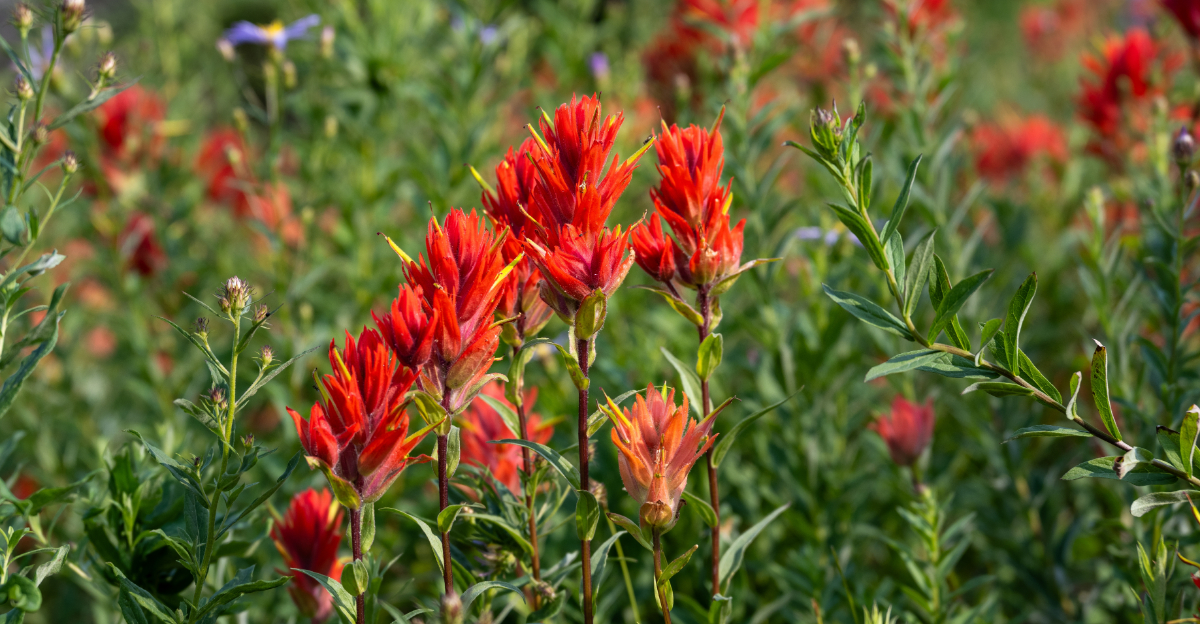
Walking through a Texas prairie in March, you might spot brilliant splashes of red and orange that look like someone dipped paintbrushes in bright colors and scattered them across the landscape. Indian paintbrush earns its artistic name from the vivid bracts that surround its small flowers, creating the appearance of a painter’s tool dipped in fiery hues.
These eye-catching wildflowers often grow alongside bluebonnets, creating stunning red and blue combinations that photographers absolutely love.
The colorful parts you see aren’t actually the true flowers but modified leaves called bracts. The real flowers hide inside these bright structures and are usually small and greenish.
Indian paintbrush plants have an interesting survival strategy because they are partially parasitic, attaching their roots to nearby grasses to draw supplemental water and nutrients.
You’ll find Indian paintbrush throughout Texas, from coastal areas to mountain regions, blooming from March through May. The plants typically stand eight to sixteen inches tall and prefer sandy or rocky soil with good drainage.
They thrive in full sun and can tolerate drought conditions once established.
Collecting seeds from Indian paintbrush is tricky because they need specific conditions to grow successfully. The parasitic nature makes them challenging to cultivate in gardens, so most people enjoy them in their natural wild settings across Texas prairies.
4. Pink Evening Primrose Glowing Softly Across Roadsides
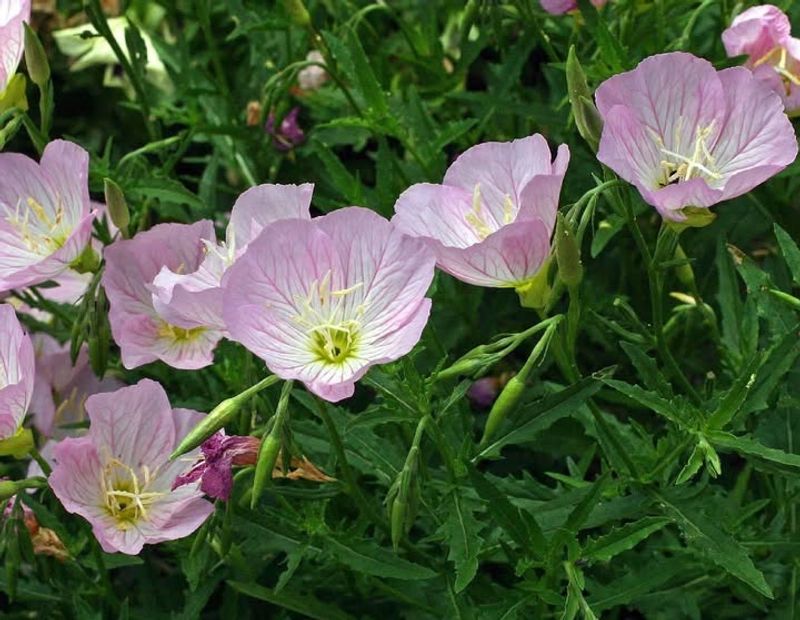
Soft pink blooms appear like gentle brushstrokes along Texas roadsides when pink evening primrose begins flowering in March. Despite its name suggesting nighttime blooms, this variety stays open during daylight hours, brightening highways and empty lots with delicate pink petals.
The flowers measure about two inches across and feature four rounded petals with a slightly cup-shaped appearance that seems to glow when backlit by sunshine.
Pink evening primrose grows as a low, spreading groundcover, rarely reaching more than twelve inches tall but spreading outward to form colorful mats. This growth habit makes it perfect for filling bare spots in gardens or preventing erosion on slopes.
The plants tolerate poor soil, drought, and heat, which explains why they thrive in challenging roadside conditions across Texas.
Blooming continues from March through June, with individual flowers lasting just one day before being replaced by fresh blooms the next morning. The plant’s ability to produce flowers continuously for months makes it valuable for consistent color.
Bees and native pollinators visit the flowers regularly throughout the blooming season.
Homeowners appreciate pink evening primrose for its easy-care nature and spreading habit that fills garden spaces quickly. Once established, the plants typically need minimal supplemental water and rarely require fertilizer in most Texas soils.
Seeds germinate easily, or you can start plants from cuttings taken in spring.
5. Prairie Verbena Spreading Purple Like A Carpet
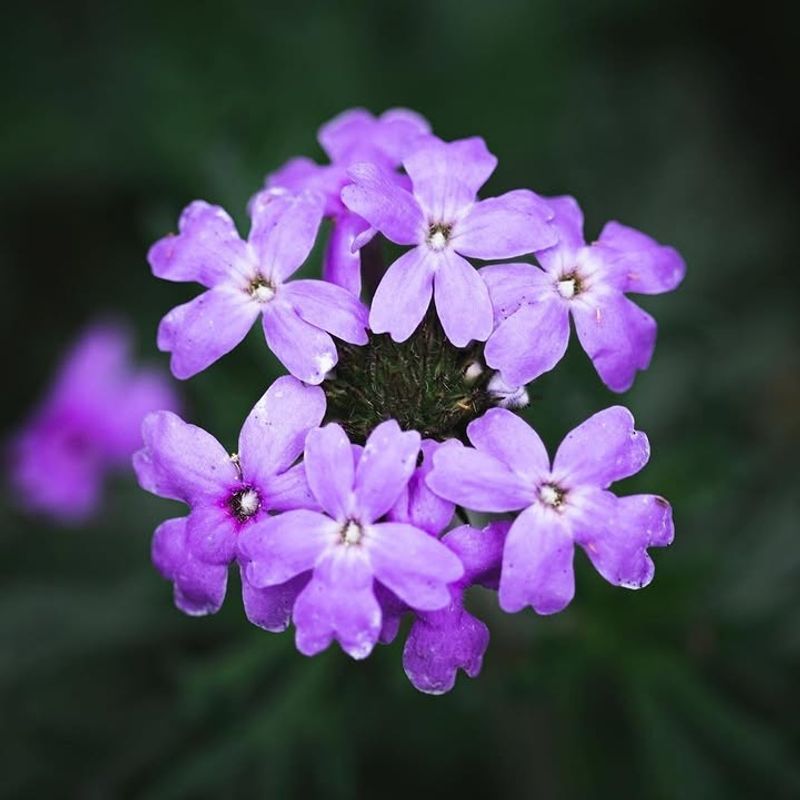
Imagine walking across a Texas prairie and discovering what looks like a purple carpet rolled out by nature itself – that’s the magic of prairie verbena in full bloom. This low-growing wildflower creates dense mats of tiny purple flowers that can cover large areas, transforming ordinary grasslands into spectacular displays.
Each flower cluster contains dozens of small tubular blooms that butterflies find absolutely irresistible during warm March afternoons.
Prairie verbena rarely grows taller than six inches, instead spreading horizontally to form groundcover that can extend several feet in all directions. The plants produce deeply divided leaves that create an attractive backdrop for the purple flower clusters.
Blooming starts in March and can continue through early summer if conditions remain favorable.
This wildflower adapts well to various soil types found across Texas, from sandy coastal areas to clay-heavy regions in North Texas. It handles drought remarkably well once roots establish, making it perfect for low-maintenance wildflower gardens.
Full sun brings out the best flowering, though plants tolerate light shade.
Prairie verbena often self-seeds and may return year after year in suitable conditions without replanting. The spreading growth habit makes it useful for erosion control on slopes or filling bare patches where grass struggles.
Native plant gardeners value it for attracting pollinators while requiring almost no care beyond occasional watering during extreme drought.
6. Carolina Larkspur Rising Tall With Lavender Spikes
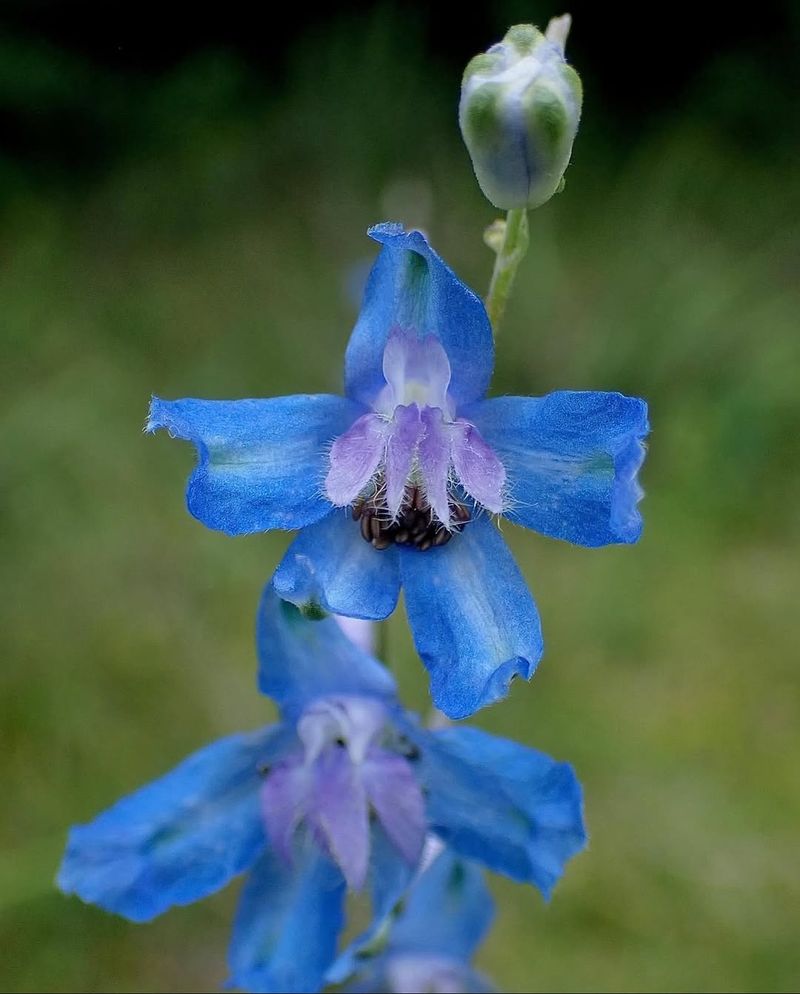
Tall spikes of lavender-blue flowers rise gracefully above Texas grasslands when Carolina larkspur begins blooming in March. These elegant wildflowers can reach heights of two feet or more, standing noticeably taller than many other spring bloomers.
The flower spikes display dozens of individual blooms, each featuring a distinctive backward-pointing spur that gives larkspur its common name – the flowers supposedly resemble the claw or spur on a lark’s foot.
Carolina larkspur prefers the eastern half of Texas, where it grows in open woods, prairies, and along roadsides. The plants produce deeply divided leaves that look almost fern-like, creating an attractive base for the showy flower spikes.
Each bloom opens to reveal intricate details, with petals arranged in complex patterns that fascinate anyone who takes time to examine them closely.
Blooming typically occurs from March through May, with peak displays happening in April across most of Texas. The flowers attract long-tongued bees and butterflies that can reach the nectar hidden deep inside the spurred petals.
After flowering, the plants produce seed pods that eventually split open to release numerous small black seeds.
Growing Carolina larkspur from seed requires patience because germination can be spotty. The seeds need cold stratification – a period of cold, moist conditions – before they’ll sprout reliably.
In gardens, these wildflowers prefer partial shade and consistent moisture, unlike many drought-tolerant Texas natives.
7. Narrowleaf Blue-Eyed Grass Flashing Tiny Sky-Blue Stars
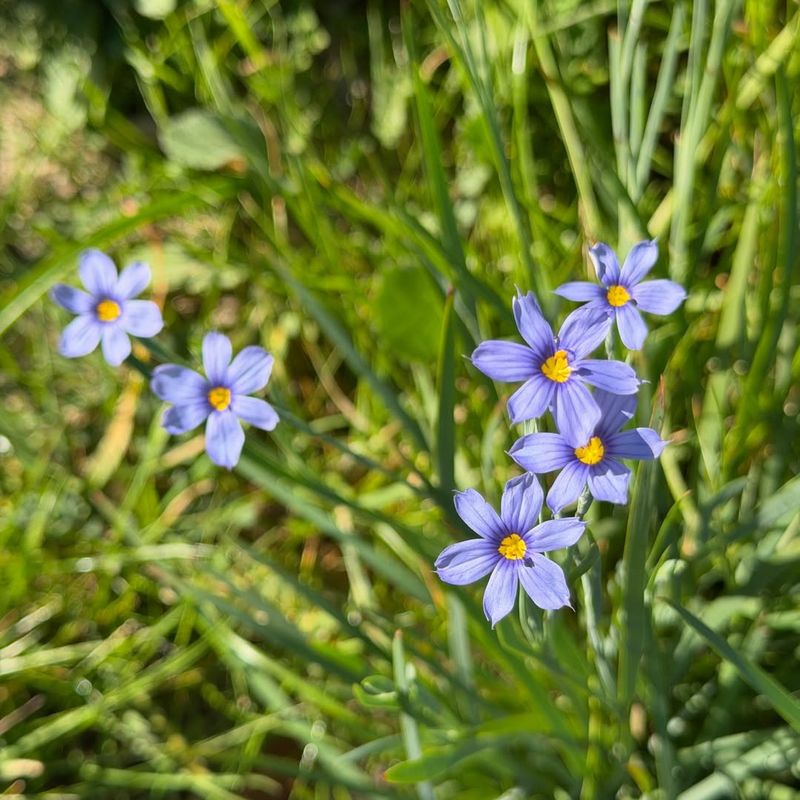
Don’t let the name fool you – blue-eyed grass isn’t actually a grass at all, but a member of the iris family that produces charming little star-shaped flowers. Each bloom measures less than an inch across, featuring six petals in the most beautiful sky-blue color with bright yellow centers that truly resemble tiny eyes looking up from the ground.
These dainty wildflowers begin opening in March across Texas, often going unnoticed unless you’re walking slowly and paying attention to small wonders.
The plants produce narrow, grass-like leaves that blend perfectly with actual grasses in lawns and meadows. This camouflage means many people walk right past blue-eyed grass without realizing these special wildflowers are growing beneath their feet.
Plants typically stand six to twelve inches tall, with flowers held just above the foliage on slender stems.
Narrowleaf blue-eyed grass grows throughout Texas in various habitats, from moist meadows to dry prairies. The flowers open in the morning and often close by afternoon, especially on hot days.
Each bloom lasts only one day, but plants produce flowers continuously for several weeks during their March-through-May blooming period.
Gardeners who discover blue-eyed grass often fall in love with its delicate beauty and easy-care nature. The plants tolerate regular mowing, making them perfect for adding wildflower interest to lawns.
They often self-seed and can gradually form larger clumps over time without showing aggressive spread in most garden settings.
8. Texas Spiderwort Opening Bright Blooms By Morning
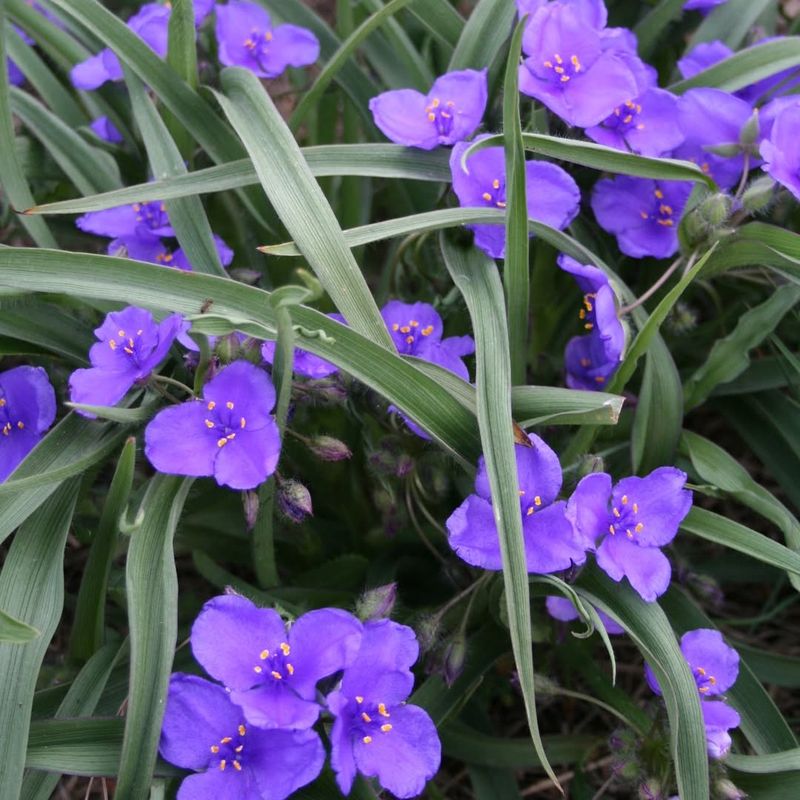
Early risers get rewarded with the best views of Texas spiderwort, a native wildflower that opens fresh blooms each morning throughout March and April. The three-petaled flowers come in shades of blue, purple, or occasionally pink, creating cheerful splashes of color in gardens and natural areas.
Each flower features prominent yellow stamens covered in fuzzy hairs that give spiderwort its unusual common name – the stamens supposedly resemble spider legs.
Texas spiderwort forms clumps of long, grass-like leaves that arch gracefully from the plant’s base. The leaves have an interesting fold down their centers, creating a distinct V-shape when viewed in cross-section.
Plants typically reach twelve to eighteen inches tall and spread slowly to form larger colonies over time.
Individual flowers last only one day, often closing by afternoon and fading quickly, while new buds open in succession. However, each plant produces numerous buds that open in succession, providing weeks of continuous blooms.
The flowers attract various pollinators, including bees and small butterflies that visit during morning hours when blooms are fully open.
Spiderwort grows naturally in partially shaded areas under trees and along woodland edges throughout Texas. It prefers moist soil and struggles in extremely dry conditions.
Gardeners appreciate spiderwort for adding color to shadier spots where many wildflowers refuse to bloom. The plants require minimal care and may self-seed, often returning in following seasons when growing conditions are suitable.
9. Ohio Spiderwort Showing Off Vibrant Blue Petals
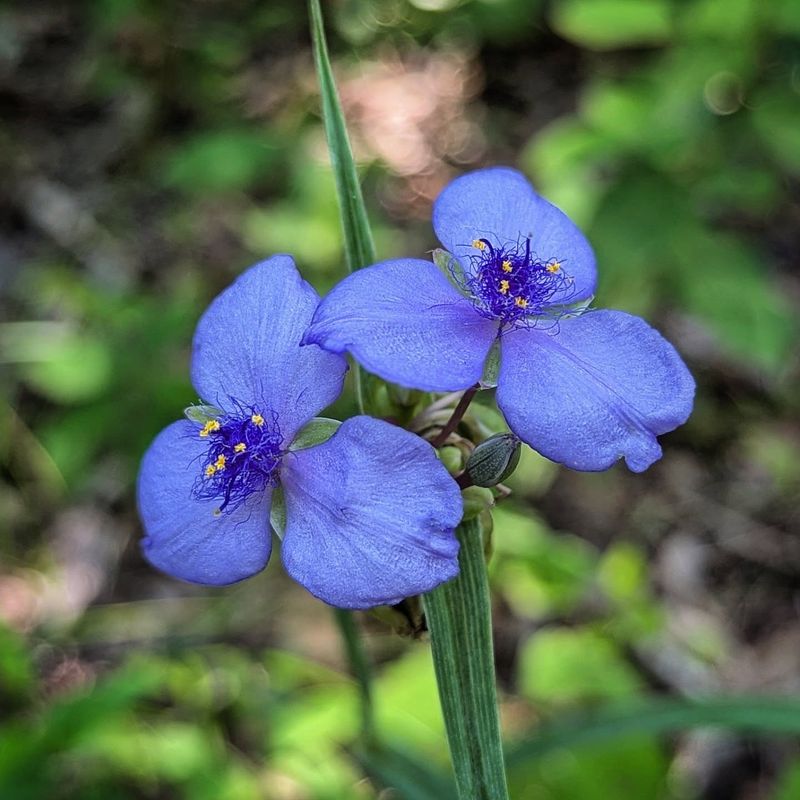
Vibrant blue petals catch your eye immediately when you spot Ohio spiderwort blooming in Texas meadows and prairies in spring. This cousin of Texas spiderwort produces slightly larger flowers in more intense blue shades that really stand out against green grasses and other spring wildflowers.
The three-petaled blooms open wide in morning sunshine, displaying golden stamens at their centers that provide striking color contrast.
Ohio spiderwort forms substantial clumps of long, narrow leaves that can reach two feet in length, creating fountain-like shapes in the landscape. The plants grow taller than Texas spiderwort, sometimes reaching heights of two to three feet when in full bloom.
This size makes them more prominent in wildflower displays and easier to spot from a distance.
The flowers appear from March through June across Texas, with each bloom lasting only a single day before fading. New buds open continuously throughout the blooming season, ensuring consistent color for months.
Bees, butterflies, and other pollinators visit the flowers regularly, making Ohio spiderwort valuable for supporting native insects.
These wildflowers adapt to various growing conditions, tolerating both full sun and partial shade. They prefer moist soil but can handle brief dry periods once established.
Ohio spiderwort works beautifully in wildflower gardens, rain gardens, or naturalized areas where it can spread freely. The plants may self-seed and generally require little maintenance beyond occasional watering during extended dry periods.