Why Your Texas Peach Tree Blooms But Never Produces Fruit
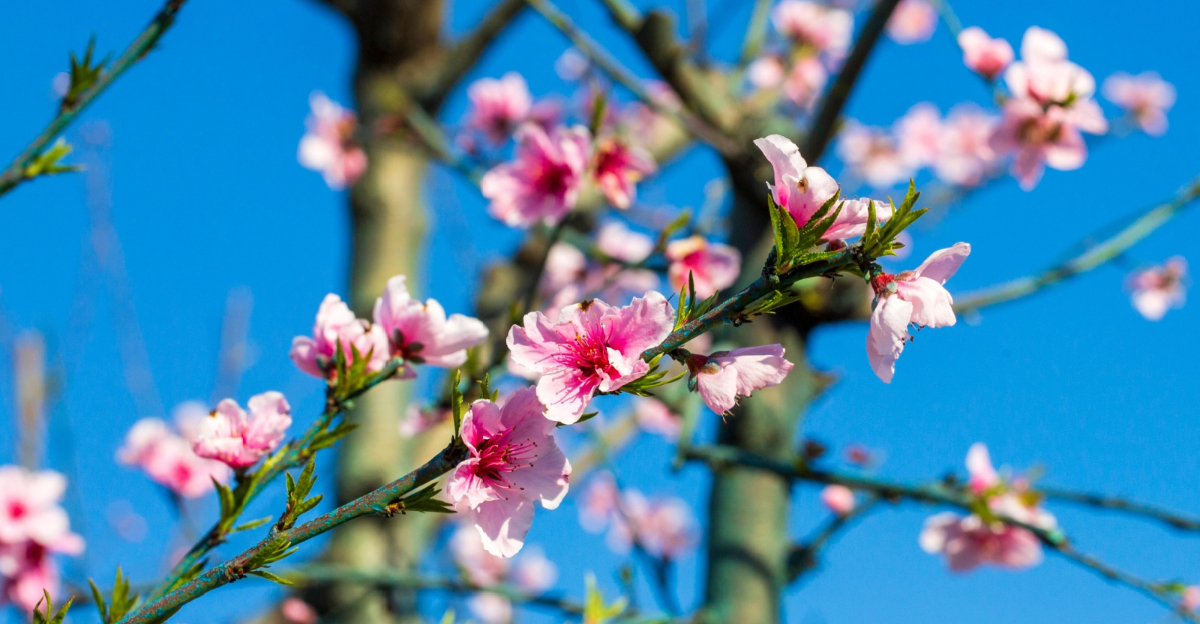
There is a special kind of heartbreak in watching your Texas peach tree explode into a cloud of pink blossoms, only to have a “ghost harvest” come summer.
It’s a frustrating mystery: if the flowers were there, where is the fruit?
In Texas, our weather is a wild ride. We deal with “yo-yo” winters, surprise late frosts, and spring heatwaves that arrive before we’ve even put away our coats.
These environmental curveballs can sabotage fruit set even on the healthiest-looking trees.
Understanding why those beautiful blooms aren’t turning into juicy peaches is the secret to finally outsmarting the Lone Star climate and reclaiming your harvest.
1. Insufficient Winter Chill Hours Can Prevent Fruit Set
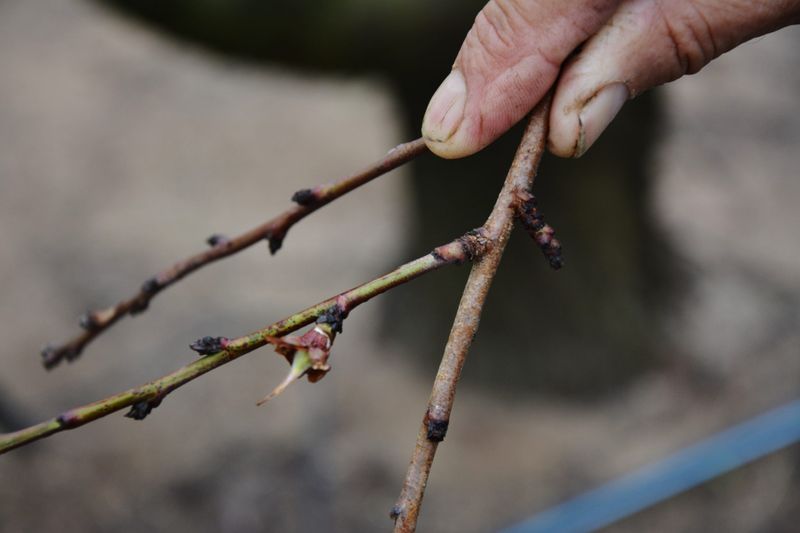
Texas winters are notoriously unpredictable, and that rollercoaster weather plays a bigger role in your peach harvest than most gardeners realize.
Peach trees need a set number of hours with temperatures between 32 and 45 degrees Fahrenheit during winter dormancy.
This chilling requirement, measured in chill hours, signals the tree that winter has truly passed and it is safe to proceed with fruit development.
When a tree does not receive enough chill hours, it may still bloom, but the blooms often fail to develop into fruit.
The flowers open unevenly, pollination becomes inconsistent, and the tree simply does not have the internal energy reserves needed to push fruit to maturity.
Many Texas gardeners in the Hill Country, San Antonio area, and Gulf Coast regions run into this problem regularly because mild winters can leave trees short of their required chill hours.
Chill hour accumulation varies significantly across Texas, ranging from fewer than 400 hours along the Gulf Coast to over 1,000 hours in the Panhandle.
Selecting a variety matched to your local chill hour average is one of the most practical steps you can take.
Low-chill varieties bred specifically for warm-winter climates tend to perform much more reliably across central and south Texas than standard varieties developed for cooler regions.
2. Late Spring Frost Can Damage Open Blossoms
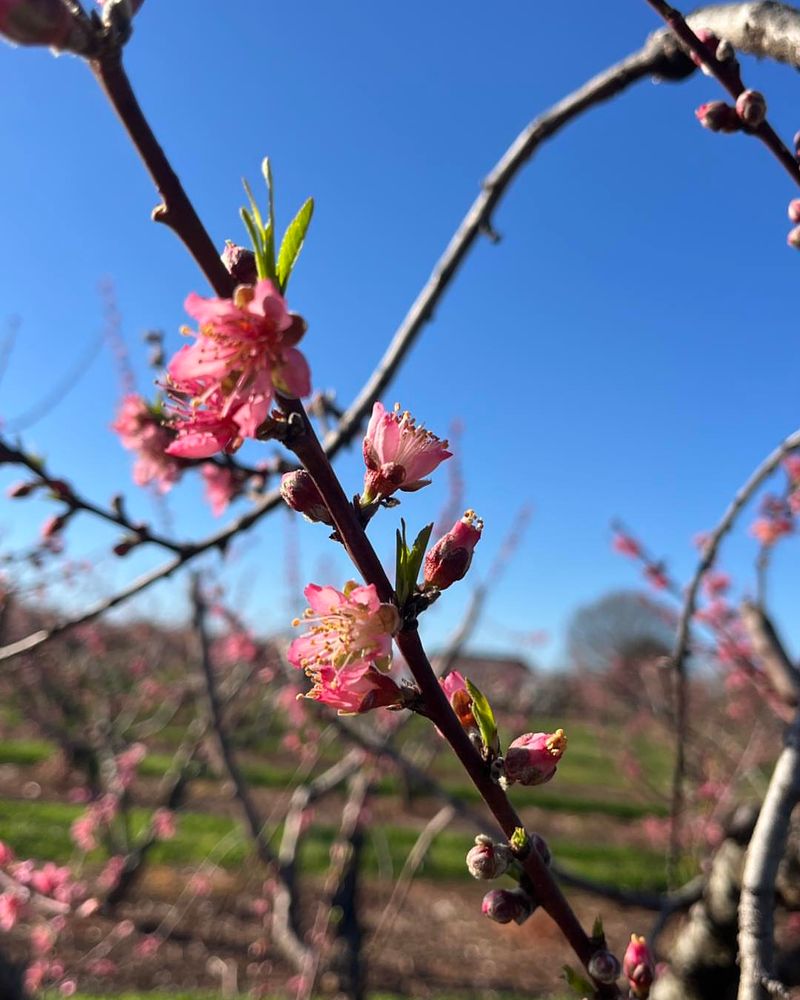
Watching a warm February coax your peach tree into full bloom, only to have a March cold snap roll through, is one of the most heartbreaking experiences in Texas fruit growing.
Peach blossoms are extremely sensitive once they open, and temperatures dropping to 28 degrees Fahrenheit or below for even a few hours can cause significant damage to open flowers.
The center of the bloom, called the pistil, is especially vulnerable and may appear blackened after a frost event.
Texas is particularly tricky in this regard because spring weather can shift from warm and sunny to freezing within 48 hours. Areas like north Texas and the Hill Country are especially prone to these late-season temperature drops.
A tree can look perfectly fine on the outside while the reproductive parts of the blossoms have already been compromised by cold temperatures.
Protecting blooming trees with frost cloth or lightweight row covers on nights when temperatures are forecast to drop below 30 degrees Fahrenheit can make a real difference.
Your Texas Garden Changes Every Week. Your Plan Should Too.
Gardening in Texas changes quickly throughout the season. Every Friday you’ll receive a simple weekly plan showing exactly what to plant, prune, fertilize, harvest, and protect so you never miss the right timing.
Placing the cover over the tree before sunset traps ground heat and keeps the canopy a few degrees warmer.
Choosing planting sites with good air drainage, such as slightly elevated ground rather than low-lying areas where cold air settles, also reduces frost risk considerably during those unpredictable Texas springs.
3. Poor Pollination During Bloom Time Limits Fruit Development
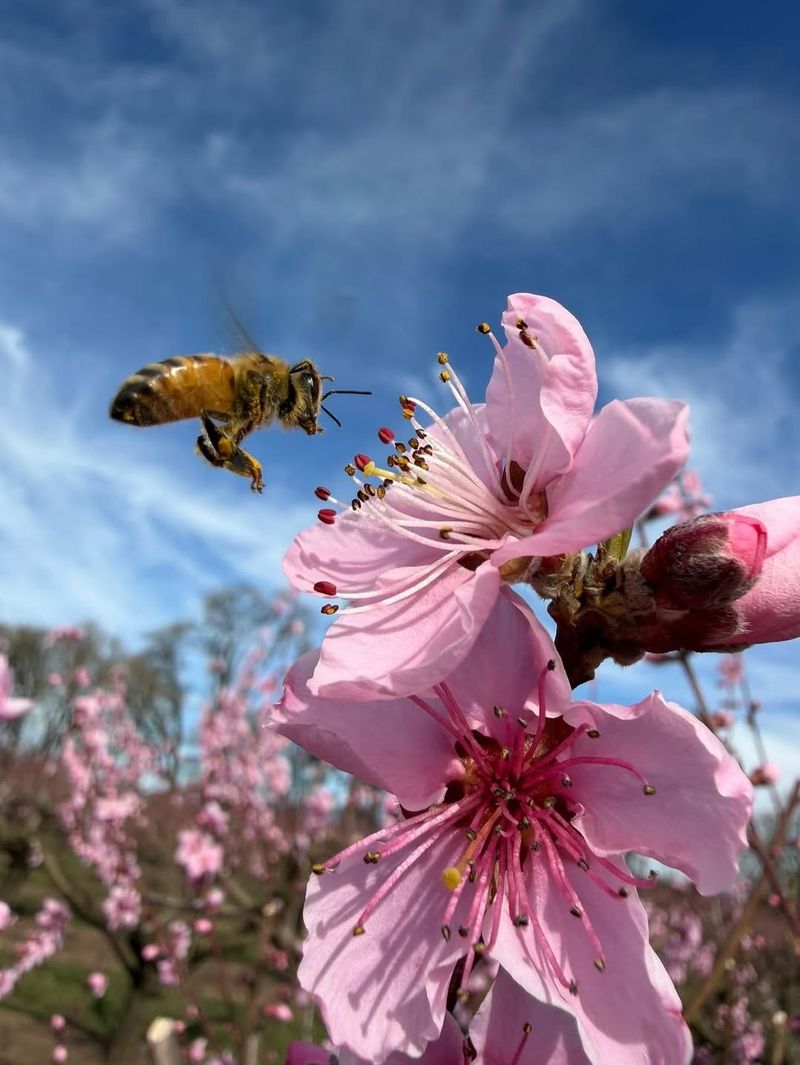
Bees buzzing through peach blossoms on a warm spring morning are not just a pretty sight. They are doing the essential work of moving pollen from flower to flower, which is what ultimately triggers fruit development.
Even though most peach varieties grown in Texas are considered self-fertile, meaning they do not strictly require a second tree for pollination, fruit set improves noticeably when pollinator activity is strong during bloom time.
Cold, rainy, or windy weather during the bloom period can keep bees grounded and dramatically reduce pollination rates.
Peach trees typically bloom for only one to two weeks, so a stretch of bad weather at exactly the wrong time can mean the difference between a full harvest and an empty tree.
Gardens that rely heavily on pesticides near bloom time may also see reduced bee activity, which compounds the problem.
Encouraging native pollinators by planting flowering companion plants nearby can help support a healthy pollinator population throughout the season.
Avoiding broad-spectrum insecticide applications while the tree is in bloom protects the bees doing the most important work.
Some gardeners also try hand-pollinating a portion of their blossoms using a small paintbrush to transfer pollen between flowers when weather conditions are particularly unfavorable, which can meaningfully boost early fruit set in smaller home orchards.
4. Excess Nitrogen Encourages Leaves Instead Of Fruit
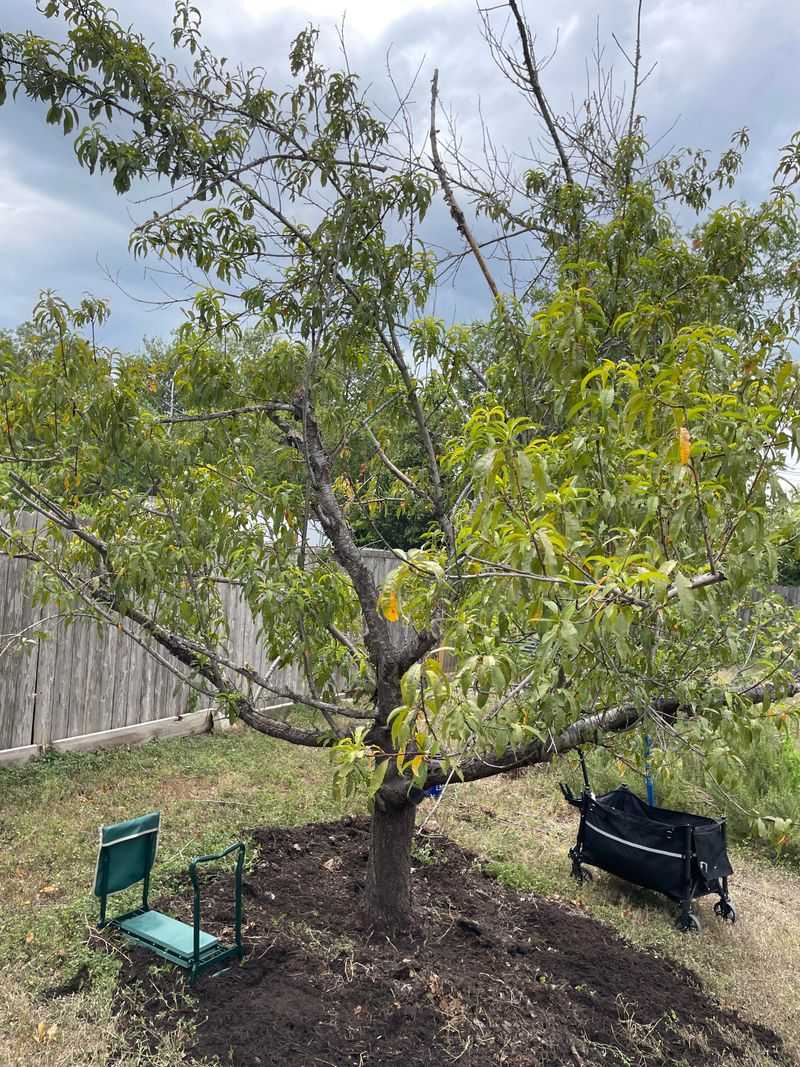
A peach tree with glossy, deep green leaves and vigorous new growth might look impressively healthy, but that lush appearance can actually signal a fruiting problem.
When soil nitrogen levels are too high, peach trees channel most of their energy into producing leaves and long shoots rather than setting and developing fruit.
The tree essentially stays in a vegetative growth mode rather than shifting into reproductive mode.
This often happens when gardeners apply lawn fertilizers near their fruit trees or use general-purpose fertilizers too generously and too frequently.
Lawn fertilizers are typically high in nitrogen because grass needs it for blade growth, but those same nutrients can push a nearby peach tree into excessive leafy growth at the expense of fruit.
Sandy soils common in parts of Texas can also cause gardeners to over-fertilize, thinking the tree needs more nutrients than it actually does.
For established peach trees in Texas, a soil test is the most reliable guide to fertilization needs.
As a general rule, young trees benefit from modest nitrogen applications in early spring, while mature trees often need very little additional nitrogen once established.
If your tree is putting out more than 12 to 18 inches of new shoot growth per season, that is a signal to ease back on nitrogen and allow the tree to redirect its energy toward fruit production rather than canopy expansion.
5. Improper Pruning Can Remove Fruiting Wood
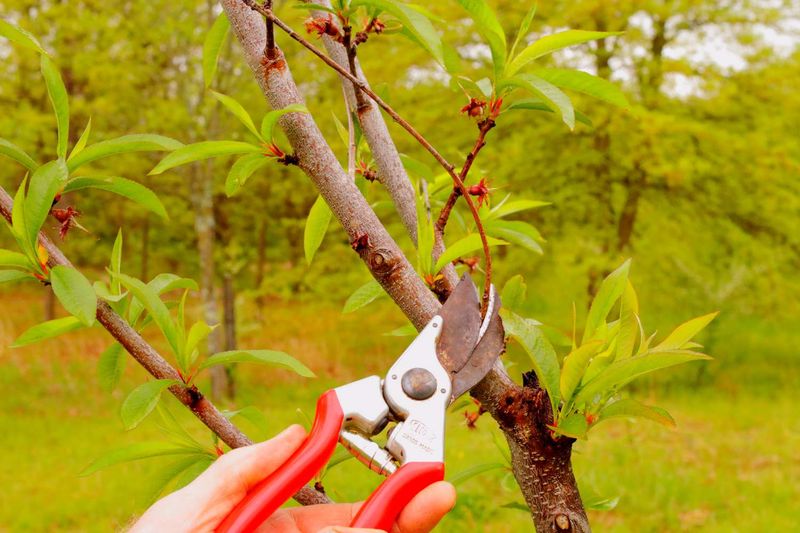
Pruning a peach tree feels straightforward until you realize that cutting the wrong wood can set your harvest back by an entire season.
Peaches bear fruit almost exclusively on one-year-old wood, meaning the new shoots that grew during the previous summer are the branches that will carry fruit this year.
Removing too much of that growth during pruning, or cutting it back too severely, can leave a tree with very little fruiting potential even if it blooms beautifully.
Some gardeners prune peach trees the same way they prune shade trees or apple trees, heading back large limbs and removing a significant portion of the canopy. With peaches, that approach tends to remove exactly the wood that would have produced fruit.
The goal with peach pruning is to maintain an open-center structure that allows sunlight into the canopy while preserving a good supply of vigorous one-year shoots throughout the tree.
In Texas, late winter pruning, typically from late January through February before bloom begins, gives the tree time to respond before the growing season starts.
Removing crossing branches, damaged wood, and any shoots growing straight up through the center is a solid starting point.
Leaving outward-growing shoots of moderate vigor, roughly pencil to finger thickness, tends to give the best results for fruit production the following season. A little research into open-center peach pruning techniques goes a long way.
6. Water Stress During Bloom Affects Fruit Formation
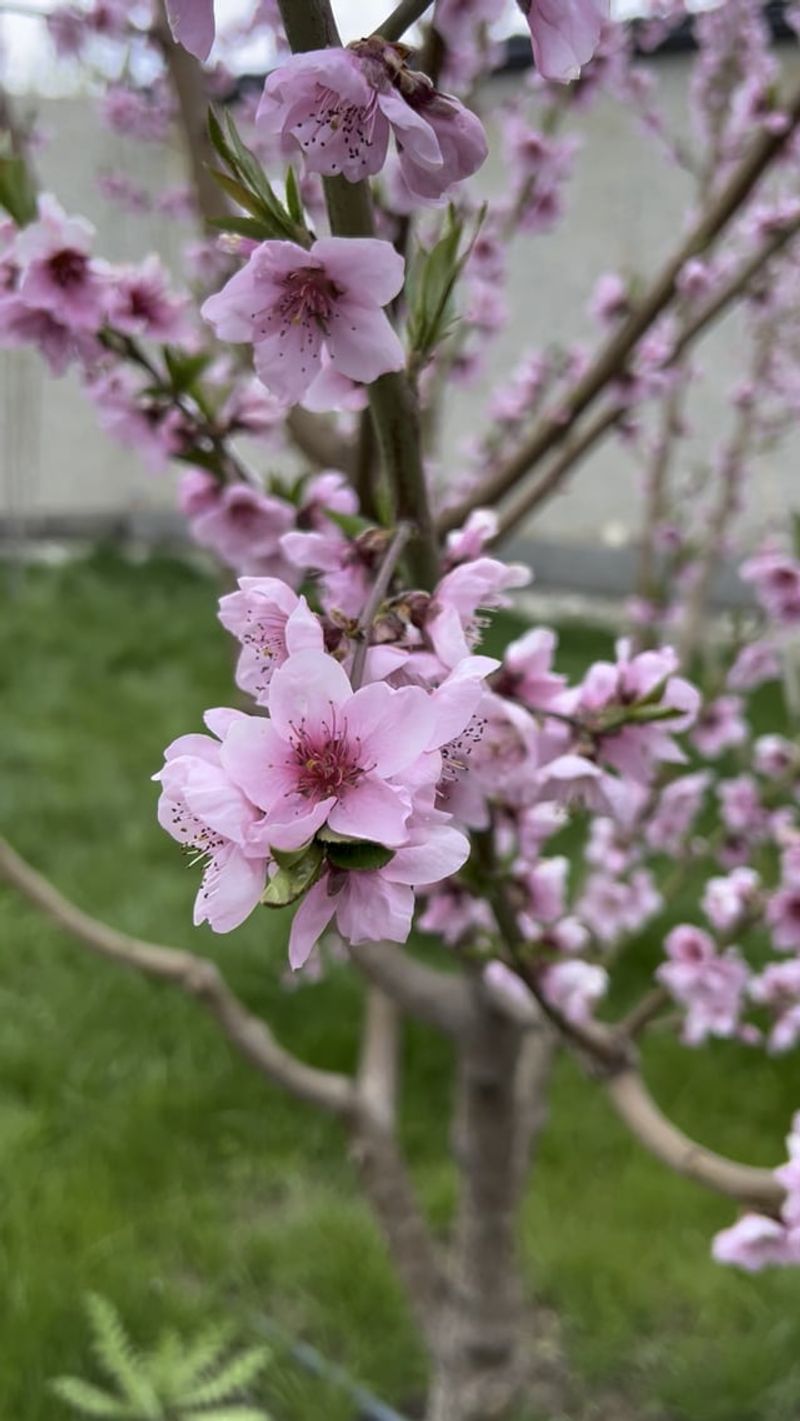
Spring in Texas can be deceptively dry, with warm temperatures and gusty south winds pulling moisture out of the soil faster than many gardeners expect.
Peach trees going through bloom and early fruit set need consistent soil moisture to support the energy-intensive process of developing fruit.
When the soil dries out significantly during this critical window, the tree may drop developing fruitlets as a stress response, prioritizing its own survival over reproduction.
Water stress during bloom does not always look dramatic. The tree may not wilt visibly, but the blossoms can dry out more quickly than normal, reducing the window for successful pollination.
Tiny developing fruitlets, called June drop candidates, may fall from the tree weeks after bloom if the tree experienced moisture stress at a key moment earlier in the season.
By the time gardeners notice the problem, the opportunity to correct it has already passed.
Deep, infrequent watering encourages peach tree roots to grow deeper into the soil, where moisture is more stable and consistent.
Applying a layer of organic mulch around the base of the tree, keeping it a few inches away from the trunk, helps retain soil moisture and regulate soil temperature during warm Texas springs.
Drip irrigation or soaker hoses deliver water efficiently directly to the root zone without wetting the foliage, which is a practical approach for home orchards in drier parts of the state.
7. Young Trees May Bloom Before They Are Ready To Produce
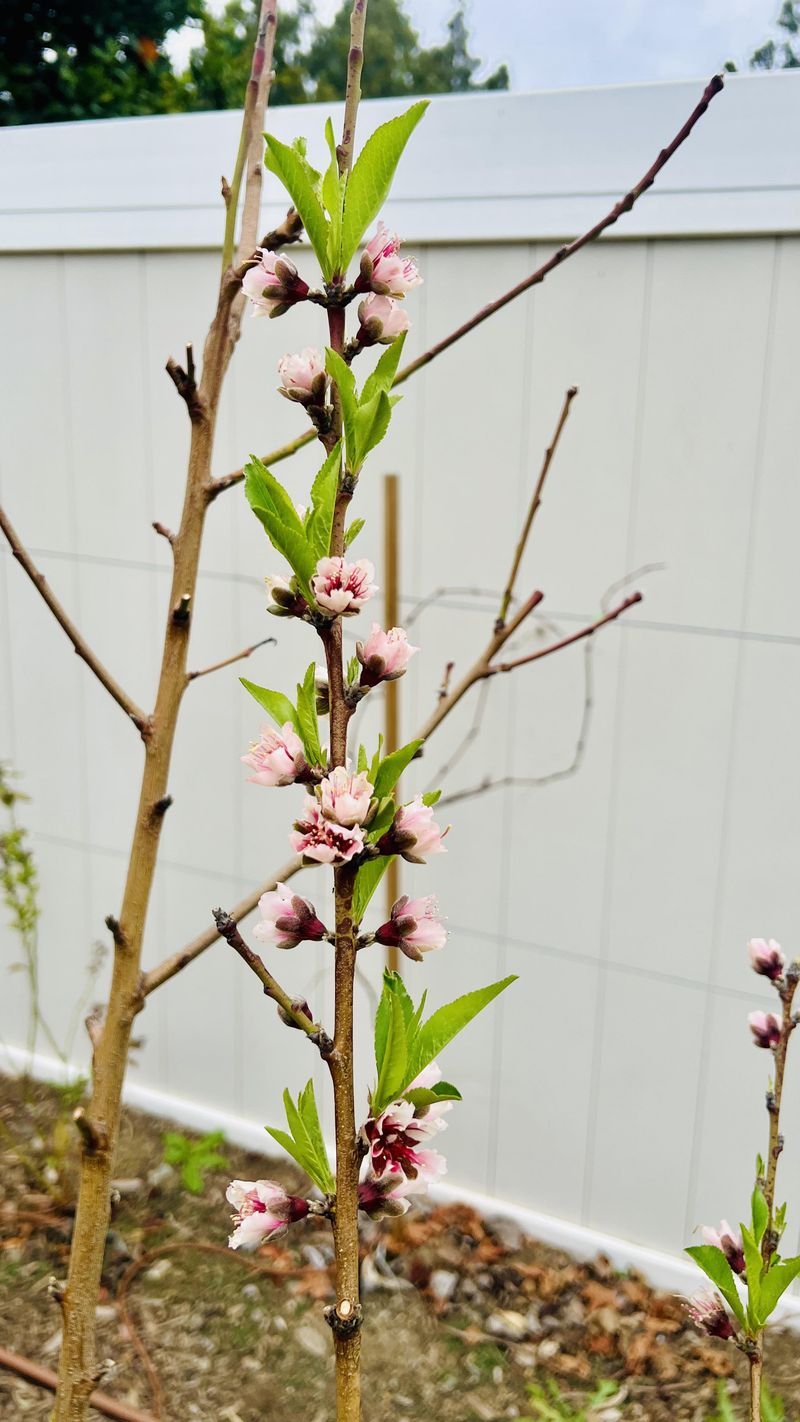
There is something genuinely exciting about a newly planted peach tree pushing out its first blooms in early spring. Those flowers are a sign of life and promise, but on a tree that is only one or two years old, early blooming rarely leads to an actual harvest.
Young peach trees are still building their root systems and establishing the structural framework needed to support and ripen fruit, and that process simply takes time.
When a young tree blooms too early in its development, allowing fruit to set and develop can actually slow down its long-term establishment.
Many experienced Texas fruit growers recommend removing blossoms from trees in their first year or two, redirecting all of the tree’s energy into root and canopy development instead.
A tree that spends its early years building a strong foundation tends to produce heavier, more consistent harvests once it matures than one that was pushed to fruit too soon.
Most peach trees begin producing a meaningful harvest somewhere between their second and fourth year in the ground, depending on variety, soil conditions, and overall care. Patience during those early seasons pays off considerably.
Keeping the young tree well-watered, lightly fertilized, and protected from late frost damage gives it the best possible start.
By the time it reaches full bearing age, a well-established Texas peach tree can produce a genuinely impressive amount of fruit each season.
8. Variety Selection May Not Match Your Texas Climate
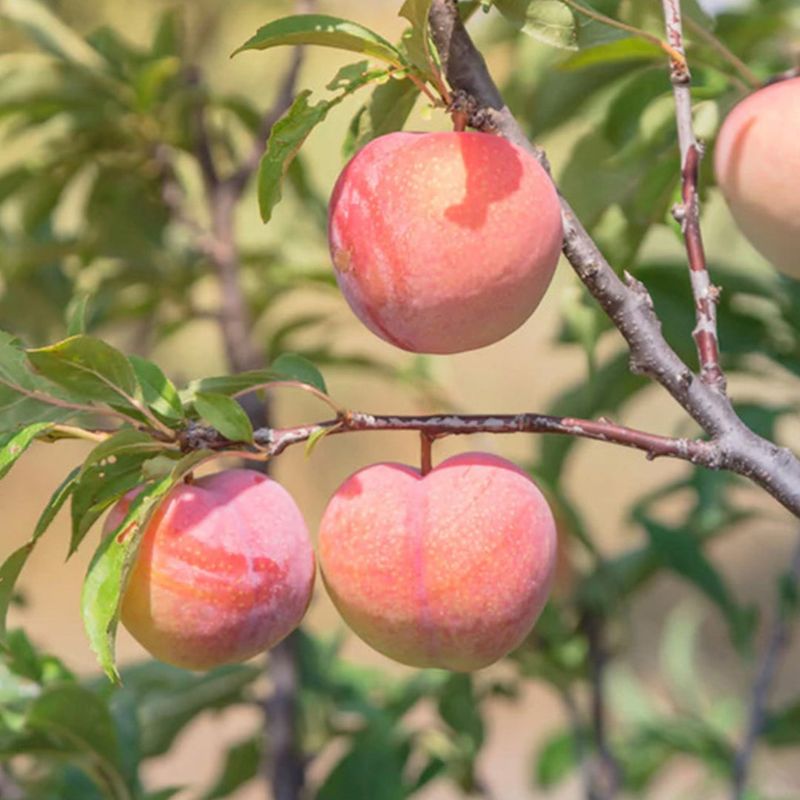
Walking into a garden center and picking out the most attractive peach tree on the shelf without checking its chill hour requirements is one of the most common mistakes Texas home growers make.
Not every peach variety sold at retail nurseries is actually suited to the specific climate zone where it will be planted, and a mismatched variety can bloom reliably every spring for years without ever setting meaningful fruit.
Texas spans an enormous range of climates, from the humid Gulf Coast with fewer than 400 chill hours annually to the cooler High Plains with over 1,000 hours.
A standard peach variety developed for the Mid-Atlantic or Pacific Northwest, which may need 800 or more chill hours, will struggle to produce fruit consistently in the San Antonio area or Houston suburbs.
The tree is not failing because of poor care; it is simply not suited to the local winter conditions it experiences.
Low-chill varieties developed specifically for warm-winter climates have been bred to thrive with 300 to 500 chill hours and perform far more reliably across central and south Texas.
Consulting with a reputable Texas nursery that specializes in fruit trees before purchasing can save years of frustration.
Matching the variety to your specific Texas region, whether that is east Texas, the Hill Country, or the Panhandle, is one of the highest-impact decisions you can make for a productive home orchard.