8 Smart March Moves For A Stronger Spring Garden In Georgia
March is a turning point in Georgia gardens. Days stretch longer, soil begins to warm, and plants shift from resting to growing almost overnight.
What you do this month sets the tone for everything that follows, from early blooms to summer harvests.
Small, timely actions in March can prevent bigger problems later. Adjusting soil, pruning at the right moment, planting before heat builds, and staying ahead of weeds all make a noticeable difference.
It is easier to guide the garden now than to correct it in late spring when growth is already in full swing.
If you want a stronger, more productive spring garden in Georgia, March is the month to move with purpose and get ahead of the season.
1. Prune Roses And Summer Blooming Shrubs Before New Growth Surges
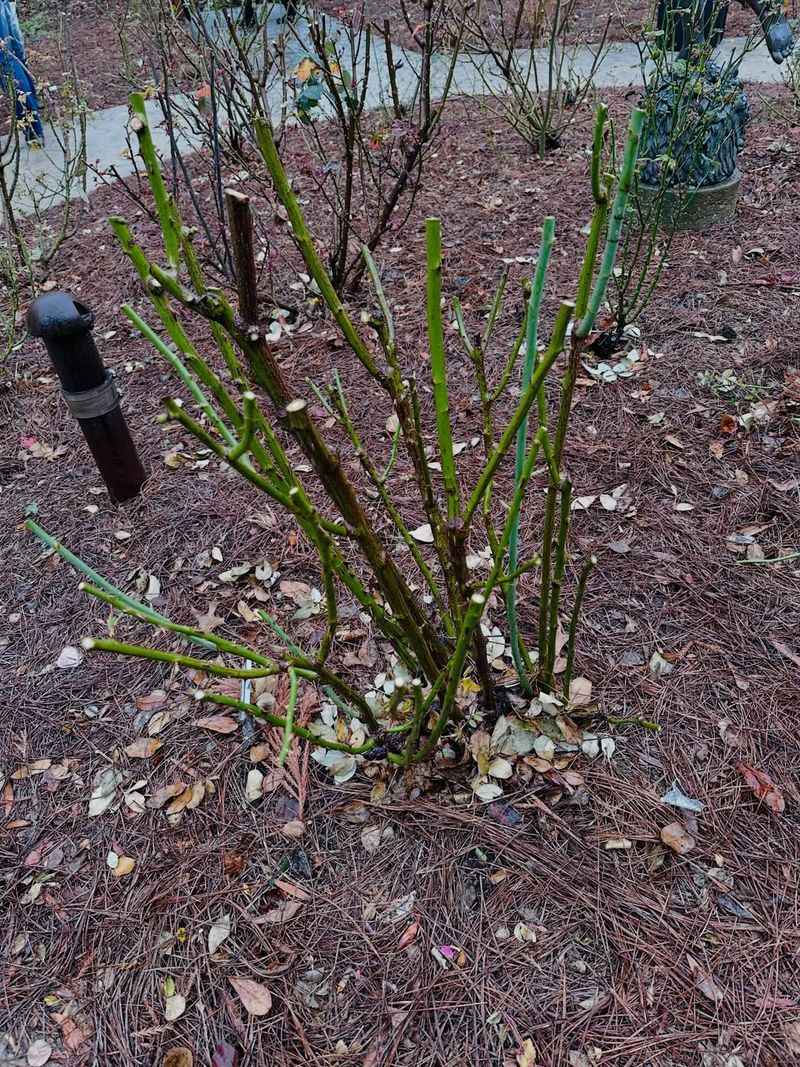
Roses and summer-blooming shrubs like butterfly bush, crape myrtle, and vitex need pruning before their leaf buds start swelling. You’re cutting away lifeless wood, crossing branches, and anything that looks weak or damaged from winter.
This isn’t about being perfect with every cut. You’re opening up the center so air can move through and sunlight can reach inner branches.
Georgia’s mild winters mean some shrubs never fully go dormant, but March is still early enough to prune without stressing plants.
Crape myrtles get butchered by people who think they need severe topping, but really you just remove spindly growth and suckers at the base.
For roses, cut back to outward-facing buds on healthy green canes, taking out anything thinner than a pencil.
Summer bloomers form flowers on new wood, so pruning now gives them time to push out fresh growth that will carry this year’s blooms. Wait too long and you’re cutting off developing buds.
Spring-blooming shrubs like azaleas and forsythia already set their buds last fall, so leave those alone until after they flower.
Sharp tools make cleaner cuts that heal faster. Dull blades crush stems and invite disease.
Clean your pruners between plants with rubbing alcohol if you’re working on multiple shrubs, especially roses that can spread fungal problems.
2. Apply Pre Emergent Weed Control Before Soil Warms Too Much
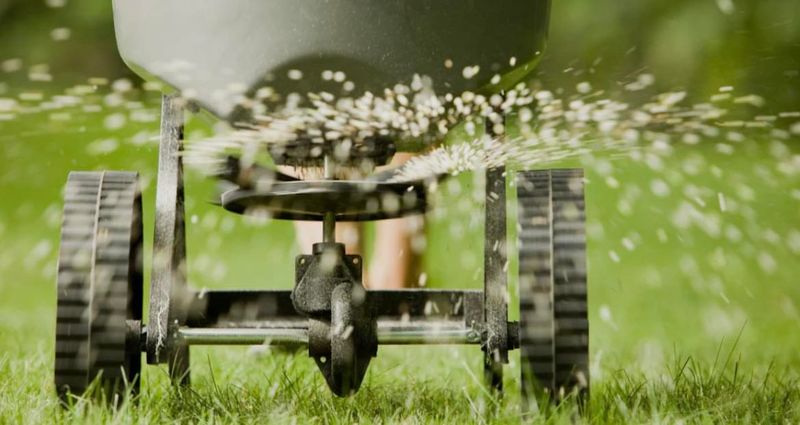
Weeds germinate when soil temperatures hit certain thresholds, and in Georgia that happens faster than you think. Pre emergent herbicides work by creating a chemical barrier in the top layer of soil that stops weed seeds from sprouting.
Once you see weeds popping up, it’s too late for pre emergent to help. You’re aiming to get this down when forsythias bloom, which is a reliable natural indicator that soil temps are right around 55 degrees.
Crabgrass is the big target for most Georgia gardeners, but pre emergents also stop other annual weeds from taking over your beds and lawn.
Read the label carefully because some products prevent all seeds from germinating, including flowers and vegetables you might want to plant.
If you’re planning to sow seeds, skip pre emergent in those areas or use a product safe for established plants only.
Your Georgia Garden Changes Every Week. Your Plan Should Too.
Gardening in Georgia changes quickly throughout the season. Every Friday you’ll receive a simple weekly plan showing exactly what to plant, prune, fertilize, harvest, and protect so you never miss the right timing.
Application timing matters more than the specific brand you choose. Too early and the chemical breaks down before weed seeds germinate.
Too late and you’re already fighting emerged weeds that pre emergent can’t touch. Most products need watering in after application to move the herbicide into the soil where seeds are waiting.
Garden beds, pathways, and lawn edges all benefit from pre emergent treatment. You’re preventing problems rather than reacting to them later when weeds have already taken root and started spreading.
3. Divide Overgrown Perennials While Temperatures Stay Mild
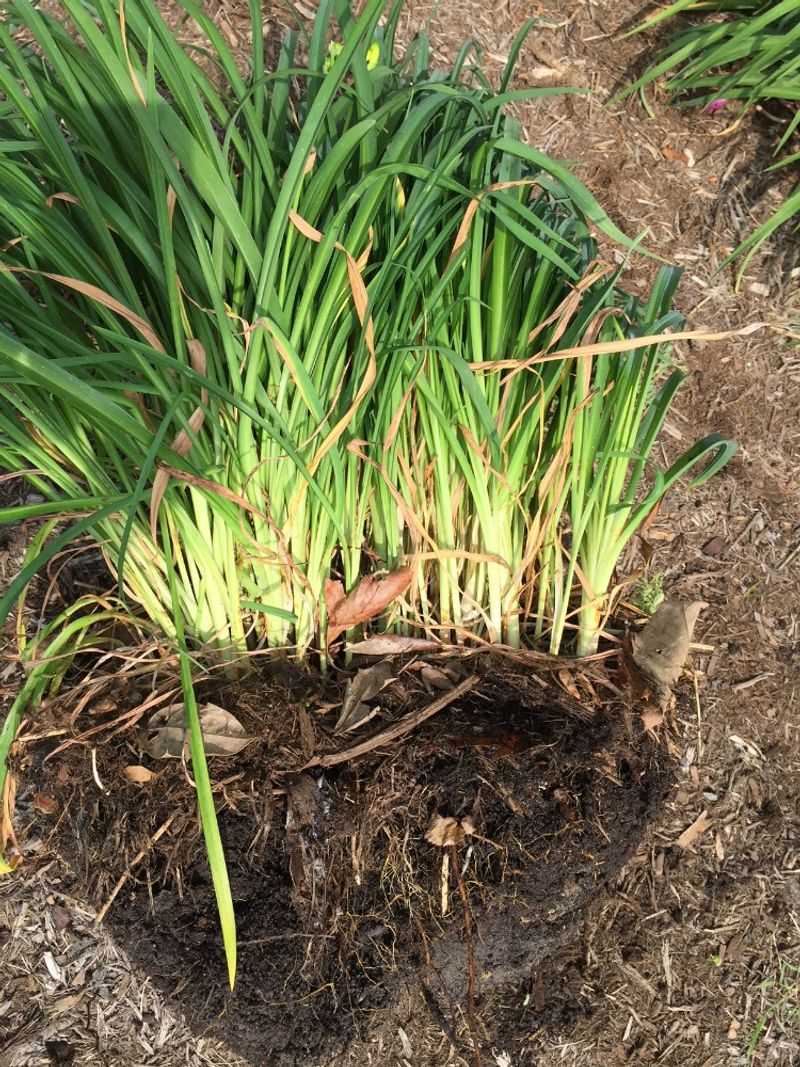
Perennials that have been in the ground for three or four years often develop thick crowded centers that produce fewer flowers. Hostas, daylilies, ornamental grasses, and asters all benefit from division every few years.
March weather in Georgia is cool enough that plants won’t stress from being dug up and split apart. You’re essentially making several plants from one overgrown clump.
Dig up the entire root ball and use a sharp spade or knife to cut through the crown. Some perennials pull apart easily by hand, while others need serious force to separate.
Each division should have healthy roots and several growing points or shoots. Replant divisions at the same depth they were growing before, water them in well, and they’ll establish quickly in spring soil.
Spring-blooming perennials like iris should wait until after they flower, but summer and fall bloomers are perfect candidates for March division. You’re giving them the entire growing season to settle in and develop strong root systems.
Divided plants might not flower heavily their first year, but by the second season they’ll outperform the tired clump you started with.
Don’t try dividing perennials during hot weather. Georgia summers stress plants enough without adding the trauma of root disturbance.
Cool March temperatures and regular spring rains give divisions the best chance to recover and grow.
4. Direct Sow Cool Season Crops Before Late Spring Heat Arrives
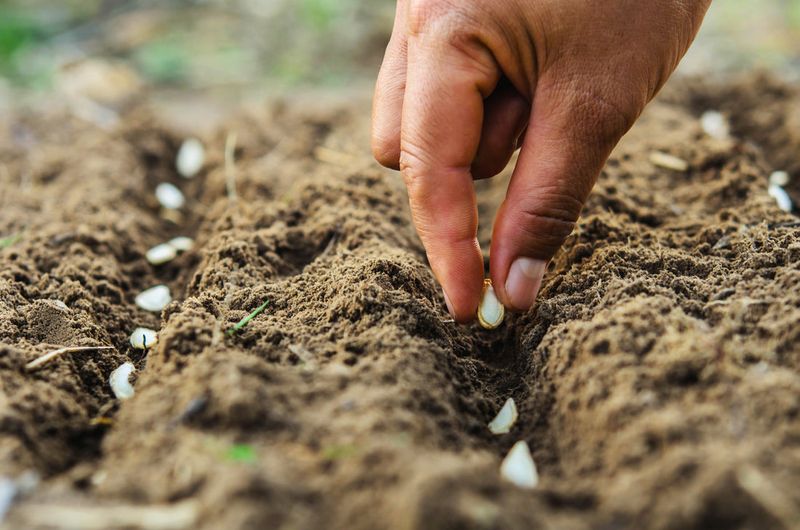
Cool season vegetables like lettuce, spinach, peas, and radishes need to mature before Georgia heat shuts them down. March is your last good window to get these crops in the ground from seed.
Transplants give you a head start, but direct sowing is cheaper and works fine for fast-growing greens and root vegetables that don’t transplant well anyway.
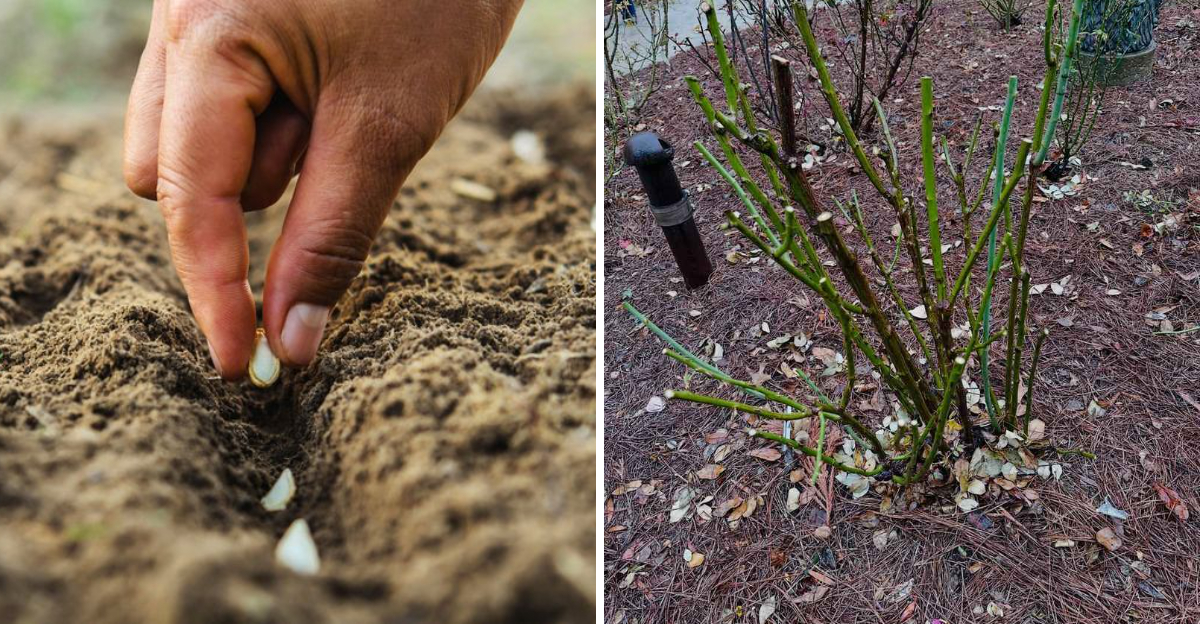
Prepare your soil by loosening it and mixing in compost. Seeds need good contact with soil to germinate, so rake the surface smooth and create shallow furrows at the depth listed on the seed packet.
Most cool season crops have tiny seeds that only need a quarter inch of soil coverage. Water gently after planting so you don’t wash seeds away or create a hard crust on the soil surface.
Succession planting every two weeks gives you continuous harvests instead of one big flush. Plant a short row of lettuce now and another row in two weeks.
By the time the first planting is ready, the second is coming along. This strategy works until late April in Georgia, when temperatures start climbing into the 80s regularly.
Peas need support structures in place before vines get tall. Radishes mature in less than a month and can fill gaps between slower-growing vegetables.
Carrots take longer but handle warm soil better than most cool season crops, so you can push them into early April if needed.
5. Start Warm Season Vegetables Indoors For A Head Start
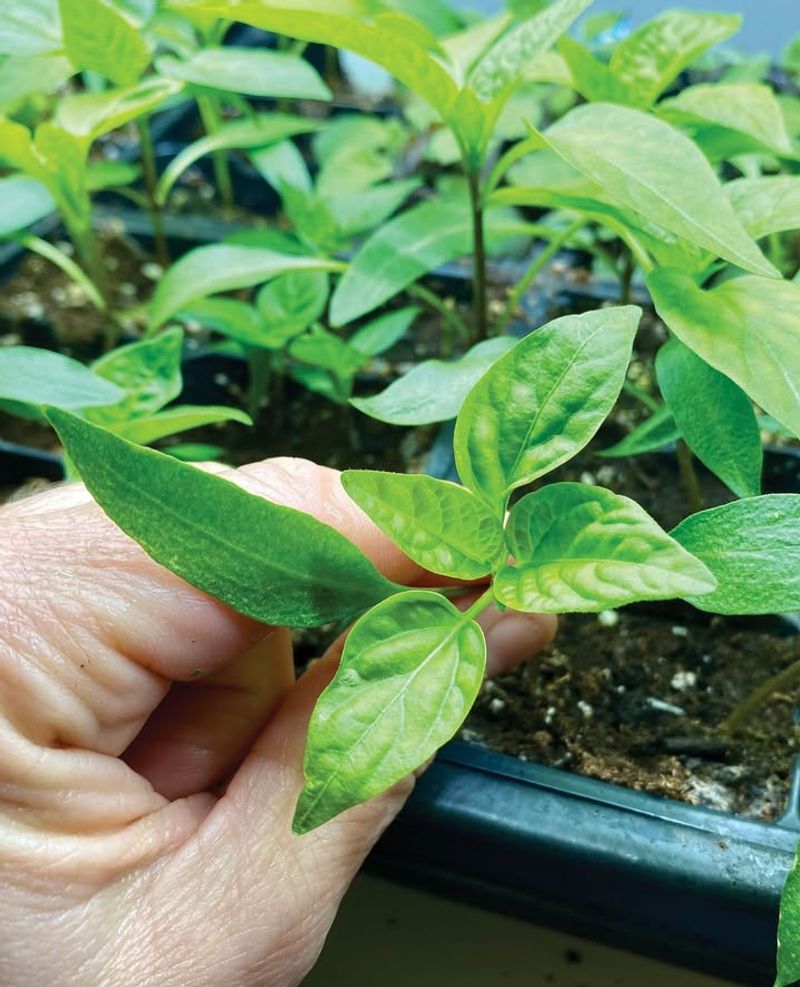
Tomatoes, peppers, and eggplants need warm soil to thrive, but they also need time to grow before you can transplant them outside.
Starting seeds indoors in March gives you stocky plants ready to go into the garden after the last frost date, which falls around mid-April in most of Georgia.
You’re gaining six to eight weeks of growing time compared to direct seeding outdoors.
Use seed starting mix, not garden soil or potting mix. Seed starting mix is sterile and lightweight, which prevents damping off disease that can wipe out tiny seedlings overnight.
Plant seeds in small cells or pots, keep them moist but not soggy, and provide bright light as soon as they sprout. A sunny south-facing window works if it gets at least six hours of direct sun, but grow lights are more reliable.
Seedlings need consistent warmth to germinate. Peppers especially want soil temperatures around 80 degrees.
A heating mat speeds germination and produces stronger plants. Once seedlings have their first true leaves, fertilize weekly with diluted liquid fertilizer.
They’re growing in inert mix with no nutrients, so they depend entirely on what you provide.
Harden off seedlings before transplanting by gradually exposing them to outdoor conditions over a week. Start with an hour of morning sun and increase exposure daily.
This prevents shock when you finally plant them in the garden.
Keep a small fan running nearby once seedlings are a few inches tall to strengthen stems and reduce fungal issues in still indoor air.
Label every variety clearly from the start, because tomatoes and peppers look nearly identical as seedlings and it is frustrating to guess once they are ready to transplant.
6. Refresh Mulch To Protect Roots And Lock In Moisture
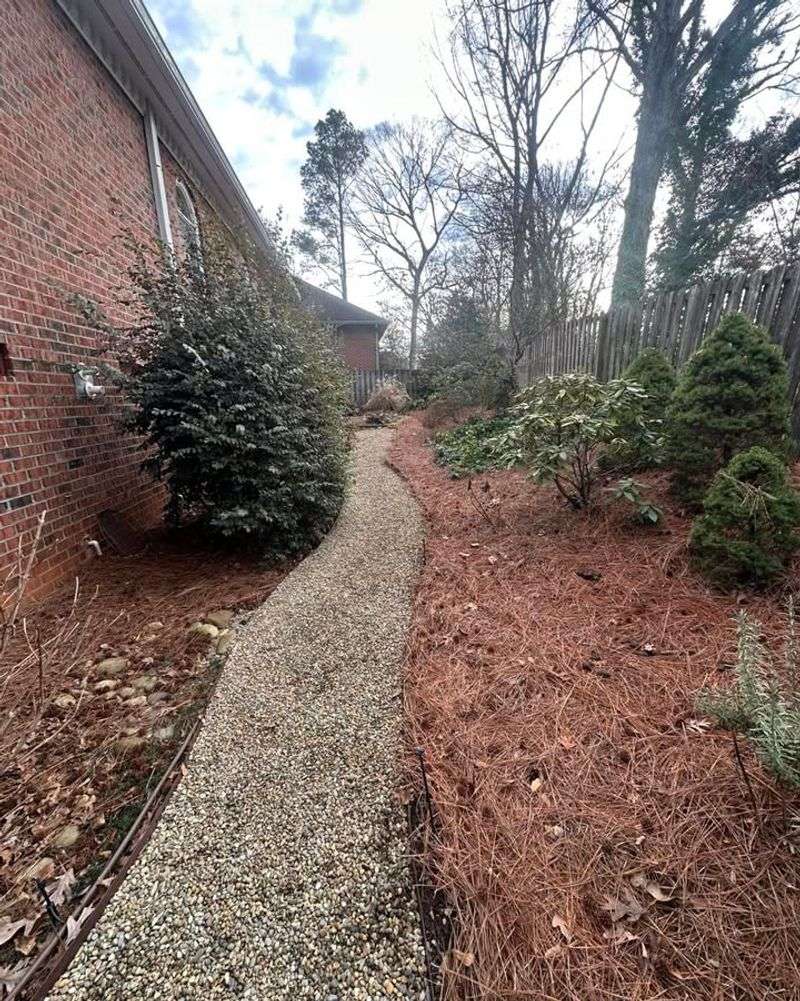
Winter weather breaks down mulch faster than you realize. Rain compacts it, wind scatters it, and decomposition thins it out until you’re left with bare soil showing through in spots.
March is the right time to add a fresh layer before summer heat stresses plants and weeds start competing for water. You’re protecting roots from temperature swings and keeping soil moisture consistent.
Pine straw is popular in Georgia because it’s cheap, readily available, and doesn’t mat down like hardwood mulch can. It also acidifies soil slightly, which benefits azaleas, camellias, and blueberries.
Hardwood mulch looks more formal and lasts longer, but it ties up nitrogen as it decomposes unless you use aged or composted material. Avoid piling mulch against plant stems and tree trunks.
Leave a small gap so air can circulate and bark doesn’t stay constantly wet.
Two to three inches of mulch is plenty for most beds. More than that can suffocate roots and create habitat for pests.
Check the depth of existing mulch before adding more. You might only need to fluff up what’s there and add a thin top layer rather than dumping on several inches of fresh material.
Mulched beds stay cooler in summer and warmer in winter. They also reduce watering needs significantly, which matters during Georgia’s dry spells that can hit anytime from late spring through fall.
7. Test Soil And Add Lime If pH Is Too Low
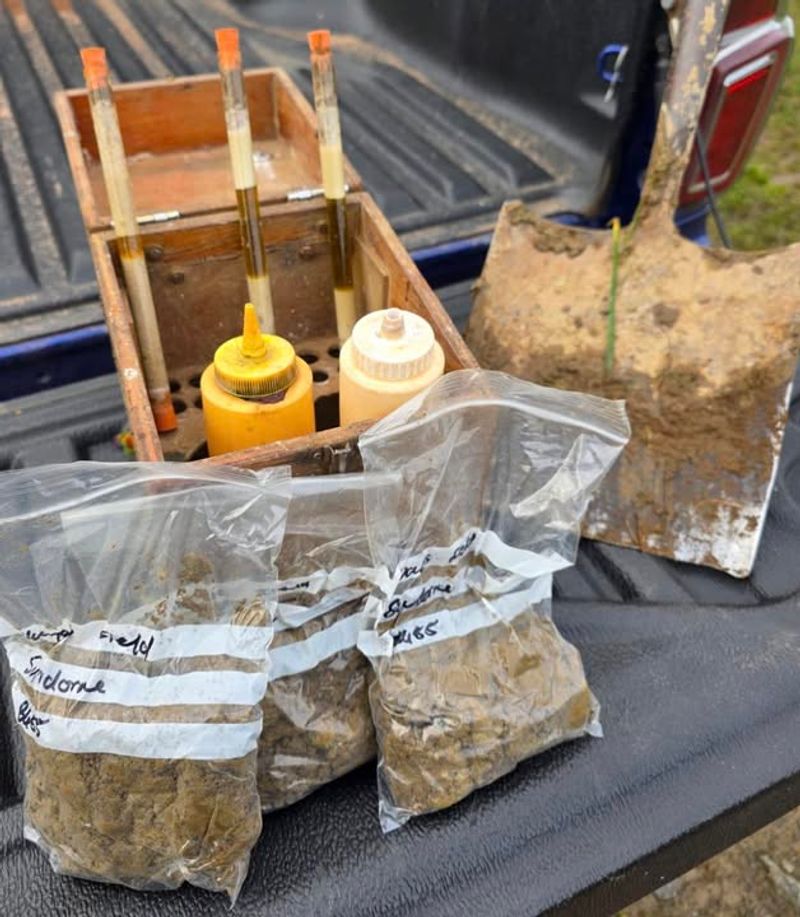
Georgia’s steady rainfall gradually washes key minerals like calcium and magnesium deeper into the soil profile. Over time, that natural leaching increases acidity, especially in clay-heavy areas of the Piedmont and parts of central Georgia.
When soil becomes too acidic, plants struggle to absorb nutrients efficiently, even if fertilizer has been applied.
March is still an effective time to correct low pH before warm-season vegetables and ornamentals begin rapid growth. A soil test through your county extension office provides the most accurate recommendation based on soil type and crop selection.
Clay soils generally require more lime to shift pH than sandy soils in coastal Georgia because clay holds acidity more tightly.
Apply lime evenly across the soil surface and water it in thoroughly to begin the reaction process. Pelletized lime is easier to spread and less dusty, while finely ground agricultural lime reacts faster but requires careful, even distribution.
Avoid applying excessive amounts at once, as gradual correction produces more stable results.
Lime takes time to work. In Georgia soils, noticeable pH improvement may take several weeks to months depending on moisture and temperature.
That slower adjustment helps prevent nutrient imbalances that can occur with rapid shifts.
Do not lime areas planted with blueberries, azaleas, camellias, or other acid-loving plants. Test separate beds individually, since pH often varies across properties depending on past amendments, tree cover, and drainage patterns.
8. Inspect Irrigation Systems Before Growth Speeds Up
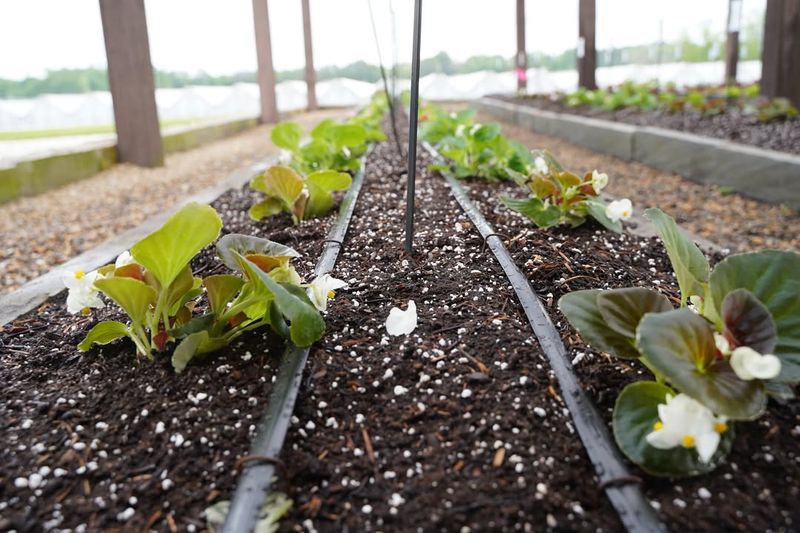
Irrigation lines that worked fine last fall might have developed leaks, clogs, or breaks over winter. Freezing temperatures aren’t common in most of Georgia, but occasional cold snaps can crack fittings or split hoses.
Checking your system now prevents discovering problems in May when plants are actively growing and temperatures are climbing into the 90s.
Turn on each zone and walk the lines looking for obvious leaks, broken emitters, or sprinkler heads that aren’t popping up properly. Drip irrigation clogs easily with mineral deposits or algae, especially if you have hard water.
Flush lines by removing end caps and running water through until it flows clear. Replace any damaged parts now while you have time to make multiple trips to the hardware store if needed.
Adjust sprinkler heads so they’re hitting plants and beds, not sidewalks and driveways. You’re wasting water and money if half the spray pattern lands on pavement.
Check timer settings and make sure your watering schedule matches current plant needs. Early spring doesn’t require the same frequency as summer, so dial back run times until temperatures increase.
If you don’t have irrigation, March is a good month to install soaker hoses or drip lines in vegetable beds before plants get large. Mulch hides the lines and they’ll be ready when consistent watering becomes critical during Georgia’s hot dry stretches.