When To Prune Ornamental Grasses In Florida (Without Damaging New Growth)
Florida gardeners, how long have you been growing ornamental grasses? A few seasons?
A decade? Either way, the same question shows up every year.
Grab the shears now or wait? Ornamental grasses bring movement, texture, and effortless drama to Florida landscapes.
But timing their cutback matters far more than many gardeners realize. Cut too early and tender new shoots can suffer.
Wait too long and fresh growth tangles with last year’s blades, leaving plants crowded, stressed, and uneven. In Florida’s fast-moving climate, where warmth arrives quickly and growth rarely slows for long, the right timing can make all the difference.
Get it right, and your grasses bounce back stronger, fuller, and ready to steal the show all season long.
1. Late Winter Is The Sweet Spot In Florida
According to UF/IFAS Extension guidelines, late winter offers the most reliable window for pruning most warm-season ornamental grasses across Florida. This timeframe typically falls between mid-February and early March for much of the state.
The key is cutting after the coldest weather has passed but before new shoots begin actively growing from the crown.
Timing varies depending on where you live in Florida. South Florida gardeners often need to prune earlier, sometimes as early as late January, since warmer temperatures trigger growth sooner.
Central Florida residents usually aim for mid to late February. North Florida homeowners can often wait until early March since frost risk lingers longer and delays spring growth.
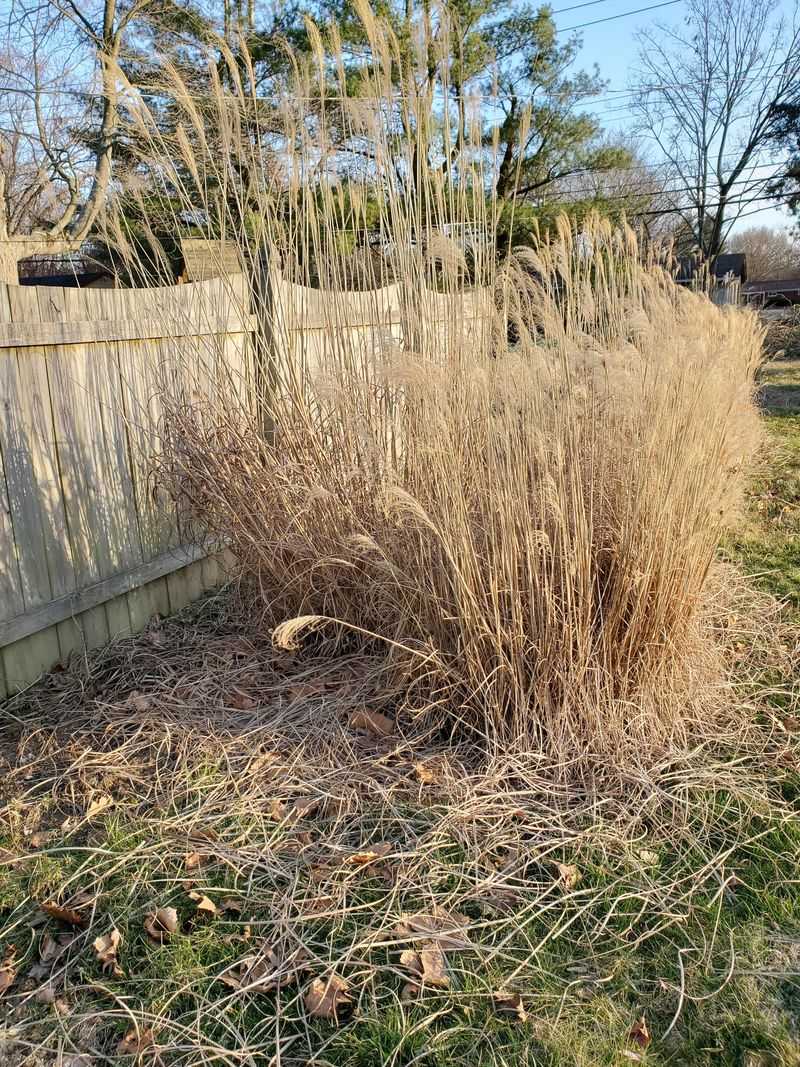
Watch your grasses closely rather than relying solely on calendar dates. Look for signs that dormancy is ending but new growth has not yet begun.
You want to see brown or tan foliage from last season without bright green shoots poking through at the base. This sweet spot gives you time to complete pruning before accidentally cutting tender new tissue that will fuel the coming season’s display.
2. Why Cutting Too Late Can Stress New Growth
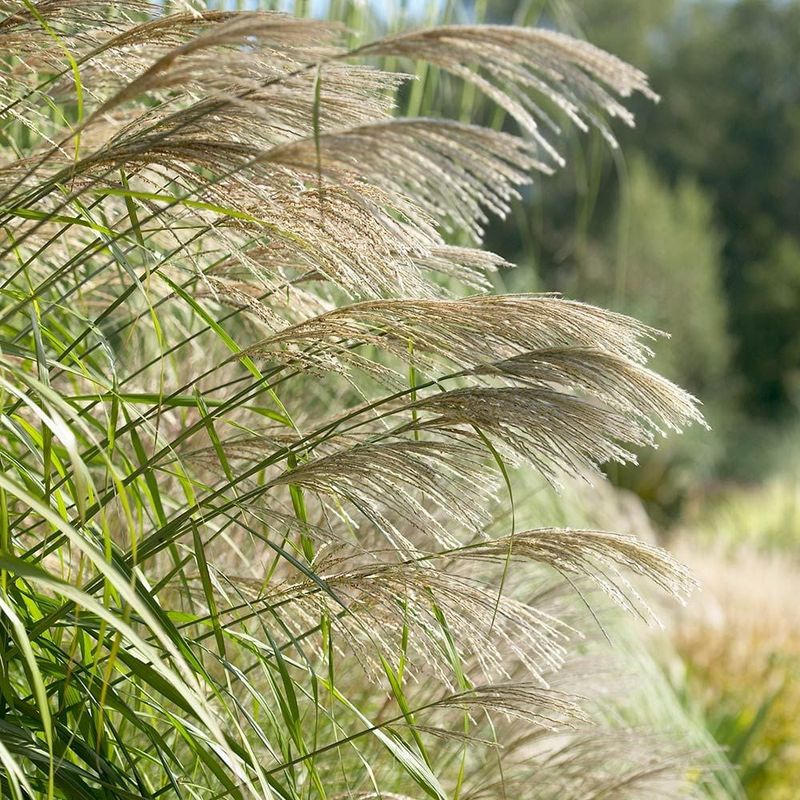
Waiting too long to prune creates real problems for your ornamental grasses. Florida’s warm climate can trick plants into breaking dormancy surprisingly early, especially after a mild winter or during unseasonably warm weeks.
Once those fresh green shoots start pushing up from the crown, they become vulnerable to accidental damage from pruning tools.
Cutting through new growth sets back the plant’s seasonal development. Those tender shoots represent the energy the grass has stored to create this year’s foliage.
Removing them forces the plant to use additional reserves to generate replacement growth. This delays the lush, full appearance you want and can leave grasses looking sparse or uneven throughout spring and early summer.
Beyond physical damage, late pruning creates visual issues. You end up with a mix of cut stems, damaged shoots, and intact new growth that looks messy rather than refreshed.
The grass takes longer to fill in and may show brown tips or irregular height. Florida’s growing season moves quickly, so timing matters.
Prune during that narrow window after dormancy but before active growth to avoid stressing your plants and compromising their seasonal performance.
Your Florida Garden Changes Every Week. Your Plan Should Too.
Gardening in Florida changes quickly throughout the season. Every Friday you’ll receive a simple weekly plan showing exactly what to plant, prune, fertilize, harvest, and protect so you never miss the right timing.
3. Know Your Grass Type Before You Cut
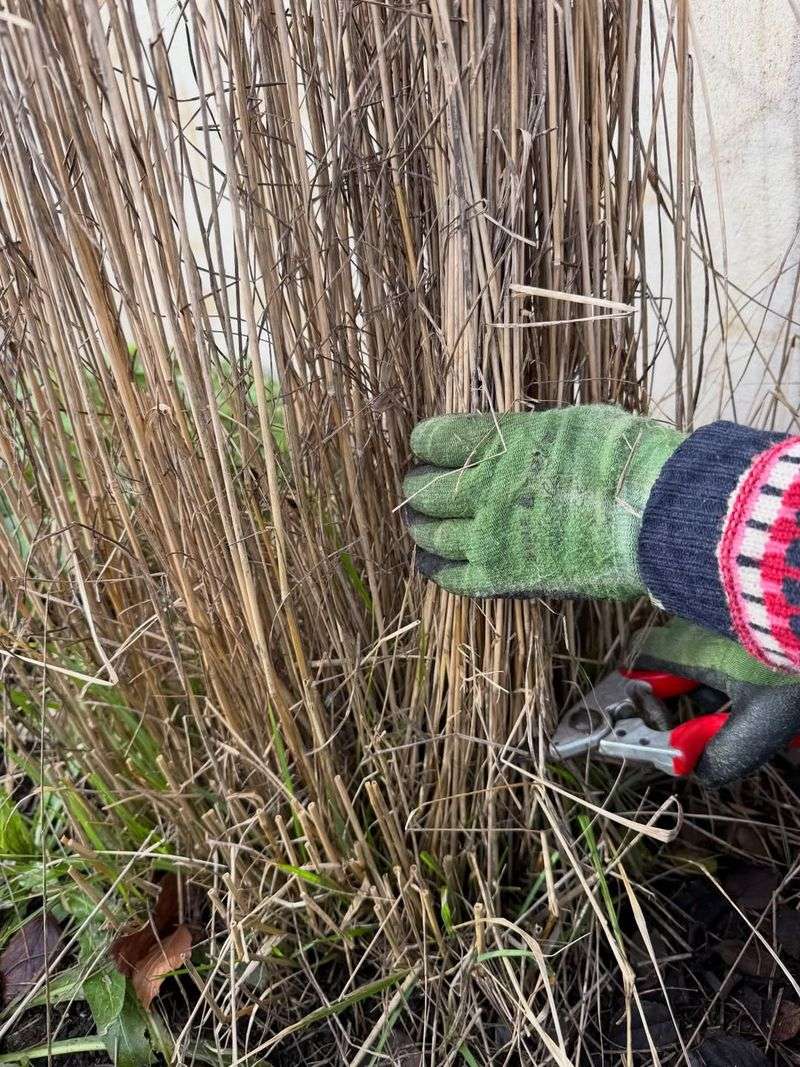
Not all ornamental grasses follow the same pruning schedule or technique. Understanding whether you have warm-season deciduous grasses or evergreen varieties makes a significant difference in how and when you should cut them back.
Warm-season grasses go dormant during Florida’s cooler months, turning brown or tan, and require annual cutbacks to remove withered foliage and encourage fresh growth.
Popular warm-season grasses in Florida include varieties like purple fountain grass, pink muhly grass, and fakahatchee grass. These plants benefit from late winter pruning because they naturally shed their foliage and restart growth from the crown each spring.
Cutting them back removes the unattractive declined material and makes room for vibrant new shoots.
Evergreen or semi-evergreen grasses behave differently. These plants maintain green foliage year-round or lose only some leaves during winter.
Examples include some native sedges and certain ornamental varieties suited to Florida’s climate. These grasses typically need only light grooming rather than complete cutbacks.
Identify your specific grass type before reaching for pruning tools. Check plant tags, consult UF/IFAS plant databases, or ask your local extension office.
Proper identification prevents you from applying the wrong pruning approach and damaging plants that should remain largely intact.
4. How Far Back Should You Trim
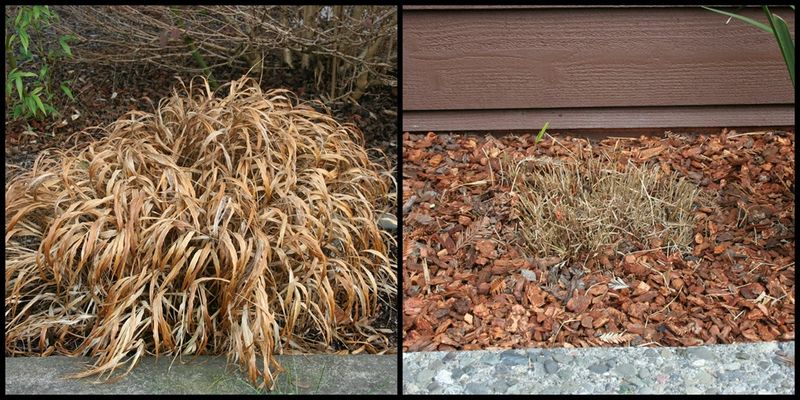
Cutting height matters just as much as timing when pruning ornamental grasses. UF/IFAS Extension generally recommends trimming warm-season deciduous grasses back to approximately six to twelve inches above ground level.
This height protects the crown while removing most of the withered foliage that accumulated during the previous growing season.
Leaving several inches of stubble serves important purposes. The remaining stems shield the crown from accidental damage during cleanup and protect emerging shoots from temperature fluctuations that can still occur in late winter.
This buffer zone also helps you avoid cutting into the crown itself, which can seriously harm or even destroy the plant.
Avoid the temptation to cut grasses all the way to the ground. While it might seem like a cleaner look, cutting too low exposes the growth point to potential injury and leaves it vulnerable to pests or disease.
Different grass species may have slightly different ideal heights, so consider the mature size and growth habit of your specific variety. Larger grasses like some native species can handle being cut to ten or twelve inches.
Smaller ornamental varieties might do better at six to eight inches. Always err on the side of leaving more height rather than less to protect that critical crown area where all new growth originates.
5. Grasses That Should Not Be Cut To The Ground
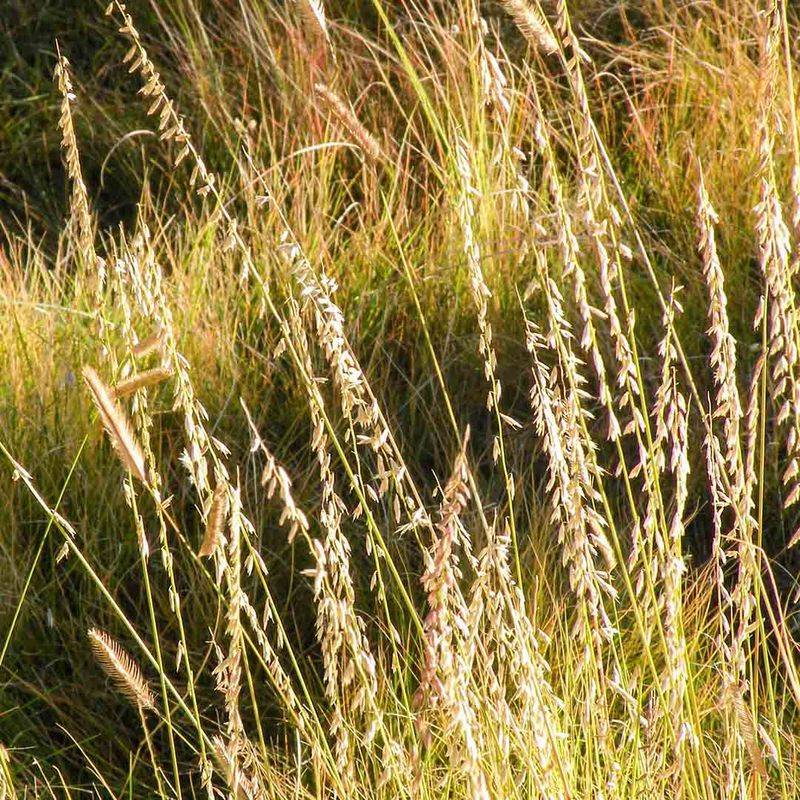
Some ornamental grasses should never receive a full cutback, regardless of the season. Evergreen and semi-evergreen varieties maintain living foliage throughout the year and only require selective grooming to remove damaged or brown leaves.
Cutting these grasses to the ground removes healthy tissue and can severely weaken or destroy the plant.
In Florida, several popular ornamental grasses fall into this category. Native sedges, certain liriope varieties, and some mondo grasses keep their green color year-round.
These plants benefit from gentle maintenance rather than aggressive pruning. Use your fingers or hand pruners to comb through the foliage and pull out withered blades without disturbing the living leaves.
Even warm-season grasses sometimes show partially green growth during mild Florida winters. If your grass has not fully gone dormant and still displays significant green foliage mixed with brown, take a lighter approach.
Remove only the obviously declined material and wait to see if more dieback occurs. Observing your specific plant’s condition matters more than following a rigid schedule.
When in doubt, prune conservatively. You can always remove more material later if needed, but you cannot undo an overly aggressive cutback that removes living tissue your grass needs for photosynthesis and energy production.
6. North Vs. South Florida Timing Differences
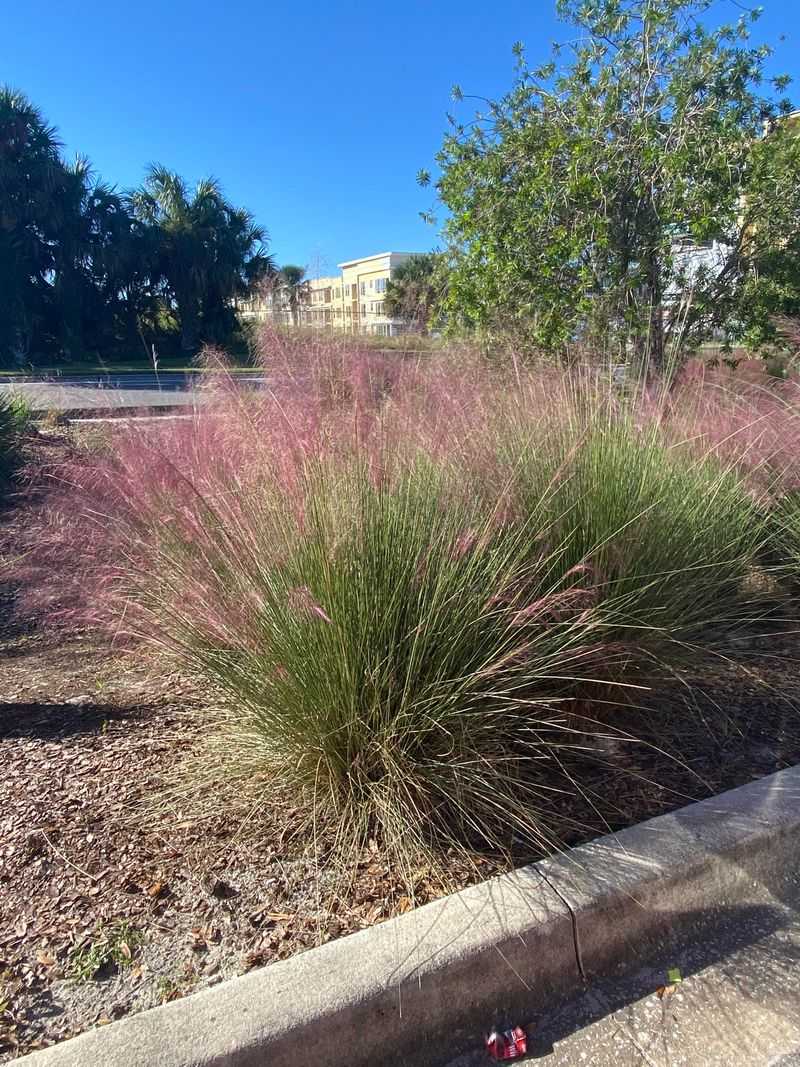
Florida’s length creates dramatic climate variation from the panhandle to the Keys. This geographic diversity directly impacts when you should prune ornamental grasses.
South Florida gardeners deal with subtropical and tropical conditions where grasses may never fully go dormant. Central Florida experiences mild winters with occasional cold snaps.
North Florida faces cooler temperatures and real frost risk that extends the dormant period.
South Florida residents often need to prune in late January or early February before warm temperatures trigger growth. Waiting until March may mean missing the window entirely as new shoots emerge quickly in the consistent warmth.
Central Florida typically offers more flexibility, with mid to late February providing the best opportunity. North Florida homeowners can usually wait until late February or even early March since cooler conditions keep grasses dormant longer.
Frost dates provide helpful guidance for timing. North Florida’s last average frost occurs in late February to early March, while South Florida rarely sees frost at all.
Monitor local weather patterns and your specific microclimate. Coastal areas warm faster than inland locations.
Urban gardens often stay warmer than rural properties. Pay attention to when your grasses begin showing green at the base to fine-tune timing for your exact location within the state.
7. Tools And Techniques For Clean Cuts
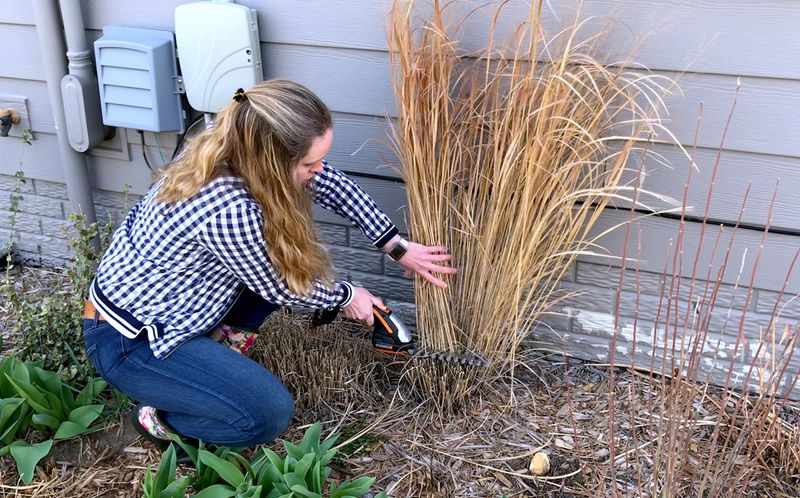
Using the right tools makes pruning ornamental grasses easier and produces better results. Sharp hedge shears work well for small to medium clumps and give you good control over cutting height.
Larger grasses or multiple plants may require power trimmers or even a chainsaw for thick, established clumps. Whatever tool you choose, make sure the blades are sharp to create clean cuts that heal quickly.
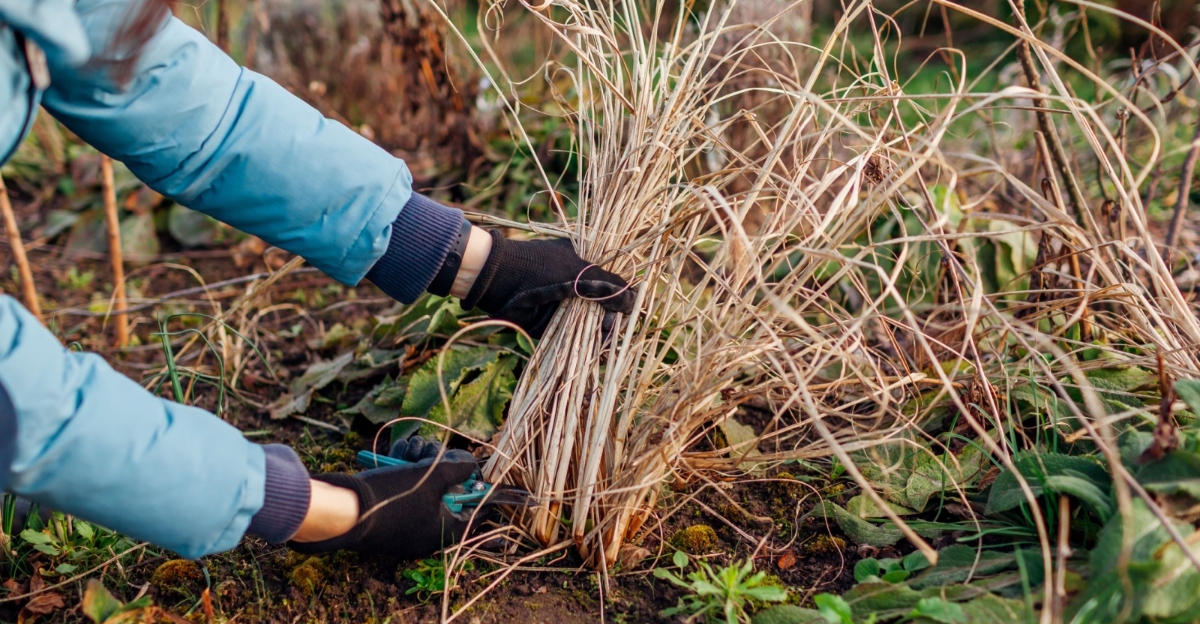
Many Florida gardeners find that bundling grasses before cutting simplifies the job and creates less mess. Use twine or rope to tie the foliage into a tight bundle about halfway up the plant.
This technique keeps stems together, makes it easier to cut at a uniform height, and allows you to grab the entire bundle of cut material at once for disposal or composting.
Wear gloves and long sleeves during pruning since many ornamental grass blades have sharp edges that can cut skin. Eye protection is smart when using power tools as debris can fly unpredictably.
Cut straight across at your desired height rather than at an angle. Clean your tools with rubbing alcohol between plants if you are pruning multiple grasses to avoid spreading any potential diseases.
Proper technique protects both you and your plants.
8. Aftercare Tips For Strong Spring Growth
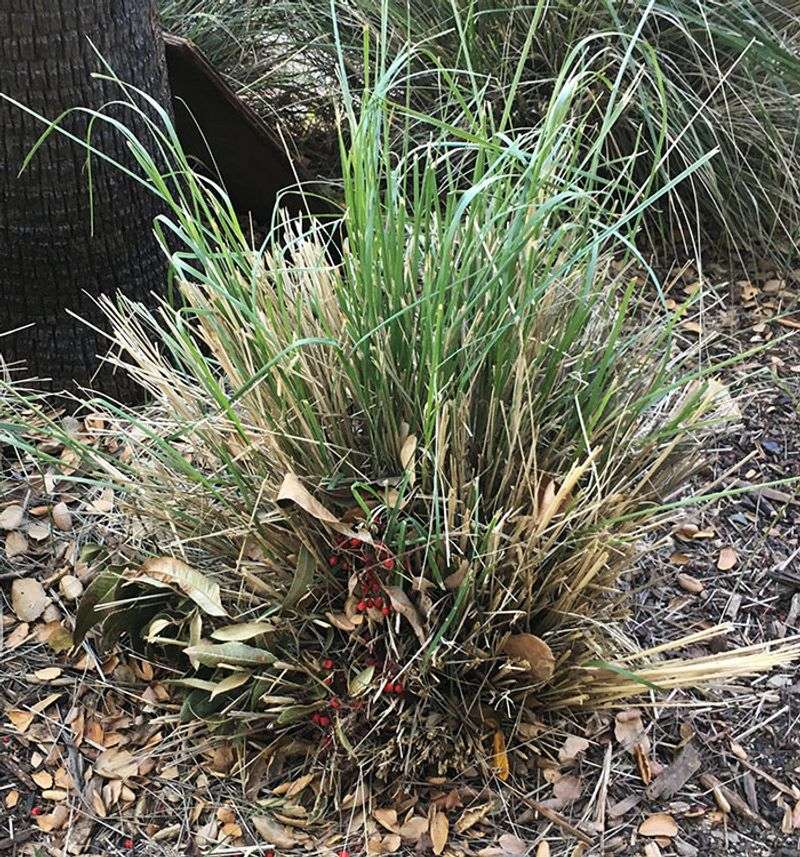
Pruning represents only the first step in preparing ornamental grasses for vigorous spring growth. What you do immediately after cutting helps determine how quickly and strongly your grasses recover and fill in.
Light fertilization can support new growth if your grasses have not been fed recently. UF/IFAS Extension recommends using a balanced slow-release fertilizer applied according to package directions for ornamental grasses.
Avoid heavy feeding right after pruning since new shoots are tender.
Mulching around the base of grasses helps retain soil moisture and moderate temperature fluctuations as new growth emerges. Apply a two to three inch layer of mulch, keeping it a few inches away from the crown to prevent rot.
Organic mulches like pine bark or wood chips work well in Florida landscapes and gradually improve soil quality as they break down.
Water management matters during the regrowth period. Newly pruned grasses need consistent moisture to support fresh shoot development, but avoid overwatering which can encourage fungal problems in Florida’s humid climate.
Water deeply but infrequently to encourage deep root growth. Monitor your grasses over the following weeks and watch for healthy green shoots emerging from the crown.
This new growth confirms your timing and technique were successful.