Why You Should Grow Marigolds Under Tomatoes In Florida Gardens
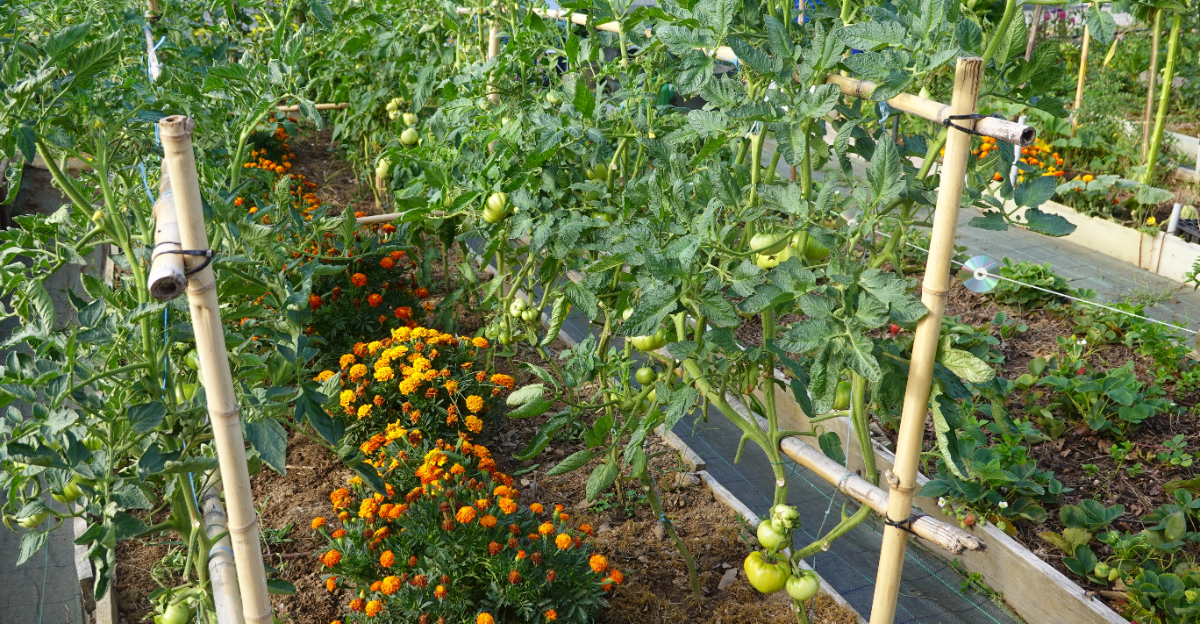
Tomatoes get a lot of attention in Florida gardens, but what you plant around them can make a bigger difference than many people expect. A healthy tomato patch is not just about sun, water, and feeding.
It is also about what shares that space. That is one reason marigolds keep showing up next to tomatoes in so many Florida beds.
They do more than add a splash of color.
In a state where heat, humidity, heavy rain, and pest pressure can make tomato growing feel like an uphill battle, small planting choices can pull more weight than they seem to at first.
Marigolds have earned a loyal following for a reason, especially in warm-climate gardens where every advantage counts.
They can help make a tomato bed look brighter, fuller, and more thoughtfully planted, but the real appeal goes beyond looks. Once you see why so many Florida gardeners pair the two, it starts to feel less like a pretty extra and more like a smart move.
1. Marigolds Help Keep Root-Knot Nematodes In Check
Root-knot nematodes are one of the most frustrating invisible threats in Florida vegetable gardens. These microscopic roundworms live in the soil and attack tomato roots, causing swollen, knotted growths that make it hard for plants to absorb water and nutrients.
Florida’s warm, sandy soil is practically a paradise for nematodes, so managing them is a real priority for local gardeners.
French marigolds, specifically Tagetes patula, have been studied for their ability to help reduce nematode pressure in garden beds.
According to UF/IFAS, these marigolds produce a compound called alpha-terthienyl in their roots, which has been associated with suppressing nematode activity in the surrounding soil.
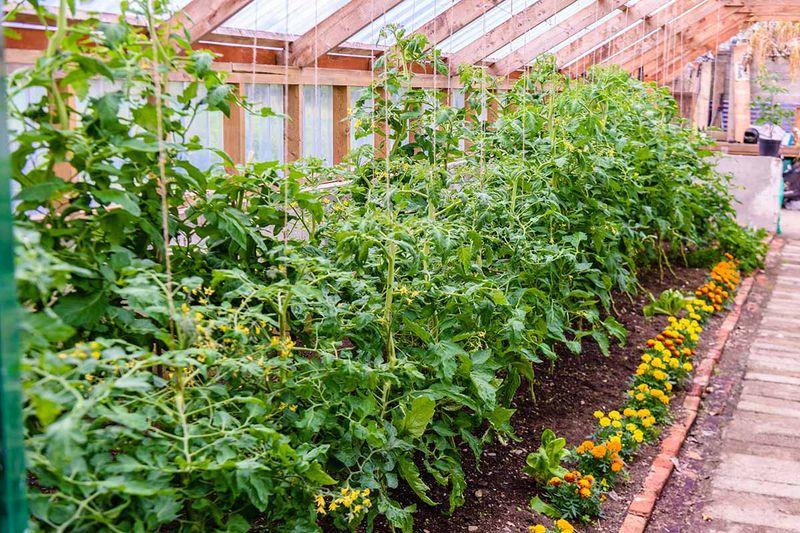
Planting them as a dense border or tucking them between tomato rows can contribute to a less nematode-friendly environment over time.
It is worth being realistic here. Marigolds are not a complete fix on their own, and results can vary depending on nematode pressure, soil conditions, and how long the marigolds have been growing.
For best results, UF/IFAS recommends planting French marigolds as a full-season cover crop before tomatoes go in, or growing them alongside tomatoes throughout the season.
Spacing them about 12 inches apart in rows or clusters near tomato plants gives their root systems the best chance to influence the surrounding soil.
Combining marigolds with resistant tomato varieties and good soil management practices gives Florida gardeners the strongest overall approach to keeping nematode damage at a manageable level.
2. Strong Scent Helps Deter Common Tomato Pests
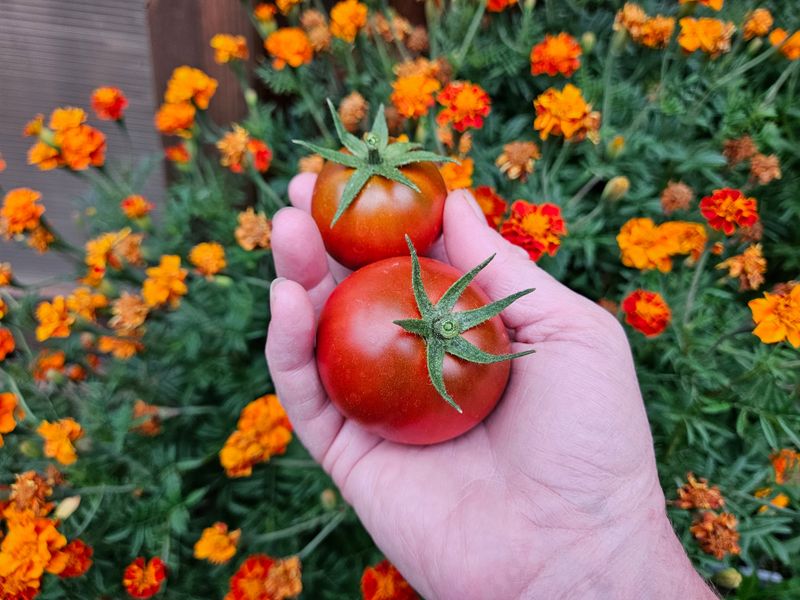
Walk past a patch of marigolds on a warm Florida afternoon and you will notice their scent right away. That sharp, almost medicinal smell is not just a quirk of the plant.
It comes from natural compounds in the leaves and stems that some garden pests find off-putting. For tomato growers dealing with recurring pest pressure, that scent can be a helpful, low-effort tool to have working in the background.
Aphids, whiteflies, and thrips are among the pests most commonly associated with tomato crops in Florida.
Your Florida Garden Changes Every Week. Your Plan Should Too.
Gardening in Florida changes quickly throughout the season. Every Friday you’ll receive a simple weekly plan showing exactly what to plant, prune, fertilize, harvest, and protect so you never miss the right timing.
Some research and gardening experience suggest that marigolds may help reduce the presence of these insects near tomato plants, likely because the scent interferes with how pests locate their preferred host plants.
However, it is important to keep expectations grounded. Marigolds are not a standalone pest control solution, and they will not replace proper scouting, good sanitation, or targeted treatment when pest populations get out of hand.
Think of marigolds as one layer in a broader integrated pest management approach. Planting them in clusters of three to five around each tomato plant, or running a border row along the edges of your garden bed, puts their scent where it can do the most good.
In Florida’s spring and fall tomato seasons, starting marigolds at the same time as transplants means the plants mature together and the scent is present right when pest pressure tends to build.
Combining marigolds with regular inspection of tomato leaves, especially the undersides where pests like to hide, gives you a more complete strategy for keeping common problems from getting out of control.
3. Bright Blooms Bring In Beneficial Garden Insects
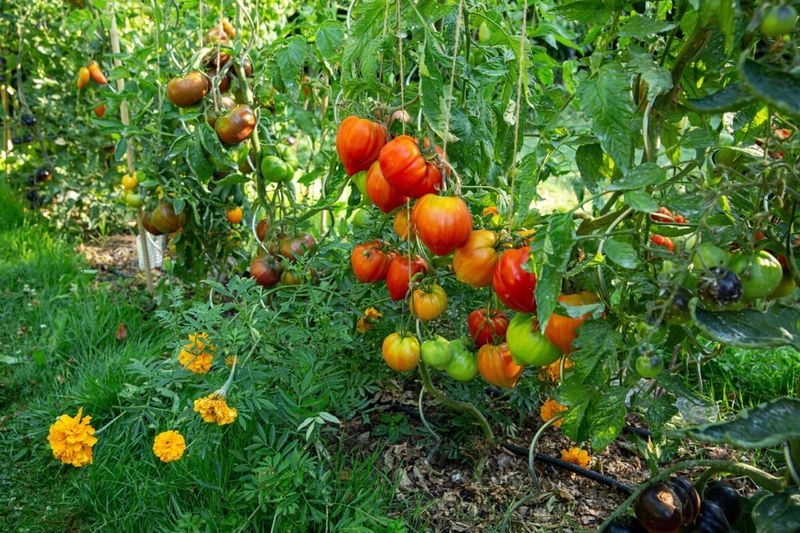
Not every insect in your garden is a problem. Some of the most useful creatures a tomato grower can have around are the ones that hunt down pests or help flowers do their job.
Marigolds are remarkably good at drawing these helpful insects in, which is one of the quieter but genuinely valuable reasons to grow them alongside tomatoes.
Ladybugs, lacewings, and hoverflies are among the beneficial insects that marigold blooms tend to attract. Ladybugs and lacewing larvae feed on aphids, which is a direct benefit when aphid populations start creeping up on tomato plants.
Hoverflies, which look like small bees, also lay eggs near aphid colonies, and their larvae help keep those populations in check.
Parasitic wasps, which are tiny and rarely noticed, are drawn to the nectar in marigold flowers and use aphids and caterpillars as hosts for their young.
Having a steady supply of open, accessible blooms is the key to keeping these insects around. Marigolds bloom reliably through much of Florida’s growing season, offering a consistent food source that encourages beneficial insects to set up residence nearby.
Single-flowered French marigold varieties tend to be more accessible to smaller insects than the heavily ruffled double-flowered types, so they are worth seeking out at local garden centers.
Planting marigolds in groups rather than scattering individual plants gives insects a more noticeable target and creates a stronger draw.
Positioning them around the perimeter of your tomato bed or filling in gaps between plants puts these tiny pest-fighters right where tomatoes need them most throughout the growing season.
4. More Pollinators Means Better Tomato Growth
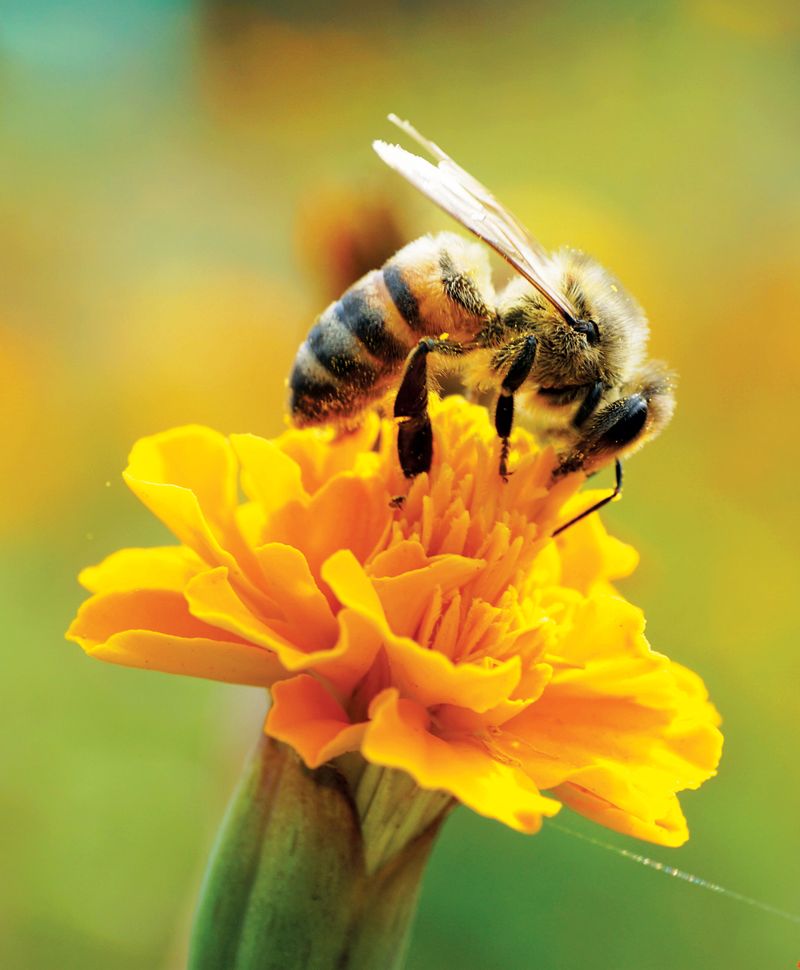
Tomatoes are self-pollinating, meaning each flower carries both male and female parts. But that does not mean pollinators are irrelevant.
In fact, bees play a major role in tomato productivity through a process called buzz pollination, or sonication, where a bee vibrates its flight muscles at just the right frequency to shake pollen loose inside the flower.
Without that physical vibration, tomato flowers often produce fewer fruits or smaller ones.
Marigolds are excellent at pulling bees and other pollinators into the garden. Their bright orange and yellow blooms are highly visible to bees and provide an easy nectar source that keeps insects coming back consistently.
When pollinators visit marigolds growing near tomato plants, they naturally wander over to the tomato flowers as well, increasing the chances of successful pollination across the bed. More visits to tomato flowers generally means more fruits set per plant.
Florida’s tomato seasons, which typically run from late August through November in the fall and from late January through May in the spring, both benefit from strong pollinator activity.
During the heat of summer, pollinator populations can dip and tomato flowers may drop without setting fruit.
Having marigolds in bloom nearby helps maintain pollinator interest in the garden even during challenging stretches of weather.
Planting marigolds about 12 to 18 inches from tomato plants gives pollinators an easy path between the two without crowding either plant.
Choosing marigold varieties with open, single-layer blooms makes nectar more accessible to a wider range of insects, which broadens the pollinator mix visiting your tomatoes and supports a more productive harvest over the course of the season.
5. Low Growth Helps Block Soil Splash Onto Leaves
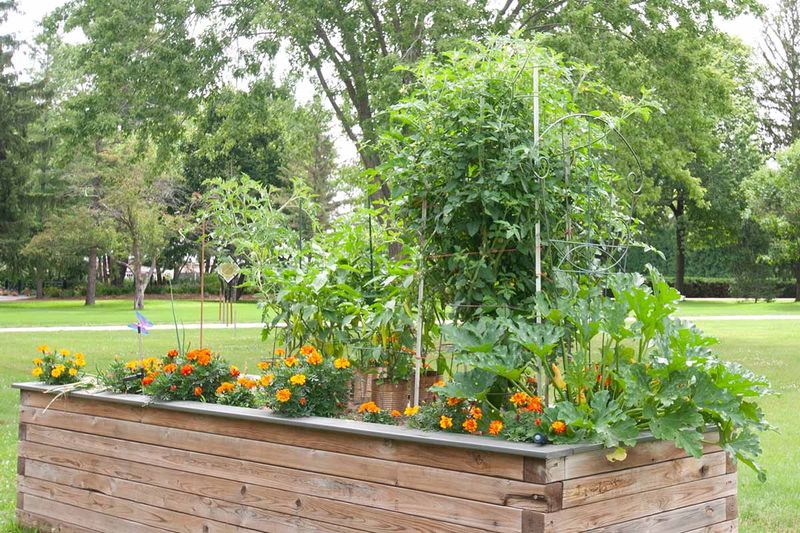
Florida gardeners know what it feels like after a heavy afternoon thunderstorm rolls through. The rain hits bare soil hard, kicking up tiny droplets of dirt that land on the lower leaves of nearby plants.
That might seem like a minor cosmetic issue, but soil splash is actually one of the ways that soilborne fungal diseases, like early blight and Septoria leaf spot, spread to tomato foliage.
Reducing that splash is a practical step in keeping tomato plants healthier through the season.
French marigolds grow low and bushy, typically reaching only 6 to 12 inches in height.
When planted close to the base of tomato plants, their dense foliage forms a natural living barrier that intercepts raindrops and slows down the splash effect before it reaches exposed soil.
This does not eliminate the risk of disease entirely, but it can reduce the frequency and intensity of soil contact with lower tomato leaves, which is where infection often starts.
Mulching around tomato plants is still the most recommended method for managing soil splash in Florida gardens, and marigolds work well alongside a layer of straw or wood chip mulch rather than as a replacement for it.
Tucking French marigolds right at the drip line of tomato plants, spaced about 10 to 12 inches apart around the base, gives their canopy the best coverage over the soil surface.
Keeping lower tomato leaves pruned up off the ground further reduces the risk of soil contact. Together, these small adjustments can make a noticeable difference in how long your tomato plants stay clean and productive through Florida’s rainy summer stretches.
6. Dense Growth Keeps Weeds From Taking Over
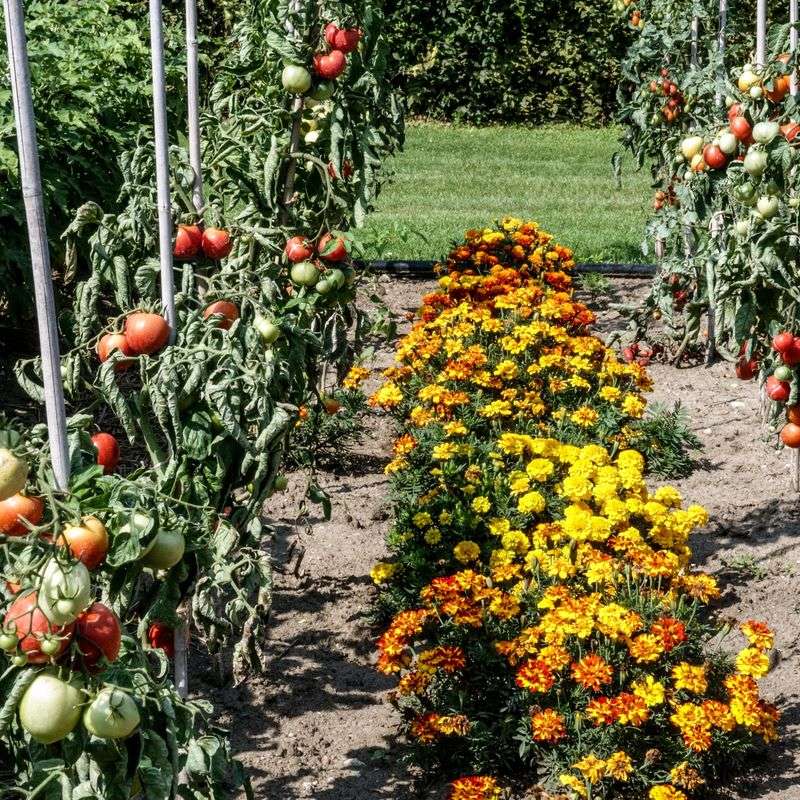
Weeds in a Florida garden do not mess around. Warm temperatures, frequent rain, and plenty of sunlight create conditions where weeds can go from seedling to full-grown nuisance in what feels like a matter of days.
Any strategy that helps slow that process without adding more work to the gardener’s plate is worth considering seriously.
French marigolds grow into thick, leafy mounds that shade the soil surface beneath them. When planted closely together in the spaces between tomato plants, they create a living canopy that blocks sunlight from reaching the ground.
Weed seeds need light to germinate and establish, so reducing that light exposure is one of the most straightforward ways to slow weed growth naturally.
It is not a foolproof method, and aggressive weeds can still push through in some spots, but the overall weed pressure in a marigold-filled bed tends to be noticeably lower than in an open, bare-soil bed.
Spacing is the key factor here. Planting marigolds about 8 to 10 inches apart in the gaps between tomato plants encourages their canopies to grow together and fill in open ground more completely.
In Florida’s spring planting season, which runs roughly from late January through March depending on your region, getting marigolds into the ground at the same time as tomato transplants means they will be well established and spreading before weeds have a chance to take hold.
Combining dense marigold planting with a thin layer of mulch between plants gives you even better weed suppression with minimal ongoing effort.
Less time pulling weeds means more time enjoying what your garden actually produces.
7. Thrives In Florida Heat Right Alongside Tomatoes
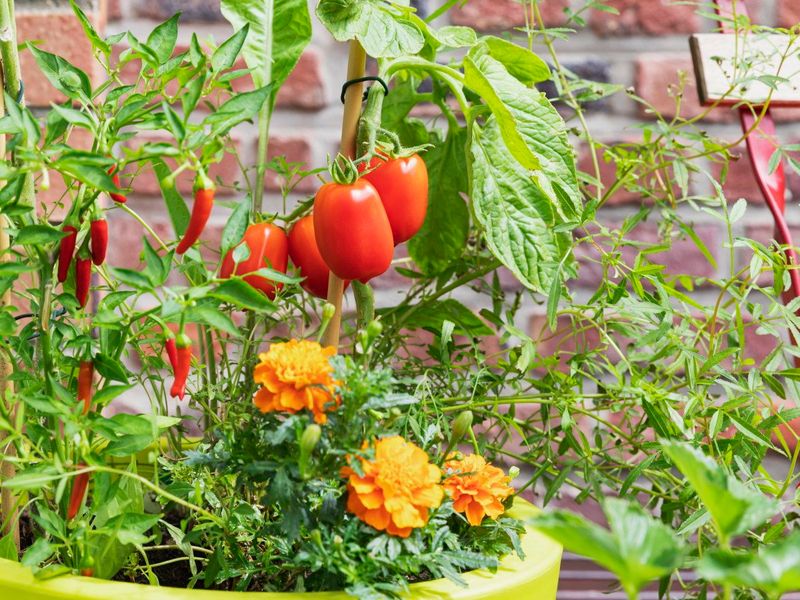
One of the most practical reasons to pair marigolds with tomatoes in a Florida garden is simply that both plants genuinely enjoy the same conditions. Florida’s heat and humidity can be brutal on many ornamental flowers, but marigolds are built for it.
They handle full sun without complaint, bounce back after heavy rain, and keep blooming through the kind of weather that would stress out most other companion plants.
French marigolds and African marigolds, the two varieties most commonly used in vegetable gardens, both perform well in Florida’s climate.
French marigolds stay compact and manageable in the heat, while African marigolds grow taller and add more visual presence to the garden.
Either type can be started from transplants or direct-seeded in Florida’s fall and spring tomato windows. Seeds germinate quickly in warm soil, often sprouting within five to seven days when soil temperatures are above 65 degrees Fahrenheit.
For Florida’s spring season, marigolds can go in the ground as early as late January in South Florida and February in Central and North Florida, right alongside tomato transplants.
For the fall season, planting in September through October works well in most parts of the state.
Both plants appreciate well-draining soil, which is easy to achieve in Florida’s naturally sandy conditions with a bit of compost worked in at planting time.
Watering consistently but not excessively, and feeding with a balanced fertilizer every two to three weeks, keeps both tomatoes and marigolds productive together.
The result is a garden that looks lively, works hard, and holds up through Florida’s long and demanding growing seasons without requiring a lot of extra fuss.