These Outdoor Potted Plants Keep Their Color In Arizona Heat
Arizona heat can drain the color out of many outdoor potted plants faster than expected. Strong sun, hot patios, and dry air push some plants to fade, wilt, or slow down just when a balcony or patio should look its best.
Still, a few plants manage to stay vibrant even through those intense summer days. Their blooms or foliage hold steady while temperatures climb, bringing life and color to containers when other plants struggle to keep up.
With the right choices, outdoor pots can stay lively instead of looking tired halfway through the season.
These are the kinds of plants that keep patios, entryways, and balconies looking bright even when Arizona heat settles in.
1. Bougainvillea Keeps Blooming Even In Intense Summer Sun
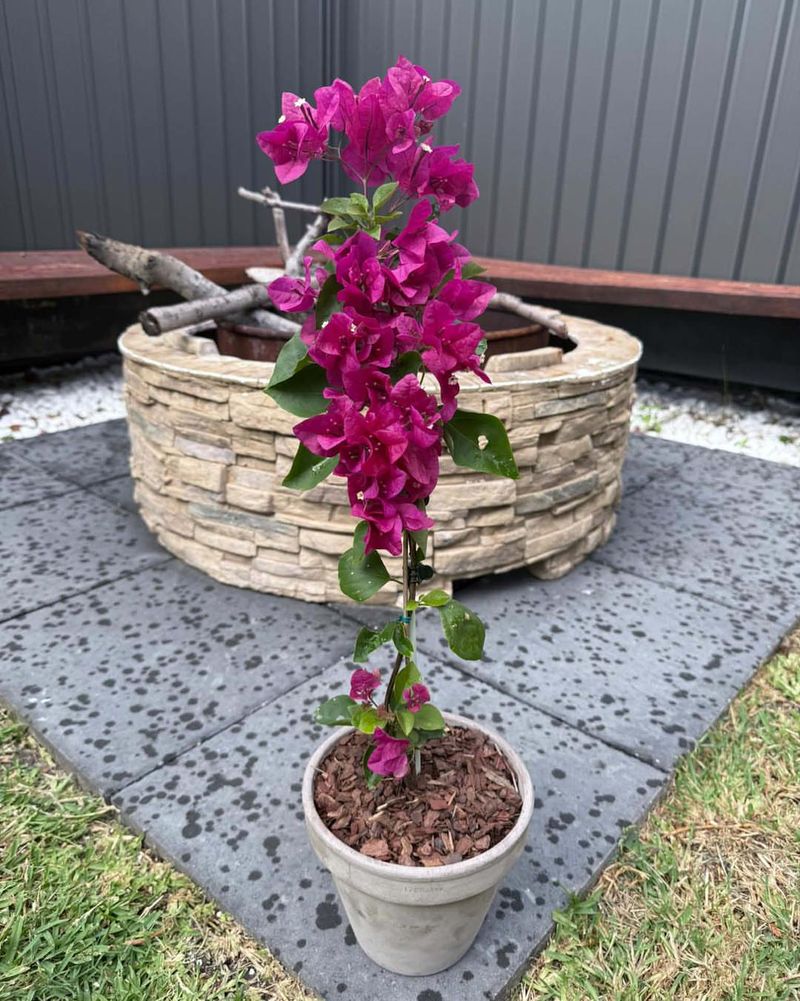
Few plants put on a show like bougainvillea does in the middle of an Arizona summer. While most flowering plants slow down when the thermometer hits triple digits, bougainvillea leans into it.
Those papery blooms in hot pink, deep purple, and fiery red actually look better when the sun is at its strongest.
Grow it in a large, dark-colored pot and set it somewhere it gets full sun from morning to afternoon. Bougainvillea roots like to be a little cramped, so don’t rush to repot it.
Tight roots actually encourage more blooming, which is exactly what you want during a long Arizona summer.
Water it deeply but let the soil dry out between sessions. Soggy roots are the one thing this plant really can’t handle.
If the leaves start yellowing, pull back on watering before anything else. Feed it with a bloom-boosting fertilizer every few weeks from spring through early fall.
One thing to know going in — the thorns are serious. Wear thick gloves when you’re moving or trimming it.
But once you see those blazing blooms against a bright Arizona sky, you’ll understand why so many local gardeners keep coming back to this plant year after year. It’s one of the most dependable color machines you can grow in a pot here.
With enough sun and a little restraint on watering, bougainvillea keeps producing vibrant color through even the toughest Arizona heat waves.
2. Lantana Produces Bright Flowers Through Long Heat Waves
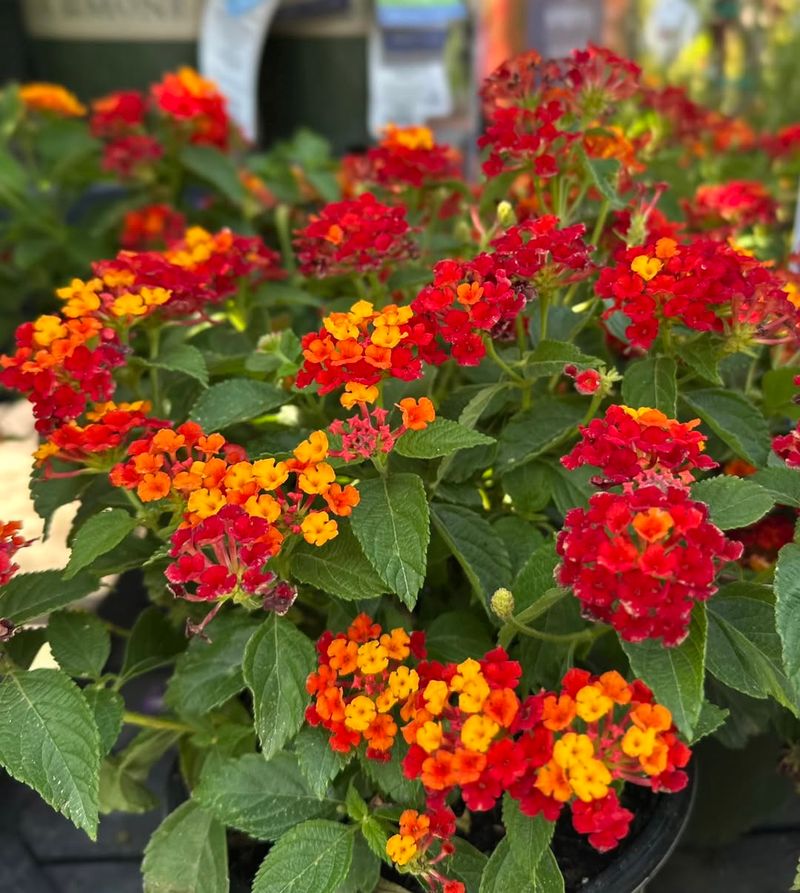
Lantana doesn’t just survive Arizona heat waves — it performs through them like nothing unusual is happening. Clusters of tiny flowers in orange, yellow, red, and pink keep popping open even when temperatures stay above 100 degrees for weeks at a stretch.
It’s one of those plants that actually rewards neglect during the hottest months.
Plant it in a well-draining container with at least six inches of depth and set it in a spot that gets full sun. Lantana planted in partial shade tends to stretch out and bloom less, so don’t be tempted to tuck it somewhere cooler.
Out in the open, in full Arizona sun, is exactly where it wants to be.
Watering every two to three days during peak summer is usually enough. Stick your finger an inch into the soil — if it still feels damp, wait another day.
Your Arizona Garden Changes Every Week. Your Plan Should Too.
Gardening in Arizona changes quickly throughout the season. Every Friday you’ll receive a simple weekly plan showing exactly what to plant, prune, fertilize, harvest, and protect so you never miss the right timing.
Overwatering is a bigger risk than underwatering with lantana, especially in containers where moisture can linger longer than expected.
Butterflies and hummingbirds show up regularly when lantana is in full bloom, which makes it extra satisfying to grow on a patio. Deadheading spent flowers encourages fresh blooms to push through.
Trim it back lightly if it starts getting leggy, and it’ll bounce back fast. For reliable, bold color across a brutal Arizona summer, lantana rarely disappoints.
3. Portulaca Thrives In Containers During Scorching Afternoons
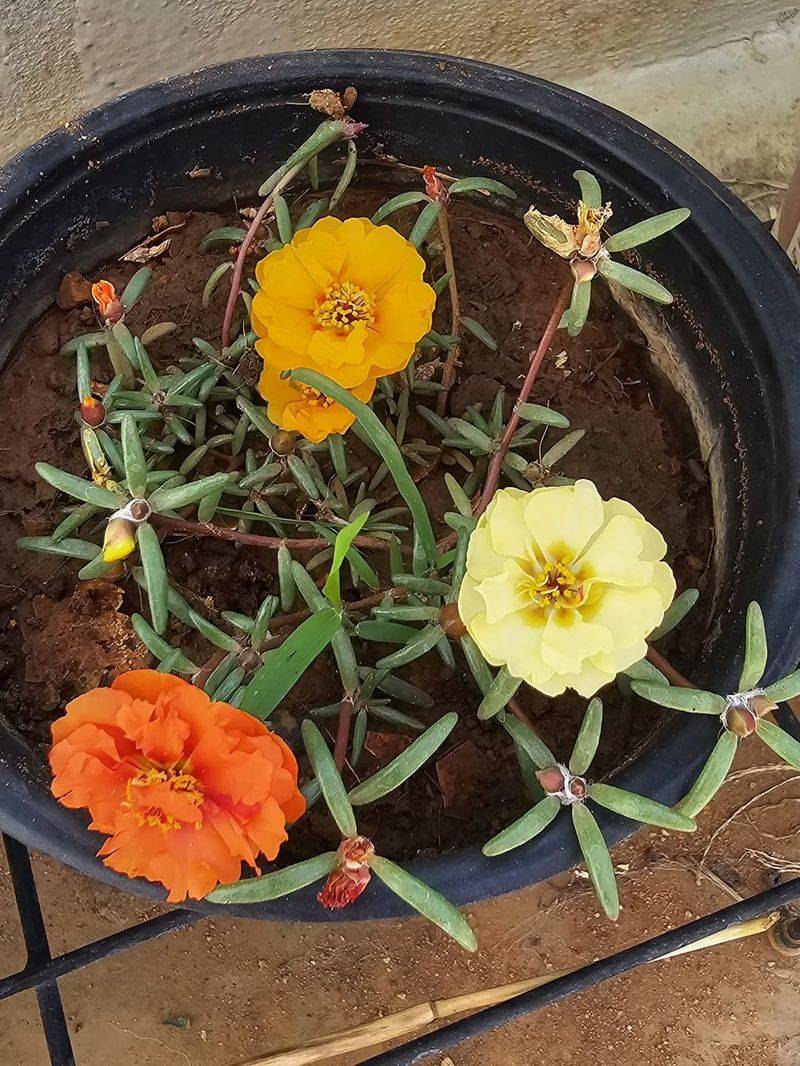
Portulaca, sometimes called moss rose, is basically built for the kind of afternoons Arizona dishes out in July and August. Pull up a chair and watch it — those jewel-toned flowers open wider as the sun gets stronger, almost like they’re soaking it in on purpose.
You won’t find many annuals that pull that trick.
It handles dry spells without complaint because its thick, succulent-like stems store water. In a container, that storage ability matters even more since pots dry out faster than garden beds.
Water it every few days during peak summer, but don’t stress if you miss a day. Portulaca is genuinely forgiving in ways most flowering plants aren’t.
Use a sandy or fast-draining potting mix and make sure your container has drainage holes. Sitting water at the bottom will cause problems quickly, especially during monsoon season when Arizona gets those surprise downpours.
Elevating pots slightly on feet or risers helps excess water escape faster.
Colors range from hot pink and coral to deep magenta, soft yellow, and creamy white. Mixing a few shades in one pot creates a really striking display.
Portulaca stays low and spreads outward, so wide, shallow containers suit it well. For a low-effort, high-reward plant that thrives on Arizona’s hottest afternoons, this one earns its spot on any patio or balcony.
4. Plumbago Holds Soft Blue Blooms Through Hot Summers
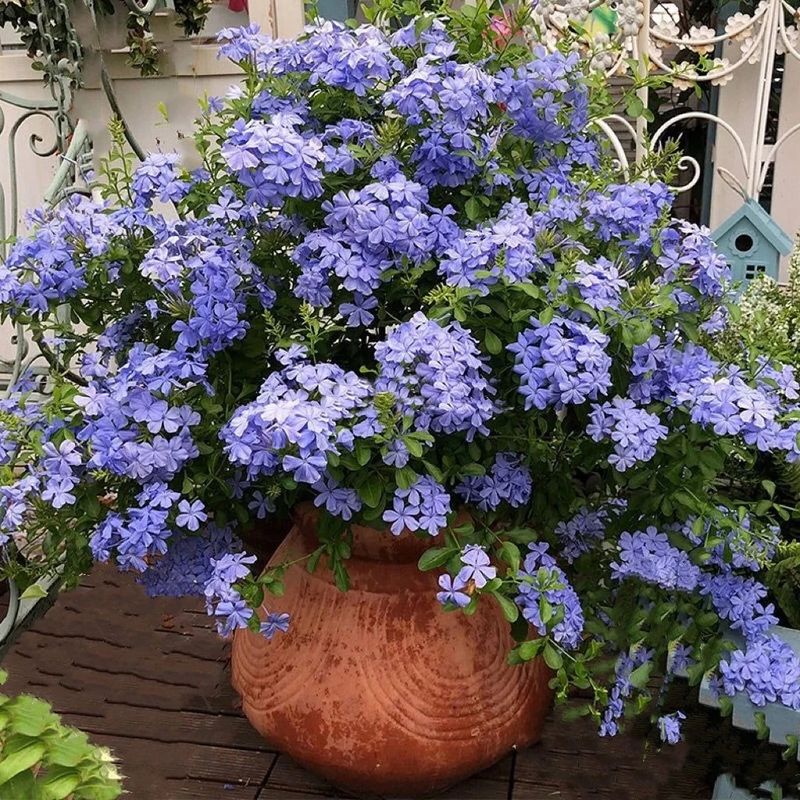
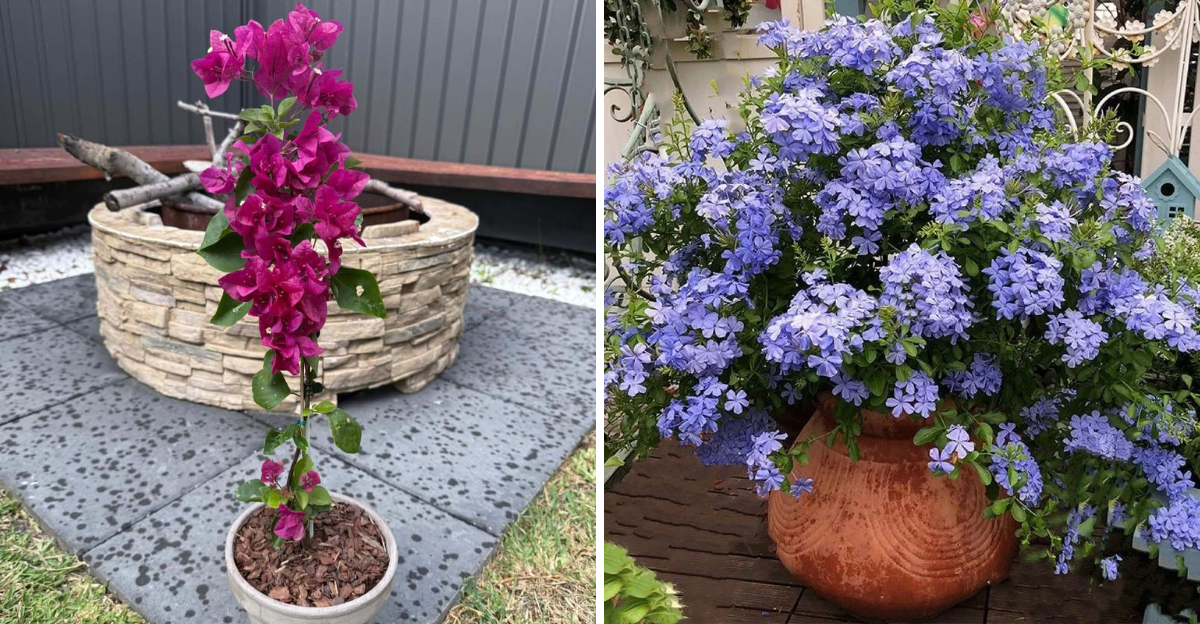
Soft blue flowers are rare in the desert gardening world, which makes plumbago stand out from the moment it starts blooming. That cool, powder-blue color feels almost refreshing when everything around it is baking in Arizona’s summer sun.
Against terracotta pots or warm-toned patios, the contrast is genuinely eye-catching.
Plumbago grows into a loose, sprawling shape that looks great cascading over the sides of a large container. Give it a pot that’s at least 14 inches wide and deep, because it develops a solid root system over the growing season.
Full sun works well, though in the hottest parts of Arizona, a spot with afternoon shade can help it keep blooming through August without slowing down.
Water it consistently — more than you’d water a succulent, but not so much that the soil stays wet. Every other day during peak heat is a reasonable starting point.
If the leaves start looking pale or washed out, it usually means the plant needs a little more shade or a balanced fertilizer to keep pushing out fresh blooms.
Trim back any leggy stems in late summer to encourage a second flush of growth in early fall. Plumbago often rebounds strongly once temperatures start dropping in September, putting out fresh clusters of that signature blue right through autumn.
For a patio in Phoenix or Tucson, it adds a color that almost nothing else can replicate in a pot.
5. Autumn Sage Attracts Hummingbirds With Long Lasting Color
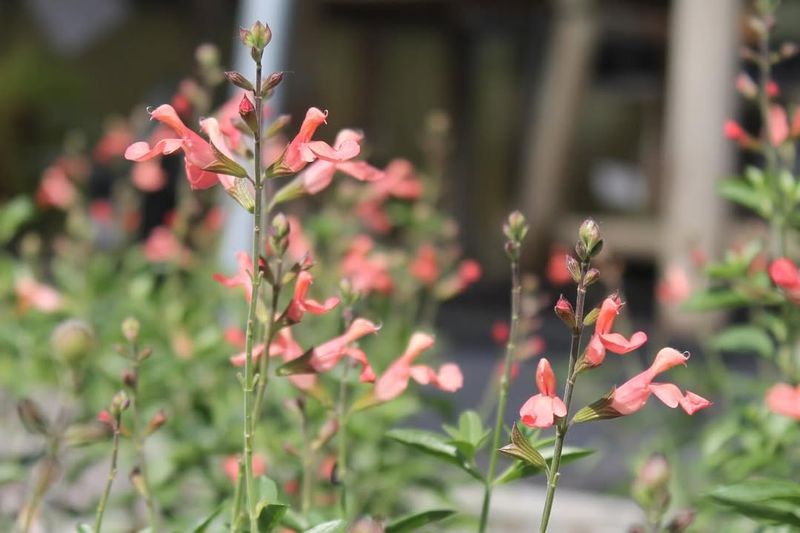
Hummingbirds find autumn sage before you even notice it’s blooming.
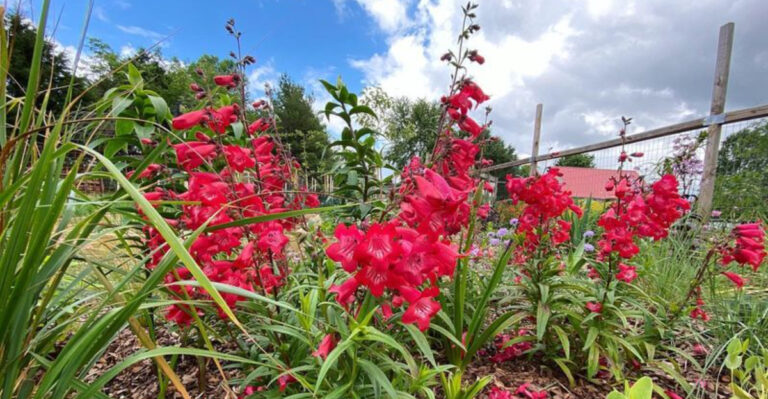
Those slender, tubular red flowers are basically a landing signal for every hummingbird in the neighborhood, and in Arizona, that means activity at your pot from spring straight through fall without much of a break.
What makes autumn sage genuinely useful in containers is how long it holds color. Most flowering plants in Arizona push hard in spring, fade by June, and limp through August.
Autumn sage keeps producing fresh flower spikes through the hottest months, which is not something every plant on this list can honestly claim to do.
Plant it in a pot with excellent drainage and full sun exposure. It handles dry spells well once it’s had a few weeks to settle in, but during the first month in a new container, keep watering consistent to help roots establish.
After that, scaling back slightly actually encourages more compact, bushy growth rather than tall, floppy stems.
Deadhead regularly to keep fresh blooms coming. Snipping spent flower spikes takes about two minutes and makes a noticeable difference in how full the plant looks.
Available in red, coral, and pink varieties, it works well as a standalone pot plant or grouped with other heat-tolerant bloomers.
For any Arizona patio where you want wildlife activity and steady color, autumn sage delivers both without demanding much in return.
6. Texas Sage Stays Tough And Colorful In Extreme Temperatures
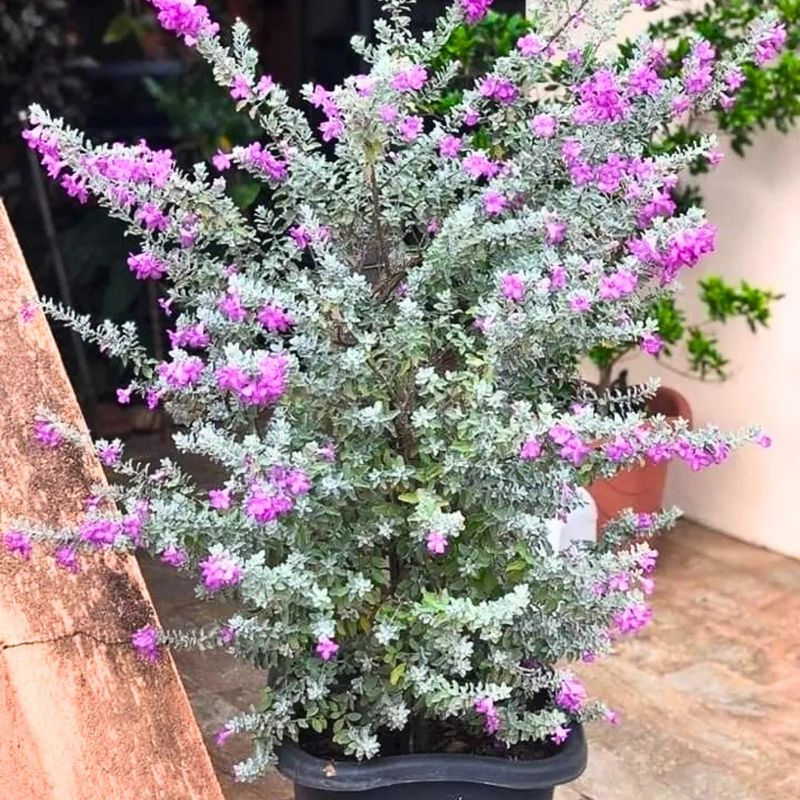
Right after a monsoon rain rolls through Arizona, Texas sage puts on its best show. Those purple blooms pop open almost overnight, and the silvery-gray foliage turns the whole plant into something that looks almost too pretty to be real.
Local gardeners call it the barometer bush for exactly that reason — it blooms in response to humidity and rain.
In a container, Texas sage holds up through extreme heat with very little fuss. Its silver leaves reflect sunlight rather than absorbing it, which helps the plant regulate temperature on those brutal 112-degree days that hit central Arizona every summer.
That reflective quality also gives it a soft, almost glowing look in late afternoon light.
Use a very coarse, fast-draining potting mix and avoid anything with heavy peat or moisture-retaining additives. Texas sage wants dry roots between waterings.
In a pot, water it thoroughly, then wait until the top two inches of soil are completely dry before watering again. Getting that cycle right makes a big difference in how healthy it looks over the long term.
Prune lightly after each bloom cycle to keep it from getting woody and dense in the center. It responds well to shaping and stays compact when trimmed regularly.
For any Arizona gardener who wants a plant that looks sharp, handles extreme temperatures without complaint, and rewards the whole neighborhood after every summer rainstorm, Texas sage is hard to beat.
7. Desert Zinnia Keeps Blooming With Very Little Water
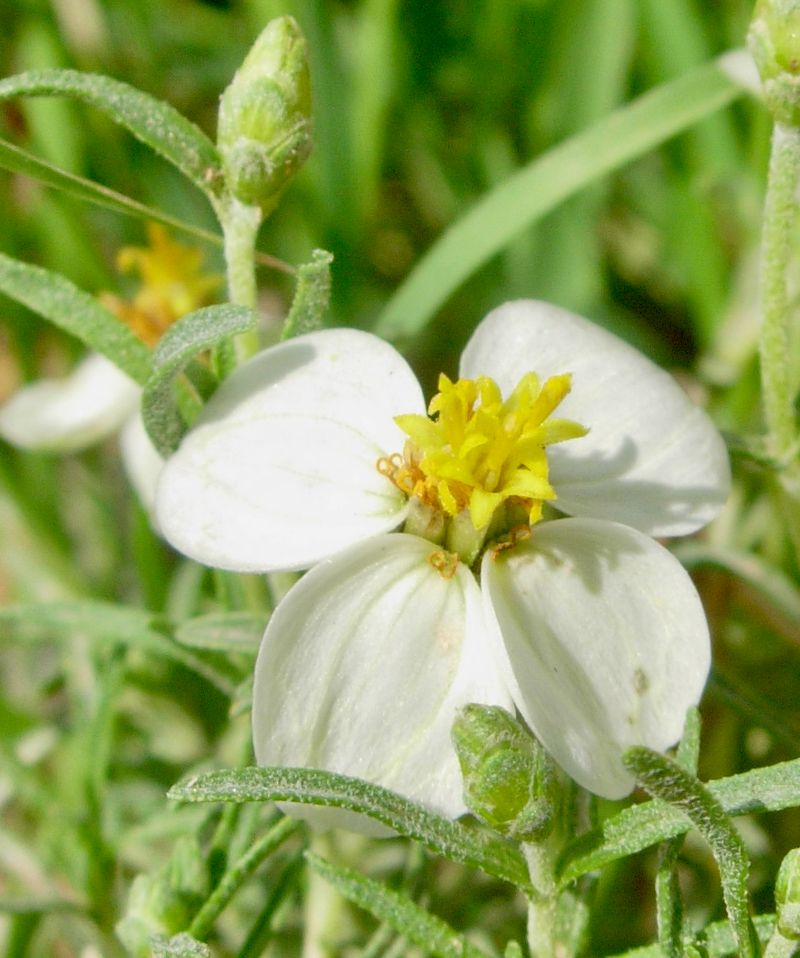
Desert zinnia runs on almost nothing and keeps blooming anyway. That’s not an exaggeration — this plant evolved in the Sonoran Desert, so Arizona’s punishing summers feel completely normal to it.
Bright yellow, daisy-like flowers keep opening through July and August when most other container plants are struggling to survive.
Water it once a week during summer, maybe twice during the absolute hottest stretches. Beyond that, it honestly doesn’t need much attention.
Use a sandy or gravelly potting mix that drains fast, and place the container somewhere it gets full sun all day. Partial shade actually reduces blooming, so resist the urge to move it somewhere cooler.
One of the underrated things about desert zinnia in a pot is how clean it looks. No drooping, no yellowing, no dramatic wilting on hot afternoons.
It just sits there looking composed while everything else on the patio is struggling. That reliability makes it a go-to choice for Arizona patios, balconies, and entryways where you need consistent visual appeal without constant maintenance.
Allow some flowers to go to seed at the end of the season. You can collect those seeds and start fresh pots the following spring for free.
Desert zinnia spreads naturally in the wild through self-seeding, so it’s generous with seeds once the season winds down.
8. Trailing Verbena Spills Color Beautifully Over Container Edges
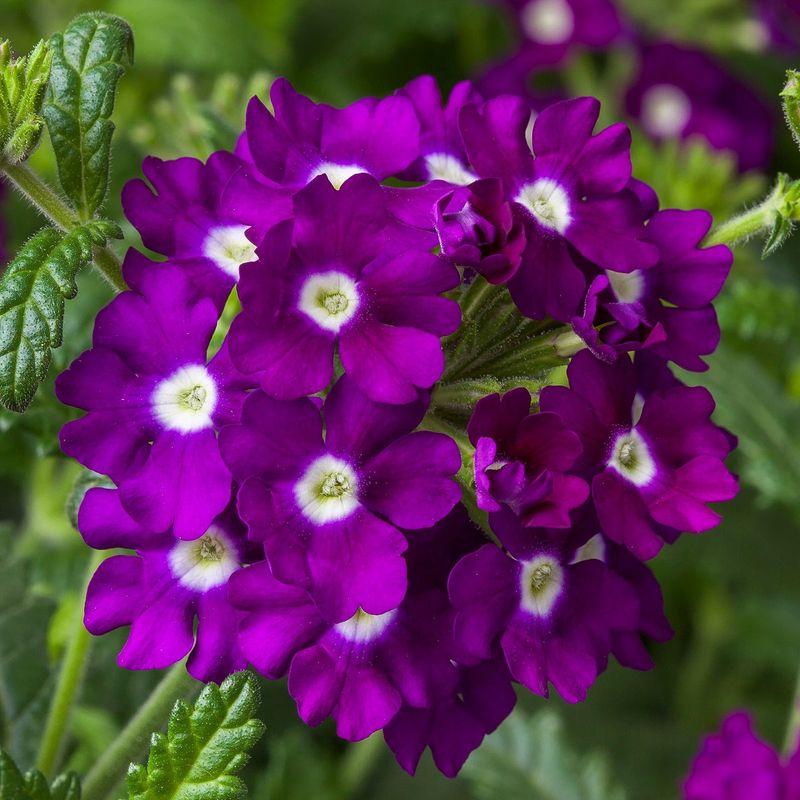
Trailing verbena does something most potted plants can’t — it grows outward and downward, sending long stems loaded with flower clusters spilling over the rim of a container in every direction.
On a porch railing or elevated planter in Arizona, that cascading habit turns a simple pot into a serious focal point.
Purple, pink, red, and white varieties are all widely available at Arizona nurseries from early spring onward. Mixing two colors in one large container creates a layered, overflowing look that fills in fast as temperatures warm up.
Verbena grows quickly in heat, so by late May in Phoenix or Tucson, a small starter plant can triple in size.
Water it every day or every other day during peak summer heat, especially in smaller pots that dry out faster. Verbena doesn’t like to sit completely dry for extended periods the way desert plants do — it needs consistent moisture to keep pushing out fresh blooms.
Add a slow-release fertilizer at planting time to support that heavy flowering through the season.
Pinch back the stem tips every few weeks to encourage branching and fuller growth. Without occasional trimming, it can get stringy toward the end of summer.
A quick pinch here and there keeps it looking lush and full. For any Arizona gardener who wants dramatic, flowing color that actually holds up through the heat, trailing verbena earns a permanent spot on the patio.