How To Get Hibiscus To Thrive In Arizona Indoors And Outdoors
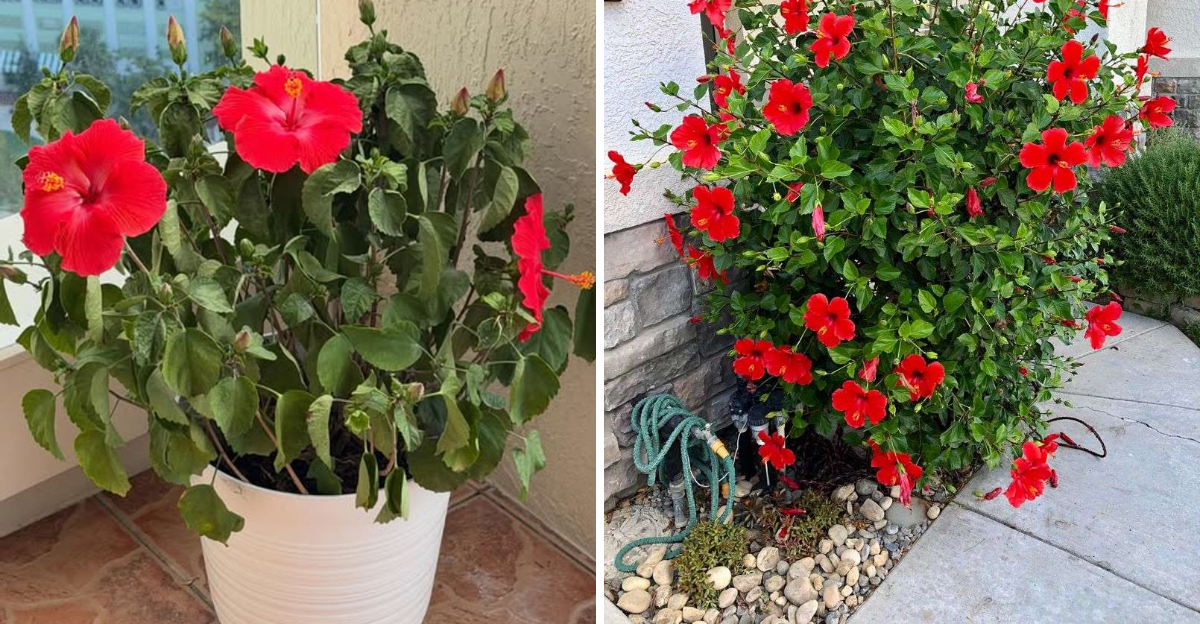
Hibiscus can look incredible one week in Arizona, then suddenly struggle the next, and it often leaves people wondering what went wrong. Those big, bold blooms feel like they should be easy to keep going, but the desert has its own rules.
Indoors brings one set of challenges, while outdoor plants deal with a completely different kind of stress as temperatures shift.
The tricky part is that hibiscus doesn’t always show problems right away. Leaves can stay green, growth can continue, and everything seems fine until flowering slows or stops altogether.
That is usually the first sign something is off.
Getting it right is not about doing more, it is about doing the right things at the right time. Once that balance clicks, hibiscus starts behaving very differently and becomes much more reliable.
1. Full Sun Outdoors Is Key For Strong Hibiscus Growth In Arizona
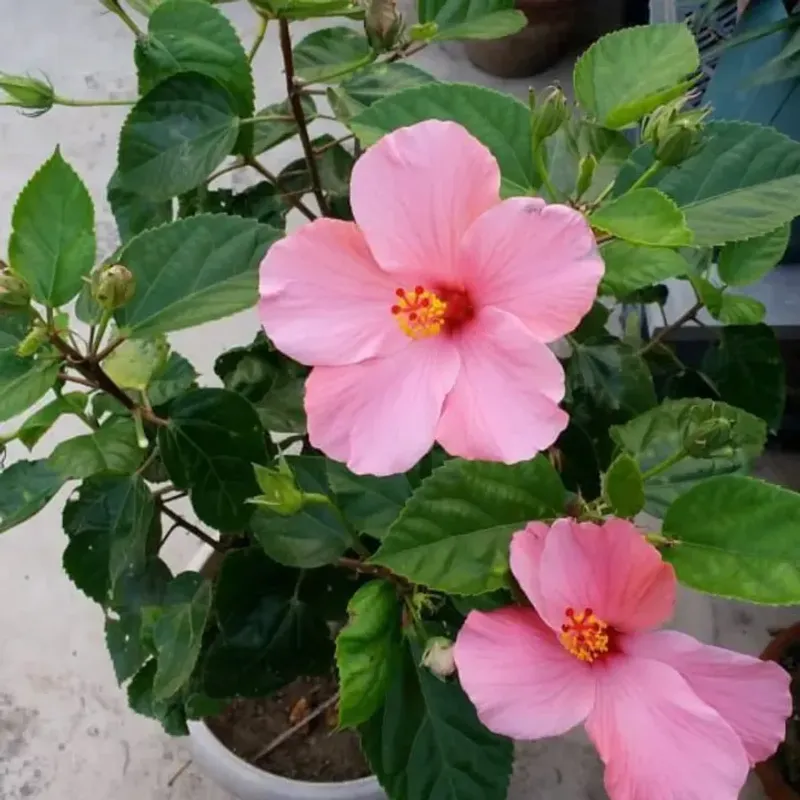
Sunlight is non-negotiable for outdoor hibiscus in Arizona. Without enough direct sun, you will get a lot of green leaves and almost no flowers.
Aim for at least six to eight hours of full sun each day, and your hibiscus will reward you with consistent, generous blooming.
In Phoenix and Tucson, morning sun is ideal. Place your plant where it catches sun from sunrise through early afternoon, then gets a little relief from the brutal late-afternoon heat.
That afternoon shade is actually a smart move during July and August when temperatures regularly push past 110 degrees.
Avoid planting hibiscus under trees or near walls that block sunlight for large portions of the day. Shaded plants stretch toward light, grow leggy, and produce far fewer blooms.
A south or east-facing garden bed usually gives you the best sun exposure in Arizona yards.
Soil temperature also matters when placing hibiscus outdoors. Ground that bakes all day in direct sun can get too hot near the surface, stressing shallow roots.
Laying two to three inches of organic mulch around the base keeps soil temperatures more stable and holds onto moisture between watering sessions.
2. Bright Indirect Light Indoors Helps Maintain Healthy Leaves And Buds
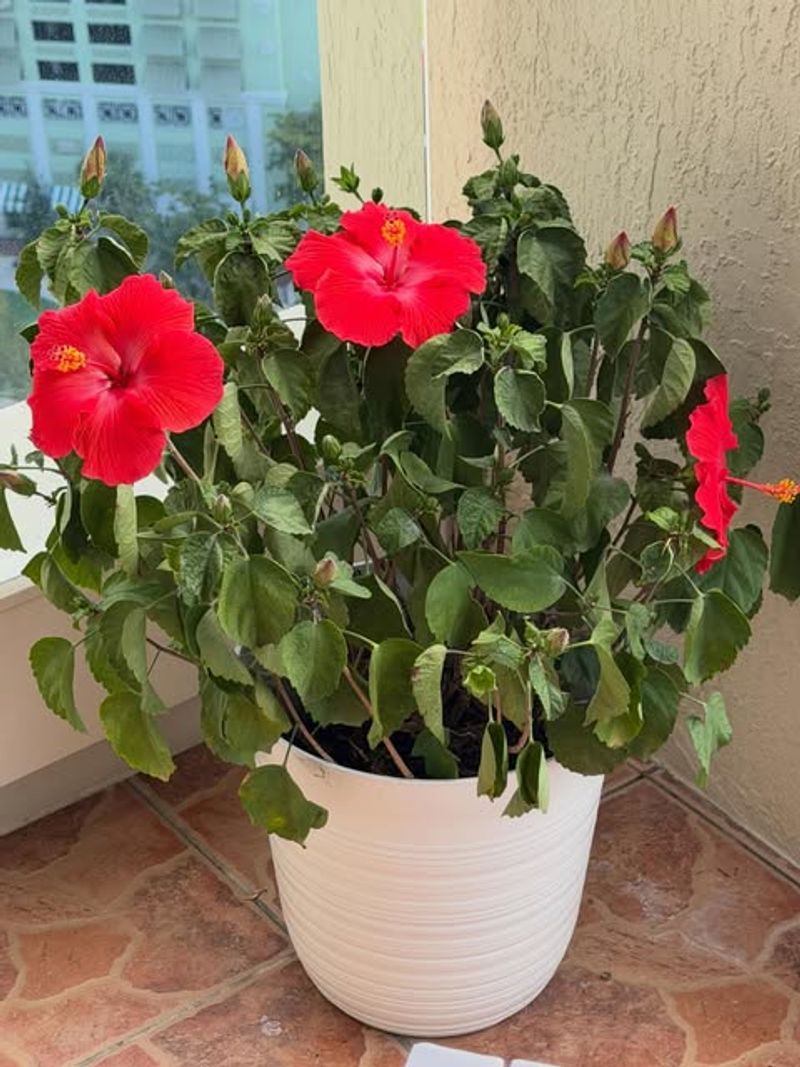
Keeping hibiscus indoors in Arizona is totally doable, but light placement makes or breaks the whole experience. Stick your plant right up against a south-facing or west-facing window where it can soak up as much natural light as possible throughout the day.
Direct sun through glass can actually scorch leaves in Arizona, especially in summer when the sun angle is intense and window glass amplifies heat.
Bright indirect light, where the plant is close to the window but not pressed against the glass, tends to keep foliage looking clean and healthy without the yellowing or crispy edges you might see otherwise.
Bud drop is a real frustration for indoor hibiscus growers. When light levels drop suddenly, like moving a plant from a bright patio to a dim interior room, the plant responds by shedding its buds before they open.
Transition slowly over a week or two to help the plant adjust without that kind of stress.
Your Arizona Garden Changes Every Week. Your Plan Should Too.
Gardening in Arizona changes quickly throughout the season. Every Friday you’ll receive a simple weekly plan showing exactly what to plant, prune, fertilize, harvest, and protect so you never miss the right timing.
If your home does not have great natural light, grow lights are a practical solution. A full-spectrum LED grow light set on a timer for twelve to fourteen hours a day can keep an indoor hibiscus blooming through Arizona winters when outdoor conditions are not suitable.
3. Consistent Deep Watering Keeps Soil Moist But Never Waterlogged
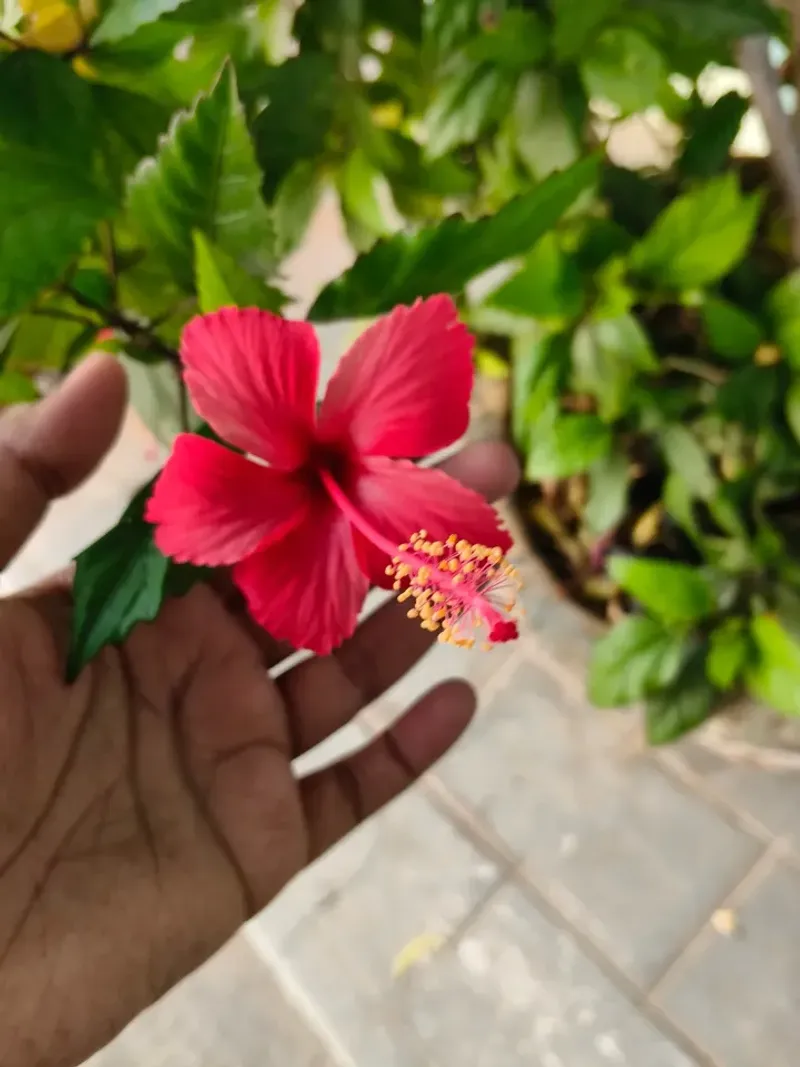
Arizona heat pulls moisture out of the soil fast, and hibiscus feels that stress quickly. Shallow, frequent watering is actually one of the most common mistakes people make here.
Deep, less frequent watering trains roots to grow down into cooler soil layers where moisture lasts longer.
During peak summer in Phoenix or Tucson, outdoor hibiscus may need deep watering every three to four days. In spring and fall when temperatures cool down, stretching that out to every five to seven days is usually fine.
Always check the top two inches of soil first. If it feels dry, water thoroughly until moisture reaches six to eight inches deep.
Drip irrigation is worth setting up if you have hibiscus planted in the ground. It delivers water directly to the root zone without wasting it to evaporation, which is a real concern in Arizona’s dry air.
Soaker hoses work just as well for garden beds and are simple to install.
Waterlogged soil is just as harmful as drought for hibiscus roots. If water pools around the base after watering and does not drain within thirty minutes, your drainage situation needs attention.
Amending heavy clay-like soil with compost or perlite before planting goes a long way toward preventing soggy conditions.
4. Well-Draining Soil Prevents Root Rot In Both Indoor And Outdoor Conditions
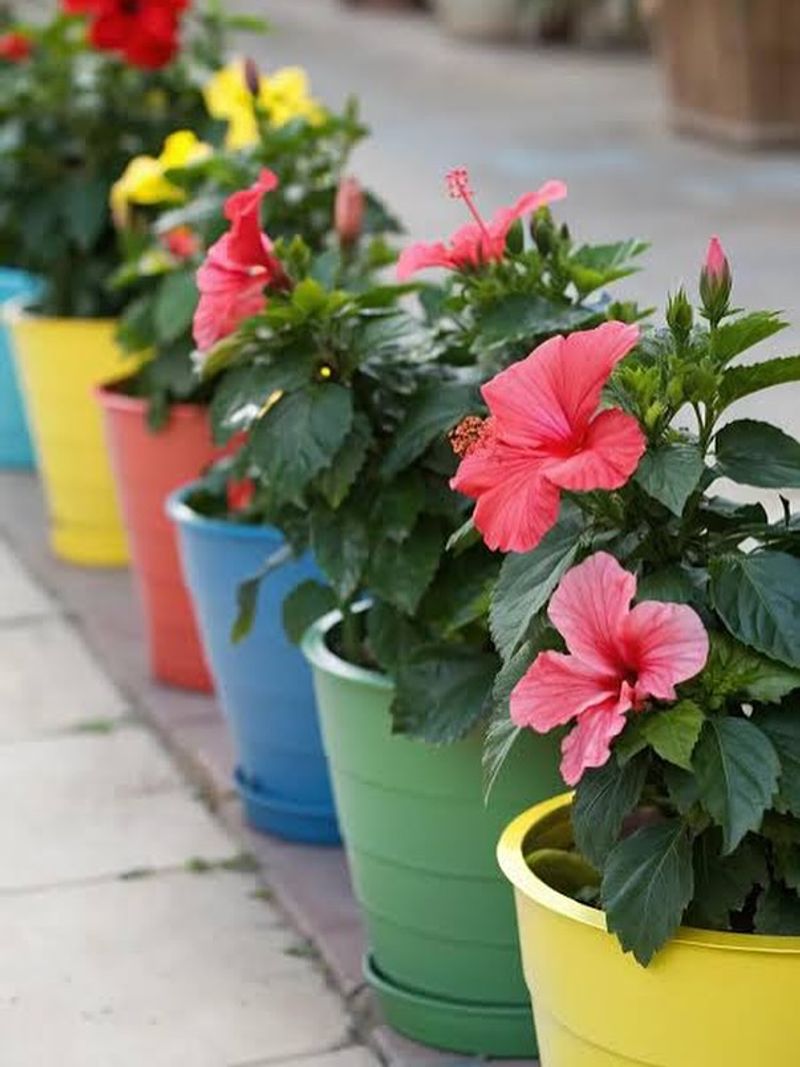
Arizona soil is a mixed bag depending on where you live. In the Valley, you are often dealing with sandy or compacted alkaline soil that drains too fast or holds too much salt.
Up in Prescott or Flagstaff, soil can be heavier and more prone to holding water. Neither extreme is ideal for hibiscus without some amendment work.
For outdoor planting, mixing compost into the native soil before you plant makes a noticeable difference. Compost improves both drainage and moisture retention, which sounds contradictory but actually makes perfect sense.
It creates a balanced soil structure where water moves through without pooling, but roots still have access to consistent moisture between waterings.
Soil pH matters more than most people realize. Hibiscus prefers a slightly acidic pH between 6.5 and 6.8.
Arizona soils tend to run alkaline, sometimes above 8.0, which locks up nutrients and causes yellowing leaves even when you are fertilizing regularly. A simple soil test from a garden center will tell you exactly where you stand.
Sulfur or acidifying fertilizer can bring pH down over time. Work amendments in before planting rather than trying to correct soil chemistry after the fact.
Getting the foundation right saves a lot of troubleshooting later in the season.
5. Regular Feeding Supports Continuous Blooming During Warm Months
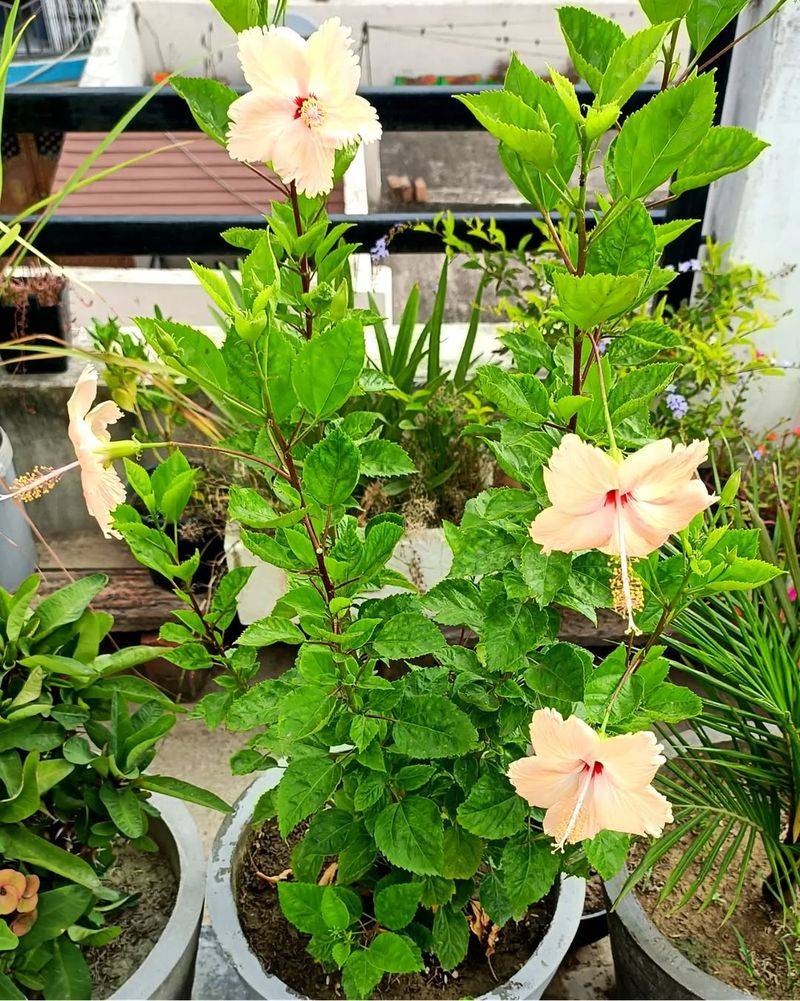
Hibiscus is a heavy feeder, and in Arizona’s long warm season, that appetite kicks in early and stays strong well into fall. Skipping fertilizer is one of the fastest ways to see flower production slow down or stop completely, even when everything else looks fine.
A balanced fertilizer with a low to moderate phosphorus level works best for hibiscus. Look for something like a 20-10-20 or similar ratio.
High phosphorus can actually reduce blooming in hibiscus, which surprises a lot of gardeners who assume more phosphorus always means more flowers. Feed every two to three weeks from early spring through October in most Arizona locations.
Liquid fertilizers absorb faster than granular ones, which is an advantage during active growing periods. Mix according to package directions and apply right after watering so the soil is moist and roots can take up nutrients without risk of fertilizer burn.
Iron deficiency shows up often in Arizona hibiscus because of the alkaline soil. Yellowing leaves with green veins is a classic sign.
Adding chelated iron to your fertilizer routine, or using an iron-rich supplement a few times per season, usually clears this up within a couple of weeks.
Pull back on feeding in late fall and stop entirely during winter if your plant is resting indoors or in a protected outdoor spot.
6. Protection From Cold Nights Prevents Stress And Bud Drop In Early Spring
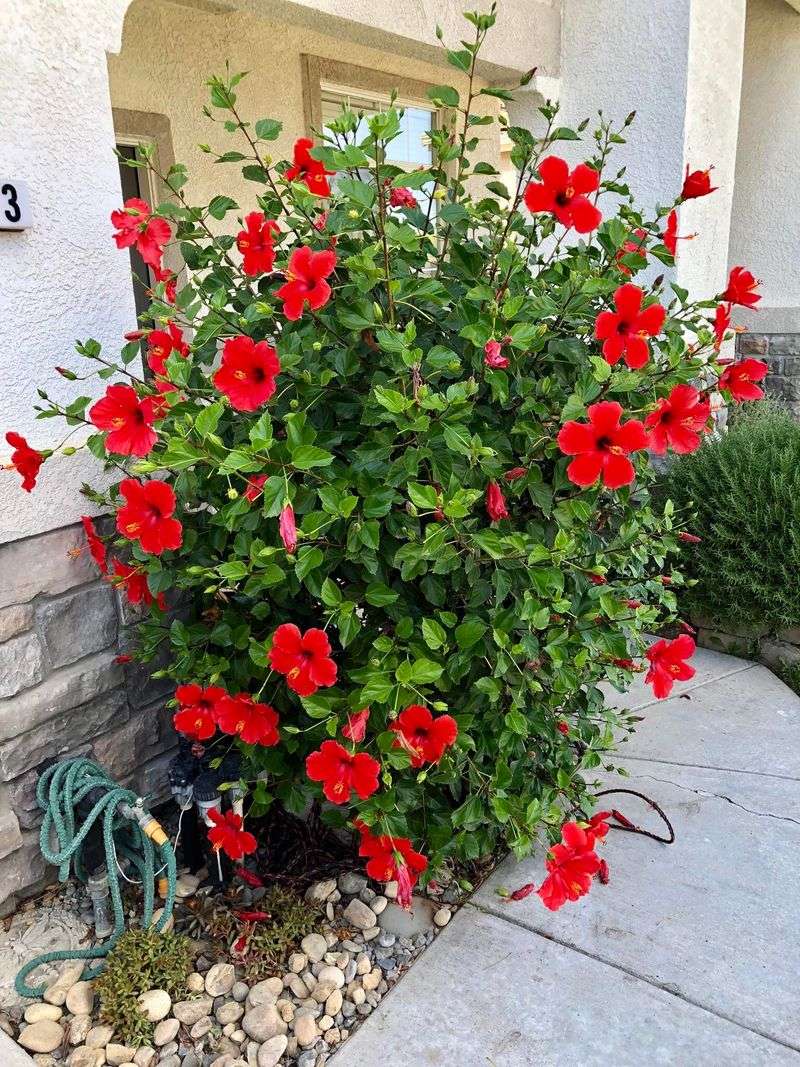
Arizona winters fool a lot of people. Sure, daytime temperatures in Phoenix can hit the mid-70s in February, but nighttime lows can drop into the high 30s or even below 40 degrees Fahrenheit.
Tropical hibiscus hates that cold snap, and bud drop happens fast when night temperatures dip unexpectedly.
Potted hibiscus has a clear advantage here because you can simply bring it inside when a cold front is forecast. Keep an eye on the weather from November through March, especially if you are in the Phoenix metro area or lower desert elevations.
A single cold night below 45 degrees is enough to set the plant back by weeks.
For in-ground hibiscus in Arizona, frost cloth or lightweight garden blankets draped over the plant before sunset provide real protection. Remove the covering during the day so the plant still gets sunlight and airflow.
Leaving covers on too long traps heat and moisture in ways that can cause other problems.
Early spring is actually the trickiest time because warm days tempt hibiscus into putting out new growth and buds, but cold nights are still possible in March and even early April at higher elevations like Prescott.
New growth is far more cold-sensitive than mature stems, so protecting the plant during that vulnerable flush of spring growth is worth the effort.
7. Light Pruning Encourages Bushier Growth And More Flowers
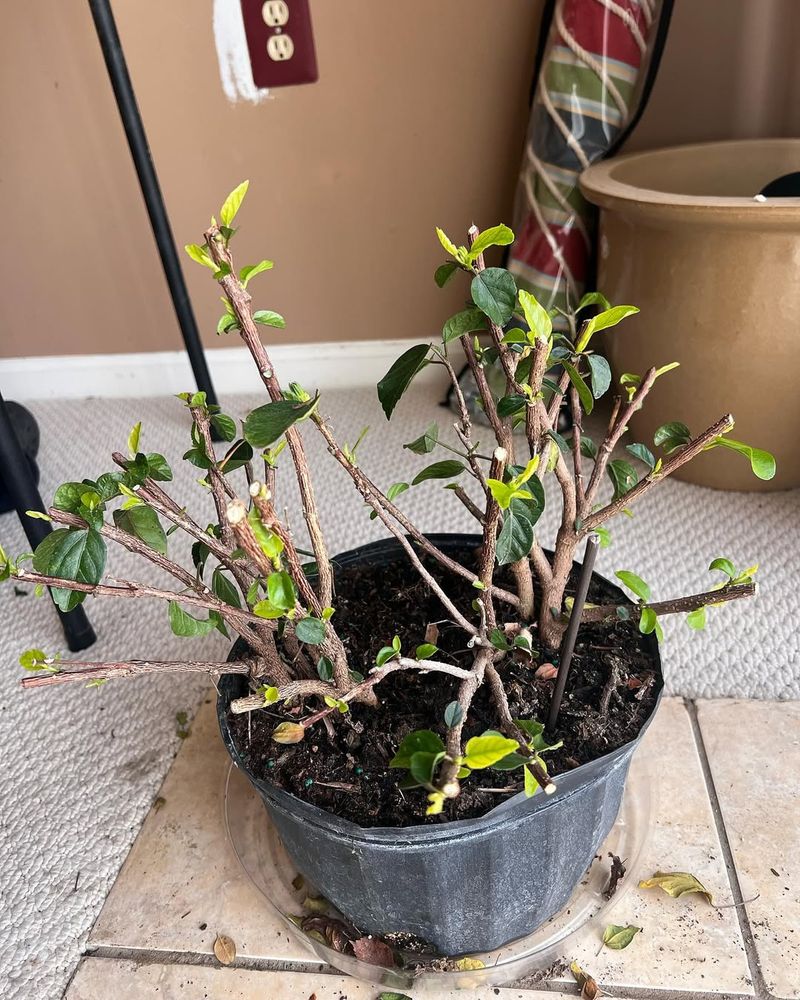
Pruning hibiscus scares a lot of new gardeners, but there is nothing complicated about it. A few clean cuts in the right spots at the right time can completely transform a lanky, sparse plant into something full, compact, and loaded with flowers.
Timing and technique are what matter most.
Late winter or very early spring, right before new growth pushes out, is the best window for a more significant prune in Arizona. Cut stems back by about one-third, targeting any branches that are crossing, weak, or growing inward toward the center of the plant.
Always use sharp, clean pruners to avoid tearing stems or introducing disease.
Pinching back soft new growth throughout the season is a lighter form of pruning that also pays off. Snipping the tip of a new shoot just above a leaf node encourages the plant to branch out at that point rather than continuing to grow in a single direction.
More branching means more flower buds forming across the plant.
Avoid heavy pruning in summer when hibiscus is actively blooming in Arizona’s heat. Cutting back hard during peak growing season removes flower buds that are already forming and can stress the plant when it needs its energy for blooming, not recovery.
8. Managing Arizona’s Dry Air Keeps Indoor Hibiscus Hydrated And Happy
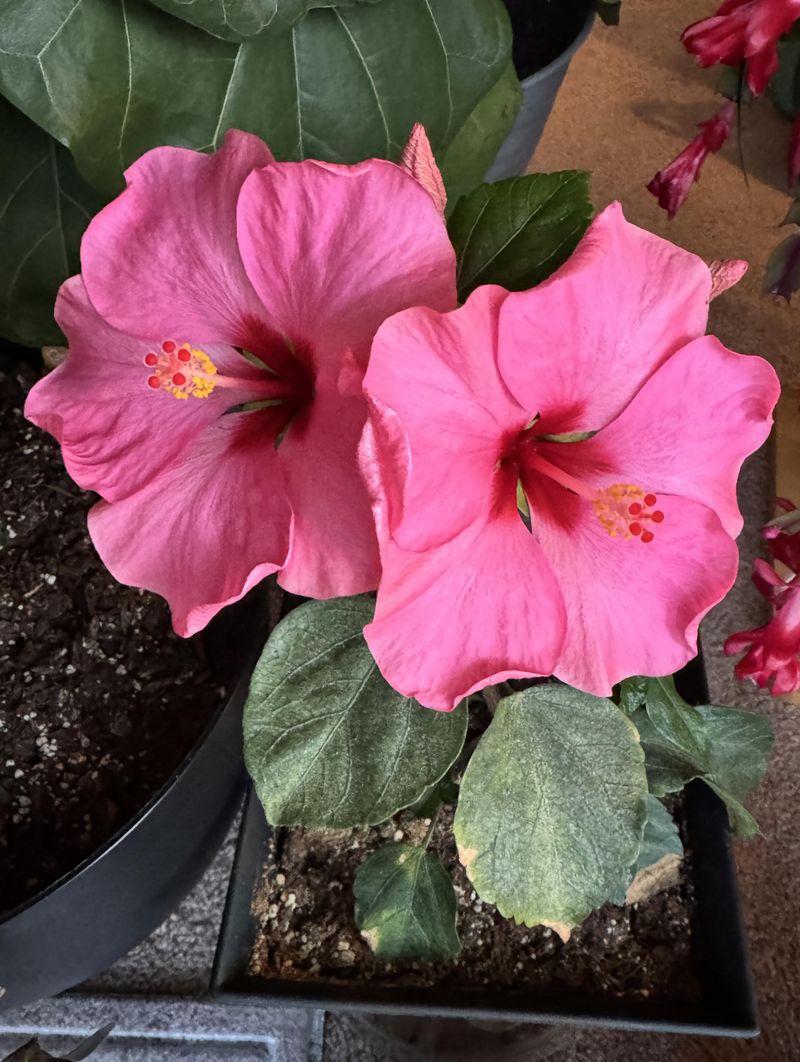
Arizona’s humidity levels are genuinely brutal for tropical plants. Phoenix averages relative humidity around 30 percent or lower for most of the year, and indoor environments with air conditioning running constantly can drop even lower than that.
Hibiscus comes from humid tropical regions and feels that dryness in ways that show up fast.
Crispy leaf edges, sudden leaf drop, and flowers that wilt before fully opening are all signs that your indoor hibiscus is struggling with low humidity.
Fixing the moisture in the air around the plant makes a bigger difference than most people expect, and there are several practical ways to do it without overhauling your whole home setup.
A small humidifier placed near your hibiscus is the most effective solution. Running it for several hours a day, especially during the driest months, keeps the air around the plant closer to the 50 to 60 percent humidity that tropical hibiscus prefers.
Group your tropical plants together too, since plants naturally release moisture through their leaves and create a slightly more humid microclimate around each other.
Pebble trays filled with water and set under the pot add gentle ambient moisture as the water slowly evaporates. Just make sure the bottom of the pot sits above the waterline, not in it, so roots do not absorb standing water from below.