The New Crops North Carolina Gardeners Are Starting To Plant In March
March is when North Carolina gardens start coming back to life, and the excitement is hard to miss.
As the soil begins to warm and daylight stretches a little longer, gardeners across the state head outside ready to plant something new.
It is the moment when fresh seasonal crops begin appearing in beds, containers, and backyard plots from the Piedmont to the Coastal Plain.
This year, a wave of new and interesting varieties is catching attention across North Carolina gardens.
Some bring bold color to the vegetable patch, while others stand out for their flavor, resilience, or ability to handle shifting spring weather.
Gardeners looking for something different are already making space for these popular plants as the growing season gets underway.
If you are planning your spring garden right now, these trending crops are quickly becoming favorites across North Carolina and are well worth adding to your planting list this March.
1. Red Romaine Lettuce (New Variety)
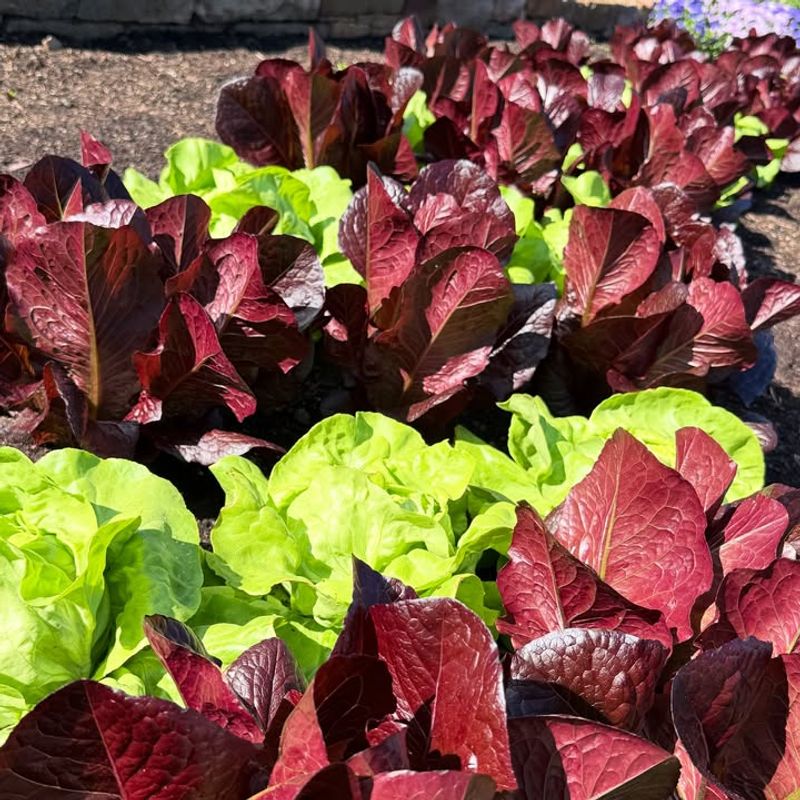
Crunchy, colorful, and packed with nutrients, Red Romaine Lettuce is quickly becoming one of the most talked-about new varieties in North Carolina gardens.
Unlike traditional green romaine, this variety shows off deep burgundy-red leaves that look stunning in any garden bed.
Gardeners across NC are falling in love with both its appearance and its flavor. What makes this variety stand out is its impressive heat resistance.
Most lettuce varieties tend to bolt quickly once temperatures climb, but this newer Red Romaine holds on longer into the warm season, giving North Carolina growers more time to enjoy fresh harvests.
It thrives in well-drained, fertile soil with consistent moisture. Start seeds indoors in late February or direct sow in March, spacing plants about eight inches apart.
North Carolina’s mild early spring temperatures are practically perfect for establishing strong, healthy roots.
Full sun or partial shade both work well for this variety. Red Romaine is also loaded with vitamins A and K, making every salad a nutritional boost.
The leaves stay crisp even after harvesting, which is a huge bonus for anyone who loves fresh garden salads.
Gardeners in NC are finding it pairs beautifully with simple dressings and fresh vegetables straight from the backyard.
2. Jewel Okra (Compact And High Yield)
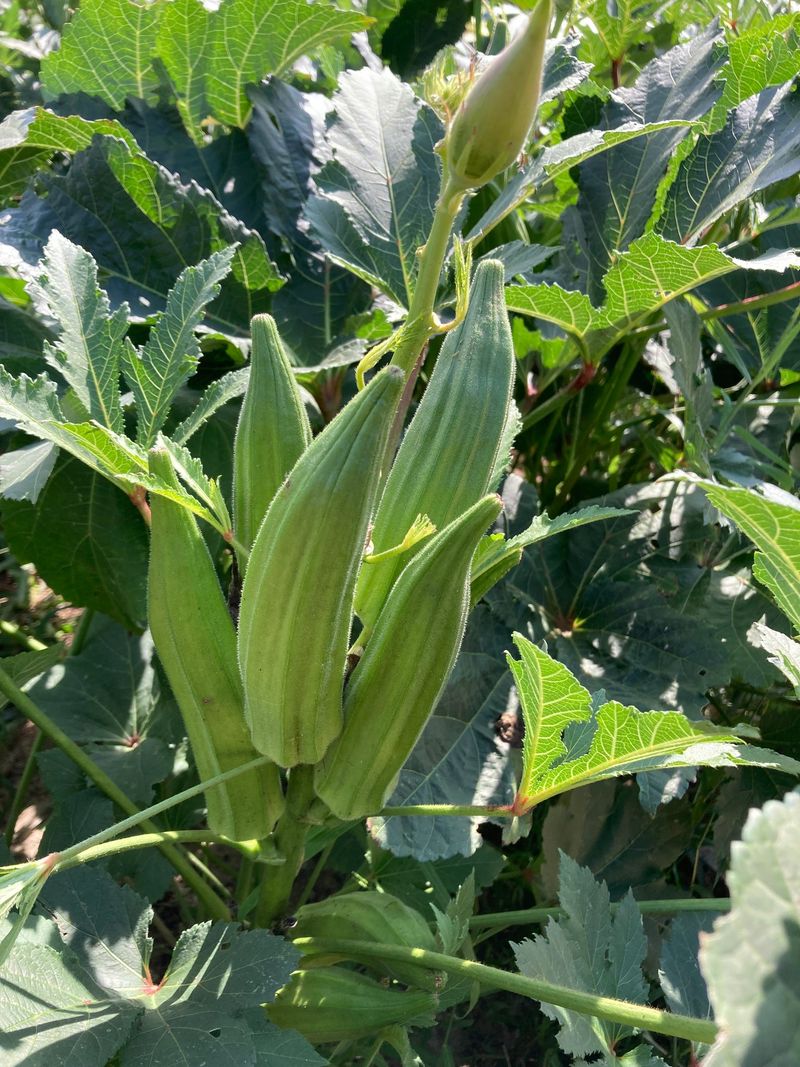
Okra has always had a special place in North Carolina gardens, but Jewel Okra is taking things to a whole new level.
This compact variety was developed specifically for gardeners who want big harvests without needing a lot of space.
Even a small raised bed or container setup can produce an impressive amount of pods all season long.
Jewel Okra grows to about three to four feet tall, which is noticeably shorter than traditional varieties that can tower over six feet.
Shorter plants mean easier harvesting, less staking, and a tidier garden overall. NC gardeners with limited yard space are especially excited about what this variety brings to the table.
North Carolina’s hot, humid summers are basically a dream environment for okra, and Jewel thrives in those exact conditions.
Plant seeds in March after the last frost risk passes, pressing them about an inch deep into warm, well-amended soil.
Your North Carolina Garden Changes Every Week. Your Plan Should Too.
Gardening in North Carolina changes quickly throughout the season. Every Friday you’ll receive a simple weekly plan showing exactly what to plant, prune, fertilize, harvest, and protect so you never miss the right timing.
Full sun is essential for the best pod production throughout the growing season. Harvest pods when they reach two to three inches long for the most tender texture and best flavor.
Leaving pods on the plant too long causes them to become fibrous and tough. With regular picking, Jewel Okra keeps producing generously all the way through the warm North Carolina summer months.
3. Striped Beefsteak Tomatoes (New Hybrid)
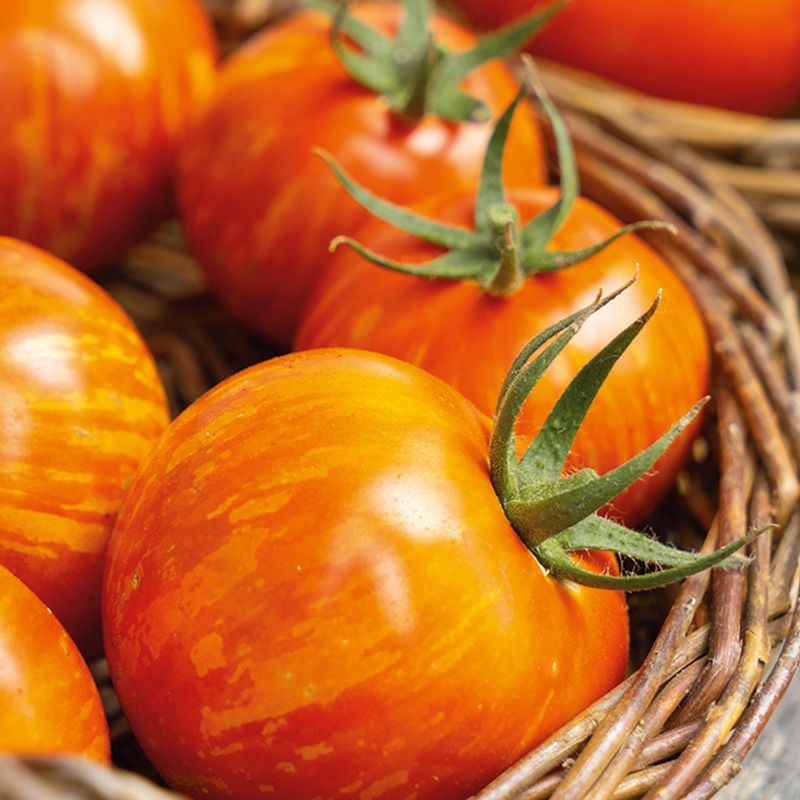
Striped Beefsteak Tomatoes are turning heads in North Carolina gardens this spring, and it is easy to understand why.
Their bold red and yellow stripes make them look almost too beautiful to eat, but one bite of their sweet, tangy flavor and you will be hooked instantly.
This new hybrid has been generating serious buzz among NC home gardeners and farmers market vendors alike.
Unlike older beefsteak varieties, this hybrid was bred for improved disease resistance and better performance in warm, humid climates like those found throughout North Carolina.
The plants are vigorous growers that benefit from strong caging or staking early in the season. Planting in March gives them a great head start before the summer heat peaks.
Rich, loamy soil with a pH between 6.0 and 6.8 gives these tomatoes the best possible start. Add a balanced fertilizer at planting time and side-dress with compost as the season progresses.
Consistent watering is key to preventing blossom end rot and cracking in the fruit. Each tomato can weigh up to one pound or more at full maturity, making every harvest feel like a real reward.
The flavor profile is complex, balancing sweetness with a pleasant tang that works beautifully in fresh salads, sandwiches, and sauces. North Carolina gardeners who try this hybrid rarely go back to plain varieties.
4. Lemon Boy Tomatoes (New For NC Gardens)
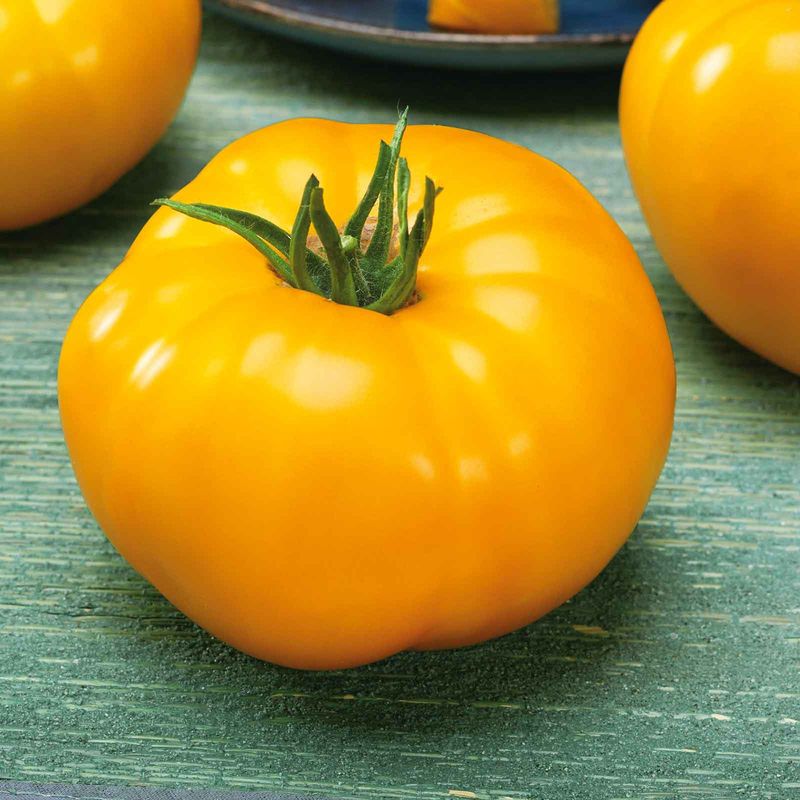
Sunshine yellow, mildly sweet, and surprisingly easy to grow, Lemon Boy Tomatoes are quickly winning over North Carolina gardeners who want something a little different from the usual red varieties.
The cheerful color alone is enough to make any garden look more vibrant, but the flavor is what keeps people coming back year after year.
Lemon Boy has a gentler, less acidic taste that many people find more enjoyable, especially for fresh eating straight off the vine.
This variety performs remarkably well in North Carolina’s warm summers, showing good tolerance for heat that would stress out more sensitive tomato types.
Gardeners in NC are finding that Lemon Boy holds up well even during mid-summer temperature spikes, continuing to set fruit when other varieties slow down.
Starting transplants indoors in late February and moving them outside in March sets them up for a long, productive season.
Full sun is a must for Lemon Boy, and the plants benefit from consistent deep watering rather than frequent shallow drinks.
Mulching around the base helps retain soil moisture and keeps roots cool during the hottest months. Stakes or tomato cages are important since plants can grow quite tall and heavy with fruit.
Each tomato typically weighs around seven to eight ounces at peak ripeness, making them a great size for slicing.
The mild flavor pairs well with fresh herbs, mozzarella, and garden vegetables for simple summer meals that feel really special.
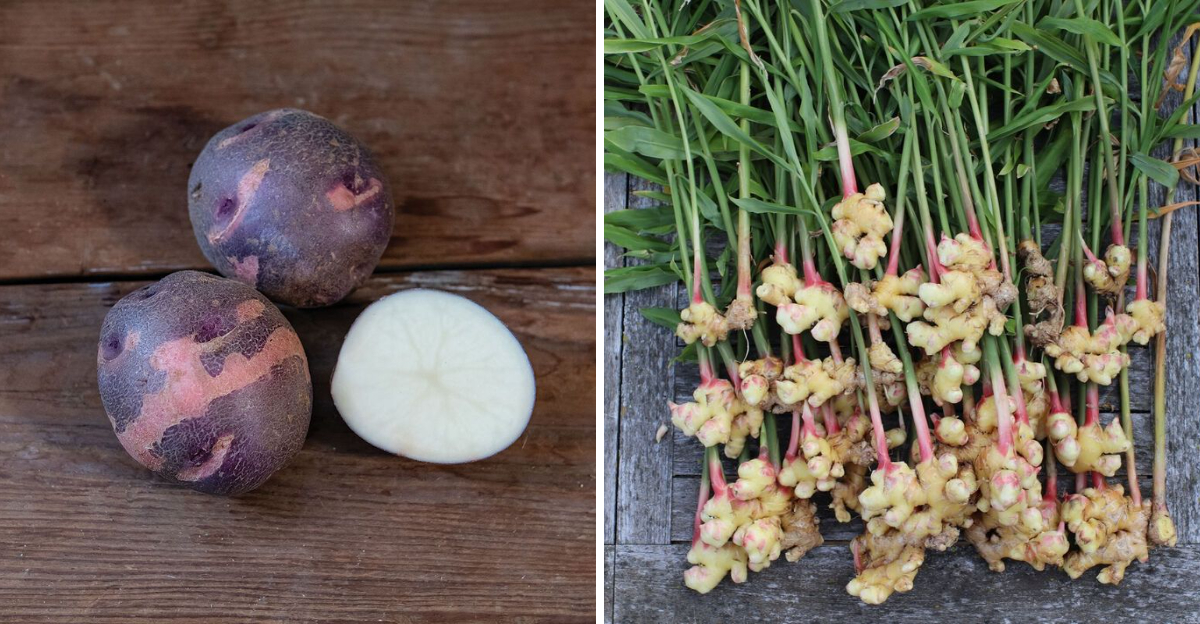
5. Ginger (New Crop For NC Gardens)
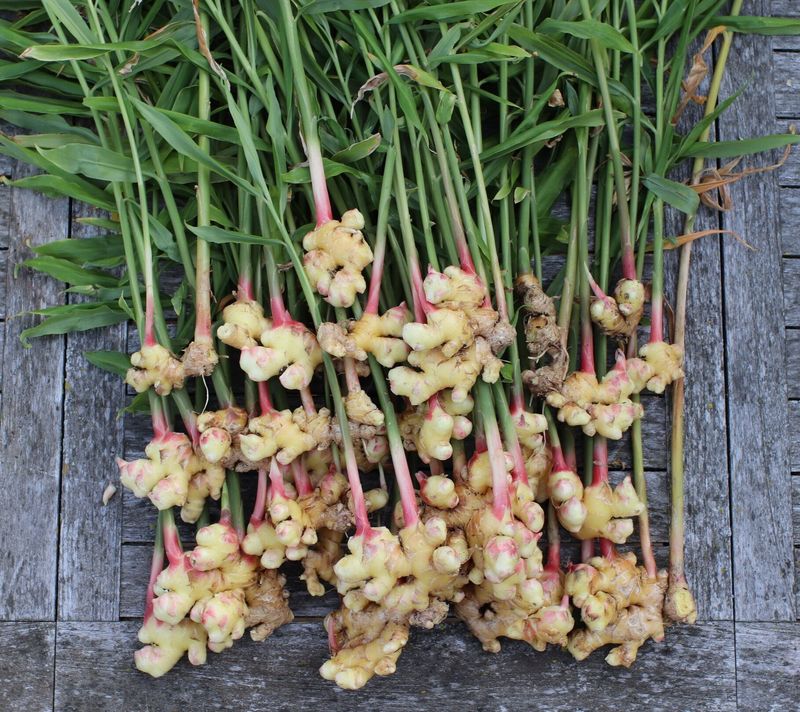
Most North Carolina gardeners are used to growing tomatoes, squash, and peppers, but ginger is quickly becoming a surprising new favorite across the state.
This tropical root crop thrives in warm, humid conditions, and NC’s long, steamy summers turn out to be nearly perfect for growing it.
More gardeners are discovering that fresh homegrown ginger has a depth of flavor that store-bought versions simply cannot match.
Plant ginger rhizomes in March once soil temperatures consistently reach around 55 to 60 degrees Fahrenheit.
Choose a spot with partial shade, as ginger actually prefers protection from harsh afternoon sun, especially during North Carolina’s intense summer heat.
Raised beds filled with rich, well-draining organic matter produce the best results for this crop. Soak rhizomes in water overnight before planting to encourage faster sprouting.
Set them two to four inches deep with the growth buds pointing upward, spacing each piece about eight inches apart.
Keep the soil consistently moist but never waterlogged, as ginger roots are sensitive to standing water and poor drainage.
Ginger takes about eight to ten months to reach full maturity, but you can harvest young ginger earlier for a milder, more tender flavor.
In North Carolina, gardeners often dig rhizomes in fall before the first frost arrives. The reward is an incredibly fresh, aromatic ingredient that transforms both cooking and homemade teas into something truly memorable.
6. Purple Viking Potatoes (New Colorful Variety)
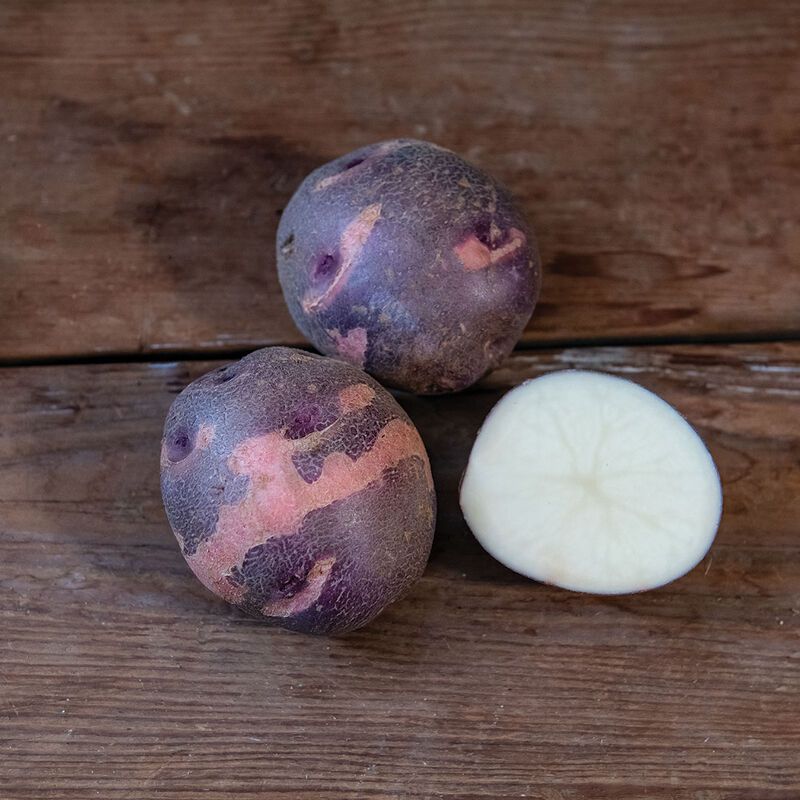
Potatoes with purple skin might sound like something out of a fantasy novel, but Purple Viking is a very real and very impressive variety now showing up in North Carolina gardens.
The deep purple exterior gives way to creamy white flesh inside, creating a visual surprise that makes harvest time genuinely fun.
Beyond the good looks, this variety is packed with antioxidants and has a rich, buttery flavor that stands out from ordinary potatoes.
Purple Viking adapts well to North Carolina’s clay and loam soils, though loosening the ground deeply before planting always helps.
March is a great time to get seed potatoes in the ground in NC, as the cool soil temperatures of early spring are ideal for strong root development.
Plant pieces with at least one or two eyes, setting them about four inches deep and twelve inches apart in rows.
Consistent moisture is important throughout the growing season, but waterlogged soil can cause rot, so good drainage matters a lot.
Hilling soil up around the base of the plants as they grow protects developing tubers from sunlight exposure, which can cause greening.
A layer of straw mulch helps regulate soil temperature and retain moisture through North Carolina’s warm spring days.
Expect to harvest Purple Viking potatoes about 70 to 90 days after planting. The striking color holds reasonably well even after cooking, making these potatoes a showstopper at any dinner table and a conversation starter at every meal.
7. Malabar Spinach (Heat-Tolerant Green)
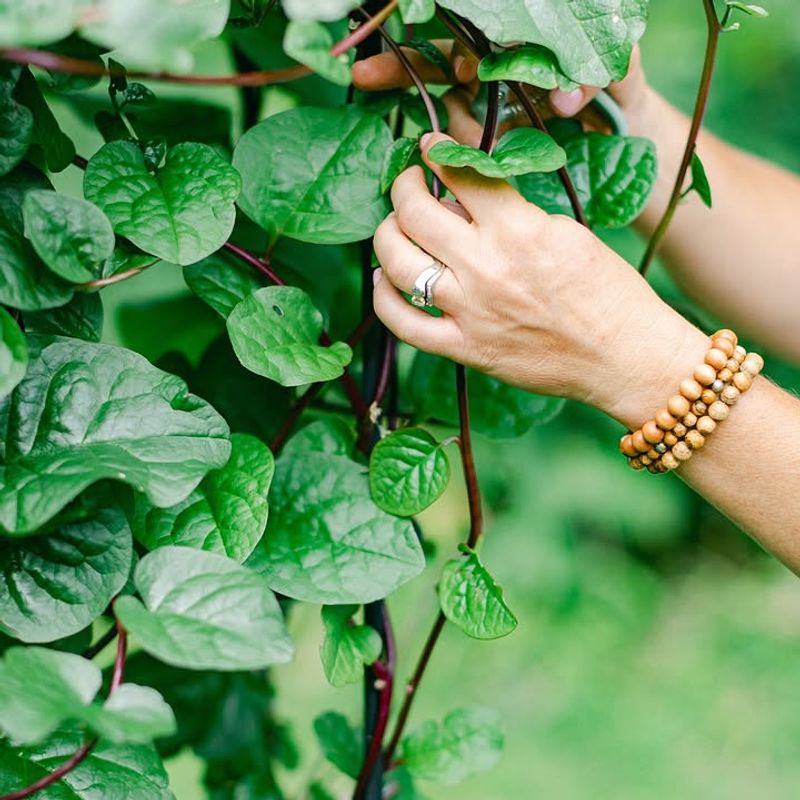
Regular spinach tends to give up the moment North Carolina’s summer heat arrives, bolting quickly and turning bitter almost overnight. Malabar Spinach plays by completely different rules.
This heat-loving vine keeps producing lush, glossy green leaves all through the hottest months of the year, which is exactly why gardeners across NC are starting to grow it more and more each season.
Technically not related to true spinach, Malabar Spinach is a tropical climbing plant that thrives in warm, humid conditions.
Its thick, slightly succulent leaves have a mild flavor that works well in stir-fries, soups, and salads.
North Carolina’s long summers give this plant plenty of time to climb and produce an impressive amount of fresh greens from a single planting. Start seeds indoors in late February or direct sow in March once temperatures warm up.
Malabar Spinach grows vigorously on a trellis, fence, or any vertical support, making it a smart choice for gardeners working with limited ground space.
Plant in full sun with rich, well-drained soil and water consistently for the best growth results.
The vines can reach six feet or taller by midsummer, so providing a sturdy support structure from the beginning saves a lot of hassle later on.
Harvest outer leaves regularly to encourage continuous new growth throughout the season.
North Carolina gardeners who discover Malabar Spinach often say it completely changes how they think about summer greens.
8. Purple Sweet Potatoes (New Variety In NC)
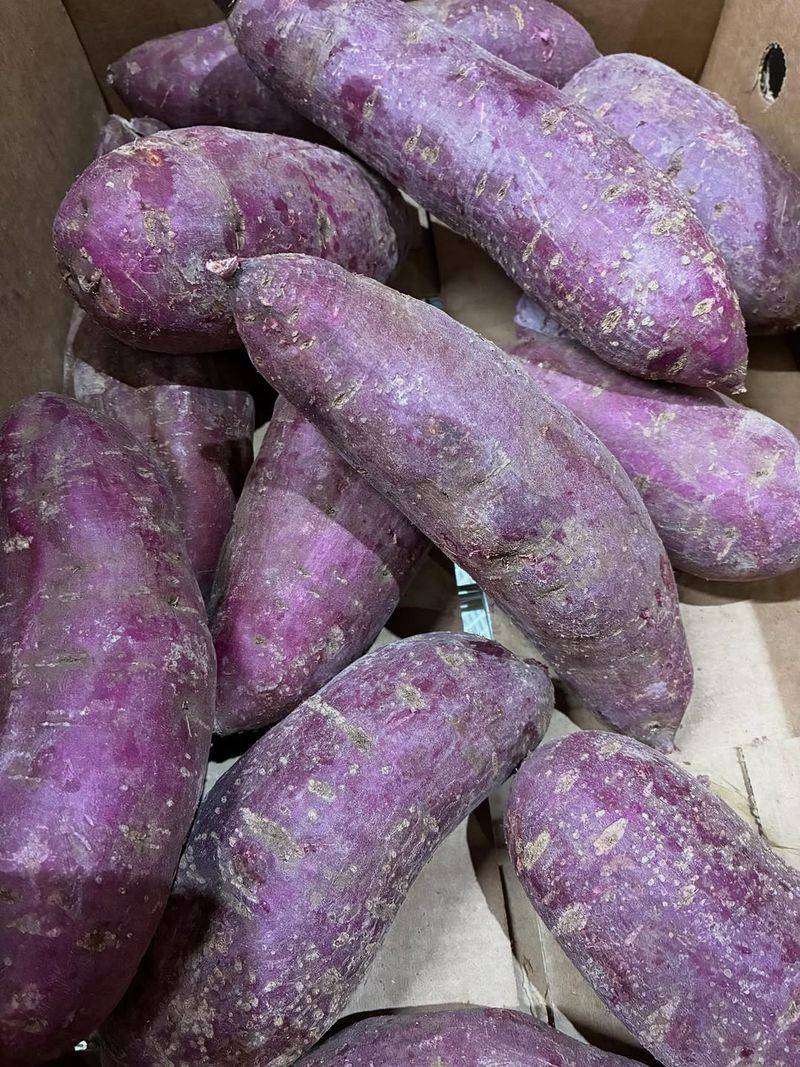
Sweet potatoes have long been a beloved staple crop in North Carolina, but the purple variety is bringing something genuinely exciting to the table.
With skin and flesh that range from lavender to deep violet, these sweet potatoes are as beautiful as they are nutritious.
They are packed with anthocyanins, a type of antioxidant that gives them their striking color and offers impressive health benefits.
Purple sweet potatoes grow well in North Carolina’s warm climate, preferring loose, sandy loam soil that drains efficiently.
Begin planting slips, which are rooted cuttings from mature tubers, in late March through April when soil temperatures reach at least 60 degrees Fahrenheit consistently.
Raised beds work especially well for sweet potatoes since they allow roots to expand freely without compaction issues.
Full sun and regular watering are important, though established plants are surprisingly drought-tolerant once their vines begin to spread across the ground.
Avoid over-fertilizing with nitrogen, as that encourages lush vine growth at the expense of tuber development.
A low-nitrogen fertilizer applied at planting time gives roots the nutrients they need without pushing too much leafy growth.
Harvest typically comes 90 to 120 days after planting, usually in late summer or early fall across North Carolina.
Curing freshly dug tubers in a warm, humid space for one to two weeks significantly improves their sweetness and extends storage life.
The rich, earthy flavor of purple sweet potatoes makes them a standout ingredient in both savory and sweet recipes.
9. Early Scarlet Globe Radishes (Fast-Maturing Variety)
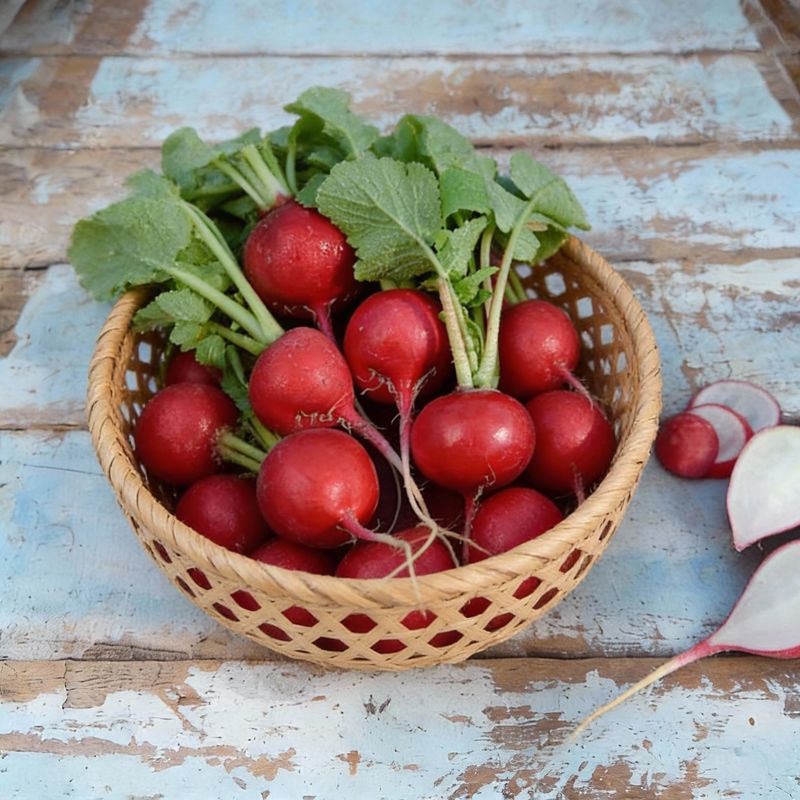
Few vegetables reward impatient gardeners quite like Early Scarlet Globe Radishes.
These fast-maturing little powerhouses go from seed to harvest in as little as 22 to 25 days, making them one of the quickest crops any North Carolina gardener can grow in early spring.
Planting a row of these in March means you could be pulling fresh radishes before April even arrives.
The roots are round, bright scarlet red on the outside, and crisp white on the inside with a satisfying peppery crunch.
Early Scarlet Globe has been a trusted variety among gardeners for generations, but its popularity in North Carolina is experiencing a real resurgence as more people discover how easy and rewarding it is to grow.
The compact size of the plants also makes them ideal for container gardening and small raised beds. Direct sow seeds about half an inch deep and two inches apart in rows spaced six inches apart.
North Carolina’s mild March temperatures are ideal for germination, which typically happens within three to five days under good conditions.
Thin seedlings to about two inches apart once they emerge to give each root enough room to develop properly.
Keep the soil consistently moist but not soggy, and harvest promptly once roots reach their mature size of about one inch in diameter.
Leaving them in the ground too long causes them to become pithy and overly sharp in flavor. Succession planting every two weeks extends your harvest window beautifully throughout North Carolina’s early spring season.
10. Kabocha Squash (New Winter Squash Variety)
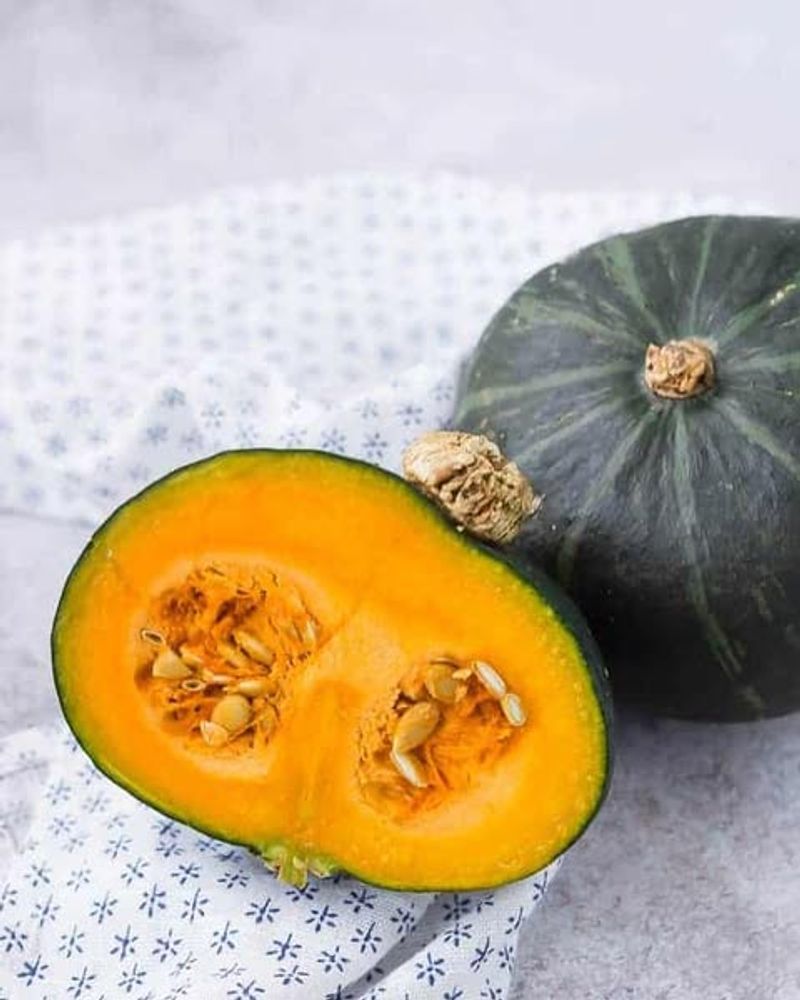
Kabocha Squash has a devoted following in Japan, and North Carolina gardeners are quickly discovering why this variety deserves a spot in every backyard garden.
Sometimes called Japanese pumpkin, Kabocha has a deeply sweet, nutty flavor with a dense, dry flesh that many people compare to a cross between butternut squash and sweet potato.
Once you taste it roasted or pureed into soup, it is hard to go back to ordinary winter squash varieties.
Plant Kabocha seeds directly in the garden in late March through May in North Carolina, once all frost risk has passed and soil temperatures have warmed to at least 60 degrees.
Each plant needs plenty of room to sprawl, with vines reaching six to ten feet in length by midsummer.
Spacing hills about four to six feet apart gives the plants the breathing room they need to thrive without overcrowding.
Full sun, well-drained fertile soil, and consistent watering through the growing season give Kabocha its best chance at a generous harvest.
Adding compost to the planting area before sowing improves both soil structure and nutrient availability significantly.
A light layer of mulch helps retain moisture and keeps weed pressure manageable as vines spread across the garden bed.
Kabocha squash typically matures in about 95 to 110 days from planting, with harvest usually falling in late summer or early fall across North Carolina.
The thick, dark green skin cures well for long-term storage, and the flavor actually improves after a few weeks of curing.
This squash is quickly becoming a seasonal staple for NC gardeners who love hearty, flavorful fall harvests.