7 Clever Ways To Reuse Old Flower Pots In Your North Carolina Garden
Garages and sheds across North Carolina often end up filled with stacks of old flower pots that just sit there collecting dust. It feels like a huge waste to toss them out when our long growing seasons offer so many chances to get creative.
The warm Southern sun and beautiful local landscapes provide the perfect setting to give those faded or cracked containers a second life. You do not need brand new supplies to make your yard look like a professional masterpiece this year.
Whether you want to start a tiny herb garden on your porch or create unique art for your flower beds, these pots are full of potential.
We have gathered the smartest ways to turn your old garden gear into something fresh and exciting. Your outdoor space will look better than ever with these simple and fun projects.
1. Create Miniature Herb Gardens
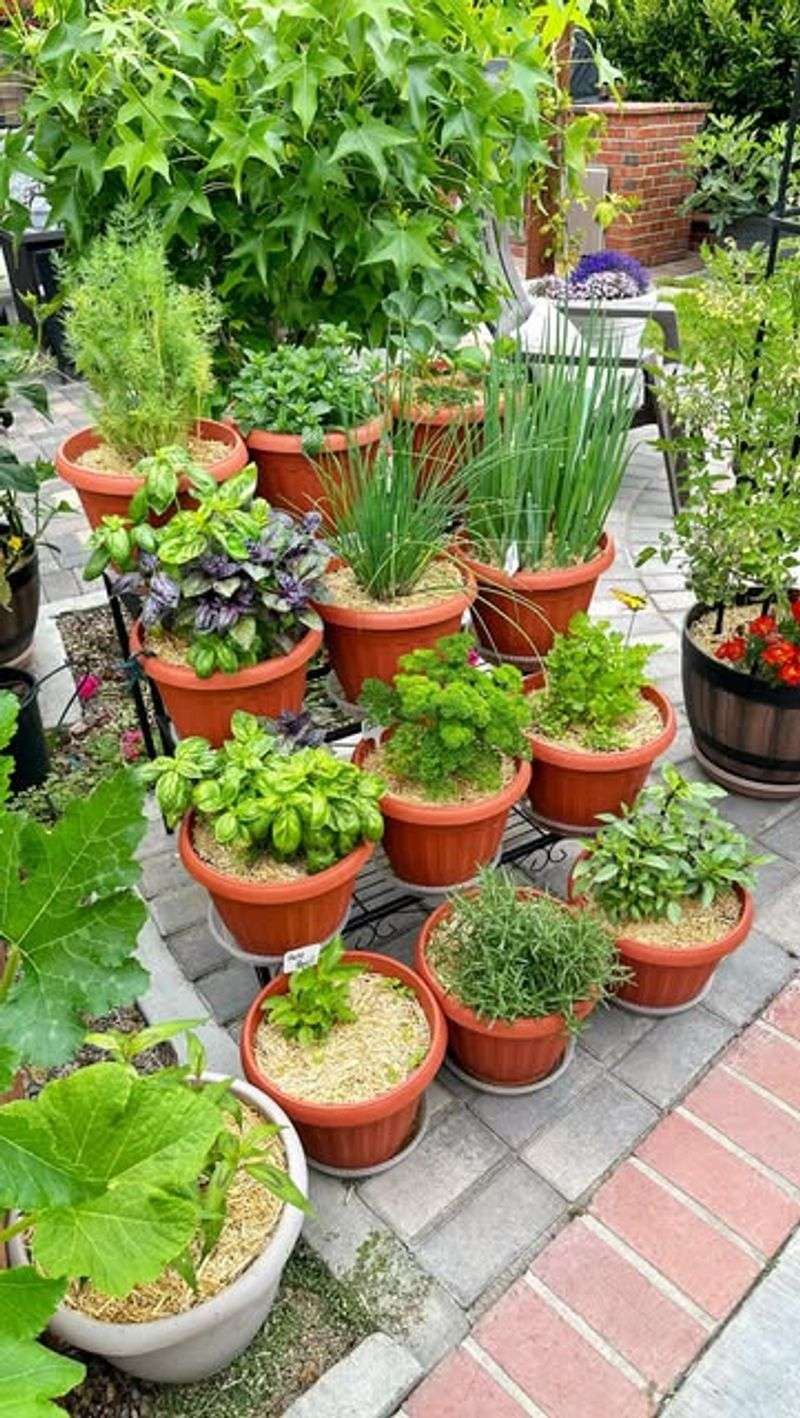
Fresh herbs are one of the most satisfying things you can grow, and your old flower pots are the perfect starting point. Small pots work especially well for herbs because most of them do not need a lot of space to spread their roots.
Basil, thyme, rosemary, and parsley are all excellent choices for North Carolina gardens, where warm summers give these plants plenty of energy to grow strong.
Arrange your herb pots in a spot that gets at least six hours of sunlight each day. A south-facing patio or a sunny windowsill near your kitchen door works beautifully.
Keeping them close to where you cook means you can snip fresh herbs in seconds without running across the yard.
One of the best things about using old pots for herbs is that you can mix and match sizes for a fun, layered look. Group several pots together on a wooden pallet or a tiered plant stand to save space.
In North Carolina’s warm climate, you can often grow herbs from spring all the way through fall without much trouble. Add a small label to each pot so guests and family members always know what they are looking at.
A little potting mix, some seeds or starter plants, and a good watering schedule are really all you need to get started.
2. Make A Vertical Garden
Yard space in North Carolina can fill up fast, especially if you love growing a wide variety of plants. A vertical garden is a brilliant solution that turns a plain fence or wall into a lush, eye-catching display.
Old flower pots are the perfect building blocks for this kind of setup, and the project is much easier than most people expect.
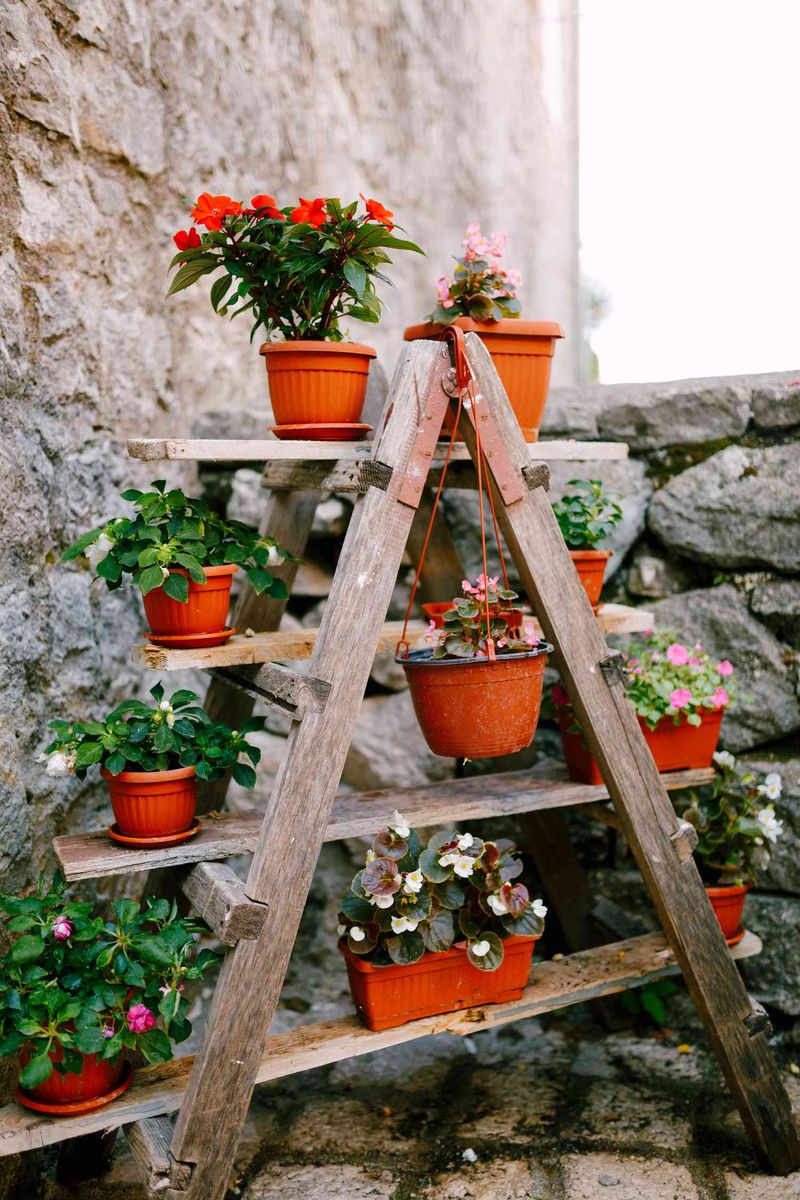
You can mount pots directly onto a wooden fence using sturdy hooks or screws. Stacking pots on a tiered shelf or ladder-style plant stand also works really well and gives you the freedom to rearrange things whenever you want.
Morning glories, trailing petunias, and small succulents all thrive in vertical setups and love the sunny North Carolina weather.
The key to a great vertical garden is making sure each pot has proper drainage so water does not sit and cause root problems. Drill an extra hole in the bottom if needed, and use a lightweight potting mix that drains quickly.
Your North Carolina Garden Changes Every Week. Your Plan Should Too.
Gardening in North Carolina changes quickly throughout the season. Every Friday you’ll receive a simple weekly plan showing exactly what to plant, prune, fertilize, harvest, and protect so you never miss the right timing.
Water vertical gardens a little more often than ground-level pots because they tend to dry out faster in the summer heat. Once everything is in place, the effect is stunning.
A wall covered in colorful, overflowing pots transforms even the smallest outdoor space into something that feels like a secret garden tucked right here in North Carolina.
3. Repurpose As Succulent Planters
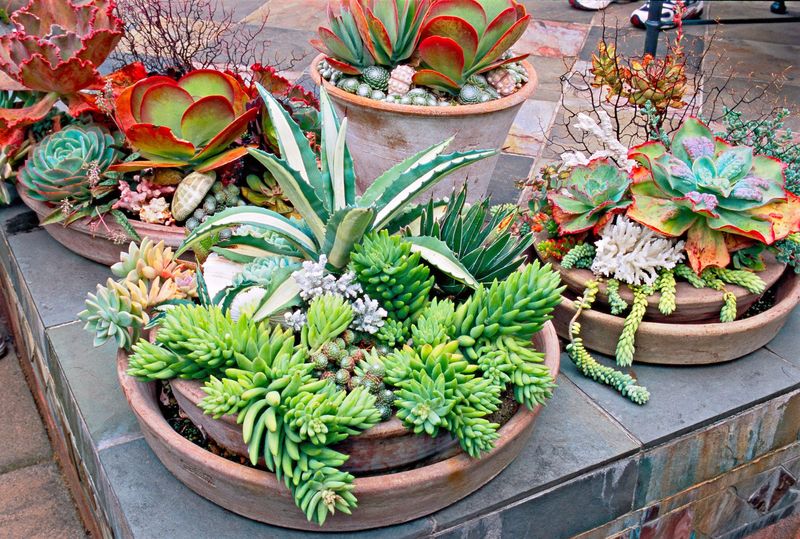
Succulents have taken the gardening world by storm, and for good reason. They are tough, gorgeous, and almost impossible to overwater once you get the hang of their simple routine.
North Carolina’s warm, dry summers are practically made for these resilient little plants, and old flower pots give them a charming home that feels both rustic and intentional.
Sedum, hens and chicks, and aloe vera are three of the best choices for North Carolina gardeners working with repurposed pots.
Sedum comes in dozens of colors and textures, hens and chicks spread naturally to fill a pot beautifully, and aloe vera doubles as a useful household plant for minor skin irritations.
Mix a few varieties in one large pot for a striking display, or keep each type in its own small container for a curated collection.
The most important thing succulents need is good drainage. Make sure your old pots have drainage holes at the bottom, and fill them with a cactus or succulent-specific potting mix that does not hold too much moisture.
Place your succulent planters in a spot that gets plenty of direct sunlight throughout the day. In North Carolina, a south-facing garden bed or a sun-drenched patio ledge works perfectly.
With almost no fuss required, these little plants reward you with color and texture all season long.
4. Create A DIY Bird Feeder
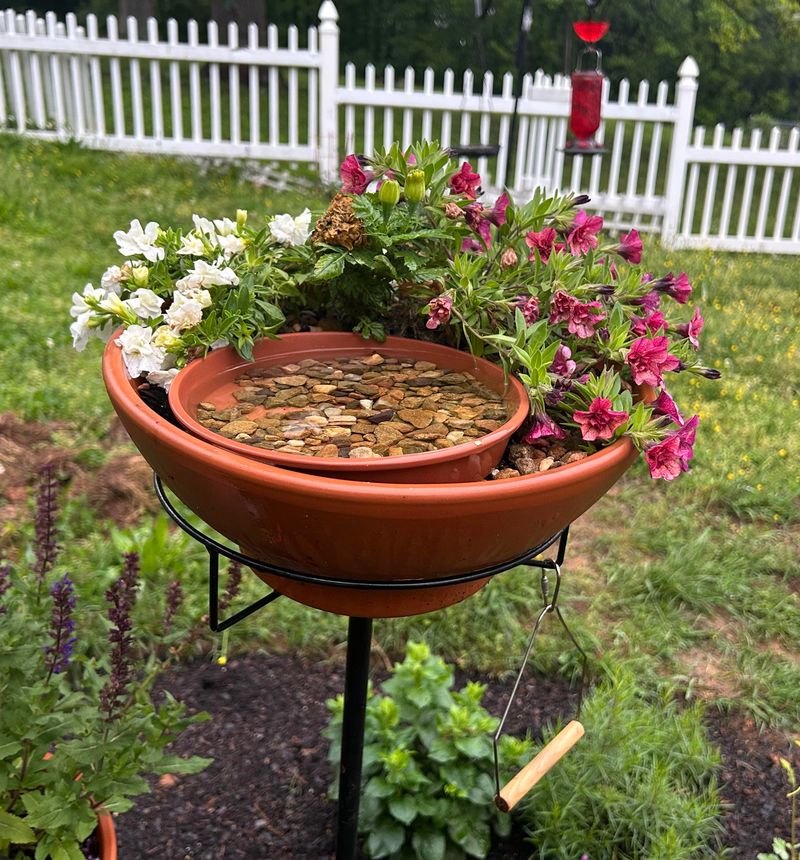
Turning an old flower pot into a bird feeder is one of those projects that feels like a small act of kindness toward nature.
North Carolina is home to a wonderful variety of birds, including bright red cardinals, cheerful goldfinches, and Carolina wrens, and attracting them to your garden adds life and movement to your outdoor space every single day.
The process is straightforward and requires very few supplies. Start with a clean, sturdy pot and drill a small hole near the base to allow any rainwater to drain out so the seed stays fresh longer.
Thread a length of strong rope or wire through the drainage hole and tie a large knot on the inside so the pot hangs securely. Fill the pot with a quality birdseed mix that includes sunflower seeds, millet, and safflower, which are favorites among North Carolina birds.
Hang your new feeder from a tree branch at a height that keeps it out of reach from squirrels if possible. Placing it near a window gives you a front-row seat to watch the birds visit throughout the day.
Refill the feeder every few days and give it a quick rinse between refills to keep things clean and safe for your feathered visitors. With a little creativity and one old pot, you have built a neighborhood gathering spot for North Carolina wildlife.
5. Make A Rustic Garden Fountain
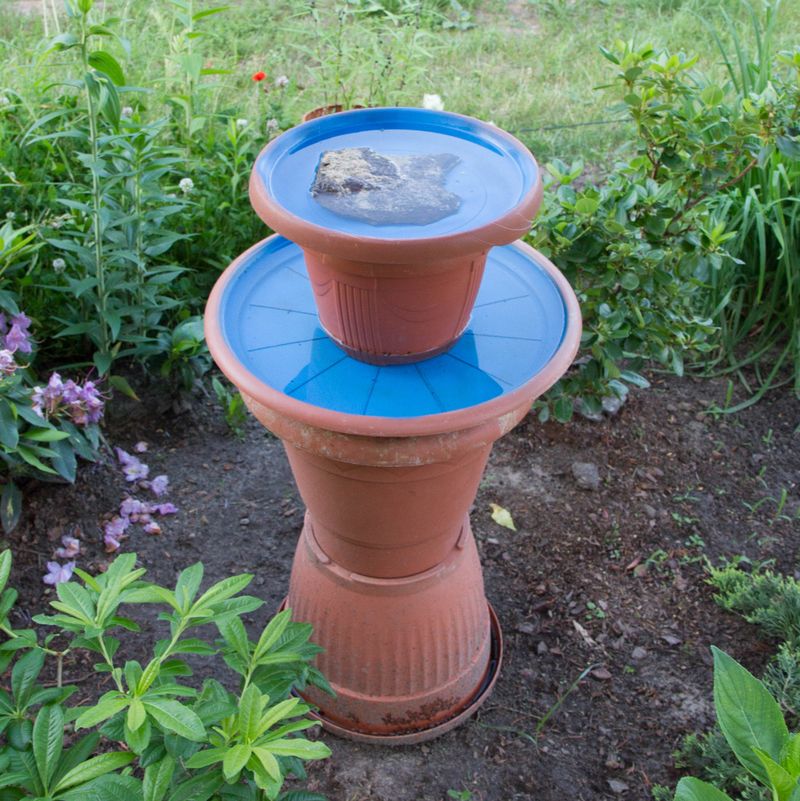
There is something deeply relaxing about the sound of flowing water in a garden, and you do not need a fancy setup to enjoy it.
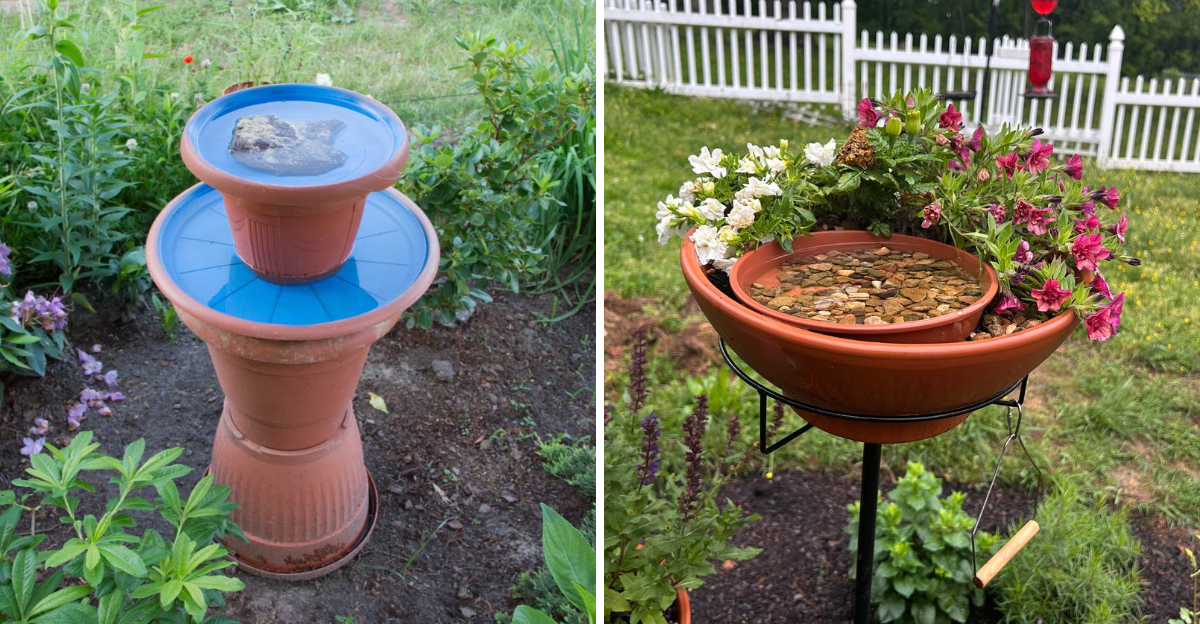
A stacked pot fountain is one of the most creative and rewarding projects you can tackle with old flower pots, and it fits beautifully into the lush, green landscapes that North Carolina gardens are known for.
You will need three or four pots of decreasing sizes, a small submersible water pump, flexible tubing, and waterproof sealant. Stack the pots from largest to smallest, running the tubing up through the center of each one.
Seal any cracks in the pots with waterproof pond sealant to make sure water flows where you want it to go. The pump sits in the bottom pot or a small basin beneath it and circulates the water continuously so it trickles down from one level to the next.
Place your fountain in a shaded or partially shaded corner of your North Carolina garden for the most dramatic effect. Surround it with ferns, hostas, or creeping jenny for a lush, natural look that blends perfectly with the surrounding plants.
The gentle sound of moving water also helps mask street noise, making your garden feel like a private retreat. Once your fountain is running, maintaining it simply means checking the pump regularly and topping off the water on hot North Carolina summer days.
6. Turn Pots Into Garden Art
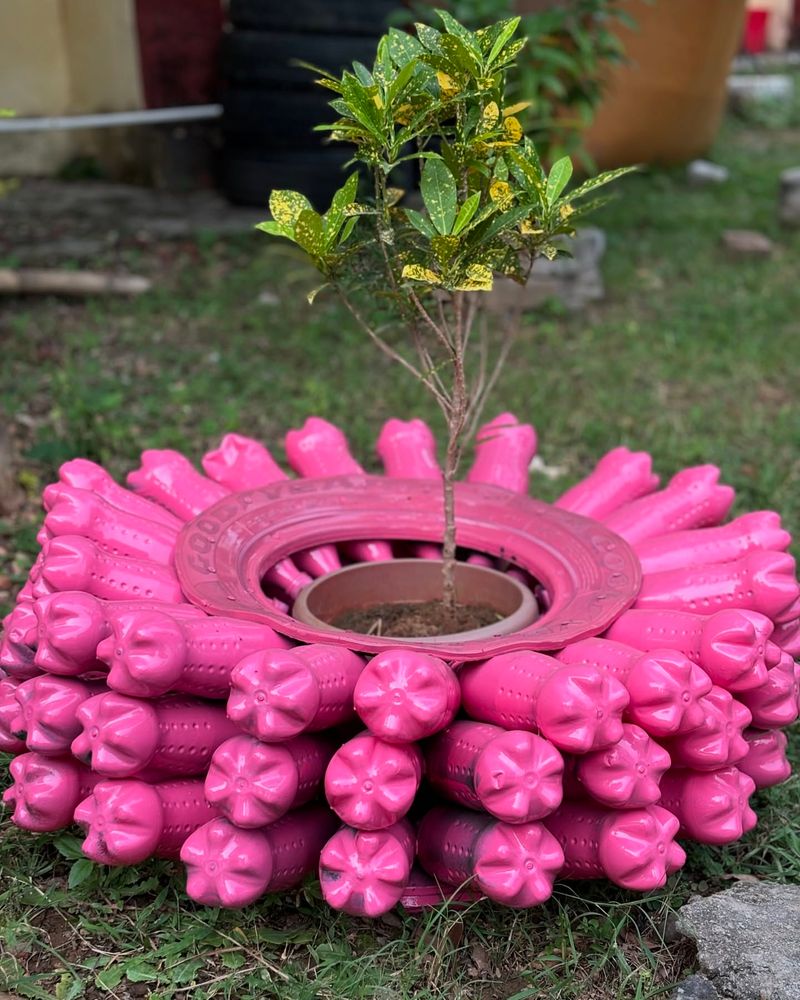
Not every old pot needs to hold soil to earn its place in your garden. Some pots are better suited to a second life as art, and the results can be absolutely stunning.
Painting and decorating old pots is one of the most enjoyable ways to add personality and color to your North Carolina outdoor space without spending much money at all.
Acrylic outdoor paint works best for this project because it holds up well against rain and sun. Seal your finished designs with a clear weatherproof coating to make sure the colors last through humid North Carolina summers and cool winters.
You can paint bold geometric patterns, hand-lettered plant names, or whimsical scenes of animals and flowers. Smaller pots make adorable plant markers when painted with the names of nearby herbs or vegetables.
Stacking painted pots and securing them with outdoor adhesive or wire creates fun sculptural figures like owls, frogs, or snowmen that become conversation pieces in your garden.
You can also arrange broken pot pieces into mosaic-style stepping stones or border edges along a flower bed for a one-of-a-kind look.
Fairy houses built from stacked and decorated pots are especially popular with kids and bring a playful, imaginative energy to any corner of the yard.
In North Carolina, where outdoor living is practically a year-round activity, garden art like this keeps your space feeling fresh and full of character through every season.
7. Use As Drainage Or Mulch Holders
Old pots can do a lot of quiet, practical work in your garden without ever holding a single plant. Using them to improve drainage or keep mulch in place is a smart, sustainable move that North Carolina gardeners of all experience levels can appreciate.
It is one of those tricks that looks simple but makes a real difference over time.
Placing a pot upside down over a newly planted shrub or perennial can act as a temporary cover that protects young plants from heavy rain or unexpected late frosts, which do occasionally happen in North Carolina’s transitional seasons.
You can also bury a pot partially in the soil with the drainage hole facing down to create a channel that directs excess water away from plant roots during heavy summer storms.
For mulch control, position decorative pots along the edge of a flower bed to act as a border that keeps wood chips or straw mulch from washing away when it rains.
This approach is especially useful on sloped garden areas where mulch tends to shift and spread.
Grouping a few pots together near a new planting also helps mark the spot so you do not accidentally step on young plants before they establish themselves.
In North Carolina’s sometimes unpredictable weather, having these simple pot-based solutions in place means your garden stays organized, protected, and looking its best from one season to the next.